
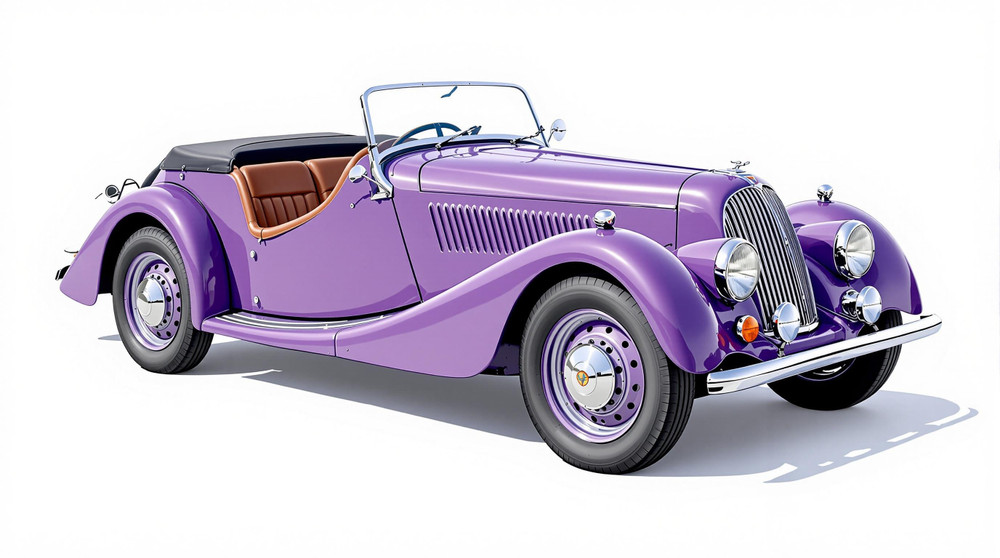
Image of 1937 Morgan 45386, Note: These illustrations use artistic license and may differ from actual historical models.
Performance Metrics
Fundamental Metrics
Emotional Appeal
MMP Rating
| Specifications | Details | ||
|---|---|---|---|
| Engine Specifications |
Engine Options: Inline-4 Displacement Range: 1122 cc Horsepower Range: 34-39 HP Torque: N/A Compression Ratio: N/A Ignition System: Coil Ignition Cooling System: Water-cooled |
||
| Performance Specifications |
0-60 Time: N/A 1/4 Mile Time: N/A Top Speed: 75-80 mph |
||
| Transmission and Drive |
Drive Type: Rear Wheel Drive Transmission Type: 4-speed manual |
||
| Fuel and Efficiency |
Fuel System Type: Carburetor MPG: N/A |
||
| Dimensions and Brakes |
Brakes: Drum brakes Wheelbase: 94 inches Weight: 1500 lbs |
||
Note: Specifications for classic cars are given to the best of our ability, considering the limited and variant data available.
1937 Morgan 4/4: Britain’s Featherweight Roadster
The 1937 Morgan 4/4 was built around a refreshingly simple idea: give a small, light car four wheels, four cylinders and the direct feel of a sporting machine. Produced by the Morgan Motor Company in Malvern Link, England, it was the marque’s first four-wheeled model, arriving in 1936 after decades in which Morgan was best known for its three-wheeled cars.
The number “45386” is supplied here as the car’s identifier, but it is not enough on its own to confirm a particular car’s original engine, body style or factory specification. Morgan records, registration documents and surviving chassis details are the best way to authenticate an individual example. The broad description below covers the 1937 Series I 4/4.
A particularly intriguing detail is how thoroughly the 4/4 broke with Morgan tradition. The company’s earlier three-wheelers were famous for their lively, lightweight character, but the new car added a conventional front axle and four-cylinder engine while preserving the low weight and close-to-the-road sensation that made Morgans distinctive.
Hand-built Style and Period Details
The 4/4’s shape is unmistakably pre-war: a long bonnet, upright grille, separate front wings, exposed headlamps and a narrow body that tapers neatly toward the rear. The wheels sit prominently outside the bodywork, while the low scuttle and small windscreen give the roadster a purposeful, almost competition-ready stance. Its proportions are delicate rather than imposing, and every curve reflects the practical requirements of a small workshop-built sports car.
Morgan’s traditional construction methods were central to the car. The chassis was made from steel, while the body structure used an ash frame covered with metal panels. Depending on specification and replacement history, panels could be steel or aluminum. This approach kept weight down and suited Morgan’s hand-built production, but it also means that inspecting the wooden structure is essential when assessing an old car today.
Inside, the experience is simple and intimate. The cabin is narrow, with close-set seats, a compact dashboard, basic instruments and relatively little weather protection. Trim and equipment varied between cars, but leather upholstery, a wood-rimmed steering wheel and traditional switchgear suit the period character. Owners should expect craftsmanship and charm, not modern levels of finish, comfort or noise insulation.
The familiar open two-seat roadster is the most iconic 4/4 shape. Four-seat and closed-body versions were also offered during the early model’s life, although availability and exact details depended on year and order. Paint was selected from period options rather than a modern, fixed palette. Dark green, red, blue and black are all natural choices for a pre-war sports car, but an individual Morgan’s original color should be confirmed from its records or paint layers rather than assumed.
Engineering That Made Four Wheels Sporty
The 4/4’s name described its basic formula: four wheels and a four-cylinder engine. Early Series I cars used a 1,122 cc Coventry Climax side-valve four, producing roughly 34 horsepower. Power passed through a three-speed gearbox to the rear wheels. The exact specification of a particular 1937 car should be checked, since components can differ by build date and may have been changed during decades of maintenance.
One of the car’s most distinctive engineering features was Morgan’s sliding-pillar independent front suspension. Each front wheel moved vertically on a sliding assembly rather than through the wishbone layout familiar on many later sports cars. At the rear, a live axle and leaf springs kept the design straightforward. The combination was light and compact, but it also gave the Morgan a very different feel from larger, heavier contemporary tourers.
The 4/4 did not introduce a new mass-production technology. Its importance was in combining established mechanical ideas into a small, unusually light British sports car. It established a four-wheeled Morgan line that continued for generations, and the formula of modest power, low mass and direct driver involvement remains central to the company’s identity.
Performance and Road Manners
With around 34 horsepower and a low curb weight, a 1937 4/4 was lively by the standards of its size, but it was never a high-speed grand tourer. Period performance figures vary, and surviving cars may differ in tune and gearing. A reasonable guide is a top speed in the neighborhood of 65 to 70 mph, with 0 to 60 mph taking roughly 25 to 30 seconds. These are estimates, not guaranteed figures for car 45386.
On a winding road, the Morgan’s light weight and narrow body make it feel agile and responsive. The steering is direct, the controls are mechanical in character, and the driver feels closely connected to the front wheels. The sliding-pillar suspension is part of that distinctive experience, though its condition and correct lubrication have a major effect on how smoothly it operates.
Bumps can make themselves known. The short wheelbase and period suspension do not soak up rough surfaces like a modern car, and the rear axle can feel busy over broken pavement. Crosswinds are also more noticeable in an open, lightweight roadster than in a heavier saloon. At sensible speeds on a clear country lane, however, the 4/4 delivers the sort of involving, unfiltered drive that its modest horsepower figures cannot describe.
The Coventry Climax engine has a purposeful mechanical note rather than a deep, powerful roar. In an open cockpit, the driver hears the engine, exhaust, tires and wind together. Gear changes require attention, and the car rewards smooth, deliberate inputs. Driving one is less about effortless speed and more about making the most of momentum.
Living with a Pre-War Morgan
Today, a 1937 4/4 is best suited to weekend touring, vintage motoring events, club gatherings and shows. Some examples take part in historic rallies or carefully selected competition, but using a rare pre-war car hard requires thoughtful preparation. It can be driven regularly by an experienced owner, yet modern traffic, limited weather protection and the absence of contemporary safety equipment make it a very different proposition from a daily driver.
Mechanical repairs are often manageable for a competent owner because the car’s systems are comparatively simple and many components are accessible. The challenge is finding correct parts and specialists familiar with early Morgan details. Regular attention to lubrication, brakes, ignition, cooling and suspension is important. The ash body frame deserves particular scrutiny: hidden deterioration can be more expensive to address than routine engine work.
Reliability depends heavily on condition and maintenance. A well-restored, correctly sorted car can be enjoyable and dependable for touring, but age alone makes assumptions unwise. Before buying, check the chassis for corrosion, inspect the timber structure and body mounts, assess the sliding-pillar assemblies, and verify that the engine and gearbox match the car’s documented history where possible.
Rare Facts, Reputation and Criticism
The 1937 4/4 belongs to the first Series I generation, produced from 1936 to 1939. Commonly cited production totals for the Series I are about 663 cars in all. That figure covers the series, not just 1937, and a dependable year-by-year breakdown or body-style count is not readily available. It is therefore safer to describe a 1937 example as uncommon than to claim a precise number built for that calendar year.
The model’s lasting distinction is its role as the first four-wheeled Morgan. It helped the company broaden its range without abandoning the lightweight, hand-built character of its three-wheelers. Rather than setting a famous speed record or becoming a mass-market sales hit, the 4/4 made its mark by establishing a durable design and engineering direction for Morgan.
There is no widely documented major historical event or celebrity association that can confidently be tied to the identifier 45386. Individual cars may have fascinating ownership stories, but those should be supported by registration documents, period photographs or other records. The most interesting history is often specific to the car, not the model as a whole.
Common criticisms are part of the package: cramped accommodation, limited weather protection, modest acceleration, a firm ride and a lack of modern safety features. The early sliding-pillar suspension also needs proper upkeep. For enthusiasts, these drawbacks are balanced by the car’s craftsmanship, distinctive appearance and unusually direct driving experience.
Collector Values and Availability
As a best-estimate guide for the 2026 market, a usable but imperfect 1937 Morgan 4/4 might fall around US$25,000 to US$40,000. A sound, well-presented car with a good history could reach roughly US$40,000 to US$65,000, while an exceptional, carefully restored example with strong provenance may exceed that range. These are broad estimates, not an appraisal, and market, currency, originality and restoration quality can change the result substantially.
Early 4/4s are scarce compared with later classic sports cars, but they do appear through specialist dealers, auctions and Morgan networks. The Series I’s total production of roughly 663 provides a useful measure of original rarity; the number of survivors is not reliably established. A car’s matching components, documented ownership, body style, quality of restoration and structural condition can matter more to value than a small difference in specification.
Values for well-preserved pre-war British sports cars have generally benefited from their rarity and historical appeal, but prices move in cycles and restoration costs are high. The strongest examples are likely to hold their appeal better than cars needing extensive structural work. Buy on condition and provenance, rather than assuming that age alone guarantees appreciation.
Why the 1937 Morgan 4/4 Still Matters
The 1937 Morgan 4/4 combined a Coventry Climax four-cylinder engine, lightweight construction and distinctive sliding-pillar suspension in a compact British roadster. Its performance was modest by modern standards, but its engineering character, hand-built body and close connection between driver and machine made it a defining step in Morgan’s history.
More than a charming pre-war survivor, the 4/4 established a four-wheeled sports-car formula that Morgan would carry forward for decades. Its appeal is simple and enduring: a small engine, a light chassis and a roadster that makes every mile feel earned.
1937 Morgan 45386 Catalog of Parts
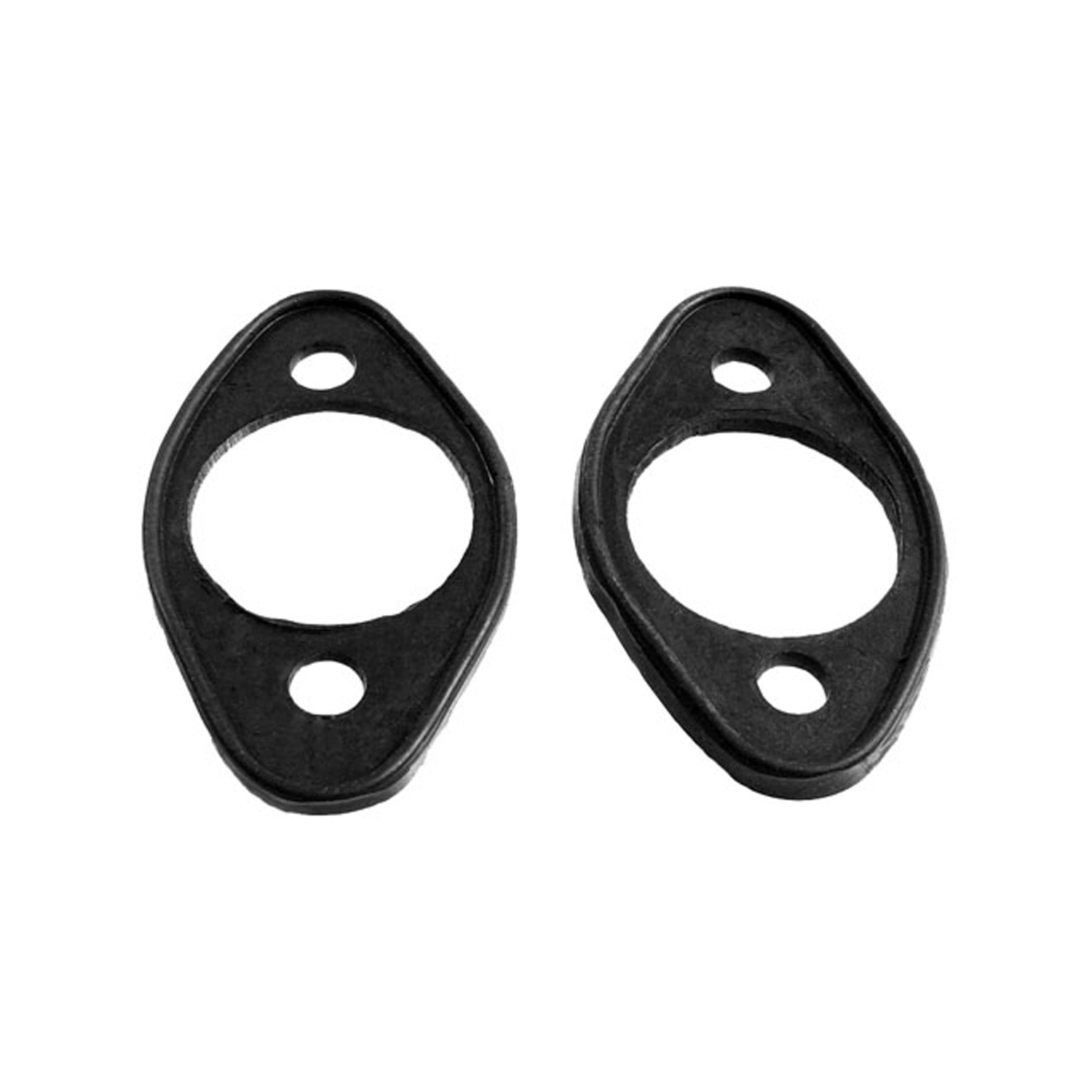 1937 Morgan 45386 Door Handle Pads. For all models with outside door handles-MP 1012-DDoor Handle Pads. For all models with outside door handles. 1-3/8" wide X 2-3/8" long. Pair
Why Choose Metro?
For over 100 years, Metro Moulded Parts has been the pinnacle of quality in classic car restoration parts. Our commitment to precision and authenticity in every component ensures a perfect fit and an OEM-level appearance.
- Expert Craftsmanship & Quality: Each part is a testament to our dedication to reliability and perfection, crafted from original designs and thoroughly tested.
- Advanced Technology: We use cutting-edge techniques to create flawless, long-lasting parts that surpass others in performance.
- SuperSoft Sponge – The Ultimate Door Seal: Not only are our door seals 30% softer than competitors', but they're also guaranteed to never leak. They effectively reduce wind and road noise, enhancing your classic car's comfort and driving experience.
- Proudly American: Our parts are a product of American craftsmanship, made in the USA with a spirit of excellence and heritage.
- Unrivaled Warranty: We back our products with a 30-year industry-leading warranty, a testament to our confidence in their quality.
Join us in preserving the legacy of classic cars with parts that are crafted for perfection, not just made.