

Image of 1919 Nash Series 680, Note: These illustrations use artistic license and may differ from actual historical models.
Performance Metrics
Fundamental Metrics
Emotional Appeal
MMP Rating
| Engine Specifications | |
|---|---|
| Engine Options: | Inline 6 |
| Displacement Range: | 3.0L |
| Horsepower Range: | Estimated 20-30 HP |
| Torque: | Not available |
| Compression Ratio: | Not available |
| Ignition System: | Magneto ignition system |
| Cooling System: | Water-cooled |
| Performance Specifications | |
| 0-60 Time: | Not available |
| 1/4 Mile Time: | Not available |
| Top Speed: | 50 mph |
| Transmission and Drive | |
| Drive Type: | Rear-wheel drive |
| Transmission Type: | 3-speed manual |
| Fuel and Efficiency | |
| Fuel System Type: | Carburetor |
| MPG: | Not available |
| Dimensions and Brakes | |
| Brakes: | Mechanical drum brakes |
| Wheelbase: | 112 inches |
| Weight: | Estimated 2000-2500 lbs |
Note: Specifications for classic cars are given to the best of our ability, considering the limited and variant data available.
1919 Nash Series 680: An Early American Six
The 1919 Nash Series 680 was built for motorists who wanted more than basic transportation: it paired a substantial six-cylinder engine with careful engineering and the comfortable, well-appointed bodies expected of an ambitious American car. It came from Nash Motors Company of Kenosha, Wisconsin, a young automaker founded by Charles W. Nash, the former president of General Motors.
Nash had entered the automobile business in 1916 by acquiring the Thomas B. Jeffery Company, maker of the Rambler. The first Nash cars appeared in 1917, and by 1919 the company was establishing a reputation for solid construction and thoughtful mechanical design. One especially appealing detail of the early Nash Six was its twin-ignition arrangement, which used two spark plugs per cylinder. For a car from the years just after World War I, that was a striking piece of engineering.
The Series 680 belongs to an era when automobiles were becoming more capable and dependable, but still demanded real attention from their drivers. It is best understood as a substantial, high-quality touring car rather than a modern car in antique clothing.
Classic Nash Styling and Coachwork
The Series 680 wore the upright proportions typical of a substantial 1910s automobile. Its tall radiator and long bonnet gave the front end a formal, purposeful look, while separate fenders framed the wheels rather than blending into the body. Large headlamps, running boards, exposed step plates and a folding fabric top completed the unmistakable pre-streamlined silhouette. On touring models, the open cabin made the car look ready for a country road, with the top folded back and the windshield standing proud above the cowl.
Body styles varied by model and catalog listing, but Nash buyers could find open touring and roadster configurations as well as more enclosed bodies such as sedans and coupes. Touring cars were among the most recognizable choices of the period: they offered seating for several passengers and suited long-distance travel in an era when enclosed cars were expensive. Closed bodies brought more protection from weather, but typically added cost and weight.
Cabins were finished with the materials and workmanship appropriate to a premium car of the day. Depending on body style, occupants could find leather upholstery in open cars, cloth or broadcloth in enclosed models, finished wood trim and substantial cushions. The atmosphere was handsome and functional rather than lavish by later luxury-car standards. The driver sat among exposed controls, including the steering wheel, gear lever and hand-operated adjustments common to the period.
Factory paint choices could differ by body and production run. Dark, conservative finishes such as black, deep blue and maroon were typical choices for cars of this class, though surviving cars and period color records do not establish one universal Series 680 palette. A particular original color should be confirmed against the car’s documentation or surviving finish layers rather than assumed from a modern restoration.
Engineering Ahead of Its Time
The Series 680’s central feature was its six-cylinder engine. Published specifications commonly associate the Nash Six of this period with a roughly 336-cubic-inch L-head engine producing about 55 horsepower. Its twin ignition gave each cylinder two spark plugs, while the engine’s seven-main-bearing crankshaft helped support smooth, durable operation. These details mattered in a large car expected to carry passengers and luggage over roads that could be rough and poorly surfaced.
The car used a conventional three-speed manual transmission and rear-wheel drive. Electric starting and lighting were increasingly important conveniences in this period, although equipment could vary by exact specification and surviving car. The chassis and controls remained firmly prewar in character: the driver had to manage the gearbox, anticipate braking needs and pay attention to road conditions in ways that would feel unfamiliar to a modern motorist.
Its design was not a sudden revolution in automotive styling. Rather, the Series 680 helped show how a newer manufacturer could compete through engineering, quality and a refined driving experience. Nash’s focus on a smooth six-cylinder engine and carefully developed mechanical components became part of the company’s identity, even as later generations of Nash cars adopted very different technology and styling.
1919 Nash 680 Performance and Driving Feel
Period factory performance figures are not consistently available, so modern estimates should be treated as approximations. With roughly 55 horsepower, a heavy chassis and period gearing, a Series 680 could likely reach around 50 to 60 mph in favorable conditions. A 0-to-60-mph time is not a dependable factory specification; based on its power and weight, reaching 60 would likely take well over half a minute, and some examples may not achieve that speed readily.
On a smooth road, the long wheelbase and substantial chassis would make the Nash feel steady and composed for its time. On broken surfaces, tall tires and flexible suspension helped absorb some impact, but there was no modern isolation from potholes or washboard gravel. The steering required more effort at low speeds than a modern driver expects, and narrow tires offered limited grip by today’s standards. On a winding road, the sensible approach was to slow early and make measured steering inputs rather than rush into corners.
Behind the wheel, the six-cylinder engine would produce a deep, measured mechanical note rather than the high-revving sound of a modern car. Gear changes, spark and throttle management, and the feel of the road all demanded driver involvement. Braking also calls for respect: many cars of this era relied on rear-wheel braking rather than the four-wheel systems now considered standard. A 1919 Nash can be rewarding to drive, but it belongs on suitable roads and at speeds appropriate to its age and equipment.
Living With a Series 680
In its own time, the Nash could serve as family transportation, a touring car or a comfortable way to travel between towns. Today, most examples are used for vintage-car events, local touring, museum display and collector gatherings. Regular use is possible for a well-maintained car, but modern traffic, highway speeds and unpredictable road conditions make it a poor choice for routine commuting.
Maintenance is manageable for an owner with mechanical experience, patience and access to specialist knowledge. The basic systems are understandable, and many repairs do not require diagnostic electronics or proprietary software. The harder challenges are sourcing correct parts, finding a shop familiar with early automobiles, and maintaining aged components such as wiring, fuel-system parts, bearings, upholstery and wooden body structure where fitted. Restorations should also account for the condition of the frame, wheels, tires and brakes, not just the engine.
Reliability depends heavily on the quality of restoration and ongoing care. A carefully maintained Nash can tour reliably at appropriate speeds, but it should not be expected to behave like a modern car. Owners should inspect it before each outing, carry basic tools and allow extra time for any trip. That routine is part of the ownership experience, not an optional extra.
Nash 680 Facts and Common Criticisms
The Series 680’s twin-ignition six is a standout technical talking point. It reflects a period when manufacturers experimented with ways to improve combustion and dependable operation, before modern ignition systems made such arrangements unnecessary. The car also represents the early ambition of Charles W. Nash, who built a new company around the idea that quality engineering could distinguish a relatively young automaker from established rivals.
There is no widely recognized Series 680 speed or endurance record that defines the model, and celebrity ownership claims are not a reliable part of its story. Its significance is more grounded: it was one of Nash’s early products during the company’s formative years. As with many cars from the period, surviving examples are far less common than the original production totals suggest, because decades of use, scrapping and changing tastes took a heavy toll.
Common criticisms are easy to understand from a modern perspective. The car is slow by present standards, has limited braking capability compared with later vehicles, and provides little in the way of weather protection in open form. Parts and specialist service can also be difficult to find. Those drawbacks are real, but they are balanced by its mechanical character, handsome period proportions and unusually engaging driving experience.
Collector Value and Rarity
Exact production figures for the Series 680 are difficult to establish from readily available model-level records. As a best estimate, several thousand examples may have been built, with a plausible range around 8,000 to 15,000. That is an informed estimate, not a verified factory total. Nash’s overall production in the period was substantially higher than the number of Series 680 cars that survive today.
Availability is limited, especially for complete, correctly restored cars. A rough project or incomplete example could sell for roughly $10,000 to $20,000, while a usable driver or older restoration might fall around $20,000 to $40,000. A high-quality restoration with desirable coachwork could bring approximately $40,000 to $70,000 or more. These are broad U.S. market estimates, not a formal appraisal. Body style, originality, documentation, mechanical condition and restoration quality can move the price substantially.
Values for early cars such as the Nash are best described as selective rather than uniformly appreciating. Exceptional, authentic examples can attract strong interest, while ordinary cars may be held back by restoration costs and a smaller pool of buyers. Prices can also vary sharply by venue and season. Long-term value is most likely to favor a complete car with sound structure, well-documented history and a sympathetic restoration rather than one finished to show standards at any cost.
Why the 1919 Nash Series 680 Matters
The 1919 Nash Series 680 combines the visual drama of an early touring car with engineering that was notably ambitious for its time. Its large six-cylinder engine, twin ignition and carefully considered construction helped establish the character of a young American manufacturer. It is not fast or effortless by modern standards, but it offers something modern cars rarely can: a direct connection between driver, machine and road.
For collectors, the Series 680 is more than a handsome survivor from the brass-and-lamp era. It is a reminder that Nash’s reputation was built one carefully engineered car at a time, long before the company became a familiar name on postwar American roads.
1919 Nash Series 680 Catalog of Parts
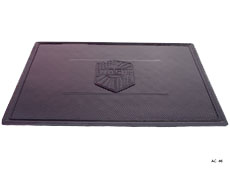 1919 Nash Series 680 Accessory Floor Mat - 12"X17"-AC 46Accessory Floor Mat - made of high quality black rubber with molded original emblem. Also designed to be sewn into new carpets. 12"X17", Each
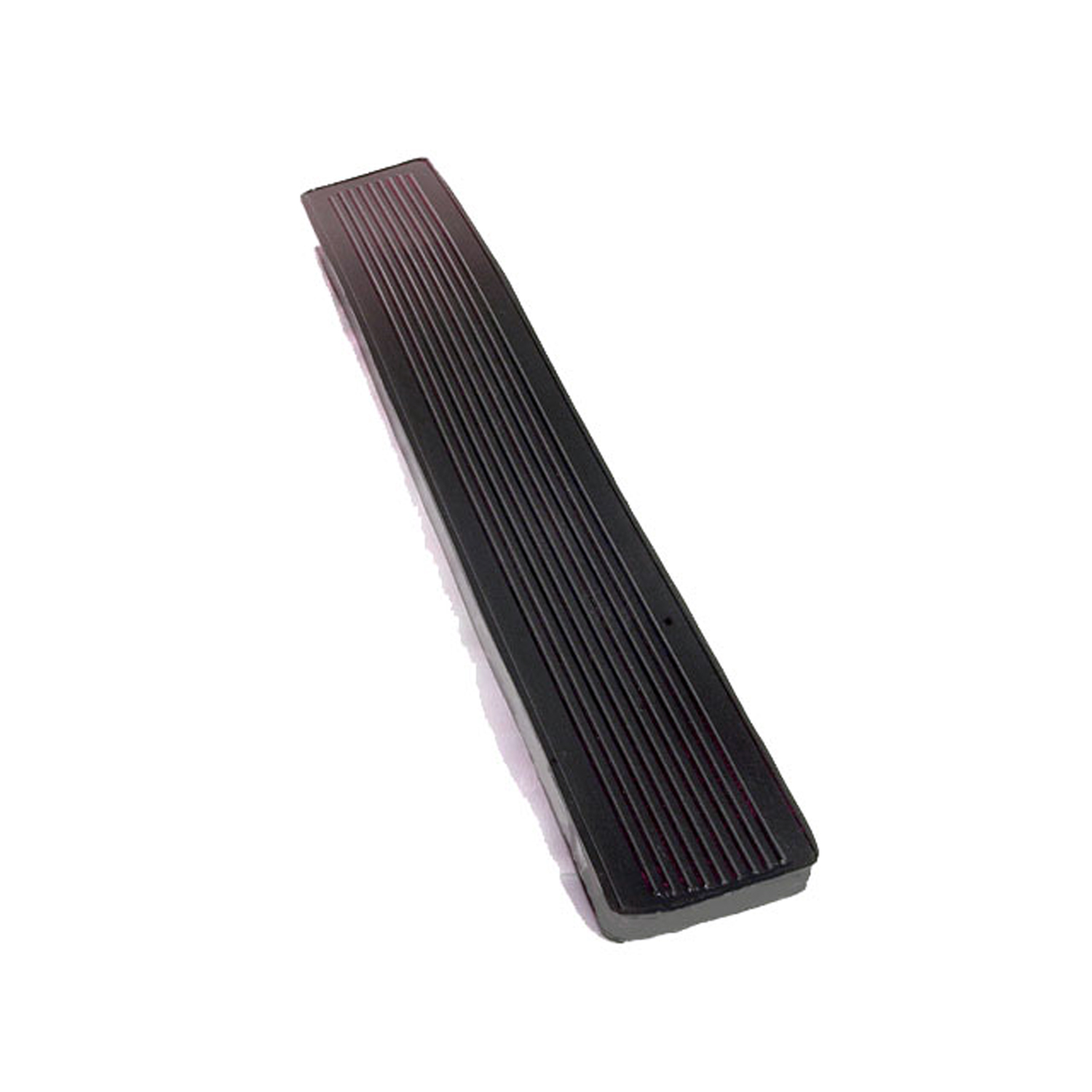 1919 Nash Series 680 Accelerator Pedal Pad, 1-1/2" X 9-3/4", Each-AP 21Accelerator Pedal Pad, 1-1/2" X 9-3/4", Each
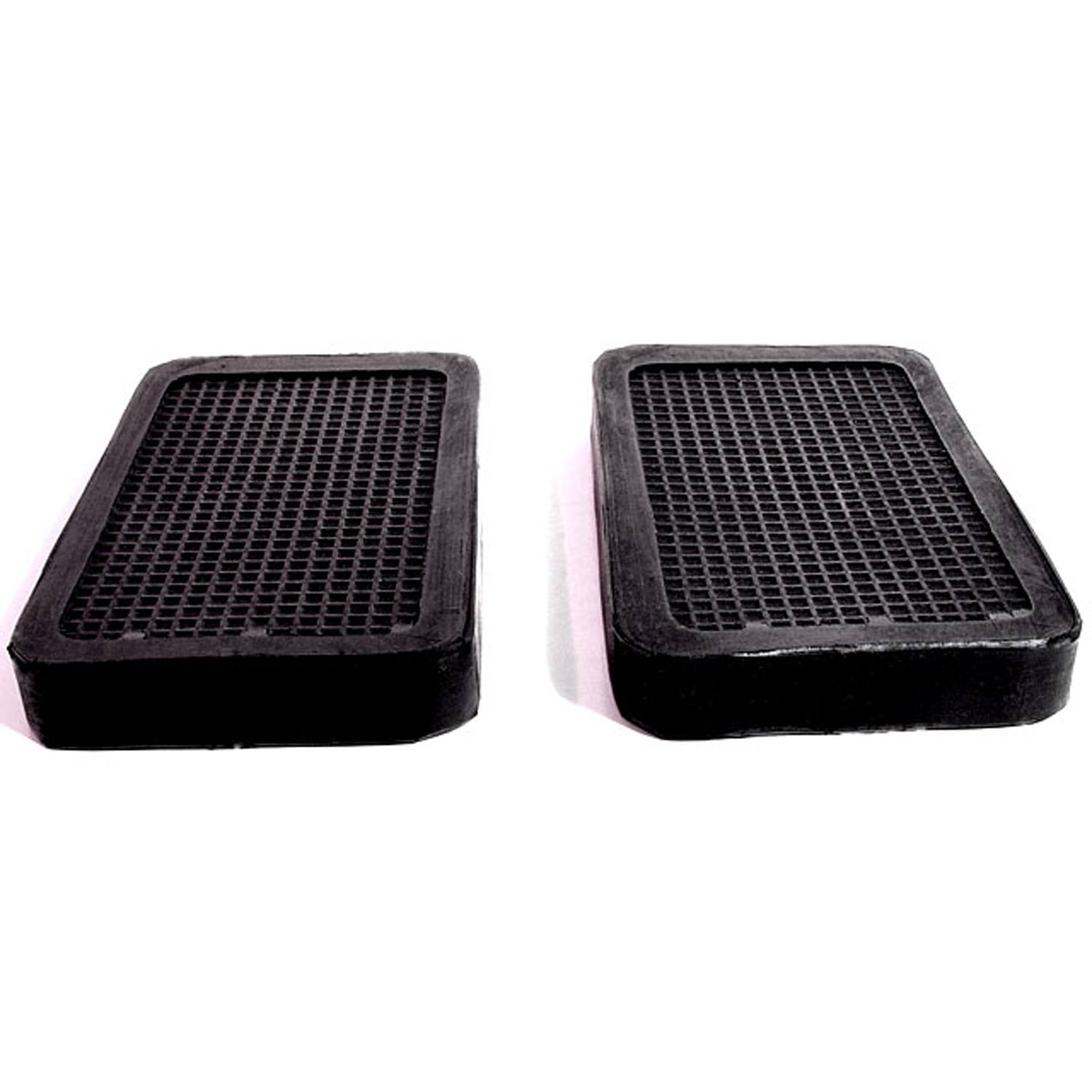 1919 Nash Series 680 Clutch and Brake Pedal Pads. 2-1/4" wide X 4" long. Pair-CB 20Clutch and Brake Pedal Pads. 2-1/4" wide X 4" long. Pair
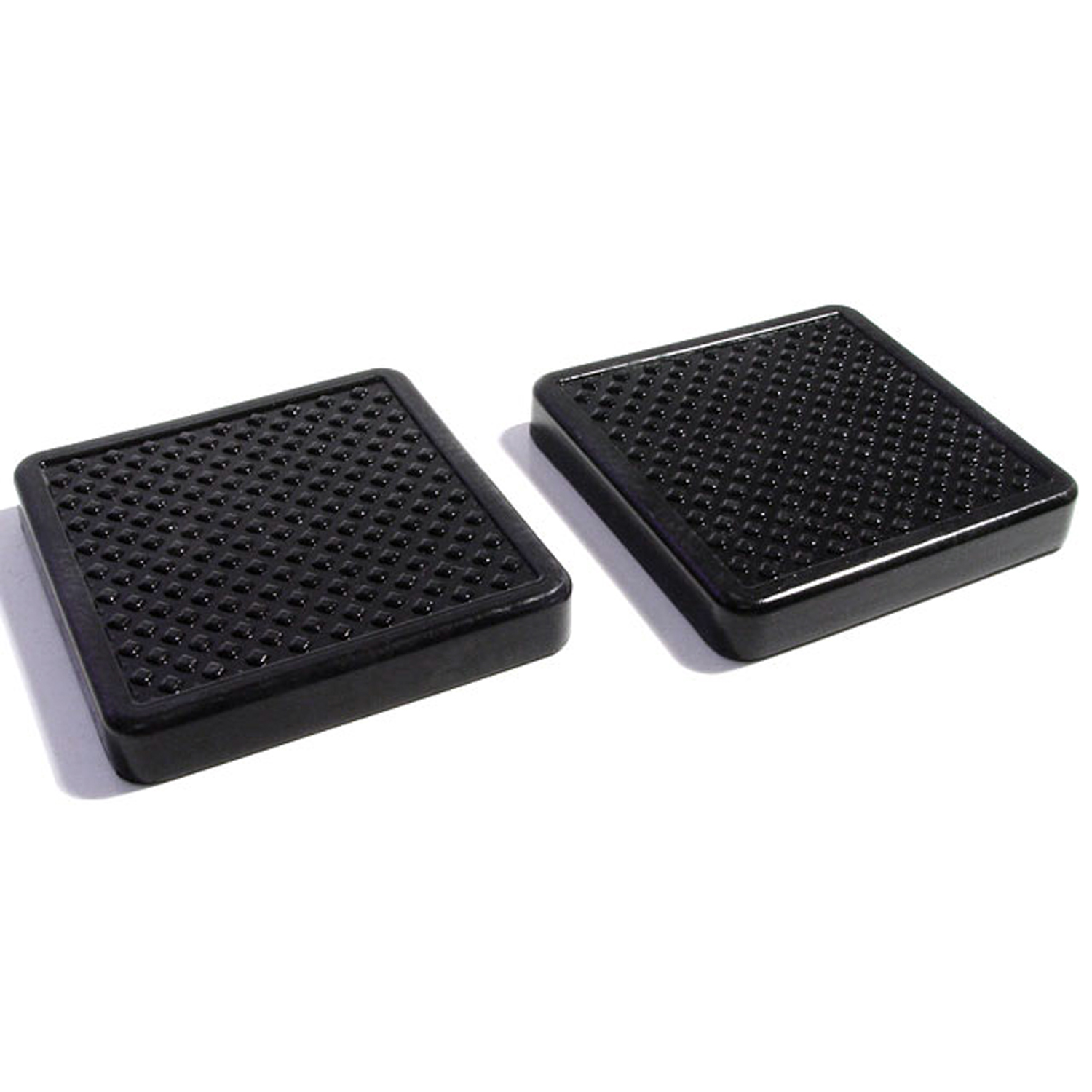 1919 Nash Series 680 Clutch and Brake Pedal Pads. 3" wide X 3" long. Pair-CB 47Clutch and Brake Pedal Pads. 3" wide X 3" long. Pair
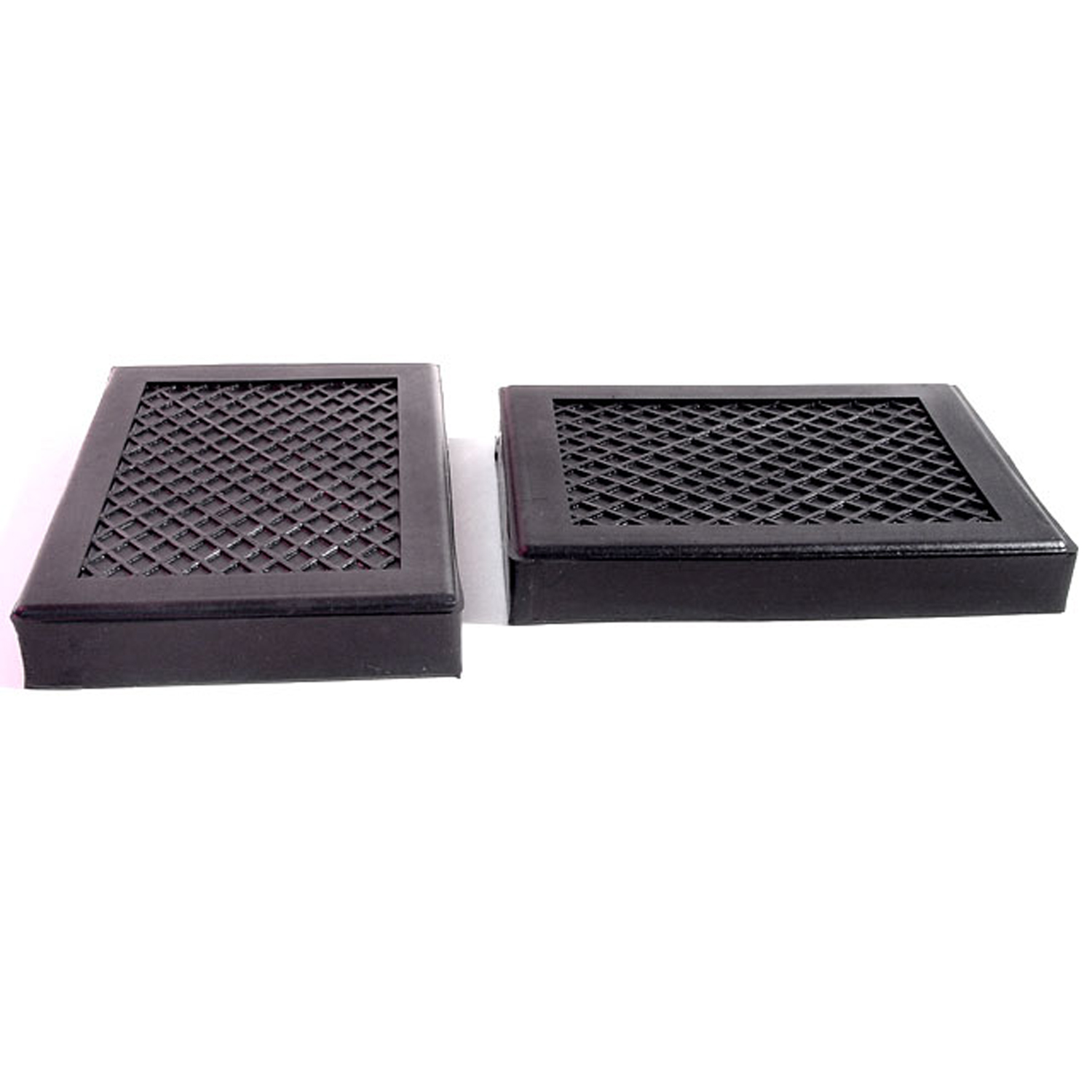 1919 Nash Series 680 Clutch and Brake Pedal Pads. 2-3/4" wide X 3-7/8" long-CB 48Clutch and Brake Pedal Pads. 2-3/4" wide X 3-7/8" long. Pair
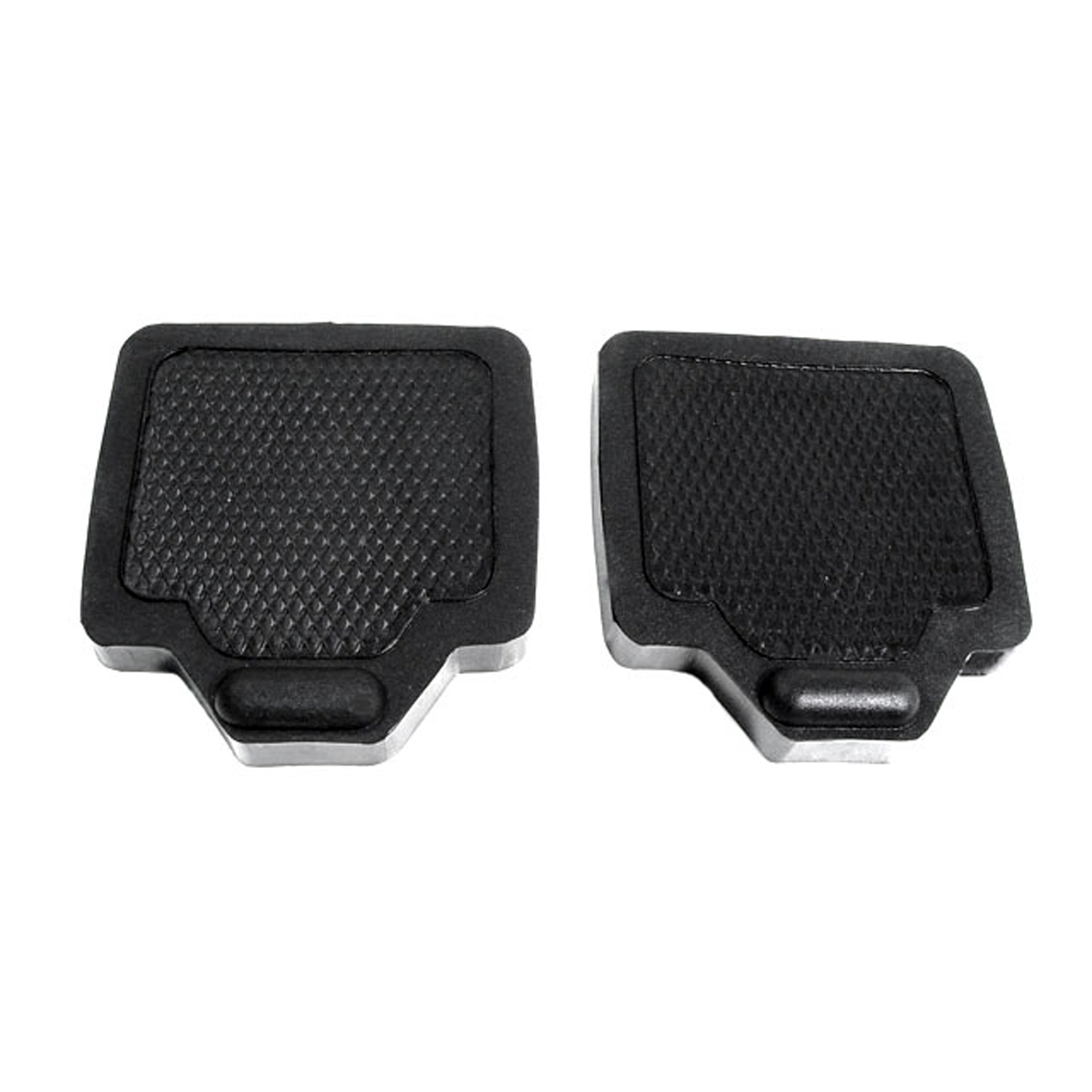 1919 Nash Series 680 Clutch and Brake Pedal Pads. 3-1/2" wide X 3-7/8" long-CB 55Clutch and Brake Pedal Pads. 3-1/2" wide X 3-7/8" long. Pair
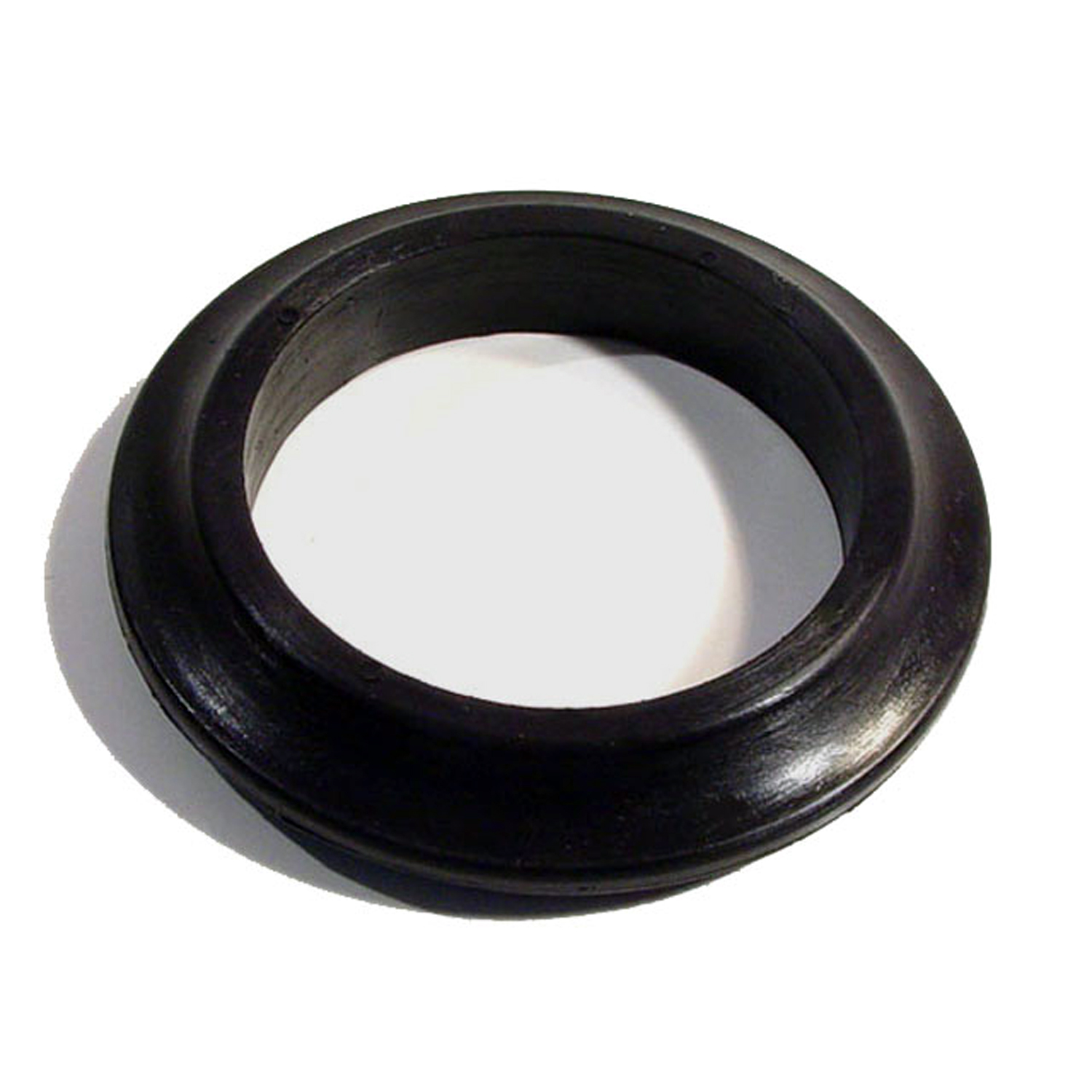 1919 Nash Series 680 Gas Filler Grommet. 2-1/4" I.D., 3-5/16" O.D. Each-GF 21Gas Filler Grommet. 2-1/4" I.D., 3-5/16" O.D. Each
Why Choose Metro?
For over 100 years, Metro Moulded Parts has been the pinnacle of quality in classic car restoration parts. Our commitment to precision and authenticity in every component ensures a perfect fit and an OEM-level appearance.
- Expert Craftsmanship & Quality: Each part is a testament to our dedication to reliability and perfection, crafted from original designs and thoroughly tested.
- Advanced Technology: We use cutting-edge techniques to create flawless, long-lasting parts that surpass others in performance.
- SuperSoft Sponge – The Ultimate Door Seal: Not only are our door seals 30% softer than competitors', but they're also guaranteed to never leak. They effectively reduce wind and road noise, enhancing your classic car's comfort and driving experience.
- Proudly American: Our parts are a product of American craftsmanship, made in the USA with a spirit of excellence and heritage.
- Unrivaled Warranty: We back our products with a 30-year industry-leading warranty, a testament to our confidence in their quality.
Join us in preserving the legacy of classic cars with parts that are crafted for perfection, not just made.