
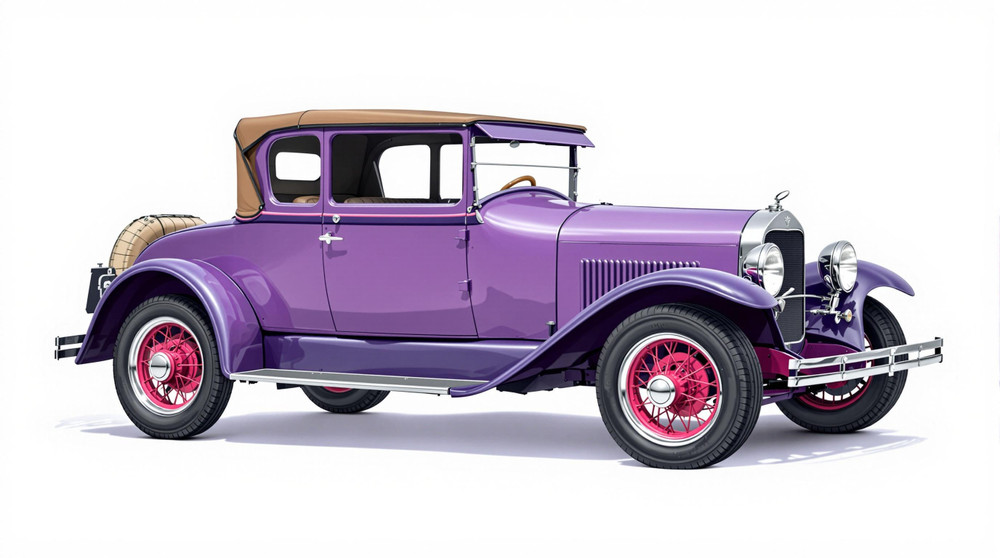
Image of 1921 Nash Series 40, Note: These illustrations use artistic license and may differ from actual historical models.
Performance Metrics
Fundamental Metrics
Emotional Appeal
MMP Rating
| Engine Specifications | |
|---|---|
| Engine: | Inline 6 |
| Displacement: | 248 cubic inches |
| Horsepower: | Estimated 29-40 HP |
| Torque: | Not available |
| Compression Ratio: | Not available |
| Ignition System: | Battery and coil |
| Cooling System: | Water-cooled |
| Performance Specifications | |
| 0-60 Time: | Not available |
| 1/4 Mile Time: | Not available |
| Top Speed: | 50-55 mph |
| Transmission and Drive | |
| Drive Type: | Rear-wheel drive |
| Transmission Type: | 3-speed manual |
| Fuel and Efficiency | |
| Fuel System Type: | Carburetor |
| MPG: | Not available |
| Dimensions and Brakes | |
| Brakes: | Mechanical drum brakes |
| Wheelbase: | 121 inches |
| Weight: | Estimated 2,800 lbs |
Note: Specifications for classic cars are given to the best of our ability, considering the limited and variant data available.
1921 Nash Series 40: A Quality-Built American Four
The 1921 Nash Series 40 brought a practical, carefully engineered four-cylinder car to a market increasingly captivated by the automobile. Built by the Nash Motors Company in Kenosha, Wisconsin, it came from a young manufacturer with an experienced leader: Charles W. Nash, a former president of General Motors who founded his own company in 1916. The Series 40 was the more affordable, four-cylinder choice in a Nash range that also included larger six-cylinder models.
Its appeal was less about flashy innovation than sound construction and sensible engineering. Nash aimed to make a car that felt substantial, dependable, and well finished. A notable twist in the company’s story is that Nash grew from the former Thomas B. Jeffery Company, the maker of Rambler automobiles. In other words, this was a new marque with an established factory and automotive experience behind it.
Classic Touring-Car Style and Cabin Details
The Series 40 had the upright proportions familiar from the early 1920s: a tall, narrow radiator at the front, a long hood, separate curved fenders, running boards, and a nearly vertical windshield. Its profile looked purposeful rather than streamlined. Open versions, especially the touring car, made the most of the period’s favored silhouette, with an exposed passenger compartment and a folding fabric top.
Inside, the Series 40 was designed for comfortable travel by the standards of its day. Depending on body style and equipment, occupants could expect broad bench seating, leather or leather-like upholstery, a straightforward dashboard, and useful open storage. The cabin was more about durable materials and generous space than modern conveniences. Controls were simple, but a driver accustomed to a contemporary car would find the layout hands-on: a floor-mounted gear lever, a clutch and brake pedal, and a separate throttle control.
Paint and trim varied with the body and year, and surviving cars do not always retain their original finishes. Dark, formal colors such as black, deep blue, and maroon suit the car’s period appearance, while lighter or contrasting trim could make an open touring car stand out. Original factory color availability should be checked against the specific body and build details rather than assumed from a restored example.
Nash offered the Series 40 in several body configurations, including open touring and roadster forms and enclosed coupe or sedan-style bodies. The five-passenger touring car is among the most recognizable today: it shows off the long hood, running boards, and open-air character that many people associate with an early American automobile. Enclosed bodies offered more weather protection, but they were generally more expensive.
Engineering in the Early 1920s
The Series 40’s four-cylinder engine was a conventional, low-speed design built for steady road use. Published specifications commonly identify it as an inline engine of roughly 239 cubic inches, with period-rated output around 40 horsepower. It drove the rear wheels through a manual transmission, typically a three-speed unit. Exact equipment and specifications can vary by body, production details, and reference source, so a particular car’s engine and chassis numbers are worth verifying.
By 1921, electric starting and lighting had become important conveniences, and Nash cars were part of that transition away from the hand-cranked, gas-lamp experience of earlier motoring. The Series 40 was not a technological revolution, but it represented a more usable kind of automobile: one intended for regular road travel, with a practical powertrain and equipment that made ownership less demanding than it had been a decade earlier.
Its historical importance lies in the company’s broader approach. Nash built its reputation around quality and value rather than relying on one dramatic engineering breakthrough. That strategy helped the young firm establish itself among much larger competitors. The Series 40 also reflects a turning point in American car design, when manufacturers were moving from ornate brass-era details toward more standardized production and increasingly enclosed, everyday transportation.
Road Manners, Speed, and Driving Feel
Performance figures for a century-old car need to be treated as estimates. A 1921 Series 40 was not engineered for modern highway speeds, and dependable factory 0-to-60-mph test data is not readily available. Its practical top speed was likely around 45 to 50 mph, with perhaps a little more possible under favorable conditions. Many examples may struggle to reach 60 mph at all, so a conventional 0-to-60 time is not especially meaningful. A rough estimate for 0 to 50 mph would be several dozen seconds, depending heavily on condition, gearing, load, and road surface.
On the road, the four-cylinder engine would deliver a measured, low-revving pull rather than a modern surge of acceleration. The driver would work the clutch and gear lever deliberately, listen to the engine, and plan overtaking well in advance. The soundtrack is mechanical and unfiltered: engine note, transmission whine, tire noise, and wind all reach the cabin without modern insulation.
The Series 40’s tall stance and period suspension make it best suited to moderate speeds. It can feel composed on a smooth road, but bumps and ruts are more noticeable than they are in a modern car. On winding roads, the driver needs to account for the car’s slower steering response, limited grip, and braking capability. In gusty weather, the upright windshield and open body can make the car feel exposed. A well-maintained example can be enjoyable, but it rewards anticipation rather than aggressive driving.
Living With a Nash Series 40
Today, the Series 40 is primarily a touring, show, and preservation car. Owners may take one to local vintage-car events, participate in low-speed tours, or display it as an example of early postwar-era American motoring. It is not a sensible daily driver in modern traffic, where speed differences, braking distances, and the absence of current safety equipment all matter.
Mechanical simplicity is one of its ownership advantages. A competent vintage-car mechanic can understand the basic engine, transmission, and chassis without diagnostic electronics or specialized software. Routine work still requires period knowledge, however, and parts such as correct body hardware, trim, instruments, and model-specific components can be harder to source than common service items. Wood structures, upholstery, wiring, cooling systems, and brakes deserve particular attention during a pre-purchase inspection.
Reliability depends more on restoration quality and ongoing care than on the badge alone. Before driving, check the condition of the tires, steering, wheel bearings, brakes, fuel system, and electrical equipment. Even a car that starts readily should not be assumed safe for modern roads until these systems have been inspected. Owners who keep speeds modest and maintain the car carefully can enjoy a rewarding touring experience.
Trivia, Reputation, and Common Misconceptions
The Series 40 belongs to Nash’s early four-cylinder era, but it should not be confused with a modern “40 Series” designation or with later Nash models. The number reflects the model and its period specifications, not a contemporary trim hierarchy. Nash itself went on to become a major independent automaker and eventually joined Hudson to form American Motors in 1954.
There is no widely recognized speed or endurance record associated specifically with the 1921 Series 40, and celebrity ownership is not a defining part of its history. Its significance is quieter: it represents the kind of substantial, usable automobile that helped establish Nash as a serious manufacturer. One common criticism from today’s perspective is that it is slow and demanding to drive. That is fair if it is judged by modern standards, but the car was designed for a very different road environment and a much slower pace.
Collector Value and Rarity
Surviving Series 40s are uncommon, particularly in complete, correctly restored condition. A precise production total for the 1921 Series 40 is difficult to establish from readily available model-level records. As a cautious estimate rather than a verified factory figure, production may have been in the several-thousand range, perhaps roughly 5,000 to 10,000 cars across the relevant configurations. The number of survivors is necessarily much smaller, and body style, originality, and documentation strongly affect desirability.
As a broad 2026 market estimate, a project or incomplete car might sell for around $8,000 to $18,000, while a sound driver-quality example could fall near $18,000 to $35,000. A high-quality restoration or particularly desirable body style might bring approximately $35,000 to $60,000 or more. These are guide ranges, not appraisals: condition, provenance, regional demand, and the cost of correcting an old restoration can shift the price substantially.
Values for early Nash cars tend to be steadier than those for the most famous brass-era marques. Good examples may appreciate gradually as complete cars become harder to find, but restoration costs can exceed the market value of an ordinary example. Buyers should prioritize structural condition, originality, and mechanical soundness over the promise of a bargain project.
Why the 1921 Nash Series 40 Still Matters
The 1921 Nash Series 40 is a handsome, practical snapshot of American motoring in transition. Its upright styling, straightforward four-cylinder power, and emphasis on solid construction tell the story of a manufacturer building its reputation one dependable car at a time. It will not impress with speed or modern comfort, but that is not its appeal. The Series 40 offers a direct connection to the early years of Nash and to an era when every journey asked the driver to take an active part in the adventure.
1921 Nash Series 40 Catalog of Parts
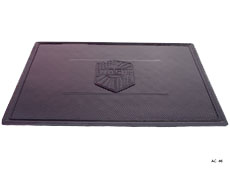 1921 Nash Series 40 Accessory Floor Mat - 12"X17"-AC 46Accessory Floor Mat - made of high quality black rubber with molded original emblem. Also designed to be sewn into new carpets. 12"X17", Each
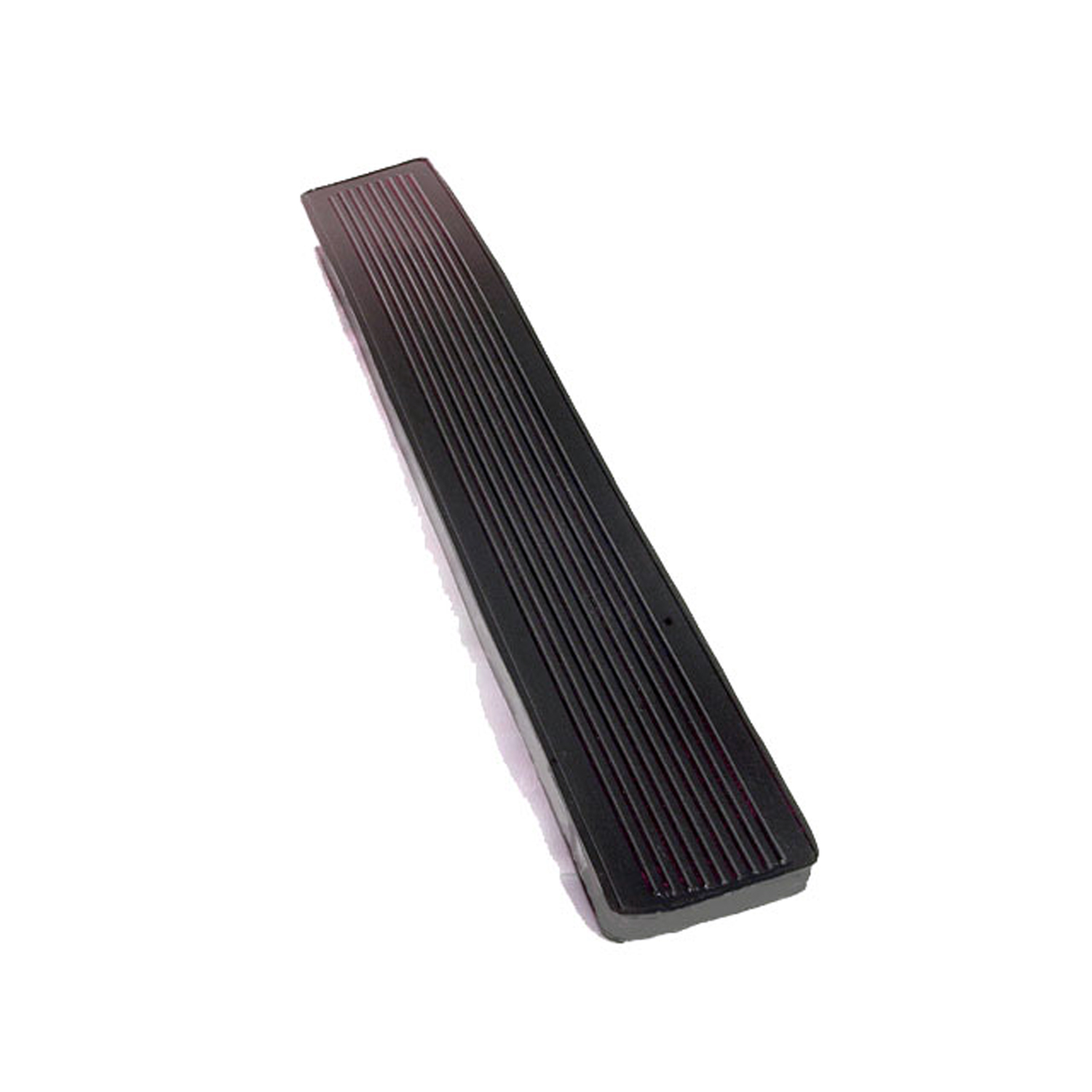 1921 Nash Series 40 Accelerator Pedal Pad, 1-1/2" X 9-3/4", Each-AP 21Accelerator Pedal Pad, 1-1/2" X 9-3/4", Each
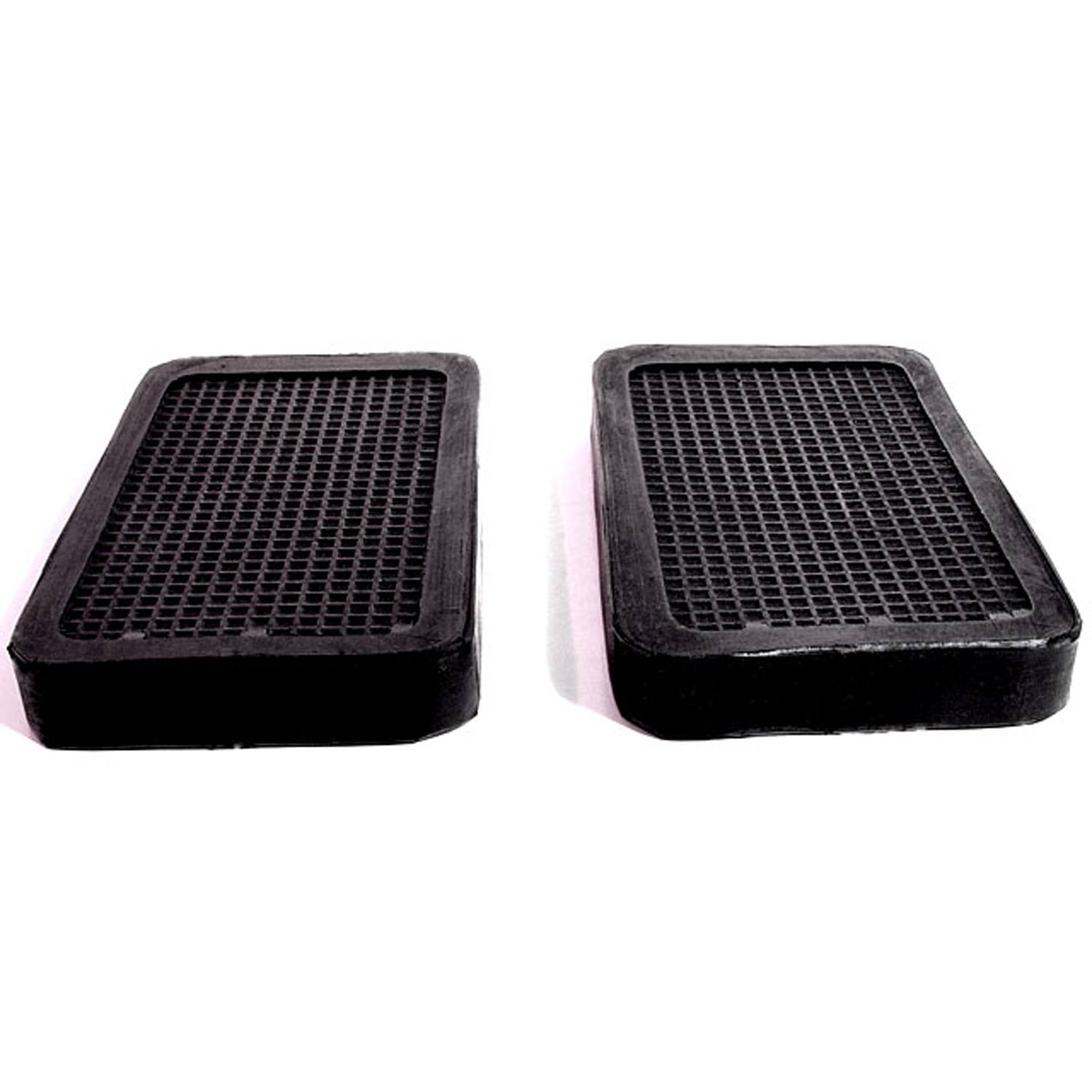 1921 Nash Series 40 Clutch and Brake Pedal Pads. 2-1/4" wide X 4" long. Pair-CB 20Clutch and Brake Pedal Pads. 2-1/4" wide X 4" long. Pair
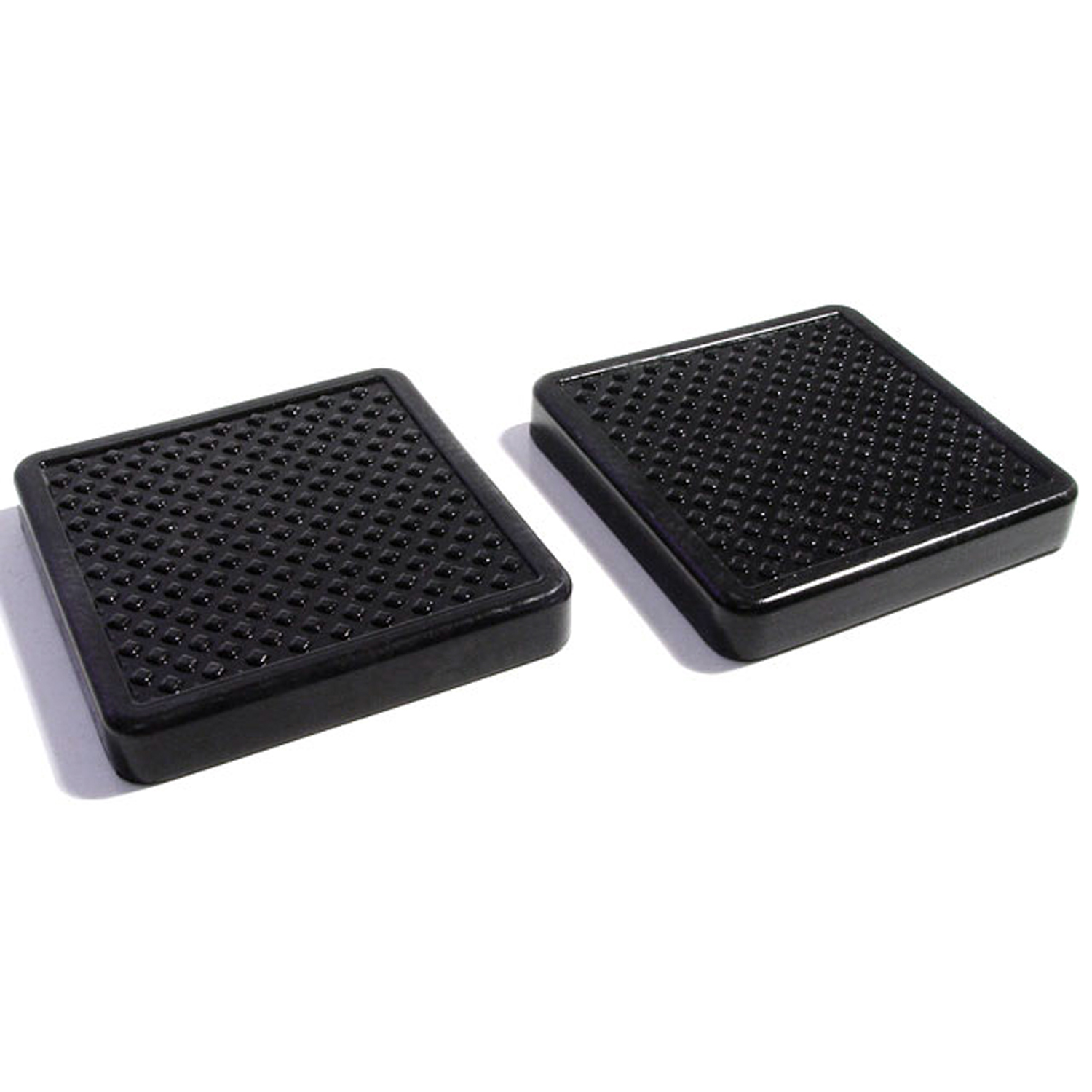 1921 Nash Series 40 Clutch and Brake Pedal Pads. 3" wide X 3" long. Pair-CB 47Clutch and Brake Pedal Pads. 3" wide X 3" long. Pair
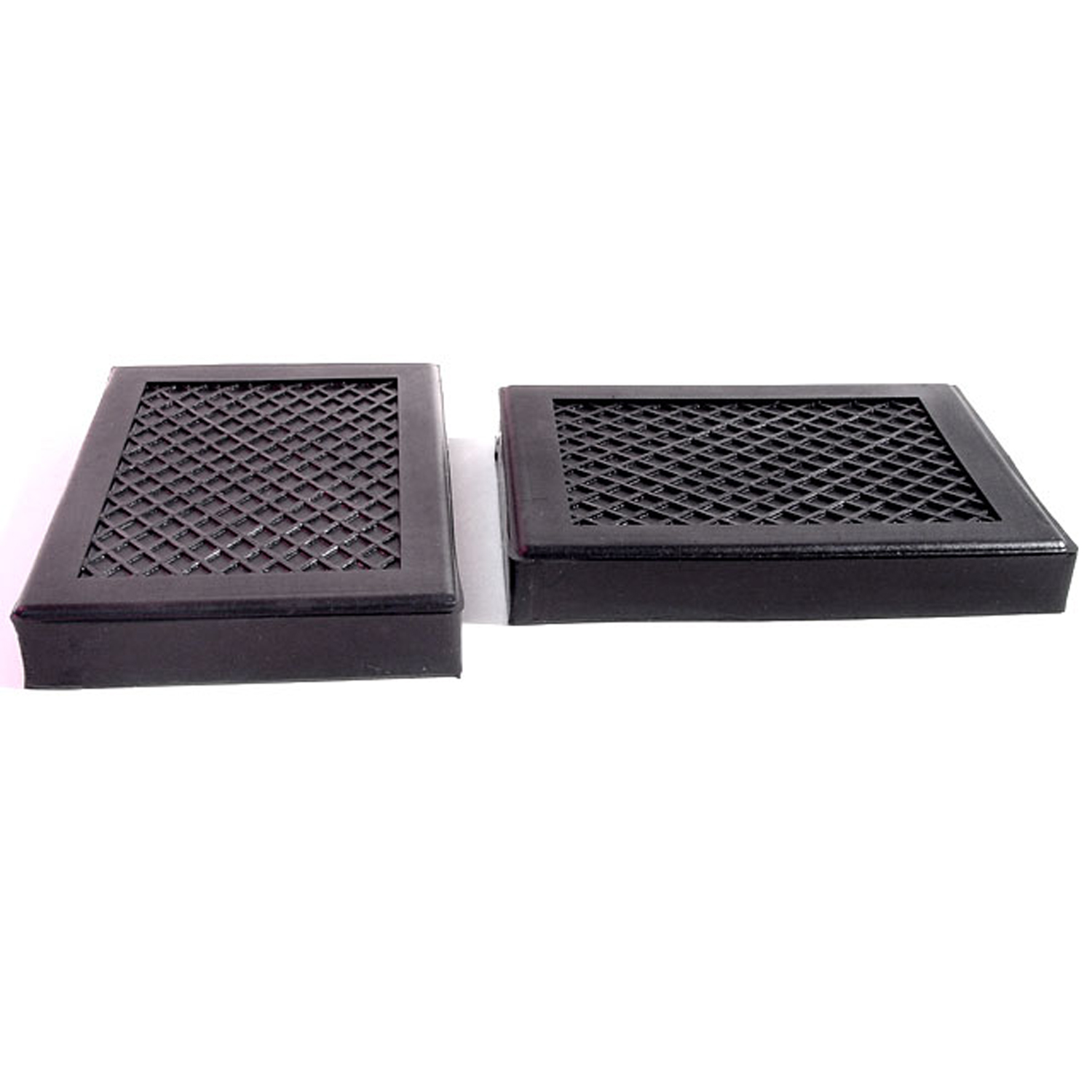 1921 Nash Series 40 Clutch and Brake Pedal Pads. 2-3/4" wide X 3-7/8" long-CB 48Clutch and Brake Pedal Pads. 2-3/4" wide X 3-7/8" long. Pair
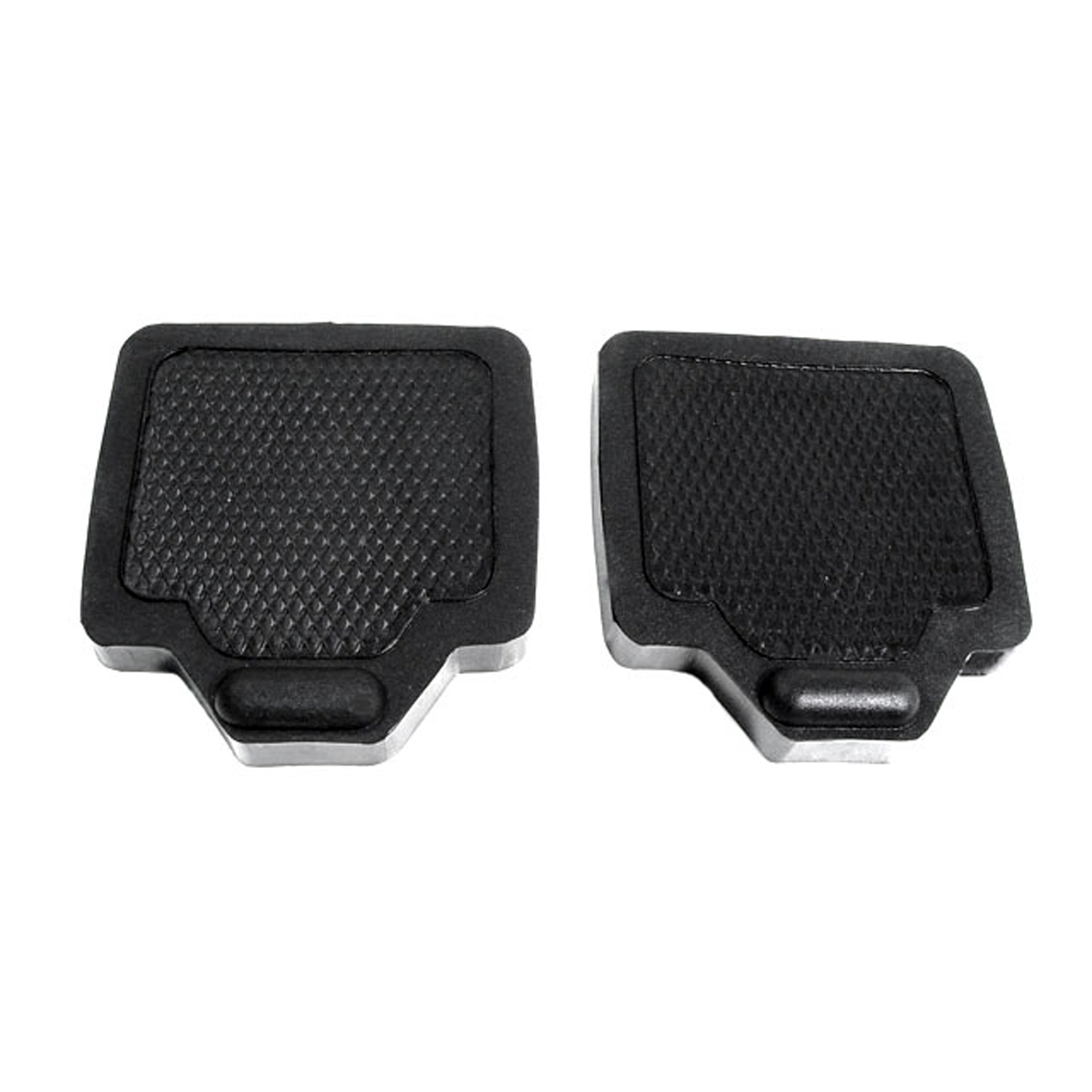 1921 Nash Series 40 Clutch and Brake Pedal Pads. 3-1/2" wide X 3-7/8" long-CB 55Clutch and Brake Pedal Pads. 3-1/2" wide X 3-7/8" long. Pair
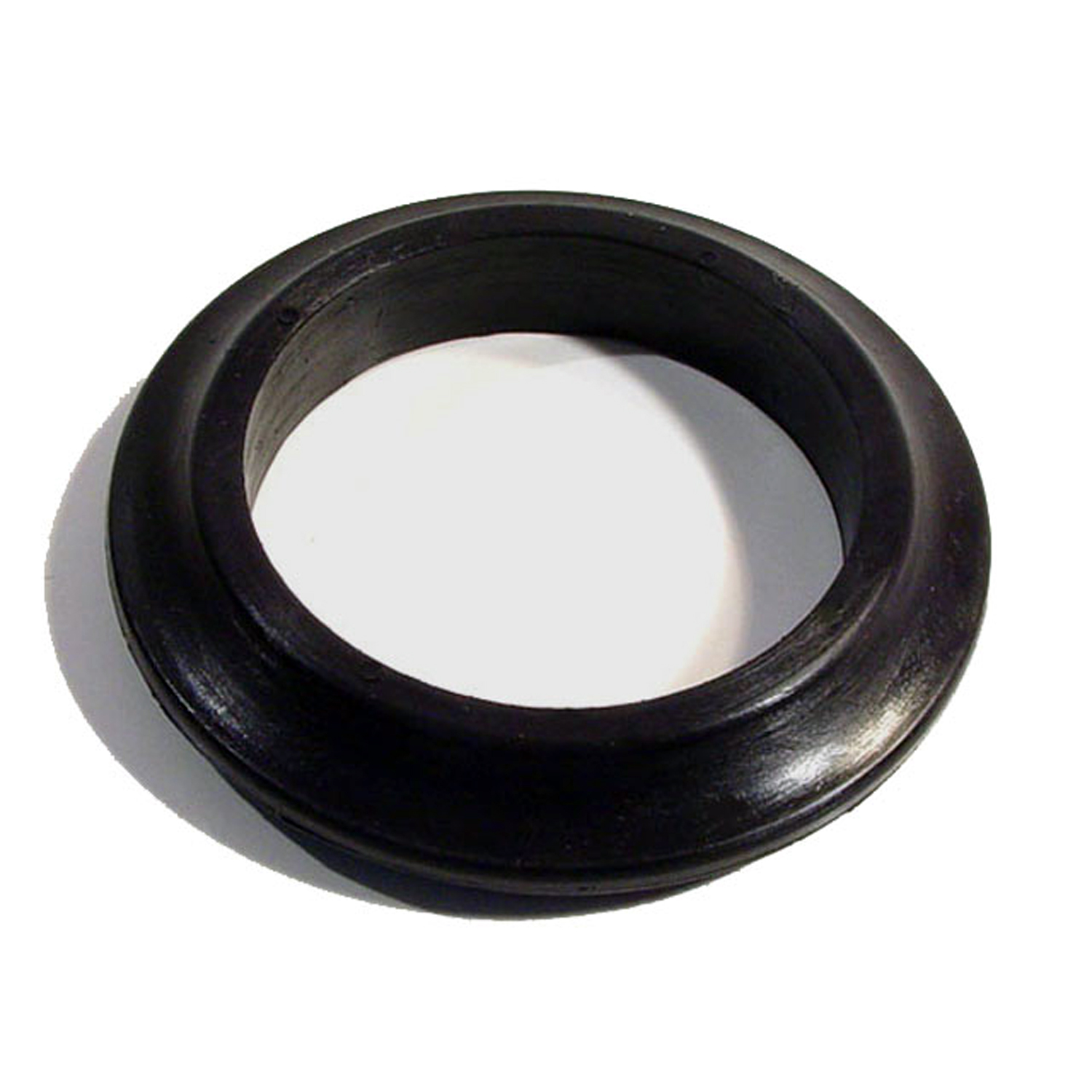 1921 Nash Series 40 Gas Filler Grommet. 2-1/4" I.D., 3-5/16" O.D. Each-GF 21Gas Filler Grommet. 2-1/4" I.D., 3-5/16" O.D. Each
Why Choose Metro?
For over 100 years, Metro Moulded Parts has been the pinnacle of quality in classic car restoration parts. Our commitment to precision and authenticity in every component ensures a perfect fit and an OEM-level appearance.
- Expert Craftsmanship & Quality: Each part is a testament to our dedication to reliability and perfection, crafted from original designs and thoroughly tested.
- Advanced Technology: We use cutting-edge techniques to create flawless, long-lasting parts that surpass others in performance.
- SuperSoft Sponge – The Ultimate Door Seal: Not only are our door seals 30% softer than competitors', but they're also guaranteed to never leak. They effectively reduce wind and road noise, enhancing your classic car's comfort and driving experience.
- Proudly American: Our parts are a product of American craftsmanship, made in the USA with a spirit of excellence and heritage.
- Unrivaled Warranty: We back our products with a 30-year industry-leading warranty, a testament to our confidence in their quality.
Join us in preserving the legacy of classic cars with parts that are crafted for perfection, not just made.