

Image of 1921 Nash Series 680, Note: These illustrations use artistic license and may differ from actual historical models.
Performance Metrics
Fundamental Metrics
Emotional Appeal
MMP Rating
| Engine Specifications | |
|---|---|
| Engine Options: | Inline 6 |
| Displacement Range: | 248 cubic inches |
| Horsepower Range: | Estimated 29-35 hp |
| Torque: | Not available |
| Compression Ratio: | Not available |
| Ignition System: | Battery and coil |
| Cooling System: | Water-cooled |
| Performance Specifications | |
| 0-60 Time: | Not available |
| 1/4 Mile Time: | Not available |
| Top Speed: | 50-55 mph |
| Transmission and Drive | |
| Drive Type: | Rear-wheel drive |
| Transmission Type: | 3-speed manual |
| Fuel and Efficiency | |
| Fuel System Type: | Carburetor |
| MPG: | Not available |
| Dimensions and Brakes | |
| Brakes: | Mechanical drum brakes |
| Wheelbase: | 121 inches |
| Weight: | Estimated 2,400 lbs |
Note: Specifications for classic cars are given to the best of our ability, considering the limited and variant data available.
1921 Nash Series 680: A Well-Built Six from a New American Marque
The 1921 Nash Series 680 was built for motorists who wanted the presence and smoothness of a six-cylinder car without stepping into the most expensive end of the market. It came from Nash Motors, the Kenosha, Wisconsin, company founded by former General Motors president Charles W. Nash after he acquired the Thomas B. Jeffery Company in 1916. The 680 belongs to Nash’s formative years, when the young manufacturer was building a reputation for sturdy engineering and thoughtful value.
One detail that makes the car especially interesting is its place in a fast-changing era. The postwar automobile market was growing quickly, but the 1920–21 recession put pressure on buyers and manufacturers alike. Nash’s answer was not simply to make a low-priced car. It was to offer a substantial, well-equipped automobile that could serve a family for years. The Series 680 is a snapshot of that practical ambition.
Touring-Car Style and Period Comfort
The Series 680 wears the upright, purposeful shape typical of early-1920s American cars. Its tall radiator, long hood and separate fenders give it a formal profile, while large spoked wheels and running boards emphasize its carriage-like roots. Brass-era ornament had largely given way to painted or plated details, but the design still has the open, mechanical character that makes a vintage car feel so direct and approachable.
Inside, the experience depended on body style and trim level. Owners could expect substantial upholstery, a straightforward instrument panel and practical appointments rather than modern conveniences. Leather was used in some open-car interiors, while closed bodies could feature fabric or other period upholstery. Wood framing and carefully finished trim were part of the coachbuilding tradition. These were handsome interiors, but they were designed for durability and function, not silent isolation.
Electric starting and lighting were among the useful features available on cars of this class, making the Nash easier to use than an earlier hand-cranked automobile. The Series 680 still required old-fashioned attentiveness: its controls were mechanical, its gearbox was unsynchronized, and the driver had to coordinate clutch, throttle and gear changes without modern assistance.
Body offerings varied by catalog and market, but Nash buyers could choose among open touring and roadster types as well as closed-car forms such as sedans and coupes. The touring car is the most recognizable version today, with its open cabin, folding top and room for several passengers. Period paint choices varied with body and trim; dark shades such as black, blue and maroon were common tastes of the era. Original colors should be confirmed against surviving factory records or traces on the individual car, since modern restorations often reflect an owner’s preference rather than a documented factory finish.
Where the Series 680 Fits in Nash History
The 680 helped establish Nash as a serious independent automaker. Rather than relying on novelty, the company emphasized sound construction, useful equipment and a comfortable six-cylinder powertrain. That approach helped distinguish Nash from both bare-bones entry-level cars and much more costly luxury machines.
The car was not a radical styling or engineering breakthrough, and it is best understood as a strong example of steady progress. Its significance lies in how Nash combined established technology into a credible, well-rounded automobile. The company would later become known for further engineering and design developments, but the Series 680 belongs to the period when Charles Nash was building the brand’s reputation one dependable car at a time.
Engine, Speed and Road Manners
Series 680 specifications are not always presented consistently in surviving references, but the model is commonly associated with a 268-cubic-inch inline six producing roughly 40 horsepower by period rating. Horsepower figures from that era are not directly comparable with modern measurements, so they are best treated as a guide to the engine’s character rather than a precise modern performance figure. Power went to the rear wheels through a manual transmission; exact equipment could vary by configuration.
A reasonable estimate for a healthy, correctly tuned car is a top speed in the neighborhood of 50 to 60 mph. A modern-style 0–60 mph time is rarely documented for cars of this age, and many examples would take a long time to reach 60 mph, if they could reach it at all under real-world conditions. A rough estimate of 30 to 40 seconds is more useful as an indication of leisurely acceleration than as a factory specification.
On a smooth road, the six-cylinder engine should feel more even and composed than a typical contemporary four-cylinder. The sound is a measured mechanical hum, accompanied by the clatter and vibration that are part of early motoring. Acceleration is gradual, and the driver works the clutch and gear lever deliberately. There is no synchronized gearbox to excuse rushed shifts.
On rough roads, the long chassis and leaf-spring suspension provide a more substantial ride than the car’s open body might suggest, but bumps still make themselves known through the frame and seat. Steering is manual and can feel heavy at low speed. On winding roads, the driver needs to plan ahead: narrow tires, period brakes, high seating and a tall body call for calm inputs rather than modern-car cornering habits. The Series 680 rewards smooth driving, not haste.
Living with a 1921 Nash
Today, a Series 680 is most at home as a touring, show or heritage-driving car. It can take part in vintage motoring events and gentle local drives, but it is not a sensible choice for regular modern commuting. Traffic speeds, braking distances and the lack of contemporary safety equipment all require careful route selection.
Maintenance is approachable for an owner comfortable with mechanical work, though not necessarily simple by modern standards. The car needs regular attention to ignition, lubrication, cooling, brakes, tires and the condition of its electrical system. Parts availability is more limited than for a Model T Ford, so some components may require specialist suppliers, repair or careful fabrication. A well-maintained Nash can be dependable for its age, but reliability depends heavily on the quality of its restoration and ongoing upkeep.
Before buying, inspect the frame, body wood, suspension, steering and brake system, as well as the engine’s oil pressure and cooling behavior. Closed bodies can conceal expensive woodwork repairs, while open cars may have worn top bows, tired upholstery or weather damage. Documentation and a thorough mechanical inspection matter more than a shiny paint job.
Nash 680 Facts and Common Myths
The Series 680 is a useful reminder that not every historically important car set a speed record or introduced a wholly new invention. Its story is about a young manufacturer finding its footing during a difficult economic period and giving buyers a substantial six-cylinder option. There is no widely recognized speed or endurance record specifically associated with the standard 1921 Series 680, and claims of one should be checked carefully rather than repeated as fact.
Nor is there a dependable, commonly cited production total for the Series 680 alone. Nash’s surviving production information is not always broken down neatly by series and body style. As a broad, clearly approximate estimate, production may have been in the several-thousand range, perhaps around 5,000 to 12,000 cars. That is a working estimate, not a verified factory figure. The number of surviving, usable examples is considerably smaller.
Common criticisms are the car’s modest pace, heavy controls, limited braking by modern expectations and the ongoing effort required to keep a century-old machine in proper condition. Those are real drawbacks for everyday use, but they are also part of the reason owners value the car as a hands-on historical experience. Its charm is not speed. It is the sense of operating a complete, carefully built machine from another era.
Collector Value and Availability
Values vary widely with body style, restoration quality, originality, mechanical condition and documentation. As a broad 2026 market estimate, a project or incomplete car might sell for roughly $5,000 to $15,000. A usable driver could fall around $15,000 to $30,000, while a high-quality restoration may bring approximately $30,000 to $60,000 or more. Exceptional examples with rare bodywork, strong provenance or concours-level restoration can exceed those ranges, but asking prices and final sale prices are not always the same.
The Series 680 is uncommon compared with mass-produced cars such as the Model T, but it is not necessarily unobtainable. Finding one in good condition is the challenge. Open touring cars tend to attract attention and can be easier to display, while complete closed cars may be especially appealing to collectors interested in period family motoring. Restored examples have generally held interest among prewar-car enthusiasts, though values are selective and condition-sensitive rather than guaranteed to rise. Restoration costs can quickly exceed the market value of an average car.
A Solid Start for an American Automaker
The 1921 Nash Series 680 combined a smooth six-cylinder engine, formal early-automobile styling and practical equipment in a car aimed at buyers who valued substance. It was neither a record-breaker nor a revolutionary design, but it helped Charles Nash’s young company earn a reputation for thoughtful, durable automobiles.
More than a century later, the Series 680 offers a rewarding look at American motoring just as the automobile was becoming an everyday tool. Its real distinction is the way it makes history tangible: turn the key, work the controls, and a once-new Nash comes alive on its own terms.
1921 Nash Series 680 Catalog of Parts
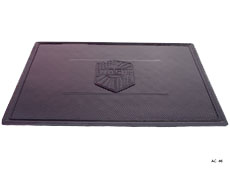 1921 Nash Series 680 Accessory Floor Mat - 12"X17"-AC 46Accessory Floor Mat - made of high quality black rubber with molded original emblem. Also designed to be sewn into new carpets. 12"X17", Each
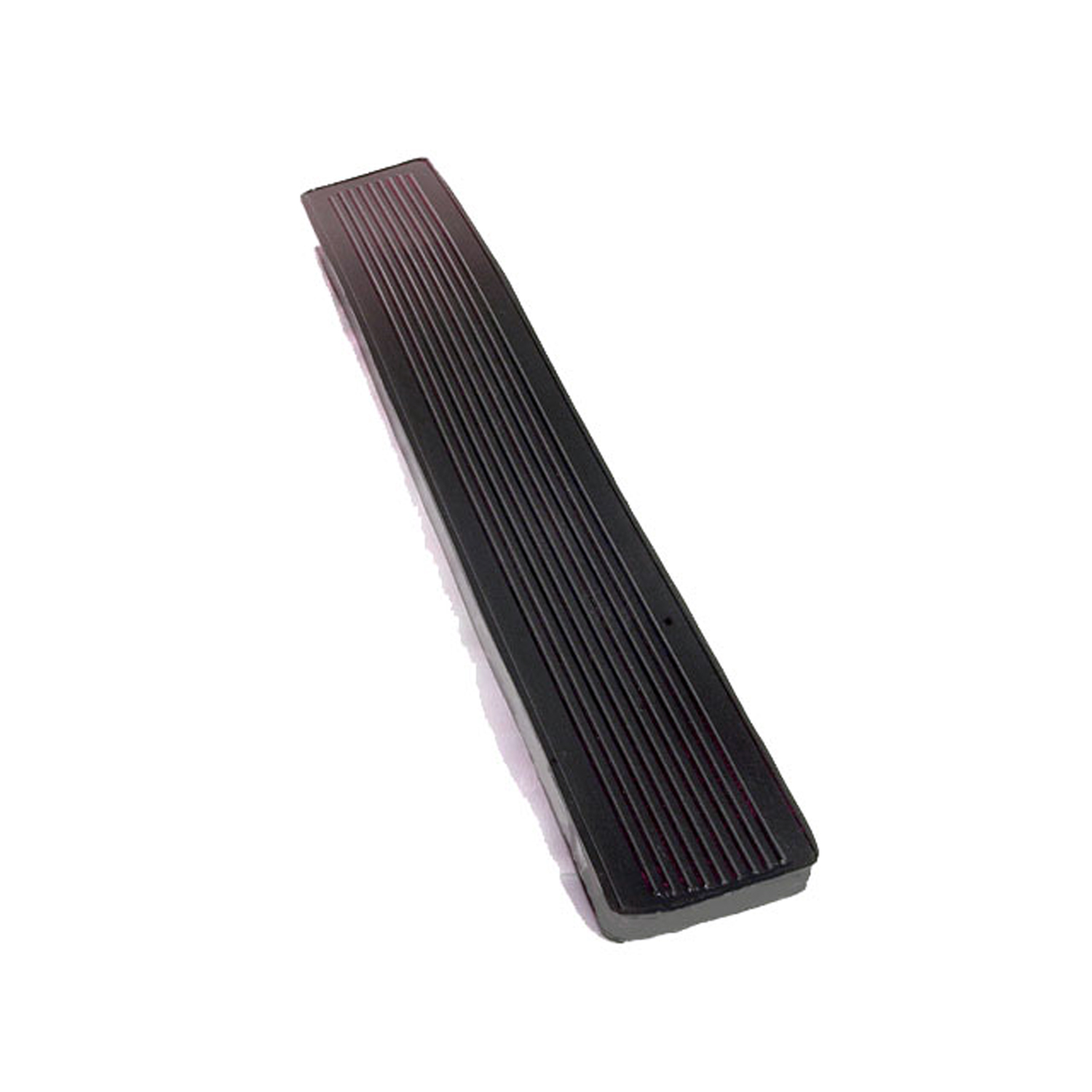 1921 Nash Series 680 Accelerator Pedal Pad, 1-1/2" X 9-3/4", Each-AP 21Accelerator Pedal Pad, 1-1/2" X 9-3/4", Each
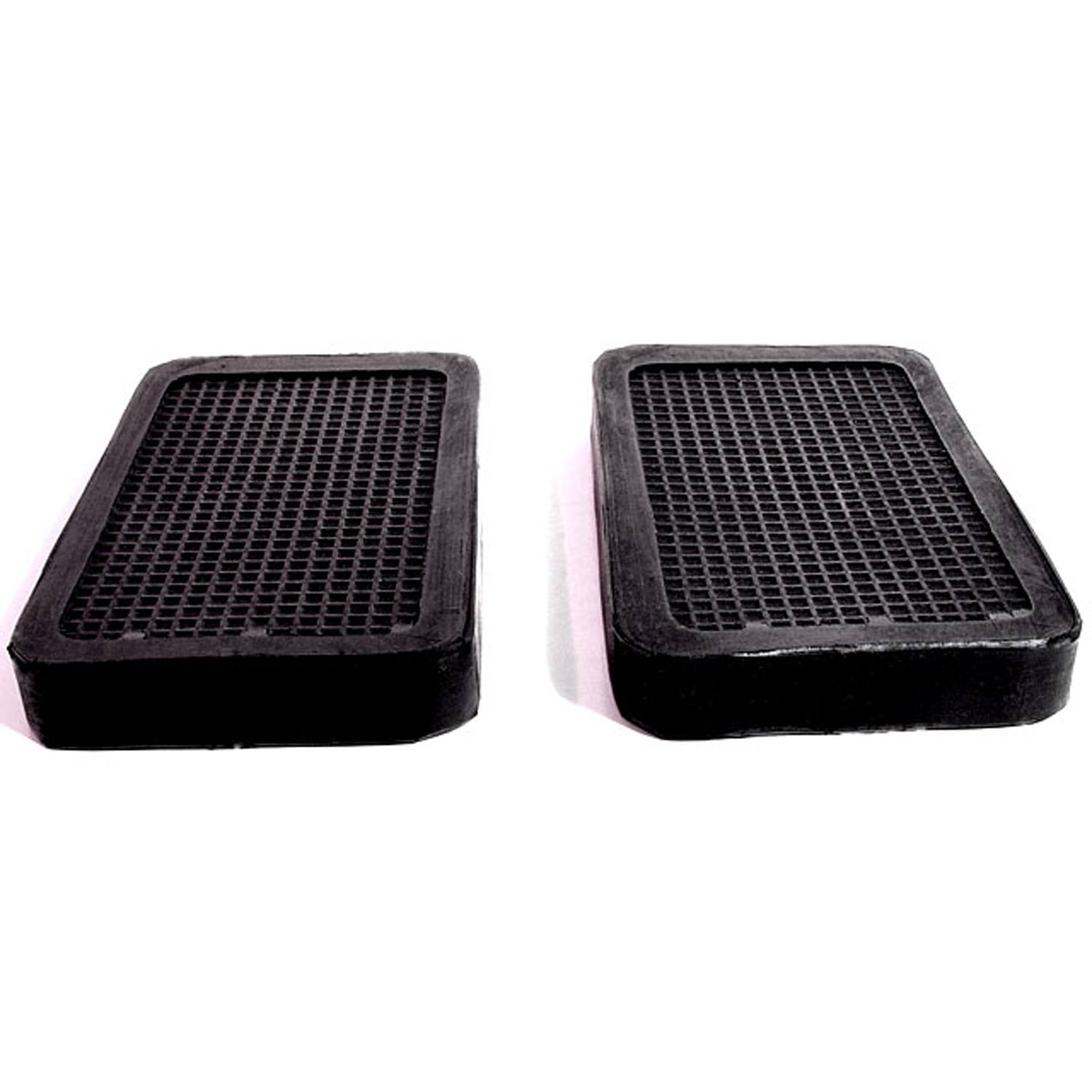 1921 Nash Series 680 Clutch and Brake Pedal Pads. 2-1/4" wide X 4" long. Pair-CB 20Clutch and Brake Pedal Pads. 2-1/4" wide X 4" long. Pair
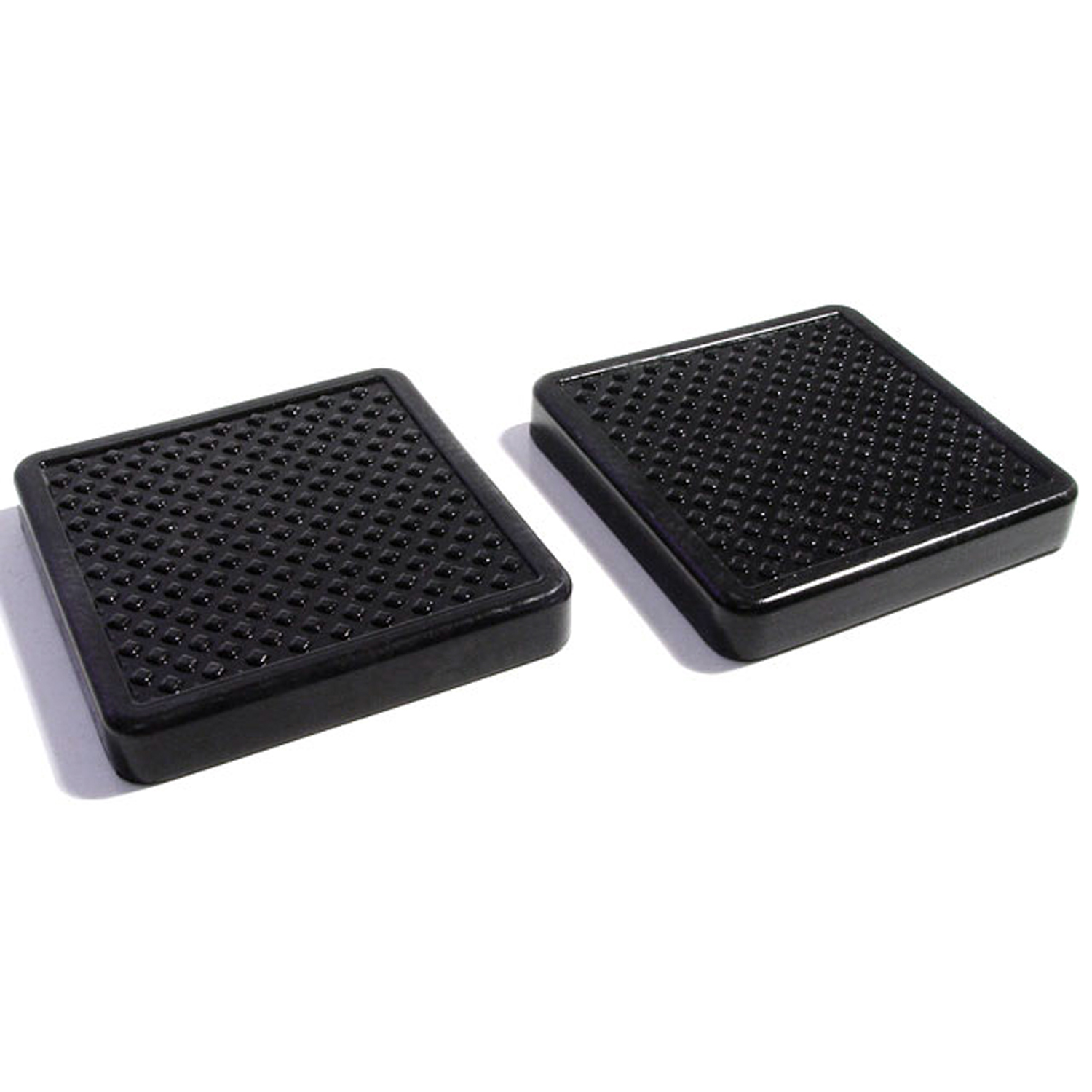 1921 Nash Series 680 Clutch and Brake Pedal Pads. 3" wide X 3" long. Pair-CB 47Clutch and Brake Pedal Pads. 3" wide X 3" long. Pair
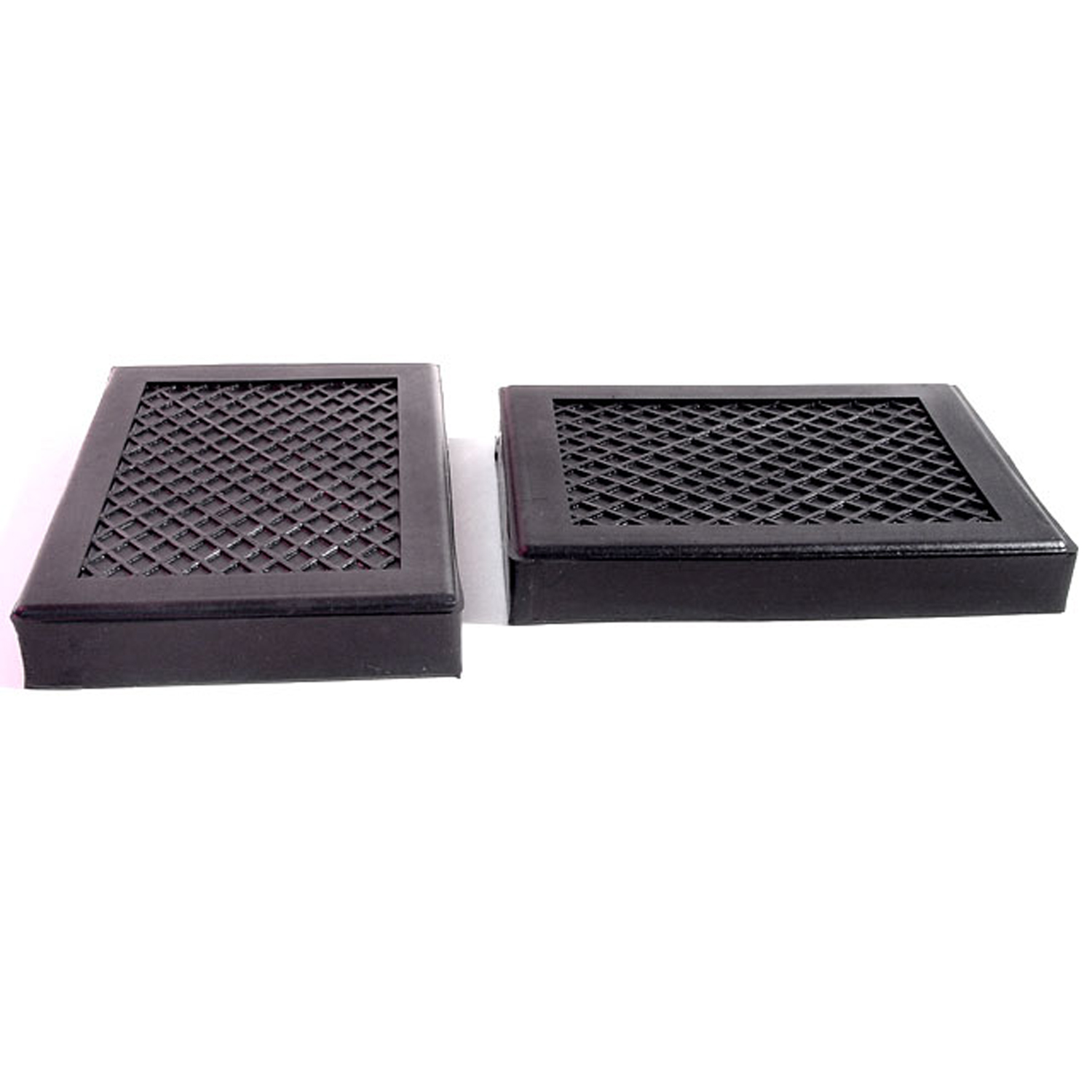 1921 Nash Series 680 Clutch and Brake Pedal Pads. 2-3/4" wide X 3-7/8" long-CB 48Clutch and Brake Pedal Pads. 2-3/4" wide X 3-7/8" long. Pair
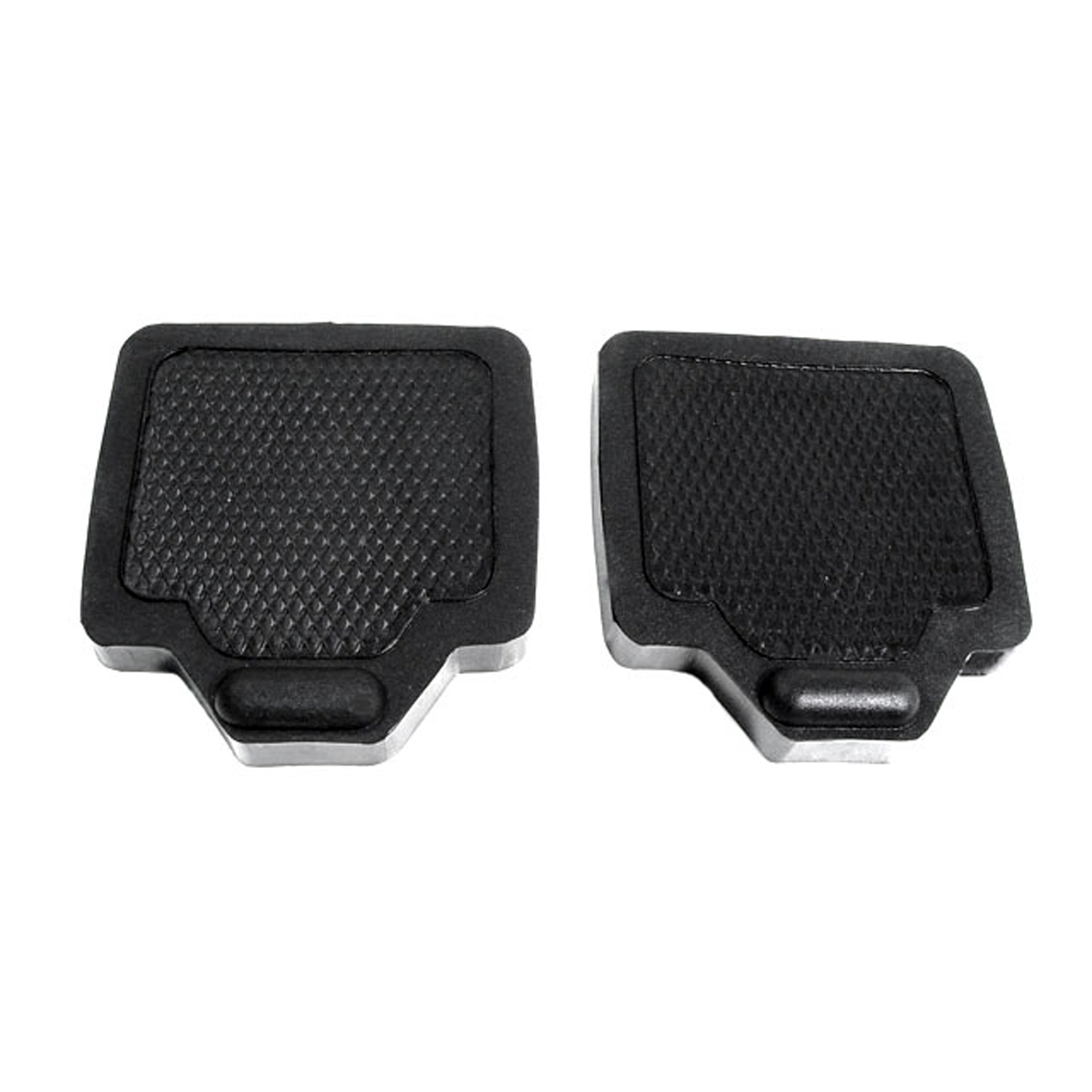 1921 Nash Series 680 Clutch and Brake Pedal Pads. 3-1/2" wide X 3-7/8" long-CB 55Clutch and Brake Pedal Pads. 3-1/2" wide X 3-7/8" long. Pair
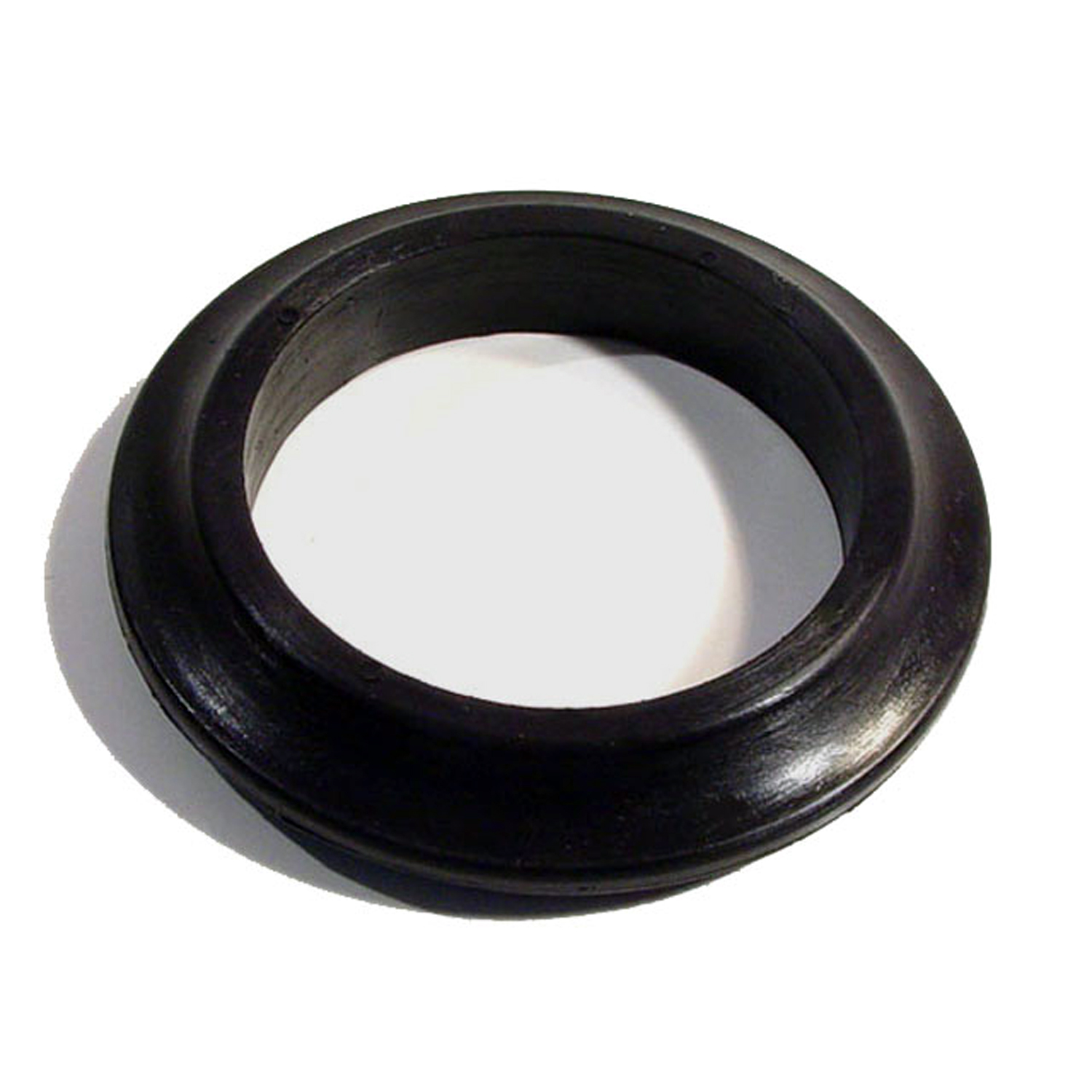 1921 Nash Series 680 Gas Filler Grommet. 2-1/4" I.D., 3-5/16" O.D. Each-GF 21Gas Filler Grommet. 2-1/4" I.D., 3-5/16" O.D. Each
Why Choose Metro?
For over 100 years, Metro Moulded Parts has been the pinnacle of quality in classic car restoration parts. Our commitment to precision and authenticity in every component ensures a perfect fit and an OEM-level appearance.
- Expert Craftsmanship & Quality: Each part is a testament to our dedication to reliability and perfection, crafted from original designs and thoroughly tested.
- Advanced Technology: We use cutting-edge techniques to create flawless, long-lasting parts that surpass others in performance.
- SuperSoft Sponge – The Ultimate Door Seal: Not only are our door seals 30% softer than competitors', but they're also guaranteed to never leak. They effectively reduce wind and road noise, enhancing your classic car's comfort and driving experience.
- Proudly American: Our parts are a product of American craftsmanship, made in the USA with a spirit of excellence and heritage.
- Unrivaled Warranty: We back our products with a 30-year industry-leading warranty, a testament to our confidence in their quality.
Join us in preserving the legacy of classic cars with parts that are crafted for perfection, not just made.