

Image of 1925 Nash Ajax, Note: These illustrations use artistic license and may differ from actual historical models.
Performance Metrics
Fundamental Metrics
Emotional Appeal
MMP Rating
| Engine Specifications | |
|---|---|
| Engine: | Inline-6 |
| Displacement: | 170 cubic inches |
| Horsepower: | Estimated 50-60 HP |
| Torque: | Not available |
| Compression Ratio: | Not available |
| Ignition System: | Battery and coil |
| Cooling System: | Water-cooled |
| Performance Specifications | |
| 0-60 Time: | Not available |
| 1/4 Mile Time: | Not available |
| Top Speed: | 50-60 mph |
| Transmission and Drive | |
| Drive Type: | Rear-wheel drive |
| Transmission Type: | 3-speed manual |
| Fuel and Efficiency | |
| Fuel System Type: | Carburetor |
| MPG: | Not available |
| Dimensions and Brakes | |
| Brakes: | Mechanical drum brakes |
| Wheelbase: | 112 inches |
| Weight: | 2,400 lbs |
Note: Specifications for classic cars are given to the best of our ability, considering the limited and variant data available.
1925 Nash Ajax: The One-Year Car That Became a Nash
The 1925 Nash Ajax was built to bring the engineering and reputation of Nash Motors to a lower price bracket, but its name had an unusually short life. Introduced by the Kenosha, Wisconsin, manufacturer as a separate marque, the Ajax lasted only briefly before Nash absorbed it into its own lineup. That quick change gives the car a special place in American automotive history: an Ajax could become a Nash without changing much more than its name and badges.
Nash Motors had been founded by former General Motors president Charles W. Nash, and by the mid-1920s it was building a reputation for solid, carefully engineered cars. The Ajax was the company’s more affordable offering, but it was not a bare-bones economy car. It brought buyers a six-cylinder engine and practical features that helped distinguish it from many low-priced four-cylinder rivals.
Ajax Design and Body Styles
The Ajax wore the upright, purposeful look typical of a mid-1920s automobile. Its tall radiator, separate rounded fenders, exposed running boards, and slim tires gave it a formal, almost architectural profile. Brass-era ornament had largely given way to nickel-plated or painted trim by this point, while the high-mounted lamps and narrow windshield made the car unmistakably vintage. The result was conservative rather than flashy, with the impression of a compact, well-built touring machine.
Ajax body offerings included open touring models and enclosed cars such as a coach, coupe, and sedan. Availability and exact model names can vary between period listings and surviving references. The touring body is especially appealing to collectors today because it displays the car’s long hood, open cabin, and separate fenders to full effect. Closed bodies, particularly sedans and coaches, better suited buyers who wanted weather protection and year-round usefulness.
Color choices depended on body style and production specifications. Period cars commonly appeared in subdued shades such as dark blue, green, maroon, and black, often paired with contrasting trim or upholstery. Exact Ajax paint combinations are not consistently documented across all surviving examples, so restoration colors should be checked against factory literature or reliable traces of original finish rather than chosen from guesswork.
Cabin Comfort and Period Features
Inside, the Ajax was straightforward and functional. The driver faced a simple instrument panel with period gauges and prominent controls, while the upright seating position offered a clear view over the hood. Upholstery materials varied with body style and equipment. Closed cars typically used durable cloth, while open models often relied on practical, weather-resistant materials. Trim was respectable for an affordable car, though it was not meant to rival the luxury appointments of a high-end Nash.
Its technology was conventional for the era, but the six-cylinder engine was a welcome selling point in the lower-priced field. The Ajax used a side-valve, or L-head, inline six of approximately 170 cubic inches, producing about 45 horsepower. A three-speed manual transmission sent power to the rear wheels. Four-wheel mechanical brakes were part of the period specification, an important feature at a time when some inexpensive competitors still used less comprehensive braking arrangements.
Why the Ajax Became a Nash
The Ajax’s most notable historical moment came almost as soon as it arrived. Nash decided that its own name carried more value with customers than a separate Ajax marque. For the 1926 model year, the Ajax was incorporated into the Nash range as the Nash Light Six. The change was largely a branding move, not a dramatic engineering transformation. In a memorable bit of customer relations, owners of Ajax cars were offered replacement Nash identification pieces, allowing them to update the car’s appearance.
This short-lived identity makes the Ajax an interesting case study in brand strategy. Manufacturers often launched companion makes to reach new price levels, but a separate badge could confuse buyers or dilute the main brand. Nash quickly concluded that it was better to sell the affordable car as a Nash. The Ajax therefore represents both a product and a brief experiment in how a growing automaker organized its lineup.
In design terms, the Ajax did not introduce a single revolutionary feature that transformed the industry. Its significance lies in making a six-cylinder Nash available at a more accessible price and in the rapid transition to the Light Six. It reflected a broader 1920s shift toward smoother-running multi-cylinder engines and more complete equipment in cars aimed at ordinary families.
Engine, Speed, and Road Manners
With roughly 45 horsepower moving a relatively light car, the Ajax was capable of keeping pace with ordinary traffic of its day. A reasonable period-informed estimate for top speed is around 50 to 55 mph, depending on body style, gearing, mechanical condition, and road surface. Reliable factory acceleration figures are not readily established. A modern estimate for 0 to 60 mph would be roughly 25 to 35 seconds, if the car could reach 60 at all under the conditions being measured. That is an estimate, not a verified factory performance claim.
The driving experience is very different from that of a modern car. The engine gives a steady, mechanical six-cylinder note, accompanied by the clatter of valves and the sounds of exposed chassis components. The three-speed gearbox requires deliberate shifts, and the driver must plan ahead rather than rely on quick acceleration. Steering is unassisted, so low-speed maneuvering takes arm strength, while the tall body and narrow tires call for measured inputs on bends.
On rough roads, the suspension’s leaf springs and solid axles provide the expected period ride: compliant over some bumps, but with plenty of movement and vibration compared with a modern vehicle. On winding roads, the Ajax rewards a steady pace. Its high center of gravity, narrow tires, and mechanical brakes are reminders that it was designed for the road conditions and speeds of the 1920s, not contemporary highway driving. Braking distances are long by modern standards, and careful maintenance is essential.
Owning and Maintaining a 1925 Ajax
Today, an Ajax is most at home as a show car, a touring-club vehicle, or a carefully used local parade car. It is not a sensible daily driver in modern traffic. Its speed, lighting, braking, and safety equipment are all from another era, and frequent high-speed use can put unnecessary strain on a century-old drivetrain.
Like many cars of its age, the Ajax is mechanically understandable to an experienced hobbyist. The engine and chassis use familiar prewar principles, and routine work such as lubrication, ignition service, and brake adjustment can be manageable for a capable owner with the right manuals and tools. The challenge is often not complexity but parts availability. Ajax-specific trim, badges, body pieces, and some mechanical components can be difficult to locate, while shared Nash parts may offer more options.
Reliability depends heavily on restoration quality and regular upkeep. Cooling-system condition, fuel delivery, ignition, wheel bearings, and mechanical brake adjustment deserve close attention. Before driving any example, an owner should inspect the frame, steering, tires, and braking system, and should avoid assuming that a fresh-looking restoration is mechanically safe.
Ajax Trivia and Collector Appeal
The Ajax’s best-known piece of trivia is its fast conversion into the Nash Light Six. The short-lived badge makes original Ajax radiator emblems and identification details especially interesting to collectors. A car retaining correct Ajax markings has a stronger claim to its original identity than one updated with Nash pieces, although both versions help tell the story of the model’s transition.
There is no widely recognized Ajax land-speed or endurance record, and the model is not chiefly remembered as a competition car. Its historical importance is more closely tied to Nash’s product strategy and the company’s effort to offer a six-cylinder car at a more approachable price. There is also no well-established celebrity ownership story that defines the Ajax’s reputation.
A common criticism is that the Ajax can be mistaken for a generic vintage car because its styling is restrained and its brief production history is less familiar than that of better-known Nash models. It also lacks the speed and comfort that modern collectors sometimes expect. Its counterpoint is its rarity, its Nash engineering, and the fascinating one-year marque story.
Production and Collector Values
Exact production totals are difficult to pin down from readily available summaries, and figures can vary depending on whether sources count Ajax-branded cars alone or include the closely related Light Six. A reasonable best estimate is that roughly 20,000 to 25,000 Ajax cars were built before the name was retired. That is an estimate rather than a definitive factory total. The number of surviving, identifiable examples is far smaller, and cars with correct Ajax details are uncommon on the market.
As a broad 2026 collector-market estimate, a project or incomplete car might bring about $8,000 to $15,000. A usable but older restoration could fall around $15,000 to $25,000, while a well-restored example may be worth roughly $25,000 to $40,000. An exceptional, highly original, or particularly desirable body style could exceed that range, but condition, documentation, provenance, and buyer interest matter greatly. These are guide estimates, not a substitute for recent comparable sales or a specialist appraisal.
Values for early cars tend to be condition-sensitive, and the Ajax’s niche appeal can make prices less predictable than those of more famous collector models. In nominal dollars, good examples may gradually appreciate as unrestored cars become scarcer, but restoration costs can easily outpace resale value. The strongest long-term appeal is likely to be in complete, well-documented cars that preserve their Ajax identity and require minimal corrective work.
The Lasting Significance of the Nash Ajax
The 1925 Nash Ajax combined a useful six-cylinder engine, practical body choices, and the solid engineering associated with Nash Motors. Its most distinctive feature was not a record-breaking performance claim or a radical technical invention, but its remarkably short life as a separate marque. When Nash quickly turned it into the Light Six, the company created one of the more memorable branding pivots of the decade.
For today’s enthusiast, the Ajax is a rewarding piece of automotive history: handsome, mechanically approachable, and uncommon enough to start a conversation wherever it goes. It captures a moment when a young automaker tested a new name, then decided its own was stronger. That brief experiment is precisely what makes the Nash Ajax worth remembering.
1925 Nash Ajax Catalog of Parts
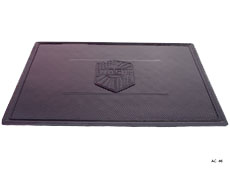 1925 Nash AJAX Accessory Floor Mat - 12"X17"-AC 46Accessory Floor Mat - made of high quality black rubber with molded original emblem. Also designed to be sewn into new carpets. 12"X17", Each
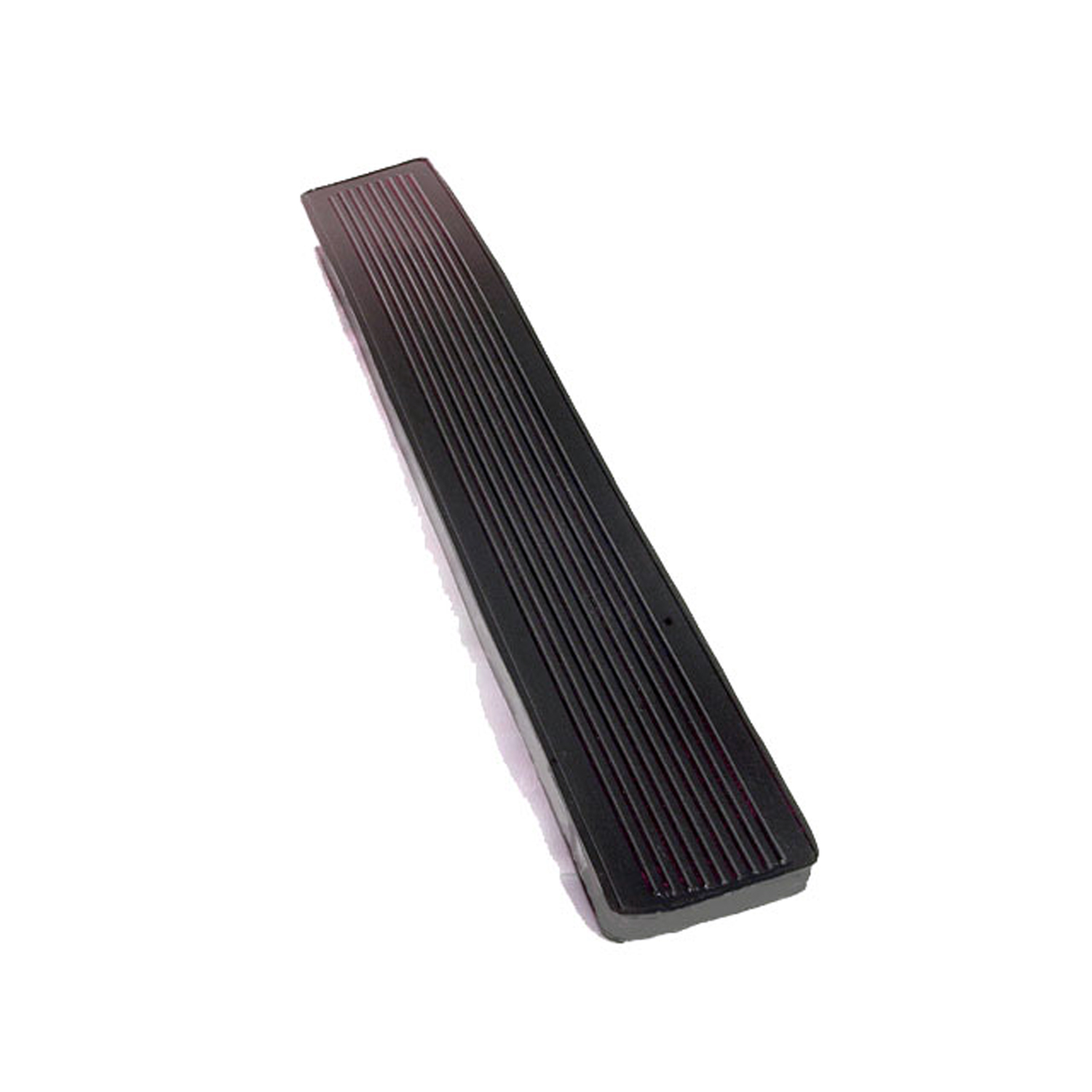 1925 Nash AJAX Accelerator Pedal Pad, 1-1/2" X 9-3/4", Each-AP 21Accelerator Pedal Pad, 1-1/2" X 9-3/4", Each
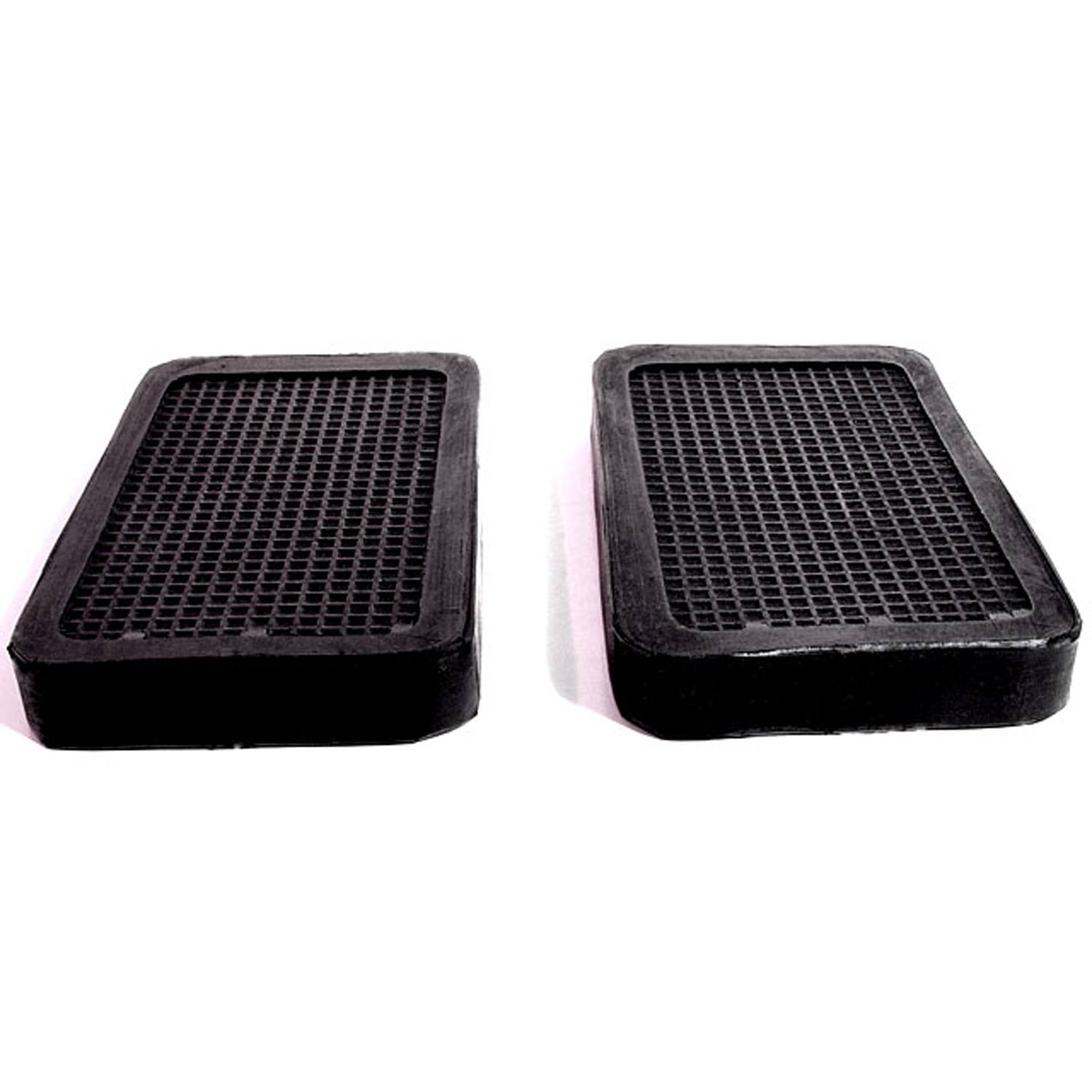 1925 Nash AJAX Clutch and Brake Pedal Pads. 2-1/4" wide X 4" long. Pair-CB 20Clutch and Brake Pedal Pads. 2-1/4" wide X 4" long. Pair
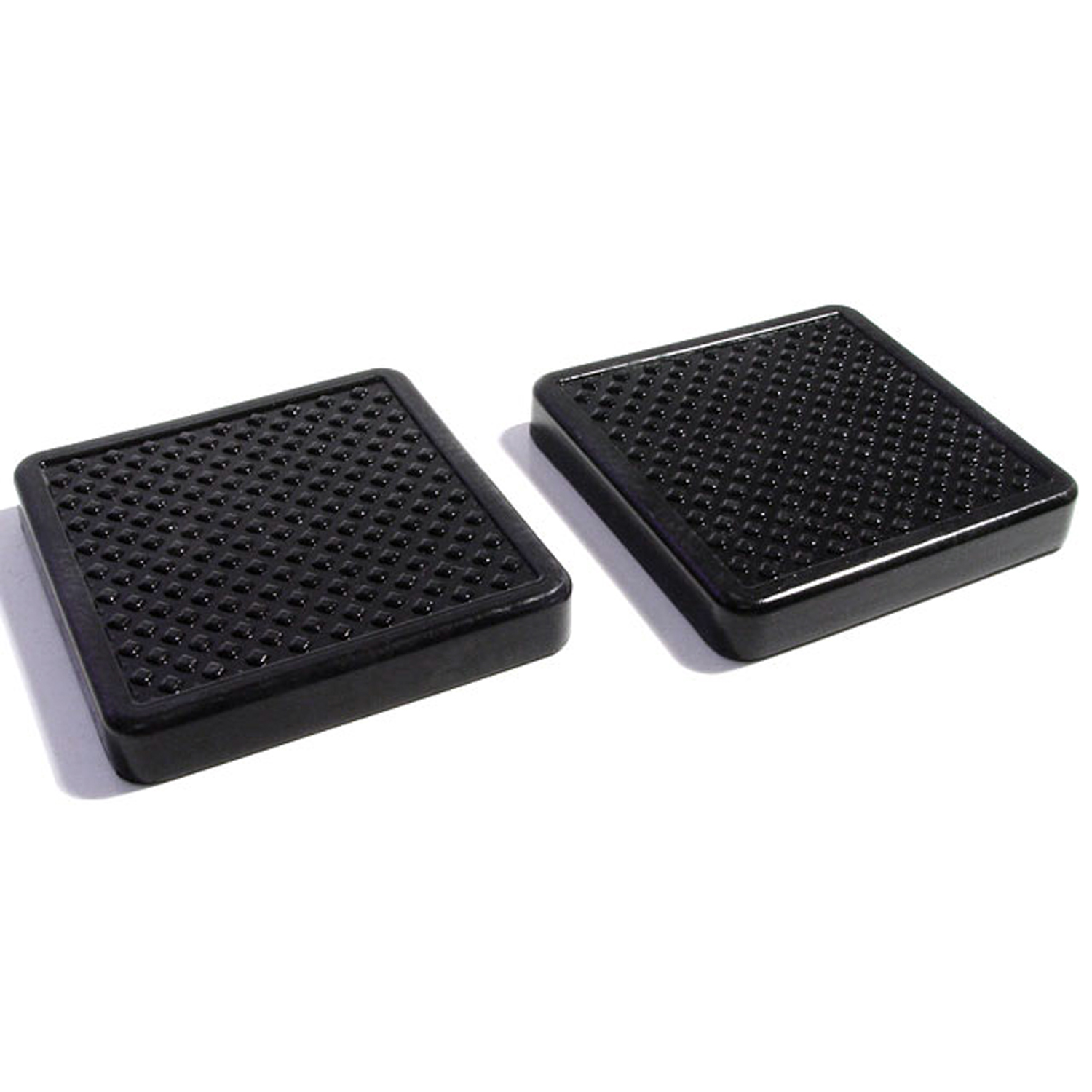 1925 Nash AJAX Clutch and Brake Pedal Pads. 3" wide X 3" long. Pair-CB 47Clutch and Brake Pedal Pads. 3" wide X 3" long. Pair
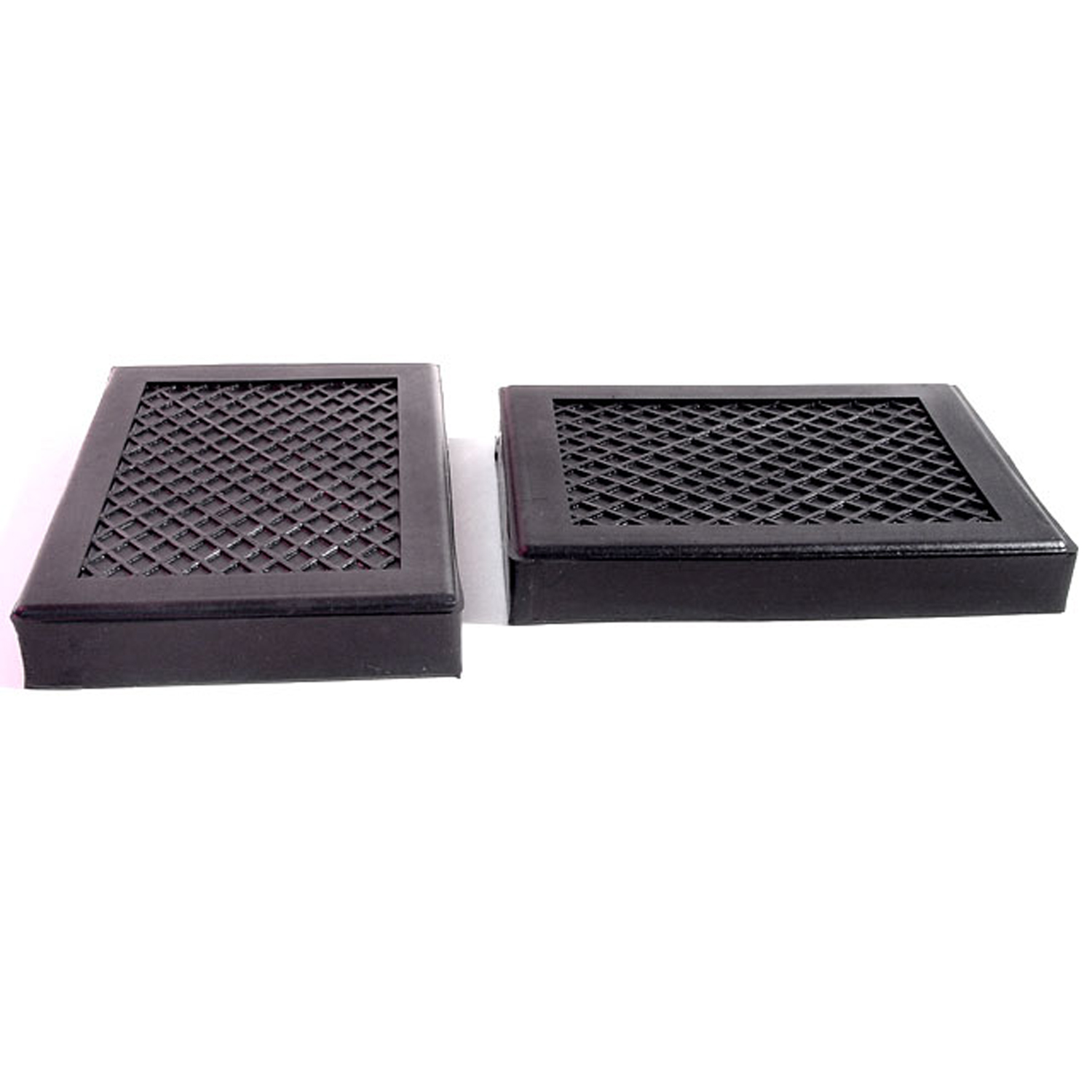 1925 Nash AJAX Clutch and Brake Pedal Pads. 2-3/4" wide X 3-7/8" long-CB 48Clutch and Brake Pedal Pads. 2-3/4" wide X 3-7/8" long. Pair
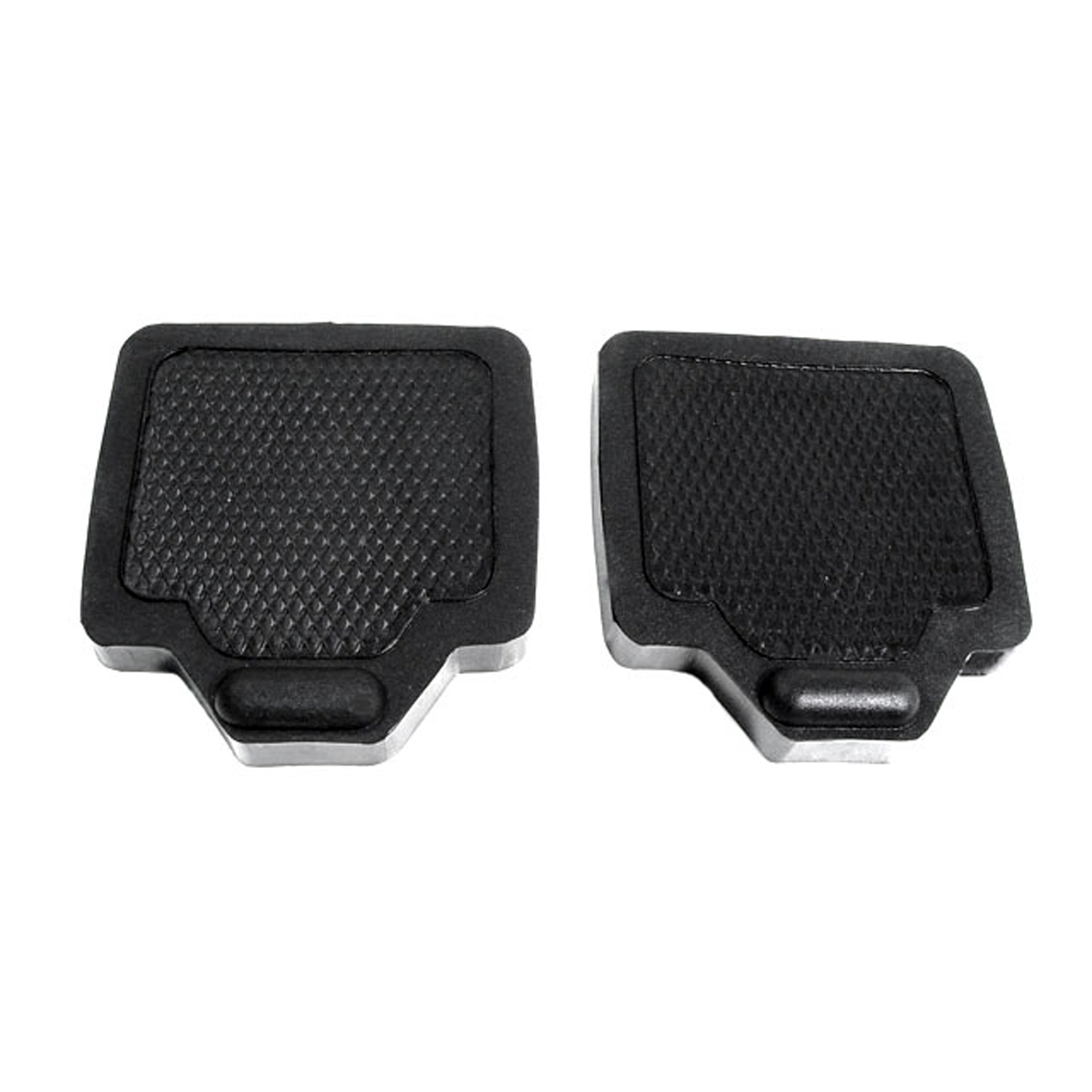 1925 Nash AJAX Clutch and Brake Pedal Pads. 3-1/2" wide X 3-7/8" long-CB 55Clutch and Brake Pedal Pads. 3-1/2" wide X 3-7/8" long. Pair
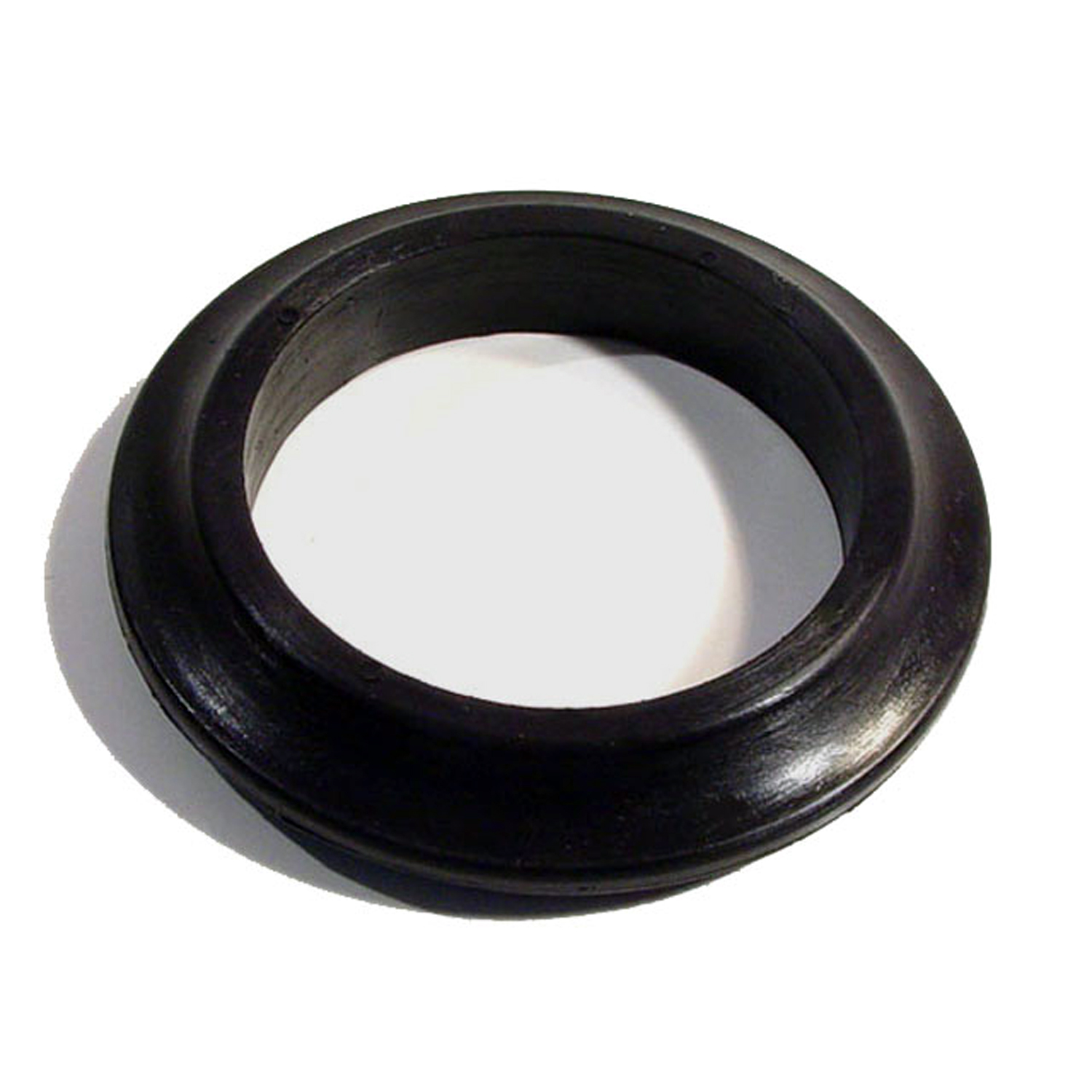 1925 Nash AJAX Gas Filler Grommet. 2-1/4" I.D., 3-5/16" O.D. Each-GF 21Gas Filler Grommet. 2-1/4" I.D., 3-5/16" O.D. Each
Why Choose Metro?
For over 100 years, Metro Moulded Parts has been the pinnacle of quality in classic car restoration parts. Our commitment to precision and authenticity in every component ensures a perfect fit and an OEM-level appearance.
- Expert Craftsmanship & Quality: Each part is a testament to our dedication to reliability and perfection, crafted from original designs and thoroughly tested.
- Advanced Technology: We use cutting-edge techniques to create flawless, long-lasting parts that surpass others in performance.
- SuperSoft Sponge – The Ultimate Door Seal: Not only are our door seals 30% softer than competitors', but they're also guaranteed to never leak. They effectively reduce wind and road noise, enhancing your classic car's comfort and driving experience.
- Proudly American: Our parts are a product of American craftsmanship, made in the USA with a spirit of excellence and heritage.
- Unrivaled Warranty: We back our products with a 30-year industry-leading warranty, a testament to our confidence in their quality.
Join us in preserving the legacy of classic cars with parts that are crafted for perfection, not just made.