

Image of 1925 Nash Special, Note: These illustrations use artistic license and may differ from actual historical models.
Performance Metrics
Fundamental Metrics
Emotional Appeal
MMP Rating
| Engine Specifications | |
|---|---|
| Engine Options: | Single engine option |
| Displacement Range: | 170 cubic inches |
| Horsepower Range: | Estimated 40-50 HP |
| Torque: | Not available |
| Compression Ratio: | Not available |
| Ignition System: | Battery and coil ignition |
| Cooling System: | Thermosiphon cooling system |
| Performance Specifications | |
| 0-60 Time: | Not available |
| 1/4 Mile Time: | Not available |
| Top Speed: | 50-55 mph |
| Transmission and Drive | |
| Drive Type: | Rear-wheel drive |
| Transmission Type: | 3-speed manual |
| Fuel and Efficiency | |
| Fuel System Type: | Carburetor |
| MPG: | Not available |
| Dimensions and Brakes | |
| Brakes: | Mechanical drum brakes |
| Wheelbase: | 112 inches |
| Weight: | Estimated 2,400 lbs |
Note: Specifications for classic cars are given to the best of our ability, considering the limited and variant data available.
1925 Nash Special Six: A Middleweight with Big-Car Ambitions
The 1925 Nash Special Six was built for drivers who wanted the comfort and presence of a large American touring car without stepping up to the company’s most expensive model. Produced by Nash Motors in Kenosha, Wisconsin, it belonged to a growing middle tier of cars that brought more equipment and refinement to a wider audience.
Nash Motors had been founded in 1916 by Charles W. Nash, a former president of General Motors. By the mid-1920s, it had become one of the country’s best-known independent automakers. The Special Six sat between Nash’s lighter and more luxurious offerings, combining a substantial chassis with a six-cylinder engine and period features that made the car feel thoughtfully engineered.
One detail that gives the Special Six a particularly Nash character is the company’s Twin Ignition system. Nash had introduced the concept years earlier, and its use of two spark plugs per cylinder became a recognizable feature of the marque. It was intended to promote dependable, thorough combustion, an appealing advantage in an era when starting and ignition systems could be temperamental.
Elegant Lines and Coachbuilt Comfort
The Special Six wore the formal, upright proportions typical of a quality 1920s automobile. Its tall radiator, separate fenders and running boards, exposed headlamps, and narrow tires made its identity unmistakable. Depending on body style, the profile could feel practical and family-oriented or jaunty and open-air. A long hood gave the car a confident stance, while bright metal trim and carefully shaped bodywork added a note of polish.
Inside, the experience was more substantial than luxurious by modern standards. Owners encountered a large steering wheel, upright seating, simple mechanical controls, and broad, bench-style cushions. Upholstery and trim varied with the body and equipment, but commonly used durable cloth or leather, with wood or wood-finished details on some enclosed bodies. The emphasis was on comfort and hard-wearing materials rather than elaborate ornament.
Equipment depended on the exact body and specification. Features such as an electric starter and lighting, a speedometer, and a windshield were increasingly expected in this price class, though convenience and trim details could differ. The Special Six’s engineering appeal lay less in gadgets than in its well-equipped chassis and Nash’s attention to practical operation.
Paint choices varied by catalog, body style, and production period. Dark shades such as black, deep blue, green, and maroon suit the car’s formal appearance and are popular choices on surviving examples. Original paint combinations should be checked against factory documentation where possible, since restorations and later repainting can make a period-correct color difficult to identify by appearance alone.
Nash offered the Special Six in several body configurations over the model range. Open touring cars and roadsters suited buyers who wanted fresh air and flexible seating, while coupes and sedans offered greater protection from weather. Exact offerings depended on the particular series and body catalog. The enclosed sedan is perhaps the most instantly recognizable choice today, while a touring model shows off the car’s long fenders and open-car proportions to especially good effect.
Why the Special Six Mattered
The Special Six reflected a major shift in the American market. Buyers increasingly expected a car to be more than basic transportation: it needed reliable starting, adequate power for longer trips, room for passengers, and enough finish to feel like a considered purchase. Nash competed in that space by pairing conventional, serviceable construction with equipment and engineering features that helped distinguish its cars from less ambitious rivals.
Twin Ignition was an important part of that identity. It was not a modern electronic ignition system, but a period solution intended to improve combustion and operating dependability. The Special Six also benefited from the broader move toward enclosed bodies. Closed cars were becoming more desirable as roads and driving habits changed, making year-round comfort a stronger selling point than open-air motoring alone.
The car did not single-handedly transform automotive design, and its layout remained recognizably traditional: front engine, rear-wheel drive, ladder-style chassis, and a separate body. Its significance is more representative than revolutionary. It shows how a respected independent manufacturer competed through a blend of engineering, equipment, and a carefully positioned model range. Nash’s later reputation for distinctive engineering and design had roots in this earlier period of establishing a clear identity.
Six-Cylinder Pace and Period Road Manners
Most 1925 Special Six references identify a side-valve, or L-head, inline-six of roughly 208 cubic inches, with output commonly quoted in the neighborhood of 60 horsepower. Specifications can vary across references and by exact model configuration, so a particular car should be verified by its engine number and original literature.
There are no modern standardized acceleration tests for the model. As a practical estimate, a sound, correctly tuned Special Six might reach roughly 55 to 65 mph, with a 0-to-60 mph time likely in the high-20-second range or slower depending on body weight, gearing, condition, and road surface. Those figures are estimates, not factory test results. The car was built for steady touring, not quick acceleration or sustained high-speed driving.
On the road, the Special Six asks for a measured driving style. Its long wheelbase helps it settle into a straight line, while its tall tires, solid axles, and leaf springs deliver the softly compliant but sometimes busy ride typical of the period. It can take bumps with a degree of give, but sharp road edges may send a jolt through the chassis. On a winding road, the driver needs to plan ahead: steering is slower than in a modern car, and narrow tires and period brakes reward smooth inputs rather than abrupt maneuvers.
The engine’s sound is a deep, even six-cylinder rumble, accompanied by the mechanical whir and road noise of an open or lightly insulated vintage car. Gear changes require attention, and the driver has to coordinate the controls rather than simply point and go. That hands-on character is part of the appeal, but it also makes the Special Six best enjoyed at a relaxed pace.
Living with a 1925 Nash
Today, the Special Six is most often used for vintage-car tours, club events, local parades, and shows. A well-maintained example can be driven on suitable roads, but it is not a sensible modern daily driver. Traffic speeds, braking distances, visibility, and the absence of contemporary safety equipment all call for careful route planning.
Basic service work is understandable to an experienced vintage-car owner. The engine and chassis use mechanical systems that can be inspected and adjusted without electronic diagnostic tools. Regular attention to lubrication, cooling, ignition, brakes, tires, and the condition of the fuel system is essential. The Twin Ignition arrangement adds components to inspect, and maintaining two plugs per cylinder makes a proper tune-up more involved than on a simple single-plug engine.
Ease of repair depends heavily on the car’s completeness. Routine mechanical work is generally approachable for a skilled hobbyist, but specialist knowledge may be needed for magneto or ignition work, engine rebuilding, upholstery, and body restoration. Replacement parts are less readily available than for mass-produced Ford Model Ts, so locating correct components can take time. Before buying, check for missing trim, worn or damaged wood structure in enclosed bodies, rust or repairs in the chassis, and evidence of an incomplete restoration.
Details Collectors Love, and a Few Caveats
A standout bit of Nash trivia is that Twin Ignition was not merely a marketing label. The system used two spark plugs in each cylinder, giving the engine a distinctive arrangement and making it a useful talking point at a show. It also illustrates how automakers of the period pursued reliability through mechanical ingenuity rather than electronics.
There is no widely recognized speed or endurance record associated specifically with the 1925 Special Six. Nor is there a well-established celebrity ownership story that defines the model. Its appeal is quieter: it represents a substantial American independent car from a time when manufacturers competed with distinctive engineering and a broad range of body styles.
Common criticisms are familiar to owners of many prewar cars. The Special Six is slow by modern standards, braking requires anticipation, and steering and controls demand more effort. Weather protection varies considerably by body style, and sourcing correct parts can be challenging. Those compromises are part of the period experience, but they matter if a buyer expects modern convenience.
1925 Nash Special Six Values and Rarity
Exact production totals for every Special Six body and series are not consistently reported in commonly available references. Nash built cars in significant numbers for an independent manufacturer, but age, changing body styles, and decades of attrition have made surviving Special Sixes uncommon. As a broad estimate rather than a factory figure, total production may have been in the tens of thousands. The number of surviving, complete examples is far smaller.
As a general collector-market estimate, a project or incomplete car might fall around $8,000 to $18,000. A sound driver-quality example could bring approximately $18,000 to $35,000, while a high-quality restoration or especially desirable body may reach roughly $35,000 to $60,000 or more. These are broad U.S. estimates, not a formal appraisal. Condition, originality, body style, documentation, and the quality of any restoration can move the price substantially.
Values tend to reward complete, correctly restored cars, but the Special Six is a niche collectible rather than a guaranteed high-return investment. Well-presented examples may appreciate gradually, especially as interest in early American cars continues, while restoration costs can easily exceed a car’s eventual sale price. The best purchase is usually the most complete and honestly documented car a buyer can afford.
A Distinctive Nash from the Brass-to-Classic Era
The 1925 Nash Special Six combines traditional American touring-car proportions with a thoughtful engineering detail in its Twin Ignition system. It offers six-cylinder smoothness, a range of period body styles, and the unmistakably hands-on driving experience of a car built before modern traffic and safety expectations.
It may not be the fastest or most famous car of its era, but the Special Six tells an important story about Nash Motors and the ambitions of independent automakers. Seen today, it is more than a handsome survivor: it is a reminder that practical engineering and character could travel together on four narrow tires.
1925 Nash Special Catalog of Parts
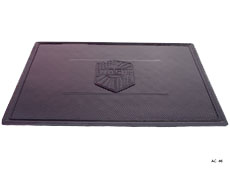 1925 Nash Special Accessory Floor Mat - 12"X17"-AC 46Accessory Floor Mat - made of high quality black rubber with molded original emblem. Also designed to be sewn into new carpets. 12"X17", Each
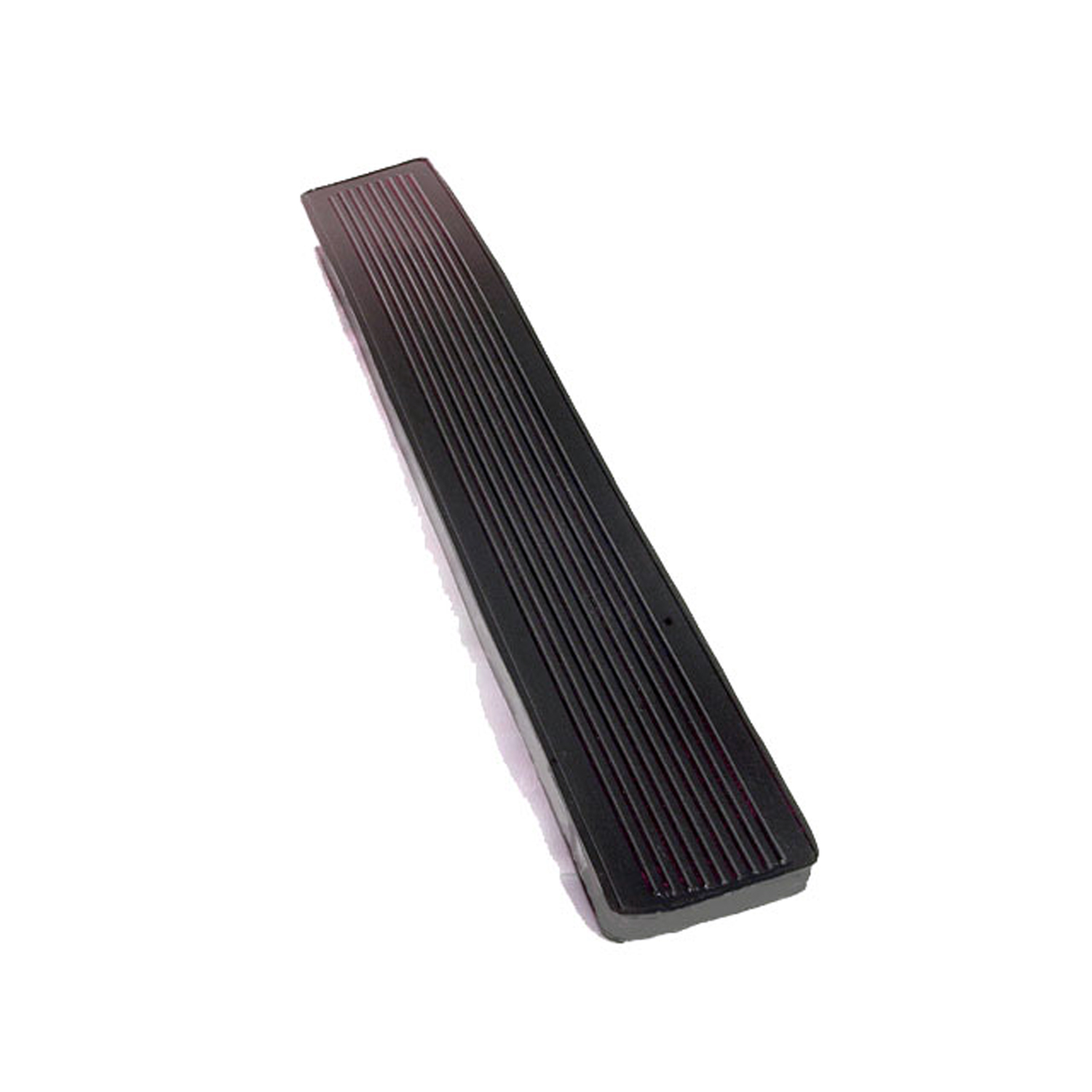 1925 Nash Special Accelerator Pedal Pad, 1-1/2" X 9-3/4", Each-AP 21Accelerator Pedal Pad, 1-1/2" X 9-3/4", Each
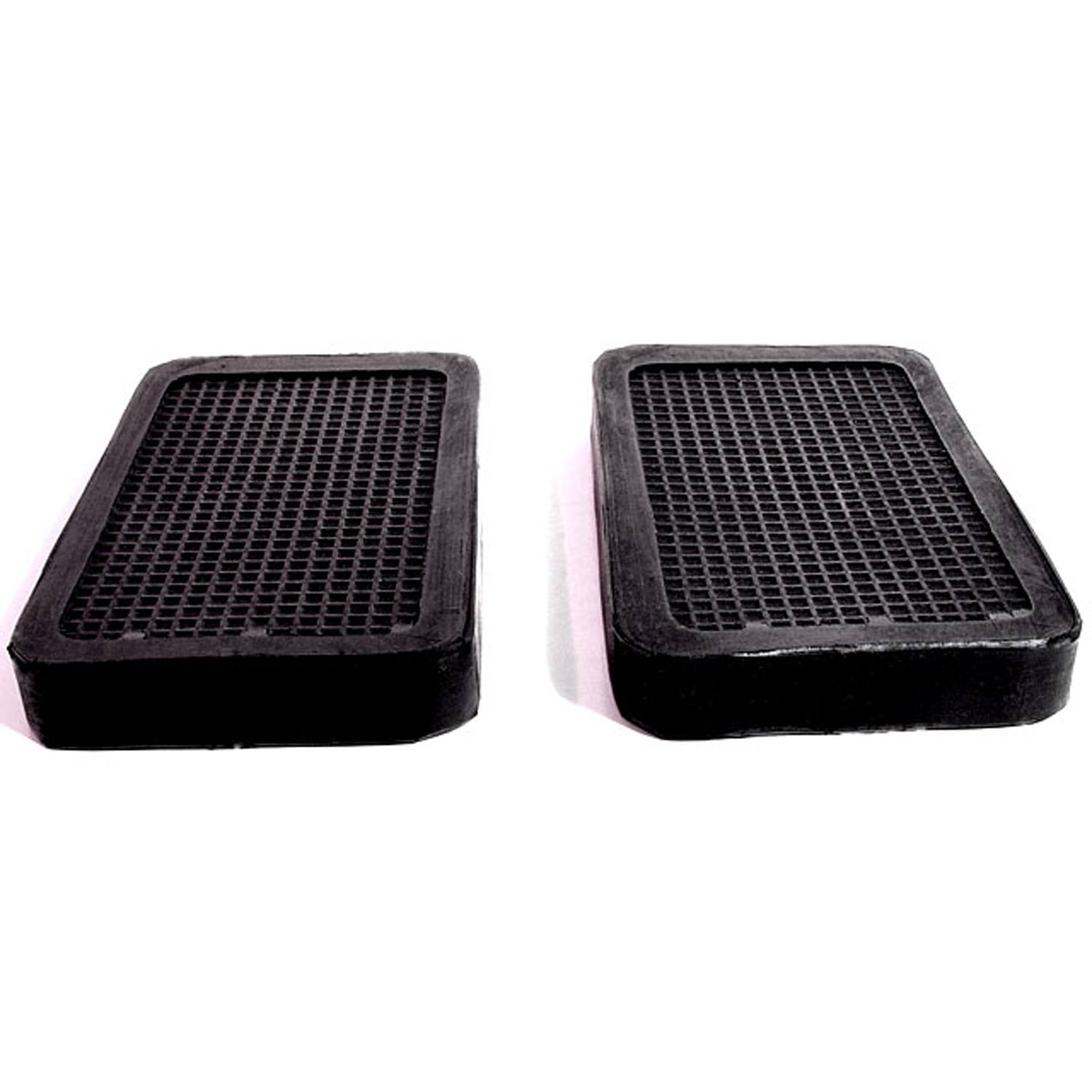 1925 Nash Special Clutch and Brake Pedal Pads. 2-1/4" wide X 4" long. Pair-CB 20Clutch and Brake Pedal Pads. 2-1/4" wide X 4" long. Pair
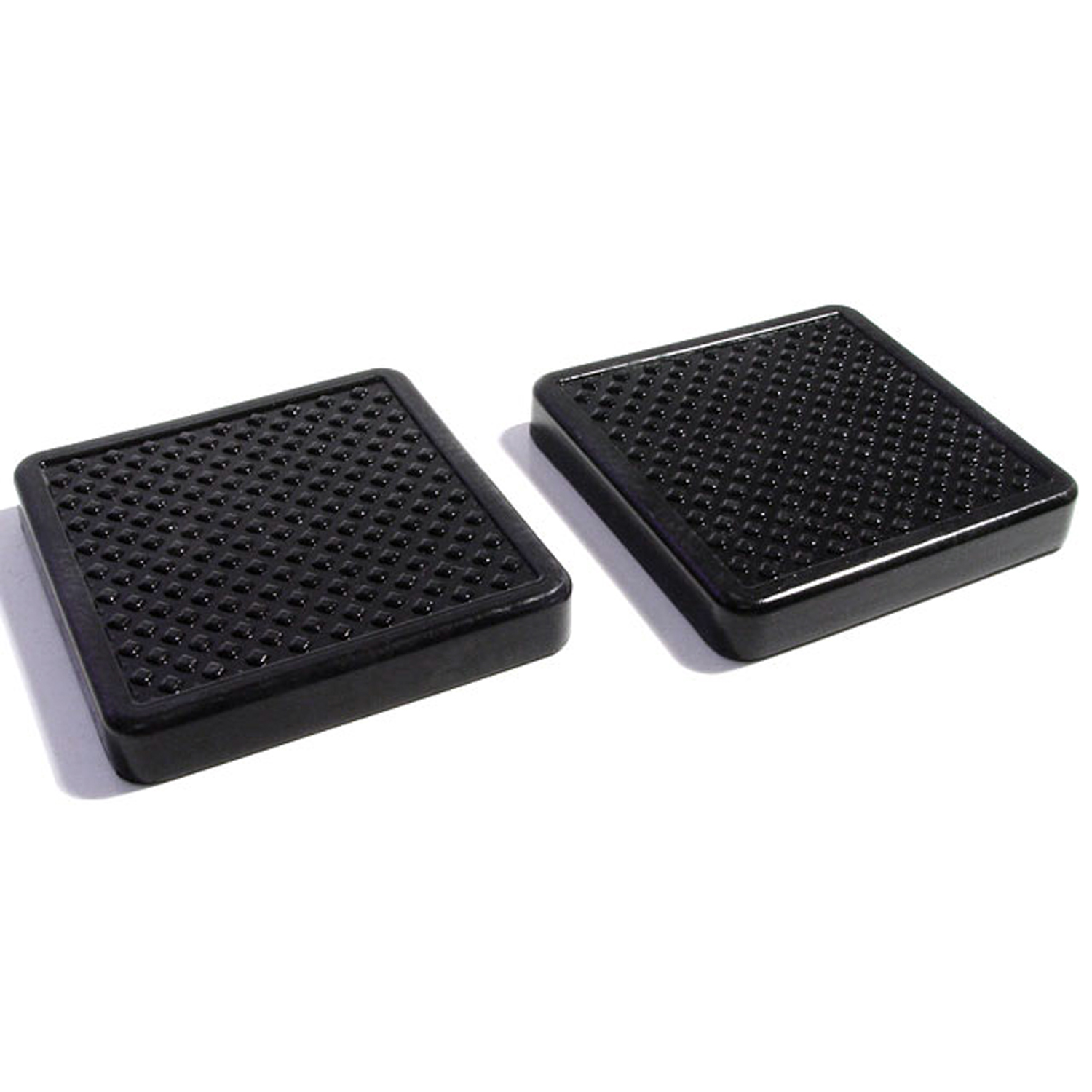 1925 Nash Special Clutch and Brake Pedal Pads. 3" wide X 3" long. Pair-CB 47Clutch and Brake Pedal Pads. 3" wide X 3" long. Pair
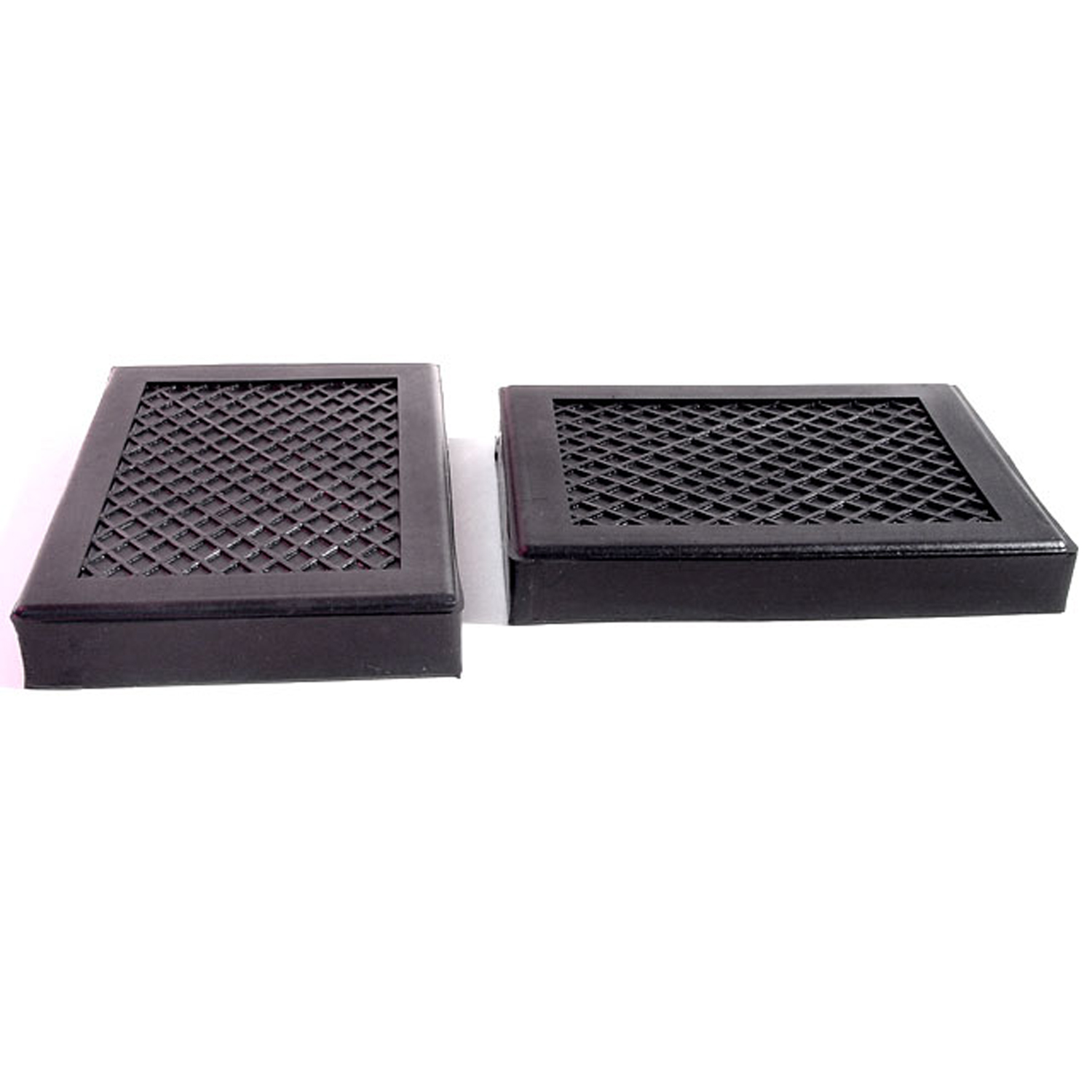 1925 Nash Special Clutch and Brake Pedal Pads. 2-3/4" wide X 3-7/8" long-CB 48Clutch and Brake Pedal Pads. 2-3/4" wide X 3-7/8" long. Pair
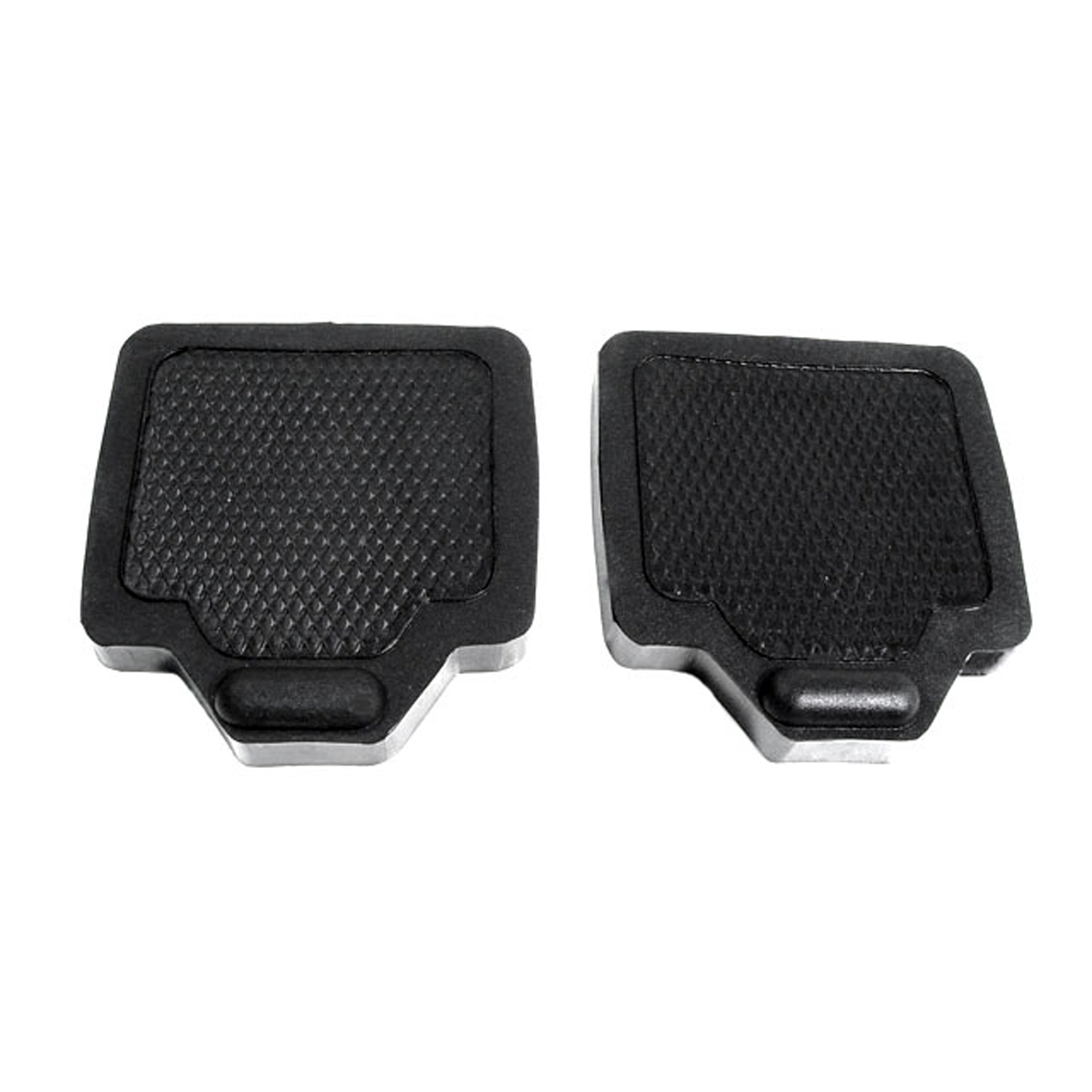 1925 Nash Special Clutch and Brake Pedal Pads. 3-1/2" wide X 3-7/8" long-CB 55Clutch and Brake Pedal Pads. 3-1/2" wide X 3-7/8" long. Pair
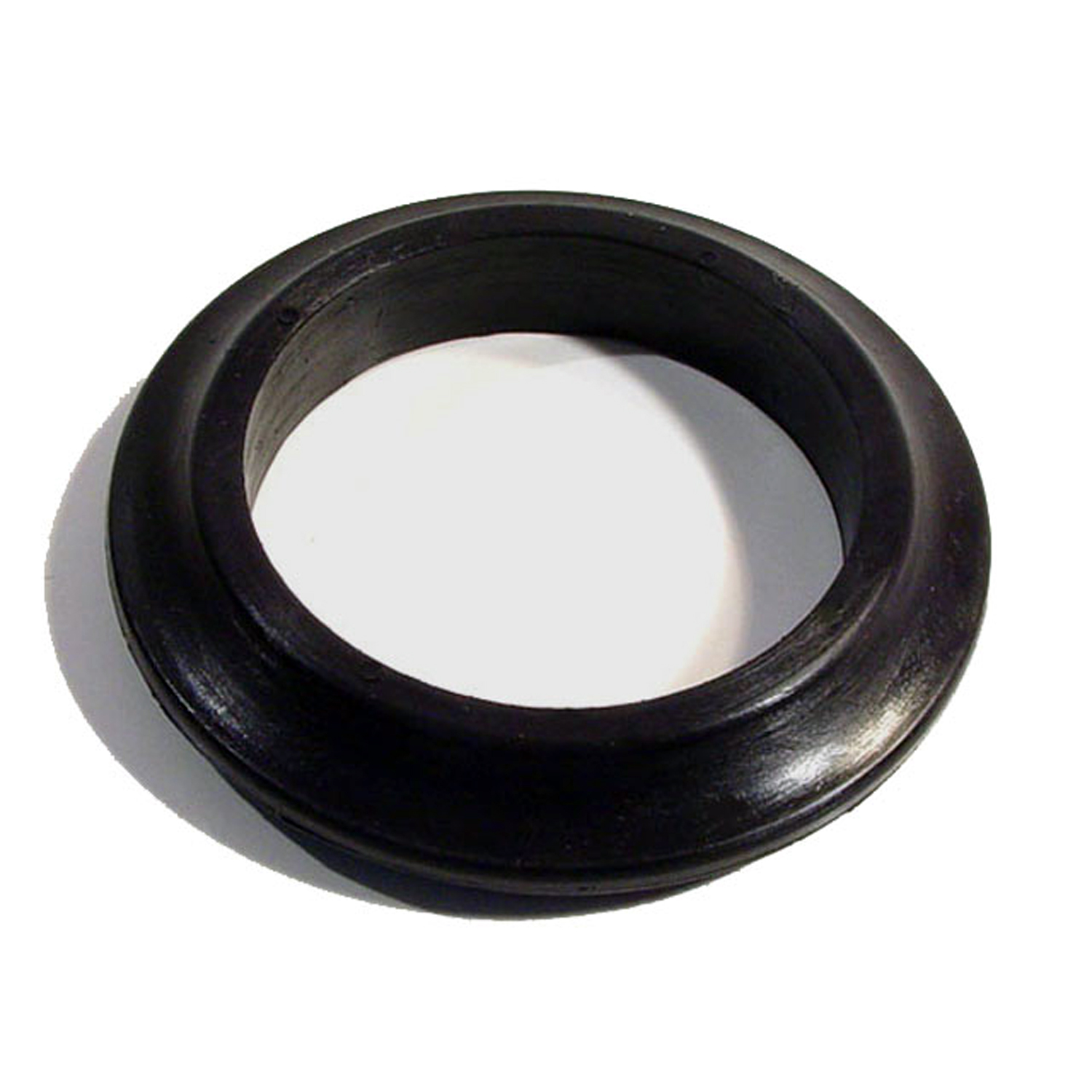 1925 Nash Special Gas Filler Grommet. 2-1/4" I.D., 3-5/16" O.D. Each-GF 21Gas Filler Grommet. 2-1/4" I.D., 3-5/16" O.D. Each
Why Choose Metro?
For over 100 years, Metro Moulded Parts has been the pinnacle of quality in classic car restoration parts. Our commitment to precision and authenticity in every component ensures a perfect fit and an OEM-level appearance.
- Expert Craftsmanship & Quality: Each part is a testament to our dedication to reliability and perfection, crafted from original designs and thoroughly tested.
- Advanced Technology: We use cutting-edge techniques to create flawless, long-lasting parts that surpass others in performance.
- SuperSoft Sponge – The Ultimate Door Seal: Not only are our door seals 30% softer than competitors', but they're also guaranteed to never leak. They effectively reduce wind and road noise, enhancing your classic car's comfort and driving experience.
- Proudly American: Our parts are a product of American craftsmanship, made in the USA with a spirit of excellence and heritage.
- Unrivaled Warranty: We back our products with a 30-year industry-leading warranty, a testament to our confidence in their quality.
Join us in preserving the legacy of classic cars with parts that are crafted for perfection, not just made.