

Image of 1926 Nash Light Six, Note: These illustrations use artistic license and may differ from actual historical models.
Performance Metrics
Fundamental Metrics
Emotional Appeal
MMP Rating
| Engine Specifications | |
|---|---|
| Engine: | Inline 6 |
| Displacement: | 3.0L |
| Horsepower: | Estimated 20-30 HP |
| Torque: | Not available |
| Compression Ratio: | Not available |
| Ignition System: | Battery and coil |
| Cooling System: | Water-cooled |
| Performance Specifications | |
| 0-60 Time: | Not available |
| 1/4 Mile Time: | Not available |
| Top Speed: | 50-55 mph |
| Transmission and Drive | |
| Drive Type: | Rear-wheel drive |
| Transmission Type: | 3-speed manual |
| Fuel and Efficiency | |
| Fuel System Type: | Carburetor |
| MPG: | Not available |
| Dimensions and Brakes | |
| Brakes: | Mechanical drum brakes |
| Wheelbase: | 112 inches |
| Weight: | Estimated 2,400 lbs |
Note: Specifications for classic cars are given to the best of our ability, considering the limited and variant data available.
1926 Nash Light Six: A Quality Six for the Open Road
The 1926 Nash Light Six brought six-cylinder smoothness and carefully engineered details to buyers who did not need the size or price of a luxury car. Built by Nash Motors in Kenosha, Wisconsin, it reflected the ambitions of company founder Charles W. Nash, a former General Motors president who set out to make dependable, well-finished automobiles for a broad market.
Nash Motors had grown from the Thomas B. Jeffery Company, which Nash acquired in 1916. By the middle of the 1920s, the company offered several lines, with the Light Six serving as its more accessible six-cylinder choice. Its appeal was not simply that it had six cylinders. Nash emphasized solid construction, useful equipment, and a level of refinement that helped distinguish it from many basic cars of the period.
One intriguing detail is Nash’s use of twin ignition on many of its six-cylinder engines. With two spark plugs per cylinder, the system was intended to promote reliable, thorough combustion. It gave the Light Six a talking point beyond its modestly sized engine and showed how Nash used engineering features to build its reputation.
1926 Nash Light Six Design and Body Styles
The Light Six had the upright, purposeful proportions typical of a mid-1920s automobile: a tall radiator at the nose, separate rounded fenders, exposed running boards, and a long hood leading back to a compact passenger compartment. Its body sat high on narrow tires, while bright metal trim and carefully shaped lamps gave it a dressier presence than a bare-bones utility car. The overall look was formal rather than streamlined, but the proportions made the car feel substantial without the bulk of a larger touring model.
Inside, buyers found a cabin designed around practical comfort. Depending on body style and equipment, the interior could include broad upholstered seats, a substantial steering wheel, clear-faced gauges, and wood or wood-finished trim. Materials and trim varied across configurations, but Nash’s marketing stressed finish and quality. Compared with a basic economy car, the Light Six was intended to feel like a thoughtful purchase, not merely transportation.
Period Light Six offerings included closed bodies such as sedans and coupes, along with open touring or roadster-style models. Exact names and availability could vary by market and catalog listing. The four-door sedan was a natural choice for families and year-round use, while open touring cars offered the period’s classic wind-in-the-face experience. Coupes appealed to buyers who wanted a more personal, less family-oriented car.
Paint choices were tied to the body style and the particular catalog year. Dark, conservative finishes such as black, blue, green, and maroon were typical of the era, with contrasting trim or wheels sometimes adding visual interest. A car’s present color may not be its original shade, so collectors seeking an authentic restoration should verify paint details against period documentation for the exact body and production date.
Engine, Features, and Period Technology
The 1926 Light Six is generally associated with a 174-cubic-inch (about 2.9-liter) inline-six producing roughly 50 horsepower. It used a side-valve, or L-head, layout and sent power through a manual transmission to the rear wheels. Specifications can differ by model designation and source, so a surviving car’s engine number and original literature are useful checks when confirming its exact configuration.
The six-cylinder layout delivered smoother power than the four-cylinder engines common in lower-priced cars. Nash’s twin-ignition arrangement, where fitted, used two spark plugs per cylinder to help the mixture burn consistently. Four-wheel mechanical brakes were another important period feature associated with Nash cars of this era. They required regular adjustment and did not offer the effortless stopping power of modern hydraulic systems, but having brakes at all four wheels was a meaningful safety advantage over cars with rear-wheel-only braking.
Why the Light Six Mattered
The Light Six did not reinvent the automobile, and it was not a mass-market phenomenon on the scale of Ford’s Model T. Its importance lies in how it combined a relatively approachable price with features and finish that suggested a more expensive car. In a market where buyers increasingly expected enclosed bodies, dependable engines, and better road manners, Nash aimed to make refinement part of the value proposition.
The model also strengthened Nash’s identity as an engineering-minded independent manufacturer. Twin ignition and attention to chassis and cabin quality helped the company stand apart from rivals competing primarily on low price. The Light Six’s lasting influence is therefore less about a single design feature than about the broader idea that a practical car could still be smooth, well equipped, and carefully built.
Performance and Driving Feel
Factory performance figures for individual 1926 Light Six body styles are not consistently documented in modern references. As a practical estimate, a sound, correctly tuned example might reach roughly 55 to 65 mph, with a leisurely 0-to-60-mph time likely in the neighborhood of 30 to 40 seconds. Body weight, gearing, engine condition, tires, and road conditions make a substantial difference. These are period-car estimates, not guaranteed factory test results.
The Light Six is happiest at moderate speeds. Its engine should feel smooth for its age, building power steadily rather than delivering a sharp burst of acceleration. The exhaust note is a low, measured mechanical rumble, accompanied by the sounds of gears, tires, and wind that modern drivers rarely hear inside a car. A three-speed manual transmission asks the driver to plan shifts and use the engine’s modest power thoughtfully.
On ordinary roads, the tall chassis and period suspension give the car a soft, rolling ride. It can absorb small bumps, but rough surfaces may bring body movement and jolts through the steering wheel. On winding roads, its narrow tires, high seating position, and relatively slow steering favor deliberate inputs over quick cornering. Mechanical brakes also demand more anticipation and firmer pedal effort than a modern driver may expect.
Owning and Maintaining a Nash Light Six
In its own day, the Light Six served as family transportation, business travel, and leisure transport. Today, most examples are used for touring, local club events, vintage-car displays, and careful pleasure drives rather than daily commuting. Its moderate speed and age make it better suited to scenic roads than fast highways.
Routine maintenance is manageable for an owner comfortable with prewar mechanicals. Ignition timing, carburetor adjustment, valve service, lubrication, brake adjustment, and cooling-system care are all important. Many jobs use straightforward mechanical principles, but parts availability and correct specifications can be more challenging than the work itself. Some components may need to come from specialist suppliers, swap meets, or donor cars. A prospective owner should inspect the engine, transmission, brakes, frame, wood structure where applicable, and the condition of any previous restoration.
Reliability depends heavily on care and correct setup. A well-maintained Light Six can be enjoyable on appropriate roads, but age-related problems such as tired wiring, worn bearings, deteriorated hoses, and weak brakes should never be dismissed as minor quirks. Before regular use, a thorough mechanical inspection is more valuable than a shiny paint job.
Quick Facts and Common Criticisms
Nash’s twin-ignition concept is one of the Light Six’s most memorable technical talking points. It also reflects a period when manufacturers used visible engineering features to reassure buyers about smoothness and dependability. The Light Six is not widely associated with a single headline speed record or celebrity ownership story, so claims of a famous individual car should be checked against reliable documentation.
Its chief criticism by modern standards is its pace. The car is slow compared with contemporary traffic, and its braking, lighting, steering, and weather protection are all products of the 1920s. Open models can be charming on a sunny day but demanding in cold or wet weather. Some owners may also find the search for model-specific trim and mechanical parts less convenient than for more common Ford or Chevrolet cars of the period.
Collector Value and Rarity
There is no dependable, widely cited production total for the 1926 Nash Light Six alone. Nash built cars in substantial numbers during the decade, but surviving records and later sources do not always separate Light Six production cleanly from other models. A reasonable working estimate is that production was in the tens of thousands, perhaps around 20,000 to 35,000 cars for the model year. That is an informed estimate, not a confirmed factory figure.
Survivors are uncommon in today’s general classic-car market, but the Light Six is not necessarily a one-of-one rarity. Availability depends on body style and condition. A complete, running car is far easier to enjoy than a project missing original body parts, upholstery, or hard-to-find trim.
As a broad present-day estimate, a project or incomplete car might fall around $5,000 to $12,000. A usable driver could be roughly $12,000 to $25,000, while a well-restored example may reach approximately $25,000 to $45,000 or more. Exceptional restorations, unusual body styles, and documented originality can command higher prices, while condition and local demand can move values considerably.
Like many prewar cars outside the best-known marques, the Light Six’s value is driven more by condition, completeness, and buyer interest than by a guaranteed upward trend. The strongest examples have generally held appeal among enthusiasts who appreciate independent American manufacturers, but it is safest to buy one for its history and driving experience rather than expect rapid appreciation.
The 1926 Nash Light Six Today
The 1926 Nash Light Six captures a moment when American automakers were moving beyond basic transportation and selling comfort, smoothness, and engineering character as part of the ownership experience. Its six-cylinder engine, period styling, and Nash’s twin-ignition story make it more than an anonymous vintage sedan, even though it remains less familiar than some of its better-known rivals.
For collectors willing to enjoy an automobile at 1920s speeds, the Light Six offers an engaging connection to Nash’s independent-minded approach. It is a reminder that a classic car’s significance is not measured only by sales records or top speed, but also by the ideas and craftsmanship it carried onto the road.
1926 Nash Light Six Catalog of Parts
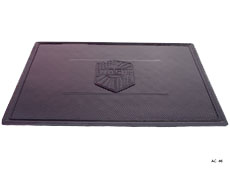 1926 Nash Light Six Accessory Floor Mat - 12"X17"-AC 46Accessory Floor Mat - made of high quality black rubber with molded original emblem. Also designed to be sewn into new carpets. 12"X17", Each
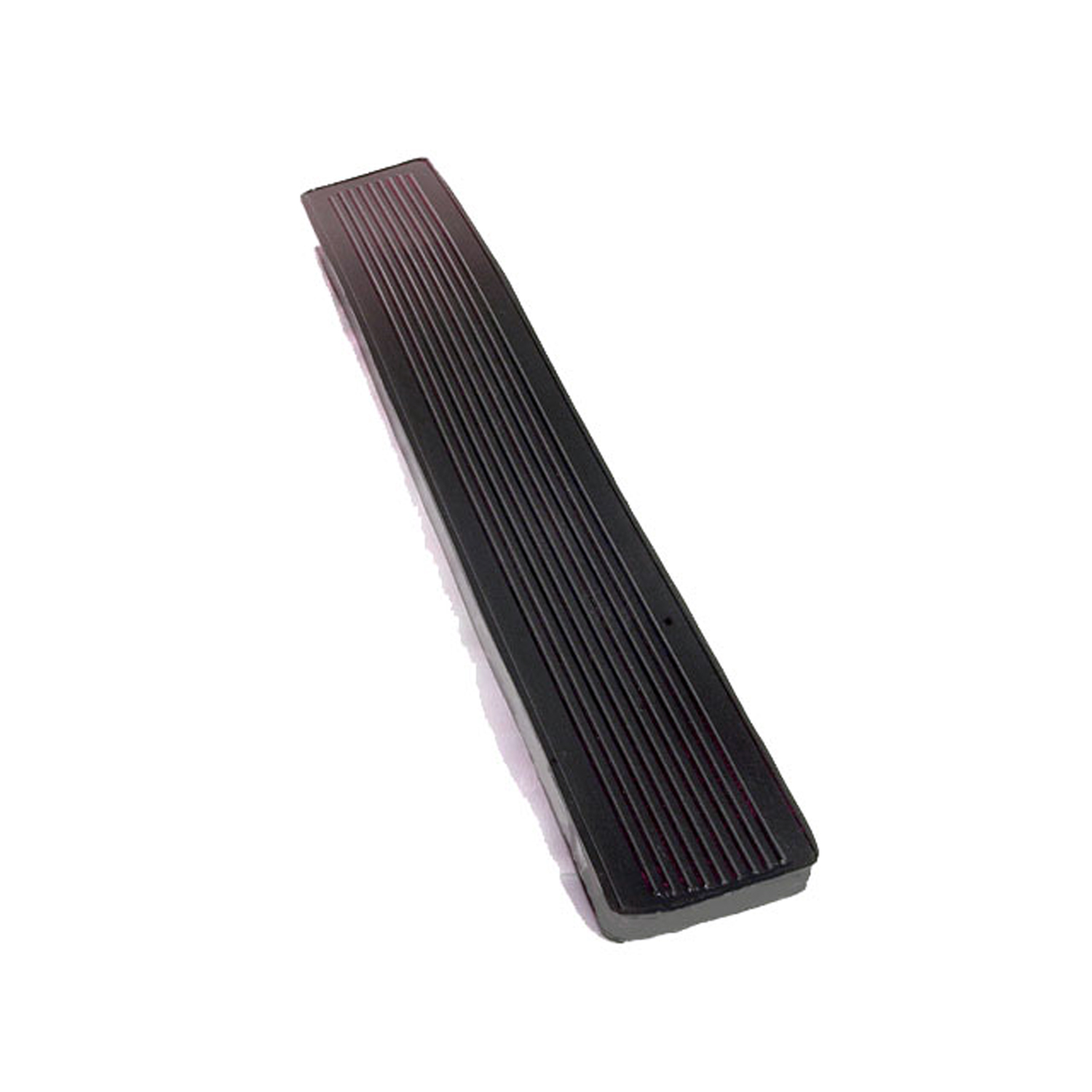 1926 Nash Light Six Accelerator Pedal Pad, 1-1/2" X 9-3/4", Each-AP 21Accelerator Pedal Pad, 1-1/2" X 9-3/4", Each
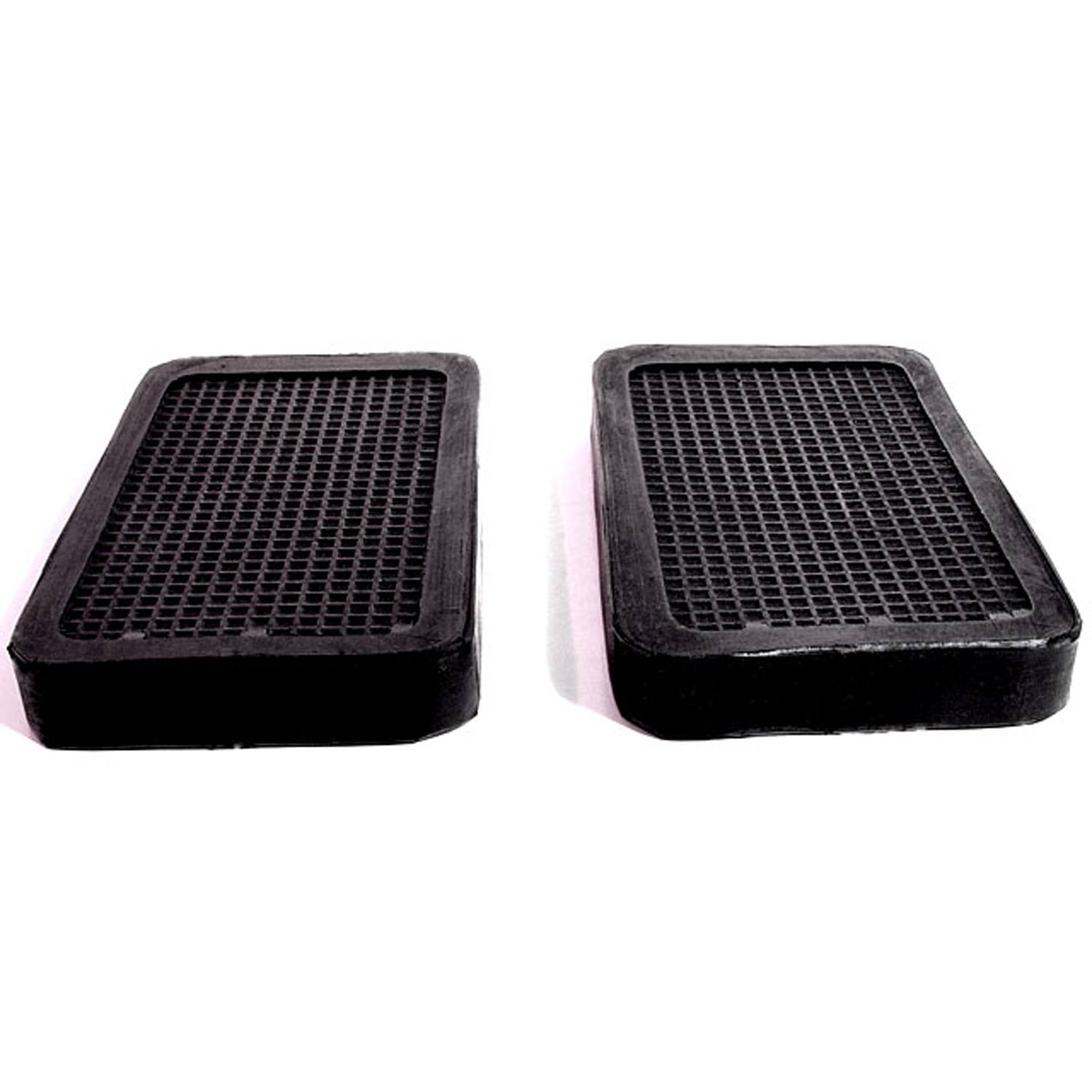 1926 Nash Light Six Clutch and Brake Pedal Pads. 2-1/4" wide X 4" long. Pair-CB 20Clutch and Brake Pedal Pads. 2-1/4" wide X 4" long. Pair
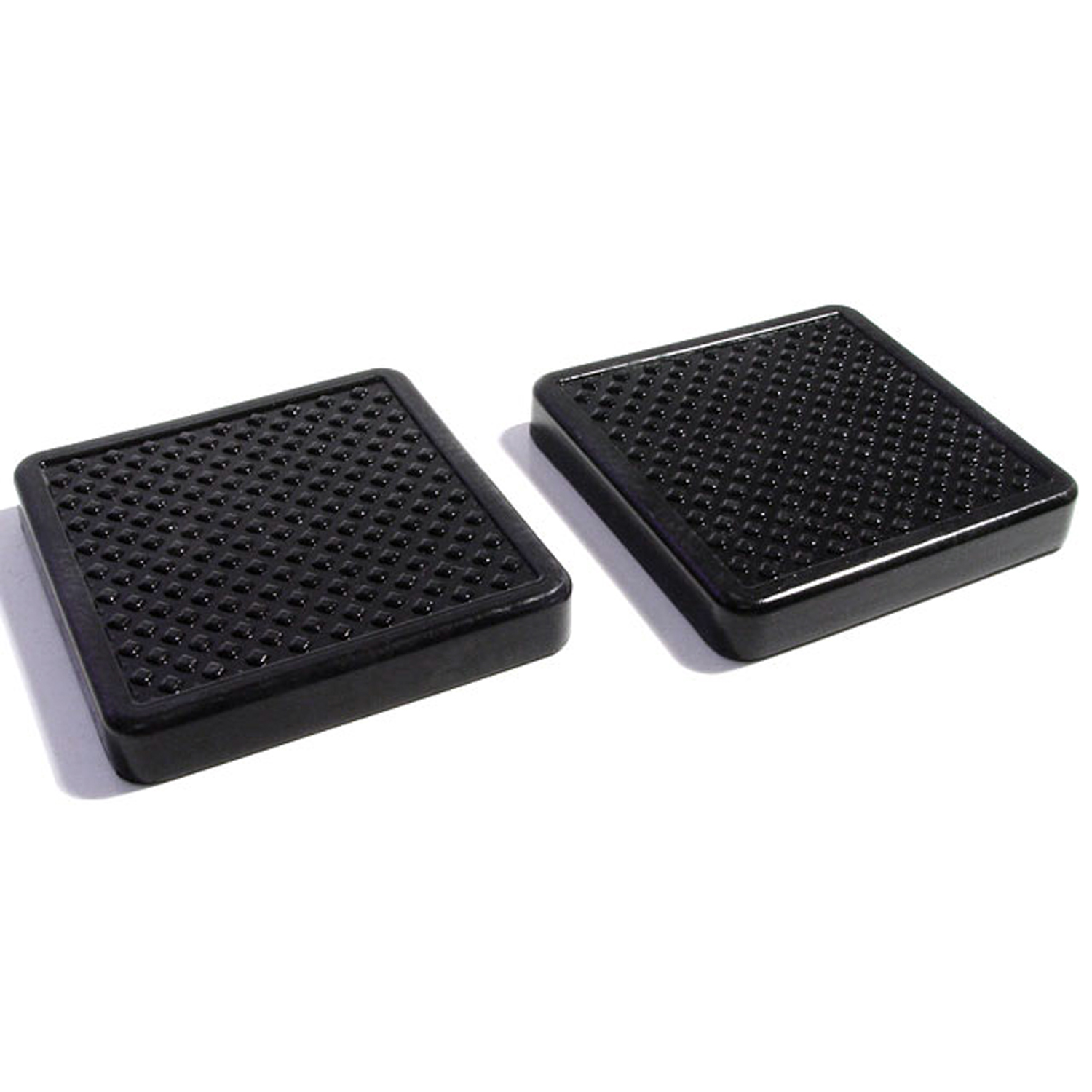 1926 Nash Light Six Clutch and Brake Pedal Pads. 3" wide X 3" long. Pair-CB 47Clutch and Brake Pedal Pads. 3" wide X 3" long. Pair
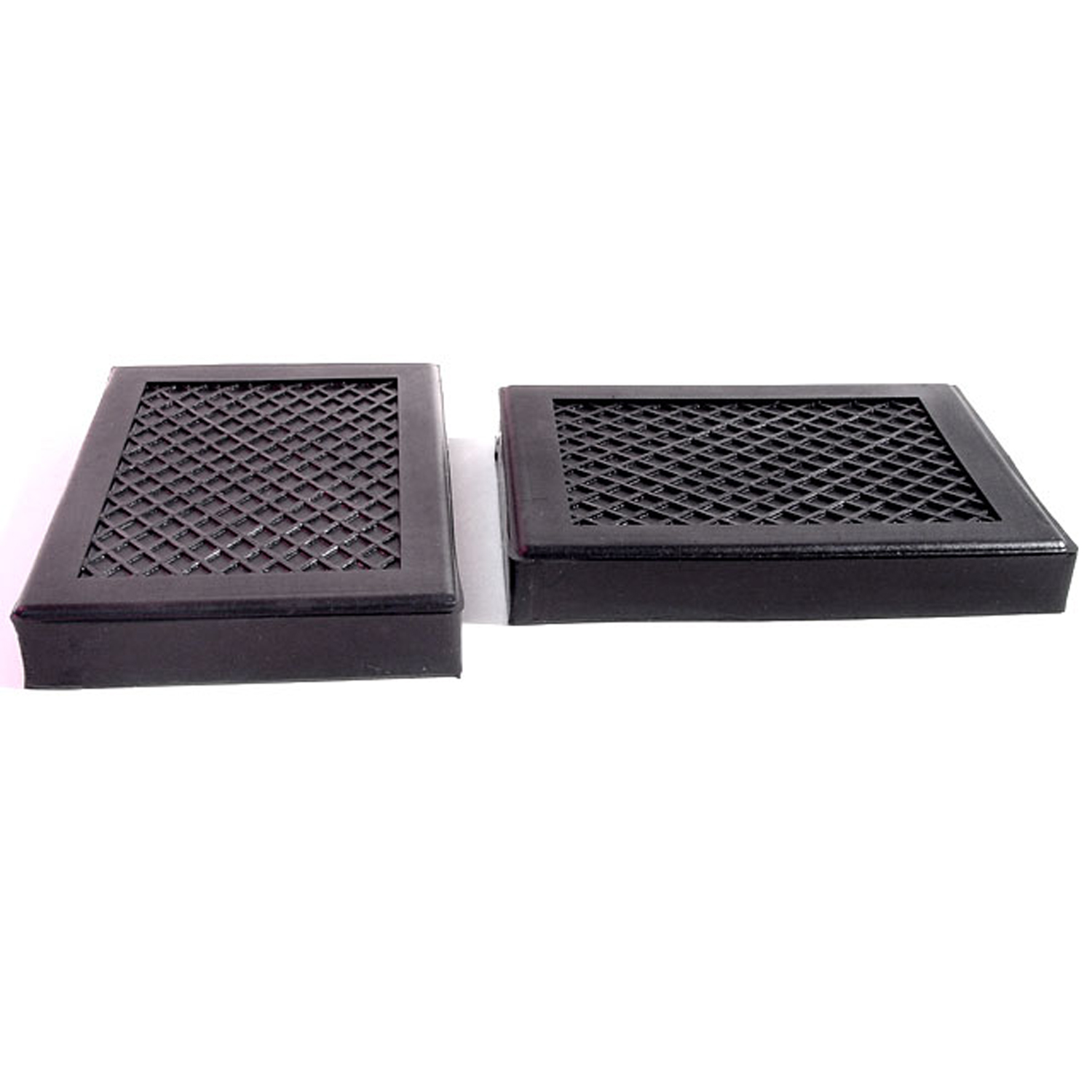 1926 Nash Light Six Clutch and Brake Pedal Pads. 2-3/4" wide X 3-7/8" long-CB 48Clutch and Brake Pedal Pads. 2-3/4" wide X 3-7/8" long. Pair
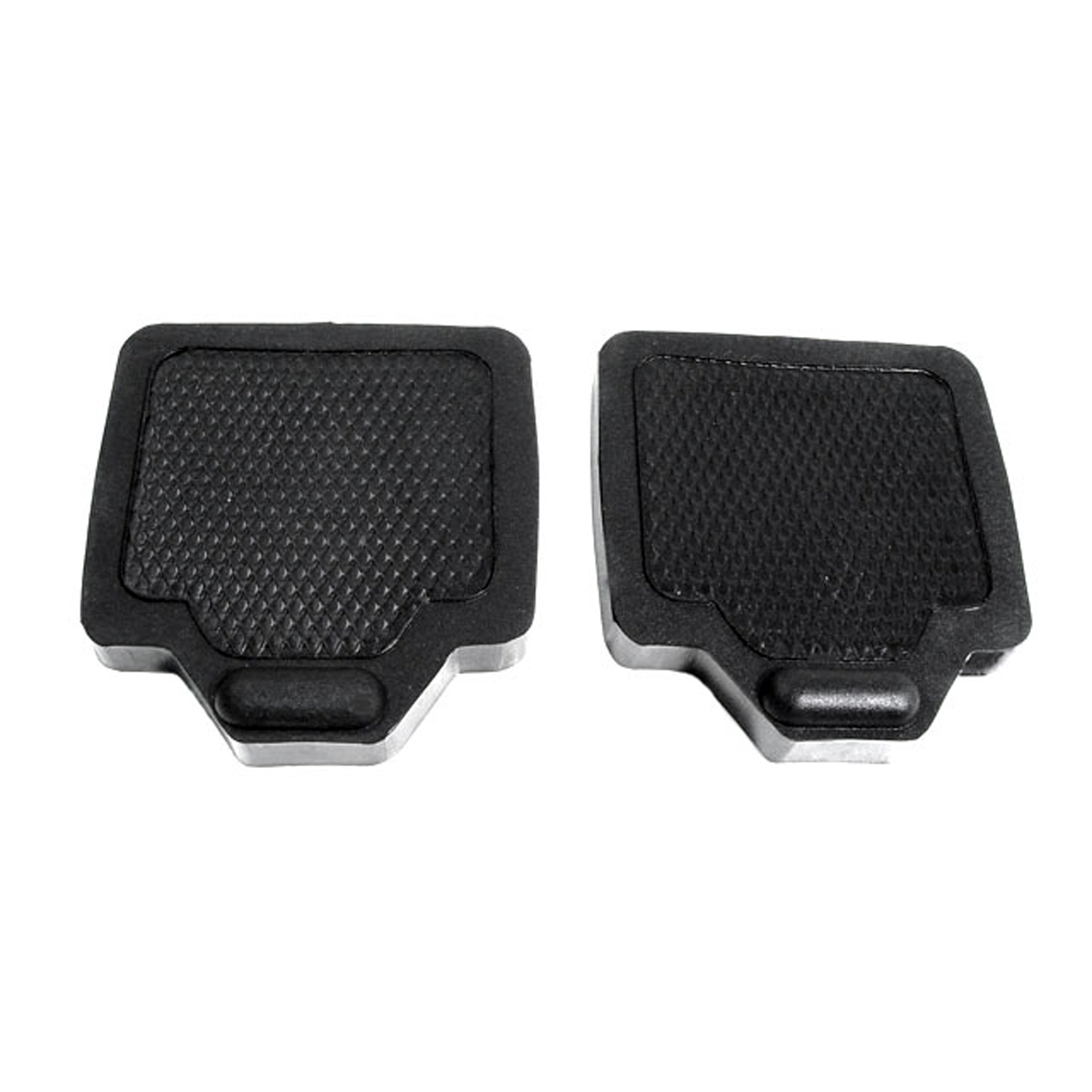 1926 Nash Light Six Clutch and Brake Pedal Pads. 3-1/2" wide X 3-7/8" long-CB 55Clutch and Brake Pedal Pads. 3-1/2" wide X 3-7/8" long. Pair
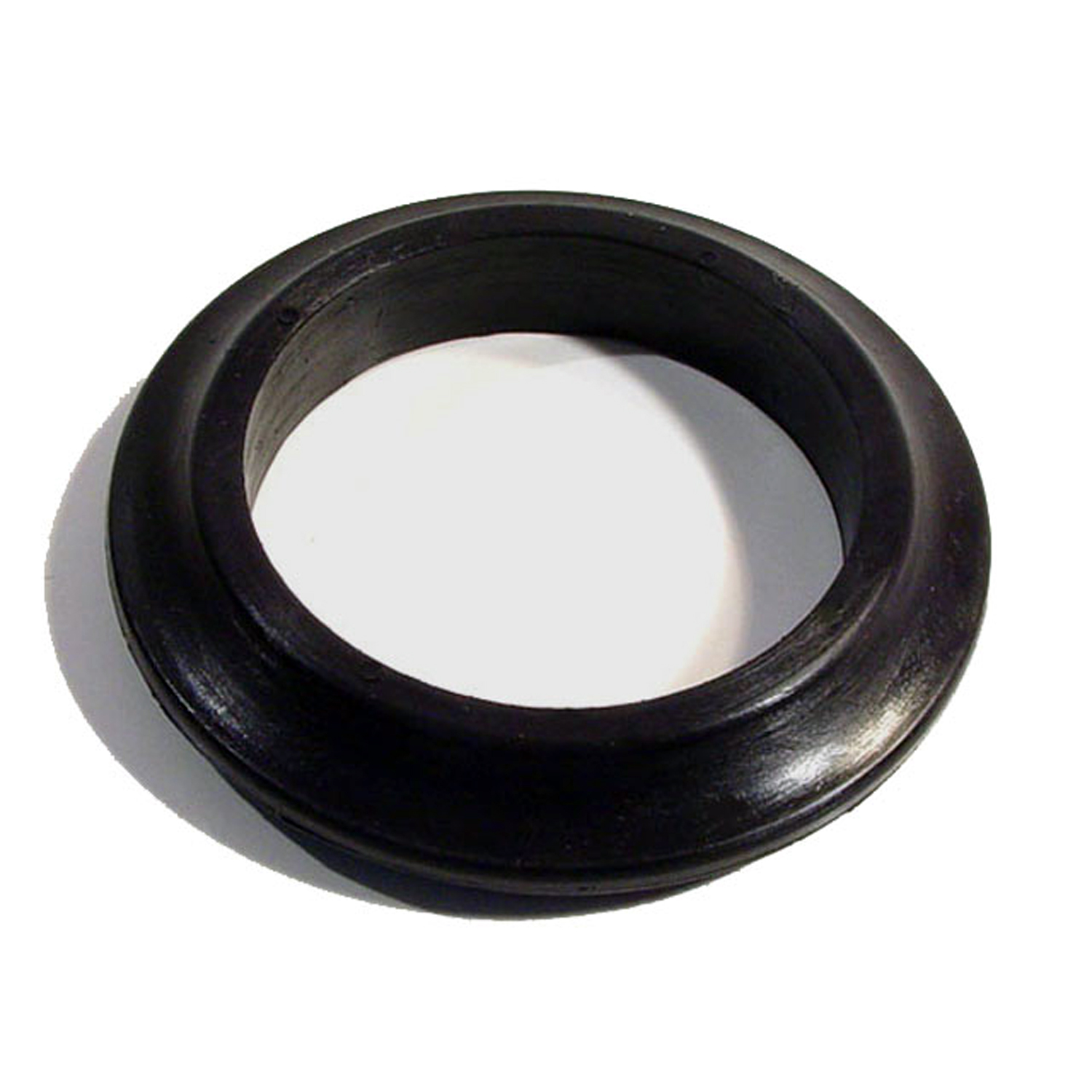 1926 Nash Light Six Gas Filler Grommet. 2-1/4" I.D., 3-5/16" O.D. Each-GF 21Gas Filler Grommet. 2-1/4" I.D., 3-5/16" O.D. Each
Why Choose Metro?
For over 100 years, Metro Moulded Parts has been the pinnacle of quality in classic car restoration parts. Our commitment to precision and authenticity in every component ensures a perfect fit and an OEM-level appearance.
- Expert Craftsmanship & Quality: Each part is a testament to our dedication to reliability and perfection, crafted from original designs and thoroughly tested.
- Advanced Technology: We use cutting-edge techniques to create flawless, long-lasting parts that surpass others in performance.
- SuperSoft Sponge – The Ultimate Door Seal: Not only are our door seals 30% softer than competitors', but they're also guaranteed to never leak. They effectively reduce wind and road noise, enhancing your classic car's comfort and driving experience.
- Proudly American: Our parts are a product of American craftsmanship, made in the USA with a spirit of excellence and heritage.
- Unrivaled Warranty: We back our products with a 30-year industry-leading warranty, a testament to our confidence in their quality.
Join us in preserving the legacy of classic cars with parts that are crafted for perfection, not just made.