

Image of 1927 Nash Advanced, Note: These illustrations use artistic license and may differ from actual historical models.
Performance Metrics
Fundamental Metrics
Emotional Appeal
MMP Rating
| Engine Specifications | |
|---|---|
| Engine Options: | Single engine option |
| Displacement Range: | 3.3L |
| Horsepower Range: | Estimated 60-70 HP |
| Torque: | Not available |
| Compression Ratio: | Not available |
| Ignition System: | Battery and coil ignition system |
| Cooling System: | Water-cooled |
| Performance Specifications | |
| 0-60 Time: | Not available |
| 1/4 Mile Time: | Not available |
| Top Speed: | 60 mph |
| Transmission and Drive | |
| Drive Type: | Rear-wheel drive |
| Transmission Type: | 3-speed manual |
| Fuel and Efficiency | |
| Fuel System Type: | Carburetor |
| MPG: | Not available |
| Dimensions and Brakes | |
| Brakes: | Mechanical drum brakes |
| Wheelbase: | 121 inches |
| Weight: | Estimated 2,800 lbs |
Note: Specifications for classic cars are given to the best of our ability, considering the limited and variant data available.
1927 Nash Advanced Six: A Big-Six with a Clever Spark
The 1927 Nash Advanced Six was built for drivers who wanted more than basic transportation: it paired a substantial six-cylinder engine with the room, finish, and road presence of a premium American automobile. Nash Motors had its roots in the Thomas B. Jeffery Company, maker of the Rambler, before former General Motors president Charles W. Nash took control and established the Nash brand in 1916. By the late 1920s, the Kenosha, Wisconsin, company had earned a reputation for well-engineered cars that competed with established luxury and near-luxury marques.
“Nash Advanced” is commonly used as shorthand for the Advanced Six, a larger and more powerful model in the company’s range. One especially intriguing feature was Nash’s twin-ignition arrangement: two spark plugs served each cylinder, helping the engine ignite its mixture efficiently. That detail gave the car a talking point beyond its size and polished appearance, and reflected Nash’s determination to make engineering part of its appeal.
Classic Nash Style and Coachwork
The Advanced Six wore the confident proportions typical of a substantial 1920s automobile. Its long hood announced the six-cylinder powerplant, while a tall, upright radiator, separate fenders, exposed running boards, and large headlamps gave it a formal, unmistakably prewar silhouette. Depending on body style, the car could look like a chauffeur-ready family sedan or a more open, sporting machine. Wire or artillery-style wheels and period accessories added further distinction, though equipment varied by model and order.
Inside, the emphasis was on comfort and quality rather than ornament for its own sake. Buyers could expect broad seating, substantial door panels, a wood-trimmed instrument area, and practical controls within reach of the driver. Upholstery materials and trim depended on the body and specification; cloth was common in closed cars, while open models could use weather-resistant upholstery. A surviving car’s interior may differ considerably from another, since original equipment, later repairs, and restoration choices all affect what is seen today.
Nash offered the Advanced Six in several body configurations across its range, including closed sedans and more open touring, roadster, and coupe-style forms. Exact names and availability depended on the catalog and body builder for the particular series. The sedan is arguably the most recognizable choice today, thanks to its imposing profile and practical enclosed cabin. Open touring models, meanwhile, show off the car’s long hood and are especially appealing to enthusiasts who want a more hands-on vintage driving experience.
Factory paint choices varied by body and production specification, so it is risky to assign one definitive color list to every 1927 Advanced Six. Period Nash finishes included restrained, formal shades, with contrasting details or trim available on some bodies. Dark colors tend to suit the car’s dignified proportions and are popular on restored examples, but a correctly documented lighter or two-tone finish can be equally authentic. Buyers seeking originality should check factory records and period literature for the exact body style.
Engineering Ahead of the Curve
The Advanced Six’s most notable technical feature was its twin-ignition engine. Two spark plugs per cylinder were intended to promote reliable, effective combustion, an unusual distinction that Nash used to separate its cars from more conventional rivals. The model also benefited from the broader engineering priorities of the era: a sturdy chassis, a proper manual transmission, and four-wheel braking, which gave drivers braking at all four wheels rather than relying only on rear-wheel brakes.
These features mattered in a decade when American roads were changing quickly. More people were taking longer trips, and cars had to cope with rough surfaces, steep grades, and faster traffic than earlier automobiles had faced. The Advanced Six offered a blend of size, power, and equipment suited to that expanding motoring world. It did not single-handedly define later automotive design, but it helped establish Nash’s identity as a maker willing to promote practical engineering alongside comfort and style.
Compared with smaller and less expensive cars, the Nash felt substantial and well equipped. Its twin ignition was a genuine point of difference, while the choice of body styles let customers tailor the car to family use, touring, or personal motoring. The lasting influence is less about a single feature becoming universal and more about Nash’s broader approach: make the engineering visible, make the car comfortable, and give buyers a reason to look beyond the cheapest option.
Road Speed, Ride, and Driving Feel
Period specifications commonly associate the 1927 Advanced Six with a six-cylinder engine of about 252.6 cubic inches and roughly 60 horsepower, although specifications can vary by series and source. A healthy example may reach an estimated top speed in the neighborhood of 55 to 65 mph. A modern-style 0-to-60-mph figure was not a standard factory measure for cars of this period; based on the engine output, gearing, weight, and condition, an estimate of roughly 25 to 35 seconds is more realistic than a brisk modern-car comparison. Treat both figures as approximations, not guaranteed test results.
On a smooth road, the Advanced Six feels composed and deliberate. Its wheelbase and mass help it settle into a steady touring rhythm, while the long hood and upright driving position make the driver feel connected to the car’s machinery. On bumps, the suspension delivers the softer, more active motion expected of a 1920s chassis, not the controlled body movement of a modern sedan. A rough road can send noticeable movement through the cabin, and the driver must anticipate potholes rather than rely on modern tires and suspension to absorb them.
On winding roads, the Nash rewards measured inputs. Steering is heavier and less precise than in a contemporary car, and the driver must allow for the car’s size, tall body, and period tires. Braking also calls for planning and a firm, progressive pedal, especially when descending a grade. The engine’s sound is a muted, steady six-cylinder rumble, punctuated by mechanical tappet and drivetrain noises that are part of the vintage experience. Driving one is less about speed than about managing momentum and enjoying the sense of occasion.
Living with a 1927 Nash
Today, an Advanced Six is best suited to touring, shows, club events, and occasional local drives. It is not a sensible modern daily driver: traffic moves faster, safety equipment is limited, and parts availability can make regular use challenging. Still, a carefully maintained example can be rewarding on the right roads, particularly for owners who enjoy the slower pace and direct mechanical character of prewar motoring.
Routine work includes attention to ignition timing, spark plugs, carburetion, lubrication, cooling, brakes, tires, and the condition of the fuel system. The twin-ignition setup adds components, but it is understandable to a mechanic familiar with older engines. Many repairs are accessible to a capable home mechanic, though specialist knowledge is helpful for rebuilding the engine, restoring the electrical system, or sourcing correct parts. Before buying, inspect the chassis and body for corrosion, check the engine’s oil pressure and cooling behavior, and confirm that the brakes operate evenly.
Reliability depends more on condition and upkeep than on the badge alone. A neglected car can demand extensive work, while a properly sorted Nash can handle club tours and local outings with confidence. Original parts, correct components, and knowledgeable restoration often matter more than simply making the car run.
Nash Facts and Period Quirks
The twin-ignition system is the standout bit of Advanced Six trivia: each cylinder used two spark plugs, a feature that owners and restorers still enjoy explaining at shows. It was an engineering selling point, not a second engine or a modern-style dual-coil setup. Nash also built on a legacy that included the Rambler name, giving the company a longer automotive history than its 1916 founding date might suggest.
There is no widely recognized speed or endurance record associated specifically with the 1927 Advanced Six, and reliable model-by-model production totals are not consistently available in standard references. It is safer to describe the car as a product of Nash’s commercially important expansion in the 1920s than to attach an unsupported record or celebrity story to it. As with many surviving classics, individual cars may have colorful ownership histories, but those claims should be supported by documentation.
Common criticisms are familiar to anyone who drives a car from the period: limited braking performance by modern standards, heavy steering, modest acceleration, and a lack of contemporary safety features. Parts and specialist support can also be harder to find than for more common Ford or Chevrolet models. Those drawbacks are balanced by the Nash’s engineering interest, substantial road presence, and distinctive character.
Collector Values and Rarity
Exact production figures for the 1927 Advanced Six are difficult to pin down, especially when totals are separated by body style. As a broad estimate rather than a confirmed factory count, production may have reached several thousand to perhaps the low tens of thousands across the model and its configurations. The number of surviving cars is much smaller, and availability varies sharply by body style, completeness, and restoration quality.
For a rough current-market guide, a project or incomplete car might sell for about $5,000 to $15,000. A sound, usable example could fall around $15,000 to $40,000, while a high-quality restoration or especially desirable body style may bring approximately $40,000 to $75,000 or more. These are broad estimates, not a formal appraisal: provenance, originality, restoration workmanship, regional demand, and the condition of the engine and body can move a sale well outside those ranges.
Values for well-presented prewar cars have generally benefited from their historical appeal, but the market is selective. A rare body style or documented, high-quality restoration can attract strong interest, while a costly restoration does not always return its full expense at resale. Over the long term, the Advanced Six is best viewed as a collectible with a dedicated enthusiast audience rather than a short-term investment.
Why the Advanced Six Still Matters
The 1927 Nash Advanced Six combined a roomy, formal body with a capable six-cylinder engine and a memorable twin-ignition feature. Its tall stance and long hood capture the confidence of late-1920s American motoring, while its equipment reflects a period when manufacturers were actively improving cars for faster, longer journeys. It asks for patience behind the wheel and careful ownership, but offers something increasingly rare: a direct connection to the mechanics and manners of early automobile travel.
For collectors, the Advanced Six is more than an impressive old sedan. It is a rolling example of Nash’s ambition and ingenuity, with enough presence to stop show visitors and enough engineering detail to keep them asking questions.
1927 Nash Advanced Catalog of Parts
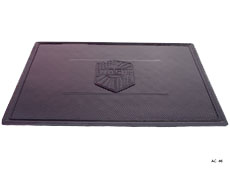 1927 Nash Advanced Accessory Floor Mat - 12"X17"-AC 46Accessory Floor Mat - made of high quality black rubber with molded original emblem. Also designed to be sewn into new carpets. 12"X17", Each
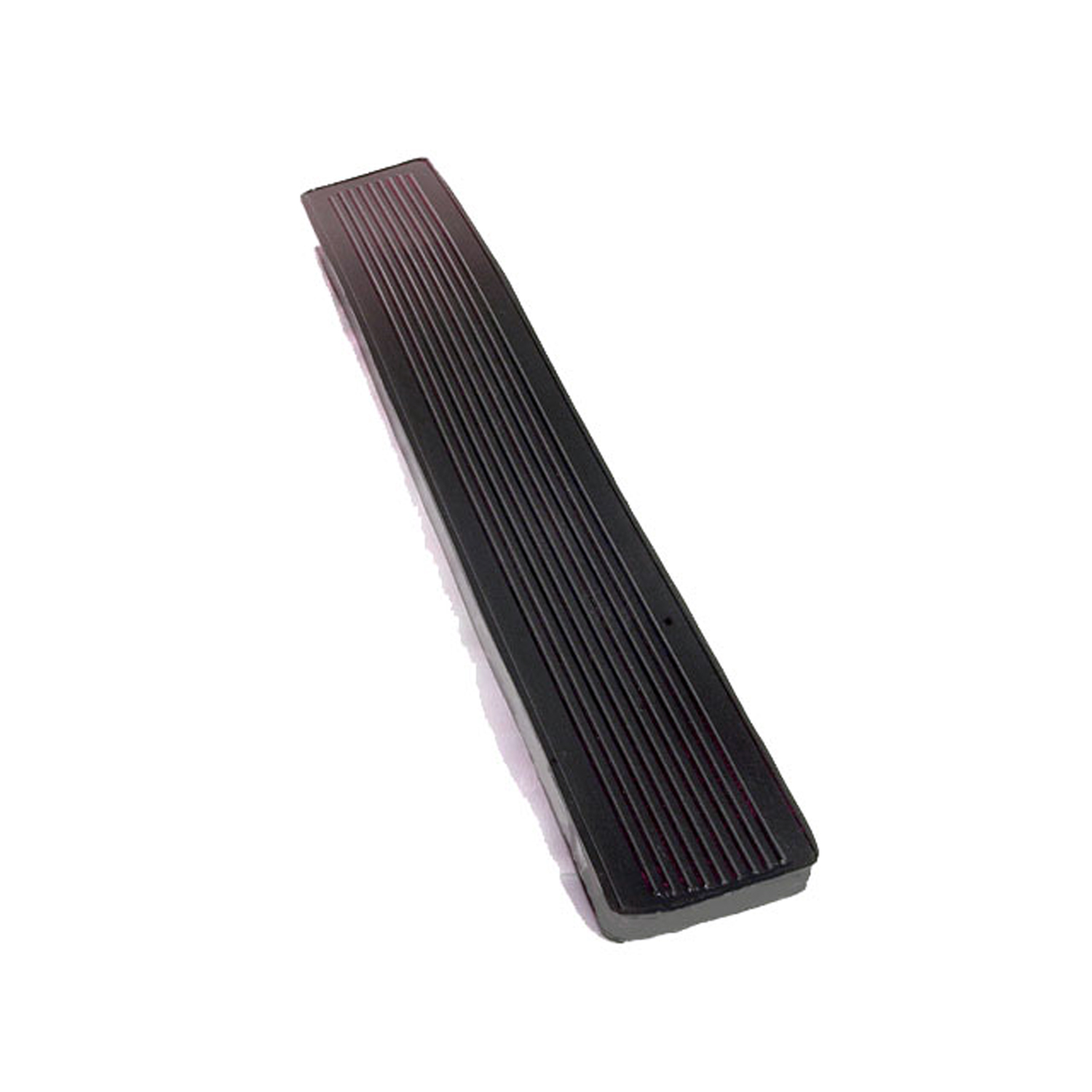 1927 Nash Advanced Accelerator Pedal Pad, 1-1/2" X 9-3/4", Each-AP 21Accelerator Pedal Pad, 1-1/2" X 9-3/4", Each
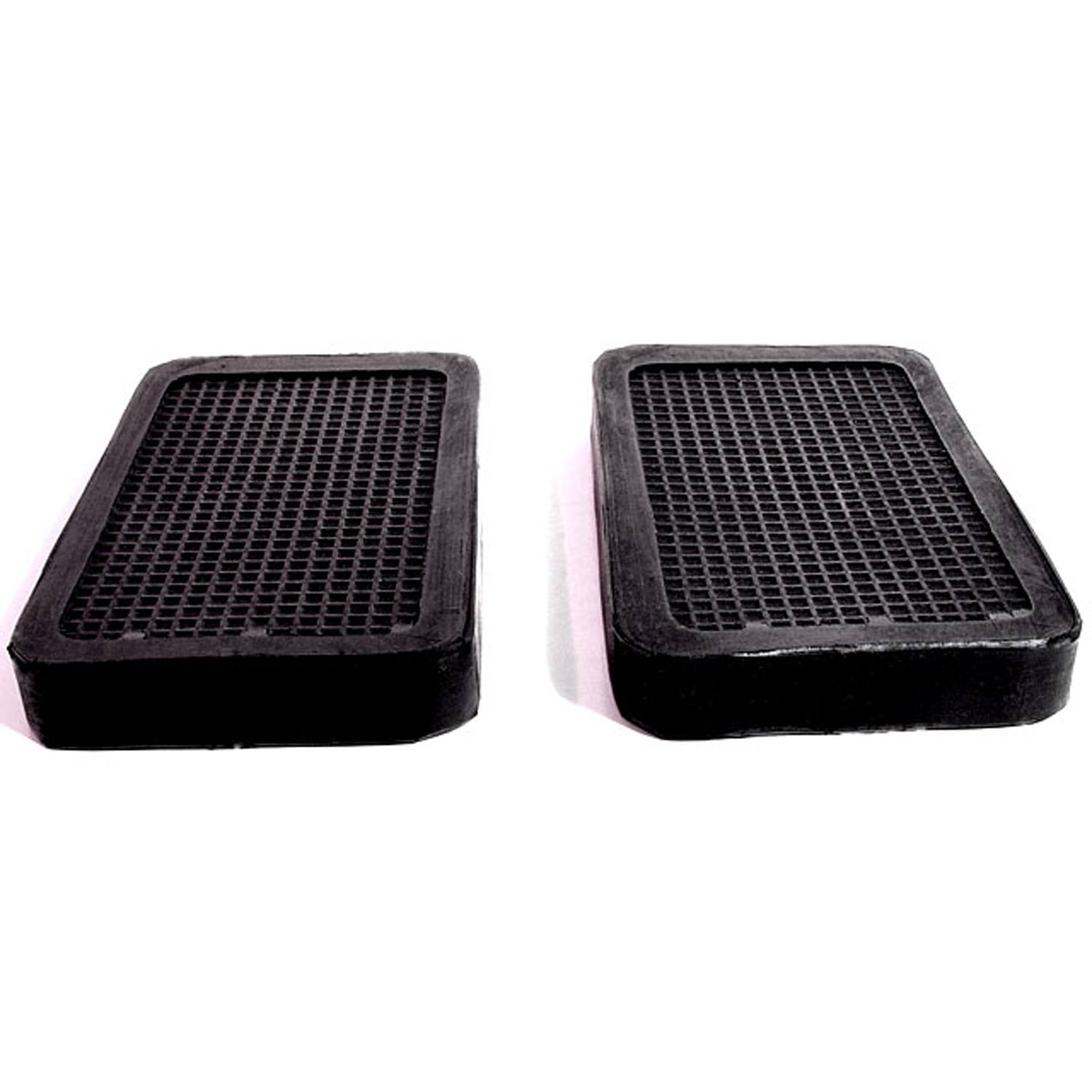 1927 Nash Advanced Clutch and Brake Pedal Pads. 2-1/4" wide X 4" long. Pair-CB 20Clutch and Brake Pedal Pads. 2-1/4" wide X 4" long. Pair
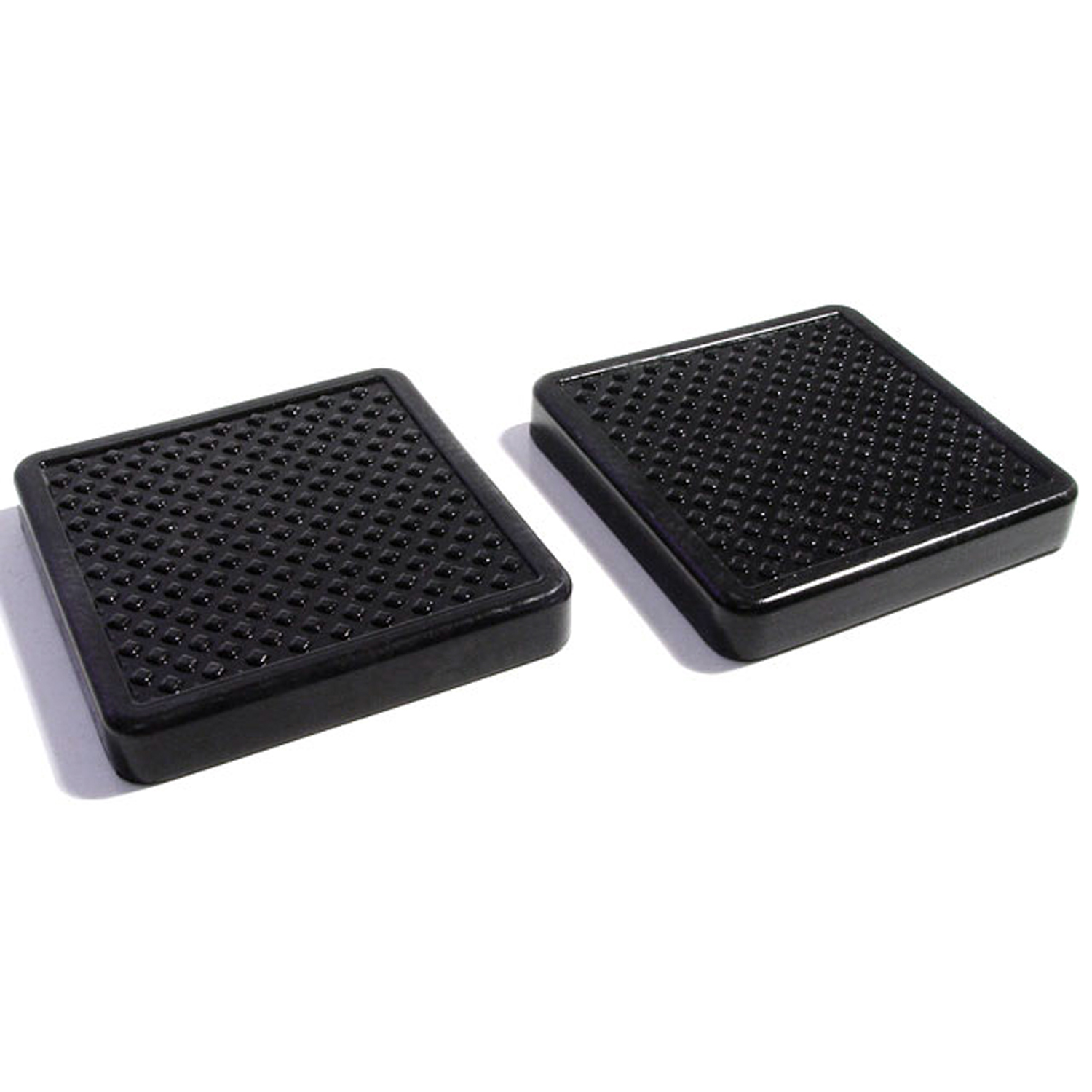 1927 Nash Advanced Clutch and Brake Pedal Pads. 3" wide X 3" long. Pair-CB 47Clutch and Brake Pedal Pads. 3" wide X 3" long. Pair
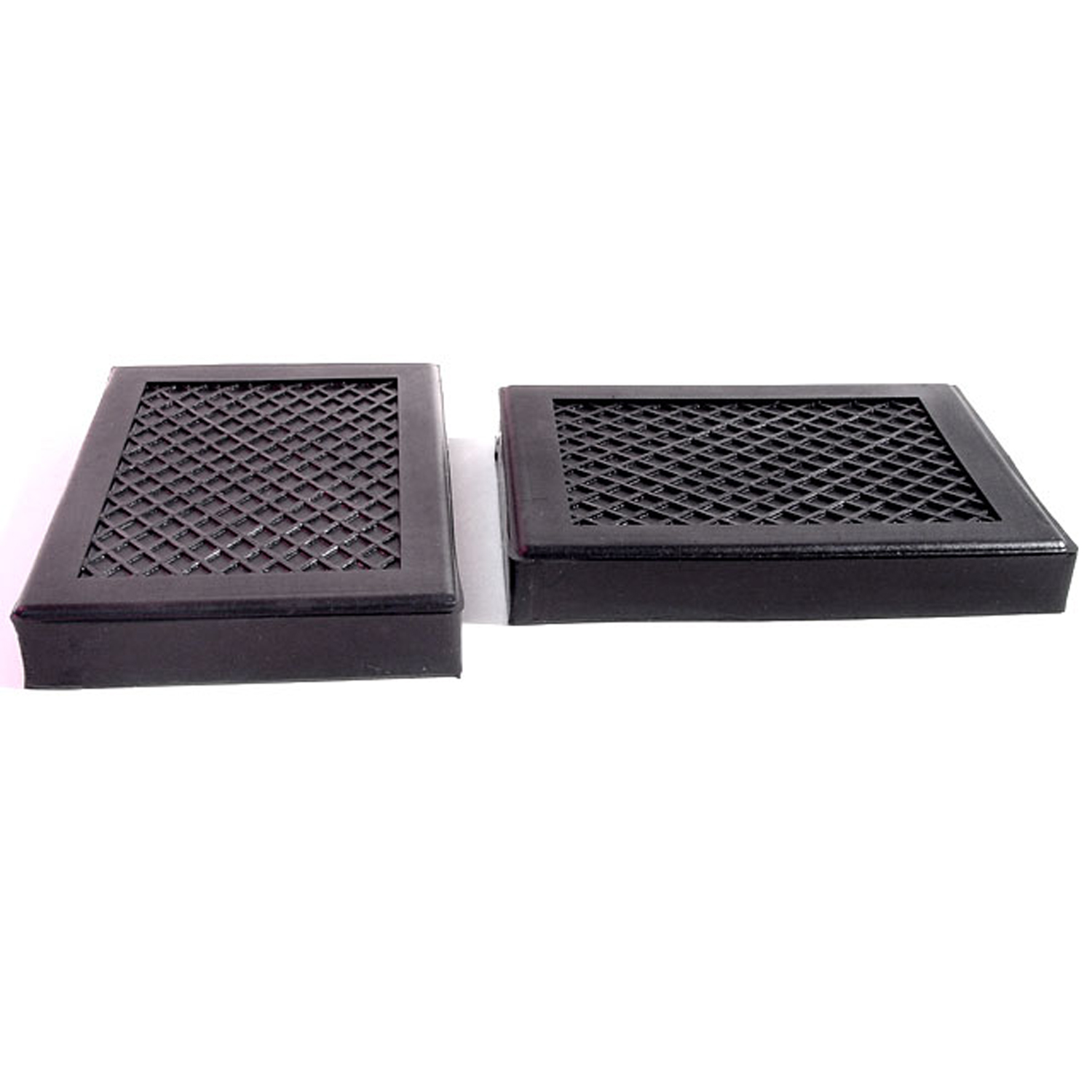 1927 Nash Advanced Clutch and Brake Pedal Pads. 2-3/4" wide X 3-7/8" long-CB 48Clutch and Brake Pedal Pads. 2-3/4" wide X 3-7/8" long. Pair
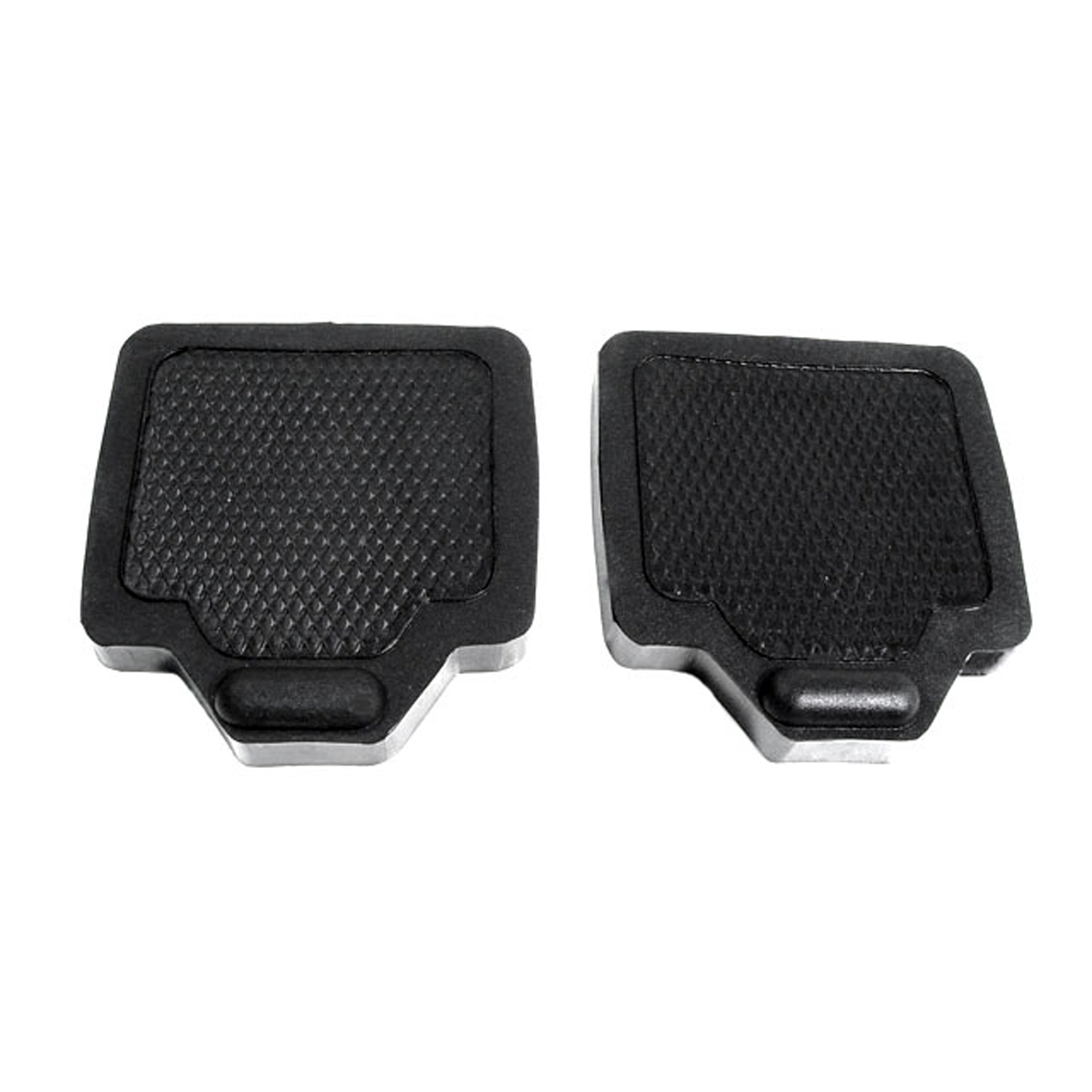 1927 Nash Advanced Clutch and Brake Pedal Pads. 3-1/2" wide X 3-7/8" long-CB 55Clutch and Brake Pedal Pads. 3-1/2" wide X 3-7/8" long. Pair
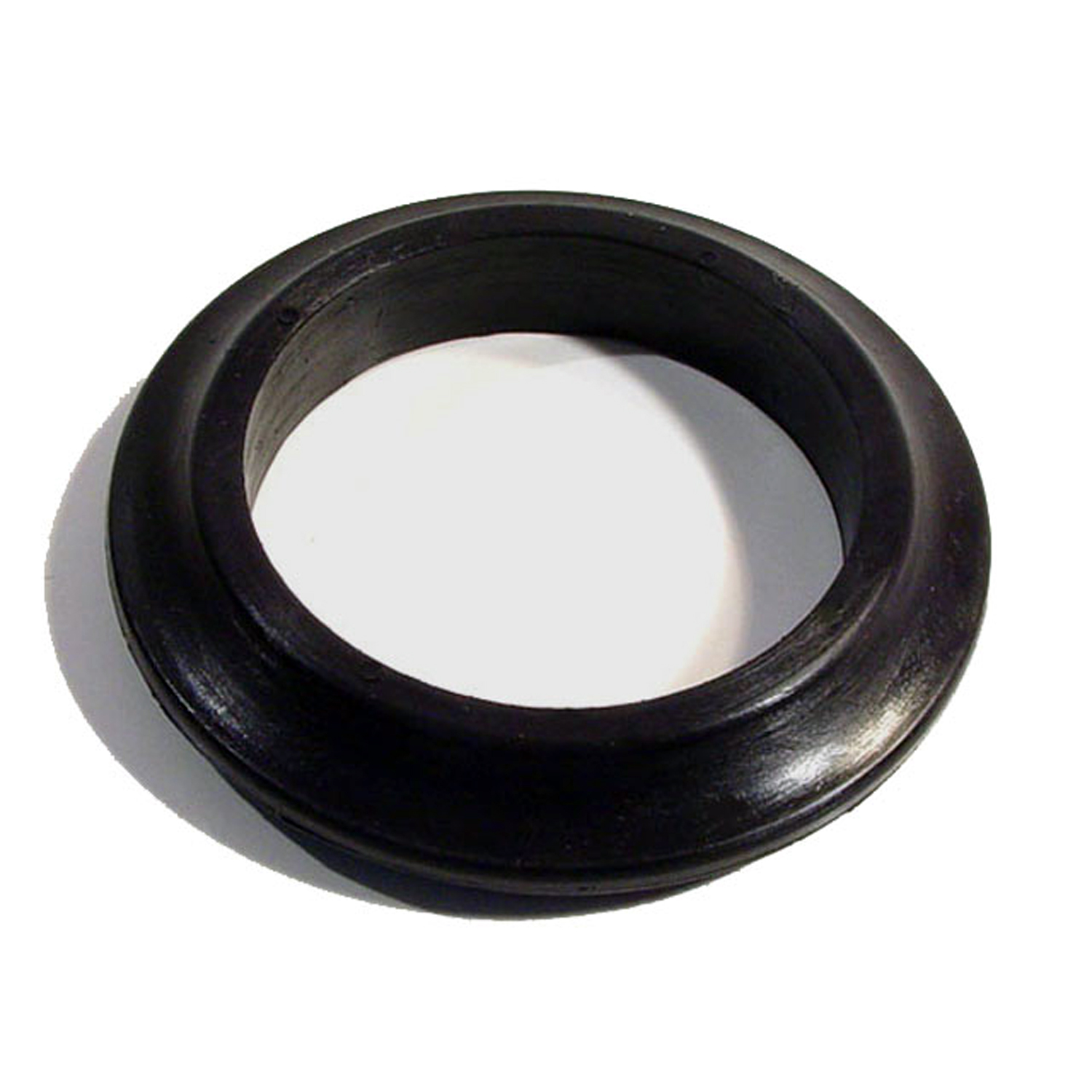 1927 Nash Advanced Gas Filler Grommet. 2-1/4" I.D., 3-5/16" O.D. Each-GF 21Gas Filler Grommet. 2-1/4" I.D., 3-5/16" O.D. Each
Why Choose Metro?
For over 100 years, Metro Moulded Parts has been the pinnacle of quality in classic car restoration parts. Our commitment to precision and authenticity in every component ensures a perfect fit and an OEM-level appearance.
- Expert Craftsmanship & Quality: Each part is a testament to our dedication to reliability and perfection, crafted from original designs and thoroughly tested.
- Advanced Technology: We use cutting-edge techniques to create flawless, long-lasting parts that surpass others in performance.
- SuperSoft Sponge – The Ultimate Door Seal: Not only are our door seals 30% softer than competitors', but they're also guaranteed to never leak. They effectively reduce wind and road noise, enhancing your classic car's comfort and driving experience.
- Proudly American: Our parts are a product of American craftsmanship, made in the USA with a spirit of excellence and heritage.
- Unrivaled Warranty: We back our products with a 30-year industry-leading warranty, a testament to our confidence in their quality.
Join us in preserving the legacy of classic cars with parts that are crafted for perfection, not just made.