

Image of 1928 Nash Advanced, Note: These illustrations use artistic license and may differ from actual historical models.
Performance Metrics
Fundamental Metrics
Emotional Appeal
MMP Rating
| Engine Specifications | |
|---|---|
| Engine: | 6-cylinder |
| Displacement: | 3.1L |
| Horsepower: | Estimated 60-80 HP |
| Torque: | Not available |
| Compression Ratio: | Not available |
| Ignition System: | Distributor and coil |
| Cooling System: | Water-cooled |
| Performance Specifications | |
| 0-60 Time: | Not available |
| 1/4 Mile Time: | Not available |
| Top Speed: | 60-70 mph |
| Transmission and Drive | |
| Drive Type: | Rear-wheel drive |
| Transmission Type: | 3-speed manual |
| Fuel and Efficiency | |
| Fuel System Type: | Carburetor |
| MPG: | Not available |
| Dimensions and Brakes | |
| Brakes: | Mechanical drum brakes |
| Wheelbase: | 121 inches |
| Weight: | Estimated 2,800 lbs |
Note: Specifications for classic cars are given to the best of our ability, considering the limited and variant data available.
1928 Nash Advanced Six: A Classic American Touring Car
With its long hood, upright radiator, and confident, carefully proportioned body, the 1928 Nash Advanced Six looked ready for the open road. It came from Nash Motors, the company founded by former General Motors president Charles W. Nash after he acquired the Thomas B. Jeffery Company in 1916. By the late 1920s, Nash had built a reputation for well-engineered cars that offered a thoughtful alternative to the era’s biggest luxury marques.
The Advanced Six sat above Nash’s smaller six-cylinder offerings, combining a substantial engine with a broad range of body styles. It arrived during a prosperous period for the American auto industry, when closed cars were becoming more popular and manufacturers were competing to make motoring more comfortable and dependable. One intriguing detail is that Nash used twin ignition on its six-cylinder engines: each cylinder had two spark plugs, a feature intended to promote reliable, efficient combustion.
Upright Styling and Comfortable Appointments
The Advanced Six wore the unmistakable proportions of a late-1920s automobile. Its tall, nearly vertical grille and separate fenders gave the front end a formal appearance, while the long bonnet emphasized the size of the six-cylinder engine. Large headlamps, bright nickel-plated trim, and sweeping running boards completed the look. Depending on the body, a Nash could feel stately and chauffeur-ready or more sporting and open to the elements.
Inside, closed models typically offered upholstered seating in durable cloth or broadcloth, with leather more commonly associated with open or sporting bodies. A straightforward instrument panel put essential gauges within the driver’s view, while wood or woodgrain-finished trim added warmth to the cabin. The materials were appropriate to a substantial car of the period, though not every body style had the same finish or level of ornamentation.
Factory paint choices varied with body style and production details. Period-appropriate dark blues, greens, maroons, and black are often seen on surviving cars, sometimes paired with contrasting trim. Original paint records for an individual car are the best guide to its correct colors, and modern restorations do not always reflect the full factory palette.
Nash offered the Advanced Six in a selection of closed and open bodies, which could include sedans, coupes, and roadster or touring-style models. The four-door sedan is among the most recognizable choices today, offering weather protection and room for family or passengers. Open cars have a different appeal, with their folding tops and more direct connection to the road, but surviving examples can be harder to find.
Engineering That Set the Nash Apart
The Advanced Six’s defining feature was its approximately 279-cubic-inch L-head inline-six, generally rated at about 60 horsepower. The twin-ignition arrangement, with two spark plugs per cylinder, was a distinctive piece of engineering for a mainstream American car. It was designed to improve combustion and provide dependable operation, rather than to turn the Nash into a racing machine.
Its appeal also came from the way its features worked together. The large six-cylinder engine suited long-distance travel, while four-wheel brakes gave the driver braking at all four wheels, an important safety and control feature for the time. The Advanced Six was not the first car to offer every one of these ideas, but Nash packaged strong performance, comfort, and practical engineering into a well-regarded production automobile.
The model belongs to an important chapter in Nash’s development as an independent automaker. The company would later become known for innovations such as its 1930s “Weather Eye” ventilation and heating system, but that feature should not be confused with the equipment on a 1928 car. The Advanced Six instead represents Nash’s pre-Depression-era strength: substantial cars built with an emphasis on engineering and value.
Performance and Road Manners
Period performance figures vary by body, equipment, and condition. With roughly 60 horsepower, a healthy Advanced Six might reach about 60 to 70 mph under favorable conditions. A modern-style 0-to-60 mph time was not commonly recorded for cars of this age; as a rough estimate, expect something in the neighborhood of 25 to 35 seconds, not the brisk acceleration drivers associate with modern cars.
A conventional manual gearbox and a large, low-revving engine reward smooth, deliberate driving. The six-cylinder engine produces a steady mechanical rumble, with a more pronounced intake and exhaust note when pushed. Shifts take patience, and the driver has to plan ahead rather than rely on quick acceleration or modern braking performance.
On a smooth road, the Nash feels substantial and composed. Its period suspension and tall tires can soften some road imperfections, but sharp bumps still make themselves known through the chassis. On winding roads, the car’s size, steering effort, narrow tires, and relatively high center of gravity encourage a measured pace. It can tour comfortably, but it is not designed to carve corners like a modern sports car.
Braking and handling depend heavily on condition. Properly adjusted brakes and sound suspension components make a major difference, while worn parts can turn a manageable vintage car into a demanding one. Even a well-restored example needs more stopping distance and more driver attention than a contemporary vehicle.
Living With a 1928 Nash
Today, the Advanced Six is best suited to touring, club events, exhibitions, and carefully planned weekend drives. It can be driven regularly by an experienced owner, but most examples are kept as collector cars rather than used as everyday transportation. Traffic speed, limited visibility by modern standards, and the absence of contemporary safety equipment make busy roads a poor match.
Routine maintenance is approachable for an owner comfortable with older machinery. Ignition components, carburetor tuning, lubrication, cooling-system care, and brake adjustment all require regular attention. Twin ignition adds a few more parts to inspect, but it is not inherently difficult to service. Mechanical knowledge and access to a marque club or vintage-parts supplier are valuable, especially when tracking down body-specific hardware or trim.
Reliability is less about the Nash’s original design than the condition of the individual car. A well-maintained engine and properly rebuilt brakes can make for dependable touring. A neglected example may need extensive work, and some replacement parts require specialist sourcing or careful restoration. Before buying, inspect the frame, wood structure where used, cooling system, engine, gearbox, and brake assemblies, as well as the quality of any prior repairs.
Notable Details and Common Criticisms
The twin-ignition six is a conversation starter and a reminder that automakers experimented with combustion technology long before electronic engine controls. It also means a buyer should check that both ignition circuits are present, correctly wired, and in good condition. Some restored cars may have been modified, so an original-looking engine bay does not always guarantee original equipment.
The Advanced Six is not chiefly remembered as a race car or record-breaker. Its story is more about American motoring during a period when long-distance travel, enclosed bodies, and dependable six-cylinder power were becoming central to the market. It is also easy to mistake later Nash innovations, particularly the famous Weather Eye system, as part of the 1928 car’s history. They belong to a later generation.
Common criticisms are typical of cars from the era: modest acceleration by modern standards, heavy controls, limited braking compared with present-day vehicles, and a need for frequent inspection. It also lacks modern crash protection, heating and ventilation conveniences, and the easy parts availability of more common collector cars. Those drawbacks are part of the ownership calculation, not hidden surprises.
Collector Value and Rarity
There is no single dependable production figure for every 1928 Advanced Six body style. As a broad estimate rather than a verified factory total, perhaps 20,000 to 30,000 Advanced Six cars were built. The number still on the road is much smaller, and availability varies considerably by body style, completeness, and restoration quality.
In the United States, a project car might sell for roughly $8,000 to $18,000, while a usable driver or older restoration could fall around $20,000 to $40,000. A high-quality restoration, especially in a desirable or less commonly seen body style, may bring approximately $45,000 to $75,000 or more. These are broad market estimates, not appraisals. Condition, originality, documentation, and the quality of restoration can move the price substantially.
Values for sound, well-presented examples have generally held up better than those of cars with major restoration needs, and the best examples may appreciate gradually. The market is specialized, however, so a seller may need time to find the right buyer. Restoration costs can also exceed the eventual sale price, particularly when rare trim or body components are involved.
Why the Advanced Six Still Matters
The 1928 Nash Advanced Six combined a distinctive twin-ignition engine, four-wheel braking, substantial construction, and a useful selection of body styles. It was built for the realities of its era: long roads, developing infrastructure, and drivers who valued comfort and mechanical dependability. Today, it offers a rewarding look at how American automakers balanced engineering, style, and practicality before the changes of the 1930s.
It may ask more of its driver than a modern car, but that is part of its character. The Advanced Six turns every journey into a small piece of automotive history, carried along by the steady sound of a Nash six.
1928 Nash Advanced Catalog of Parts
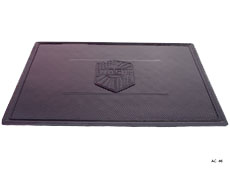 1928 Nash Advanced Accessory Floor Mat - 12"X17"-AC 46Accessory Floor Mat - made of high quality black rubber with molded original emblem. Also designed to be sewn into new carpets. 12"X17", Each
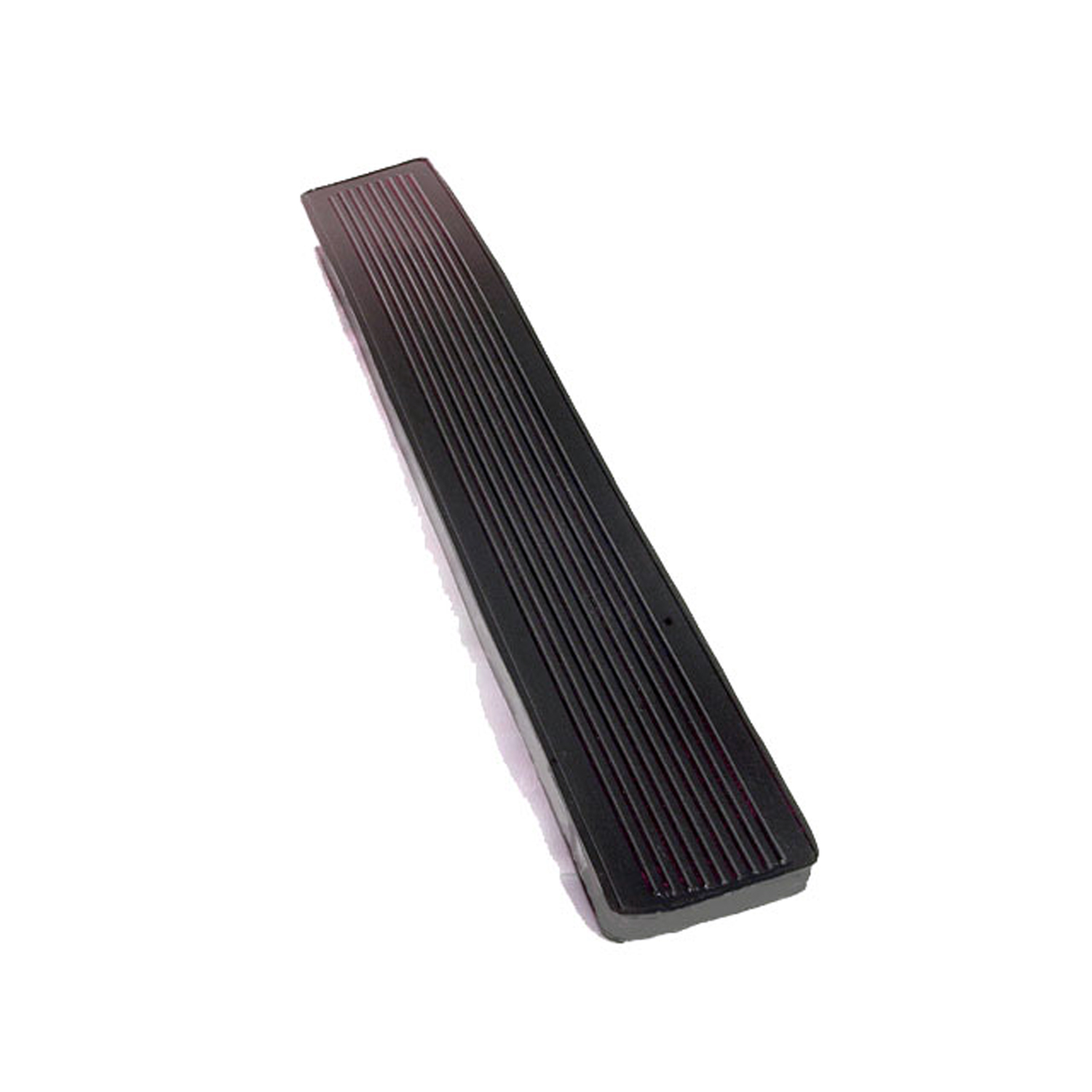 1928 Nash Advanced Accelerator Pedal Pad, 1-1/2" X 9-3/4", Each-AP 21Accelerator Pedal Pad, 1-1/2" X 9-3/4", Each
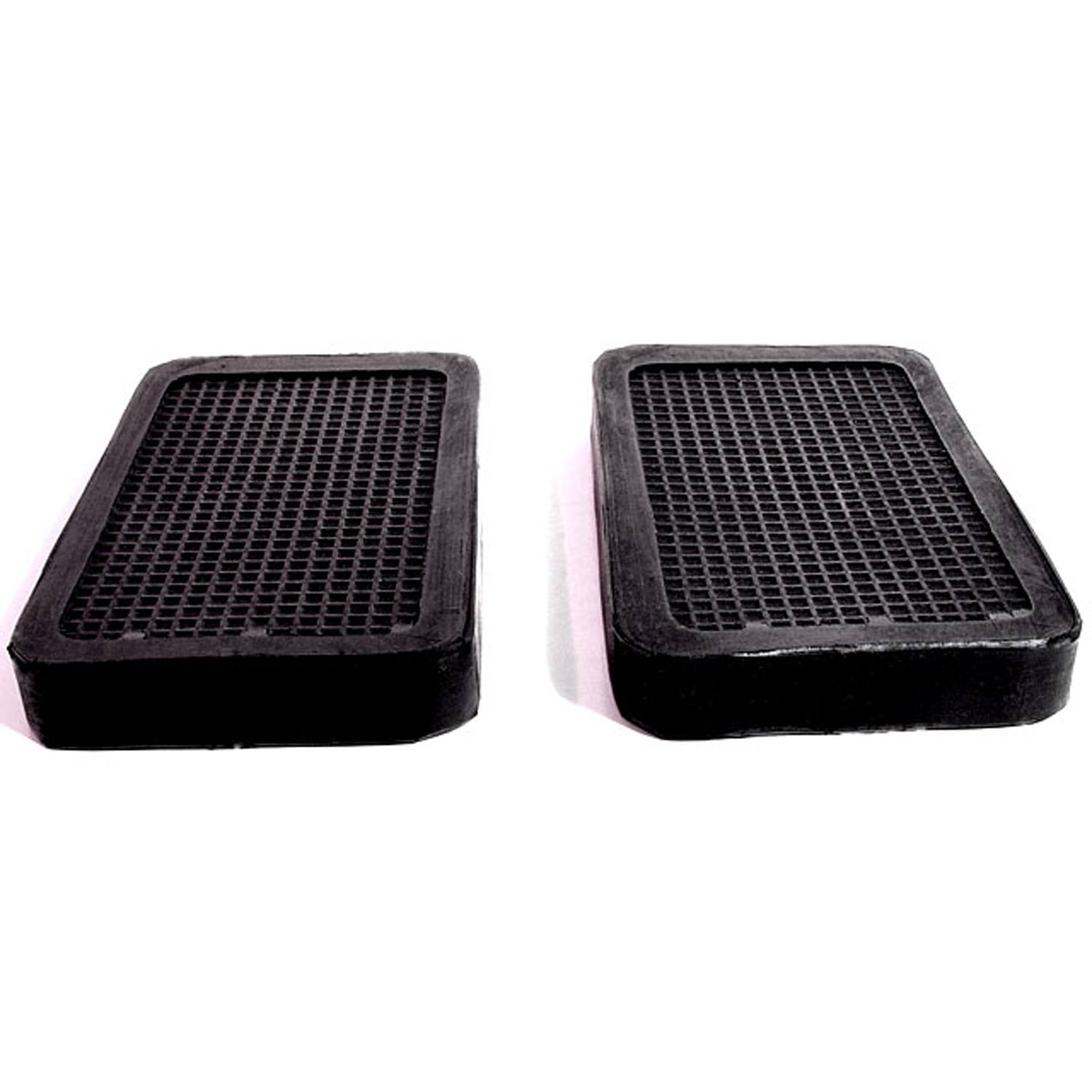 1928 Nash Advanced Clutch and Brake Pedal Pads. 2-1/4" wide X 4" long. Pair-CB 20Clutch and Brake Pedal Pads. 2-1/4" wide X 4" long. Pair
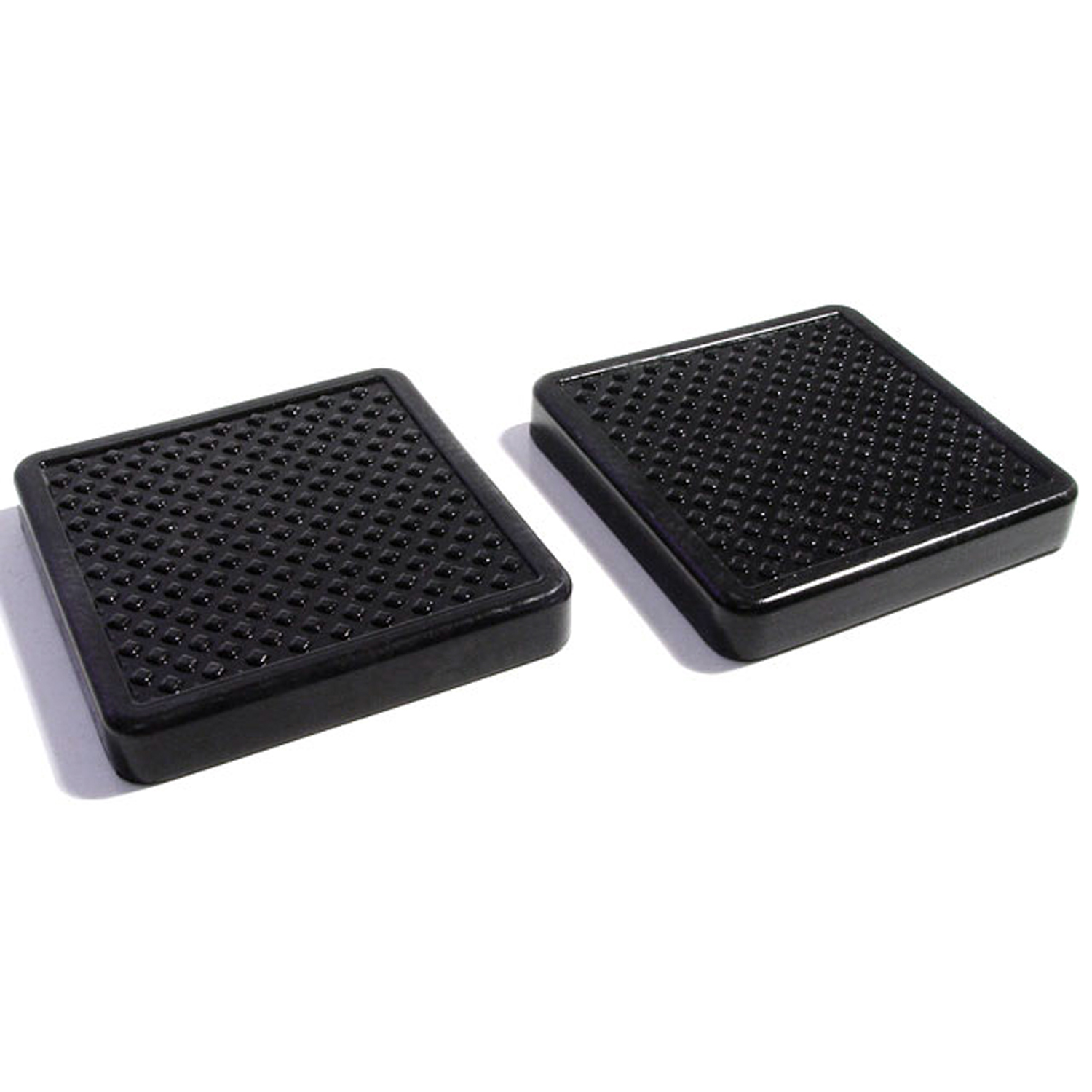 1928 Nash Advanced Clutch and Brake Pedal Pads. 3" wide X 3" long. Pair-CB 47Clutch and Brake Pedal Pads. 3" wide X 3" long. Pair
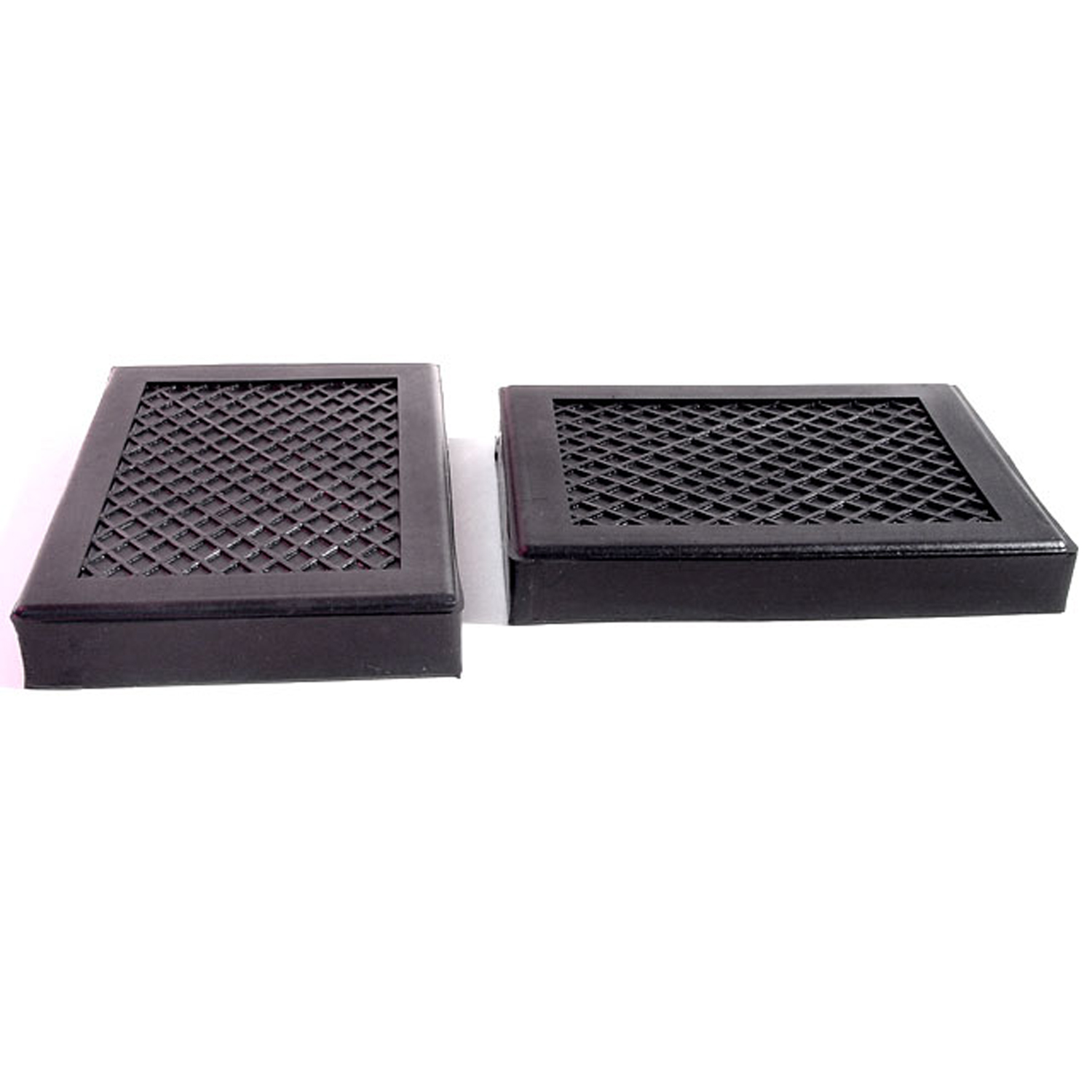 1928 Nash Advanced Clutch and Brake Pedal Pads. 2-3/4" wide X 3-7/8" long-CB 48Clutch and Brake Pedal Pads. 2-3/4" wide X 3-7/8" long. Pair
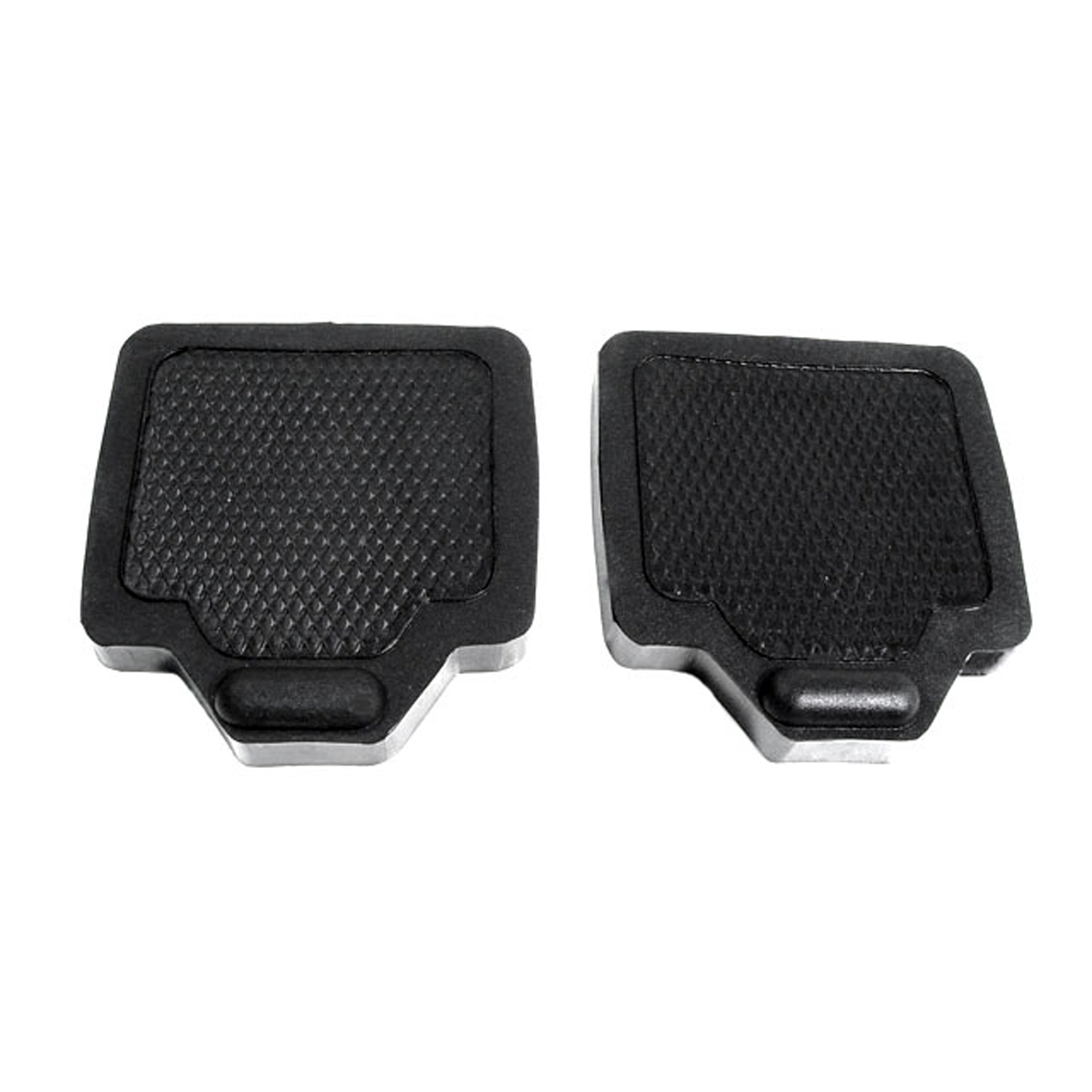 1928 Nash Advanced Clutch and Brake Pedal Pads. 3-1/2" wide X 3-7/8" long-CB 55Clutch and Brake Pedal Pads. 3-1/2" wide X 3-7/8" long. Pair
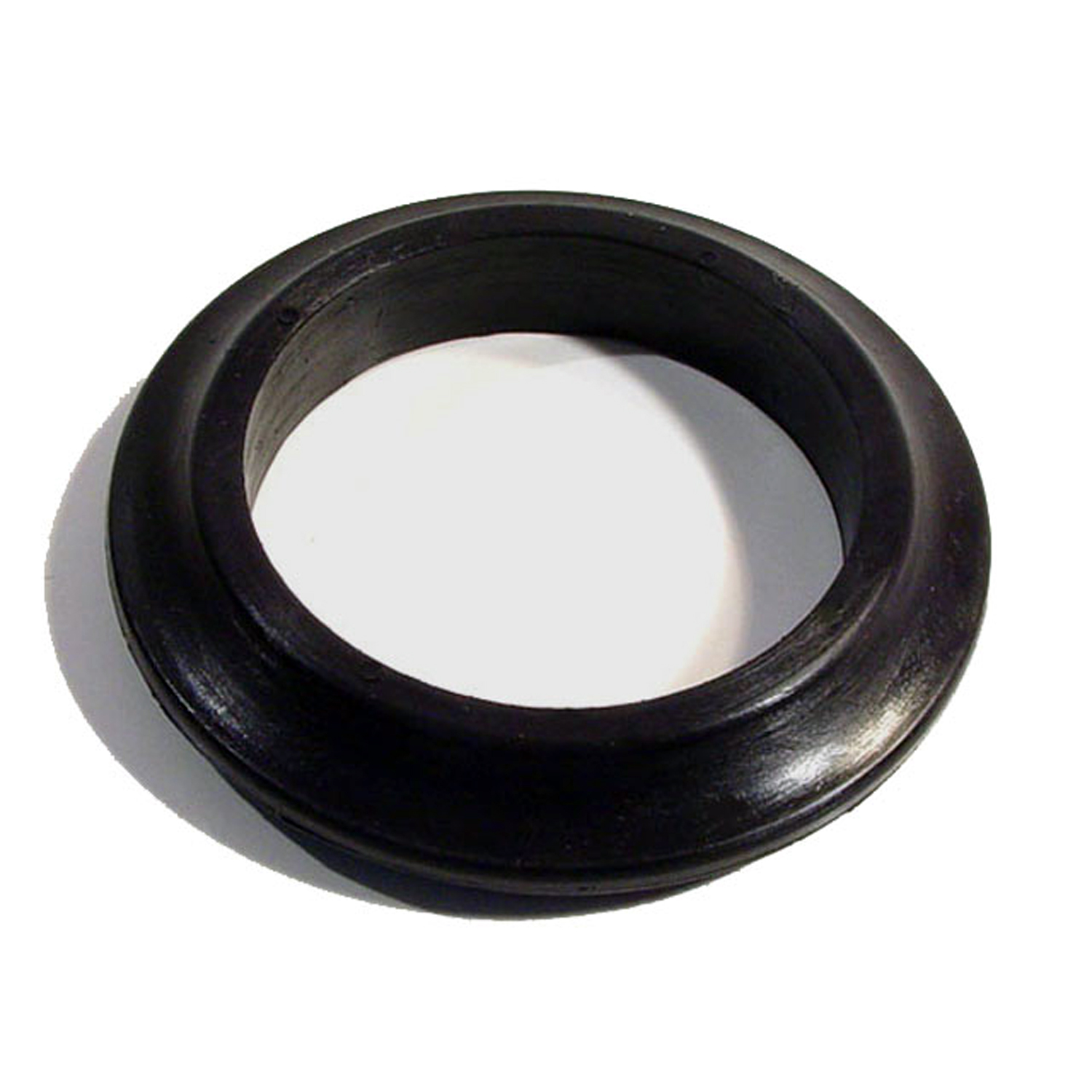 1928 Nash Advanced Gas Filler Grommet. 2-1/4" I.D., 3-5/16" O.D. Each-GF 21Gas Filler Grommet. 2-1/4" I.D., 3-5/16" O.D. Each
Why Choose Metro?
For over 100 years, Metro Moulded Parts has been the pinnacle of quality in classic car restoration parts. Our commitment to precision and authenticity in every component ensures a perfect fit and an OEM-level appearance.
- Expert Craftsmanship & Quality: Each part is a testament to our dedication to reliability and perfection, crafted from original designs and thoroughly tested.
- Advanced Technology: We use cutting-edge techniques to create flawless, long-lasting parts that surpass others in performance.
- SuperSoft Sponge – The Ultimate Door Seal: Not only are our door seals 30% softer than competitors', but they're also guaranteed to never leak. They effectively reduce wind and road noise, enhancing your classic car's comfort and driving experience.
- Proudly American: Our parts are a product of American craftsmanship, made in the USA with a spirit of excellence and heritage.
- Unrivaled Warranty: We back our products with a 30-year industry-leading warranty, a testament to our confidence in their quality.
Join us in preserving the legacy of classic cars with parts that are crafted for perfection, not just made.