

Image of 1928 Nash Standard, Note: These illustrations use artistic license and may differ from actual historical models.
Performance Metrics
Fundamental Metrics
Emotional Appeal
MMP Rating
| Engine Specifications | |
|---|---|
| Engine Options: | Inline 6 |
| Displacement Range: | 3.1L |
| Horsepower Range: | Estimated 60-80 HP |
| Torque: | Not available |
| Compression Ratio: | Not available |
| Ignition System: | Distributor and coil |
| Cooling System: | Water-cooled |
| Performance Specifications | |
| 0-60 Time: | Not available |
| 1/4 Mile Time: | Not available |
| Top Speed: | 60 mph |
| Transmission and Drive | |
| Drive Type: | Rear wheel drive |
| Transmission Type: | 3-speed manual |
| Fuel and Efficiency | |
| Fuel System Type: | Carburetor |
| MPG: | Not available |
| Dimensions and Brakes | |
| Brakes: | Mechanical drum brakes |
| Wheelbase: | 121 inches |
| Weight: | Estimated 2,800 lbs |
Note: Specifications for classic cars are given to the best of our ability, considering the limited and variant data available.
1928 Nash Standard: A Refined Six for the Open Road
The 1928 Nash Standard Six was built for drivers who wanted more than basic transportation: it paired a smooth six-cylinder engine with careful construction and a level of engineering that helped distinguish Nash from America’s mass-market carmakers. Produced by the Nash Motors Company in Kenosha, Wisconsin, it came from a company founded by Charles W. Nash, a former General Motors president who set out to build cars known for sound workmanship and practical innovation.
The Standard Six sat within Nash’s broader range, offering an accessible route into the marque without abandoning its emphasis on comfort and engineering. One detail that gives the car a story beyond its handsome period styling is Nash’s Twin Ignition system. The six-cylinder engine used two spark plugs per cylinder, a distinctive arrangement intended to promote more complete combustion. It was a memorable piece of Nash engineering, and a feature that still gives enthusiasts something to look for beneath the hood.
Classic Nash Styling and Coachwork
The Standard Six has the upright, purposeful stance typical of a late-1920s American car, but its proportions are especially appealing. A tall radiator shell and vertical grille anchor the front end, flanked by prominent headlamps. Long front fenders sweep back toward the running boards, while the spare tire, wire wheels, and slim beltline give the car a balanced, formal profile. It looks substantial without the oversized presence of some luxury cars of the period.
Inside, the emphasis was on durable comfort rather than modern convenience. Closed models generally used broadcloth or mohair upholstery, with wood trim and a straightforward instrument panel. Open cars could feature leather seating. Materials and details varied by body style and equipment, but the cabin was designed to feel considered and well finished for its price class. The driving position is upright, the steering wheel is large, and the controls are mechanical and plainly laid out.
Period Nash catalogs offered the Standard Six in a selection of closed and open body styles. Sedans and coupes suited buyers who wanted weather protection, while open touring or roadster-style bodies offered a more exposed, sociable motoring experience. Exact combinations varied by catalog and market. The sedan is among the most recognizable choices today, thanks to its practical layout and strong early-Nash character.
Color choices depended on body style and the buyer’s specification. Dark, conservative shades were common on closed cars, while contrasting body and trim colors could make open models more eye-catching. A surviving car’s present paint may not reflect its original finish, so restoration research should rely on period documentation and traces of original paint where available.
Engineering That Set Nash Apart
The Standard Six’s main technical talking point was its six-cylinder engine and Nash Twin Ignition. Rather than relying on one spark plug per cylinder, the system used two, a feature Nash promoted as a way to improve combustion. It was not a modern electronic system: ignition service still involved conventional points, timing, and distributor maintenance. But it gave the car a distinctive engineering identity at a time when many buyers were comparing straightforward four-cylinder cars.
Four-wheel mechanical brakes were another important feature for a car of this era. They required more adjustment and driver attention than modern hydraulic brakes, but they provided braking at all four wheels. In the late 1920s, when vehicle speeds and traffic were increasing, that was a meaningful step beyond older arrangements that relied on braking at fewer wheels.
Nash’s achievement was not a single revolutionary invention. It was the combination of a smooth six, attention to construction, useful equipment, and a recognizable engineering signature. The Standard Six helped establish the sort of reputation that allowed Nash to compete with larger and more familiar manufacturers. Its influence is best understood as part of that broader story: a well-engineered, mid-priced car could offer refinement without being a luxury automobile.
1928 Nash Standard Six Performance
The Standard Six used a side-valve, or L-head, inline six of roughly 3.0 liters, commonly listed at about 45 horsepower. Specifications can vary by body and source, so surviving cars should be checked against their engine and chassis identification. Power was delivered through a manual transmission, with three forward speeds typical of the period.
There is no single dependable modern test figure for every 1928 Standard Six. A healthy, correctly geared example might reach roughly 55 to 60 mph, with some cars potentially managing a little more under favorable conditions. Acceleration from 0 to 60 mph was slow by modern standards. A broad estimate of around 30 to 40 seconds is more realistic than treating it like a contemporary performance car, and many examples may not reach 60 quickly or comfortably at all.
On the road, the Nash rewards smooth inputs. Its substantial chassis and period suspension absorb ordinary road imperfections reasonably well, but sharp bumps can send a noticeable jolt through the cabin. The tall body and narrow tires call for measured steering on winding roads, and crosswinds can make the car feel less settled than a modern vehicle. Mechanical brakes also demand planning: leave generous stopping distance and keep the system properly adjusted.
The driving experience is an exercise in rhythm. The six-cylinder engine gives a steady, low mechanical note rather than a sharp performance-car bark. The driver works the clutch and gear lever, listens to engine speed, and makes deliberate steering and braking inputs. That hands-on quality is part of the appeal, but it also makes clear that a 1928 car belongs on roads and at speeds suited to its age.
Owning and Maintaining a Nash
Today, a Standard Six is best suited to touring, local events, historical displays, and occasional pleasure drives. It can be used regularly by a dedicated owner, but it is not a practical modern daily driver. Traffic speed, braking distance, limited visibility by current standards, and the absence of contemporary safety equipment all call for sensible route and weather choices.
Routine maintenance is familiar to anyone comfortable with prewar cars: inspect ignition components, adjust the carburetor, lubricate chassis points, monitor fluids, and keep the brakes in adjustment. The Twin Ignition setup adds a second set of plugs to service, but it is not mysterious once the ignition system is understood. Mechanical components are generally approachable for a capable home mechanic, though age, previous repairs, and parts availability can turn a simple job into a search for the correct specialist or supplier.
Reliability depends heavily on the quality of restoration and ongoing care. A well-sorted Nash can be a dependable touring car within its intended limits; a neglected one may need substantial work on its engine, fuel system, electrical equipment, brakes, or wood structure, depending on the body. Before buying, inspect the chassis, look for corrosion or poor repairs, check engine compression and oil pressure, and confirm that the brakes stop the car evenly.
Noteworthy Facts and Common Criticisms
The Twin Ignition system is the Standard Six’s standout piece of trivia: two spark plugs per cylinder made the engine bay more distinctive than that of many competing sixes. It is also a reminder that automakers were experimenting with ways to improve combustion long before electronic engine management existed.
The 1928 Standard Six is not widely known for a famous speed record, racing victory, or single headline-making historical appearance. Its significance is more grounded: it represents Nash’s effort to offer carefully engineered cars to a broad market. As with many surviving cars of this age, individual examples may have appeared in local parades, early motoring events, or family histories, but those stories should be verified for the specific vehicle.
Common criticisms are predictable for a nearly century-old car. Performance is modest, braking requires anticipation, and steering and suspension feel dated on modern roads. Some restorations also suffer from parts substitutions or details that do not match the original specification. Those limitations do not make the Nash uninteresting; they simply define the kind of driving and ownership experience it offers.
1928 Nash Standard Values and Rarity
Values vary sharply with body style, originality, restoration quality, and mechanical condition. As a broad current-market guide, a project car may sell for roughly $5,000 to $12,000, a usable driver for about $15,000 to $30,000, and a high-quality restored example for around $30,000 to $50,000 or more. A desirable open body, exceptional provenance, or award-level restoration can push a car above that range, while incomplete or poorly repaired cars can fall below it. These are general estimates, not a formal appraisal.
Exact production totals for the 1928 Standard Six are difficult to establish from commonly available model summaries. Nash built cars in significant numbers across its full lineup, but not every source separates Standard Six production by year, body, and series. A reasonable working estimate is that several tens of thousands of Standard Six cars were built, perhaps in the range of 20,000 to 40,000. That is an informed estimate, not a confirmed factory total. Surviving examples are much less common, especially in complete, correctly restored condition.
Collector interest is strongest among enthusiasts of early Nash cars and prewar American touring vehicles. Values tend to reward originality, documented history, and sound restoration more than flashy modifications. As a result, a Standard Six may appreciate gradually when well maintained, but it is not a guaranteed investment. The market is specialized, and condition has a larger influence on selling price than broad classic-car trends.
Why the 1928 Nash Standard Still Matters
The 1928 Nash Standard Six combined a smooth six-cylinder engine, distinctive Twin Ignition engineering, handsome period coachwork, and a practical level of refinement. It was not built to dominate a racetrack or break a headline speed record. Its achievement was to make thoughtful engineering and comfortable motoring available in a car that remained within reach of more buyers than a luxury model.
Nearly a century later, the Nash is best enjoyed at an unhurried pace, where its mechanical character and carefully balanced styling have room to shine. It is a reminder that automotive significance is not measured only in horsepower or production records. Sometimes it lives in the way a well-built car makes every mile feel deliberate.
1928 Nash Standard Catalog of Parts
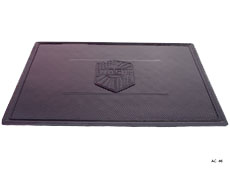 1928 Nash Standard Accessory Floor Mat - 12"X17"-AC 46Accessory Floor Mat - made of high quality black rubber with molded original emblem. Also designed to be sewn into new carpets. 12"X17", Each
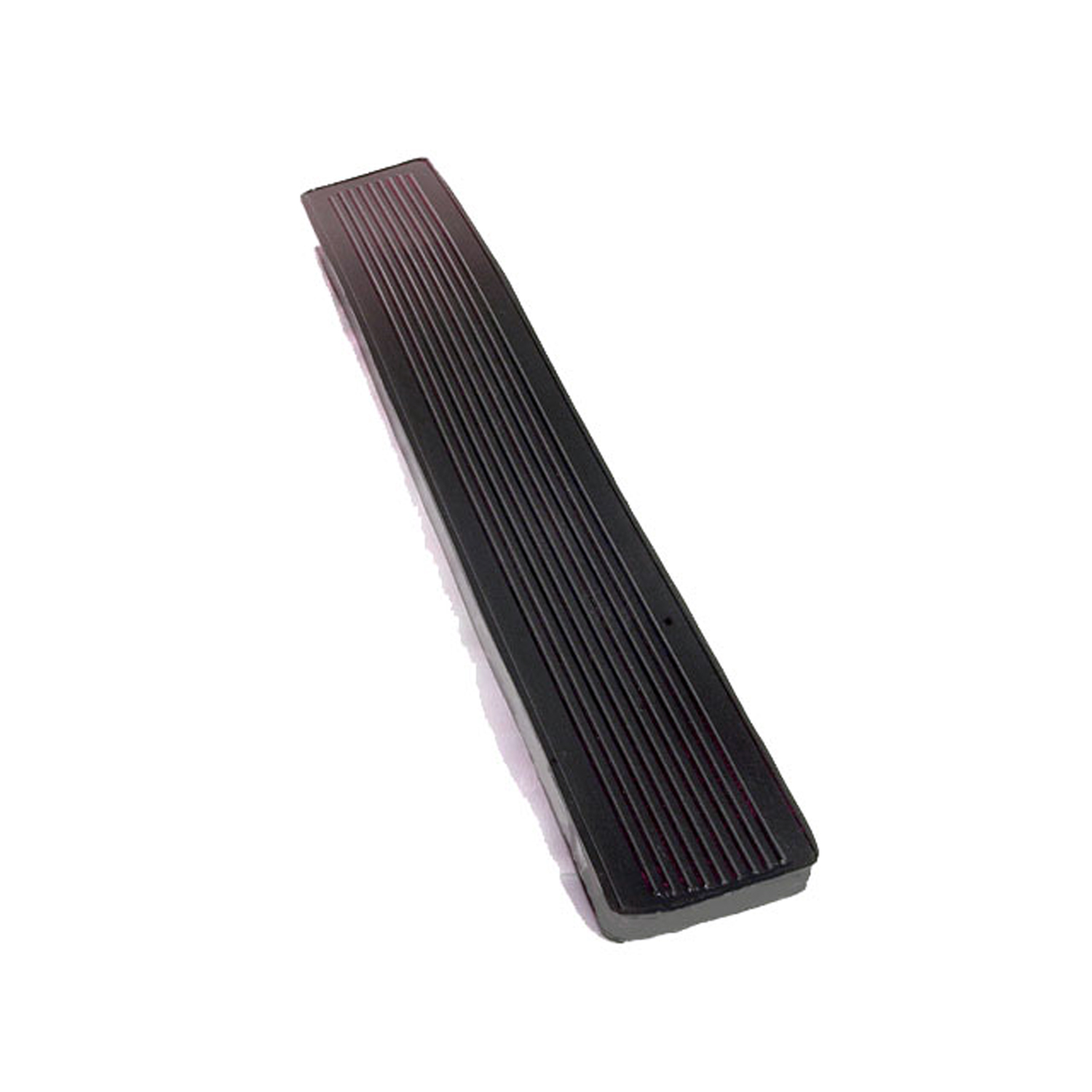 1928 Nash Standard Accelerator Pedal Pad, 1-1/2" X 9-3/4", Each-AP 21Accelerator Pedal Pad, 1-1/2" X 9-3/4", Each
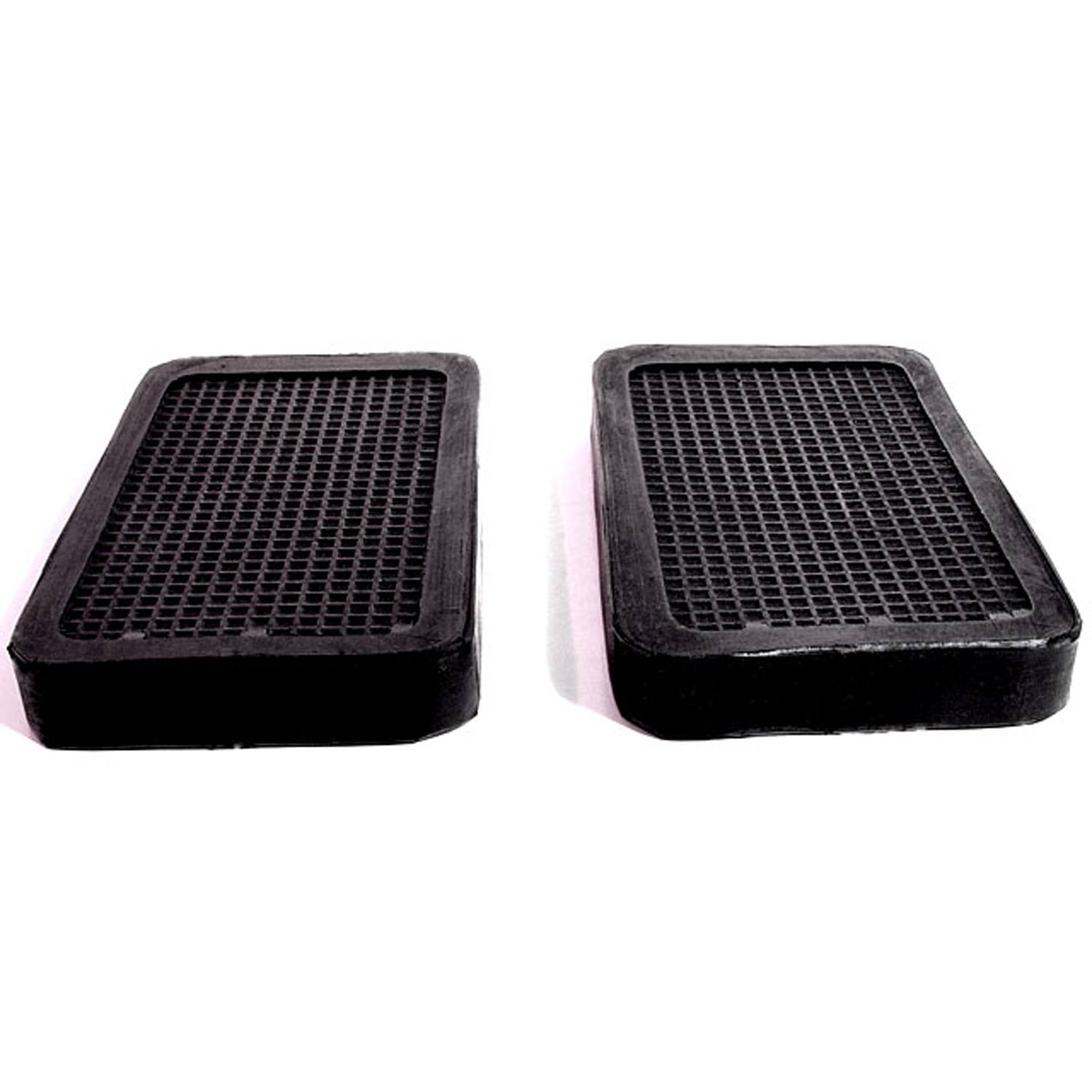 1928 Nash Standard Clutch and Brake Pedal Pads. 2-1/4" wide X 4" long. Pair-CB 20Clutch and Brake Pedal Pads. 2-1/4" wide X 4" long. Pair
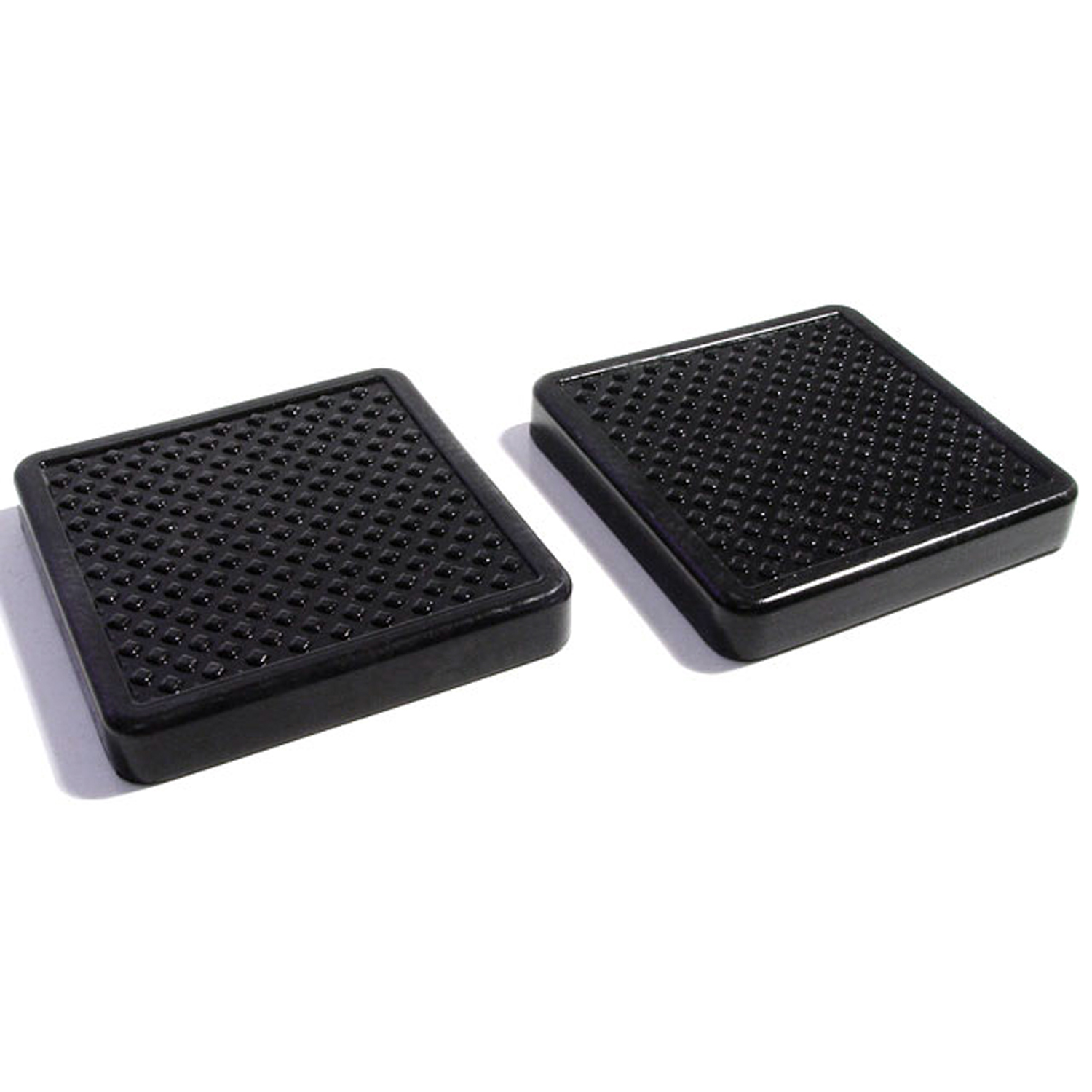 1928 Nash Standard Clutch and Brake Pedal Pads. 3" wide X 3" long. Pair-CB 47Clutch and Brake Pedal Pads. 3" wide X 3" long. Pair
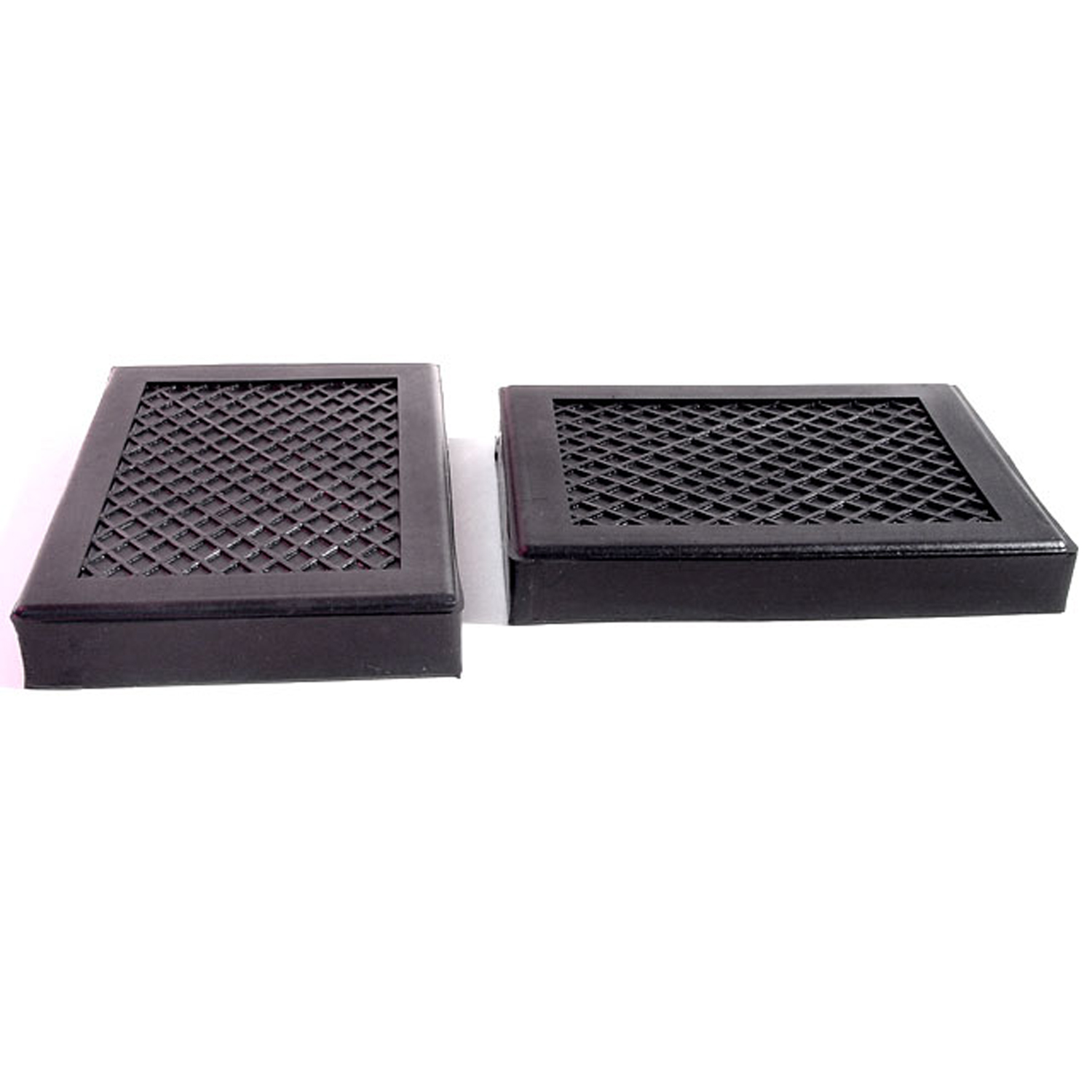 1928 Nash Standard Clutch and Brake Pedal Pads. 2-3/4" wide X 3-7/8" long-CB 48Clutch and Brake Pedal Pads. 2-3/4" wide X 3-7/8" long. Pair
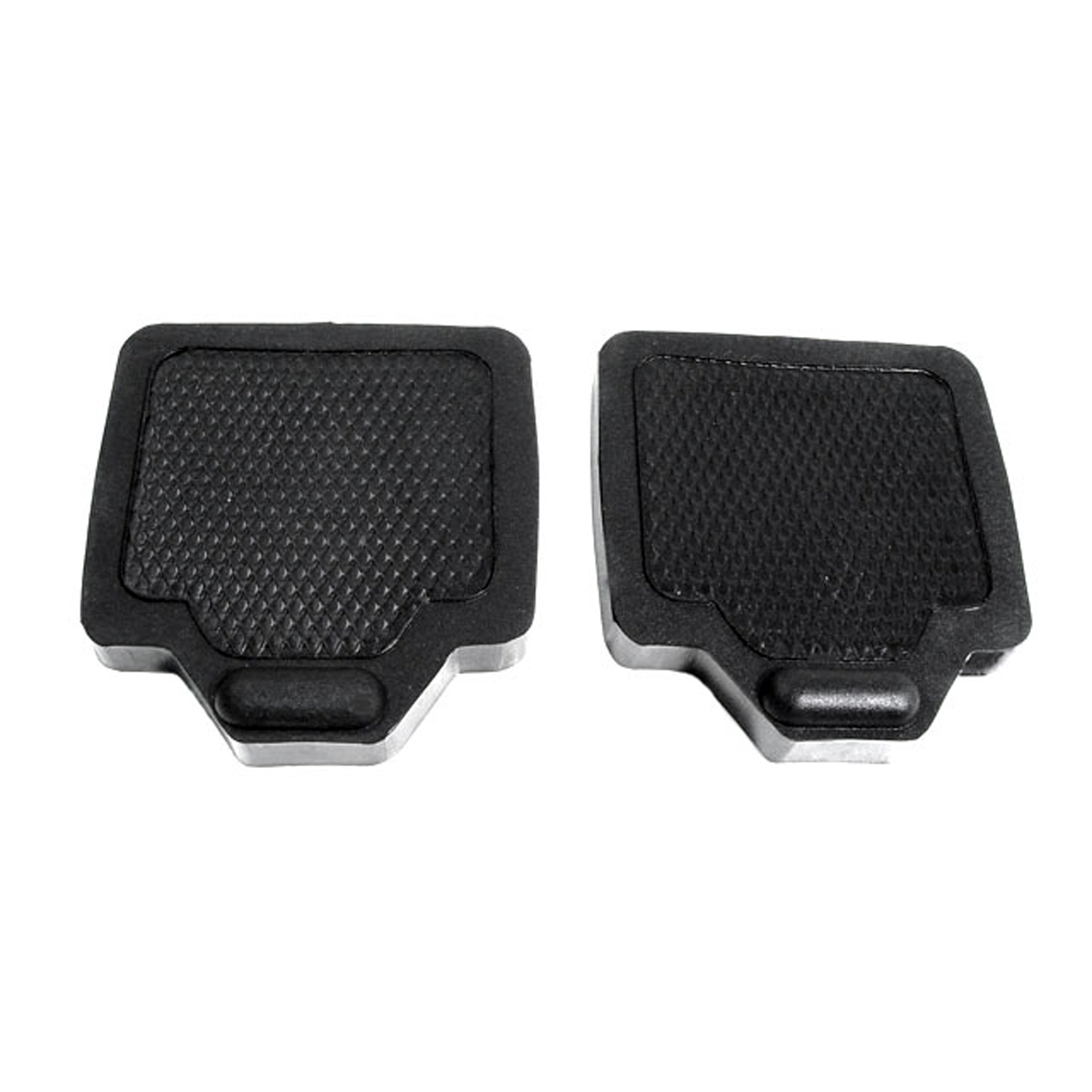 1928 Nash Standard Clutch and Brake Pedal Pads. 3-1/2" wide X 3-7/8" long-CB 55Clutch and Brake Pedal Pads. 3-1/2" wide X 3-7/8" long. Pair
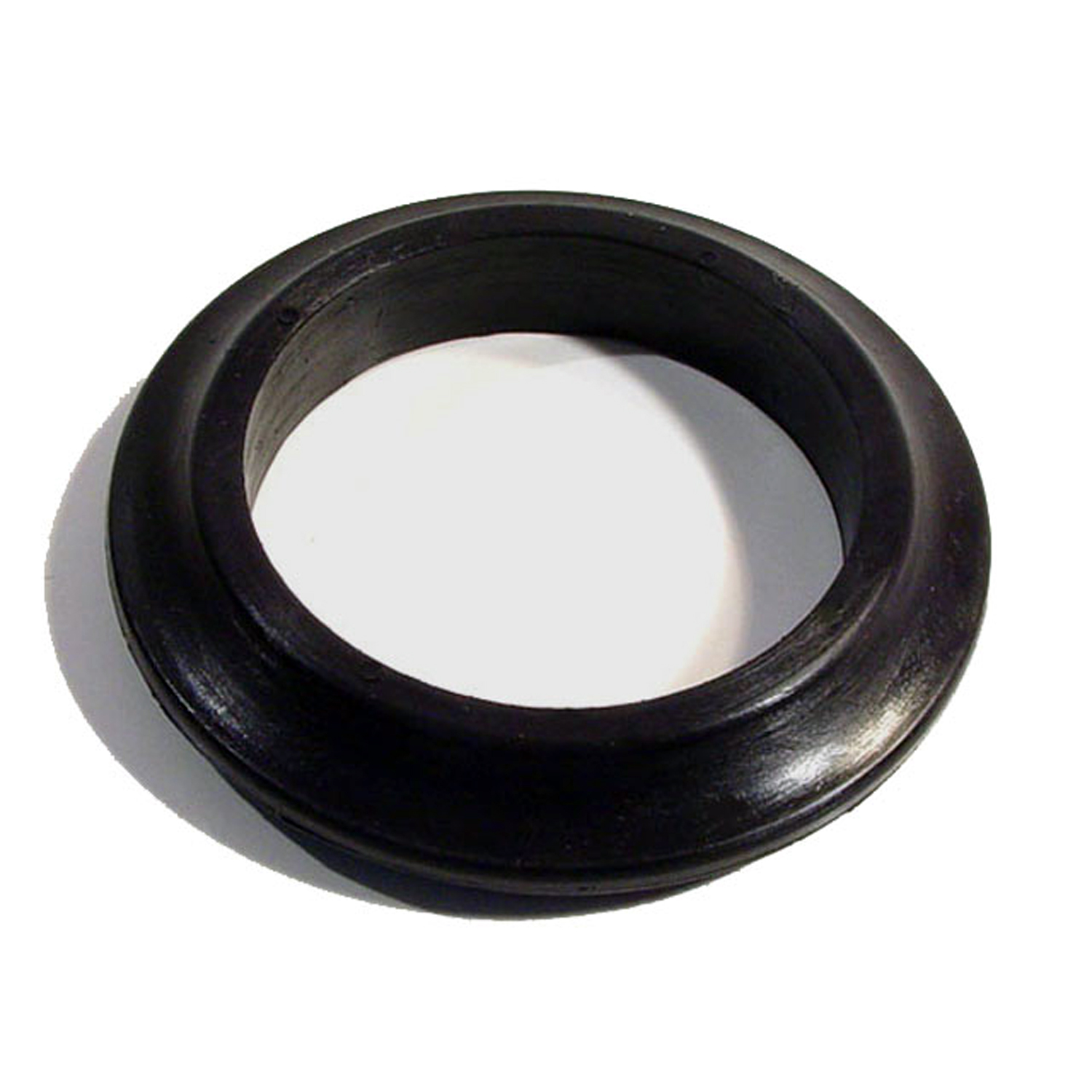 1928 Nash Standard Gas Filler Grommet. 2-1/4" I.D., 3-5/16" O.D. Each-GF 21Gas Filler Grommet. 2-1/4" I.D., 3-5/16" O.D. Each
Why Choose Metro?
For over 100 years, Metro Moulded Parts has been the pinnacle of quality in classic car restoration parts. Our commitment to precision and authenticity in every component ensures a perfect fit and an OEM-level appearance.
- Expert Craftsmanship & Quality: Each part is a testament to our dedication to reliability and perfection, crafted from original designs and thoroughly tested.
- Advanced Technology: We use cutting-edge techniques to create flawless, long-lasting parts that surpass others in performance.
- SuperSoft Sponge – The Ultimate Door Seal: Not only are our door seals 30% softer than competitors', but they're also guaranteed to never leak. They effectively reduce wind and road noise, enhancing your classic car's comfort and driving experience.
- Proudly American: Our parts are a product of American craftsmanship, made in the USA with a spirit of excellence and heritage.
- Unrivaled Warranty: We back our products with a 30-year industry-leading warranty, a testament to our confidence in their quality.
Join us in preserving the legacy of classic cars with parts that are crafted for perfection, not just made.