

Image of 1929 Nash Special, Note: These illustrations use artistic license and may differ from actual historical models.
Performance Metrics
Fundamental Metrics
Emotional Appeal
MMP Rating
| Engine Specifications | |
|---|---|
| Engine Options: | Inline 6 |
| Displacement Range: | 3.0L |
| Horsepower Range: | Estimated 60-80 HP |
| Torque: | Not available |
| Compression Ratio: | Not available |
| Ignition System: | Distributor and coil |
| Cooling System: | Water-cooled |
| Performance Specifications | |
| 0-60 Time: | Not available |
| 1/4 Mile Time: | Not available |
| Top Speed: | 70 mph |
| Transmission and Drive | |
| Drive Type: | Rear-wheel drive |
| Transmission Type: | 3-speed manual |
| Fuel and Efficiency | |
| Fuel System Type: | Carburetor |
| MPG: | Not available |
| Dimensions and Brakes | |
| Brakes: | Mechanical drum brakes |
| Wheelbase: | 121 inches |
| Weight: | Estimated 2,800 lbs |
Note: Specifications for classic cars are given to the best of our ability, considering the limited and variant data available.
1929 Nash Special Six: A Six-Cylinder with a Double Spark
The 1929 Nash Special Six brought a useful combination of smooth six-cylinder power, substantial construction, and thoughtful engineering to the American family car market. Built by the Nash Motors Company, it sat in the middle of Nash’s range, offering more equipment and refinement than a basic car without stepping up to the larger, more expensive models.
Nash was led by Charles W. Nash, a former president of General Motors who founded his own company in 1916. By 1929, Nash had earned a reputation for carefully engineered cars rather than stripped-down transportation. One of the marque’s calling cards was its Twin Ignition system, which used two spark plugs per cylinder. That means the Special Six’s six-cylinder engine could have a dozen spark plugs, an unusual feature that gave this unassuming sedan a mechanical talking point.
The timing is part of the car’s story, too. The Special Six arrived during the late-1920s boom, just before the October 1929 stock-market crash ushered in the Great Depression. It represents the confident, increasingly comfortable American automobile of the pre-Depression years.
Exterior Design and Cabin Craftsmanship
The Special Six wears the upright, dignified look typical of a late-1920s American car. Its tall radiator shell, prominent headlamps, long hood, separate fenders, and running boards give it a formal profile. The body is narrow by modern standards, but its high roofline and generous glass area create a surprisingly substantial presence. Depending on body style, a rear-mounted spare tire or exposed luggage added to the period-correct silhouette.
Inside, the emphasis was on practicality and finish. Closed models typically used durable cloth or broadcloth upholstery, with carpeting, wood or wood-finished trim, and metal fittings that feel charmingly solid today. Open cars could be supplied with more weather-resistant seating materials, including leather, depending on the body and specification. Exact trim and equipment varied, so surviving cars may differ from one another, especially after decades of restoration.
Factory paint choices depended on body style, production run, and market. Dark greens, blues, maroons, and black were typical colors for the period, often paired with contrasting trim or wheels. There was no single signature color for every Special Six, and a car’s current finish may not match its original paint scheme.
Nash offered the Special Six in several body configurations across its range. Closed sedans and coupes suited buyers who wanted protection from the weather, while open roadster or touring-style bodies appealed to those who preferred fresh air and a sportier look. Availability could vary by series and market. The four-door sedan is among the most recognizable choices today because it captures the Special Six’s role as a comfortable, practical family car.
Engineering That Set Nash Apart
The Special Six was not a radical styling experiment. Its distinction lay in the engineering and equipment Nash put behind a conventional-looking car. Twin Ignition was the headline feature: two plugs per cylinder helped promote reliable combustion, while the system’s separate ignition components were intended to provide dependable operation. Nash had used the idea for years, making it a recognizable part of the company’s identity.
The Special Six also offered the kind of sturdy chassis and mechanical layout expected of a quality car in 1929. Its inline six delivered smoother operation than many four-cylinder engines of the day, while mechanical brakes, a conventional manual transmission, and leaf-spring suspension kept the design understandable to mechanics and owners. Equipment and specifications could differ by body and production details, so individual cars should be checked by serial number and period documentation.
What set Nash apart was its effort to combine comfort, durability, and engineering features in a broad product line. The Special Six was not a mass-market Model T rival, nor was it the top-of-the-range luxury choice. It occupied the appealing middle ground, helping establish the idea that a family car could be well equipped and mechanically distinctive without being extravagant.
Road Performance and Driving Feel
Published performance figures for individual 1929 Nash Special Six cars are not consistent, and condition, gearing, tires, and body style make a large difference. A reasonable period-car estimate is a top speed in the neighborhood of 60 to 70 mph when properly maintained. Zero to 60 mph was leisurely by modern standards, likely taking roughly 25 to 35 seconds or more. Those are estimates, not factory-guaranteed figures.
On the road, the six-cylinder engine is better understood as a smooth, steady powerplant than a high-revving performer. It produces the measured mechanical hum and exhaust note associated with a prewar inline six. The three-speed manual transmission requires deliberate shifts, and the driver does the work through a large steering wheel, floor-mounted controls, and a firm brake pedal.
The suspension was designed for the roads of its era. It can absorb ordinary bumps with a soft, springy motion, but rough pavement may bring body movement and a little rattling from the car’s many mechanical fittings. On winding roads, the high stance, narrow tires, and period steering geometry call for a relaxed pace. Strong crosswinds and uneven surfaces are more noticeable than they would be in a modern car, and mechanical brakes require more planning and distance than contemporary braking systems.
Living with a 1929 Nash
Today, a Special Six is more likely to be a touring, show, or weekend-use car than a daily driver. It suits owners who enjoy local rallies, vintage-car gatherings, and the slower rhythm of motoring before power steering and synchronized modern transmissions. A well-sorted example can cover short trips comfortably, but long highway journeys demand careful preparation and realistic expectations.
Basic maintenance is approachable for an experienced hobbyist. The engine bay is relatively accessible, and many routine jobs involve familiar mechanical principles: ignition service, lubrication, carburetor adjustment, and brake inspection. The Twin Ignition arrangement adds components to maintain, so owners should understand the wiring and keep both ignition circuits in good order. Parts for common service items may be available through vintage-car suppliers, while body, trim, and model-specific components can take patience to locate.
Reliability depends heavily on restoration quality and upkeep. A century-old car needs regular attention to cooling, fuel delivery, electrical connections, tires, and brakes. Before driving one, check that the braking system has been correctly rebuilt and that the tires are suitable for the car. The Special Six is repairable, but it is not a modern vehicle that can be ignored between oil changes.
Nash Special Six Facts and Myths
The Twin Ignition system is the Special Six’s most memorable technical detail. Two spark plugs per cylinder sound like a racing-car feature, but Nash used the system as a practical engineering distinction in ordinary road cars. It is also a useful reminder that innovation in the 1920s was not limited to exotic or expensive automobiles.
There is no widely recognized Special Six speed record or single celebrity connection that defines the model’s history. Its significance is quieter: it represents Nash’s pre-Depression range and the company’s effort to make technically ambitious cars for everyday owners. Nash later joined with Kelvinator in 1937, and the company’s successor, American Motors Corporation, became a major independent automaker.
Common criticisms are familiar to anyone considering a car from this period. The Special Six is slow by present-day standards, its brakes and steering require more effort, and replacement parts can be challenging. Its open body styles offer little weather protection, while even a sedan is noisy and drafty compared with a modern car. Those traits are part of its age, not evidence that the car was poorly conceived.
Collector Value and Availability
Exact production totals for the 1929 Special Six are not easy to establish from commonly available model-level records. Nash built cars in meaningful numbers, but surviving examples are far less common than familiar mass-market Fords. As a broad estimate rather than a factory-confirmed total, production may have been in the thousands to low tens of thousands across the Special Six’s body styles. Surviving cars are scattered, and the condition of each one matters more than a headline production estimate.
As of 2026, a rough U.S. collector-market range might run from about $8,000 to $18,000 for a project or driver needing work, $18,000 to $35,000 for a solid, usable example, and $35,000 to $55,000 or more for an excellent, correctly restored car. Exceptional provenance or a particularly desirable body could move the price beyond that range. These are broad estimates, not appraisals, and auction results can vary significantly by condition and location.
Values have generally been steady to gradually appreciating for well-preserved prewar cars, but the market is selective. Correct restoration, documented history, and an attractive body style help. Projects can be expensive to finish, so a low purchase price does not necessarily mean low ownership cost. Buyers should budget for specialist inspection and verify that important components, especially the engine, ignition system, brakes, and body fittings, are present and sound.
Why the 1929 Nash Special Six Still Matters
The 1929 Nash Special Six combines a handsome prewar profile with a smooth six-cylinder engine and a distinctive Twin Ignition system. It was neither a bare-bones runabout nor a grand luxury car. Instead, it offered a thoughtful middle path, built by a company that wanted engineering quality to be part of everyday motoring.
For collectors, the Special Six is a rewarding way to experience the years just before the Great Depression transformed the American auto industry. Its pace is unhurried, its controls are hands-on, and its mechanical character is impossible to mistake. A Nash Special Six does more than recall 1929. It shows how much ambition and ingenuity could fit beneath a tall radiator shell and a pair of brass-era-looking headlamps.
1929 Nash Special Catalog of Parts
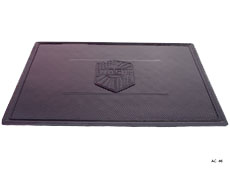 1929 Nash Special Accessory Floor Mat - 12"X17"-AC 46Accessory Floor Mat - made of high quality black rubber with molded original emblem. Also designed to be sewn into new carpets. 12"X17", Each
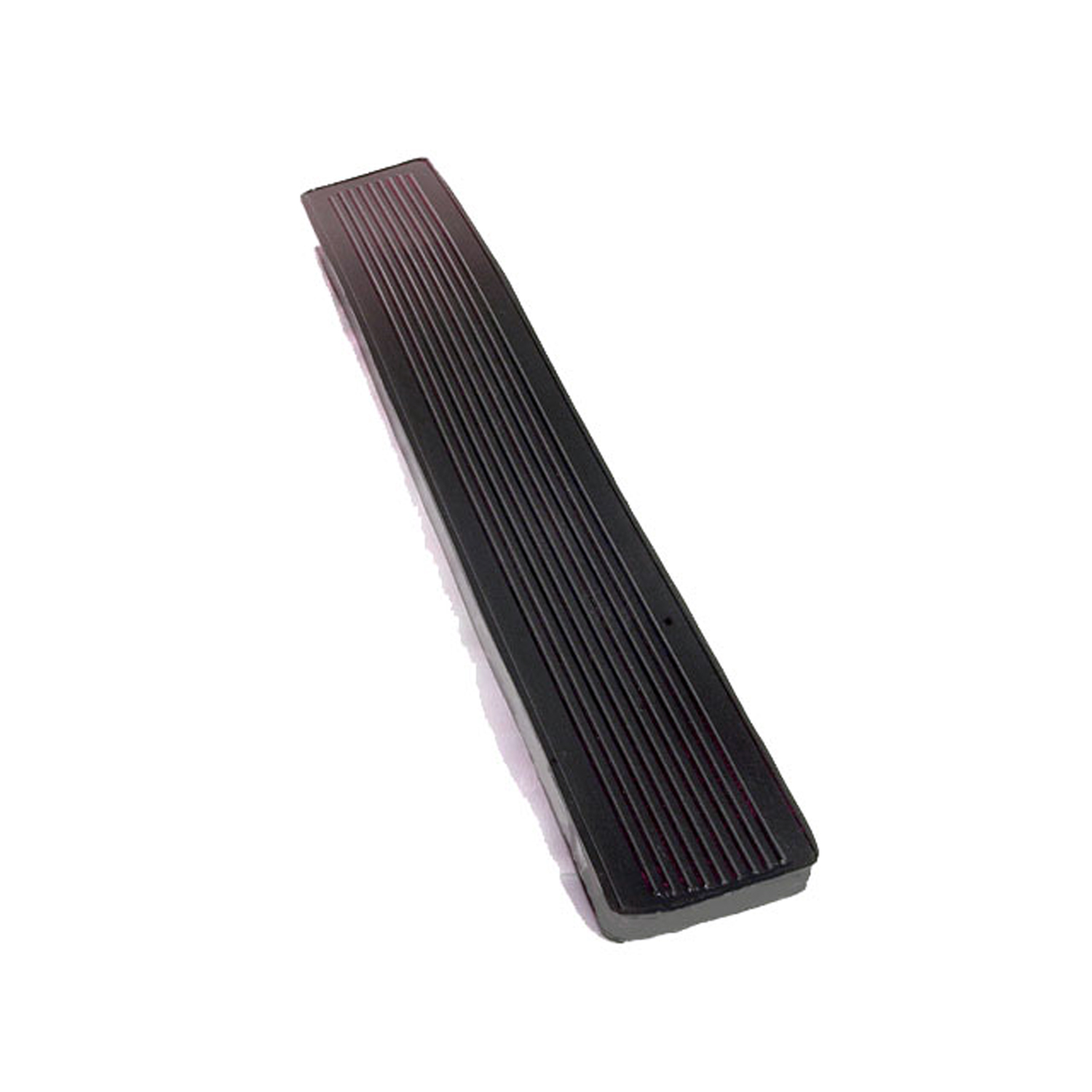 1929 Nash Special Accelerator Pedal Pad, 1-1/2" X 9-3/4", Each-AP 21Accelerator Pedal Pad, 1-1/2" X 9-3/4", Each
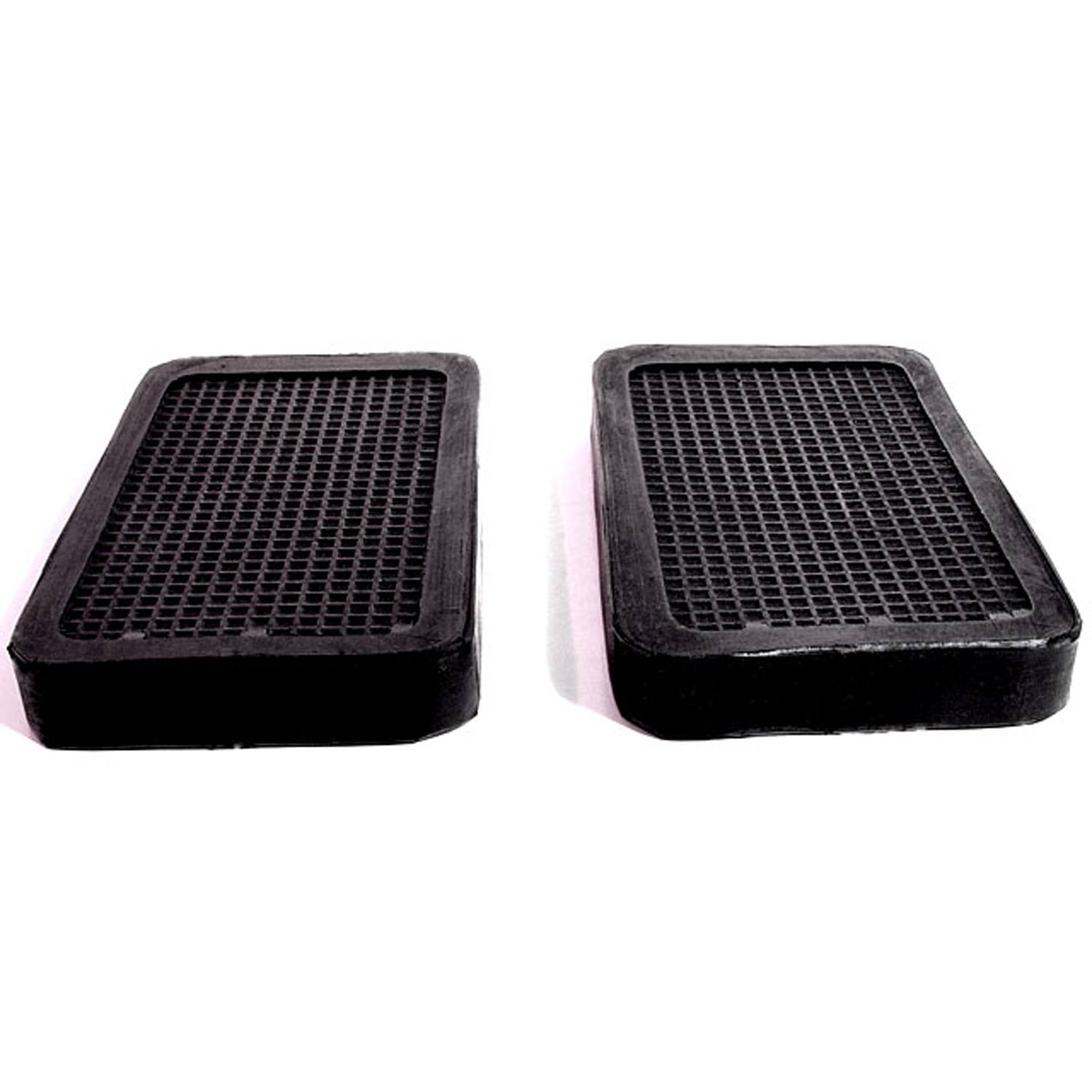 1929 Nash Special Clutch and Brake Pedal Pads. 2-1/4" wide X 4" long. Pair-CB 20Clutch and Brake Pedal Pads. 2-1/4" wide X 4" long. Pair
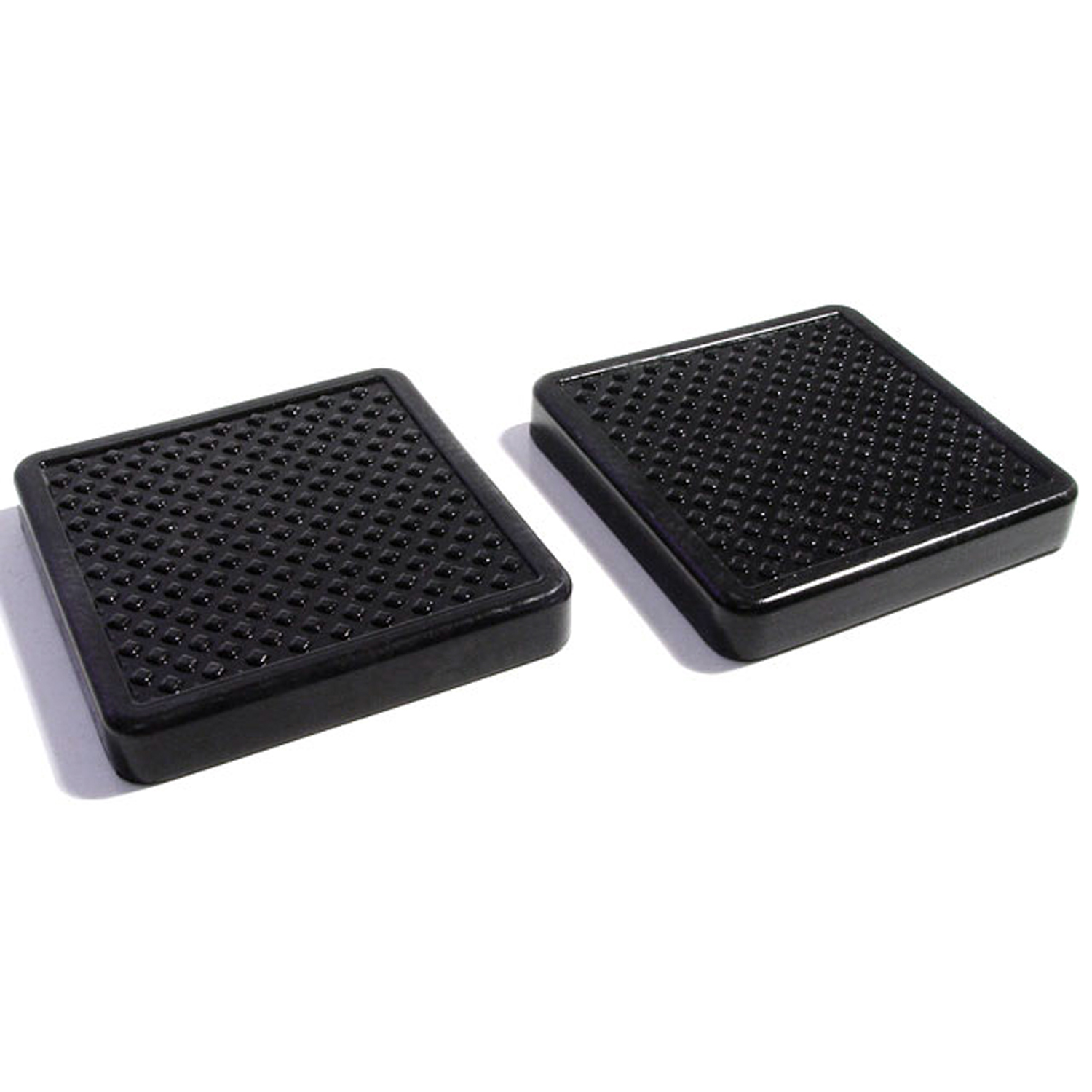 1929 Nash Special Clutch and Brake Pedal Pads. 3" wide X 3" long. Pair-CB 47Clutch and Brake Pedal Pads. 3" wide X 3" long. Pair
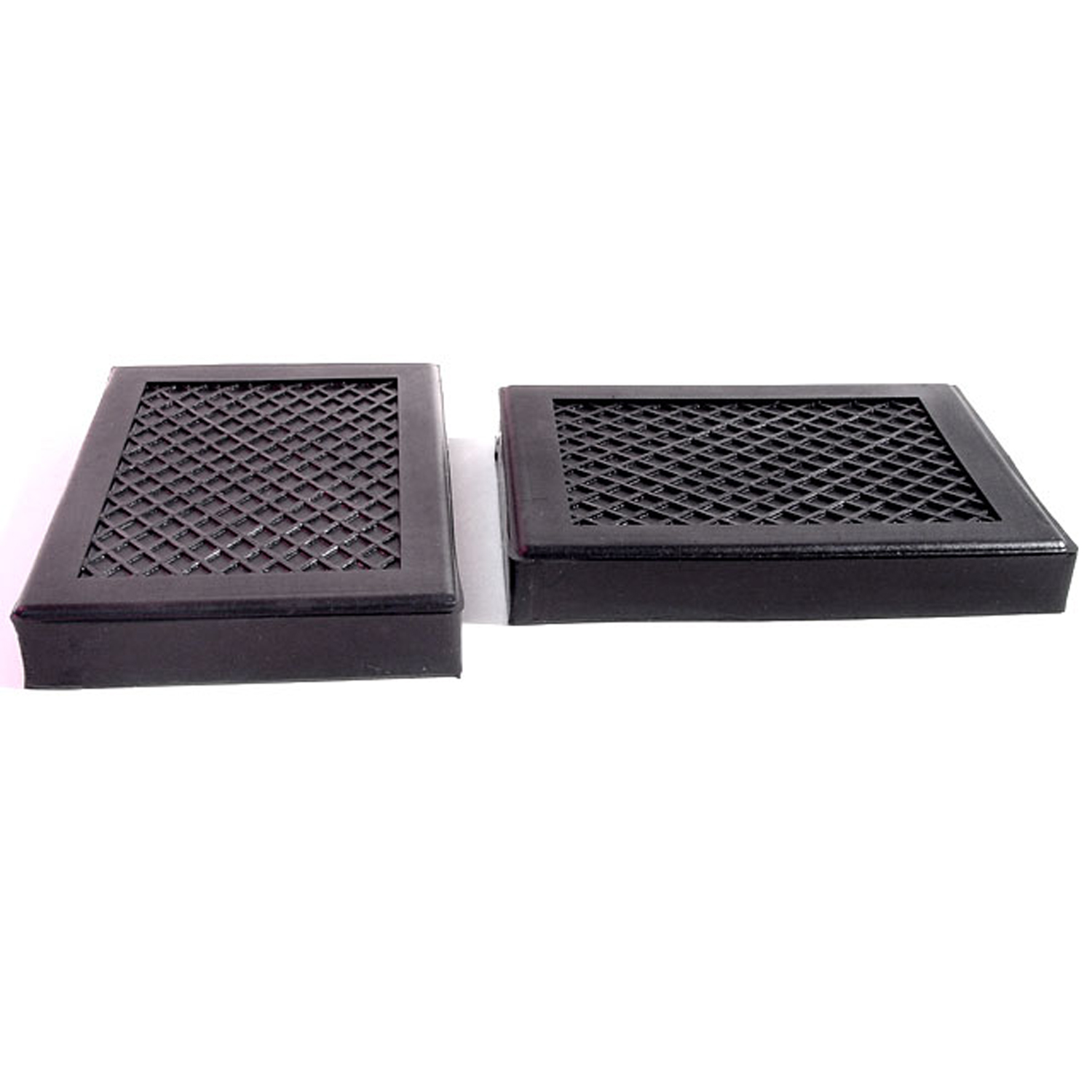 1929 Nash Special Clutch and Brake Pedal Pads. 2-3/4" wide X 3-7/8" long-CB 48Clutch and Brake Pedal Pads. 2-3/4" wide X 3-7/8" long. Pair
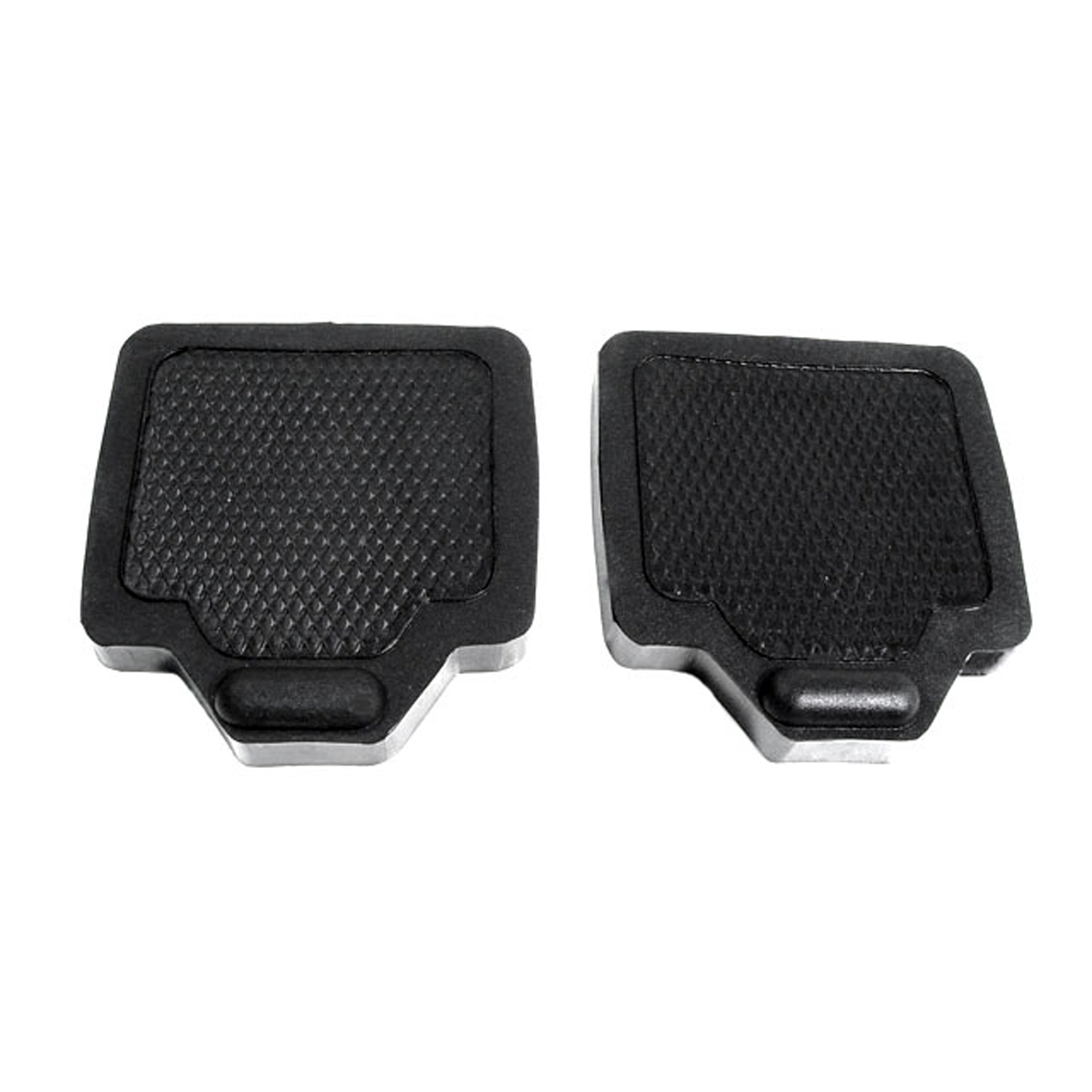 1929 Nash Special Clutch and Brake Pedal Pads. 3-1/2" wide X 3-7/8" long-CB 55Clutch and Brake Pedal Pads. 3-1/2" wide X 3-7/8" long. Pair
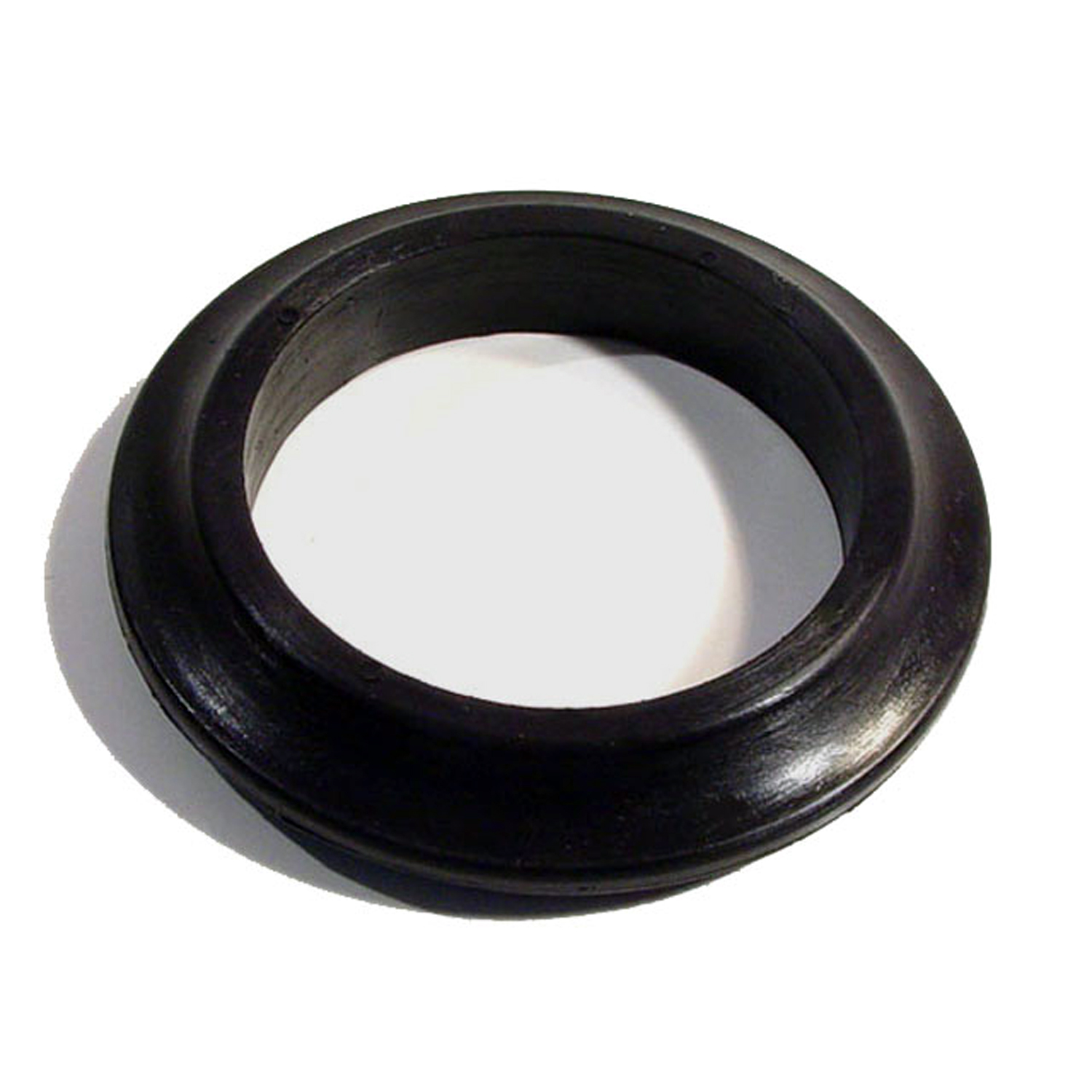 1929 Nash Special Gas Filler Grommet. 2-1/4" I.D., 3-5/16" O.D. Each-GF 21Gas Filler Grommet. 2-1/4" I.D., 3-5/16" O.D. Each
Why Choose Metro?
For over 100 years, Metro Moulded Parts has been the pinnacle of quality in classic car restoration parts. Our commitment to precision and authenticity in every component ensures a perfect fit and an OEM-level appearance.
- Expert Craftsmanship & Quality: Each part is a testament to our dedication to reliability and perfection, crafted from original designs and thoroughly tested.
- Advanced Technology: We use cutting-edge techniques to create flawless, long-lasting parts that surpass others in performance.
- SuperSoft Sponge – The Ultimate Door Seal: Not only are our door seals 30% softer than competitors', but they're also guaranteed to never leak. They effectively reduce wind and road noise, enhancing your classic car's comfort and driving experience.
- Proudly American: Our parts are a product of American craftsmanship, made in the USA with a spirit of excellence and heritage.
- Unrivaled Warranty: We back our products with a 30-year industry-leading warranty, a testament to our confidence in their quality.
Join us in preserving the legacy of classic cars with parts that are crafted for perfection, not just made.