

Image of 1930 Nash Twin-Igniition, Note: These illustrations use artistic license and may differ from actual historical models.
Performance Metrics
Fundamental Metrics
Emotional Appeal
MMP Rating
| Engine Specifications | |
|---|---|
| Engine: | Inline 6 |
| Displacement: | 3.0L |
| Horsepower: | Estimated 60-80 HP |
| Torque: | Estimated 120-140 lb-ft |
| Compression Ratio: | 4.7:1 |
| Ignition System: | Twin Ignition |
| Cooling System: | Water-cooled |
| Performance Specifications | |
| 0-60 Time: | Not available due to the age of the vehicle |
| 1/4 Mile Time: | Not available due to the age of the vehicle |
| Top Speed: | 70 mph |
| Transmission and Drive | |
| Drive Type: | Rear Wheel Drive |
| Transmission Type: | 3-speed manual |
| Fuel and Efficiency | |
| Fuel System Type: | Carburetor |
| MPG: | Estimated 10-15 MPG |
| Dimensions and Brakes | |
| Brakes: | Mechanical Drum Brakes |
| Wheelbase: | 121 inches |
| Weight: | Estimated 2,800 lbs |
Note: Specifications for classic cars are given to the best of our ability, considering the limited and variant data available.
1930 Nash Twin-Ignition: The Eight With Two Sparks Per Cylinder
In 1930, Nash offered a luxury car with an unusually clever way to make its straight-eight run smoothly: two spark plugs per cylinder. The Nash Twin-Ignition was not one single body style or trim level, but a defining engine feature of the company’s eight-cylinder cars. Built by Nash Motors Company in Kenosha, Wisconsin, these cars combined substantial power, carefully finished coachwork, and engineering intended to make a big automobile feel refined on the road.
Nash’s story began with Charles W. Nash, a former president of General Motors who founded the company in 1916. By the end of the 1920s, Nash had established a reputation for well-built cars that offered more engineering and comfort than many buyers expected at their price. The Twin-Ignition system became one of the brand’s most memorable talking points. Rather than relying on one spark plug to ignite the fuel-air mixture in each cylinder, the straight-eight used two, helping promote a more complete and even burn.
That detail was more than a clever advertising line. It captured Nash’s approach to the luxury market: build a car that felt modern not just because of its appearance, but because of the engineering beneath the hood.
Elegant Nash Styling
The 1930 Nash had the formal, upright proportions expected of a premium American automobile of its era. A tall radiator shell and prominent grille gave the front end authority, while separate fenders framed the wheels in long, sweeping curves. Headlamps sat proudly beside the grille, and running boards linked the front and rear fenders into a continuous visual line. From the side, the long hood and cabin set well back from the front axle made the eight-cylinder models look particularly stately.
Details varied by body style and equipment, but bright metal trim, careful paintwork, and polished lamps helped give the car a dressed-up appearance. The design was not streamlined in the modern sense. Instead, its presence came from proportion, height, and a sense of solid craftsmanship.
Inside, buyers could expect an instrument panel with clear, period-style gauges, a large steering wheel, and broad seating upholstered in materials selected for the particular model and trim. Cloth and leather were common choices across cars of this class, though exact upholstery specifications varied. The overall effect was comfortable and formal rather than sporty. The high seating position and upright windshield also gave the driver a commanding view of the road.
Body Styles and Factory Colors
Nash offered its cars in a range of closed and open body styles, with availability depending on the particular eight-cylinder series and wheelbase. Buyers could find sedans and coupes, as well as more formal or open touring-style bodies in the broader Nash range. Sedans were practical choices for families and long-distance travel, while coupes and open cars offered a more personal, stylish look. The long-wheelbase sedan is especially representative of the Twin-Ignition’s luxury character.
Paint choices were model- and year-specific, so it is best not to assume that every surviving 1930 Nash could be ordered in the same palette. Period cars commonly appeared in dark, dignified shades, including blues, greens, maroons, and black, often with contrasting trim or body accents. A dark finish suited the car’s formal profile, while two-tone combinations could make the fenders and body lines stand out. Original paint charts and build records are the best guide when evaluating a particular car’s authenticity.
Twin Ignition Engineering
The Twin-Ignition system’s central feature was two spark plugs for each cylinder. In a straight-eight, that meant sixteen plugs. The paired ignition arrangement was intended to improve combustion and smoothness, particularly in a large engine with long cylinder bores. Nash promoted the system as a way to extract strong, dependable performance while maintaining the refined running quality expected of a luxury car.
Exact specifications differ across the 1930 Nash eight-cylinder models. The larger Twin-Ignition eights are generally associated with a displacement of about 298 cubic inches and output near 100 horsepower. Nash also offered other engine and series combinations, so the precise figures should be checked against the car’s engine number and original model documentation.
In an era when many cars still used simpler engine and ignition arrangements, Nash’s dual-plug setup gave the company a distinctive technical identity. It was not the only automaker experimenting with ways to improve combustion, but Nash made Twin-Ignition a recognizable part of its brand. The system also demonstrated an important principle that remained relevant: careful ignition and combustion design can improve an engine’s smoothness and efficiency.
Road Performance and Driving Feel
A 1930 Nash Twin-Ignition Eight was built for confident touring, not modern stoplight sprints. Contemporary performance records are not uniform across body styles and gearing, but a healthy large eight could plausibly reach roughly 70 to 80 mph under favorable conditions. A period 0-to-60 mph figure is difficult to pin down, and surviving published specifications do not provide a dependable, standardized number. As a modern estimate, expect acceleration to be leisurely by today’s standards, likely taking well over 20 seconds depending on the car’s weight, gearing, condition, and road surface.
The engine’s character is more about smooth, steady delivery than a dramatic surge. With eight cylinders working in sequence, the car should feel composed as speed builds, and the Twin-Ignition arrangement was designed to support that even-running quality. The sound is a subdued, rhythmic mechanical hum rather than the sharp bark of a sporting car. Wind, tire noise, and the movement of the body over the road become part of the experience at cruising speed.
On rough roads, the Nash’s substantial chassis and period suspension offer a softer, more deliberate ride than a modern car, but bumps still make themselves known. The steering is unassisted and requires more effort at low speed, while the car’s size and narrow tires call for measured inputs on winding roads. It rewards a driver who looks well ahead, shifts thoughtfully, and allows plenty of room for braking. A well-maintained example can feel surprisingly poised, but it should not be hustled like a contemporary sports sedan.
Ownership, Repairs, and Reliability
In 1930, a Nash could serve as a family car, a business owner’s daily transportation, or a comfortable long-distance tourer. Today, most Twin-Ignition cars are enjoyed as show cars, touring cars, or prized additions to collections. Some are driven regularly on club events and vintage-car tours, where their smooth engine and formal road manners make them well suited to relaxed travel.
Maintenance is manageable for an experienced vintage-car owner, but the Twin-Ignition hardware adds complexity compared with a basic single-plug engine. The ignition system has more components to inspect and maintain, and correct setup matters. Parts such as plugs, wiring, ignition components, hoses, and brake components may require specialist sourcing or careful adaptation. Mechanical work is generally straightforward in principle, but age, previous repairs, and the availability of correct parts can turn a simple service into a restoration project.
Reliability depends heavily on condition. A properly rebuilt engine with sound cooling, lubrication, ignition, and fuel systems can be dependable for touring. A neglected example may suffer from worn bearings, deteriorated wiring, fuel-system trouble, or brake issues common to cars of this age. Before driving one regularly, inspect the chassis, steering, brakes, tires, and cooling system, and confirm that the ignition has been serviced by someone familiar with dual-ignition engines.
Rare Details and Common Criticisms
The most memorable fact about the Nash Twin-Ignition is also the easiest one to picture: sixteen spark plugs in a typical eight-cylinder version. That arrangement gave Nash a distinctive sales story and made the engine stand out among luxury-car buyers. The technology is a reminder that manufacturers were experimenting with combustion and reliability long before electronic engine controls became standard.
There is no single, widely accepted production total for all 1930 Nash Twin-Ignition cars, because the name covers multiple series and body styles, and surviving production records are not always presented in a consistent way. A reasonable broad estimate is that production of the relevant eight-cylinder models amounted to several thousand cars, with individual body configurations much scarcer. Any precise figure should be treated cautiously unless it is tied to a specific model series and supported by factory records.
Common criticisms are typical of prewar luxury cars: they are large, thirsty by modern standards, slow to stop compared with modern traffic, and demanding to maneuver in tight spaces. The ignition system can also intimidate owners unfamiliar with dual-plug engines. The reward is a distinctive, smooth-running automobile with a stronger engineering story than its conservative styling might initially suggest.
Collector Values and Availability
1930 Nash Twin-Ignition cars are uncommon on today’s market, but rarity varies sharply by series, body style, originality, and condition. Complete, well-documented sedans are generally easier to encounter than unusual open or coachbuilt bodies. Cars with original or properly restored Twin-Ignition equipment, sound wood and metal, and a strong history are especially appealing to marque enthusiasts.
As a broad current-market estimate, a project or incomplete car might sell for roughly $8,000 to $20,000. A solid, usable example may fall around $20,000 to $45,000, while a high-quality restoration or especially desirable body style could bring $45,000 to $80,000 or more. These are approximate ranges, not a formal valuation. Condition, provenance, regional demand, and the cost of completing specialized mechanical work can shift the price substantially.
Values for prewar cars tend to move more slowly than those of fashionable postwar classics. Exceptional examples can appreciate as well-preserved survivors become harder to find, but restoration costs may exceed the finished car’s market value. Buyers should prioritize documentation, mechanical condition, and completeness over a fresh paint job. The best purchase is usually the car with the strongest foundation, not simply the brightest finish.
Why the 1930 Nash Still Matters
The 1930 Nash Twin-Ignition paired formal American luxury-car styling with a genuinely distinctive engineering feature. Its dual-plug straight-eight, comfortable touring character, and careful presentation set it apart from more ordinary cars of the period. It was not a record-breaking speed machine, nor was it designed to be one. Its appeal lies in the way it made advanced engineering feel part of everyday motoring.
For collectors, the Nash is a reminder that automotive history was shaped not only by famous marques and headline-grabbing innovations, but also by companies willing to refine the details. With two sparks in every cylinder and a dignified presence on the road, the 1930 Nash Twin-Ignition remains a quietly remarkable example of American prewar engineering.
1930 Nash Twin-Igniition Catalog of Parts
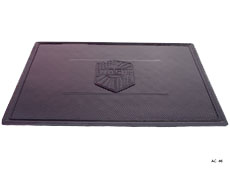 1930 Nash TWIN-IGNIITION Accessory Floor Mat - 12"X17"-AC 46Accessory Floor Mat - made of high quality black rubber with molded original emblem. Also designed to be sewn into new carpets. 12"X17", Each
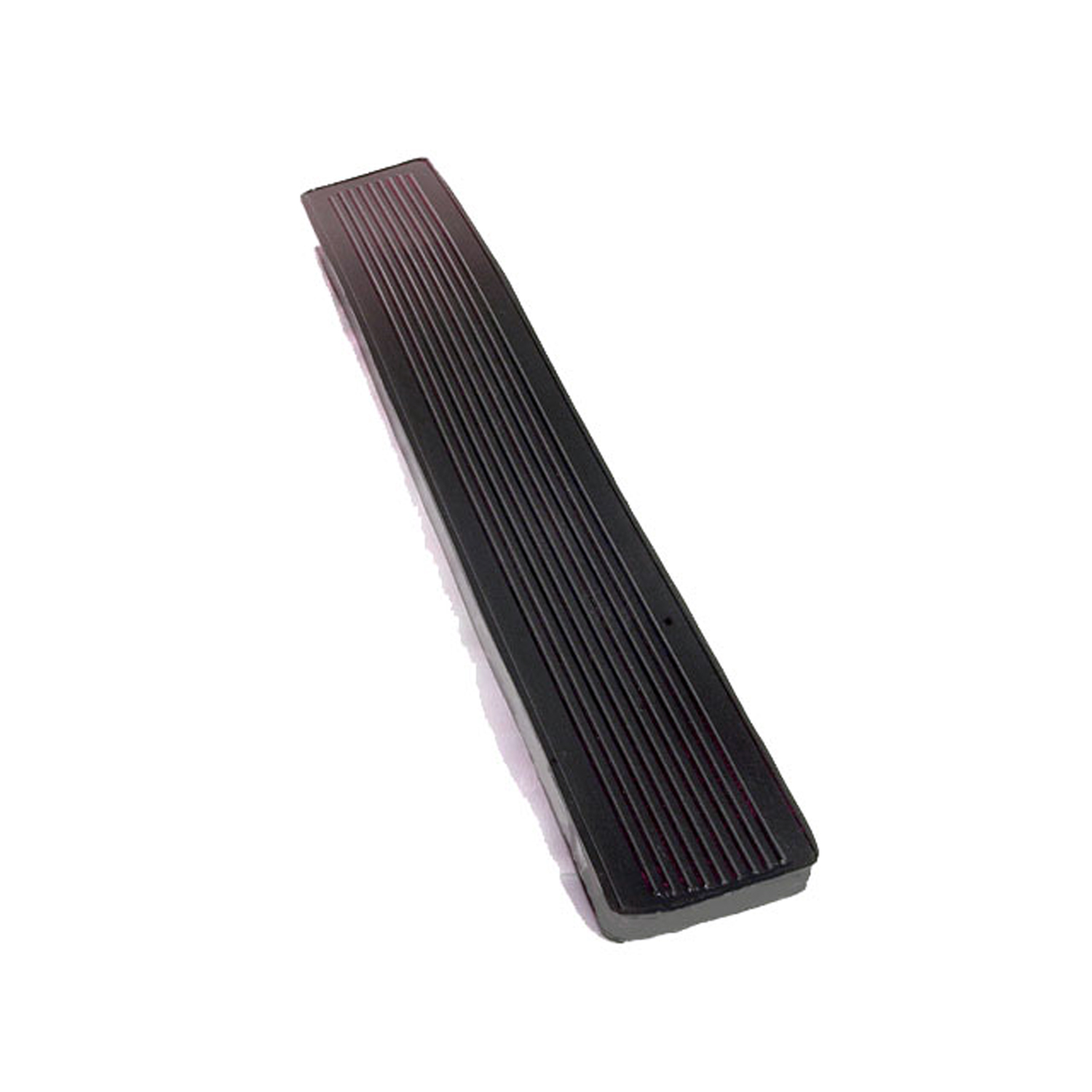 1930 Nash TWIN-IGNIITION Accelerator Pedal Pad, 1-1/2" X 9-3/4", Each-AP 21Accelerator Pedal Pad, 1-1/2" X 9-3/4", Each
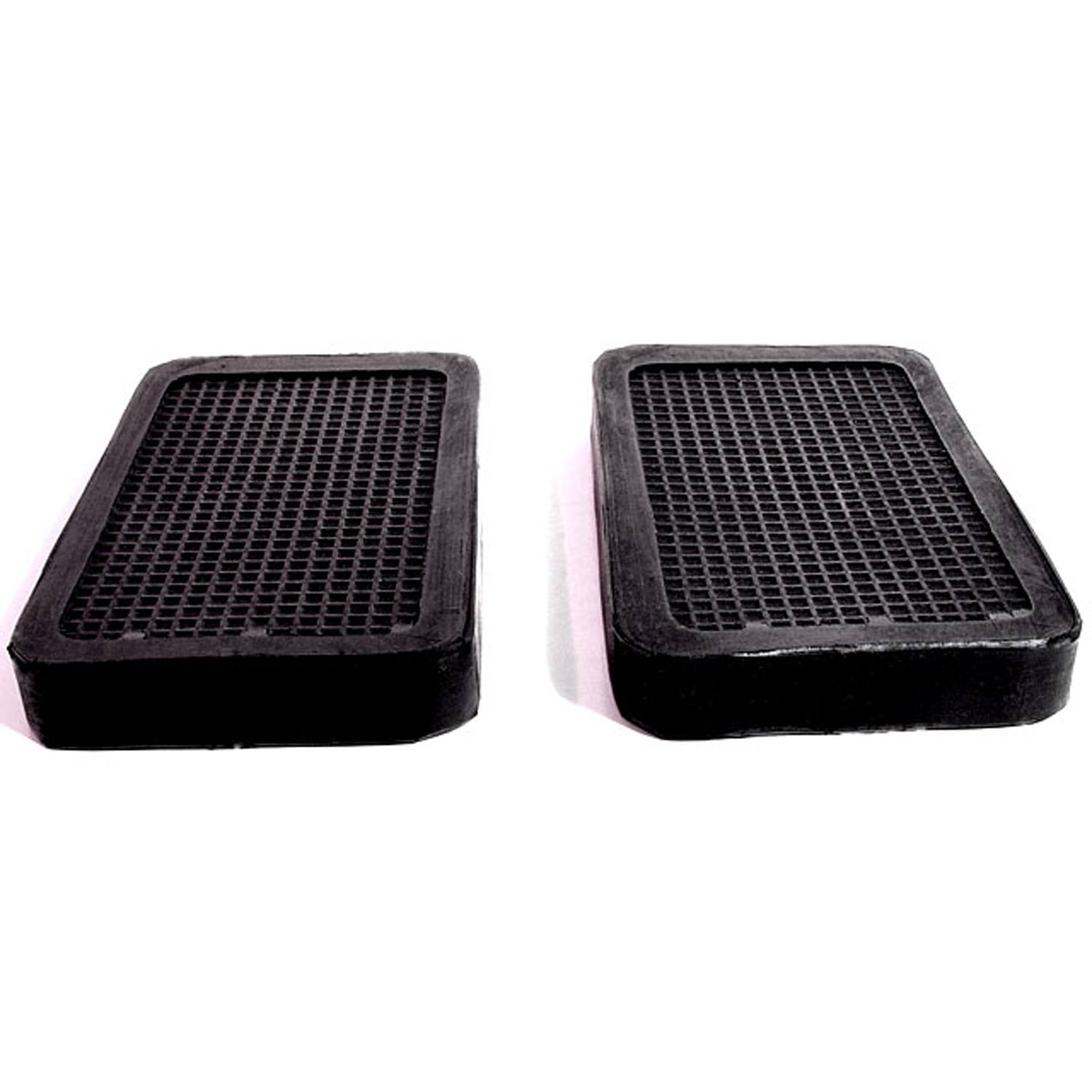 1930 Nash TWIN-IGNIITION Clutch and Brake Pedal Pads. 2-1/4" wide X 4" long. Pair-CB 20Clutch and Brake Pedal Pads. 2-1/4" wide X 4" long. Pair
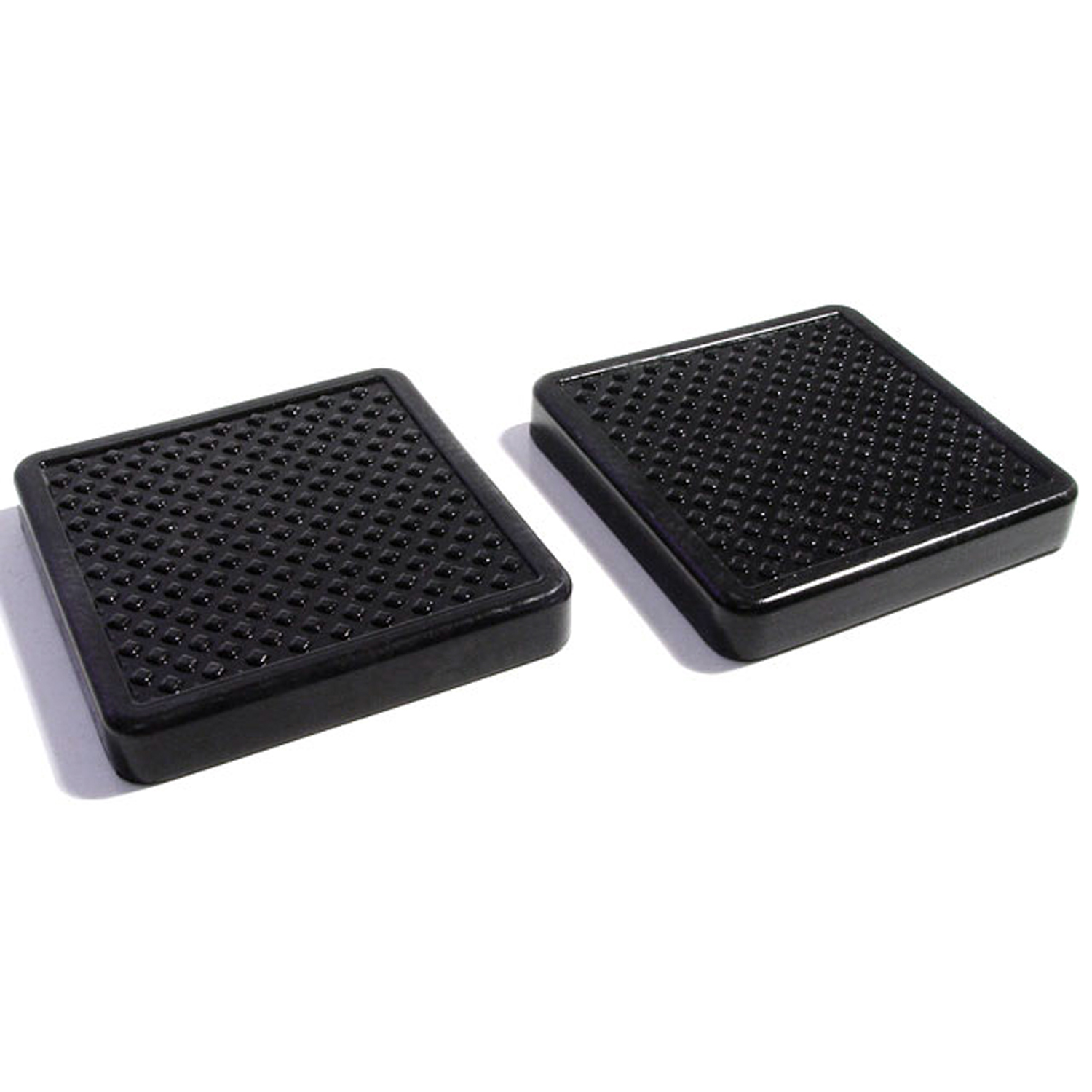 1930 Nash TWIN-IGNIITION Clutch and Brake Pedal Pads. 3" wide X 3" long. Pair-CB 47Clutch and Brake Pedal Pads. 3" wide X 3" long. Pair
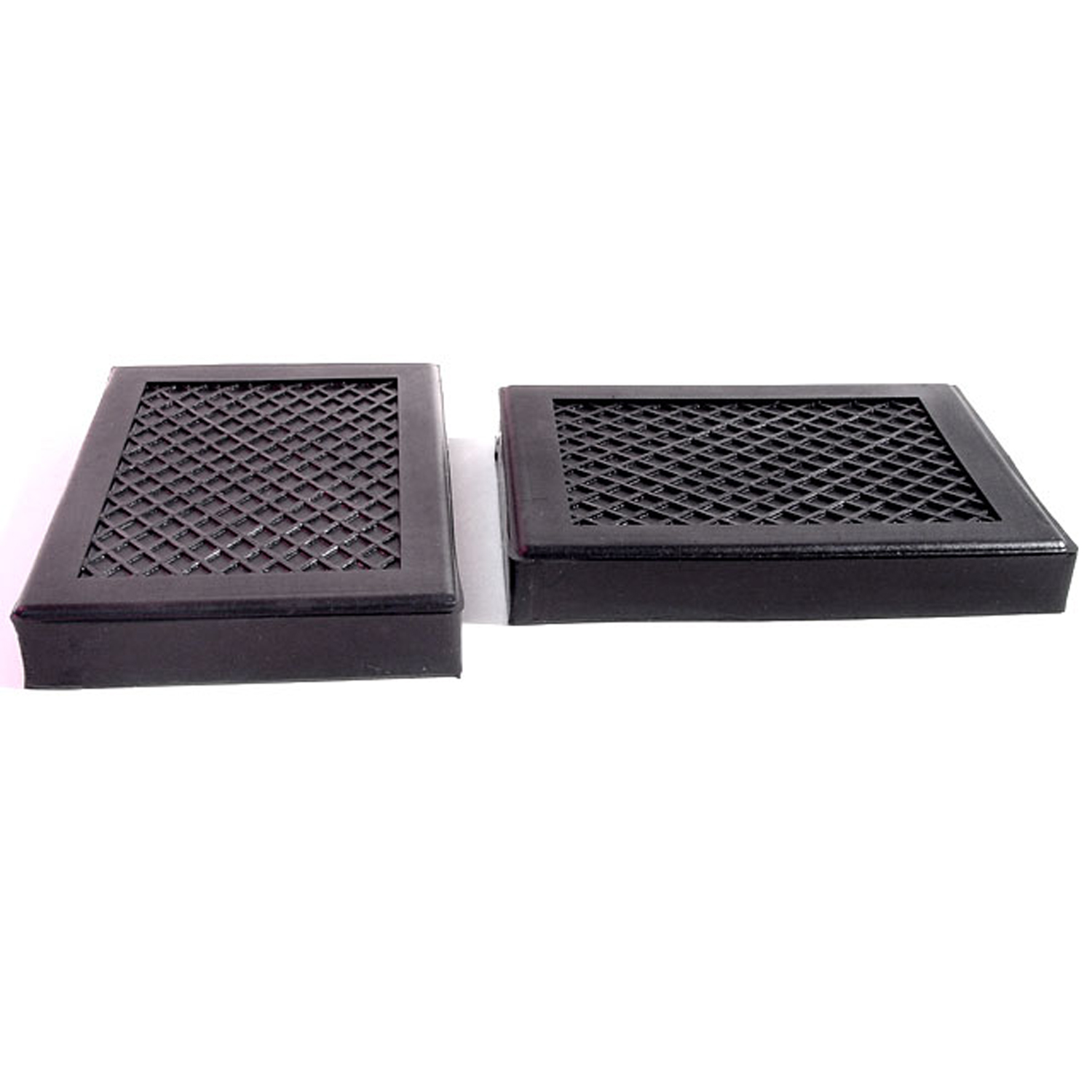 1930 Nash TWIN-IGNIITION Clutch and Brake Pedal Pads. 2-3/4" wide X 3-7/8" long-CB 48Clutch and Brake Pedal Pads. 2-3/4" wide X 3-7/8" long. Pair
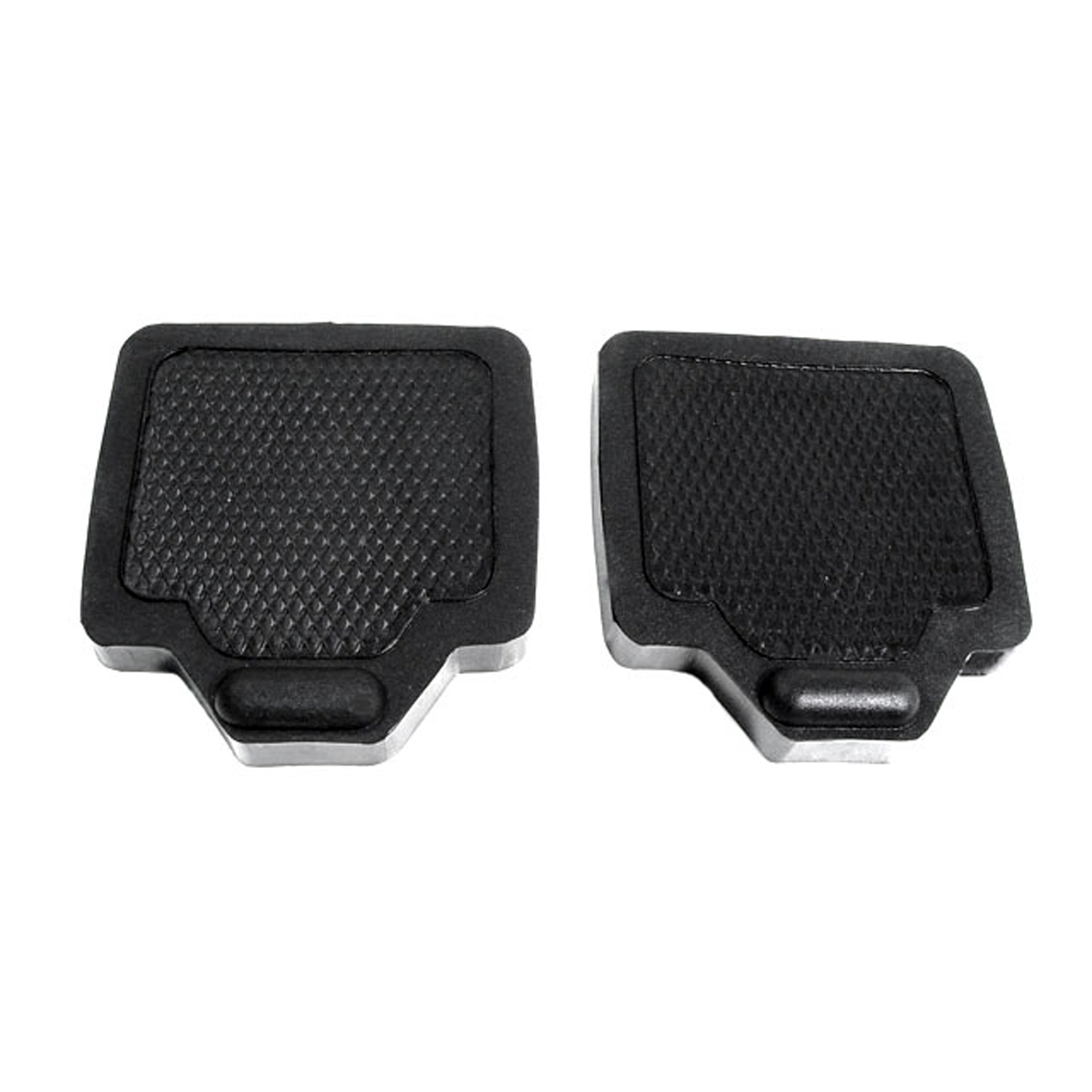 1930 Nash TWIN-IGNIITION Clutch and Brake Pedal Pads. 3-1/2" wide X 3-7/8" long-CB 55Clutch and Brake Pedal Pads. 3-1/2" wide X 3-7/8" long. Pair
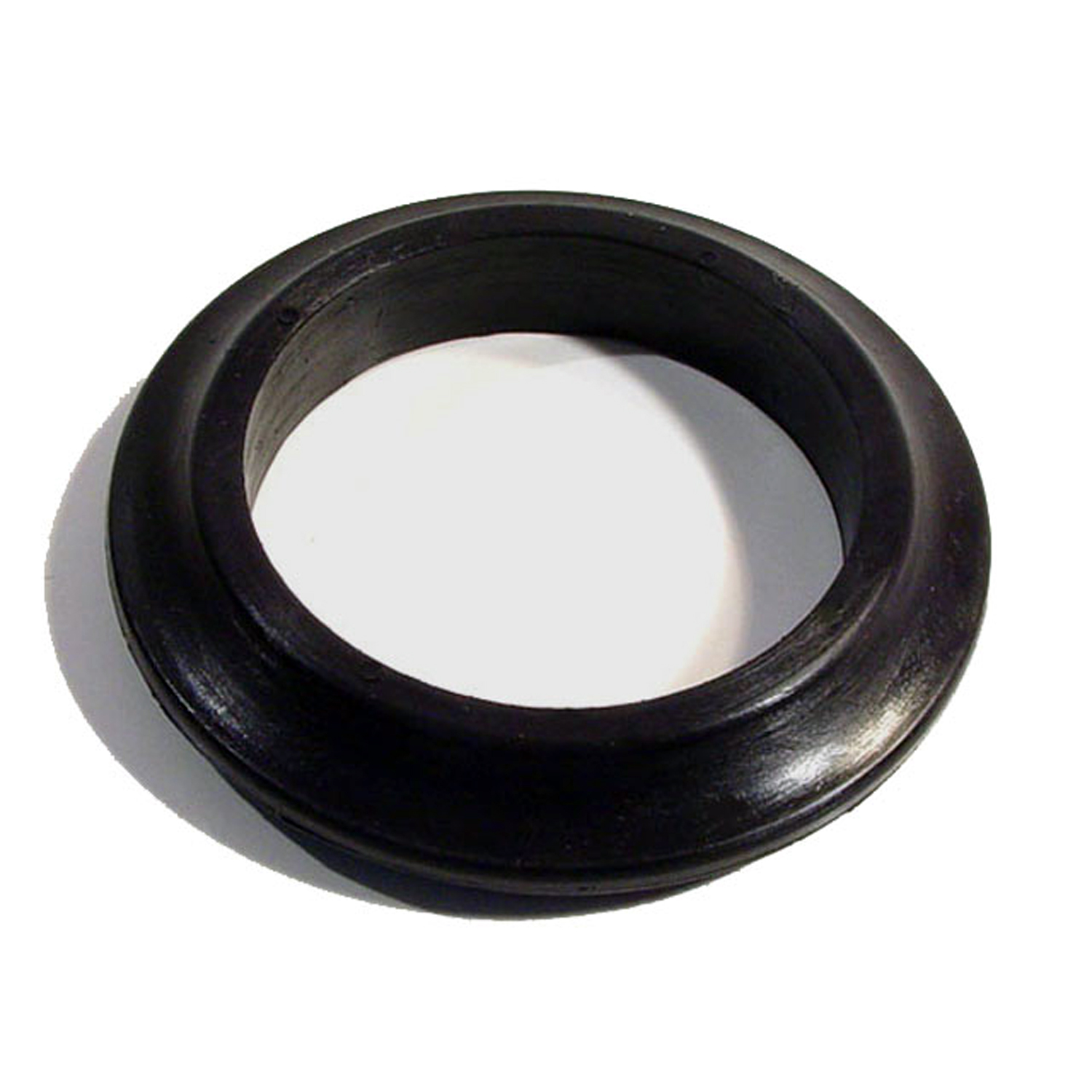 1930 Nash TWIN-IGNIITION Gas Filler Grommet. 2-1/4" I.D., 3-5/16" O.D. Each-GF 21Gas Filler Grommet. 2-1/4" I.D., 3-5/16" O.D. Each
 1930 Nash TWIN-IGNIITION Spark Plug Boot Fits 30-34 Nash Series Each-RP 1-NSpark Plug Boot Fits 30-34 Nash Series Each
Why Choose Metro?
For over 100 years, Metro Moulded Parts has been the pinnacle of quality in classic car restoration parts. Our commitment to precision and authenticity in every component ensures a perfect fit and an OEM-level appearance.
- Expert Craftsmanship & Quality: Each part is a testament to our dedication to reliability and perfection, crafted from original designs and thoroughly tested.
- Advanced Technology: We use cutting-edge techniques to create flawless, long-lasting parts that surpass others in performance.
- SuperSoft Sponge – The Ultimate Door Seal: Not only are our door seals 30% softer than competitors', but they're also guaranteed to never leak. They effectively reduce wind and road noise, enhancing your classic car's comfort and driving experience.
- Proudly American: Our parts are a product of American craftsmanship, made in the USA with a spirit of excellence and heritage.
- Unrivaled Warranty: We back our products with a 30-year industry-leading warranty, a testament to our confidence in their quality.
Join us in preserving the legacy of classic cars with parts that are crafted for perfection, not just made.