

Image of 1932 Nash Advanced, Note: These illustrations use artistic license and may differ from actual historical models.
Performance Metrics
Fundamental Metrics
Emotional Appeal
MMP Rating
| Engine Specifications | |
|---|---|
| Engine Options: | Inline-6 |
| Displacement Range: | 3.2L |
| Horsepower Range: | Estimated 65-85 HP |
| Torque: | Not available |
| Compression Ratio: | Not available |
| Ignition System: | Distributor and coil |
| Cooling System: | Water-cooled |
| Performance Specifications | |
| 0-60 Time: | Not available |
| 1/4 Mile Time: | Not available |
| Top Speed: | 70 mph |
| Transmission and Drive | |
| Drive Type: | Rear-wheel drive |
| Transmission Type: | 3-speed manual |
| Fuel and Efficiency | |
| Fuel System Type: | Carburetor |
| MPG: | Not available |
| Dimensions and Brakes | |
| Brakes: | Mechanical drum brakes |
| Wheelbase: | 121 inches |
| Weight: | Estimated 2,800 lbs |
Note: Specifications for classic cars are given to the best of our ability, considering the limited and variant data available.
1932 Nash Advanced: A Refined American Eight
The 1932 Nash Advanced brought substantial-car presence and thoughtful engineering to a year when the American auto industry was fighting through the Great Depression. Built by Nash Motors of Kenosha, Wisconsin, it belonged to a carefully tiered range that offered buyers a choice of six- and eight-cylinder cars, from practical family sedans to richly appointed touring models. The Advanced name signaled Nash’s more ambitious offerings, with the exact equipment and engine depending on the particular series and body style.
Nash had been founded by former General Motors president Charles W. Nash, and the company built a reputation for solid construction and mechanical ingenuity. In 1932, that reputation was especially visible in the marque’s twin-ignition engines, which used two spark plugs per cylinder. It was an unusual feature for a production car of the era, and a memorable talking point for an owner showing off the engine bay.
The timing was challenging. New-car sales were under pressure across the industry, yet Nash continued to invest in engineering and offer a broad selection of models. That blend of ambition and resilience is part of what makes the 1932 Advanced interesting today: it was not merely transportation, but a sophisticated product from a manufacturer determined to compete with the biggest names in American motoring.
Art Deco Lines and Comfortable Appointments
The 1932 Nash wears the unmistakable proportions of a full-size early-1930s automobile. Its tall, upright grille, long hood, sweeping fenders, and carefully shaped body give it a formal but lively look. Depending on the body, the silhouette could feel stately and chauffeur-ready or more sporting, with a close-coupled cabin and a long, tapering rear section. Fine trim details and bright metal accents helped distinguish the upper Nash models without overwhelming their clean overall shape.
Inside, the Advanced was designed for comfort as well as display. Buyers could expect broad seating, a spacious cabin, and substantial upholstery, with materials and trim varying by model and body. Higher-grade examples featured quality cloth or leather appointments, polished interior hardware, and a well-finished dashboard. It was a very different environment from a modern car: more upright, more open, and filled with the tactile details of switches, levers, and metal fittings.
Factory paint and trim choices varied by series and body style. Period Nash cars appeared in colors such as black, dark blue, green, and maroon, with contrasting accents or two-tone treatments available on some combinations. Dark, dignified colors were popular on formal sedans, while brighter combinations could emphasize the lines of an open car or coupe. On a surviving car, its original paint code and sales literature are the best guides to whether a color combination is factory-correct.
Nash offered a range of body styles across its 1932 lineup, including sedans, coupes, and open or semi-open touring bodies. Availability depended on the specific Advanced series. The sedan was the sensible, broadly appealing choice, while open-bodied models and elegant coupes are especially eye-catching today. Exact body names and production totals can differ between model series, so it is worth identifying the car by its body plate and engine specifications rather than relying on a generic “Advanced” label alone.
Twin Ignition and Nash Engineering
The Advanced’s standout technical feature was Nash’s twin-ignition system. Each cylinder had two spark plugs, supplied by a dual-ignition arrangement. The design aimed to improve combustion and smoothness, while also giving Nash a distinctive engineering identity. It was not the same as a modern electronic ignition system: the car still required periodic mechanical adjustment, and a correct restoration needs to account for both ignition circuits.
Engine specifications varied across the Nash range. Advanced Six models used an inline six, while Advanced Eight versions used a straight-eight engine. Many Advanced Eight references describe a large-displacement engine of roughly 322 cubic inches, with output commonly reported around 125 horsepower, but figures vary with the specific series and source. Buyers should confirm the engine, chassis, and model designation for an individual car rather than assume every 1932 Advanced shared the same specification.
That long, smooth eight-cylinder layout was a mark of prestige in the period. Straight eights were valued for their relaxed power delivery and refined character, and Nash paired the engine with a conventional manual transmission. The car’s engineering was advanced for its time, but it remained a thoroughly mechanical machine: the driver worked the clutch and gear lever, listened to the engine, and paid attention to the road.
Why the 1932 Nash Stood Apart
Nash’s significance lies less in a single revolutionary feature than in how it combined refinement, engineering, and a broad model range. The twin-ignition engine gave the company a recognizable technical signature, while its substantial chassis and well-appointed cabins helped it compete in the upper reaches of the American market. At a time when many buyers were postponing purchases, Nash continued to offer cars that felt carefully engineered rather than stripped down to the bare essentials.
The 1932 Advanced also represents an important chapter in the evolution of American styling. Its proportions bridge the upright, formal cars of the 1920s and the more streamlined designs that would become common later in the 1930s. It does not have the aerodynamic shape of a later Airflyte Nash, but its sculpted fenders and coordinated bodywork show how quickly automotive design was changing.
Its lasting influence is best understood as part of Nash’s wider reputation for innovation. The company would later become known for other engineering and design ideas, but the twin-ignition engines and high-quality construction of its early-1930s cars helped establish that identity. Against more common period Fords and Chevrolets, an Advanced Nash offered greater scale, more cylinders in its top models, and a more exclusive feel.
Road Manners and Period Performance
A 1932 Nash Advanced is a substantial car, and its performance depends on the engine and body fitted. For an Advanced Eight in sound mechanical condition, a reasonable period-style estimate is a top speed in the neighborhood of 75 to 85 mph. Acceleration from 0 to 60 mph is likely to take roughly 18 to 25 seconds, depending on gearing, vehicle weight, engine condition, and the accuracy of the particular specification. These are estimates, not modern instrumented test results, and a restored car’s actual performance can differ considerably.
On the road, the straight-eight’s appeal is its smooth, unhurried pull rather than sharp acceleration. The engine produces a low mechanical hum that builds into a more pronounced, even exhaust note as revs rise. The long wheelbase helps the Nash settle into a steady cruise, while its period suspension softens ordinary road imperfections. Large bumps still make themselves known, and the car’s height and weight call for measured inputs on a winding road.
Steering is slower and heavier than in a modern vehicle, particularly at low speed, and the driver must plan ahead when cornering or braking. Four-wheel brakes were part of the car’s period equipment, but stopping distances and pedal feel are not comparable to modern systems. On a windy road, the Nash rewards smooth steering and sensible speeds rather than aggressive cornering. Its natural habitat is a relaxed country drive, a parade, or a classic-car tour.
Living With a 1932 Nash
Today, most Advanced Nashes are used as show cars, touring cars, or treasured family heirlooms rather than daily transportation. A carefully maintained example can cover local roads and participate in club events, but regular highway use calls for close attention to cooling, tires, brakes, steering, and the condition of the engine and transmission.
Routine maintenance is straightforward in principle, but parts and specialist knowledge matter. The car uses familiar mechanical systems, yet the twin-ignition setup adds components that must be maintained and synchronized correctly. Owners should also expect regular checks of lubrication, ignition timing, fuel delivery, and the cooling system. Some repairs are manageable for an experienced home mechanic, but rare trim pieces, body panels, and model-specific engine parts can take time to source.
Reliability depends heavily on the quality of the restoration and how frequently the car is driven. A Nash that has been stored for years may need substantial recommissioning before it is safe to use. For touring, an owner should carry basic tools and know the car’s systems. A pre-purchase inspection by a mechanic familiar with prewar American cars is particularly valuable, especially for checking the engine, brakes, and structural condition.
Rare Details and Nash Trivia
The twin-ignition system is the feature most likely to start a conversation at a car show. It gives a Nash engine bay an unusual look and reflects the company’s willingness to make engineering a selling point. It also means a correct car has more ignition hardware to inspect and maintain than a conventional single-ignition engine.
There is no widely recognized speed or endurance record specifically associated with the 1932 Advanced, and it is best known for its engineering and quality rather than a famous competition victory. Nor is there a widely established celebrity ownership story that defines the model. Its appeal is more grounded: it is a distinctive product from an independent American automaker that continued to build ambitious cars during a difficult economic period.
Common criticisms are familiar to anyone who owns a prewar car. The Nash is large, its controls require more effort than modern drivers expect, and its performance is modest by present-day standards. Parts availability can be uneven, and the twin-ignition system can be intimidating to someone who has never worked on it. For enthusiasts, those drawbacks are part of the learning curve rather than a reason to dismiss the car.
Collector Values and Availability
Exact production figures for individual 1932 Nash Advanced series and body styles can be difficult to pin down, and surviving-car counts are not well established. As a cautious estimate, total production across the relevant Advanced variants may have reached several thousand cars, while any particular body style or high-specification configuration was far less common. A rare open model can be dramatically harder to find than a sedan.
As a broad 2026 collector-market estimate, a project or incomplete car might bring about $10,000 to $25,000, while a usable driver or older restoration could fall around $25,000 to $50,000. A very good, correctly restored sedan may reach roughly $50,000 to $80,000. Exceptional open-bodied or especially desirable examples can exceed that range, sometimes substantially, depending on originality, provenance, restoration quality, and buyer interest. These are working estimates, not a formal appraisal; condition and body style make an enormous difference.
Values for prewar classics generally favor complete, well-documented cars over ambitious projects. The best examples are likely to remain desirable because the Nash combines recognizable engineering with a less common badge than the major-volume marques. That said, the market is selective: restoration costs can outstrip resale value, and a car with missing trim or hard-to-find mechanical components may be worth much less than its finished counterpart. Over the long term, top-quality examples have the strongest chance of holding or gaining value, while rough cars can be difficult to sell.
A Distinctive Prewar Classic
The 1932 Nash Advanced blends imposing proportions, comfortable appointments, and the unusual character of Nash twin-ignition engineering. Its straight-eight versions deliver the smooth, stately performance expected of a premium American car of the period, while its six-cylinder siblings offered buyers a more accessible route into the Nash range. It is not a modern-speed machine, and it asks for patience, care, and mechanical sympathy.
For collectors, that is precisely the attraction. The Advanced captures a moment when an independent American maker was willing to compete through craftsmanship and engineering rather than sheer production volume. Nearly a century later, a well-preserved 1932 Nash still makes an impression, not by shouting for attention, but by showing how much character an expertly built automobile can carry.
1932 Nash Advanced Catalog of Parts
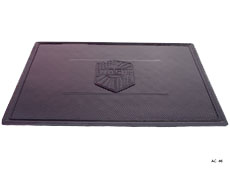 1932 Nash Advanced Accessory Floor Mat - 12"X17"-AC 46Accessory Floor Mat - made of high quality black rubber with molded original emblem. Also designed to be sewn into new carpets. 12"X17", Each
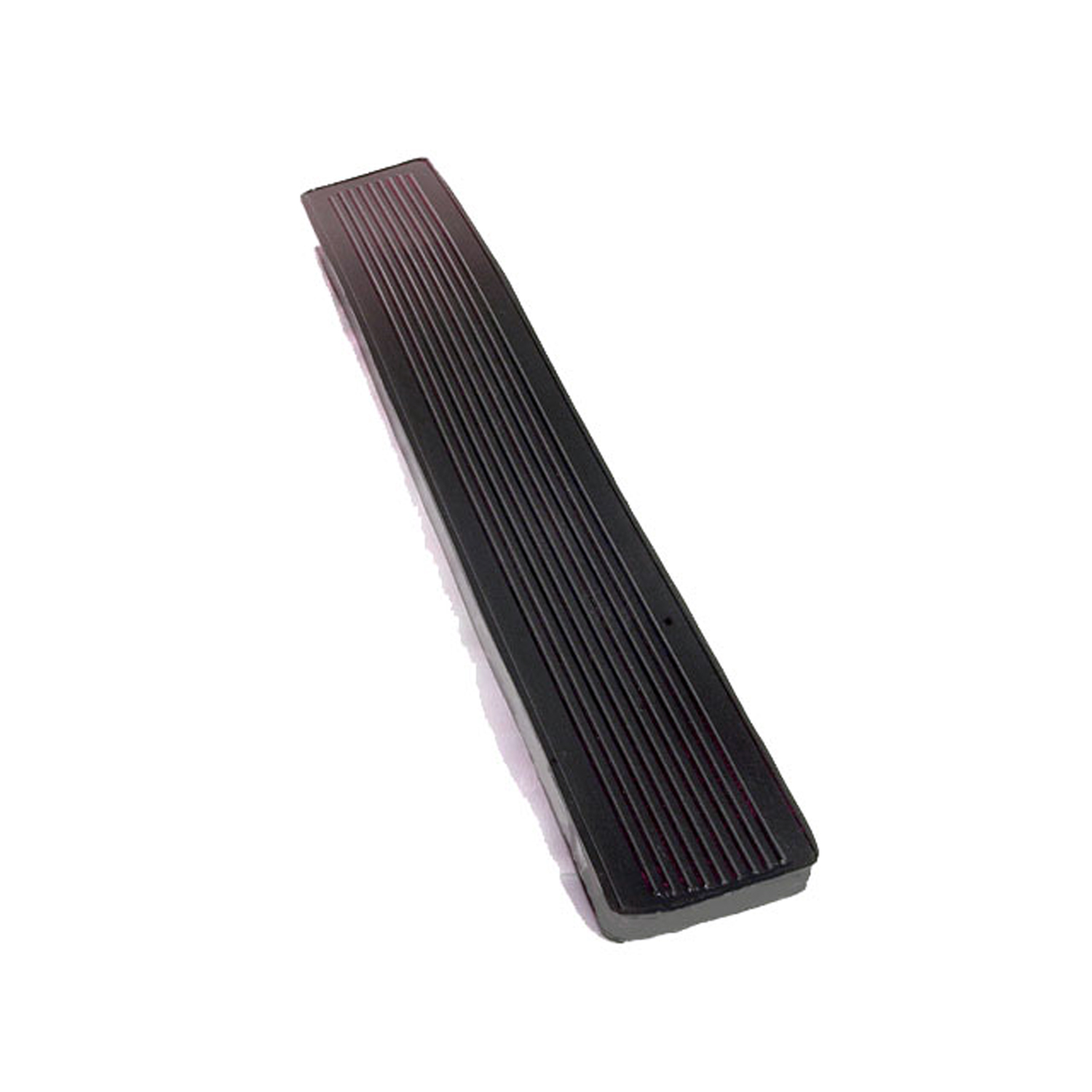 1932 Nash Advanced Accelerator Pedal Pad, 1-1/2" X 9-3/4", Each-AP 21Accelerator Pedal Pad, 1-1/2" X 9-3/4", Each
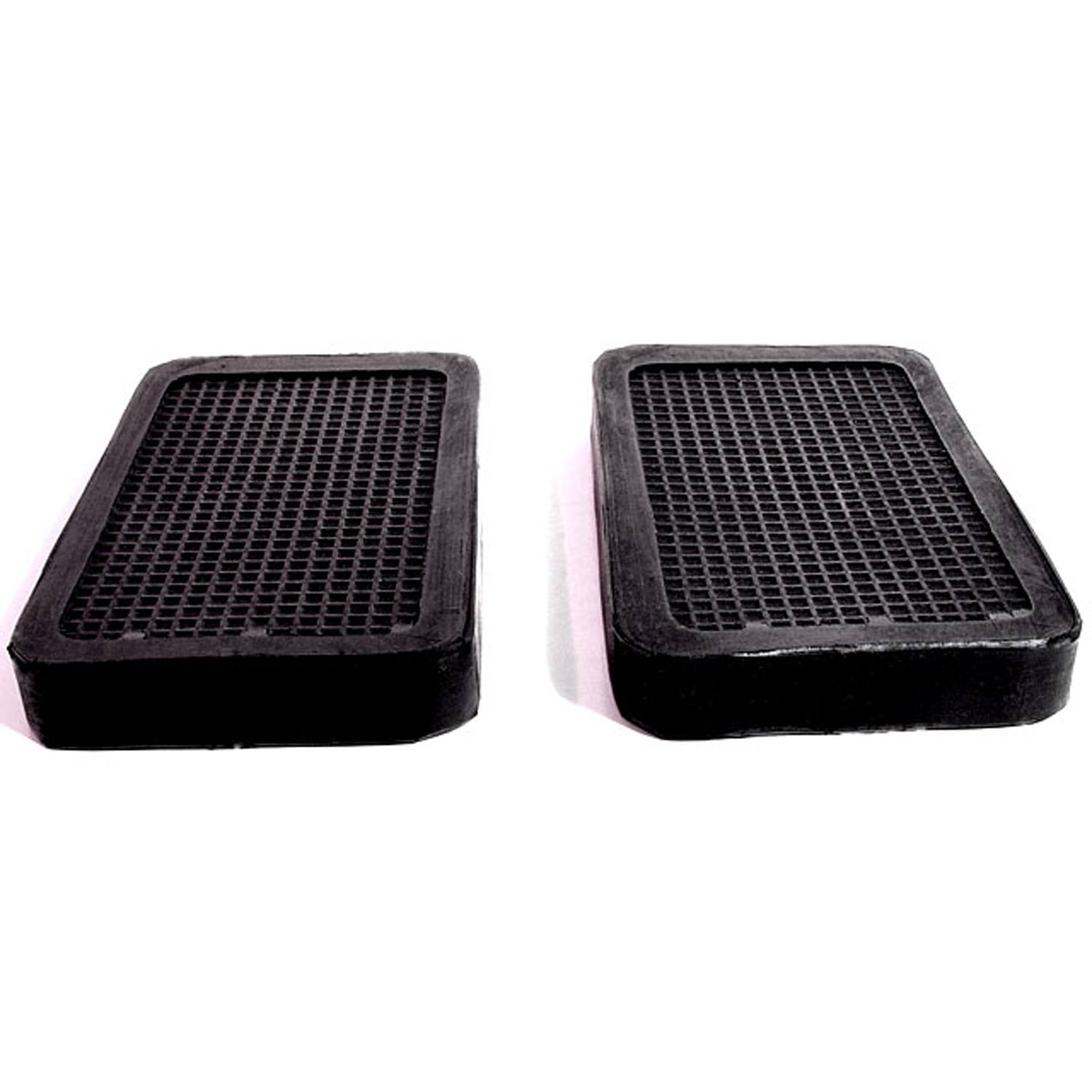 1932 Nash Advanced Clutch and Brake Pedal Pads. 2-1/4" wide X 4" long. Pair-CB 20Clutch and Brake Pedal Pads. 2-1/4" wide X 4" long. Pair
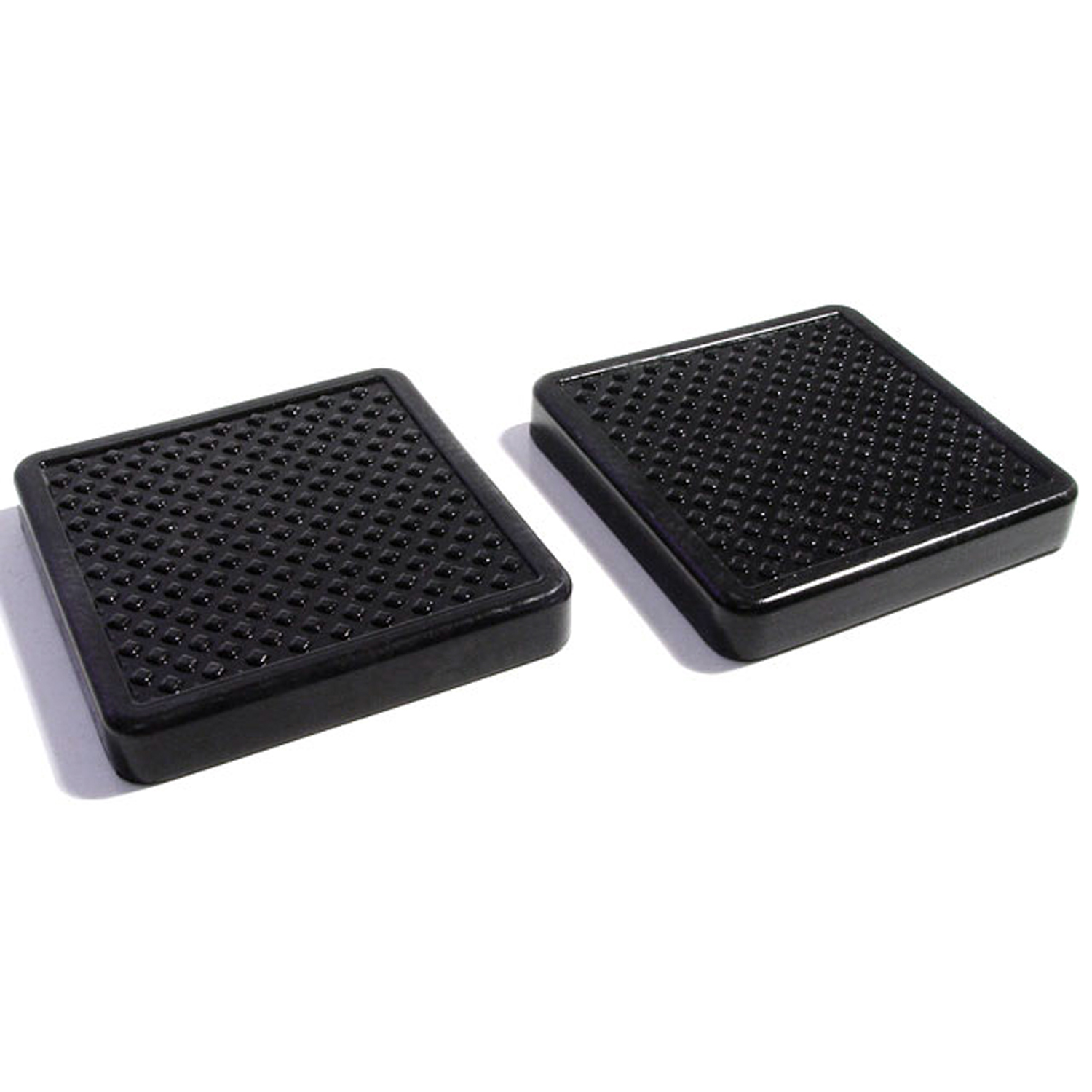 1932 Nash Advanced Clutch and Brake Pedal Pads. 3" wide X 3" long. Pair-CB 47Clutch and Brake Pedal Pads. 3" wide X 3" long. Pair
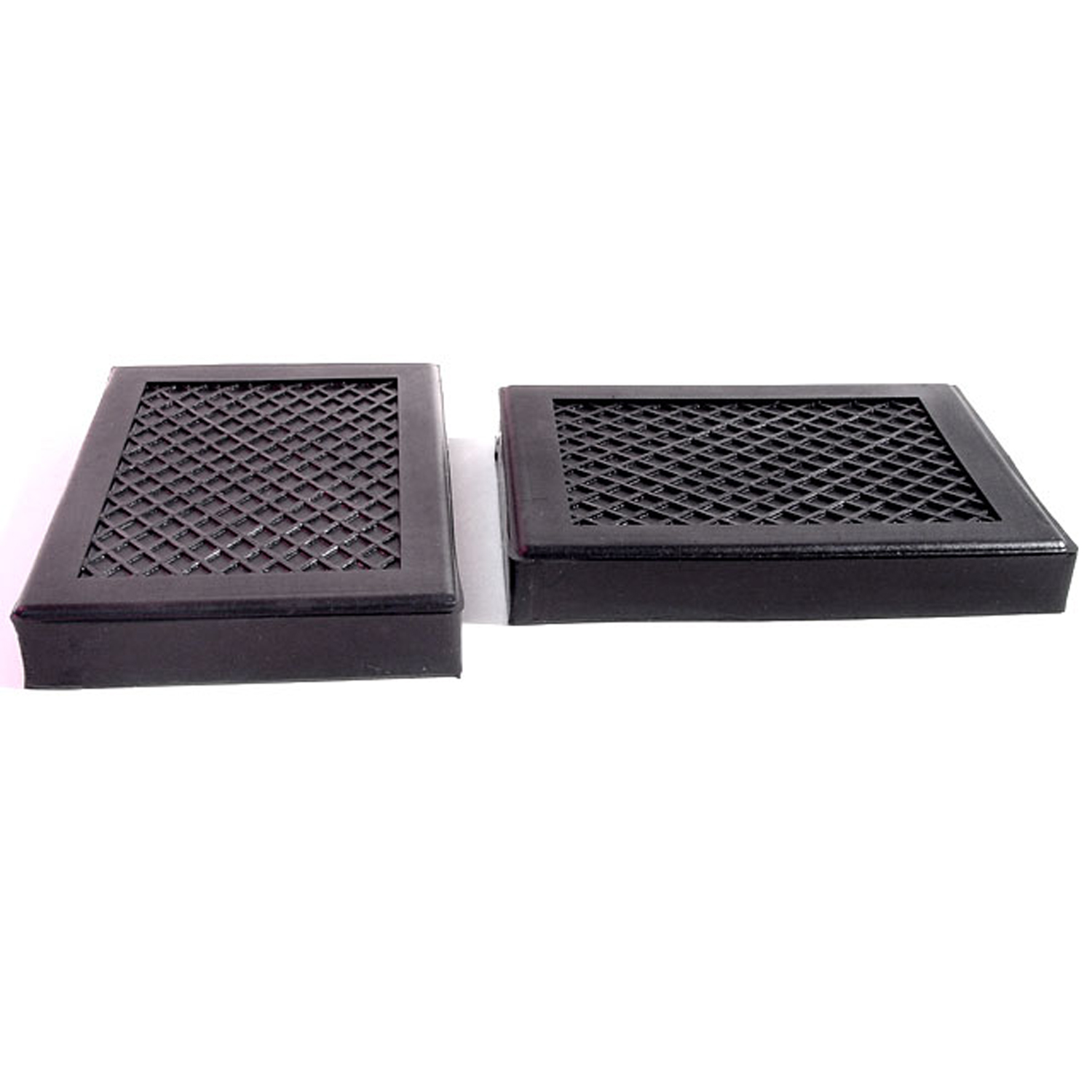 1932 Nash Advanced Clutch and Brake Pedal Pads. 2-3/4" wide X 3-7/8" long-CB 48Clutch and Brake Pedal Pads. 2-3/4" wide X 3-7/8" long. Pair
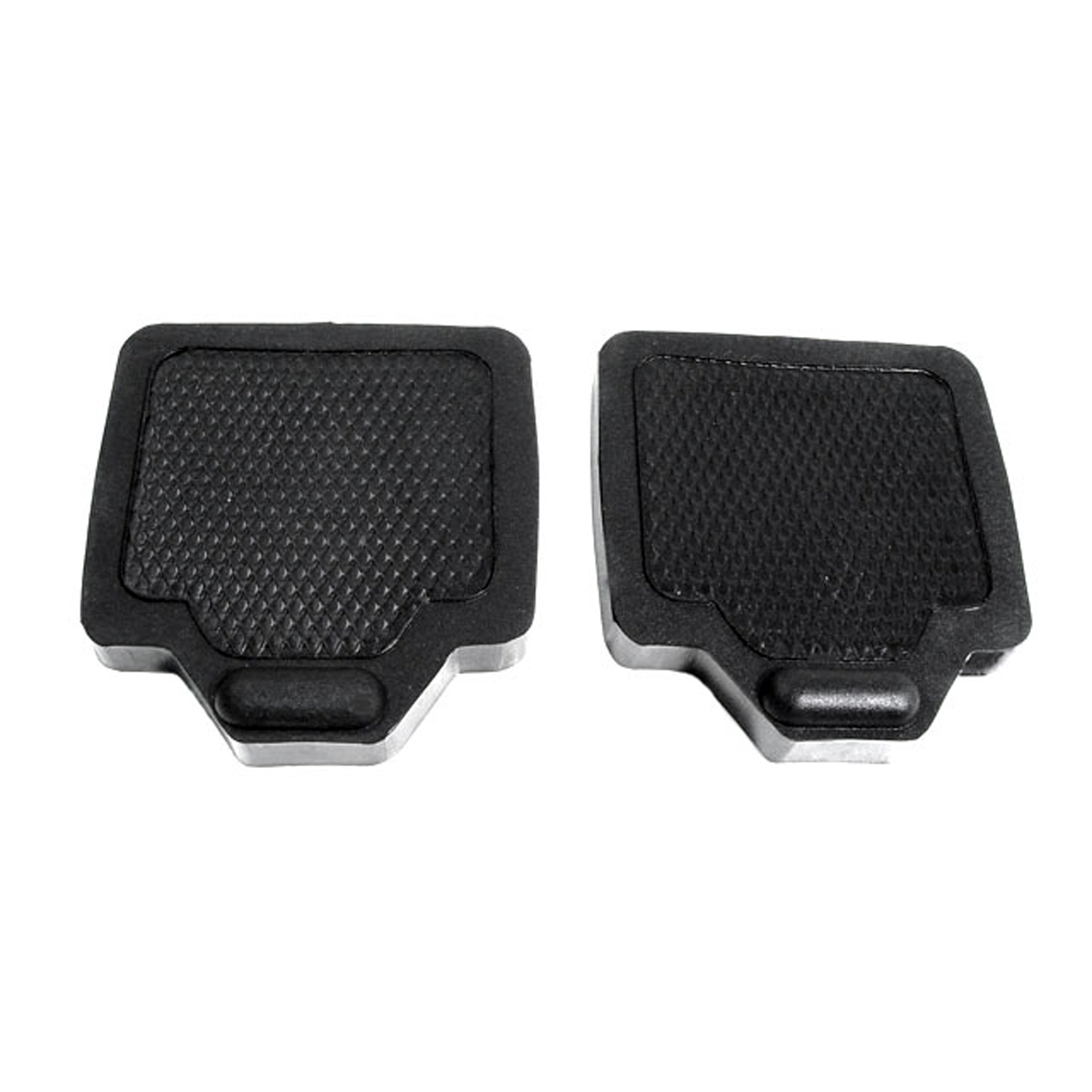 1932 Nash Advanced Clutch and Brake Pedal Pads. 3-1/2" wide X 3-7/8" long-CB 55Clutch and Brake Pedal Pads. 3-1/2" wide X 3-7/8" long. Pair
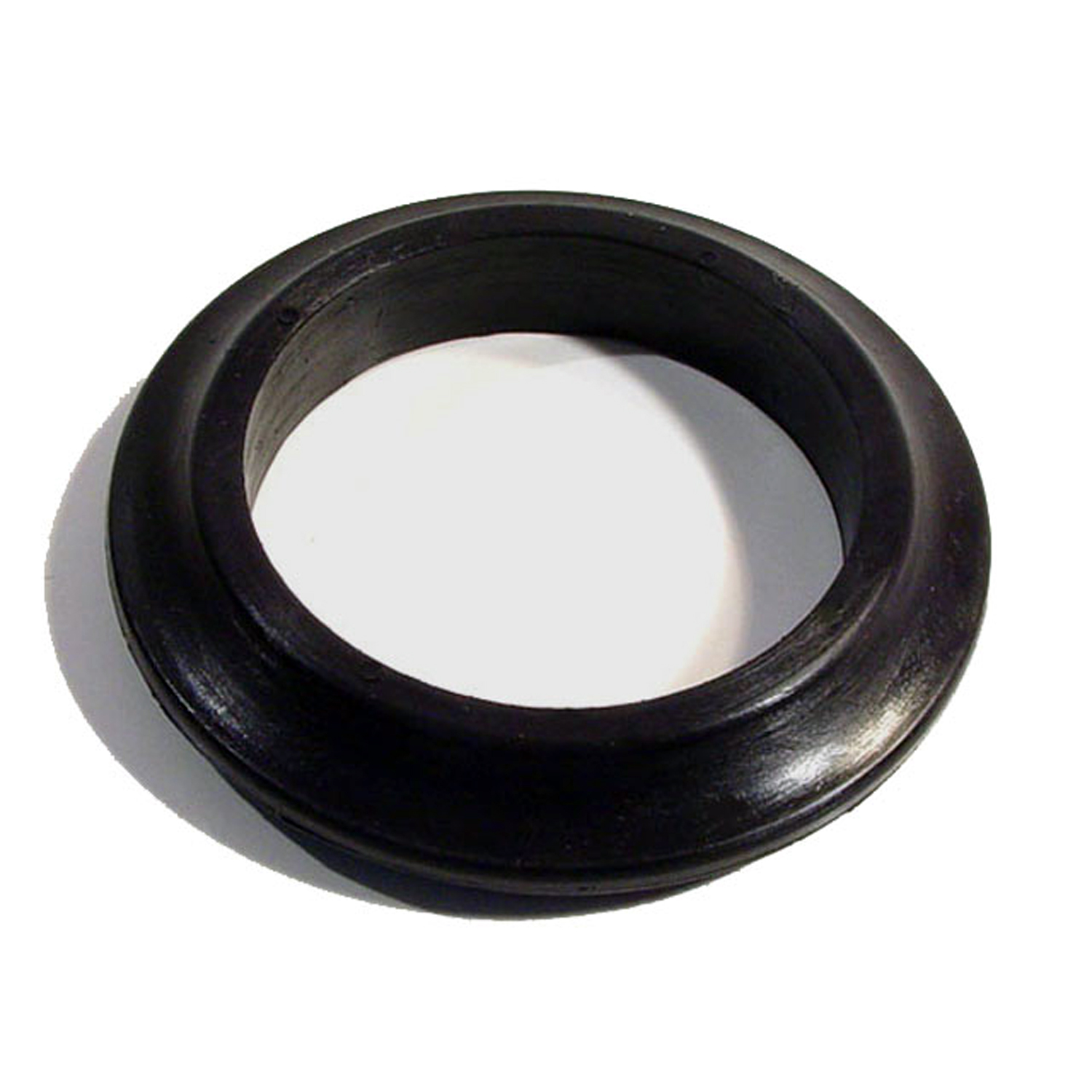 1932 Nash Advanced Gas Filler Grommet. 2-1/4" I.D., 3-5/16" O.D. Each-GF 21Gas Filler Grommet. 2-1/4" I.D., 3-5/16" O.D. Each
 1932 Nash Advanced Park Light Pads. 4" wide X 8-3/4" long. Pair-MP 1102Park Light Pads. 4" wide X 8-3/4" long. Pair
 1932 Nash Advanced Tail-light Pads. 2-7/8" wide X 5" long. Pair-MP 1103Tail-light Pads. 2-7/8" wide X 5" long. Pair
 1932 Nash Advanced Headlight Bar Pads. 2" wide X 3-1/2" long. Pair-MP 1103-AHeadlight Bar Pads. 2" wide X 3-1/2" long. Pair
 1932 Nash Advanced Headlight Bar Pads. 1-5/8" wide X 3-5/8" long. Pair-MP 1108Headlight Bar Pads. 1-5/8" wide X 3-5/8" long. Pair
 1932 Nash Advanced Headlight Bar Pads. 2-1/8" wide X 4-1/2" long. Pair-MP 1109Headlight Bar Pads. 2-1/8" wide X 4-1/2" long. Pair
 1932 Nash Advanced Spark Plug Boot Fits 30-34 Nash Series Each-RP 1-NSpark Plug Boot Fits 30-34 Nash Series Each
Why Choose Metro?
For over 100 years, Metro Moulded Parts has been the pinnacle of quality in classic car restoration parts. Our commitment to precision and authenticity in every component ensures a perfect fit and an OEM-level appearance.
- Expert Craftsmanship & Quality: Each part is a testament to our dedication to reliability and perfection, crafted from original designs and thoroughly tested.
- Advanced Technology: We use cutting-edge techniques to create flawless, long-lasting parts that surpass others in performance.
- SuperSoft Sponge – The Ultimate Door Seal: Not only are our door seals 30% softer than competitors', but they're also guaranteed to never leak. They effectively reduce wind and road noise, enhancing your classic car's comfort and driving experience.
- Proudly American: Our parts are a product of American craftsmanship, made in the USA with a spirit of excellence and heritage.
- Unrivaled Warranty: We back our products with a 30-year industry-leading warranty, a testament to our confidence in their quality.
Join us in preserving the legacy of classic cars with parts that are crafted for perfection, not just made.