

Image of 1932 Nash Ambassador, Note: These illustrations use artistic license and may differ from actual historical models.
Performance Metrics
Fundamental Metrics
Emotional Appeal
MMP Rating
| Engine Specifications | |
|---|---|
| Engine Options: | Straight-8 |
| Displacement Range: | 322 cu in (5.3 L) |
| Horsepower Range: | Estimated 125 hp |
| Torque: | Not available |
| Compression Ratio: | Not available |
| Ignition System: | Distributor and coil |
| Cooling System: | Water-cooled |
| Performance Specifications | |
| 0-60 Time: | Not available |
| 1/4 Mile Time: | Not available |
| Top Speed: | Estimated 85 mph |
| Transmission and Drive | |
| Drive Type: | Rear-wheel drive |
| Transmission Type: | 3-speed manual |
| Fuel and Efficiency | |
| Fuel System Type: | Carburetor |
| MPG: | Not available |
| Dimensions and Brakes | |
| Brakes: | Mechanical drum brakes |
| Wheelbase: | 133 in (3,378 mm) |
| Weight: | Estimated 3,400 lbs |
Note: Specifications for classic cars are given to the best of our ability, considering the limited and variant data available.
1932 Nash Ambassador: A Luxury Eight for the Depression Era
The 1932 Nash Ambassador brought the smoothness and stature of a large straight-eight touring car to a decade when even prosperous motorists were thinking carefully about every dollar. Built by Nash Motors of Kenosha, Wisconsin, it combined substantial size, carefully finished coachwork, and an unusual twin-ignition engine. Its message was clear: a car could be advanced and refined without carrying the badge of one of Detroit’s biggest manufacturers.
Nash Motors had been founded in 1916 by Charles W. Nash, a former president of General Motors, and earned a reputation for thoughtful engineering and solid construction. The Ambassador sat near the top of the company’s range. Its 1932 model-year arrival came in the depths of the Great Depression, making it both a showcase for Nash engineering and a bold proposition for buyers with money to spend.
One feature that still makes the Ambassador especially interesting is its Twin Ignition straight-eight. Two spark plugs per cylinder helped the large engine burn its mixture efficiently. That meant 16 spark plugs working in one engine, a memorable bit of mechanical theater under the hood.
Classic Nash Styling and Cabin Craft
The 1932 Ambassador wore the formal proportions expected of a premium American automobile. A tall, upright grille anchored the front end, while a long hood, sweeping fenders, and running boards gave the car a strong, uninterrupted profile. The fenders framed the wheels like separate sculpted forms, and the hood’s rows of louvers added visual texture while helping ventilate the engine compartment. Depending on body style and equipment, wire wheels and a rear-mounted spare could complete the period-correct touring look.
Inside, the Ambassador offered a broad cabin with room for passengers to stretch out. Closed models were typically trimmed in durable, high-quality cloth, while open or more sporting body styles could use leather upholstery. Woodgrain-finished details, a large steering wheel, and a clear arrangement of gauges gave the dashboard an appropriately formal character. Exact upholstery, fittings, and trim varied with the body and options, so surviving cars can differ considerably.
Paint choices reflected the taste of the early 1930s. Buyers could encounter restrained shades such as black, dark blue, green, and maroon, with some combinations using contrasting colors or trim. A dark, rich finish suited the Ambassador’s dignified proportions, while two-tone treatments could draw attention to the fenders and body lines. Available colors varied by body and production details, so a factory-correct restoration should be guided by period documentation where possible.
The Ambassador was offered in several body configurations across the range, including sedan and coupe forms, with more open or convertible-style choices available in the period’s Nash catalogues. The four-door sedan is the most recognizable and practical expression of the model: it makes the best use of the long wheelbase and gives the car the presence many people associate with a 1930s luxury automobile. Exact body names and availability could vary by series and market.
What Made the Ambassador Different
The Ambassador’s significance lies less in a single revolutionary feature than in the way Nash brought advanced engineering together in a complete, carefully equipped car. The eight-cylinder engine, twin-plug ignition, substantial chassis, and roomy bodies placed it in the company of serious luxury automobiles. Nash was a smaller manufacturer than the industry giants, yet it was willing to develop distinctive technical solutions rather than simply follow the mainstream.
The twin-ignition system was a genuine point of difference. A second spark plug in each cylinder could promote more complete combustion, while the arrangement also gave the engine a distinctive identity. It was not a magic shortcut to modern performance, but it demonstrated Nash’s willingness to invest in engineering that buyers could understand and talk about.
The Ambassador also captures a particular moment in automotive history. As the Depression squeezed sales, manufacturers had to persuade buyers that a premium car offered something meaningful beyond size and decoration. Nash answered with mechanical sophistication, substantial comfort, and a strong sense of craftsmanship. The model helped reinforce the company’s image as an independent automaker with ideas of its own.
Eight-Cylinder Performance and Road Manners
The 1932 Ambassador Eight used a 322.5-cubic-inch, or approximately 5.3-liter, inline-eight rated at about 100 horsepower. Power went through a three-speed manual transmission. Period cars were heavy compared with modern vehicles, so the engine’s value was its smooth, flexible delivery rather than startling acceleration. The long straight-eight could pull steadily at touring speeds and made the Ambassador feel composed when covering distance.
Precise performance figures vary with body style, gearing, mechanical condition, and the quality of the available test data. A reasonable period-car estimate is a top speed in the neighborhood of 75 to 80 mph, with 0-to-60-mph acceleration likely taking roughly 20 to 25 seconds. Those figures are estimates, not promises for an individual surviving car. Today, the condition of the engine, brakes, tires, and drivetrain matters far more than a number in a specification table.
On the road, the Ambassador’s long wheelbase and substantial weight help it settle into a relaxed cruise. Its period chassis and suspension are less effective at absorbing sharp bumps than a modern car, but the car feels most at home on open roads, where it can glide along without being hurried. On a winding route, the driver should plan ahead: steering is slower, the body leans more than a modern sedan, and narrow tires do not provide contemporary grip.
The driving experience is part of the appeal. The straight-eight produces a smooth, measured mechanical note, with the engine’s rhythm becoming more prominent as revs rise. The large steering wheel gives the driver leverage, the manual gearbox asks for deliberate shifts, and the brakes require more anticipation than modern power-assisted systems. It is a car to drive with attention and patience, not one to hustle through traffic.
Living With a 1932 Nash
Today, an Ambassador is best suited to touring, club events, museum displays, and classic-car shows. A carefully sorted example can make enjoyable local trips, but regular commuting is rarely practical. Its size, fuel use, vintage braking, and the need to protect an increasingly rare car all encourage owners to choose their drives thoughtfully.
Maintenance is manageable for an experienced vintage-car owner, but the Ambassador is not as easy to support as a common postwar classic. Routine work includes careful attention to ignition timing, carburetion, cooling, lubrication, and the condition of the brakes and tires. The twin-ignition setup adds components compared with a single-plug engine, and correct parts or specialist knowledge may take time to find. Mechanical repairs are generally understandable to a competent classic-car shop, but restoration work can become expensive if body, trim, or engine-specific parts are missing.
Reliability depends heavily on how the car has been maintained. A sound, regularly exercised example can be dependable for appropriate touring, while a long-stored car may need fuel-system, electrical, cooling, and brake work before it should be driven far. As with any prewar automobile, a thorough inspection and a careful shakedown are more useful than assuming that a fresh coat of paint means the car is road-ready.
1932 Nash Ambassador Facts and Myths
The Twin Ignition eight is the Ambassador’s most memorable technical talking point: two plugs for each of its eight cylinders. That feature is easy to spot in discussions of the car, but it should not be confused with a modern high-performance ignition system. It was an engineering choice intended to support efficient combustion in a large engine of its era.
The 1932 Ambassador is not chiefly remembered as a race car, and there is no widely recognized speed or endurance record that defines the model. Its historical role is that of a sophisticated American road car produced during a period of economic hardship. It also offers a useful reminder that respected engineering and commercial success were not the same thing in the Depression years: even a well-made premium car faced a shrinking pool of customers.
Common criticisms are familiar to anyone considering a prewar automobile. The car is large, thirsty by modern standards, slower to stop and maneuver than a contemporary vehicle, and dependent on parts that may be difficult to source. Its impressive size can also make storage and transport more complicated. Those drawbacks are real, but they are part of the ownership equation rather than defects unique to Nash.
Collector Value and Availability
Production figures for individual 1932 Ambassador body styles are not consistently reported in readily available references. A reasonable working estimate is that Nash built roughly 4,000 to 7,000 Ambassador Eights for the model year, with the actual total depending on how series and body variations are counted. That is an estimate rather than a confirmed factory figure. The number of surviving cars is much smaller, and complete, well-documented examples are not easy to find.
As a broad 2026-market estimate, a project car might fall around $8,000 to $20,000, depending on completeness and rust. A usable driver or older restoration could land in the $20,000 to $45,000 range. A high-quality, correctly restored example may bring approximately $45,000 to $80,000 or more, with especially desirable body styles, exceptional condition, and strong provenance potentially changing the result. These are general ranges, not a formal appraisal; actual sale prices depend greatly on the car and the venue.
Values for distinctive prewar cars have generally found support among collectors who prize rarity, craftsmanship, and engineering character, but the market is narrower than it is for more familiar mass-produced classics. The Ambassador is likely to attract steady interest rather than the broad, fast-moving demand enjoyed by certain postwar icons. Condition, originality, restoration quality, and the availability of specialist parts will have a major influence on its price.
Why the 1932 Nash Ambassador Still Matters
The 1932 Nash Ambassador combined imposing prewar styling, a spacious and carefully finished cabin, and a distinctive 100-horsepower twin-ignition straight-eight. It was built by an independent automaker willing to give its flagship car a strong engineering identity, even as the Depression made premium automobiles harder to sell. Its performance is measured by modern standards, but its smooth engine, long-distance character, and unusual mechanical details remain compelling.
For collectors, the Ambassador offers something more individual than a familiar mass-market classic: a substantial American luxury car with a story rooted in Nash’s independent spirit. It is a reminder that automotive history was shaped not only by the biggest names, but also by determined makers who dared to build their own kind of flagship.
1932 Nash Ambassador Catalog of Parts
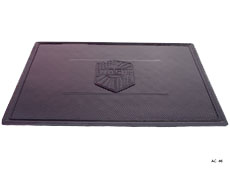 1932 Nash Ambassador Accessory Floor Mat - 12"X17"-AC 46Accessory Floor Mat - made of high quality black rubber with molded original emblem. Also designed to be sewn into new carpets. 12"X17", Each
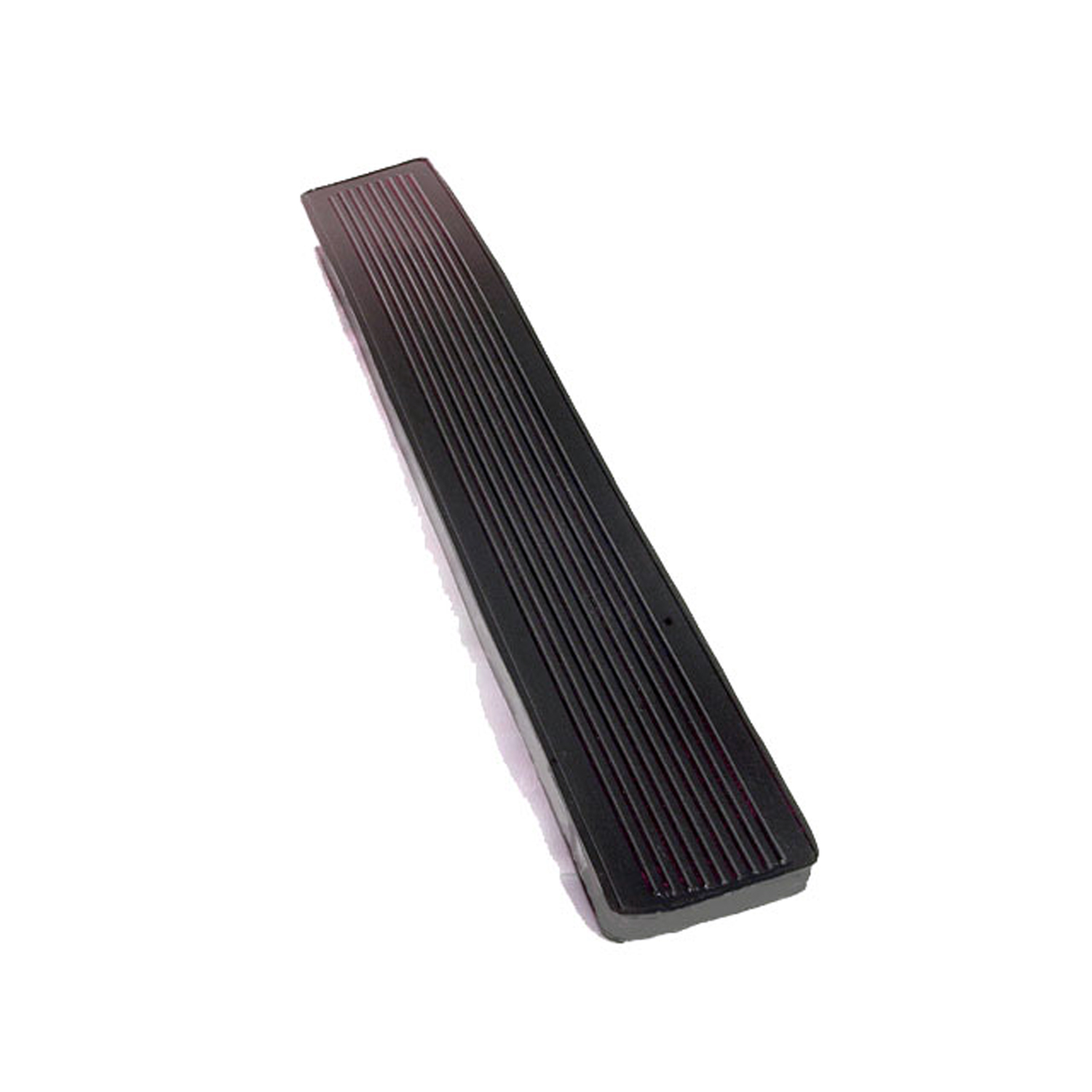 1932 Nash Ambassador Accelerator Pedal Pad, 1-1/2" X 9-3/4", Each-AP 21Accelerator Pedal Pad, 1-1/2" X 9-3/4", Each
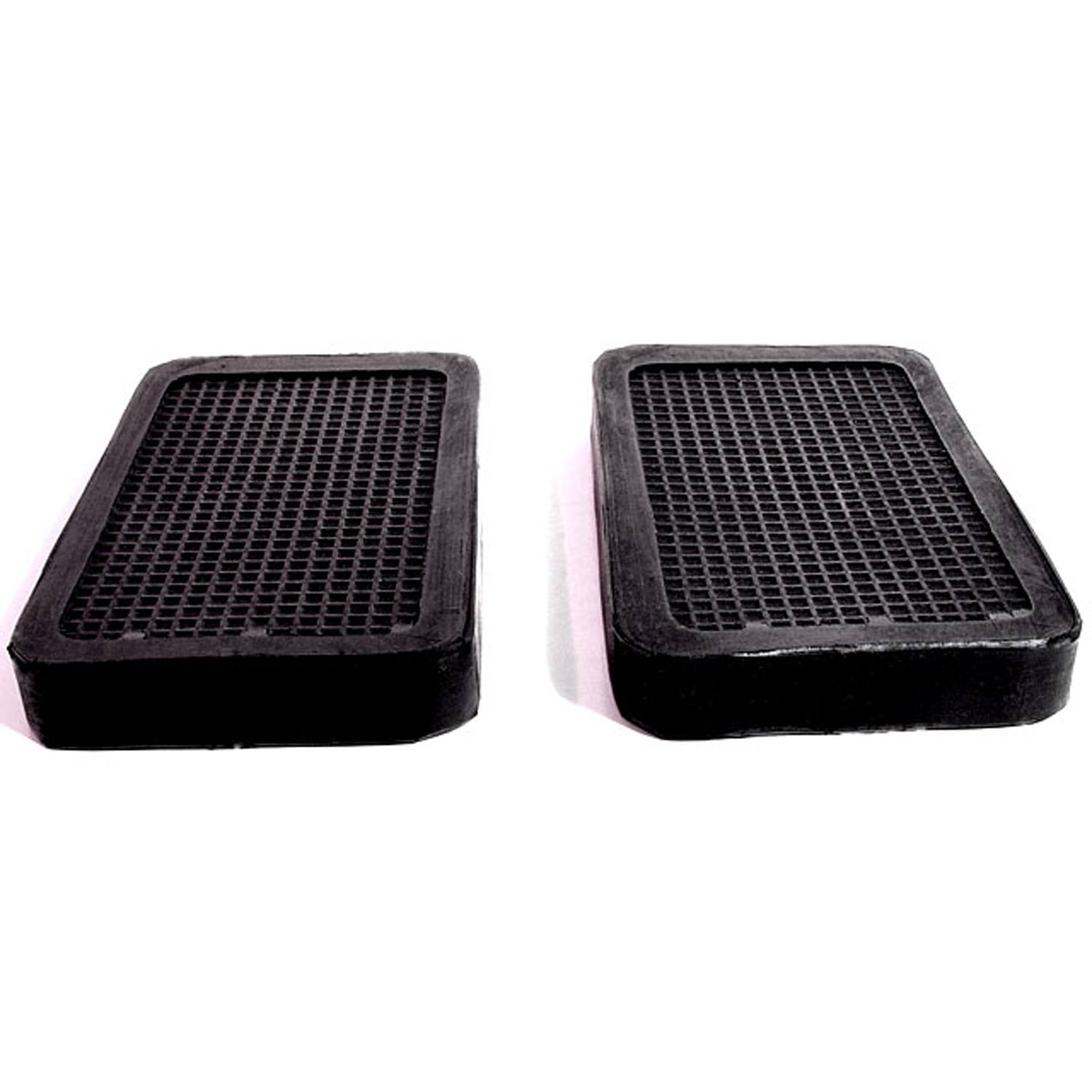 1932 Nash Ambassador Clutch and Brake Pedal Pads. 2-1/4" wide X 4" long. Pair-CB 20Clutch and Brake Pedal Pads. 2-1/4" wide X 4" long. Pair
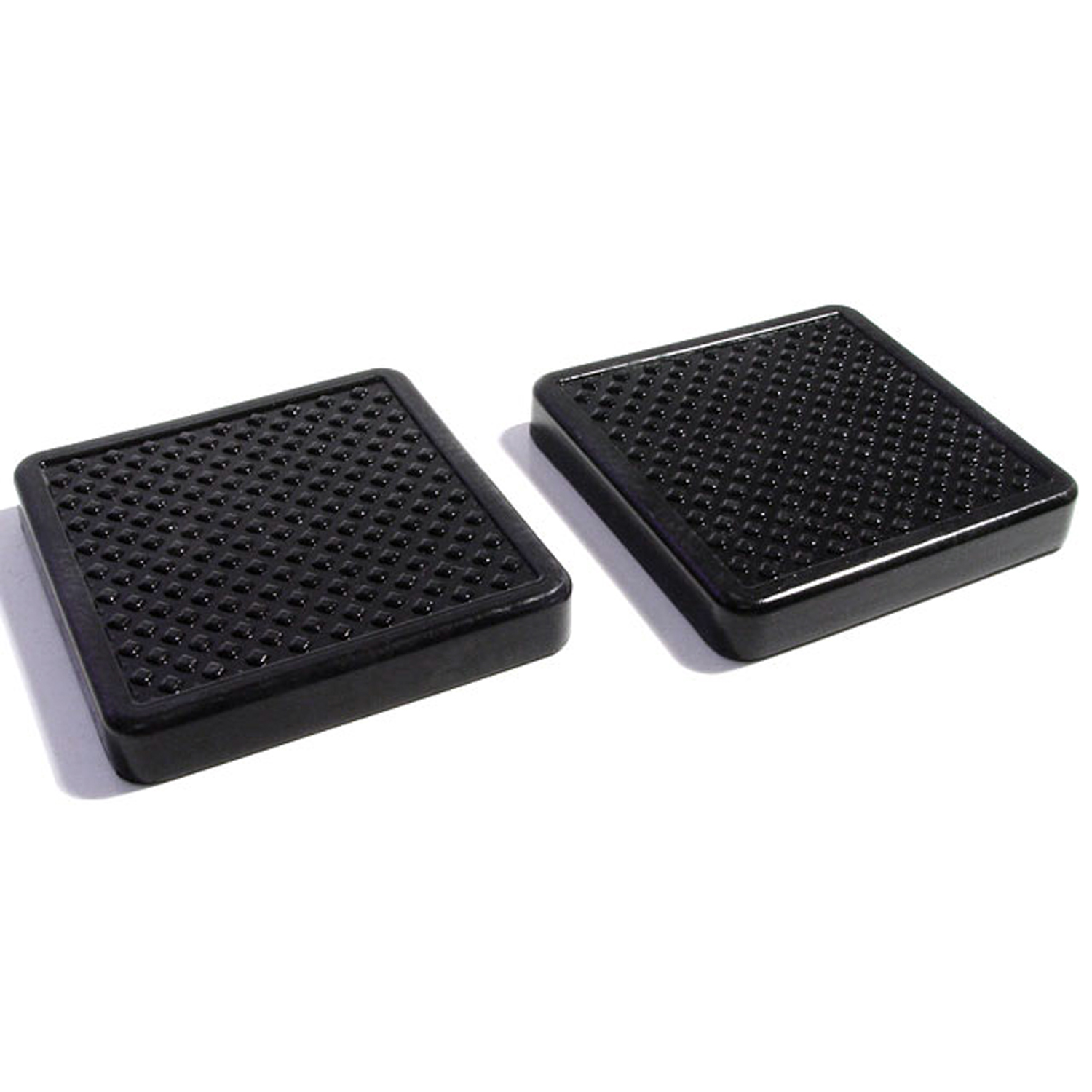 1932 Nash Ambassador Clutch and Brake Pedal Pads. 3" wide X 3" long. Pair-CB 47Clutch and Brake Pedal Pads. 3" wide X 3" long. Pair
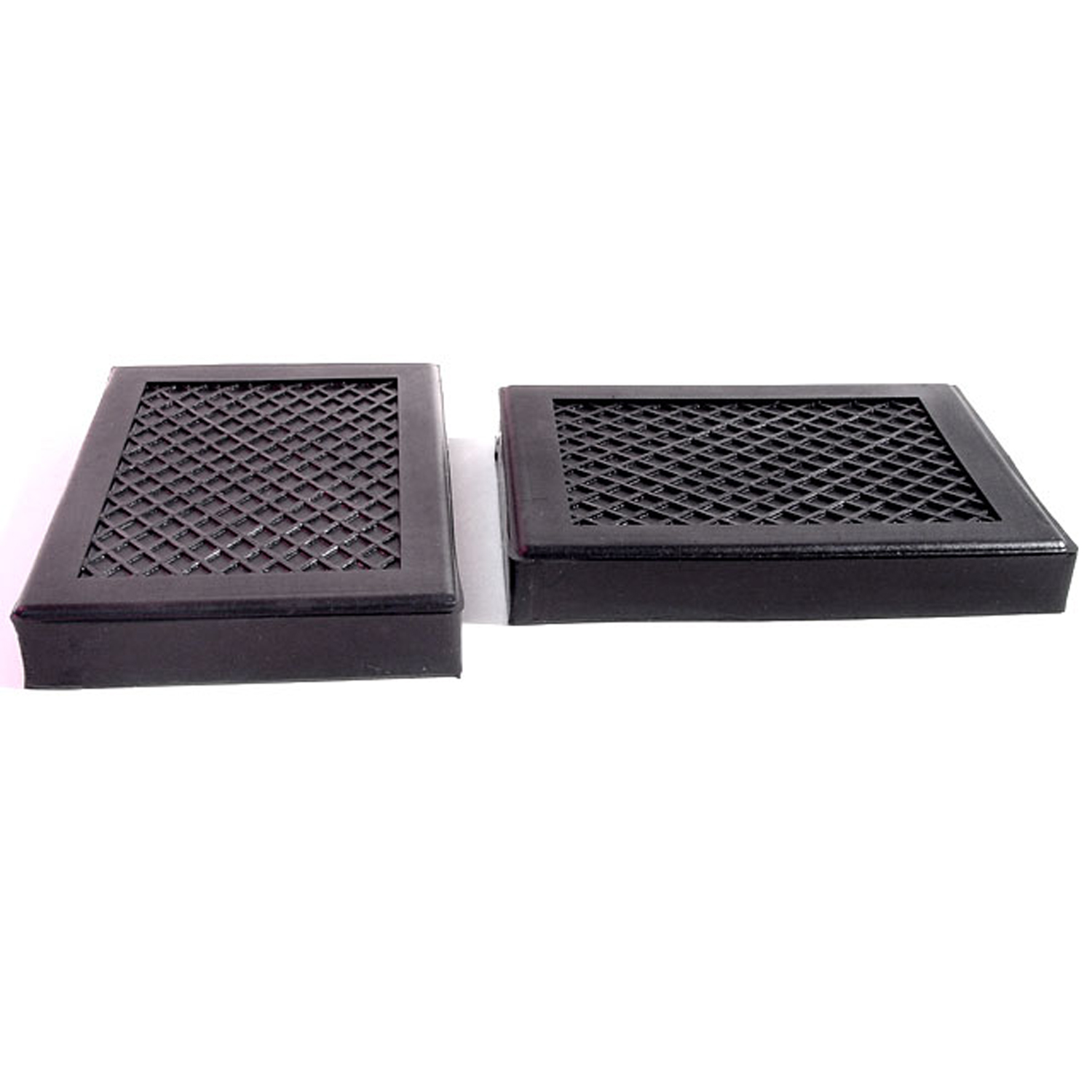 1932 Nash Ambassador Clutch and Brake Pedal Pads. 2-3/4" wide X 3-7/8" long-CB 48Clutch and Brake Pedal Pads. 2-3/4" wide X 3-7/8" long. Pair
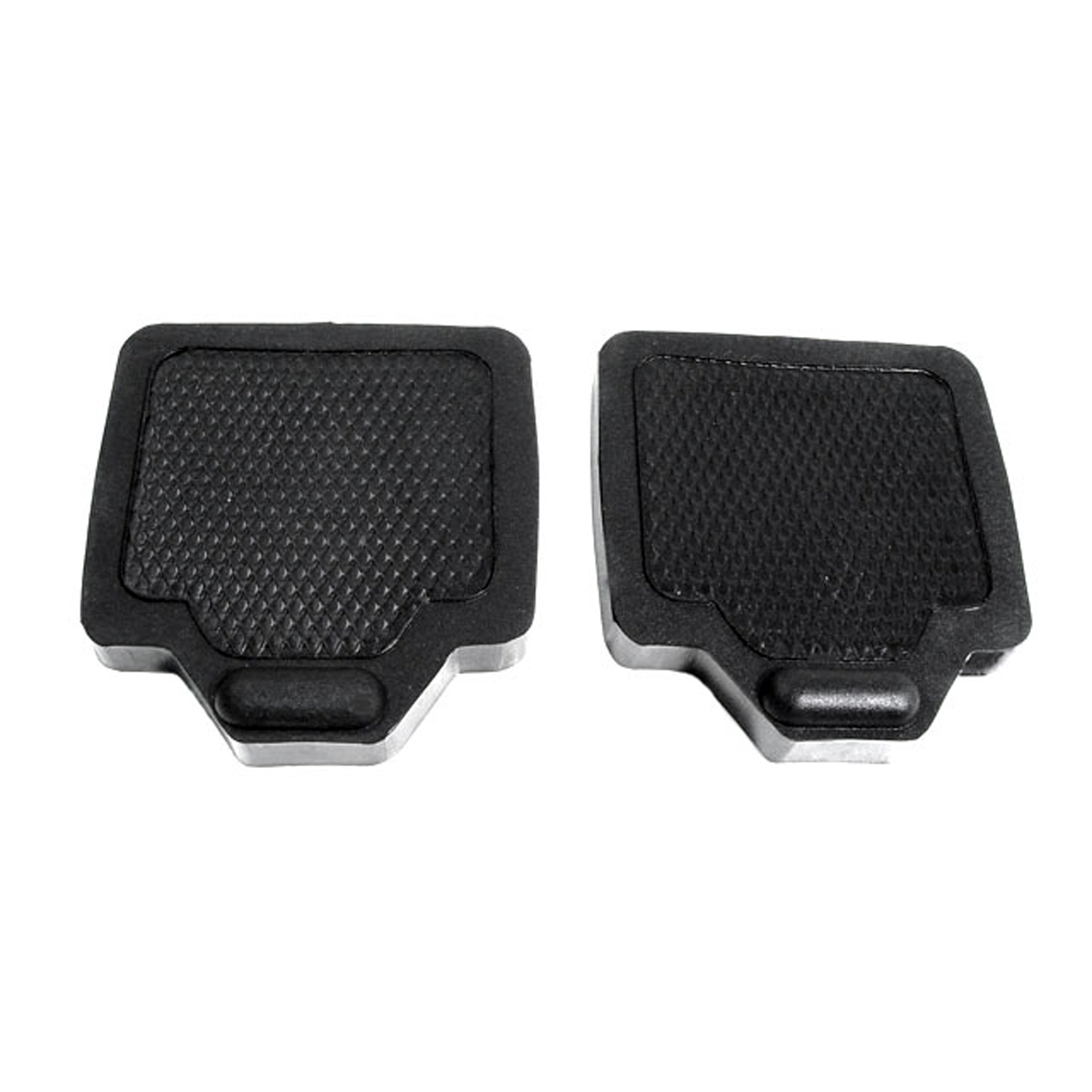 1932 Nash Ambassador Clutch and Brake Pedal Pads. 3-1/2" wide X 3-7/8" long-CB 55Clutch and Brake Pedal Pads. 3-1/2" wide X 3-7/8" long. Pair
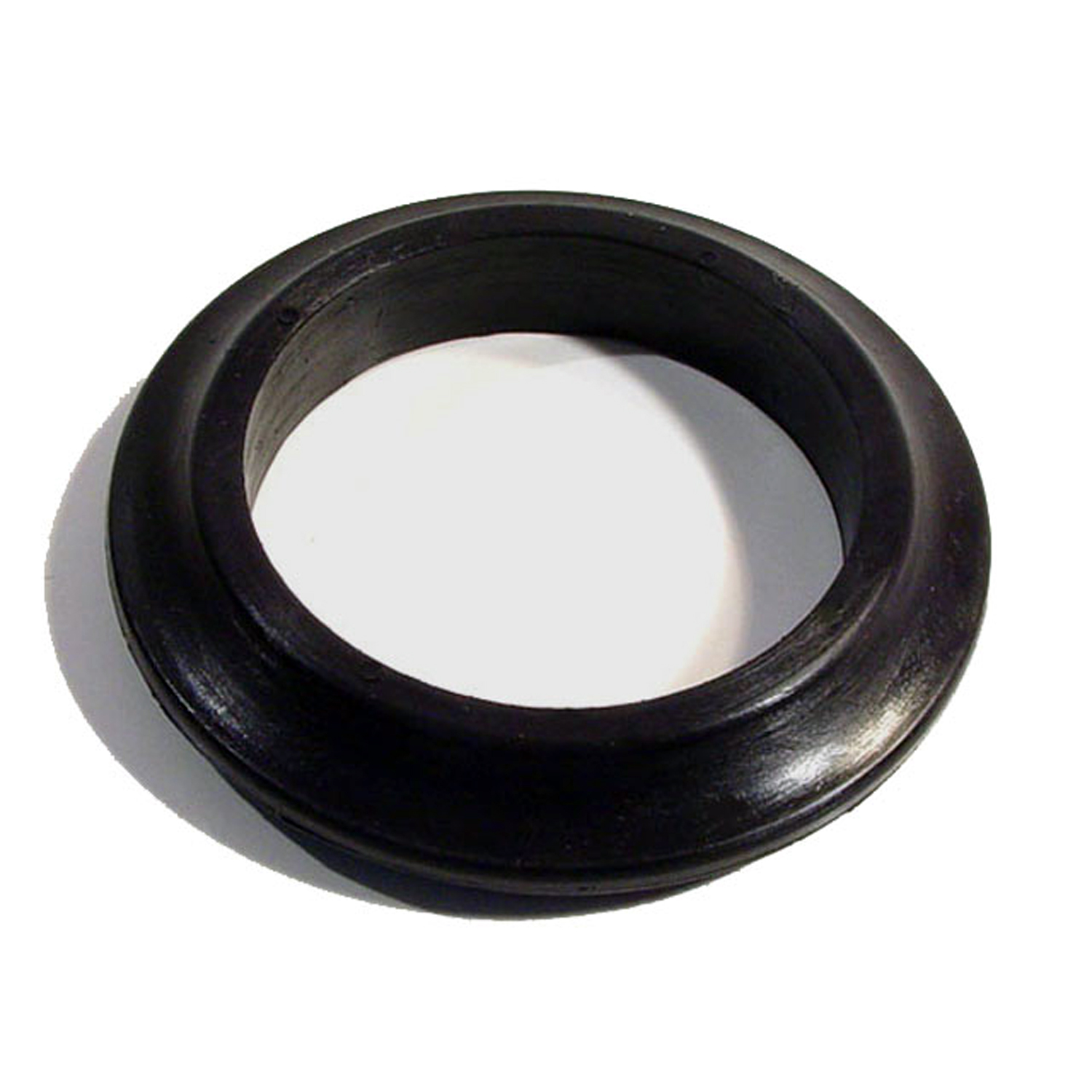 1932 Nash Ambassador Gas Filler Grommet. 2-1/4" I.D., 3-5/16" O.D. Each-GF 21Gas Filler Grommet. 2-1/4" I.D., 3-5/16" O.D. Each
 1932 Nash Ambassador Park Light Pads. 4" wide X 8-3/4" long. Pair-MP 1102Park Light Pads. 4" wide X 8-3/4" long. Pair
 1932 Nash Ambassador Tail-light Pads. 2-7/8" wide X 5" long. Pair-MP 1103Tail-light Pads. 2-7/8" wide X 5" long. Pair
 1932 Nash Ambassador Headlight Bar Pads. 2" wide X 3-1/2" long. Pair-MP 1103-AHeadlight Bar Pads. 2" wide X 3-1/2" long. Pair
 1932 Nash Ambassador Headlight Bar Pads. 1-5/8" wide X 3-5/8" long. Pair-MP 1108Headlight Bar Pads. 1-5/8" wide X 3-5/8" long. Pair
 1932 Nash Ambassador Headlight Bar Pads. 2-1/8" wide X 4-1/2" long. Pair-MP 1109Headlight Bar Pads. 2-1/8" wide X 4-1/2" long. Pair
 1932 Nash Ambassador Spark Plug Boot Fits 30-34 Nash Series Each-RP 1-NSpark Plug Boot Fits 30-34 Nash Series Each
Why Choose Metro?
For over 100 years, Metro Moulded Parts has been the pinnacle of quality in classic car restoration parts. Our commitment to precision and authenticity in every component ensures a perfect fit and an OEM-level appearance.
- Expert Craftsmanship & Quality: Each part is a testament to our dedication to reliability and perfection, crafted from original designs and thoroughly tested.
- Advanced Technology: We use cutting-edge techniques to create flawless, long-lasting parts that surpass others in performance.
- SuperSoft Sponge – The Ultimate Door Seal: Not only are our door seals 30% softer than competitors', but they're also guaranteed to never leak. They effectively reduce wind and road noise, enhancing your classic car's comfort and driving experience.
- Proudly American: Our parts are a product of American craftsmanship, made in the USA with a spirit of excellence and heritage.
- Unrivaled Warranty: We back our products with a 30-year industry-leading warranty, a testament to our confidence in their quality.
Join us in preserving the legacy of classic cars with parts that are crafted for perfection, not just made.