

Image of 1932 Nash Big Six, Note: These illustrations use artistic license and may differ from actual historical models.
Performance Metrics
Fundamental Metrics
Emotional Appeal
MMP Rating
| Engine Specifications | |
|---|---|
| Engine: | Inline 6 |
| Displacement: | 3.7L |
| Horsepower: | Estimated 85-100 HP |
| Torque: | Not available |
| Compression Ratio: | Not available |
| Ignition System: | Battery and coil |
| Cooling System: | Water-cooled |
| Performance Specifications | |
| 0-60 Time: | Not available |
| 1/4 Mile Time: | Not available |
| Top Speed: | 70-75 mph |
| Transmission and Drive | |
| Drive Type: | Rear wheel drive |
| Transmission Type: | 3-speed manual |
| Fuel and Efficiency | |
| Fuel System Type: | Carburetor |
| MPG: | Not available |
| Dimensions and Brakes | |
| Brakes: | Mechanical drum brakes |
| Wheelbase: | 121 inches |
| Weight: | 3,200 lbs |
Note: Specifications for classic cars are given to the best of our ability, considering the limited and variant data available.
1932 Nash Big Six: A Depression-Era American Classic
The 1932 Nash Big Six brought substantial American-car comfort and engineering to a country trying to make every dollar count. Built by the Nash Motors Company in Kenosha, Wisconsin, it was a roomy, well-equipped six-cylinder automobile from an independent automaker known for thoughtful design and solid construction.
Nash had been founded by former General Motors executive Charles W. Nash, and by 1932 the company was navigating the severe economic pressures of the Great Depression. The Big Six belonged to the Nash range of larger, more prestigious cars, offering buyers an alternative to the mass-market models of Ford and Chevrolet without stepping up to a costly straight-eight. One interesting bit of context: Nash’s engineering reputation extended beyond this model. The company became known for distinctive innovations such as Twin-Ignition, though that system was associated chiefly with certain Nash eight-cylinder engines, not the Big Six.
Big Six Design and Styling
The Big Six has the upright, formal presence that defines many early-1930s automobiles. Its tall radiator, broad hood, separate fenders and running boards give it a long, stately profile. Large headlamps sit out on the front fenders, while the narrow windshield and upright passenger compartment reflect a time before streamlined, all-steel shapes became the norm. Details such as the radiator ornament, bright trim and carefully shaped fender lines gave the Nash a more polished look than a basic utility car.
Inside, the cabin was designed for comfort and formality. Buyers could expect upholstered seating, a substantial dashboard with clear instruments, and trim chosen to suit the body style and price level. Materials and finishes varied with the model and original specification, but Nash generally aimed for a quality feel rather than bare-bones economy. A surviving car’s interior may have been retrimmed, so original upholstery patterns and colors are especially worth checking when assessing authenticity.
Body styles in the 1932 Nash range included practical sedans as well as more personal coupe and open-car designs, with exact availability depending on the series and catalog. Four-door sedans are among the most recognizable Big Six configurations today, thanks to their generous passenger space and classic proportions. Some cars were offered with a range of paint and trim combinations. Dark colors such as black, deep blue, maroon and green suit the period particularly well, while two-tone treatments could add a more individual look. The original palette depended on the specific body and trim combination, so period paint documentation is the best guide for a restoration.
Engineering Ahead of Its Time
The Big Six’s appeal was not just its size. Nash had a reputation for careful engineering, and the car combined a relatively large six-cylinder engine with four-wheel hydraulic drum brakes and a conventional three-speed manual transmission. Hydraulic brakes gave the driver more consistent braking effort than the mechanical systems still found on some cars of the era, although modern drivers should remember that early drum brakes do not behave like contemporary disc brakes.
In the early 1930s, many buyers still chose a car by comparing its price, roominess and perceived durability. The Big Six stood out by bringing a more substantial, comfort-oriented character to the six-cylinder class. It was not a revolutionary design that single-handedly changed the industry, but it reflected Nash’s broader willingness to compete on engineering and refinement, not simply low cost. That combination helped establish the company’s identity as an independent manufacturer with its own ideas.
Engine, Speed and Road Manners
Commonly cited specifications for the 1932 Big Six list an inline six-cylinder engine of about 252 cubic inches, producing roughly 82 horsepower. It drove the rear wheels through a three-speed manual gearbox. Exact figures can vary between references and by specification, so restoration research should be matched to the car’s identification and original literature.
Period factory acceleration figures are not readily available for every body style. As a practical estimate, a correctly tuned Big Six might take roughly 25 to 30 seconds to reach 60 mph, depending on gearing, body weight, mechanical condition and road surface. Its likely top speed was in the neighborhood of 70 to 75 mph, but sustained high-speed running is not a sensible goal for a nearly century-old car without careful inspection and preparation.
Behind the wheel, the Big Six is more about relaxed progress than quick reactions. The six-cylinder engine delivers its power in a steady, unhurried manner, accompanied by a muted mechanical hum and the sounds of the drivetrain and road. The manual gearbox asks for deliberate shifts, while the steering and controls feel heavier and less precise than those in a modern car. On a smooth road, the long chassis and substantial body create a comfortable, settled ride. Over broken pavement, the suspension softens the impact, but the car’s age and period construction mean sharp bumps are still felt.
On winding roads, the Big Six rewards a measured pace. Its size, narrow tires and period suspension favor smooth steering inputs over quick cornering. Crosswinds can be noticeable, particularly in a tall sedan, and the driver needs to plan braking and passing well ahead. The result is a distinctive vintage-car experience: more conversation with the machine, less isolation from the road.
Living With a 1932 Nash
Today, most Big Sixes serve as show cars, touring vehicles and occasional weekend drivers rather than everyday transportation. They are well suited to relaxed club tours, local parades and historic-car events, where their uncommon badge and dignified styling attract attention. Regular commuting is possible only for a committed owner with a properly sorted car, a suitable route and a realistic understanding of vintage-car safety.
Routine work is familiar to a mechanic experienced with prewar American cars: ignition and carburetor tuning, lubrication, cooling-system care, brake maintenance and attention to the electrical system. Many repairs are mechanically straightforward, but parts availability is not the same as it is for a common Ford or Chevrolet. Nash-specific trim, sheet metal, interior components and some engine parts may take patience to locate. A detailed inspection before purchase is essential, especially for rust, wood or structural deterioration where applicable, worn brakes, overheating and signs of an incomplete restoration.
Reliability depends heavily on condition and maintenance. A well-restored Big Six can be dependable for modest touring, but age-related issues can appear even when a car looks excellent. Fresh tires, a sound fuel system, properly adjusted brakes and a cooling system in good order matter more than claims that a particular vintage model is “bulletproof.”
Rare Details and Common Questions
The Big Six’s chief claim to distinction is its place in Nash’s carefully engineered, full-size lineup during one of the hardest years in American automotive history. It was not a high-volume celebrity car with a famous racing record, and no widely established speed or endurance record belongs specifically to the 1932 Big Six. Its historical interest comes instead from representing the independent Nash company at a time when the Depression was forcing manufacturers to fight for every sale.
A frequent misconception is that every notable Nash innovation appeared on every Nash model. The marque’s Twin-Ignition system is an excellent example: it is associated with Nash engineering, but should not automatically be attributed to a Big Six. Buyers and restorers should verify equipment against the particular car’s original specification rather than assuming that a feature advertised elsewhere in the Nash lineup was standard here.
Another common criticism is that the Big Six can feel slow and cumbersome by modern standards. That is fair, especially in comparison with contemporary traffic. It was built for a different pace of motoring, and its braking distances, handling limits and visibility require a cautious approach. Its appeal is not modern performance. It is the experience of a substantial, thoughtfully made American car from 1932.
Collector Value and Availability
1932 Nash Big Sixes are uncommon in today’s market, though an exact production total for the specific model and body style is difficult to establish from readily available summaries. As a broad estimate rather than a factory-confirmed figure, production may have been in the several-thousand range, perhaps roughly 5,000 to 10,000 cars across relevant Big Six versions. Surviving examples are much rarer, and condition, body style, completeness and documentation have a major effect on value.
As a general U.S. market estimate for 2026, a project car may fall around $8,000 to $18,000, while a sound, usable example could bring approximately $20,000 to $35,000. A high-quality restoration or especially desirable body style may reach $40,000 to $55,000 or more. These are broad guide figures, not a formal appraisal: regional demand, restoration quality, originality and the availability of parts can shift the final price substantially.
Values for prewar cars tend to be selective rather than uniformly rising. Exceptional, well-documented examples can hold their appeal, but restoration costs often exceed the eventual sale price, and buyer demand is narrower than for more familiar classics. The best purchase is usually the most complete, structurally sound car the buyer can afford, not the cheapest project with the most ambitious restoration plan.
Why the 1932 Nash Big Six Still Matters
The 1932 Nash Big Six combines a substantial six-cylinder engine, period hydraulic brakes, generous passenger space and formal styling in a package shaped by one of the most difficult moments in American automotive history. It was neither a bare-bones economy car nor a flashy performance machine. Instead, it offered Nash’s characteristic blend of comfort, engineering and independent-minded design.
For collectors, its rarity and understated presence are part of the attraction. For drivers, it offers a vivid reminder that motoring once demanded attention, patience and a close partnership between driver and machine. The Big Six may move at a gentler pace, but it carries the character of an era when every mile had its own unmistakable rhythm.
1932 Nash Big Six Catalog of Parts
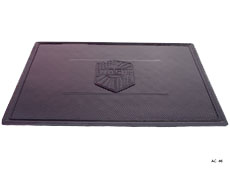 1932 Nash Big Six Accessory Floor Mat - 12"X17"-AC 46Accessory Floor Mat - made of high quality black rubber with molded original emblem. Also designed to be sewn into new carpets. 12"X17", Each
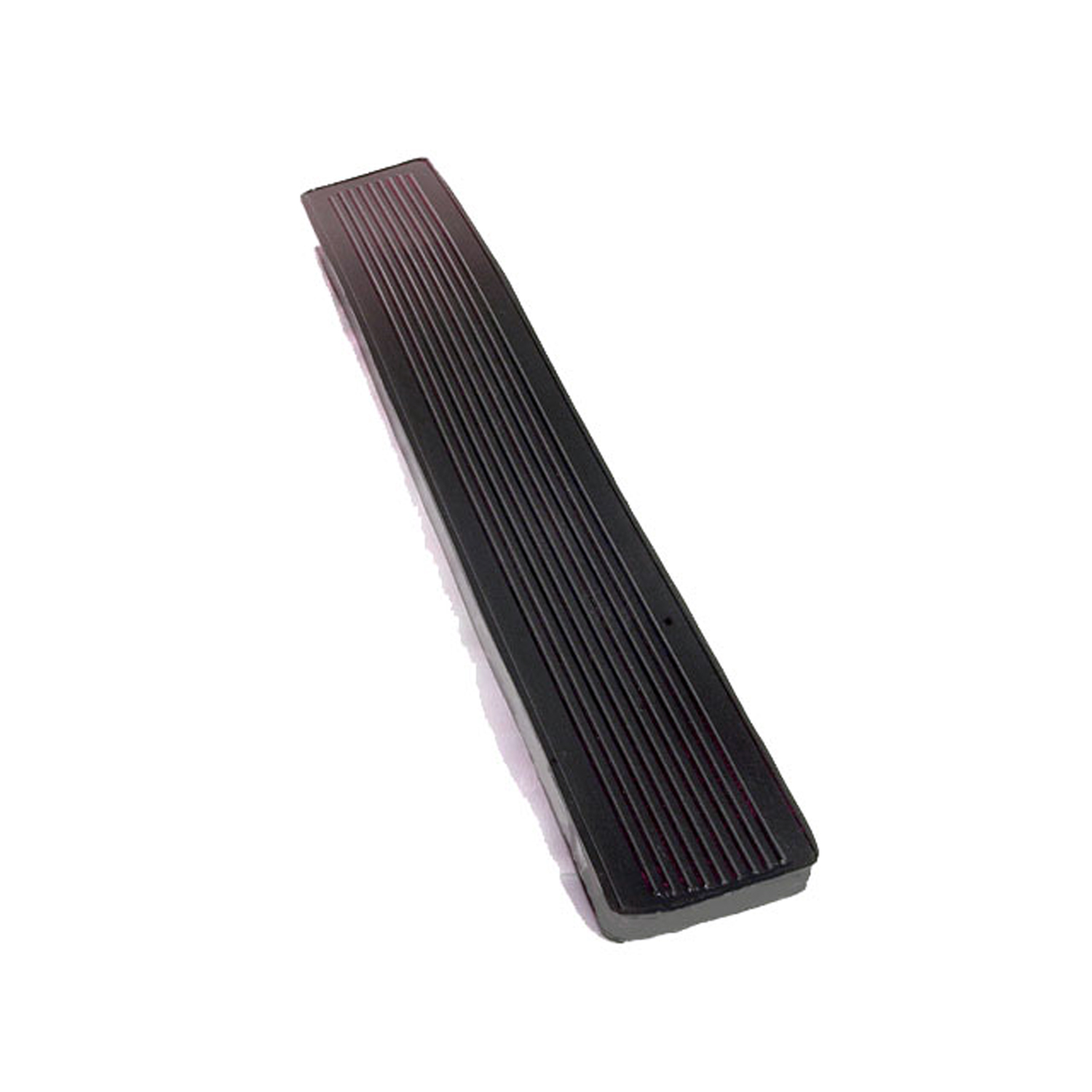 1932 Nash Big Six Accelerator Pedal Pad, 1-1/2" X 9-3/4", Each-AP 21Accelerator Pedal Pad, 1-1/2" X 9-3/4", Each
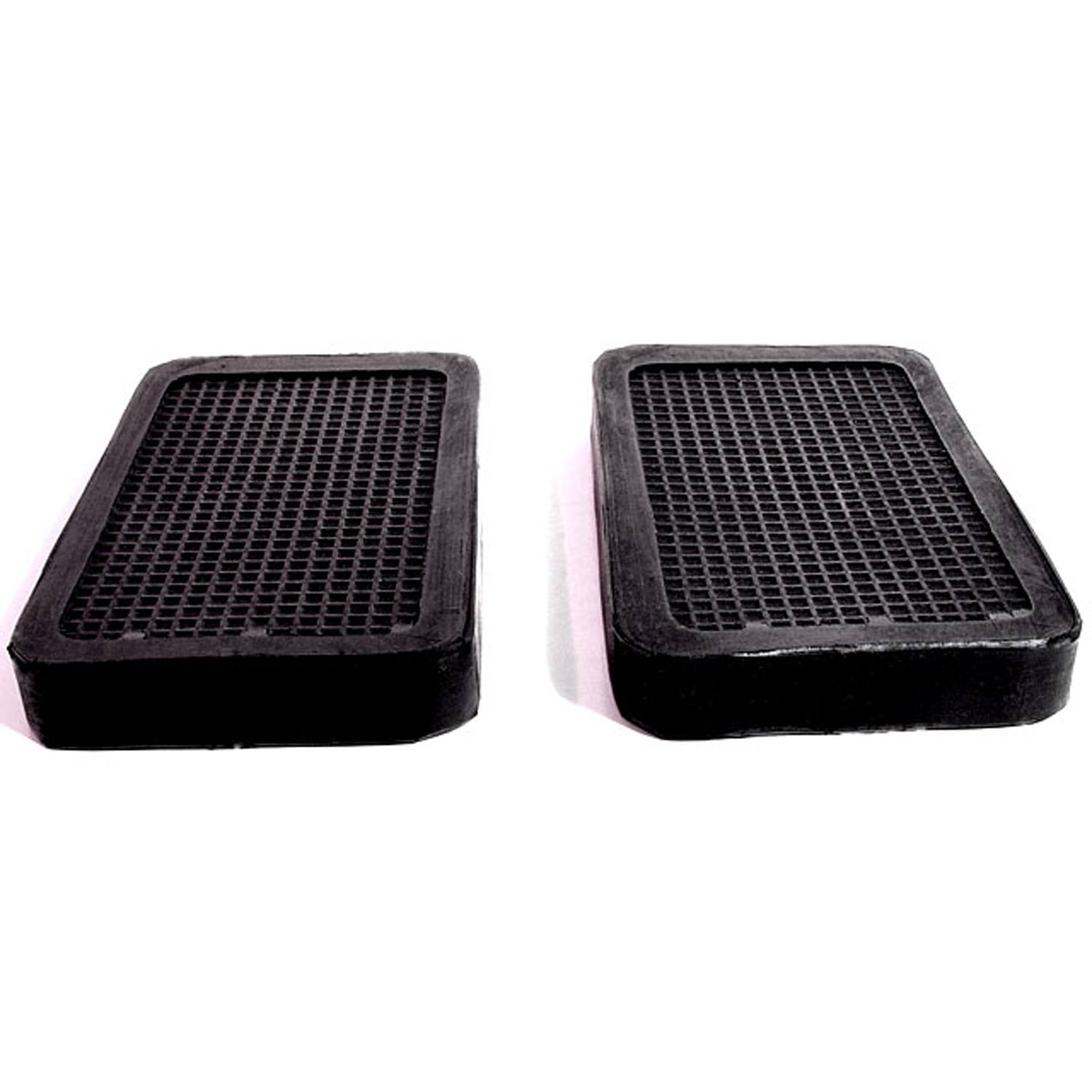 1932 Nash Big Six Clutch and Brake Pedal Pads. 2-1/4" wide X 4" long. Pair-CB 20Clutch and Brake Pedal Pads. 2-1/4" wide X 4" long. Pair
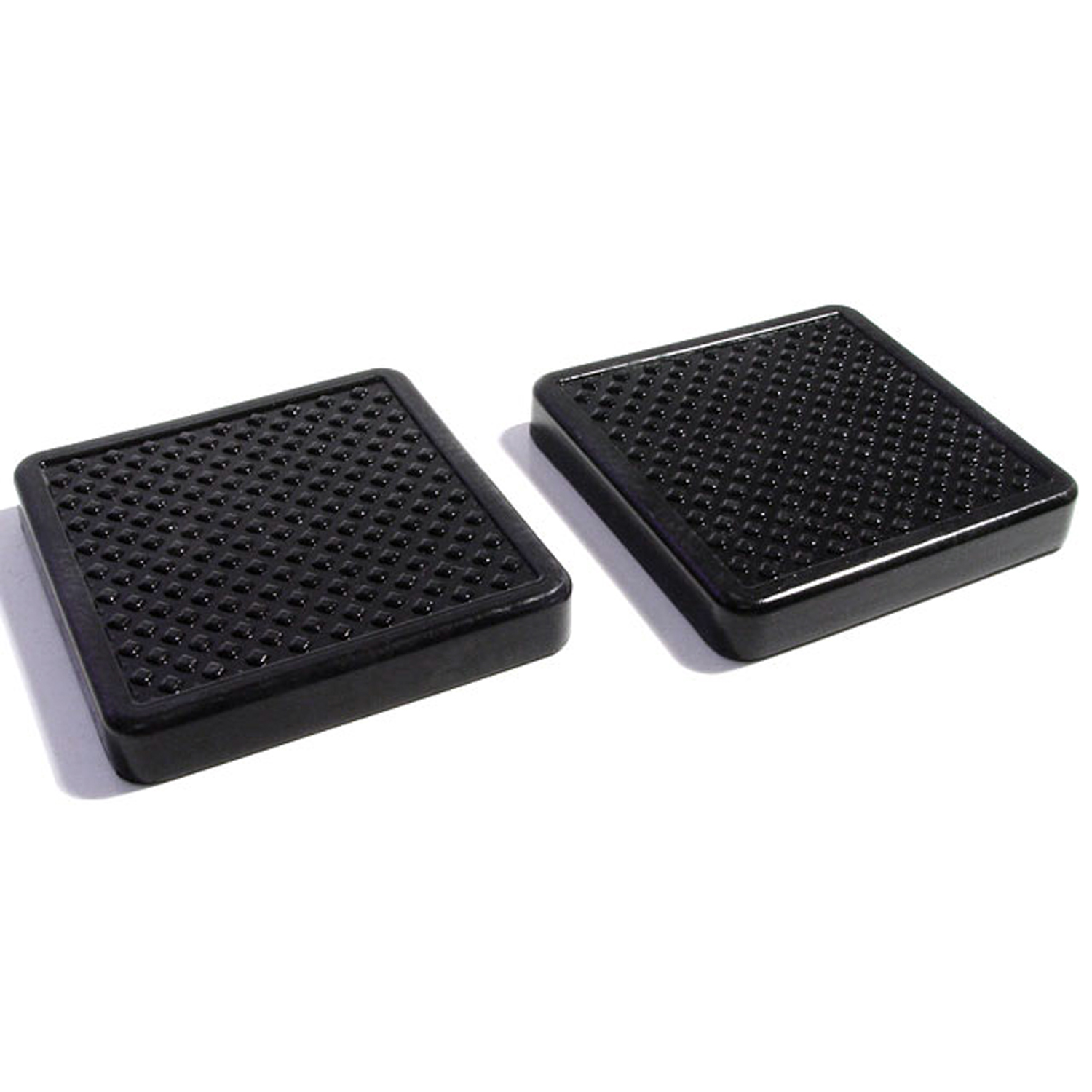 1932 Nash Big Six Clutch and Brake Pedal Pads. 3" wide X 3" long. Pair-CB 47Clutch and Brake Pedal Pads. 3" wide X 3" long. Pair
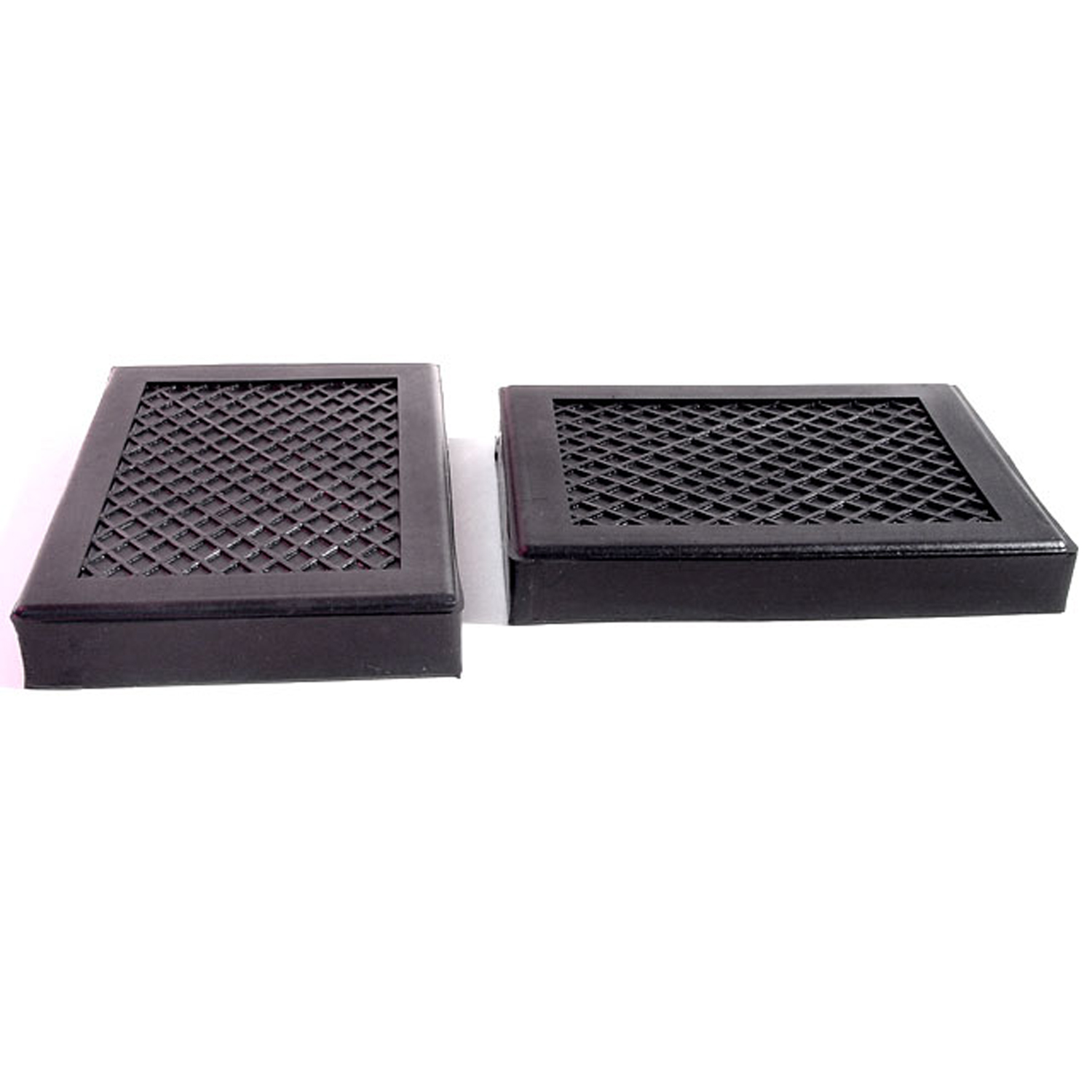 1932 Nash Big Six Clutch and Brake Pedal Pads. 2-3/4" wide X 3-7/8" long-CB 48Clutch and Brake Pedal Pads. 2-3/4" wide X 3-7/8" long. Pair
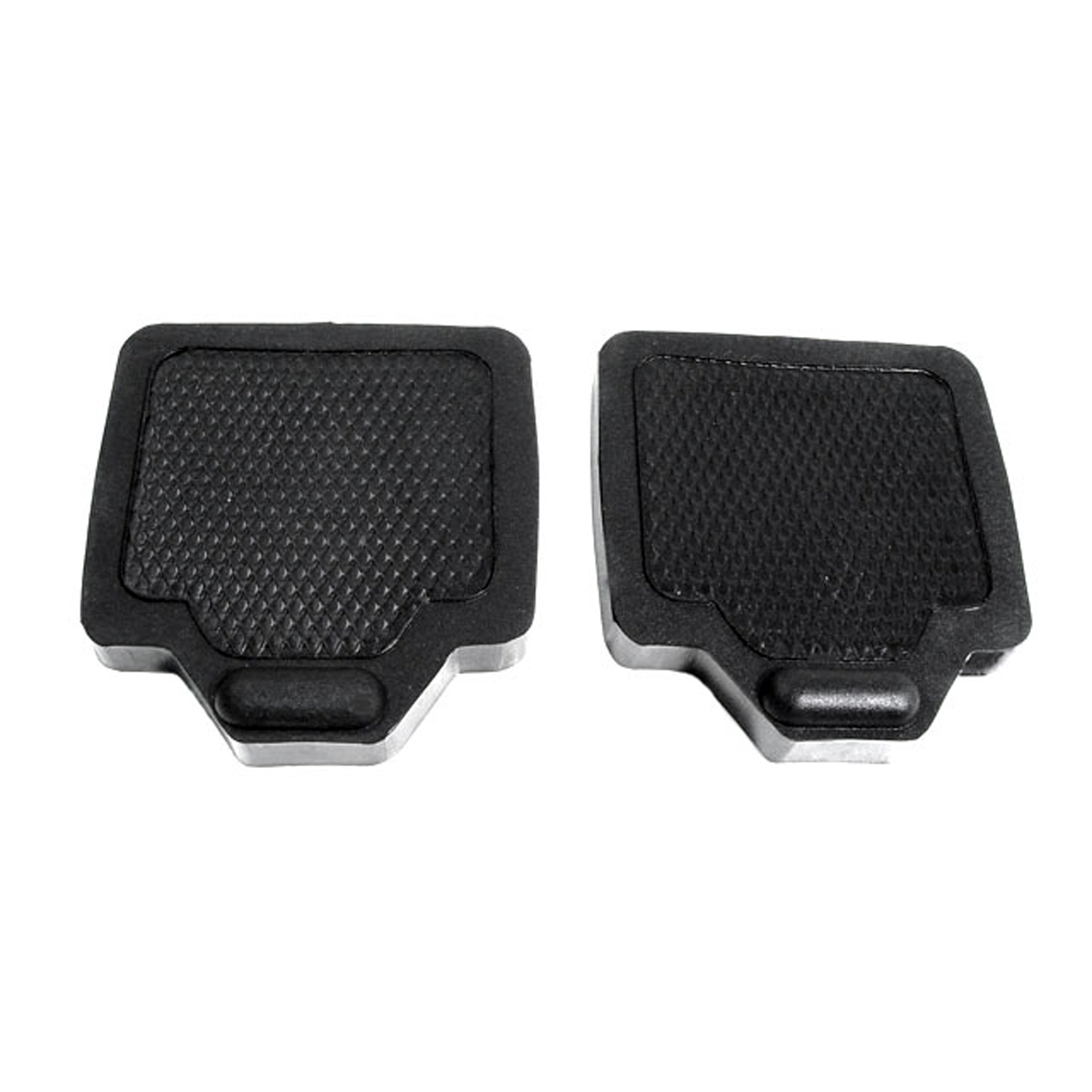 1932 Nash Big Six Clutch and Brake Pedal Pads. 3-1/2" wide X 3-7/8" long-CB 55Clutch and Brake Pedal Pads. 3-1/2" wide X 3-7/8" long. Pair
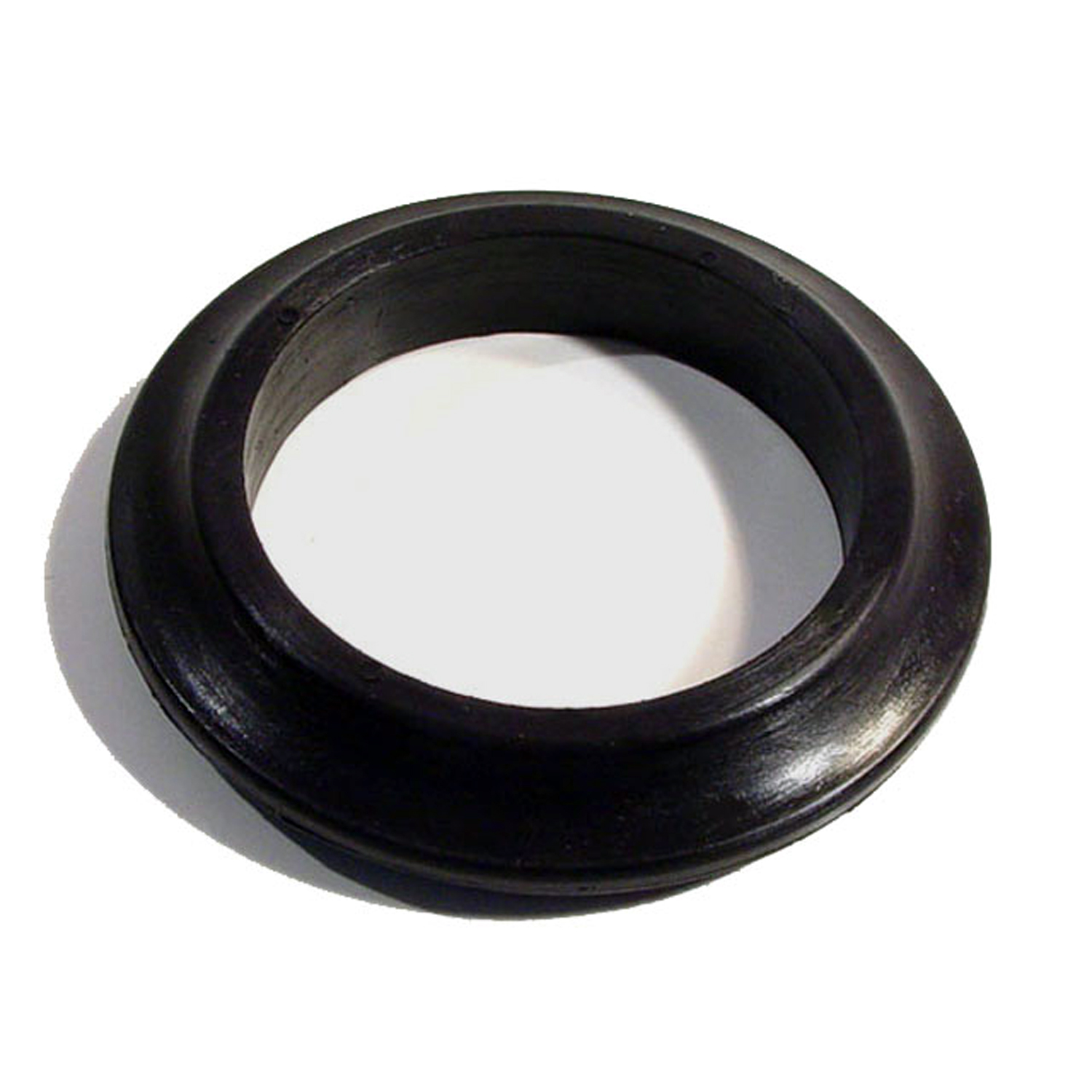 1932 Nash Big Six Gas Filler Grommet. 2-1/4" I.D., 3-5/16" O.D. Each-GF 21Gas Filler Grommet. 2-1/4" I.D., 3-5/16" O.D. Each
 1932 Nash Big Six Park Light Pads. 4" wide X 8-3/4" long. Pair-MP 1102Park Light Pads. 4" wide X 8-3/4" long. Pair
 1932 Nash Big Six Tail-light Pads. 2-7/8" wide X 5" long. Pair-MP 1103Tail-light Pads. 2-7/8" wide X 5" long. Pair
 1932 Nash Big Six Headlight Bar Pads. 2" wide X 3-1/2" long. Pair-MP 1103-AHeadlight Bar Pads. 2" wide X 3-1/2" long. Pair
 1932 Nash Big Six Headlight Bar Pads. 1-5/8" wide X 3-5/8" long. Pair-MP 1108Headlight Bar Pads. 1-5/8" wide X 3-5/8" long. Pair
 1932 Nash Big Six Headlight Bar Pads. 2-1/8" wide X 4-1/2" long. Pair-MP 1109Headlight Bar Pads. 2-1/8" wide X 4-1/2" long. Pair
 1932 Nash Big Six Spark Plug Boot Fits 30-34 Nash Series Each-RP 1-NSpark Plug Boot Fits 30-34 Nash Series Each
Why Choose Metro?
For over 100 years, Metro Moulded Parts has been the pinnacle of quality in classic car restoration parts. Our commitment to precision and authenticity in every component ensures a perfect fit and an OEM-level appearance.
- Expert Craftsmanship & Quality: Each part is a testament to our dedication to reliability and perfection, crafted from original designs and thoroughly tested.
- Advanced Technology: We use cutting-edge techniques to create flawless, long-lasting parts that surpass others in performance.
- SuperSoft Sponge – The Ultimate Door Seal: Not only are our door seals 30% softer than competitors', but they're also guaranteed to never leak. They effectively reduce wind and road noise, enhancing your classic car's comfort and driving experience.
- Proudly American: Our parts are a product of American craftsmanship, made in the USA with a spirit of excellence and heritage.
- Unrivaled Warranty: We back our products with a 30-year industry-leading warranty, a testament to our confidence in their quality.
Join us in preserving the legacy of classic cars with parts that are crafted for perfection, not just made.