

Image of 1932 Nash Series 960, Note: These illustrations use artistic license and may differ from actual historical models.
Performance Metrics
Fundamental Metrics
Emotional Appeal
MMP Rating
| Engine Specifications | |
|---|---|
| Engine: | Inline-6 |
| Displacement: | 3.2L |
| Horsepower: | Estimated 65-85 HP |
| Torque: | Not available |
| Compression Ratio: | Not available |
| Ignition System: | Distributor and coil |
| Cooling System: | Water-cooled |
| Performance Specifications | |
| 0-60 Time: | Not available |
| 1/4 Mile Time: | Not available |
| Top Speed: | 70 mph |
| Transmission and Drive | |
| Drive Type: | Rear-wheel drive |
| Transmission Type: | 3-speed manual |
| Fuel and Efficiency | |
| Fuel System Type: | Carburetor |
| MPG: | Not available |
| Dimensions and Brakes | |
| Brakes: | Mechanical drum brakes |
| Wheelbase: | 121 inches |
| Weight: | Estimated 2,800 lbs |
Note: Specifications for classic cars are given to the best of our ability, considering the limited and variant data available.
1932 Nash Series 960: An Eight-Cylinder Classic
The 1932 Nash Series 960 paired the quiet pull of a straight-eight engine with the thoughtful engineering of one of America’s most ambitious independent automakers. Built by Nash Motors in Kenosha, Wisconsin, it arrived as the Great Depression was reshaping the car business, offering buyers a substantial, well-equipped automobile at a time when every purchase mattered.
Nash was founded by Charles W. Nash, a former president of General Motors, and had earned a reputation for careful engineering and comfort-focused design. The Series 960 belonged to the company’s Advanced Eight range. Its most intriguing feature was Nash’s twin-ignition setup, which used two spark plugs per cylinder to help the engine run smoothly and burn its fuel mixture effectively. In an era when many cars still relied on simpler designs, that was a serious piece of engineering.
Art Deco Style and Coachwork
The Series 960 wore the confident proportions of an early-1930s American car: a long hood, upright grille, sweeping front fenders and a passenger cabin set well back from the front axle. Its body had a formal, substantial look without appearing as heavy as some luxury cars of the period. Bright trim and carefully shaped details gave the car a polished presence, while its fenders and running boards made its profile unmistakably prewar.
Depending on body style and equipment, Series 960 buyers could choose from closed passenger cars and more sporting configurations. Nash’s offerings in this class included sedan and coupe forms, with open or rumble-seat variations available in the broader model range. Exact body-style listings and availability could differ by catalog and production run, so a particular car’s original body designation is worth verifying through its build records or period sales literature. Sedans are among the more recognizable surviving examples, while open cars tend to attract extra attention from collectors.
Inside, the emphasis was on comfort and finish rather than austerity. Buyers could expect broad seats, substantial upholstery, wood or wood-grain interior trim, and a well-appointed dashboard with clear, period-style instruments. Materials and trim varied with body style and equipment level, but the 960 was designed to feel like a proper, substantial automobile. Period paint choices varied as well; dark blues, greens, maroons, grays and black were characteristic choices for cars of this class. The precise factory palette depended on the body and production details.
Engineering Ahead of Its Time
The Series 960’s defining technology was its straight-eight engine and twin ignition. Two spark plugs per cylinder helped promote even combustion, contributing to smooth power delivery. Nash also had a broader reputation for practical engineering, including attention to braking, passenger comfort and chassis design. Features varied by specification, so restorers should confirm the equipment on an individual car rather than assume every 960 left the factory identically equipped.
This combination of refinement and engineering helped distinguish Nash from many mid-priced competitors. The 960 was not simply a large-looking car with a long hood. Its eight-cylinder powerplant and careful attention to smoothness gave it a more sophisticated character than a basic six-cylinder family car, while its range of body styles let buyers choose between practical transportation and a more personal, stylish automobile.
Eight-Cylinder Performance
The Series 960 is generally associated with a 268.6-cubic-inch straight-eight producing about 100 horsepower, paired with a three-speed manual transmission and rear-wheel drive. Those figures describe the commonly cited 960 specification, though surviving cars and period references should be checked for exact engine and equipment details.
There is no single modern, factory-certified 0-to-60-mph figure to quote for the 1932 model. Based on its power, gearing and substantial weight, a healthy, correctly tuned car would likely take roughly 20 to 25 seconds to reach 60 mph. Period cars were not designed around quick acceleration from a stop. A top speed in the neighborhood of 70 to 80 mph is a reasonable estimate for a sound example, but condition, gearing, tires and body style all affect what a car can safely achieve.
On the road, the straight-eight’s appeal is less about speed than smoothness. Expect a muted mechanical burble at idle and a soft, even note as revs build. The long chassis and period suspension favor a relaxed ride over sharp cornering. It should settle comfortably over ordinary road imperfections, but modern potholes and broken pavement call for a slower pace. On winding roads, the 960 rewards measured steering inputs and a considerate driver. Its size, narrow tires and vintage brakes are reminders that this is a 1930s touring car, not a modern sports sedan.
Why the Nash 960 Matters
The Series 960 arrived during one of the most difficult periods in American automotive history. The Depression put intense pressure on independent manufacturers, which had to persuade buyers that their cars offered real value against the better-known mass-market brands. Nash’s answer was to combine distinctive styling, a refined eight-cylinder engine and engineering features that made the car feel carefully developed rather than merely large.
The 960’s importance lies less in a single design element that every later car copied and more in what it represented: an independent automaker using technical sophistication and comfort as selling points. Its twin-ignition engine is a particularly memorable example of Nash’s willingness to invest in distinctive solutions. The company continued to build on its reputation for innovation in later decades, although the 960 itself belongs to the earlier, more formal era of American motoring.
Living with a 1932 Nash
Today, a Series 960 is best suited to touring, club events, museums and shows rather than daily commuting. It can make a rewarding driver for someone who understands vintage-car care, but it asks for patience. Fueling, starting, shifting and braking all require a different rhythm from a modern car, and long trips are most enjoyable when planned around moderate speeds and regular checks.
Routine maintenance is straightforward in principle: keep the ignition, fuel system, cooling system and lubrication in good order, and inspect the chassis and brakes regularly. The challenge is often sourcing correct parts and locating someone familiar with early Nash engineering. Mechanical repairs are manageable for an experienced home mechanic, but body, trim and upholstery work can become expensive. A complete, well-maintained car is usually a better starting point than a cheap project missing hard-to-find components.
Rare Details and Owner Notes
The Series 960’s twin-ignition arrangement is its standout conversation starter. It is also a useful reminder that “eight-cylinder” did not automatically mean crude or noisy: Nash worked to make its engine smooth and refined. The 1932 car is not widely known for a major speed or endurance record, and there is no single famous celebrity ownership story that defines the model. Its appeal is rooted instead in its engineering, its period presence and its relative scarcity today.
One common criticism is that the car’s size and vintage controls can make it feel ponderous beside later classics. Parts availability and restoration costs are other practical drawbacks. Those limitations are balanced by a distinctive engine, handsome early-1930s styling and the pleasure of driving a car from an independent manufacturer that was willing to do things its own way.
Collector Values and Availability
Surviving Series 960s are uncommon, and market availability can be sporadic. A precise production total for the 960 alone is not consistently documented in commonly available references. As a broad estimate rather than a verified factory figure, production may have been in the low thousands. The number of surviving cars is much smaller, particularly for rarer body styles and examples with sound original components.
As a 2026 market guide, a project or incomplete car might bring roughly $10,000 to $20,000, depending heavily on completeness and condition. A usable driver or older restoration could fall around $20,000 to $40,000, while a high-quality restoration may reach approximately $40,000 to $65,000. Desirable open-body examples or exceptional cars can exceed that range, potentially reaching $70,000 to $100,000 or more. These are broad estimates, not guaranteed sale prices; condition, provenance, body style and the quality of the restoration make a substantial difference.
Values for prewar classics tend to move unevenly, and the Series 960 occupies a more specialized market than the best-known American marques. Strong, well-documented cars remain attractive to collectors, but restoration costs can outpace resale value. Buyers should focus on condition and authenticity first, rather than counting on rapid appreciation.
A Distinctive Prewar Nash
The 1932 Nash Series 960 brought together a smooth straight-eight, distinctive twin ignition, comfortable coachwork and a confident Depression-era design. It was not built to chase modern performance figures. Its strengths are the engineering beneath the long hood and the composed, substantial character it delivers on the road.
For collectors seeking an American classic with more to its story than familiar badges, the Series 960 is a compelling choice: a reminder that Nash built cars with ambition, ingenuity and a style all their own.
1932 Nash Series 960 Catalog of Parts
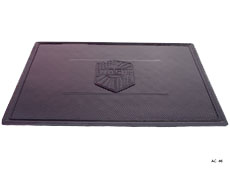 1932 Nash Series 960 Accessory Floor Mat - 12"X17"-AC 46Accessory Floor Mat - made of high quality black rubber with molded original emblem. Also designed to be sewn into new carpets. 12"X17", Each
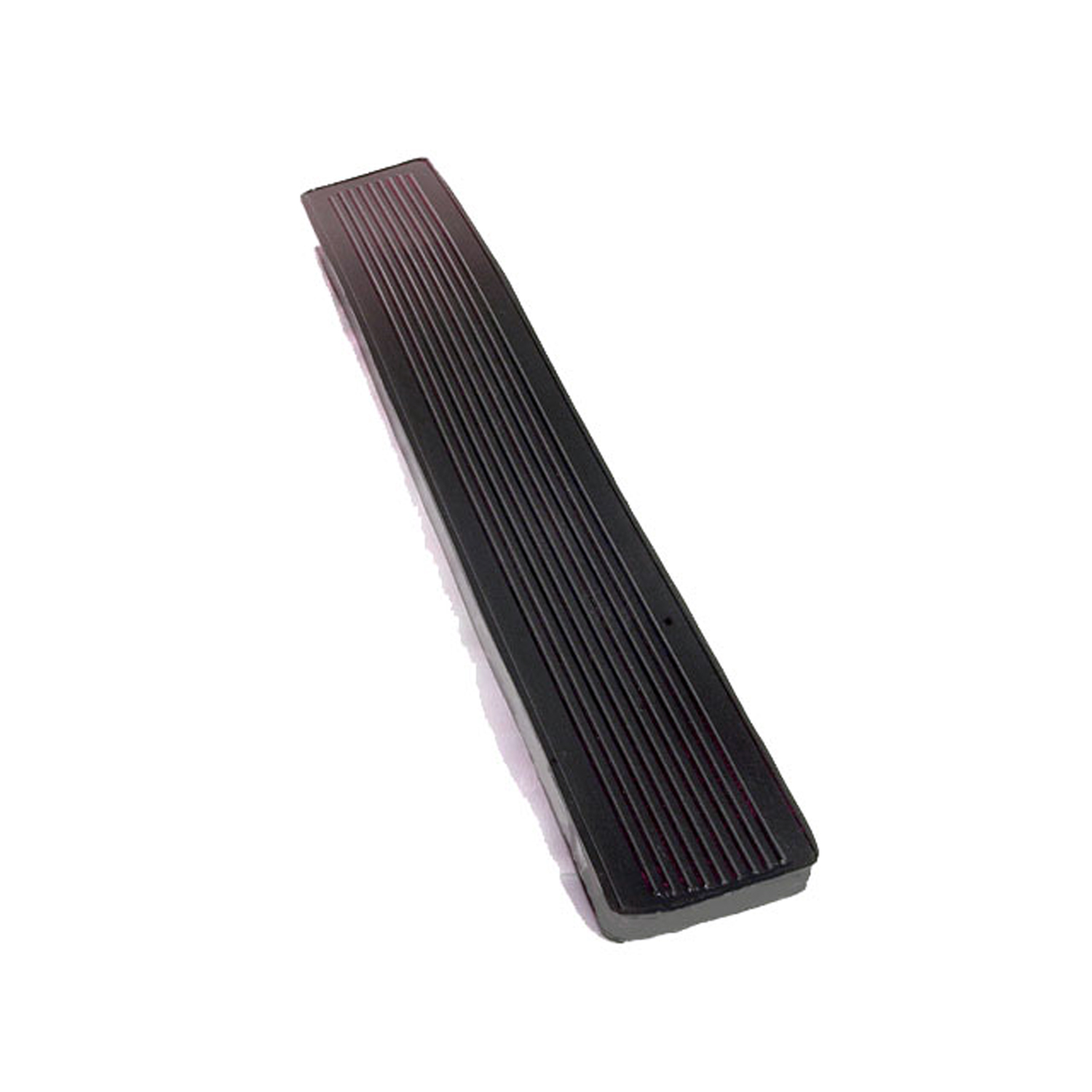 1932 Nash Series 960 Accelerator Pedal Pad, 1-1/2" X 9-3/4", Each-AP 21Accelerator Pedal Pad, 1-1/2" X 9-3/4", Each
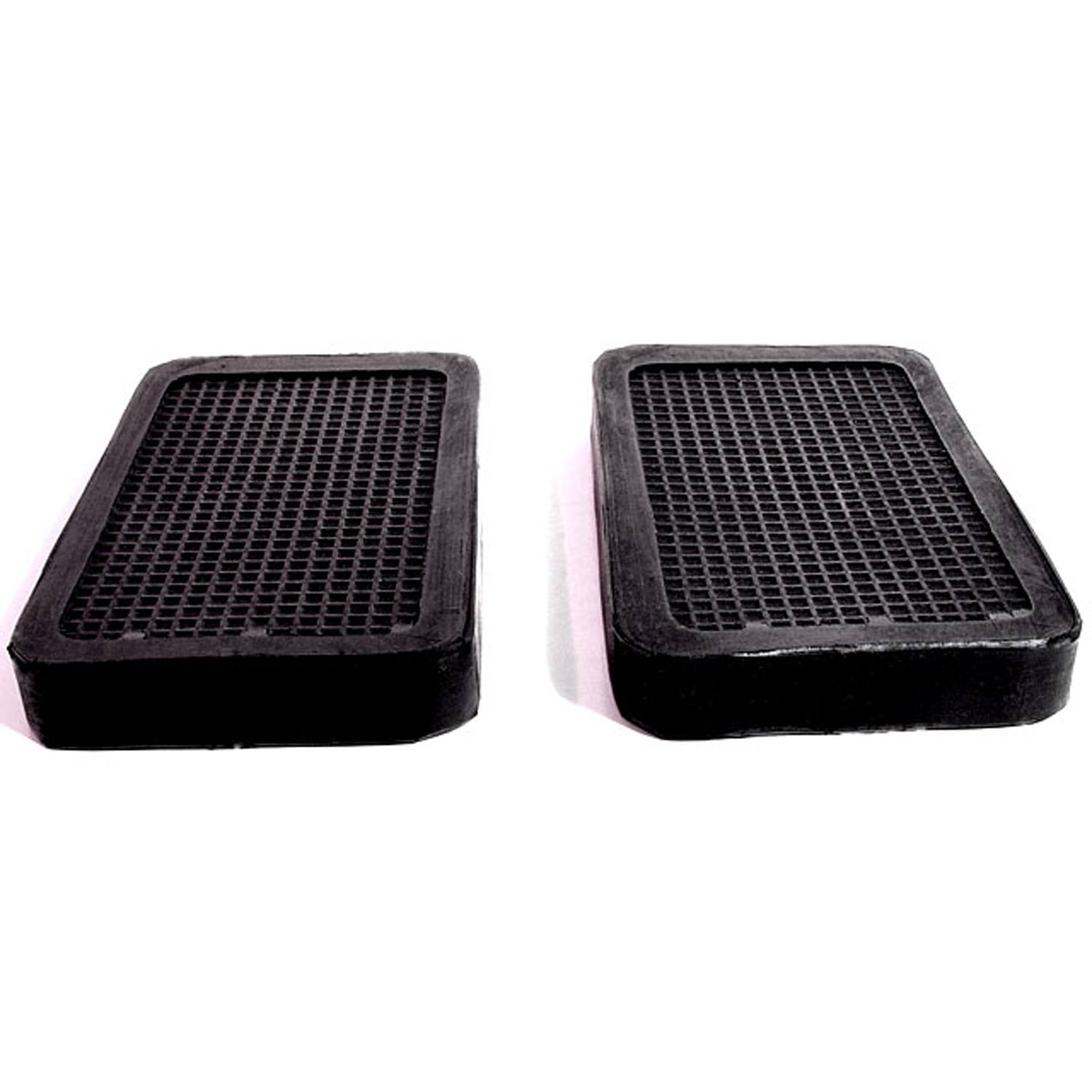 1932 Nash Series 960 Clutch and Brake Pedal Pads. 2-1/4" wide X 4" long. Pair-CB 20Clutch and Brake Pedal Pads. 2-1/4" wide X 4" long. Pair
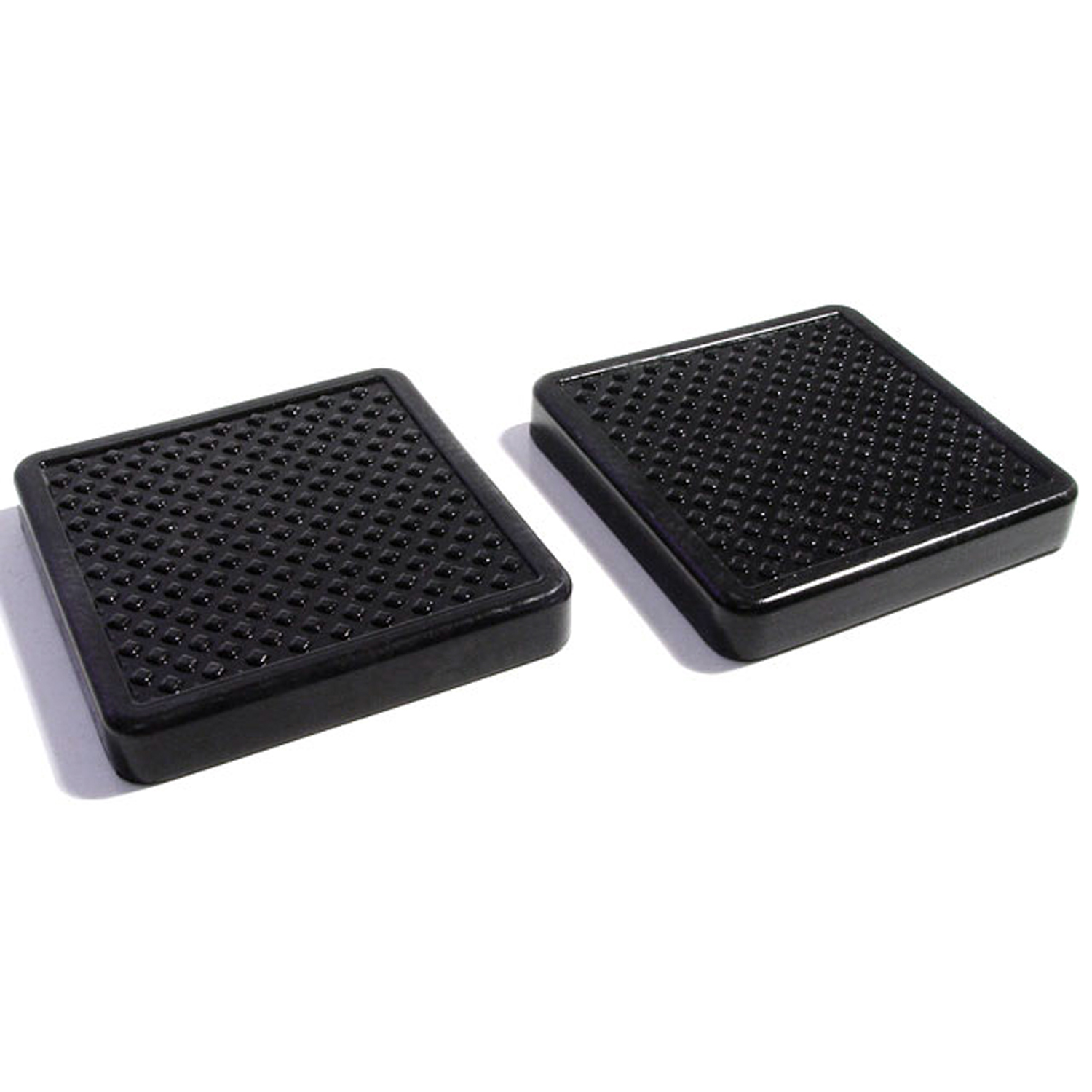 1932 Nash Series 960 Clutch and Brake Pedal Pads. 3" wide X 3" long. Pair-CB 47Clutch and Brake Pedal Pads. 3" wide X 3" long. Pair
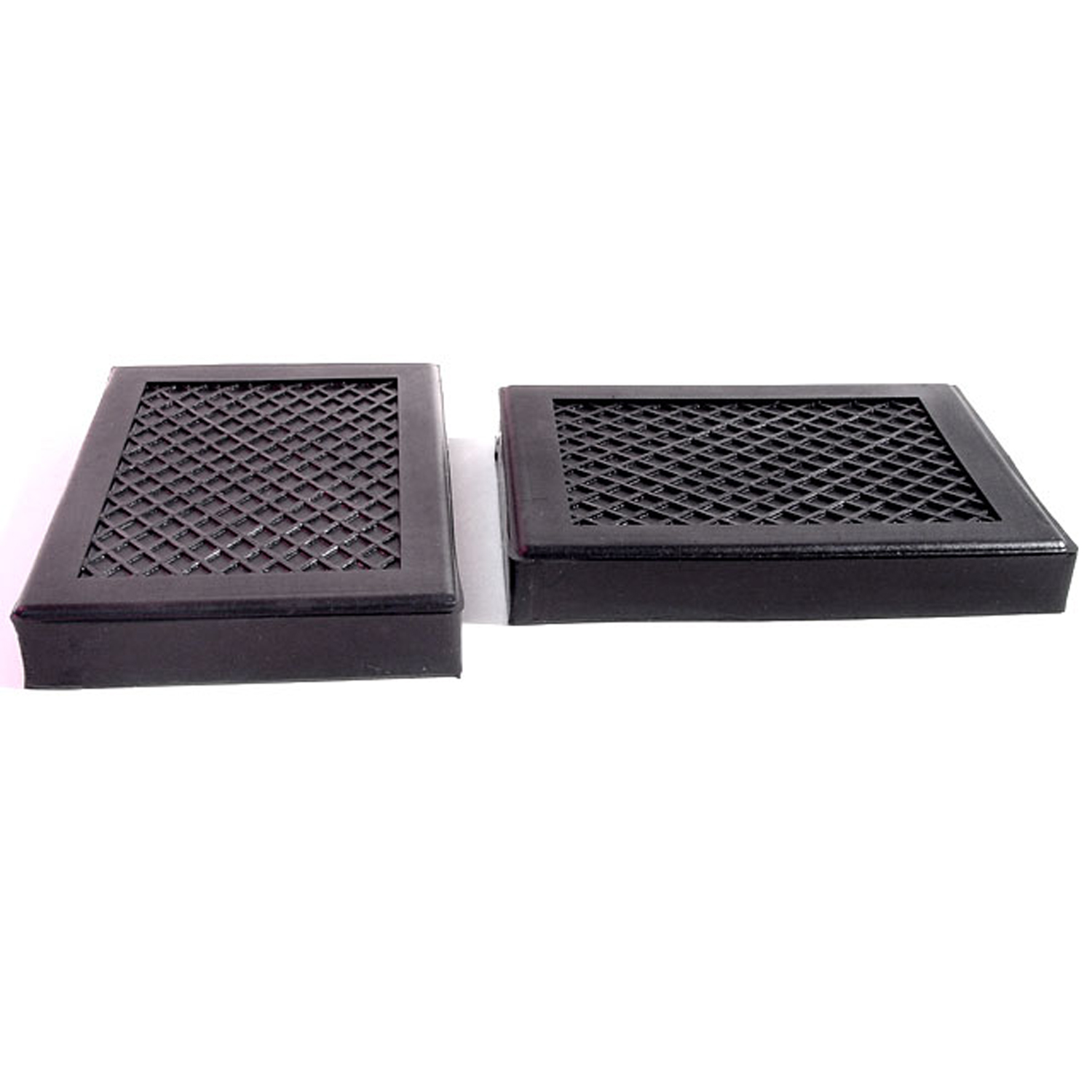 1932 Nash Series 960 Clutch and Brake Pedal Pads. 2-3/4" wide X 3-7/8" long-CB 48Clutch and Brake Pedal Pads. 2-3/4" wide X 3-7/8" long. Pair
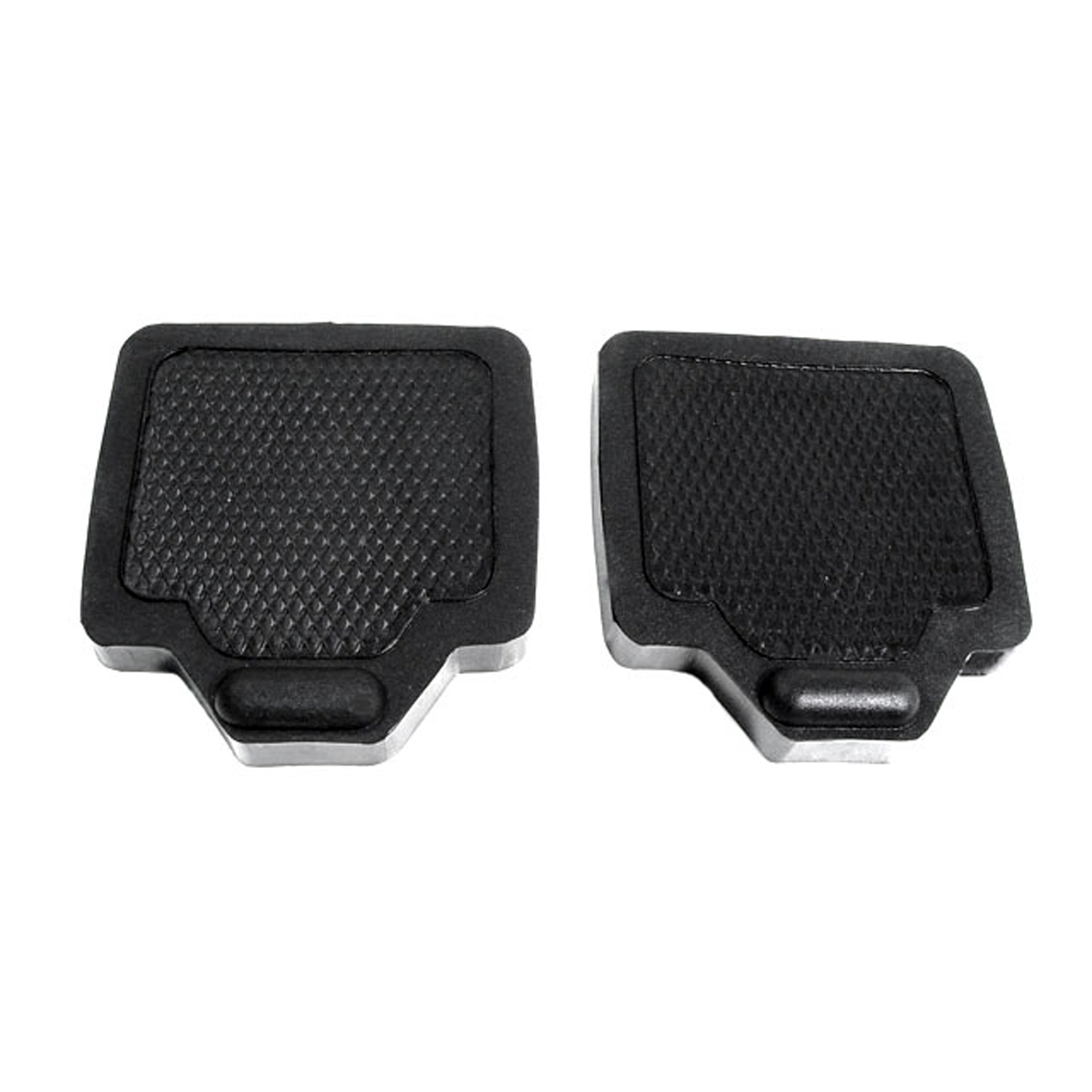 1932 Nash Series 960 Clutch and Brake Pedal Pads. 3-1/2" wide X 3-7/8" long-CB 55Clutch and Brake Pedal Pads. 3-1/2" wide X 3-7/8" long. Pair
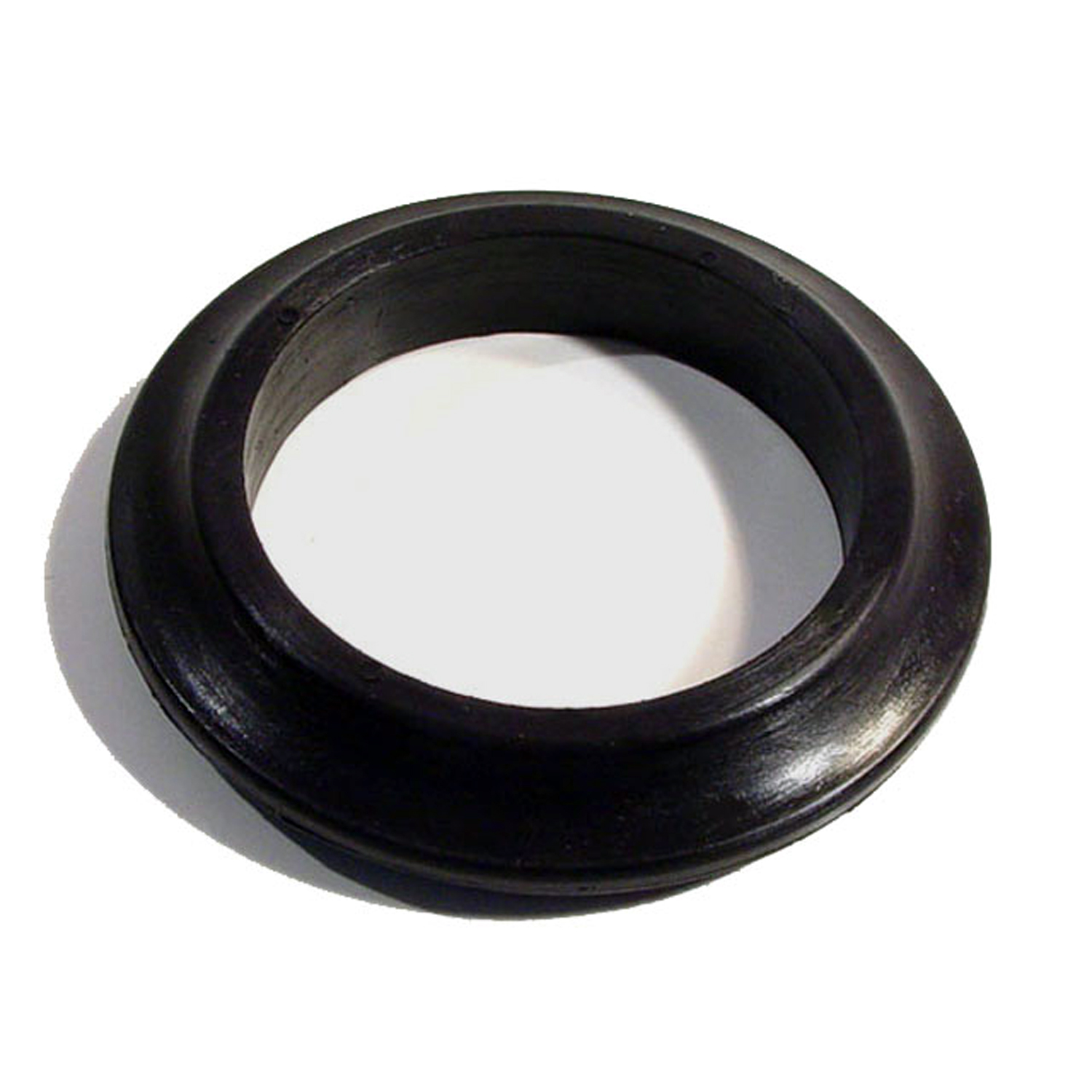 1932 Nash Series 960 Gas Filler Grommet. 2-1/4" I.D., 3-5/16" O.D. Each-GF 21Gas Filler Grommet. 2-1/4" I.D., 3-5/16" O.D. Each
 1932 Nash Series 960 Park Light Pads. 4" wide X 8-3/4" long. Pair-MP 1102Park Light Pads. 4" wide X 8-3/4" long. Pair
 1932 Nash Series 960 Tail-light Pads. 2-7/8" wide X 5" long. Pair-MP 1103Tail-light Pads. 2-7/8" wide X 5" long. Pair
 1932 Nash Series 960 Headlight Bar Pads. 2" wide X 3-1/2" long. Pair-MP 1103-AHeadlight Bar Pads. 2" wide X 3-1/2" long. Pair
 1932 Nash Series 960 Headlight Bar Pads. 1-5/8" wide X 3-5/8" long. Pair-MP 1108Headlight Bar Pads. 1-5/8" wide X 3-5/8" long. Pair
 1932 Nash Series 960 Headlight Bar Pads. 2-1/8" wide X 4-1/2" long. Pair-MP 1109Headlight Bar Pads. 2-1/8" wide X 4-1/2" long. Pair
 1932 Nash Series 960 Spark Plug Boot Fits 30-34 Nash Series Each-RP 1-NSpark Plug Boot Fits 30-34 Nash Series Each
Why Choose Metro?
For over 100 years, Metro Moulded Parts has been the pinnacle of quality in classic car restoration parts. Our commitment to precision and authenticity in every component ensures a perfect fit and an OEM-level appearance.
- Expert Craftsmanship & Quality: Each part is a testament to our dedication to reliability and perfection, crafted from original designs and thoroughly tested.
- Advanced Technology: We use cutting-edge techniques to create flawless, long-lasting parts that surpass others in performance.
- SuperSoft Sponge – The Ultimate Door Seal: Not only are our door seals 30% softer than competitors', but they're also guaranteed to never leak. They effectively reduce wind and road noise, enhancing your classic car's comfort and driving experience.
- Proudly American: Our parts are a product of American craftsmanship, made in the USA with a spirit of excellence and heritage.
- Unrivaled Warranty: We back our products with a 30-year industry-leading warranty, a testament to our confidence in their quality.
Join us in preserving the legacy of classic cars with parts that are crafted for perfection, not just made.