

Image of 1932 Nash Series 980, Note: These illustrations use artistic license and may differ from actual historical models.
Performance Metrics
Fundamental Metrics
Emotional Appeal
MMP Rating
| Engine Specifications | |
|---|---|
| Engine: | Straight-8 |
| Displacement: | 322 cu in (5.3 L) |
| Horsepower: | Estimated 125 HP |
| Torque: | Not available |
| Compression Ratio: | Not available |
| Ignition System: | Battery and coil |
| Cooling System: | Water-cooled |
| Performance Specifications | |
| 0-60 Time: | Not available |
| 1/4 Mile Time: | Not available |
| Top Speed: | Estimated 85 mph |
| Transmission and Drive | |
| Drive Type: | Rear-wheel drive |
| Transmission Type: | 3-speed manual |
| Fuel and Efficiency | |
| Fuel System Type: | Carburetor |
| MPG: | Not available |
| Dimensions and Brakes | |
| Brakes: | Mechanical drum brakes |
| Wheelbase: | 133 in (3,378 mm) |
| Weight: | Estimated 3,400 lbs |
Note: Specifications for classic cars are given to the best of our ability, considering the limited and variant data available.
1932 Nash Series 980: The Ambassador Eight with Twin Ignition
The 1932 Nash Series 980 was a substantial, quietly sophisticated American luxury car, built for drivers who wanted the smoothness of a straight-eight without the imposing price and scale of the most prestigious marques. Made by Nash Motors in Kenosha, Wisconsin, the 980 sat near the top of Nash’s range as an Ambassador Eight. Its long hood, carefully finished cabin, and unusual twin-ignition engine made it a distinctive choice during one of the hardest years in the American auto industry.
A detail that still catches enthusiasts’ attention is the engine’s two spark plugs per cylinder. That meant sixteen plugs for its eight cylinders, an engineering choice intended to improve combustion and deliver smooth, dependable power. In a year when many automakers were struggling to stay afloat, the Series 980 showed Nash continuing to invest in refinement and technical innovation.
What the Series 980 Was
Nash Motors grew out of the Thomas B. Jeffery Company, the maker of the Rambler, which former General Motors president Charles W. Nash acquired in 1916. By 1932, Nash had established a reputation for solid construction and thoughtful engineering. The Series 980 was part of its upper-market offering, aimed at buyers seeking an upscale American car with more exclusivity than a mass-market sedan.
The timing was challenging. The Great Depression had sharply reduced demand for expensive automobiles, and every luxury-minded manufacturer had to make its products count. Nash’s answer was not simply size and ornament. The company emphasized smooth power, a well-equipped interior, and practical engineering, giving the 980 a character that blended comfort with mechanical substance.
Long Hood, Formal Lines
The Series 980 had the balanced proportions associated with early-1930s luxury cars: a tall, upright radiator, a long hood, flowing front fenders, and a passenger compartment set well back from the nose. Its vertical grille bars and prominent headlamps gave the front end a formal presence, while sweeping fenders and carefully shaped body panels softened the car’s considerable bulk. Depending on body style, a rear-mounted spare tire and luggage arrangement added to its touring-car appearance.
Inside, the 980 was built for comfortable long-distance motoring. Upholstery and trim varied by body and specification, with period materials such as broadcloth, mohair, and leather used across different interiors. The dashboard combined clear instrumentation with polished or wood-grain-style trim, while broad seating and generous cabin space made the car feel more like a private lounge than a basic conveyance. The precise materials and finishes on an individual car should be checked against its original build details, since surviving examples may have been retrimmed.
Factory paint choices varied with body style and production specification. Buyers could choose from period colors that commonly included dark, restrained shades, with contrasting trim or color treatments available on some configurations. A restored car’s present paint is not necessarily proof of its original color, so collectors often look for paint traces in protected areas or consult factory records when available.
Body Styles and Equipment
The Series 980 was offered in several closed and open body configurations, including sedan and coupe types, with more formal and sporting variants represented in the wider Nash catalog. Exact availability depended on the model year and catalog specification. Four-door sedans were among the most practical and recognizable forms, while coupe and convertible-style bodies offered a more personal, leisure-oriented character.
Regardless of body, the 980’s appeal came from combining substantial passenger accommodation with a high-grade powertrain. Buyers could choose a car suited to everyday family transport or one intended for touring and formal occasions. Today, surviving body styles are not equally common, and condition, originality, and coachwork can make a major difference to both desirability and value.
Twin Ignition and Nash Engineering
The Series 980’s centerpiece was its 322-cubic-inch (about 5.3-liter) L-head inline-eight. It used twin ignition, with two spark plugs for each cylinder, and was rated at approximately 125 horsepower. The system was designed to promote effective combustion and smooth running, qualities that mattered in a large car intended to cover distance comfortably.
The 980 also reflected the era’s move toward more refined transmission and braking systems. Period specifications commonly list a three-speed manual transmission with synchromesh, which helped make shifts smoother than in an unsynchronized gearbox. Four-wheel hydraulic brakes provided the stopping power expected of a substantial car, though their performance and feel are naturally very different from modern disc-brake systems.
These features did not make the Nash a modern car in the present-day sense. They did, however, show the company concentrating on usable improvements rather than relying on styling alone. The result was a luxury automobile with engineering details owners could appreciate every time they started it or changed gears.
Performance and Road Manners
With roughly 125 horsepower moving a heavy chassis, the Series 980 was built for effortless progress rather than quick acceleration. Period test conditions and body weights varied, and reliable standardized 0-to-60-mph figures are difficult to pin down. A reasonable modern estimate is somewhere around 20 to 25 seconds, depending on the car’s body, gearing, mechanical condition, and passenger load. A healthy example could likely reach approximately 75 to 85 mph, though sustained high-speed driving is not advisable without checking the car’s brakes, tires, cooling system, and overall condition.
On a smooth road, the eight-cylinder engine gives the Nash a measured, relaxed character. The exhaust note is a low mechanical murmur rather than a sharp sporting bark, and the long wheelbase helps the car settle into a steady cruising rhythm. The ride is soft by modern standards, absorbing ordinary road imperfections with the easy compliance expected of a large 1930s automobile. On rough surfaces, however, the chassis can pitch or float, and period tires offer far less grip and precision than modern rubber.
On winding roads, the 980 rewards anticipation. Its size, steering effort, and body lean call for smooth inputs rather than quick direction changes. The driver works a manual gearbox, manages the car’s momentum, and leaves ample room for braking. That involvement is part of the appeal: the Nash feels like a substantial machine being driven, not a modern car with vintage styling.
A Luxury Car in Depression-Era America
The Series 980’s significance lies in how Nash combined upper-market comfort with a distinctive engineering identity at a time of economic crisis. Its twin-ignition straight-eight gave it a technical talking point, while its formal styling and broad range of bodywork helped it compete in the increasingly difficult luxury segment. It was not the only American car with a straight-eight or synchromesh transmission, but the combination helped distinguish Nash from more ordinary offerings.
The 980 also represents an important chapter in Nash’s independent history. The company continued to develop its own products rather than simply imitate the largest Detroit manufacturers. Nash later became part of Nash-Kelvinator and, in 1954, merged with Hudson to form American Motors Corporation. The Series 980 belongs to the earlier era when Nash’s identity was closely tied to Charles Nash’s emphasis on careful engineering and solid value.
Ownership, Maintenance, and Reliability
Today, a Series 980 is best suited to touring, club events, museums, and show displays rather than daily commuting. It can cover distance when properly restored and maintained, but its age makes preventative care essential. Owners should pay particular attention to the cooling system, ignition components, fuel delivery, hydraulic brakes, tires, and lubrication. Twin ignition adds components compared with a single-plug engine, so correct parts and careful setup matter.
Many repairs are mechanically straightforward for an experienced vintage-car owner, but parts availability is not comparable to that of a popular postwar classic. Some routine work can be handled by a competent home mechanic, while engine rebuilding, body restoration, and sourcing rare trim may require specialists and patience. Before buying, inspect the chassis and body for corrosion or old repairs, confirm that the engine and transmission operate properly, and check whether essential components are original or adapted.
Rare Details and Common Criticisms
The twin-ignition arrangement is the most memorable technical feature and an easy way to start a conversation at a car show. The Series 980 is also a reminder that a luxury car from 1932 could be engineered with considerable sophistication even as the industry faced falling sales. No broadly recognized speed or endurance record is associated specifically with the 980, and claims about individual cars should be checked against reliable documentation.
Common criticisms are mostly practical. The car is large, fuel economy is modest, braking distances are long by modern standards, and parts for certain body and trim details can be difficult to find. The twin-ignition engine can also seem complicated to owners expecting a simple vintage six-cylinder. For enthusiasts, those drawbacks are balanced by the smooth straight-eight, imposing presence, and uncommon engineering personality.
Collector Value and Availability
Series 980 production figures are not consistently presented in readily accessible model-by-model sources. As a careful estimate rather than a verified factory total, production may have been in the low thousands, perhaps around 2,000 to 5,000 cars. The number of surviving examples is much smaller, and availability depends heavily on body style and condition. A complete car with sound structure is considerably more appealing than a project missing unique trim or mechanical parts.
As a broad 2026 guide, a project car might fall around $8,000 to $20,000, while a usable but imperfect example could be in the $20,000 to $40,000 range. A well-restored car may bring roughly $40,000 to $75,000, with exceptional examples or especially desirable body styles potentially exceeding that range. These are estimates, not a formal appraisal. Provenance, originality, restoration quality, and the state of the market can shift the final price substantially.
The Series 980 is a niche collector car, so its value does not necessarily rise in lockstep with more famous prewar models. Interest in well-documented, high-quality American classics supports long-term appeal, but restoration costs can outstrip market value. Buyers should prioritize condition and authenticity over the assumption that every old luxury car is automatically an appreciating investment.
Why the 1932 Nash 980 Still Matters
The 1932 Nash Series 980 brought together a distinctive straight-eight, twin ignition, formal styling, and a comfortable, well-finished cabin during a period when the American luxury-car business was under intense pressure. It was ambitious without being ostentatious, and its mechanical details gave it a personality beyond sheer size.
For today’s enthusiast, the 980 offers more than a handsome prewar silhouette. It delivers a direct connection to Nash’s independent engineering spirit and to an era when every journey involved the driver as much as the machine. That combination of character, craftsmanship, and uncommon technology is what keeps this Ambassador Eight memorable.
1932 Nash Series 980 Catalog of Parts
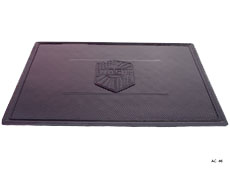 1932 Nash Series 980 Accessory Floor Mat - 12"X17"-AC 46Accessory Floor Mat - made of high quality black rubber with molded original emblem. Also designed to be sewn into new carpets. 12"X17", Each
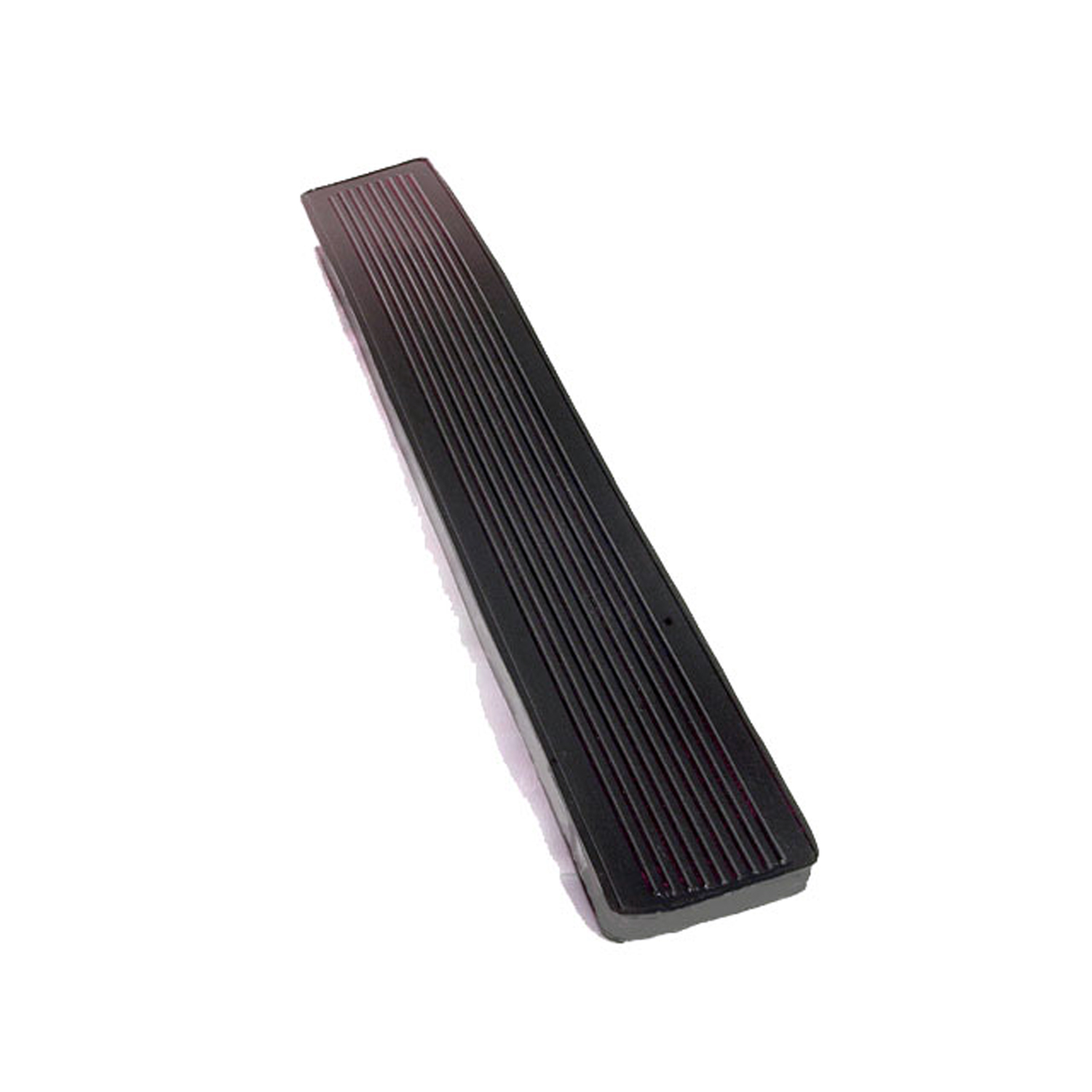 1932 Nash Series 980 Accelerator Pedal Pad, 1-1/2" X 9-3/4", Each-AP 21Accelerator Pedal Pad, 1-1/2" X 9-3/4", Each
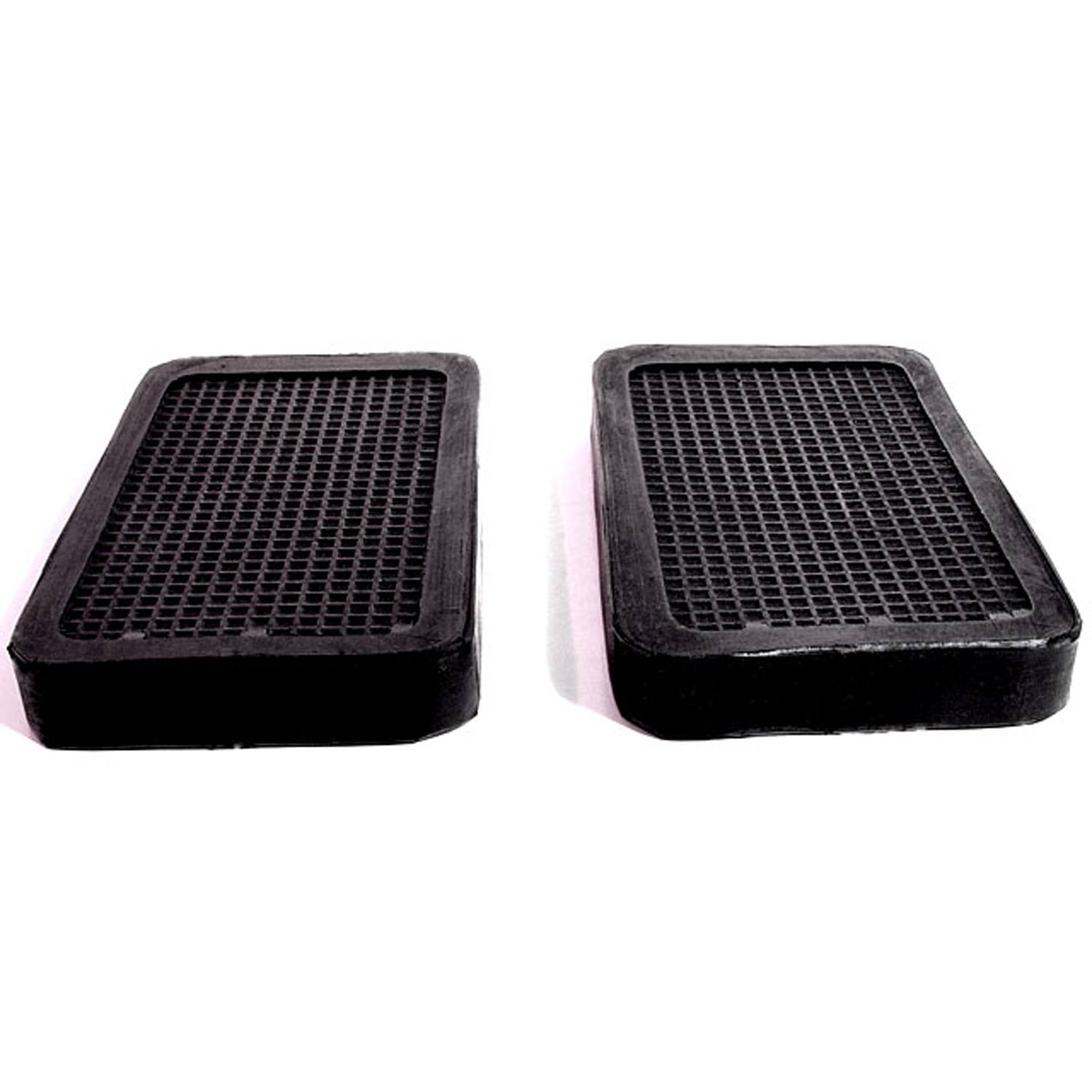 1932 Nash Series 980 Clutch and Brake Pedal Pads. 2-1/4" wide X 4" long. Pair-CB 20Clutch and Brake Pedal Pads. 2-1/4" wide X 4" long. Pair
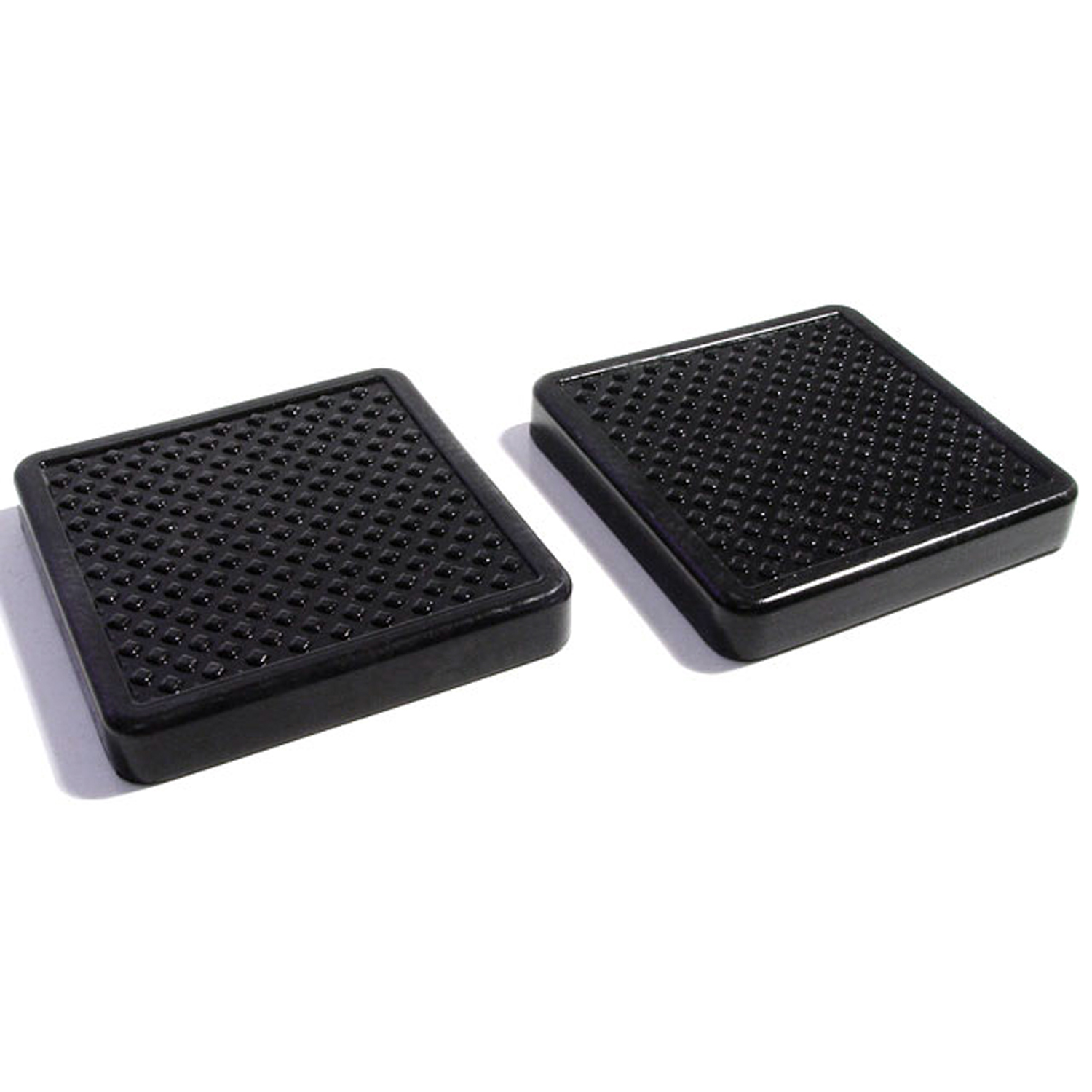 1932 Nash Series 980 Clutch and Brake Pedal Pads. 3" wide X 3" long. Pair-CB 47Clutch and Brake Pedal Pads. 3" wide X 3" long. Pair
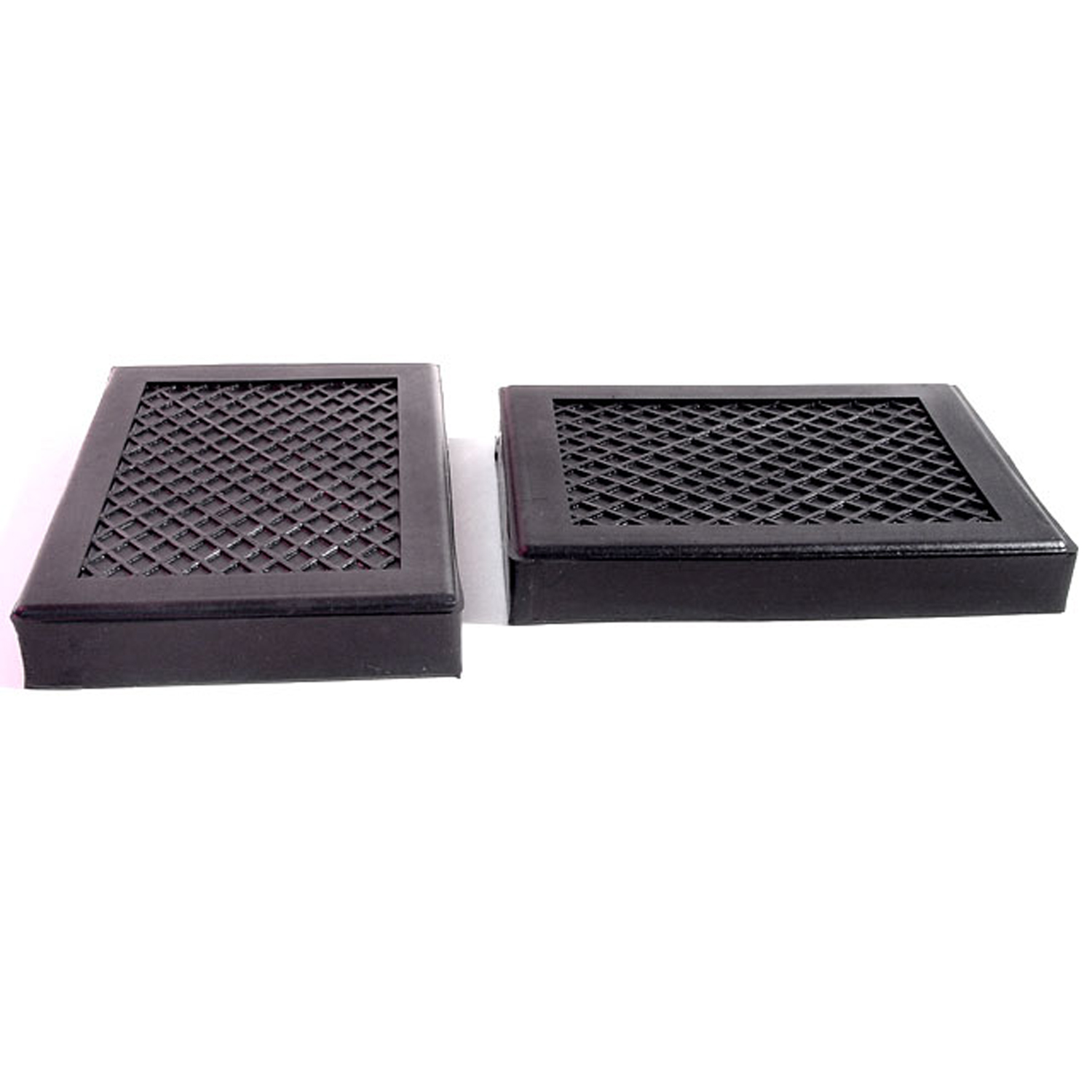 1932 Nash Series 980 Clutch and Brake Pedal Pads. 2-3/4" wide X 3-7/8" long-CB 48Clutch and Brake Pedal Pads. 2-3/4" wide X 3-7/8" long. Pair
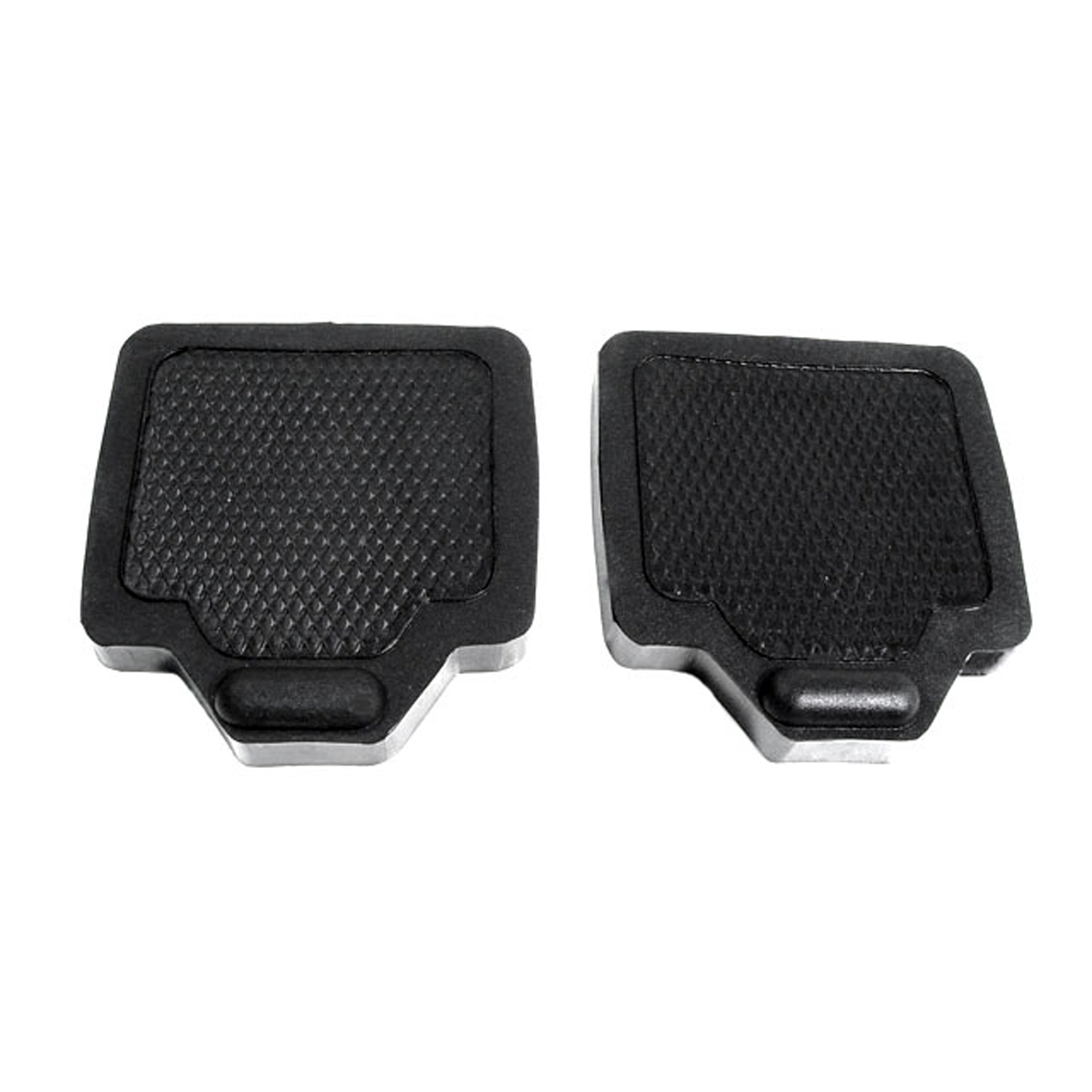 1932 Nash Series 980 Clutch and Brake Pedal Pads. 3-1/2" wide X 3-7/8" long-CB 55Clutch and Brake Pedal Pads. 3-1/2" wide X 3-7/8" long. Pair
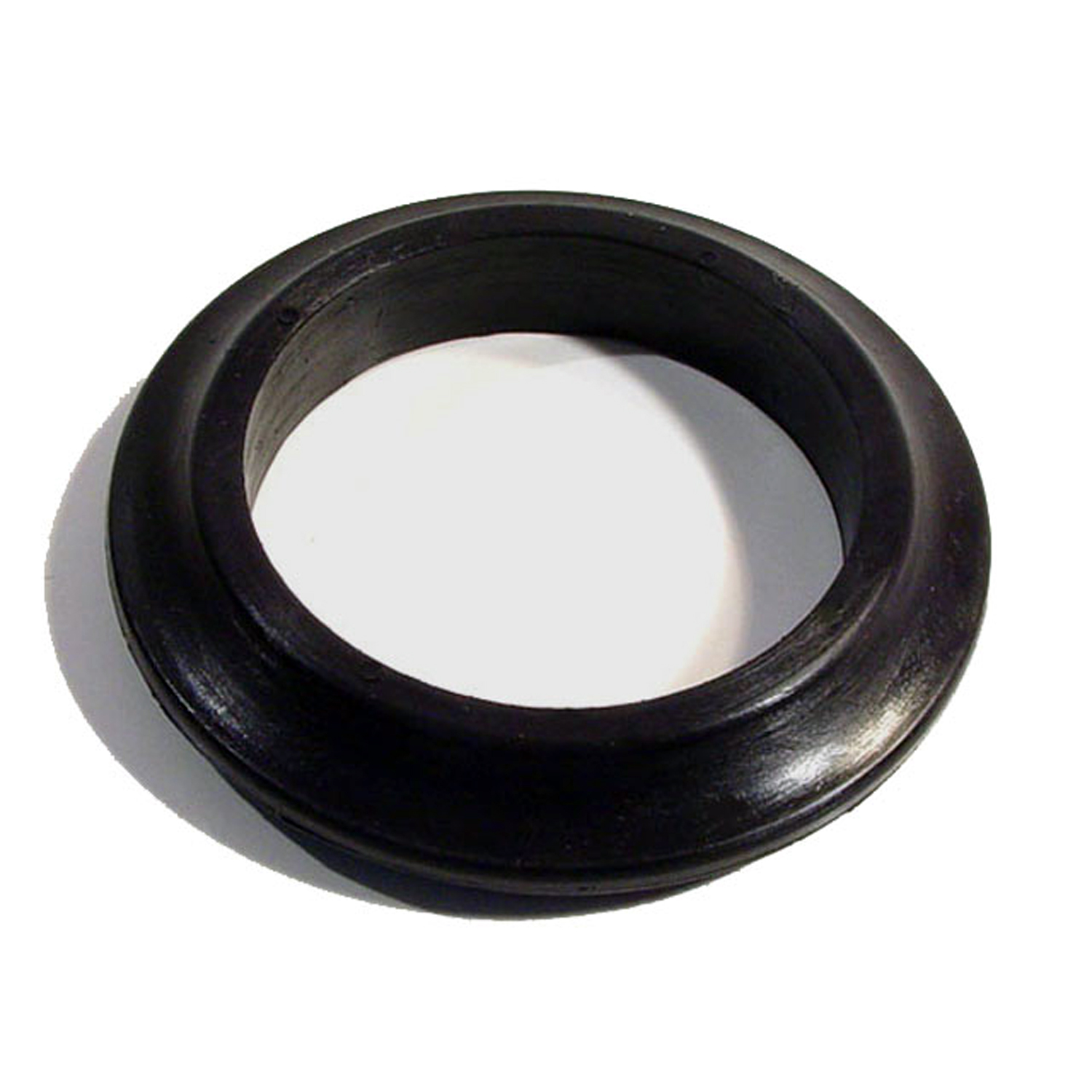 1932 Nash Series 980 Gas Filler Grommet. 2-1/4" I.D., 3-5/16" O.D. Each-GF 21Gas Filler Grommet. 2-1/4" I.D., 3-5/16" O.D. Each
 1932 Nash Series 980 Park Light Pads. 4" wide X 8-3/4" long. Pair-MP 1102Park Light Pads. 4" wide X 8-3/4" long. Pair
 1932 Nash Series 980 Tail-light Pads. 2-7/8" wide X 5" long. Pair-MP 1103Tail-light Pads. 2-7/8" wide X 5" long. Pair
 1932 Nash Series 980 Headlight Bar Pads. 2" wide X 3-1/2" long. Pair-MP 1103-AHeadlight Bar Pads. 2" wide X 3-1/2" long. Pair
 1932 Nash Series 980 Headlight Bar Pads. 1-5/8" wide X 3-5/8" long. Pair-MP 1108Headlight Bar Pads. 1-5/8" wide X 3-5/8" long. Pair
 1932 Nash Series 980 Headlight Bar Pads. 2-1/8" wide X 4-1/2" long. Pair-MP 1109Headlight Bar Pads. 2-1/8" wide X 4-1/2" long. Pair
 1932 Nash Series 980 Spark Plug Boot Fits 30-34 Nash Series Each-RP 1-NSpark Plug Boot Fits 30-34 Nash Series Each
Why Choose Metro?
For over 100 years, Metro Moulded Parts has been the pinnacle of quality in classic car restoration parts. Our commitment to precision and authenticity in every component ensures a perfect fit and an OEM-level appearance.
- Expert Craftsmanship & Quality: Each part is a testament to our dedication to reliability and perfection, crafted from original designs and thoroughly tested.
- Advanced Technology: We use cutting-edge techniques to create flawless, long-lasting parts that surpass others in performance.
- SuperSoft Sponge – The Ultimate Door Seal: Not only are our door seals 30% softer than competitors', but they're also guaranteed to never leak. They effectively reduce wind and road noise, enhancing your classic car's comfort and driving experience.
- Proudly American: Our parts are a product of American craftsmanship, made in the USA with a spirit of excellence and heritage.
- Unrivaled Warranty: We back our products with a 30-year industry-leading warranty, a testament to our confidence in their quality.
Join us in preserving the legacy of classic cars with parts that are crafted for perfection, not just made.