

Image of 1932 Nash Special, Note: These illustrations use artistic license and may differ from actual historical models.
Performance Metrics
Fundamental Metrics
Emotional Appeal
MMP Rating
| Engine Specifications | |
|---|---|
| Engine Options: | Straight-6 |
| Displacement Range: | 3.2L |
| Horsepower Range: | Estimated 65-85 HP |
| Torque: | Not available |
| Compression Ratio: | Not available |
| Ignition System: | Distributor and coil |
| Cooling System: | Water-cooled |
| Performance Specifications | |
| 0-60 Time: | Not available |
| 1/4 Mile Time: | Not available |
| Top Speed: | 70 mph |
| Transmission and Drive | |
| Drive Type: | Rear-wheel drive |
| Transmission Type: | 3-speed manual |
| Fuel and Efficiency | |
| Fuel System Type: | Carburetor |
| MPG: | Not available |
| Dimensions and Brakes | |
| Brakes: | Mechanical drum brakes |
| Wheelbase: | 121 inches |
| Weight: | Estimated 2,800 lbs |
Note: Specifications for classic cars are given to the best of our ability, considering the limited and variant data available.
1932 Nash Special: A Refined Six from a Changing America
The 1932 Nash Special Six brought the polish of a premium American automobile to a country facing the Great Depression. Built by Nash Motors of Kenosha, Wisconsin, it combined a smooth six-cylinder engine, substantial construction, and carefully finished coachwork at a time when many buyers were postponing big purchases.
The name needs a little clarification for modern readers: “1932 Nash Special” generally refers to the Special Six, Nash’s entry-level six-cylinder series, rather than one single body style. It sat below the larger Advanced Six and eight-cylinder models in the company’s range. Even as the more accessible Nash, it was far from a bare-bones car.
A notable piece of Nash engineering was its Twin-Ignition system, which used two spark plugs per cylinder. The arrangement was intended to improve combustion and smoothness, giving this six-cylinder Nash a technical talking point well beyond its price class.
Streamlined Looks, Stately Presence
The Special Six had the upright, confident proportions typical of an early-1930s American car, but Nash gave the design a distinctive identity. A tall radiator grille, sweeping front fenders, prominent headlamps, and a long hood created a formal profile. The body sat high on narrow tires, while details such as brightwork, hood louvers, and carefully shaped fenders added visual richness without relying on excessive ornament.
Inside, the Special aimed for comfort and dignity. Depending on body style and trim, occupants found broad upholstered seats, a substantial dashboard, clear instrumentation, and thoughtful storage. Cloth upholstery was common on closed models, while higher-grade or open-body examples could feature upgraded fabrics or leather. Wood or wood-look trim and polished metal details reinforced the impression of a well-appointed car. Exact materials and trim varied with body style and equipment.
Period paint choices typically included restrained dark and medium tones, with contrasting colors or pinstriping available on some cars. Deep blue, maroon, green, and black are among the shades associated with cars of the era, but surviving finishes and individual options differ. Original paint records for a particular car are the best guide to its factory color.
Nash offered the Special Six in several closed and open body configurations, with availability varying by catalog and market. Sedans were practical choices for families and are among the body styles most likely to be encountered today. Coupes and open models have greater visual drama, but surviving examples are scarcer. Buyers could also choose equipment and trim options that changed the character and price of the car.
Engineering with a Nash Signature
The Special Six’s strongest contribution was its combination of accessible pricing and thoughtful engineering. Twin ignition was an unusual feature for an American six-cylinder passenger car, and it reflected Nash’s effort to distinguish its products through mechanical refinement rather than size alone. The company also emphasized sturdy construction, comfort, and road manners, qualities that helped Nash develop a reputation for sensible, well-engineered cars.
The 1932 Special was not a radical styling landmark, nor did it introduce a technology that transformed the entire industry. Its significance is more measured: it shows how an independent automaker competed with larger manufacturers by offering useful engineering and a premium feel across a broader range. Nash would continue to build on that identity, eventually becoming part of Nash-Kelvinator and later American Motors.
It is also worth separating later Nash innovations from this car. The well-known Weather Eye heating and ventilation system arrived later in the decade, so it should not be attributed to a 1932 Special.
Six-Cylinder Pace and Period Road Manners
The Special Six used a side-valve, or L-head, inline-six. Published specifications can vary by model and source, but the engine is commonly listed at about 201 cubic inches, producing roughly 75 horsepower. A three-speed manual transmission was typical. Twin ignition was a key selling point, though equipment details should be checked against the particular car’s specification and original documentation.
There is no dependable modern factory 0-to-60 mph figure for every Special Six body style. Based on its output, gearing, weight, and period performance, a stock car would likely take roughly 25 to 30 seconds to reach 60 mph. A top speed in the neighborhood of 70 to 75 mph is a reasonable estimate for a healthy example, not a guarantee. Tire condition, engine tune, gearing, and body style all affect real-world results.
On the road, the Nash feels like a substantial prewar car: the steering is slower and heavier than a modern driver expects, the brakes require more planning, and the driver must work the manual gearbox. The six should deliver a measured, even note rather than a sharp sporting bark. Its long wheelbase and weight help it settle over ordinary road imperfections, though rough surfaces can still make the solid axles and narrow tires noticeable. On winding roads, steady inputs and conservative speeds suit the car better than quick direction changes.
Living with a 1932 Nash
Today, a Special Six is best suited to touring, local club events, preservation displays, and occasional show use. It can be driven regularly by an owner willing to maintain it carefully, but it is not an ideal modern daily driver. Traffic speeds, limited crash protection, older lighting, and period braking all call for a thoughtful approach.
Routine work is straightforward in principle: the engine is mechanically simple, and an experienced vintage-car mechanic can service ignition, carburetion, cooling, and lubrication without modern diagnostic equipment. The Twin-Ignition setup adds components, so keeping both ignition systems correctly adjusted matters. The harder part is often finding correct parts, body hardware, trim, and model-specific pieces. A pre-purchase inspection should include the frame, wood structure where used, brakes, cooling system, and the condition of any non-original modifications.
Little-Known Nash Details
The Twin-Ignition system is the Special Six’s most memorable technical conversation starter. It is easy to assume that two plugs per cylinder automatically mean a large power advantage, but Nash’s aim was broader: improve combustion and deliver dependable, smooth operation. The system is a reminder that manufacturers experimented with practical engineering solutions long before electronic engine management.
There is no widely recognized speed, sales, or endurance record specifically associated with the 1932 Special Six, and no celebrity ownership story is firmly tied to the model as a defining part of its history. Its appeal is quieter: it represents an independent American manufacturer’s effort to make a technically interesting, carefully built car during an extraordinarily difficult economic period.
Common criticisms are typical of cars from the early 1930s. The Special is slow by present-day standards, its brakes and steering demand anticipation, and replacement parts can take time to locate. Its styling may also seem formal beside more flamboyant classics. For enthusiasts who value mechanical character and period craftsmanship, those traits are part of the experience rather than deal-breakers.
Collector Values and Availability
The 1932 Nash Special Six is uncommon in today’s market, but a precise production total for the Special Six alone is not consistently available in standard reference sources. Nash built cars in a difficult sales climate, and production was divided among several series and body styles. A sensible estimate is that Special Six production amounted to several thousand cars, while the number surviving in usable or restorable condition is much smaller. Treat any exact production claim with caution unless it is supported by factory records.
Values depend heavily on body style, originality, condition, and documentation. As a broad U.S. market estimate, a project or incomplete car might bring roughly $5,000 to $15,000. A sound, presentable driver could fall around $18,000 to $35,000, while a high-quality restoration may reach approximately $35,000 to $60,000. An especially desirable or exceptionally restored open-body car could exceed that range, while a sedan generally brings less than a rare convertible or coupe. These are guide figures, not a formal appraisal.
Prices for prewar cars have been uneven, and the Nash Special is a niche collectible rather than a guaranteed investment. Exceptional examples can hold or improve their value, but ordinary cars may take time to sell. Originality, condition, and a well-documented restoration usually matter more than simply spending heavily on cosmetic work.
A Thoughtful Classic with Character
The 1932 Nash Special Six pairs restrained American styling with a distinctive engineering feature and a comfortable, substantial road presence. It was not the fastest or most famous car of its day, but it offered buyers a refined six-cylinder automobile from an independent manufacturer determined to stand apart.
For today’s enthusiast, its appeal lies in the details: the Twin-Ignition engine, the stately coachwork, and the reminder that even in hard times, Nash kept looking for smart ways to build a better car. A well-preserved Special Six is more than a handsome survivor. It is a rolling example of American automotive ingenuity under pressure.
1932 Nash Special Catalog of Parts
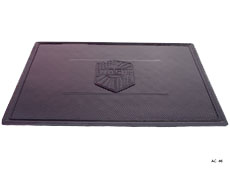 1932 Nash Special Accessory Floor Mat - 12"X17"-AC 46Accessory Floor Mat - made of high quality black rubber with molded original emblem. Also designed to be sewn into new carpets. 12"X17", Each
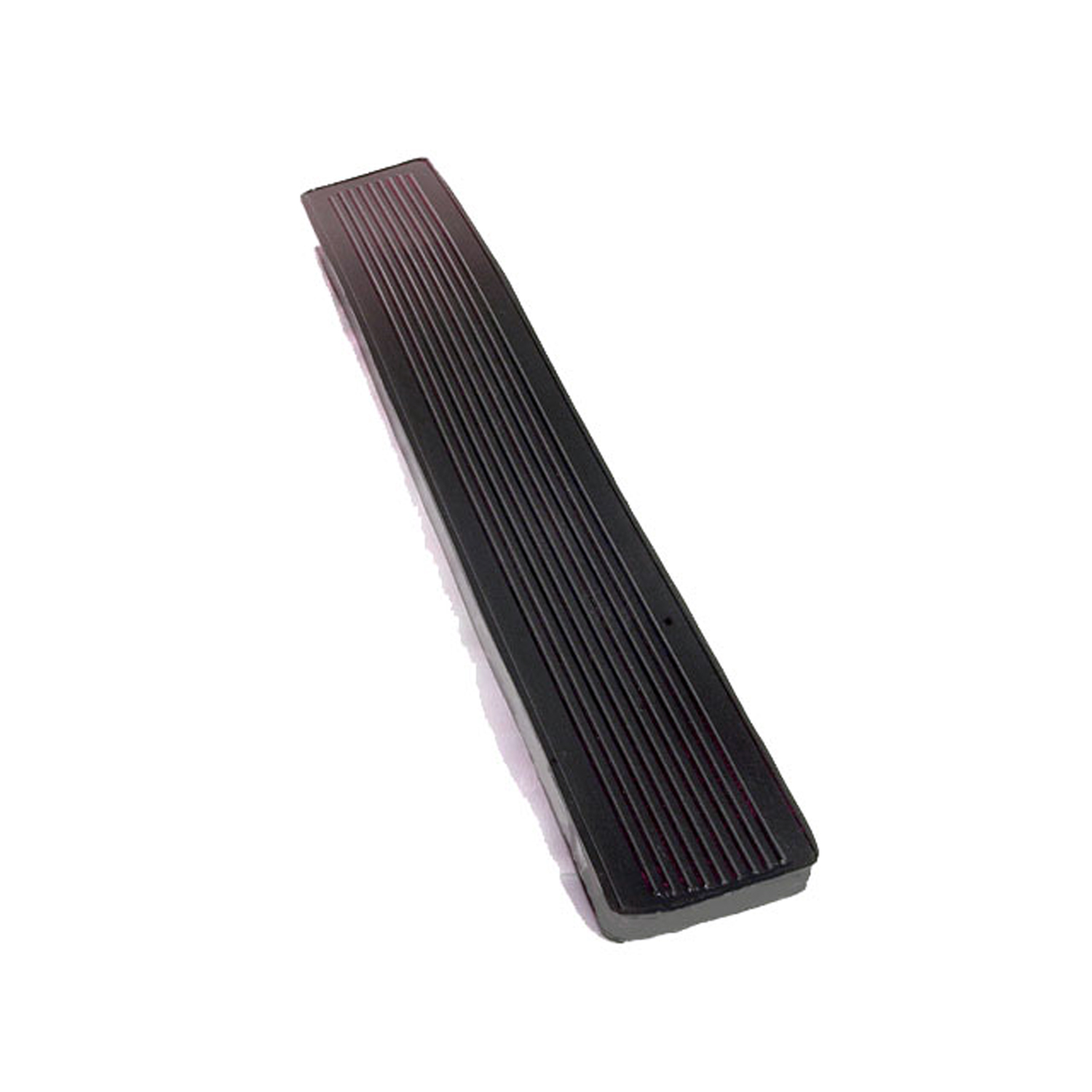 1932 Nash Special Accelerator Pedal Pad, 1-1/2" X 9-3/4", Each-AP 21Accelerator Pedal Pad, 1-1/2" X 9-3/4", Each
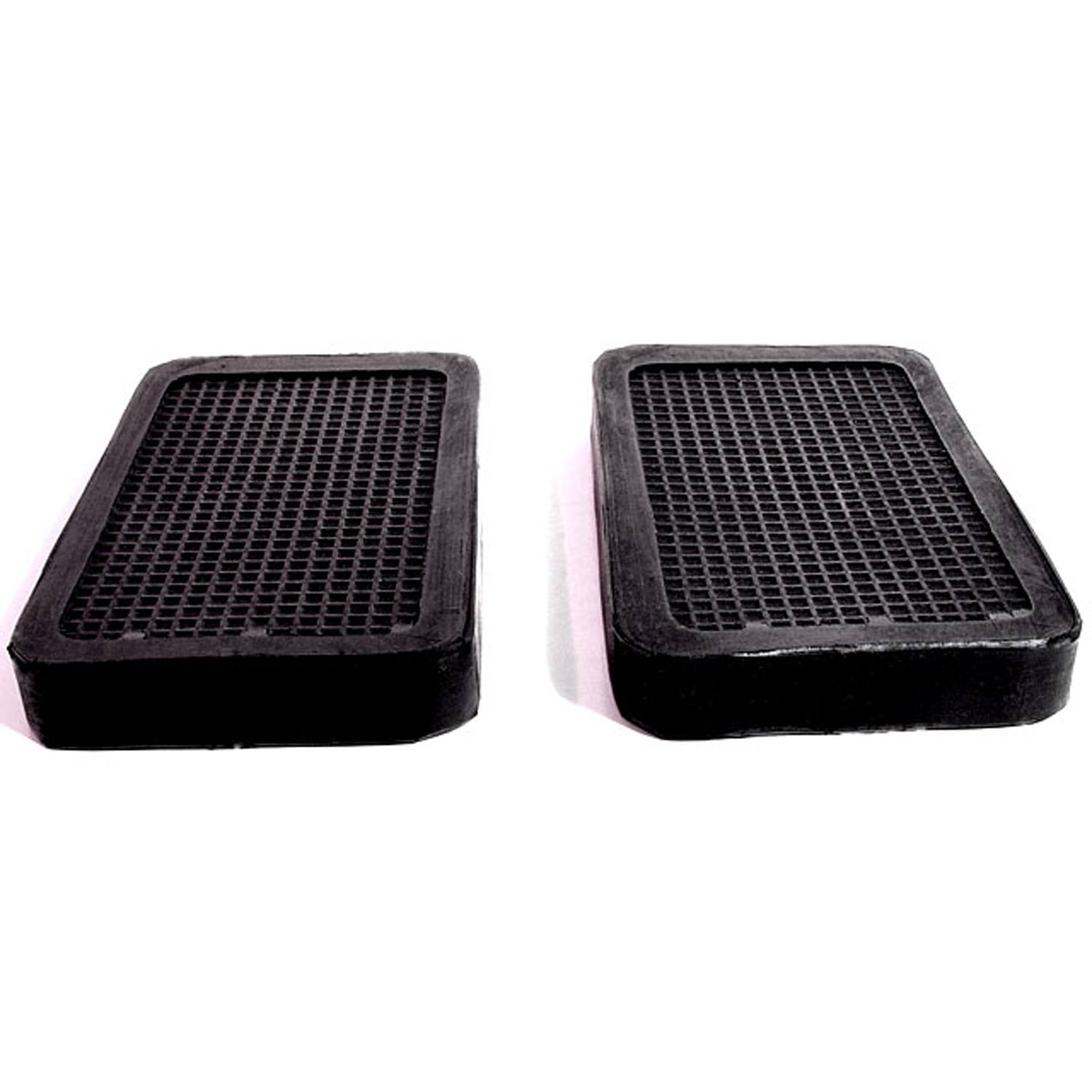 1932 Nash Special Clutch and Brake Pedal Pads. 2-1/4" wide X 4" long. Pair-CB 20Clutch and Brake Pedal Pads. 2-1/4" wide X 4" long. Pair
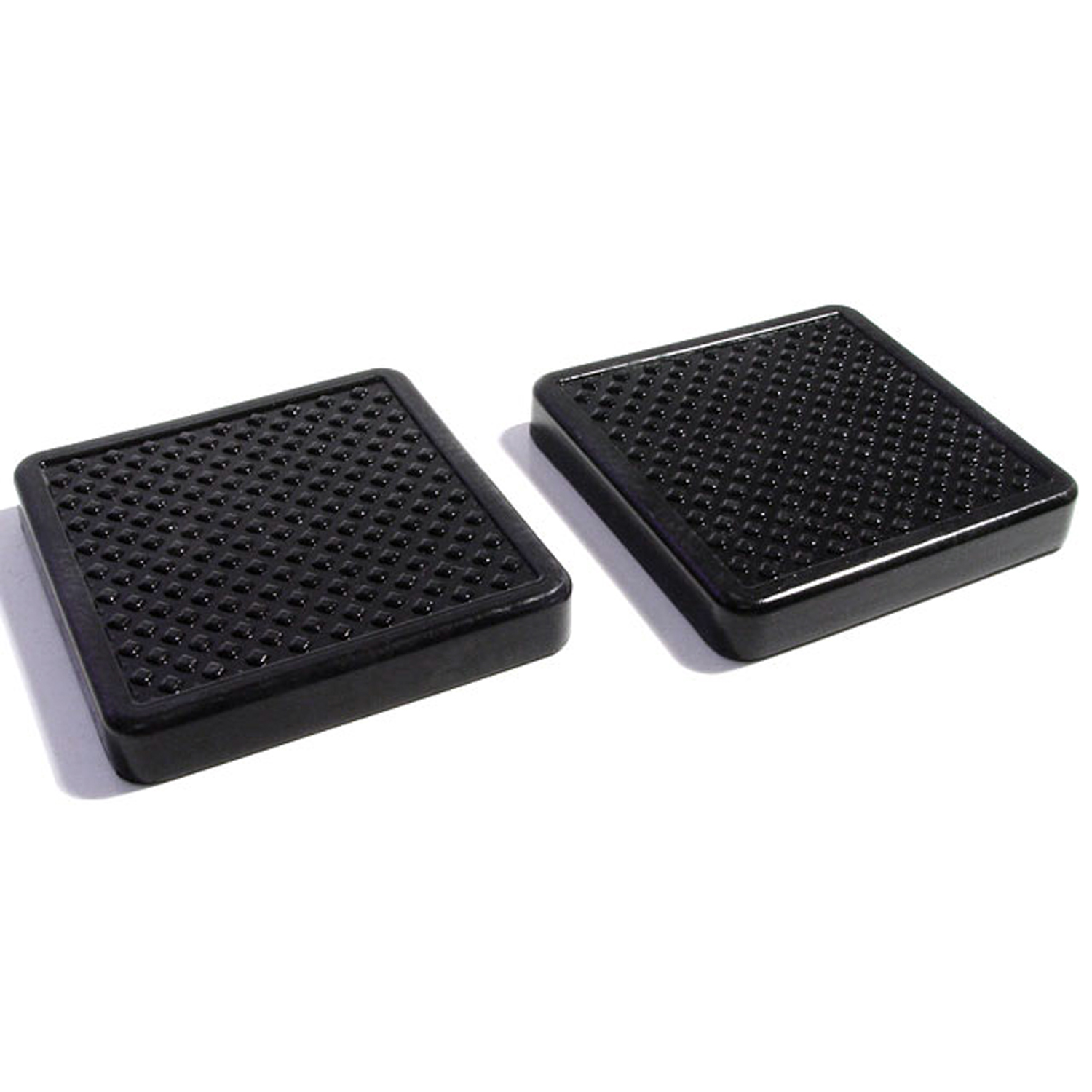 1932 Nash Special Clutch and Brake Pedal Pads. 3" wide X 3" long. Pair-CB 47Clutch and Brake Pedal Pads. 3" wide X 3" long. Pair
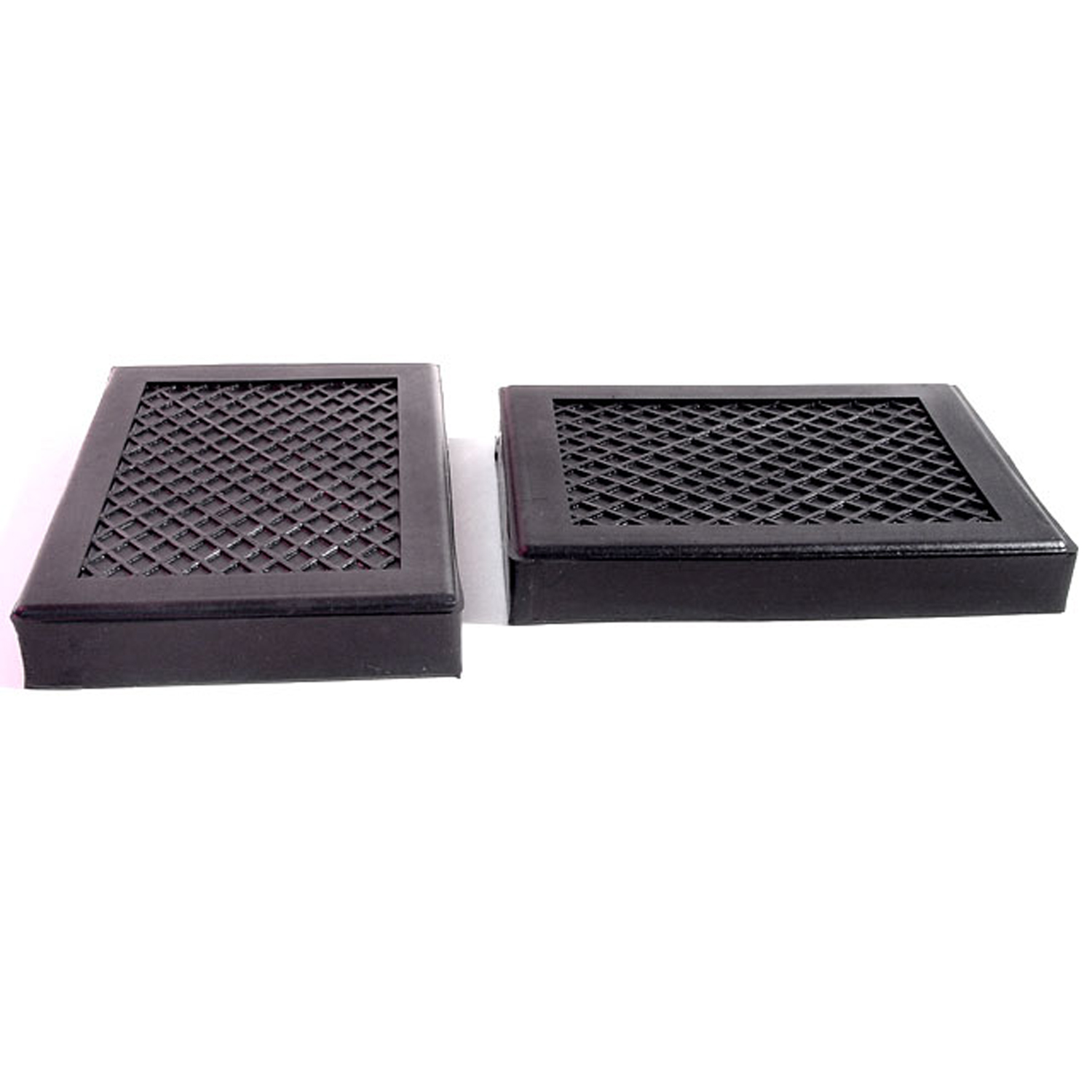 1932 Nash Special Clutch and Brake Pedal Pads. 2-3/4" wide X 3-7/8" long-CB 48Clutch and Brake Pedal Pads. 2-3/4" wide X 3-7/8" long. Pair
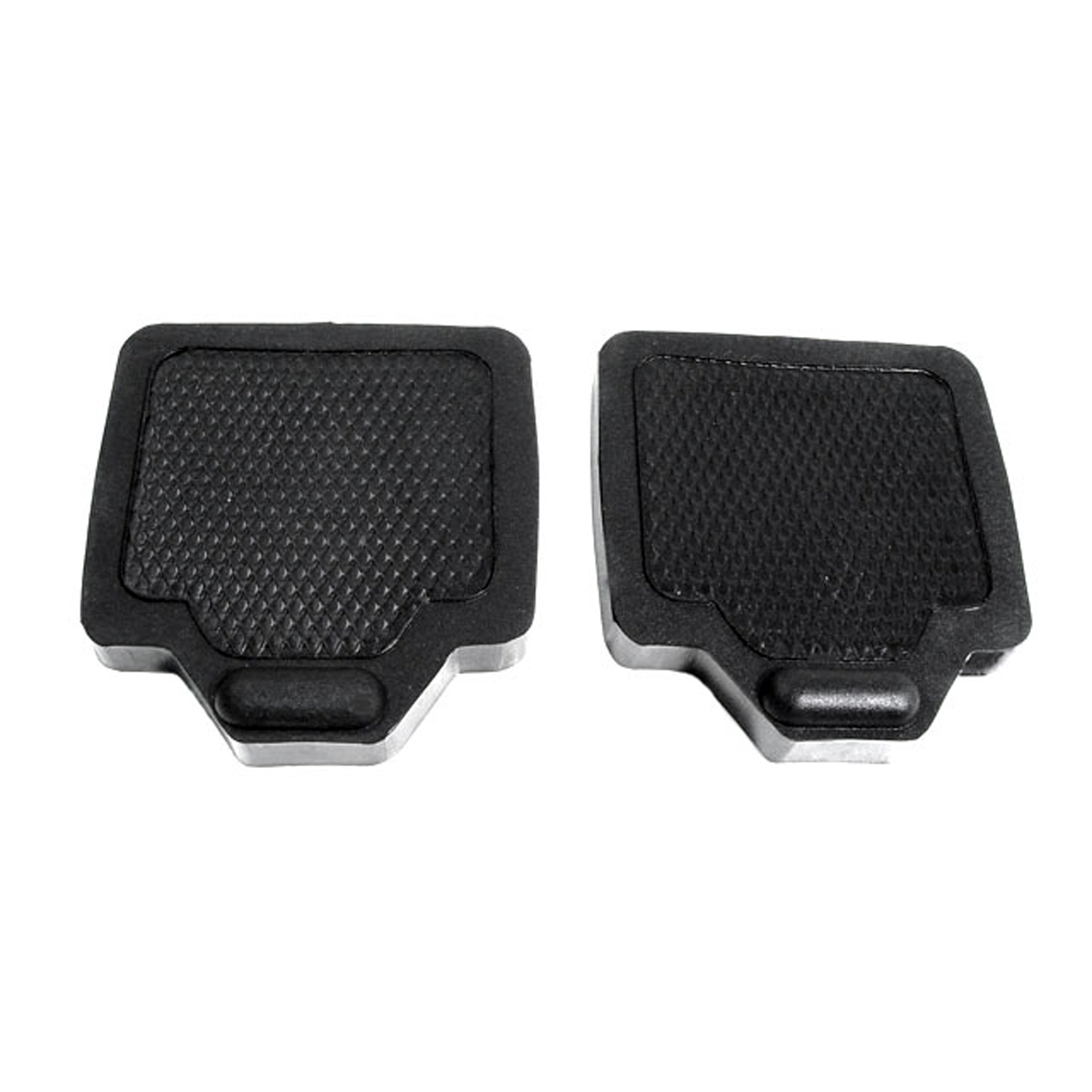 1932 Nash Special Clutch and Brake Pedal Pads. 3-1/2" wide X 3-7/8" long-CB 55Clutch and Brake Pedal Pads. 3-1/2" wide X 3-7/8" long. Pair
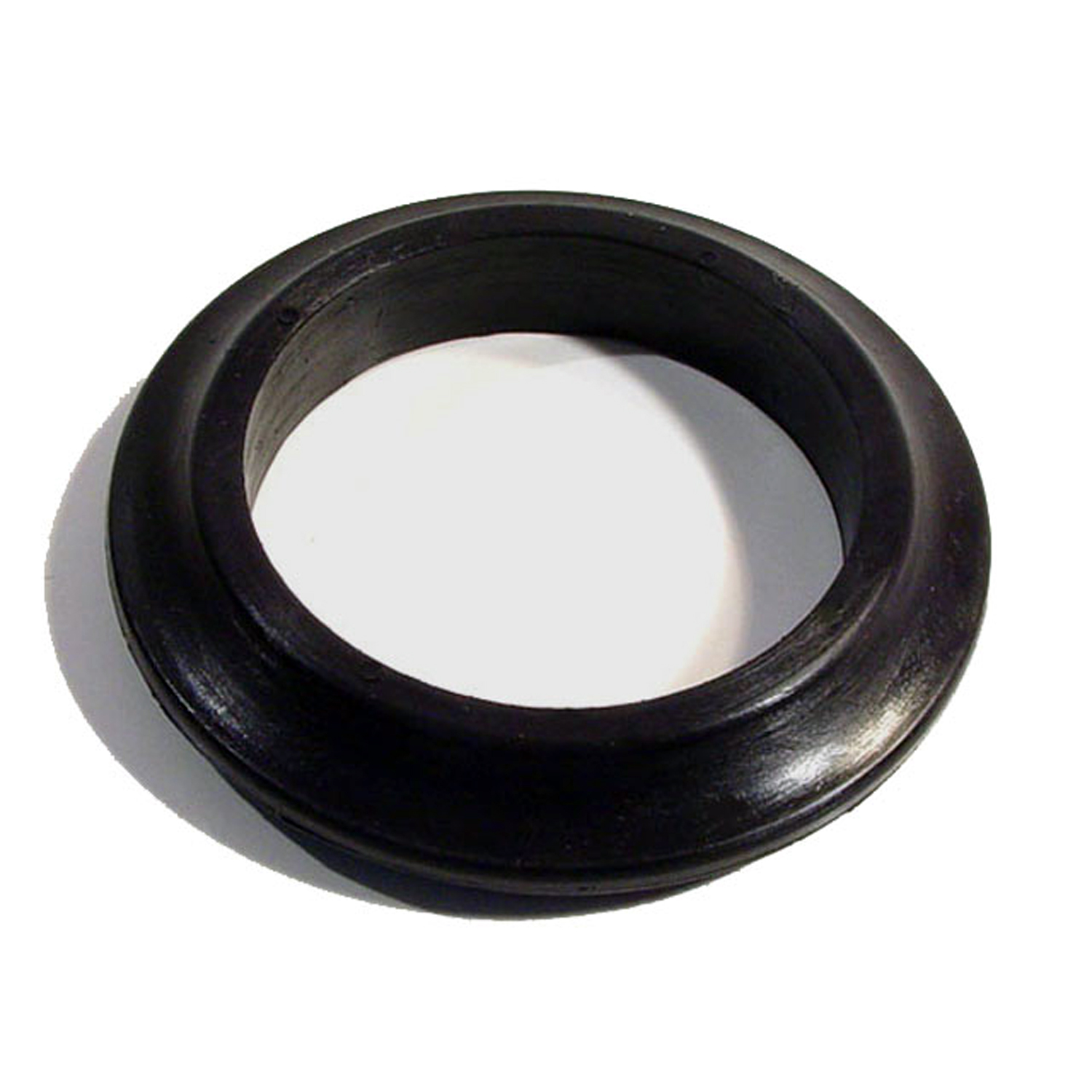 1932 Nash Special Gas Filler Grommet. 2-1/4" I.D., 3-5/16" O.D. Each-GF 21Gas Filler Grommet. 2-1/4" I.D., 3-5/16" O.D. Each
 1932 Nash Special Park Light Pads. 4" wide X 8-3/4" long. Pair-MP 1102Park Light Pads. 4" wide X 8-3/4" long. Pair
 1932 Nash Special Tail-light Pads. 2-7/8" wide X 5" long. Pair-MP 1103Tail-light Pads. 2-7/8" wide X 5" long. Pair
 1932 Nash Special Headlight Bar Pads. 2" wide X 3-1/2" long. Pair-MP 1103-AHeadlight Bar Pads. 2" wide X 3-1/2" long. Pair
 1932 Nash Special Headlight Bar Pads. 1-5/8" wide X 3-5/8" long. Pair-MP 1108Headlight Bar Pads. 1-5/8" wide X 3-5/8" long. Pair
 1932 Nash Special Headlight Bar Pads. 2-1/8" wide X 4-1/2" long. Pair-MP 1109Headlight Bar Pads. 2-1/8" wide X 4-1/2" long. Pair
 1932 Nash Special Spark Plug Boot Fits 30-34 Nash Series Each-RP 1-NSpark Plug Boot Fits 30-34 Nash Series Each
Why Choose Metro?
For over 100 years, Metro Moulded Parts has been the pinnacle of quality in classic car restoration parts. Our commitment to precision and authenticity in every component ensures a perfect fit and an OEM-level appearance.
- Expert Craftsmanship & Quality: Each part is a testament to our dedication to reliability and perfection, crafted from original designs and thoroughly tested.
- Advanced Technology: We use cutting-edge techniques to create flawless, long-lasting parts that surpass others in performance.
- SuperSoft Sponge – The Ultimate Door Seal: Not only are our door seals 30% softer than competitors', but they're also guaranteed to never leak. They effectively reduce wind and road noise, enhancing your classic car's comfort and driving experience.
- Proudly American: Our parts are a product of American craftsmanship, made in the USA with a spirit of excellence and heritage.
- Unrivaled Warranty: We back our products with a 30-year industry-leading warranty, a testament to our confidence in their quality.
Join us in preserving the legacy of classic cars with parts that are crafted for perfection, not just made.