

Image of 1932 Nash Standard, Note: These illustrations use artistic license and may differ from actual historical models.
Performance Metrics
Fundamental Metrics
Emotional Appeal
MMP Rating
| Engine Specifications | |
|---|---|
| Engine: | Inline-6 |
| Displacement: | 3.2L |
| Horsepower: | Estimated 65-85 HP |
| Torque: | Information not available |
| Compression Ratio: | Information not available |
| Ignition System: | Distributor and coil |
| Cooling System: | Water-cooled |
| Performance Specifications | |
| 0-60 Time: | Information not available |
| 1/4 Mile Time: | Information not available |
| Top Speed: | 70 mph |
| Transmission and Drive | |
| Drive Type: | Rear-wheel drive |
| Transmission Type: | 3-speed manual |
| Fuel and Efficiency | |
| Fuel System Type: | Carburetor |
| MPG: | Information not available |
| Dimensions and Brakes | |
| Brakes: | Mechanical drum brakes |
| Wheelbase: | 121 inches |
| Weight: | Estimated 2,800 lbs |
Note: Specifications for classic cars are given to the best of our ability, considering the limited and variant data available.
1932 Nash Standard: A Depression-Era Classic
The 1932 Nash Standard brought the confidence and comfort of a full-size American automobile to buyers navigating the toughest years of the Great Depression. Built by Nash Motors in Kenosha, Wisconsin, it was the company’s entry-level six-cylinder offering, combining substantial styling and a roomy cabin with a less costly price than Nash’s larger, more powerful models.
Nash Motors had been founded by former General Motors president Charles W. Nash, and by the early 1930s it had earned a reputation for carefully engineered cars with a more finished feel than their price might suggest. The Standard Six sat at the accessible end of Nash’s 1932 range, below the pricier six- and eight-cylinder models. It was not a stripped-down economy car so much as a way into the Nash lineup.
Its timing gives the car much of its historical character. In 1932, unemployment and falling incomes were reshaping the American auto market. Manufacturers had to make cars that felt worthwhile without making them prohibitively expensive. The Nash Standard answered with a six-cylinder engine, a comfortable enclosed body, and the proportions of a proper family car. One appealing detail is that even as the entry model, it shared Nash’s distinctive, carefully shaped bodywork rather than looking like a bare-bones economy special.
1932 Nash Styling and Cabin
The Standard’s shape was unmistakably early-1930s American: tall, upright, and richly sculpted, but beginning to look more streamlined than the boxier cars of the previous decade. A prominent vertical radiator grille gave the nose its formal character. Long hood panels, sweeping front fenders, rounded lamps, and running boards created a continuous visual line from the engine bay to the passenger compartment. From the side, the relatively high beltline and gently curved roof made the car look substantial and well planted.
Inside, the Standard favored comfort over ornament for ornament’s sake. Expect a broad front bench, generous headroom, and a straightforward dashboard with period instruments and controls. Upholstery materials varied by body style and trim, but cloth and mohair were typical choices in cars of this class. The finish was more modest than in an Ambassador, Nash’s upper-range luxury model, yet the cabin still offered the warmth and craftsmanship associated with a quality 1930s car. Restored examples may have replacement upholstery, so buyers should check whether the materials and patterns match the car’s original specification.
Paint choices depended on body style, trim, and production details. Dark, conservative shades such as black, blue, maroon, and green are commonly associated with cars of the period, while lighter or contrasting finishes could add visual flair. The original factory color for any particular car is best confirmed through its paint data, build records, or reliable restoration documentation rather than inferred from a modern repaint.
The Standard Six range included closed body styles such as sedans and coupes, with the exact catalog offerings depending on the model designation and body configuration. The four-door sedan is the most recognizable family-car form, while a coupe brings a more personal, sporting look. Nash’s model names and body offerings can be confusing because the company sold several series at once, so it is wise to verify a car’s series and body style from period literature or its identification plate.
Technology for 1932
At the heart of the Standard was a side-valve, or L-head, inline six-cylinder engine of about 221 cubic inches. Typical specifications put output at roughly 70 horsepower, sent to the rear wheels through a three-speed manual transmission. Four-wheel drum brakes and a conventional ladder-style chassis were familiar technologies, but they mattered greatly in a full-size car expected to carry a family and its luggage.
The Standard’s appeal was not a single futuristic gadget. It was the way Nash combined a six-cylinder powerplant, practical running gear, and a refined closed body into a coherent package. Features and equipment could differ by series and option, so claims about items such as specialized transmissions or advanced ignition systems should be checked against the exact car. Some headline technologies associated with Nash’s more expensive models were not necessarily fitted to the Standard Six.
Historical Importance of the Nash Standard
The 1932 Standard reflects a pivotal period in American car design. Manufacturers were moving away from the upright, individually assembled look of the 1920s and toward lower, more integrated bodies with sweeping fenders and smoother profiles. The Nash was not a radical styling break, but it shows how quickly the family sedan was becoming more cohesive and automobile-like, rather than resembling a carriage fitted with an engine.
What set the Standard apart was its position in the market. Nash offered the security of a recognized independent manufacturer and the comfort of a sizeable six-cylinder car at a time when many households were postponing purchases or trading down. Its legacy is less about introducing a single industry-changing feature than about showing how a smaller automaker could compete through thoughtful engineering, attractive design, and a broad model range.
Nash later became part of Nash-Kelvinator in 1937, following a merger with the appliance maker. The company eventually became part of American Motors, but the 1932 Standard belongs to the earlier era of Nash as an independent automobile manufacturer. That independence is part of its appeal to collectors today.
1932 Nash Standard Performance
With approximately 70 horsepower, the Standard Six was built for steady road travel rather than quick acceleration. A reasonable period-car estimate places top speed around 60 to 70 mph, depending on condition, gearing, tires, and body style. A 0-to-60-mph time would likely fall somewhere around 25 to 30 seconds, though surviving standardized test data for this specific model is limited. Treat those figures as practical estimates, not guaranteed factory test results.
On the road, the long wheelbase and substantial chassis help the Nash feel composed at moderate speeds. It should absorb ordinary road imperfections with more ease than a small, lightweight car, although worn springs, tired shocks, old tires, and loose steering components can transform the ride. On winding roads, the car rewards smooth inputs. Its weight, period steering geometry, and narrow tires make it less agile than a modern sedan, and quick cornering is not its natural habitat.
The driving experience is pleasantly mechanical. The flathead six produces a muted, even growl rather than a high-revving engine note. The driver works a manual gear lever, listens to the engine, and plans overtakes with plenty of room. Steering is slower and heavier at parking speeds than a modern car, while the brakes require more anticipation. Properly maintained, however, the Nash can make an engaging touring car, especially on quiet roads where its pace feels appropriate rather than frustrating.
Living With a 1932 Nash
Today, most Standard Sixes are used for touring, local classic-car events, museum display, or occasional show-car duty. They can handle gentle regular use when carefully sorted, but they are not ideal modern daily drivers. Traffic moves faster, replacement parts are not always available at a neighborhood shop, and old-car safety equipment is limited compared with contemporary vehicles.
Maintenance is manageable for an owner comfortable with traditional mechanical systems. The engine is a straightforward prewar design, and many routine jobs, including ignition service, carburetor adjustment, lubrication, and brake work, can be done by a capable home mechanic. The harder tasks are often finding correct parts, repairing worn or damaged bodywork, and sourcing trim specific to the Nash. Before buying, inspect the frame, floor, rocker areas, wood or structural supports where applicable, cooling system, and brake hydraulics. A car that runs well can still need substantial work to become safe and dependable on the road.
Nash Standard Facts and Myths
The 1932 Standard is not generally known for a headline speed record, a major racing victory, or a famous celebrity owner. Its story is more representative than spectacular: it was a real family car sold during a period when simply keeping an automobile business alive was a serious challenge. Nash’s lasting significance comes from its engineering and design identity across many model years, rather than from one celebrated Standard Six stunt.
A common criticism is that the car’s modest power and period braking and steering feel slow by modern standards. That is fair, but it is also a mismatch of expectations. The Standard was designed for the roads, traffic, and driving habits of its own era. Another challenge is that Nash-specific trim and body parts can be harder to locate than parts for high-volume Ford or Chevrolet models. Buyers should prioritize completeness, sound structure, and a clear restoration history over a low asking price.
Collector Value and Rarity
Exact production totals for the 1932 Standard Six are not consistently reported in commonly available references. As a working estimate rather than a factory figure, production of the Standard series may have been in the several-thousand to low-five-figure range. Surviving, complete examples are much less common than more popular mass-market cars of the same year, and individual body styles can be particularly difficult to find.
In the current U.S. collector market, a project car might fall roughly between $5,000 and $12,000, depending heavily on completeness and structural condition. A running driver-quality example could bring about $12,000 to $25,000, while a high-quality restoration may reach approximately $25,000 to $40,000 or more. Exceptional cars, rare body styles, and unusually well-documented restorations can exceed those estimates, while incomplete or poorly repaired cars may sell for less. These are broad guide figures, not an appraisal; location, originality, and the quality of the work make a major difference.
Values for prewar independent makes tend to move gradually rather than follow the fast swings seen in some high-profile muscle cars. The Nash Standard’s rarity supports its appeal, but its market is specialized, so condition and buyer interest matter more than rarity alone. Well-preserved, correctly restored cars are likely to hold their interest better than projects requiring extensive body and trim work.
Why the 1932 Nash Standard Still Matters
The 1932 Nash Standard combines elegant early-1930s styling, practical six-cylinder engineering, and the story of an independent automaker adapting to the Depression. It is not the quickest or most famous car of its time, and that is precisely part of its charm. This is a substantial, thoughtfully designed family automobile from a moment when every sale mattered and every detail had to earn its place.
For collectors, the Standard offers a less familiar route into prewar motoring than the usual Ford or Chevrolet. For everyone else, it is a reminder that automotive history is shaped not only by record-breakers and icons, but also by well-made cars that carried ordinary families through extraordinary times.
1932 Nash Standard Catalog of Parts
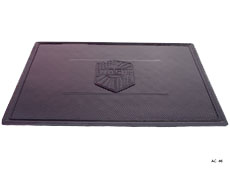 1932 Nash Standard Accessory Floor Mat - 12"X17"-AC 46Accessory Floor Mat - made of high quality black rubber with molded original emblem. Also designed to be sewn into new carpets. 12"X17", Each
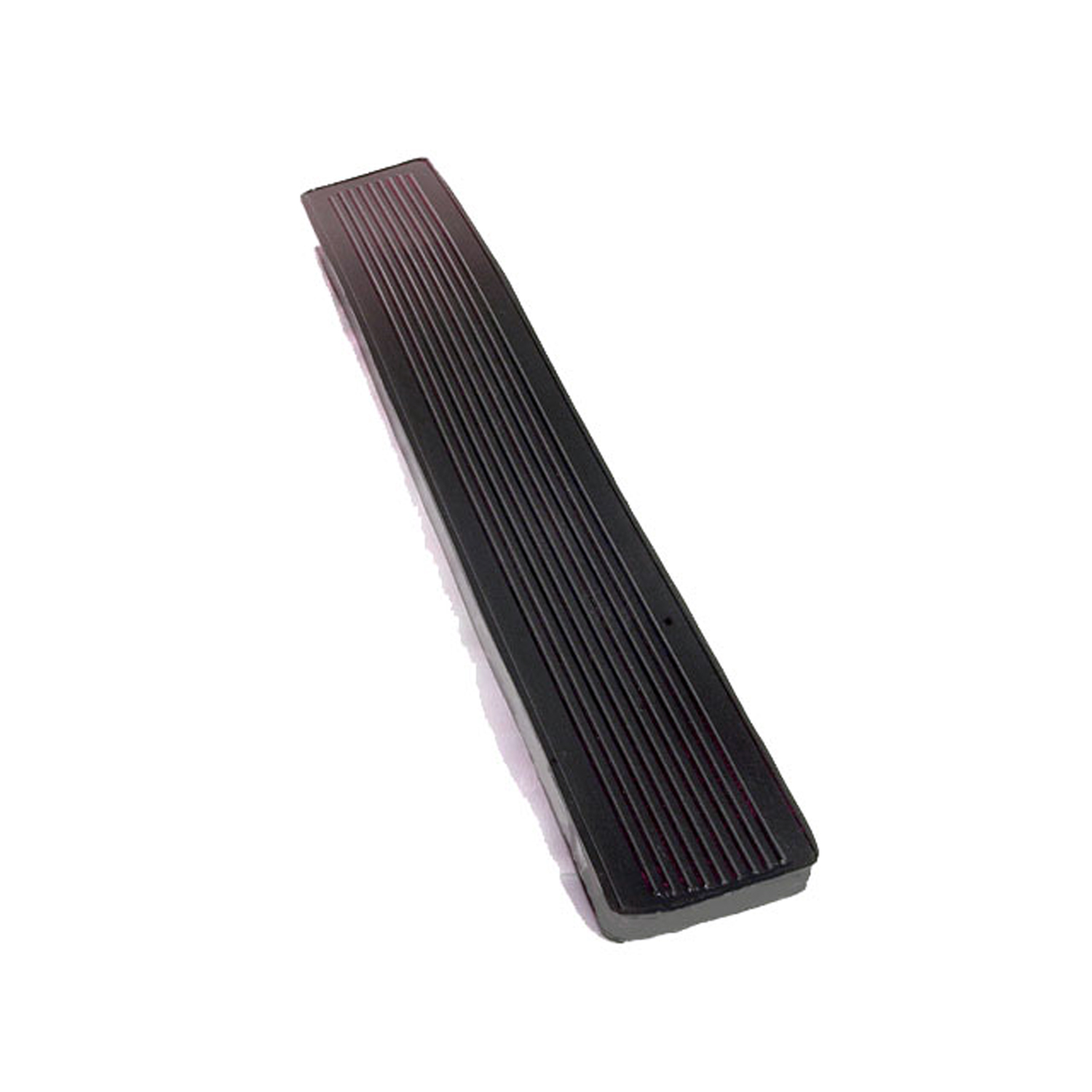 1932 Nash Standard Accelerator Pedal Pad, 1-1/2" X 9-3/4", Each-AP 21Accelerator Pedal Pad, 1-1/2" X 9-3/4", Each
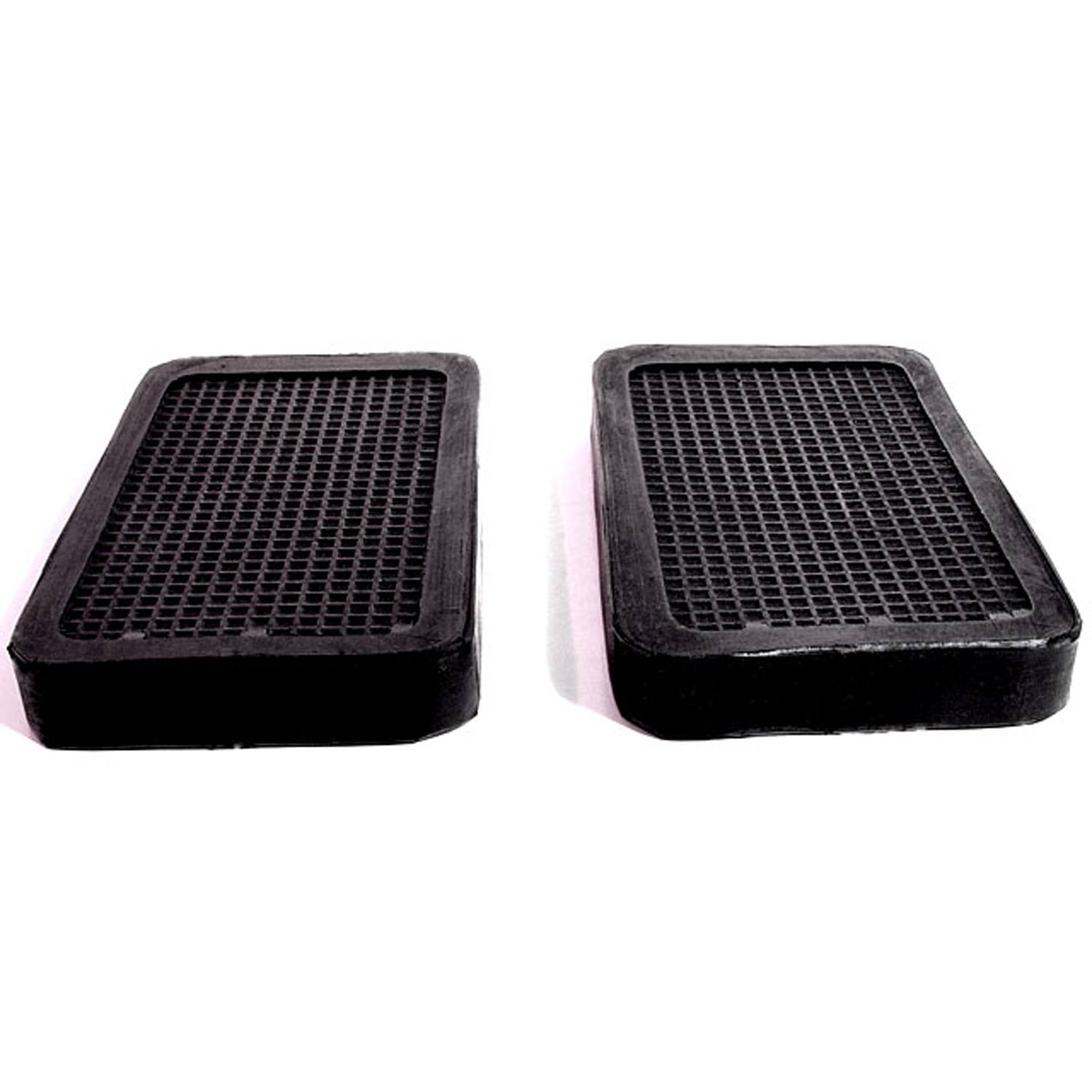 1932 Nash Standard Clutch and Brake Pedal Pads. 2-1/4" wide X 4" long. Pair-CB 20Clutch and Brake Pedal Pads. 2-1/4" wide X 4" long. Pair
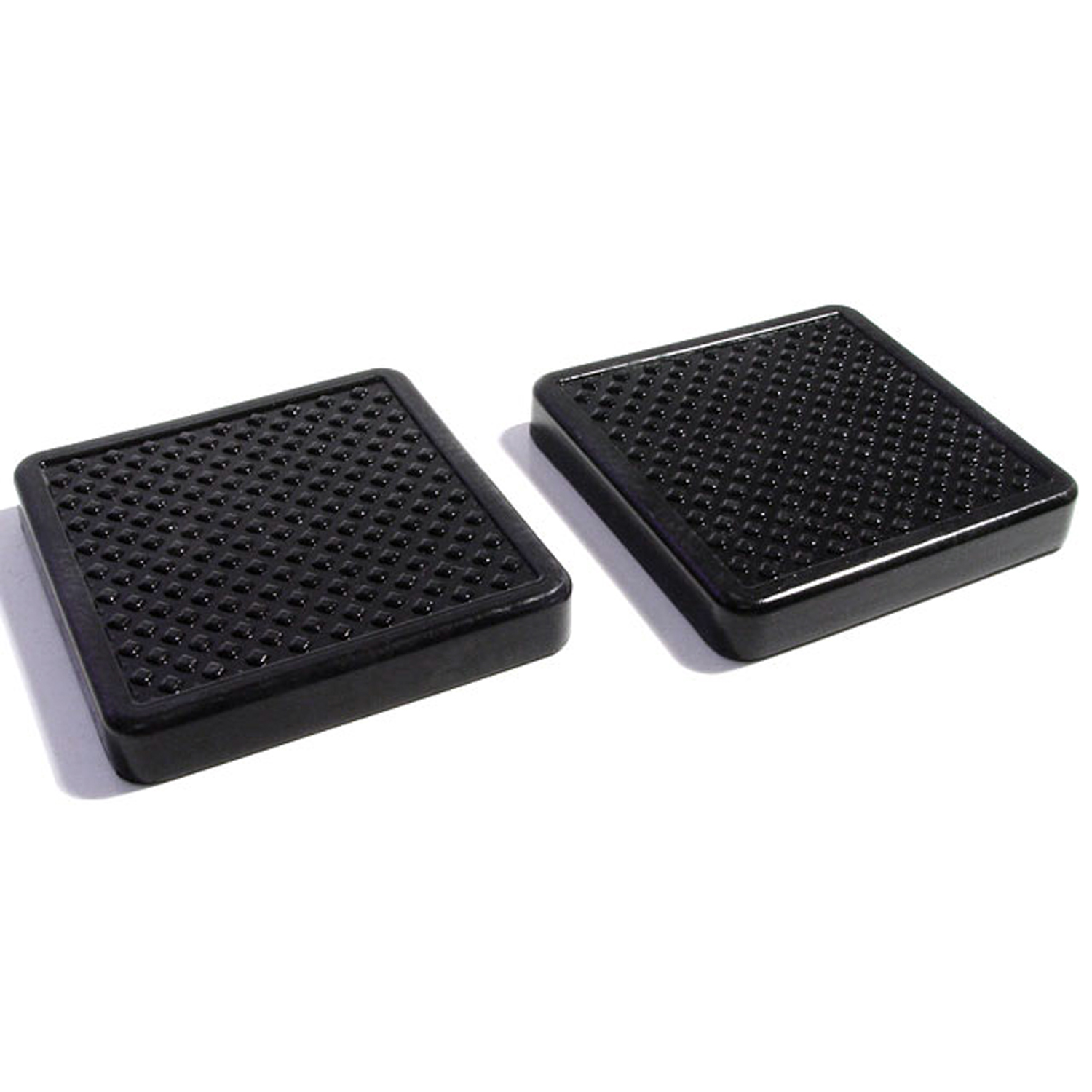 1932 Nash Standard Clutch and Brake Pedal Pads. 3" wide X 3" long. Pair-CB 47Clutch and Brake Pedal Pads. 3" wide X 3" long. Pair
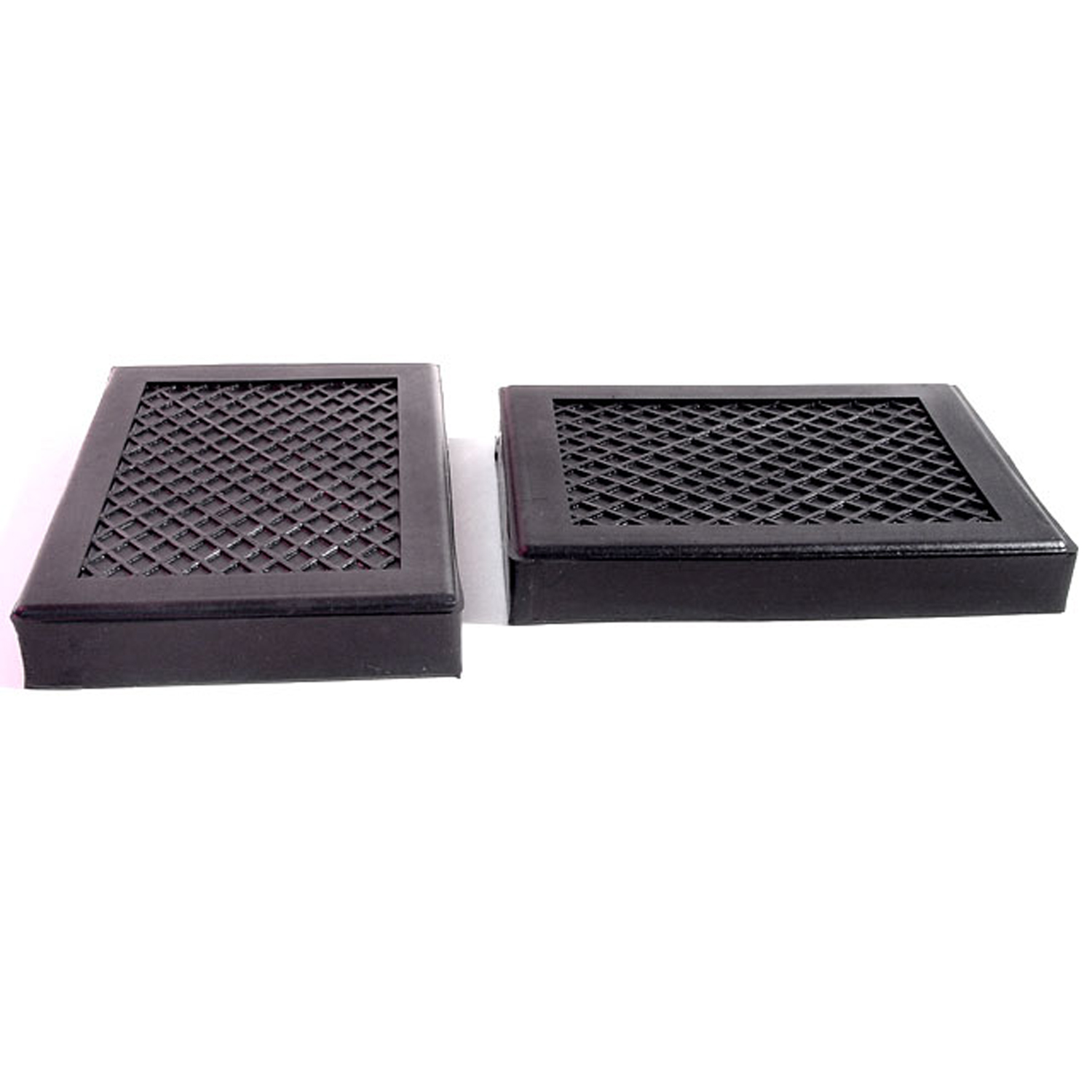 1932 Nash Standard Clutch and Brake Pedal Pads. 2-3/4" wide X 3-7/8" long-CB 48Clutch and Brake Pedal Pads. 2-3/4" wide X 3-7/8" long. Pair
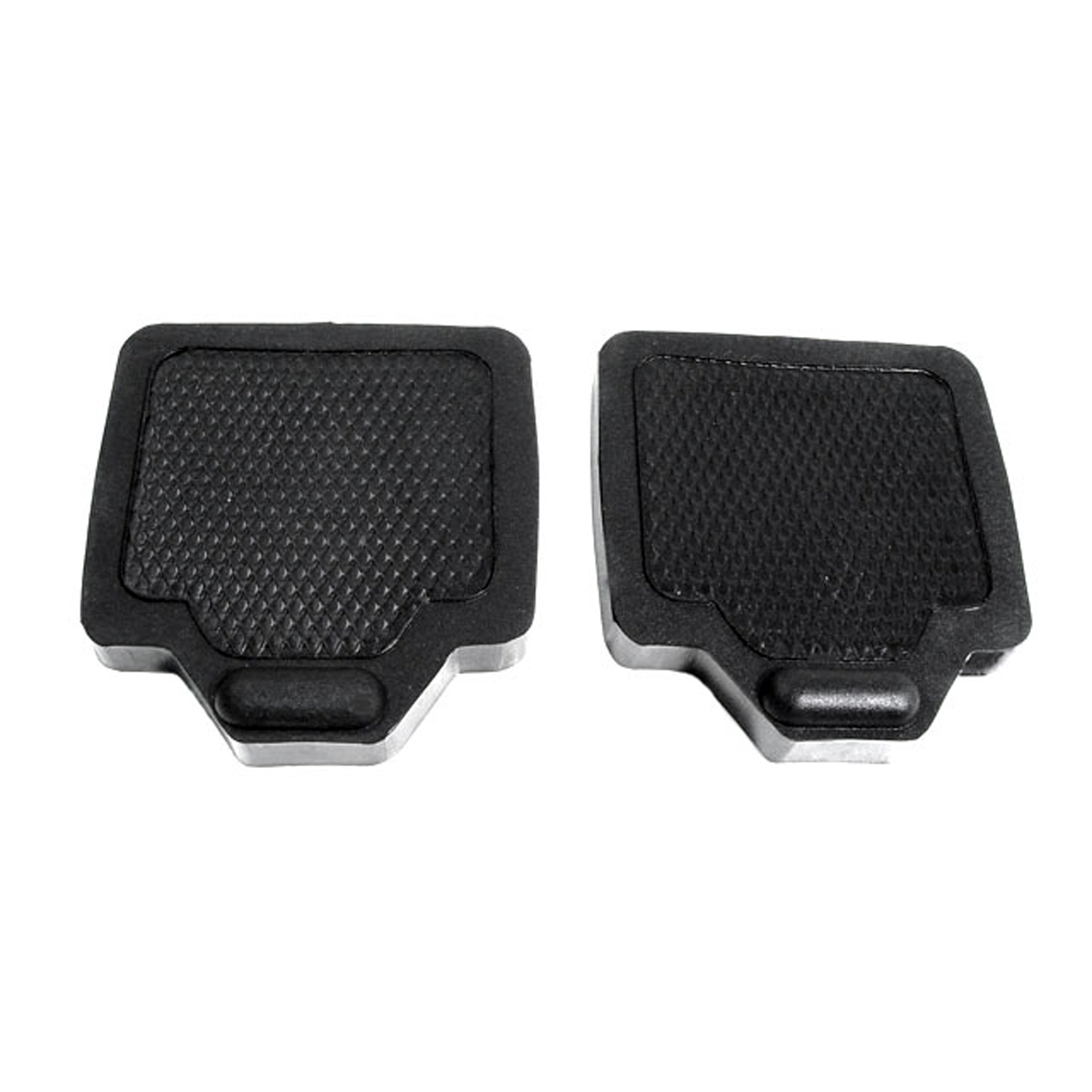 1932 Nash Standard Clutch and Brake Pedal Pads. 3-1/2" wide X 3-7/8" long-CB 55Clutch and Brake Pedal Pads. 3-1/2" wide X 3-7/8" long. Pair
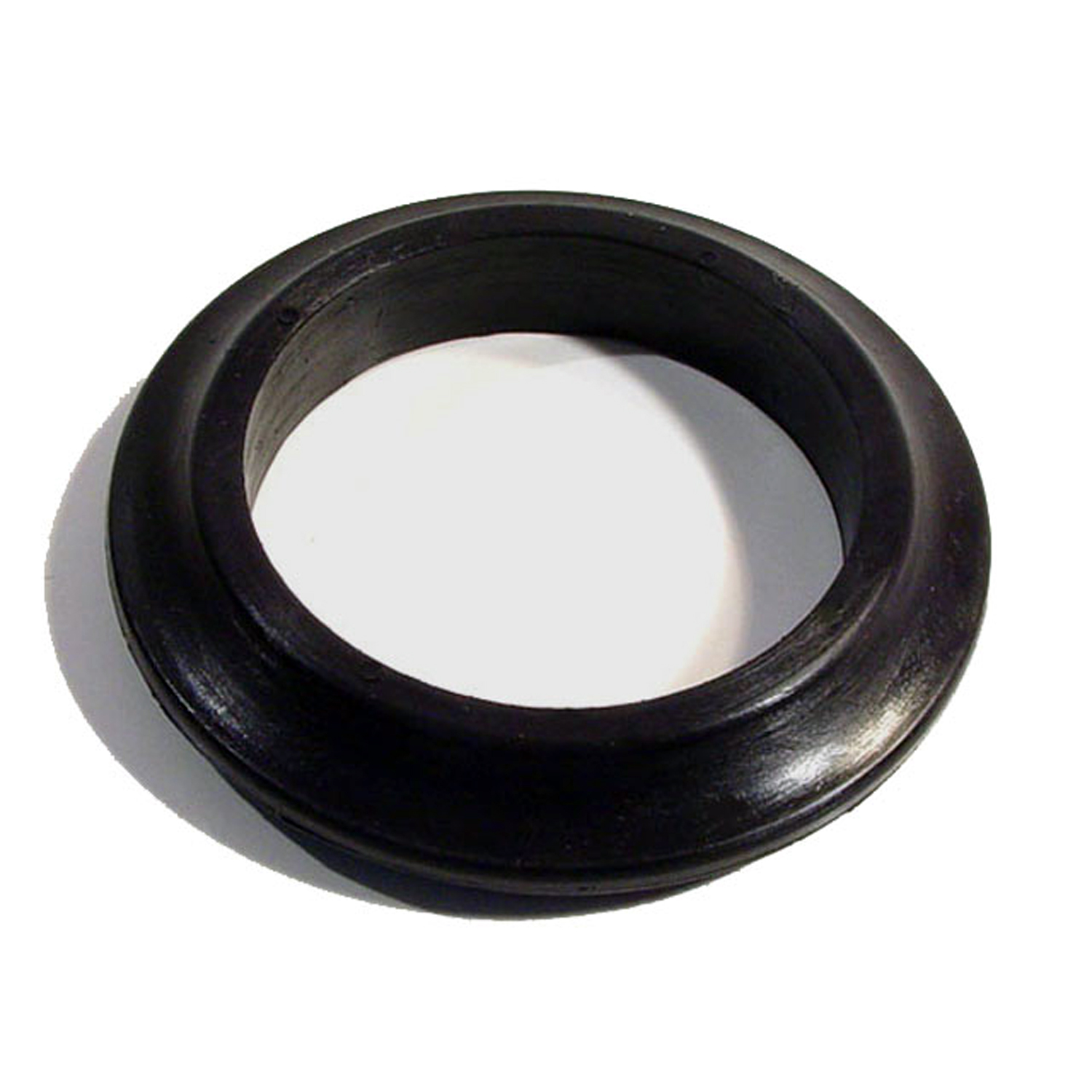 1932 Nash Standard Gas Filler Grommet. 2-1/4" I.D., 3-5/16" O.D. Each-GF 21Gas Filler Grommet. 2-1/4" I.D., 3-5/16" O.D. Each
 1932 Nash Standard Park Light Pads. 4" wide X 8-3/4" long. Pair-MP 1102Park Light Pads. 4" wide X 8-3/4" long. Pair
 1932 Nash Standard Tail-light Pads. 2-7/8" wide X 5" long. Pair-MP 1103Tail-light Pads. 2-7/8" wide X 5" long. Pair
 1932 Nash Standard Headlight Bar Pads. 2" wide X 3-1/2" long. Pair-MP 1103-AHeadlight Bar Pads. 2" wide X 3-1/2" long. Pair
 1932 Nash Standard Headlight Bar Pads. 1-5/8" wide X 3-5/8" long. Pair-MP 1108Headlight Bar Pads. 1-5/8" wide X 3-5/8" long. Pair
 1932 Nash Standard Headlight Bar Pads. 2-1/8" wide X 4-1/2" long. Pair-MP 1109Headlight Bar Pads. 2-1/8" wide X 4-1/2" long. Pair
 1932 Nash Standard Spark Plug Boot Fits 30-34 Nash Series Each-RP 1-NSpark Plug Boot Fits 30-34 Nash Series Each
Why Choose Metro?
For over 100 years, Metro Moulded Parts has been the pinnacle of quality in classic car restoration parts. Our commitment to precision and authenticity in every component ensures a perfect fit and an OEM-level appearance.
- Expert Craftsmanship & Quality: Each part is a testament to our dedication to reliability and perfection, crafted from original designs and thoroughly tested.
- Advanced Technology: We use cutting-edge techniques to create flawless, long-lasting parts that surpass others in performance.
- SuperSoft Sponge – The Ultimate Door Seal: Not only are our door seals 30% softer than competitors', but they're also guaranteed to never leak. They effectively reduce wind and road noise, enhancing your classic car's comfort and driving experience.
- Proudly American: Our parts are a product of American craftsmanship, made in the USA with a spirit of excellence and heritage.
- Unrivaled Warranty: We back our products with a 30-year industry-leading warranty, a testament to our confidence in their quality.
Join us in preserving the legacy of classic cars with parts that are crafted for perfection, not just made.