

Image of 1934 Nash Big Six, Note: These illustrations use artistic license and may differ from actual historical models.
Performance Metrics
Fundamental Metrics
Emotional Appeal
MMP Rating
| Engine Specifications | |
|---|---|
| Engine: | Inline 6 |
| Displacement: | 3.7L |
| Horsepower: | Estimated 85-100 HP |
| Torque: | 170 lb-ft |
| Compression Ratio: | Estimated 6.5:1 |
| Ignition System: | Distributor and coil |
| Cooling System: | Water-cooled |
| Performance Specifications | |
| 0-60 Time: | Information not available |
| 1/4 Mile Time: | Information not available |
| Top Speed: | 75 mph |
| Transmission and Drive | |
| Drive Type: | Rear-wheel drive |
| Transmission Type: | 3-speed manual |
| Fuel and Efficiency | |
| Fuel System Type: | Carburetor |
| MPG: | Information not available |
| Dimensions and Brakes | |
| Brakes: | Mechanical drum brakes |
| Wheelbase: | 121 inches |
| Weight: | Estimated 3,200 lbs |
Note: Specifications for classic cars are given to the best of our ability, considering the limited and variant data available.
1934 Nash Big Six: A Spacious Classic from an Independent Automaker
The 1934 Nash Big Six brought generous room, solid engineering, and a distinctly American sense of style to the roads of Depression-era America. Built by Nash Motors in Kenosha, Wisconsin, it was a substantial six-cylinder car from a company that prided itself on offering thoughtful features and strong construction rather than chasing the lowest possible price.
Nash’s story began with Charles W. Nash, a former General Motors president who founded Nash Motors in 1916. By the 1930s, the company had earned a reputation for well-equipped cars and practical engineering. The Big Six sat among Nash’s six-cylinder offerings, appealing to buyers who wanted the space and presence of a full-size automobile without stepping up to one of the more expensive eight-cylinder models.
Its arrival came during a difficult period for the American auto industry. The Great Depression had sharply reduced car sales, and independent manufacturers such as Nash had to compete against much larger rivals. The Big Six was part of Nash’s answer: a substantial, well-finished car designed to make a strong case for value and comfort.
Big Six Styling and Cabin Details
The 1934 Nash Big Six had the confident proportions typical of a full-size car of its time. Its long hood, upright radiator grille, separate fenders, and prominent headlamps gave it a formal, purposeful appearance. Running boards connected the front and rear fenders, while brightwork and carefully shaped body panels added polish without overwhelming the design. From the side, the sweeping fenders and tall passenger compartment made the Nash look substantial even when parked.
Inside, the Big Six was designed for comfort on long trips. Depending on body style and trim, buyers could find broad upholstered seats, a generously sized cabin, woodgrain-finished dashboard details, and a full complement of period instruments. Materials and appointments varied with the model, but Nash generally aimed for a more carefully finished feel than bare-bones transportation. The steering wheel was large by modern standards, as was common on cars without power steering, and controls were straightforward and mechanical.
Factory paint and trim choices varied by body style and production specification. Period color schemes included dark, subdued shades as well as more expressive colors, with contrasting treatments available on some models. Black, blue, green, maroon, and tan tones suit the car’s period character, though an individual car’s original paint code and trim should be verified through factory documentation or surviving identification plates.
The Big Six range included closed body styles such as sedans and coupes, with exact offerings depending on the series and catalog. A four-door sedan is among the most recognizable and practical versions, while coupe and convertible-style bodies offered a sportier look. For many buyers, the sedan best captured the Big Six’s purpose: comfortable, dignified family transportation with room for passengers and luggage.
Engineering in the 1934 Nash Big Six
The Big Six’s appeal rested less on a single revolutionary invention than on its combination of useful engineering and generous equipment. It used a conventional front-engine, rear-wheel-drive layout, a sturdy chassis, and mechanical components that could be serviced by a competent local garage. Hydraulic brakes, increasingly common among American cars by this period, provided more even braking than older mechanical systems. Transmission specifications and equipment could vary, so restorers should confirm details against the car’s particular model and original literature.
That balanced approach set Nash apart from many contemporaries. The company had built its reputation on practical improvements and careful assembly, and it continued to compete as an independent manufacturer rather than simply copying the largest automakers. The Big Six was not a landmark that transformed automotive design, but it represents the kind of well-equipped, carefully engineered mid-priced car that helped independent brands maintain a following.
Nash’s later history adds another layer of interest. The company continued producing cars through changing market conditions and eventually joined Hudson to form American Motors Corporation in 1954. The Big Six therefore belongs to an important chapter in the story of American independent automakers, a group whose models often offered distinctive engineering and styling outside the dominant General Motors, Ford, and Chrysler family trees.
Six-Cylinder Performance and Road Manners
Published specifications can differ by body, series, and source, but the 1934 Big Six is generally associated with a side-valve inline-six of roughly 218 cubic inches and output in the neighborhood of 85 horsepower. Those figures made it a capable road car for its day, though its weight and gearing meant it favored steady progress over quick acceleration.
A precise modern-style 0-to-60 mph figure is not consistently documented for every Big Six configuration. A reasonable period-car estimate is roughly 20 to 25 seconds, depending on body weight, mechanical condition, gearing, and altitude. Top speed is commonly estimated at around 75 to 80 mph under favorable conditions. Those are approximate figures, not guarantees for every surviving example, and an elderly car should never be pushed to its limits simply to test a specification.
On the road, the Big Six delivers the relaxed feel of a substantial 1930s automobile. The long wheelbase helps it settle over rolling pavement, while its suspension and tall tires soften many ordinary bumps. On winding roads, the driver feels the car’s size and body movement more than in a modern vehicle. It rewards smooth steering and measured inputs rather than abrupt cornering.
The six-cylinder engine produces a low, steady mechanical note, with the engine and drivetrain becoming more audible as speed rises. The driver works a traditional gearshift, manages the brakes without modern assistance, and looks through a comparatively upright windshield and narrow pillars. It is an involving experience: the Big Six asks for attention, but its broad cabin and steady cruising character make a well-maintained example enjoyable on scenic, moderate-speed drives.
Living with a 1934 Nash
Today, the Big Six is best suited to touring, local club events, museum displays, and classic-car shows. Some owners use their cars for occasional errands or relaxed weekend drives, but regular modern commuting is less practical. Traffic speeds, limited visibility, drum brakes, and the absence of contemporary safety equipment all call for a cautious approach.
Maintenance is manageable for an owner comfortable with older machinery. The engine, carburetor, ignition, cooling system, clutch, and brakes use familiar prewar-car technology, and many routine jobs do not require specialized electronic tools. However, parts availability is not as easy as it is for high-volume classics such as a Ford Model A or Chevrolet of the same era. Nash-specific trim, body panels, and some mechanical components may take time to locate, making specialist clubs, marque suppliers, and fellow owners valuable resources.
Reliability depends heavily on restoration quality and upkeep. A properly rebuilt engine and cooling system can make the car dependable for tours, but age-related issues such as deteriorated wiring, fuel-system wear, brake problems, and rust should be addressed before regular use. A pre-purchase inspection by someone familiar with prewar cars is a wise investment.
1934 Nash Big Six Facts and Common Criticisms
The Big Six’s most notable story is its place in Nash’s effort to remain competitive during the Depression as an independent automaker. It was not a record-breaking race car or a model famous for one celebrity owner. Its distinction lies in representing a substantial, well-equipped alternative to the products of America’s much larger manufacturers.
There is no widely recognized production or speed record associated specifically with the 1934 Big Six. Exact production totals for individual body styles can also be difficult to establish from commonly available summaries. A cautious estimate is that several thousand Big Six cars were built, perhaps in the broad range of 8,000 to 15,000, but that should be treated as an informed estimate rather than a verified factory total. Surviving cars are uncommon, and the number still on the road is considerably smaller.
Common criticisms are familiar to anyone who drives a prewar automobile. The Big Six is slow by modern standards, its brakes require more planning, and its steering and controls demand more physical effort than those of a contemporary car. Finding correct parts can also be challenging. For enthusiasts, those limitations are part of the period experience; for someone seeking effortless everyday transport, they may be a drawback.
Collector Value and Market Outlook
Values vary considerably with body style, originality, restoration quality, and documentation. As a broad 2026 U.S. market estimate, a project car might sell for roughly $5,000 to $12,000. A running driver-quality example could fall in the $15,000 to $30,000 range, while a well-restored car may bring approximately $30,000 to $50,000. An exceptional, highly original, or especially desirable body style could exceed that range, though condition and buyer interest have a major effect on the final price.
The Big Six is scarce enough to attract Nash enthusiasts, but it does not have the broad buyer pool of more famous prewar marques. That can make pricing less predictable and the right car slower to find. As with many classic vehicles, top-quality examples tend to hold the strongest interest, while incomplete projects can be expensive to restore relative to their eventual value.
Rather than assuming a steady climb or decline, collectors should view the market as selective. A correct, well-documented car is generally more appealing than a heavily modified one, and careful maintenance often matters more to long-term value than speculative timing. Before buying, compare recent sales of similar Nash body styles and account for the cost of parts, transport, and professional restoration.
Why the 1934 Nash Big Six Still Matters
The 1934 Nash Big Six combines full-size comfort, classic prewar styling, and the independent spirit of a manufacturer that built cars on its own terms. It was not the fastest or most technologically radical automobile of its era, but it offered a compelling blend of room, craftsmanship, and practical engineering when buyers had to make every purchase count.
For collectors, the Big Six is a distinctive way to experience a less familiar side of American automotive history. Its long hood, steady six-cylinder rhythm, and carefully considered cabin tell the story of a company determined to compete through substance. A well-preserved Nash does more than turn heads at a show: it keeps the character of an independent American automaker rolling down the road.
1934 Nash Big Six Catalog of Parts
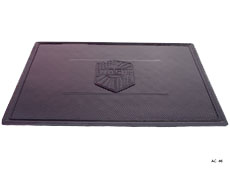 1934 Nash Big Six Accessory Floor Mat - 12"X17"-AC 46Accessory Floor Mat - made of high quality black rubber with molded original emblem. Also designed to be sewn into new carpets. 12"X17", Each
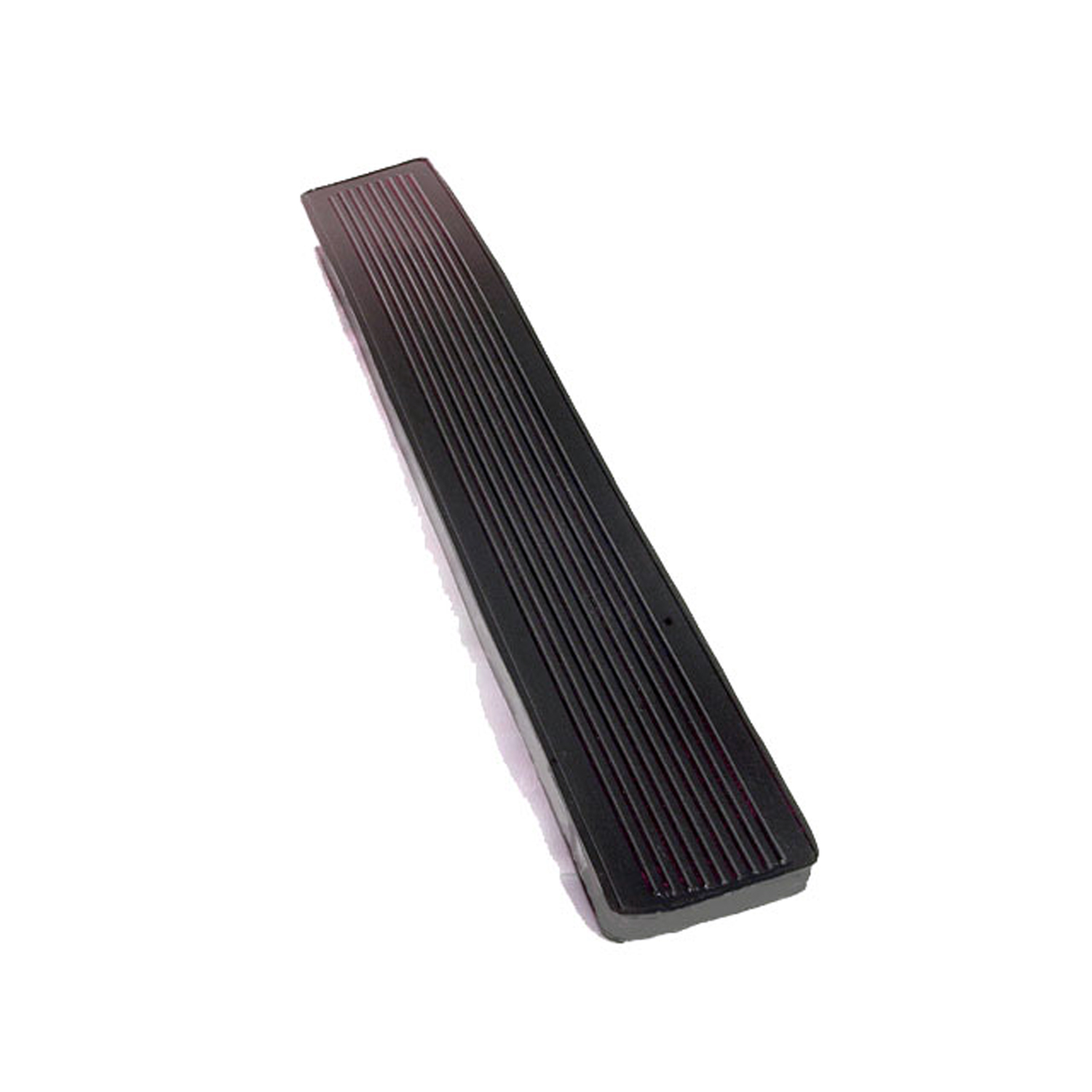 1934 Nash Big Six Accelerator Pedal Pad, 1-1/2" X 9-3/4", Each-AP 21Accelerator Pedal Pad, 1-1/2" X 9-3/4", Each
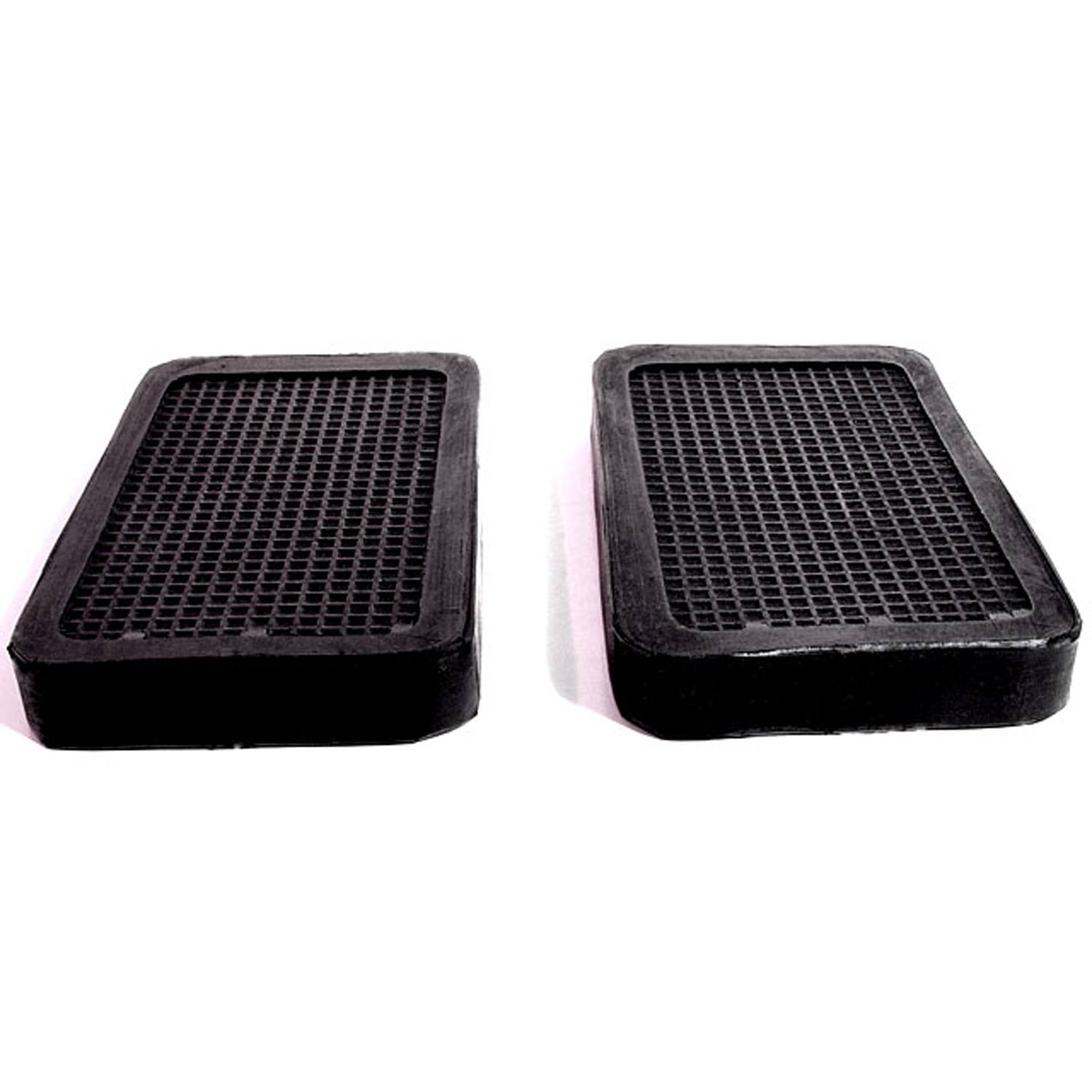 1934 Nash Big Six Clutch and Brake Pedal Pads. 2-1/4" wide X 4" long. Pair-CB 20Clutch and Brake Pedal Pads. 2-1/4" wide X 4" long. Pair
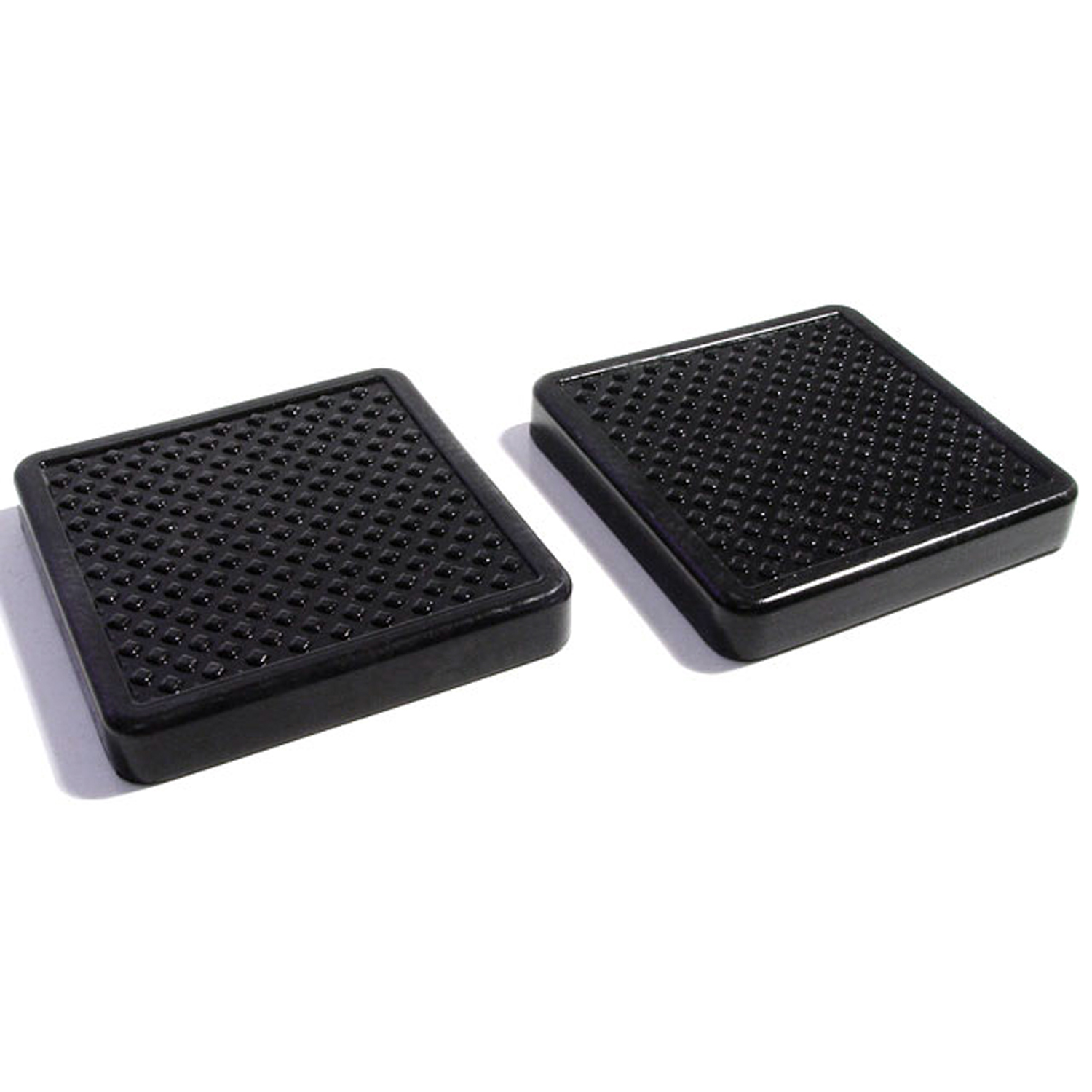 1934 Nash Big Six Clutch and Brake Pedal Pads. 3" wide X 3" long. Pair-CB 47Clutch and Brake Pedal Pads. 3" wide X 3" long. Pair
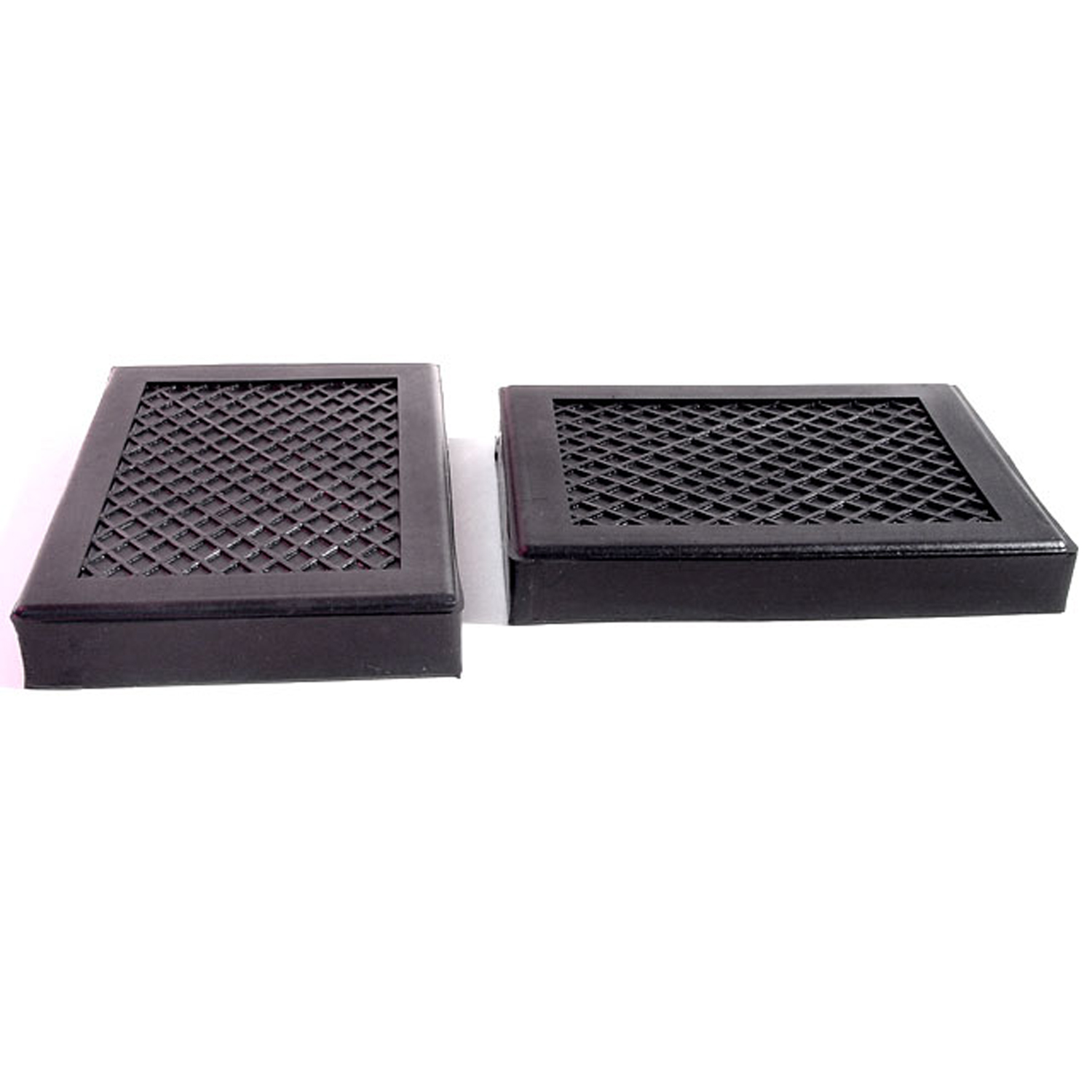 1934 Nash Big Six Clutch and Brake Pedal Pads. 2-3/4" wide X 3-7/8" long-CB 48Clutch and Brake Pedal Pads. 2-3/4" wide X 3-7/8" long. Pair
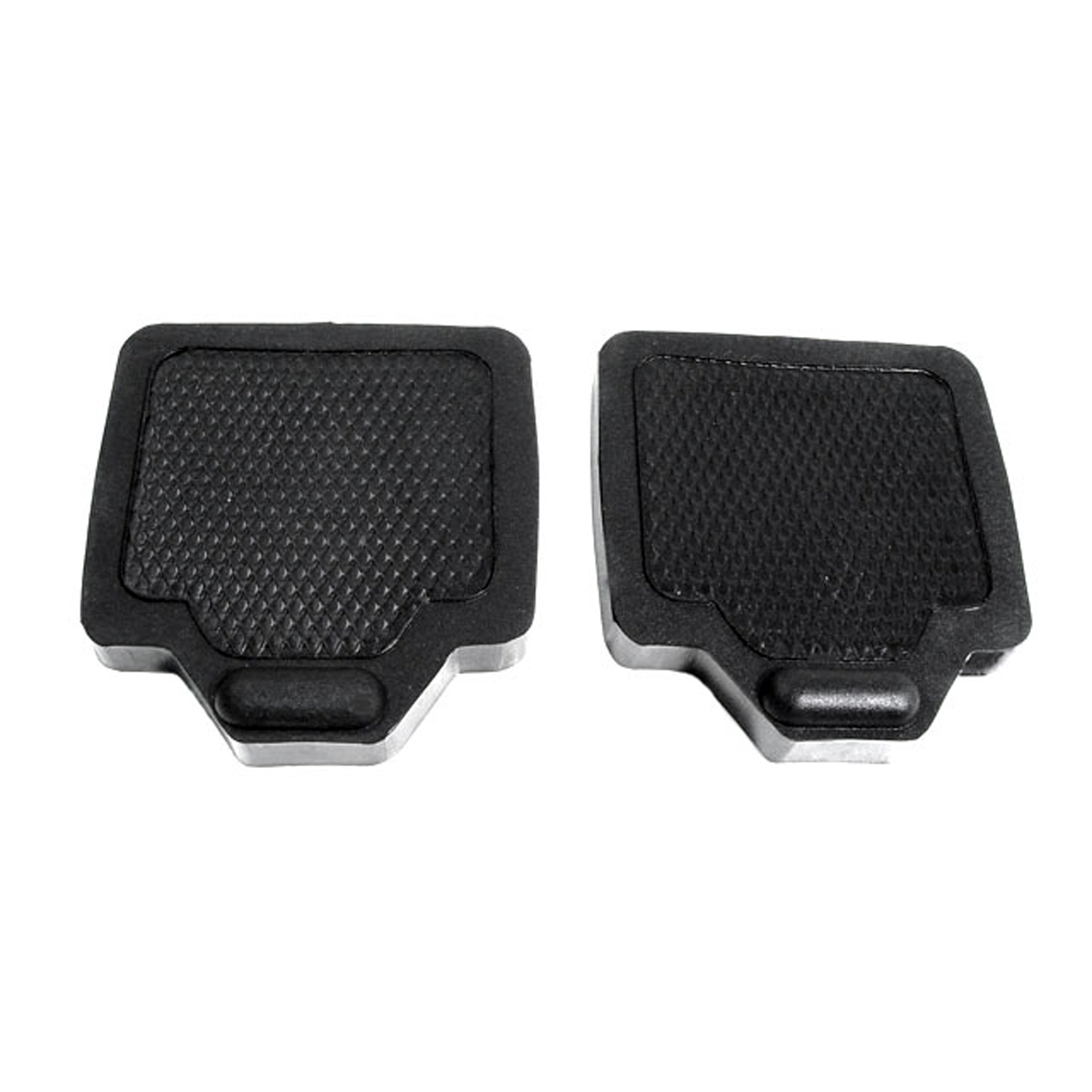 1934 Nash Big Six Clutch and Brake Pedal Pads. 3-1/2" wide X 3-7/8" long-CB 55Clutch and Brake Pedal Pads. 3-1/2" wide X 3-7/8" long. Pair
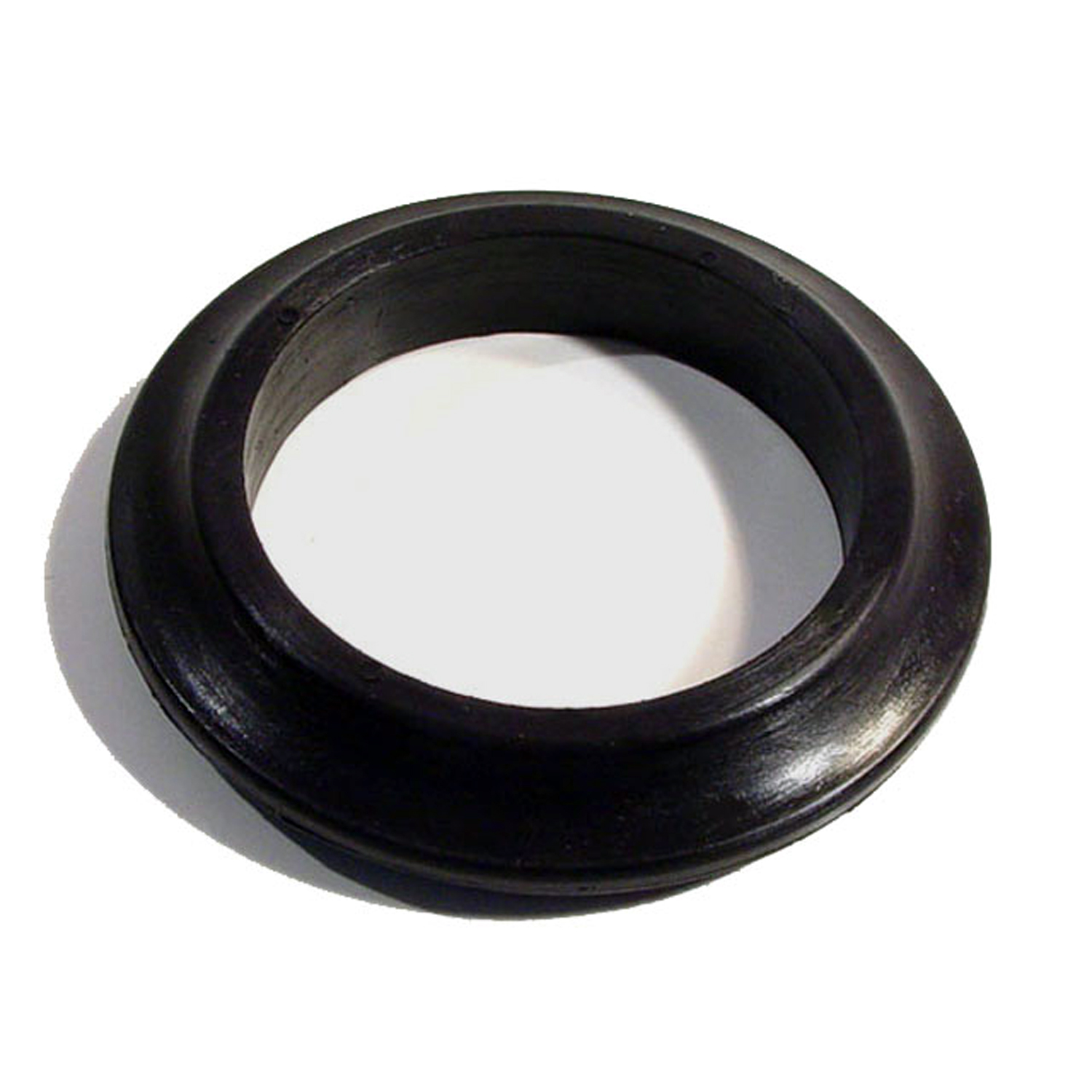 1934 Nash Big Six Gas Filler Grommet. 2-1/4" I.D., 3-5/16" O.D. Each-GF 21Gas Filler Grommet. 2-1/4" I.D., 3-5/16" O.D. Each
 1934 Nash Big Six Spark Plug Boot Fits 30-34 Nash Series Each-RP 1-NSpark Plug Boot Fits 30-34 Nash Series Each
 1934 Nash Big Six Flexible glass-run channel-WC 11-72Flexible glass-run channel. Mohair lined, cloth covered with stainless steel bead. Used on side windows. 72 in. long. Each. NOTE: $20 special shipping charge applies for domestic orders. Call or email for overseas shipping costs. Part can be sectioned in two equal lengths to reduce overseas shipping costs.
Why Choose Metro?
For over 100 years, Metro Moulded Parts has been the pinnacle of quality in classic car restoration parts. Our commitment to precision and authenticity in every component ensures a perfect fit and an OEM-level appearance.
- Expert Craftsmanship & Quality: Each part is a testament to our dedication to reliability and perfection, crafted from original designs and thoroughly tested.
- Advanced Technology: We use cutting-edge techniques to create flawless, long-lasting parts that surpass others in performance.
- SuperSoft Sponge – The Ultimate Door Seal: Not only are our door seals 30% softer than competitors', but they're also guaranteed to never leak. They effectively reduce wind and road noise, enhancing your classic car's comfort and driving experience.
- Proudly American: Our parts are a product of American craftsmanship, made in the USA with a spirit of excellence and heritage.
- Unrivaled Warranty: We back our products with a 30-year industry-leading warranty, a testament to our confidence in their quality.
Join us in preserving the legacy of classic cars with parts that are crafted for perfection, not just made.