

Image of 1936 Nash 400 Series, Note: These illustrations use artistic license and may differ from actual historical models.
Performance Metrics
Fundamental Metrics
Emotional Appeal
MMP Rating
| Engine Specifications | |
|---|---|
| Engine: | Inline 6 |
| Displacement: | 3.5L |
| Horsepower: | Estimated 85-90 HP |
| Torque: | 130-140 lb-ft |
| Compression Ratio: | Estimated 6.5:1 |
| Ignition System: | Distributor and coil |
| Cooling System: | Liquid-cooled |
| Performance Specifications | |
| 0-60 Time: | Information not available |
| 1/4 Mile Time: | Information not available |
| Top Speed: | 75 mph |
| Transmission and Drive | |
| Drive Type: | Rear-wheel drive |
| Transmission Type: | 3-speed manual |
| Fuel and Efficiency | |
| Fuel System Type: | Carburetor |
| MPG: | Estimated 15-20 mpg |
| Dimensions and Brakes | |
| Brakes: | Drum brakes |
| Wheelbase: | 121 inches |
| Weight: | Estimated 3000 lbs |
Note: Specifications for classic cars are given to the best of our ability, considering the limited and variant data available.
1936 Nash 400: The Streamlined Six
With its sweeping fenders, neatly integrated bodywork, and confident Art Deco presence, the 1936 Nash 400 looked ready to move even while parked. Built by Nash Motors in Kenosha, Wisconsin, it was a mid-priced American car that brought thoughtful engineering and a touch of design flair to everyday motoring. The 400 sat within Nash’s six-cylinder range, offering buyers a more refined alternative to a basic family car without reaching the price of a top-tier luxury model.
The name had a practical ring to it: Nash promoted the 400 as a car capable of traveling roughly 400 miles between fuel stops. Treat that as an advertising claim rather than a guaranteed range, since mileage depended on speed, road conditions, and driving habits. Still, the idea captured the model’s character: comfortable, capable transportation designed for long journeys, not just short trips around town.
Nash itself had been founded by former General Motors president Charles W. Nash in 1916. By 1936, the company had earned a reputation for sensible engineering and progressive styling. The 400 arrived during a decade when automakers were experimenting with smoother, more aerodynamic forms, and it helped Nash stand out in a crowded market.
Streamlined Nash Styling
The 1936 Nash 400 wore the era’s flowing lines without looking like a radical styling experiment. Its long hood tapered toward a prominent, carefully shaped grille, while rounded front fenders blended into the body rather than appearing as separate, upright components. The curved roof and gently sloping rear gave the car a more unified silhouette than many boxier cars of the early 1930s. Details such as bright trim, wheel covers, and a smartly finished radiator shell added a restrained Art Deco touch.
Inside, the 400 was designed to feel substantial and welcoming. Depending on body style and trim level, buyers could find broad cloth upholstery, patterned interior fabrics, polished metal accents, and a carefully arranged dashboard. The cabin was roomy by the standards of the day, with a wide bench seat and generous headroom. It was not hand-built luxury-car finery, but Nash gave the 400 a more considered finish than a bare-bones transportation car.
Paint choices varied with the body and upholstery combinations offered for the model year. Period Nash palettes included solid shades and two-tone combinations, with colors such as dark blue, green, maroon, gray, and black typical of the broader era. A deep, glossy single color emphasized the car’s graceful shape, while contrasting body and fender colors gave it extra visual drama. Original paint codes and combinations are worth checking against factory literature when authenticity matters.
Body Styles and Equipment
The 400 range was offered in several closed and open configurations, with availability depending on the specific catalog and market. Sedans served as the practical family choices, while coupes provided a sportier profile. A convertible coupe, where offered, is among the most eye-catching versions today because its open roof makes the car’s long hood and flowing fenders especially prominent. Sedan and coupe examples are generally more likely to appear on the market than open cars.
For its time, the Nash 400 combined a conventional layout with useful engineering. It used a front-mounted inline six-cylinder engine, a three-speed manual transmission, and hydraulic brakes. Nash also used independent front suspension on its mid-1930s cars, helping the front wheels respond more independently to uneven pavement than a traditional solid front axle would. Equipment and details could vary by trim and body, so an individual car should be checked against its serial and model information.
Why the 1936 Nash 400 Mattered
The 400 was not a one-car revolution, but it represented an important part of Nash’s effort to make modern styling and engineering available in a practical six-cylinder automobile. Its smoother body design reflected the period’s growing interest in aerodynamics, while its independent front suspension showed that Nash was willing to apply engineering solutions beyond the cheapest conventional setup.
That balance helped distinguish the car from many contemporaries. Some rivals leaned heavily on upright styling and familiar mechanical layouts; Nash offered a more integrated appearance and a comfortable, road-oriented character. The 400 also strengthened the identity of Nash’s model range at a time when buyers had many makes to choose from. Its influence is best understood as part of Nash’s broader design and engineering tradition, rather than as a direct template for one later mass-market car.
Six-Cylinder Performance and Road Manners
The 1936 Nash 400 was powered by a 234.8-cubic-inch L-head inline six, generally rated at about 90 horsepower. Power went through a three-speed manual gearbox. Period gearing, vehicle condition, tire choice, and body style all affect real-world performance, but a healthy example would likely reach a top speed in the neighborhood of 75 to 80 mph. A 0-to-60-mph run was a leisurely affair, plausibly taking around 20 to 25 seconds. Those figures should be treated as estimates, not modern instrumented test results.
On the road, the six-cylinder engine delivers its power smoothly and steadily rather than with a sudden burst. Expect a measured pull through the gears, accompanied by the low, mechanical hum of a long-stroke engine and the occasional whir of the drivetrain. The independent front suspension helps soften sharp bumps, while the car’s size and period tires give it a calm, substantial feel on open roads. On winding routes, it rewards an unhurried pace: body lean, manual steering effort, and the limits of vintage tires make it less nimble than a modern car.
Driving one today is an involved experience. The driver works a manual gearbox, reads the road well ahead, and allows extra room for braking and cornering. Hydraulic brakes were an important convenience for the period, but they do not provide the stopping performance or pedal feel of modern systems. A well-maintained 400 can be a relaxed touring car, but it is happiest when driven with the patience its age deserves.
Living with a Nash 400
Most surviving 400s are now used as show cars, local-event favorites, or occasional touring cars rather than daily transportation. Their comfortable cabins and steady road manners suit scenic drives, provided the car has been properly sorted and the route avoids sustained high-speed traffic. Originality, mechanical condition, and the quality of any restoration matter more than shiny paint alone.
Maintenance is manageable for an owner familiar with prewar cars, but the 400 is not as straightforward to support as a common postwar Chevrolet or Ford. Routine work includes ignition, carburetor, cooling-system, brake, and lubrication service. Many mechanical parts can be repaired or sourced through specialist suppliers and vintage-car networks, but body trim, glass, upholstery materials, and model-specific pieces may take patience to find. Before purchase, inspect the frame and body for corrosion, check the brakes and cooling system, and confirm that the engine and transmission are in sound condition.
1936 Nash 400 Facts and Criticisms
The 400-mile range idea is the model’s best-known piece of advertising lore. It should not be mistaken for an official endurance record. The 400 was not primarily a racing car, and there is no widely recognized speed or competition record associated with the model. Its achievement was more everyday: offering a comfortable, comparatively modern six-cylinder car to buyers who valued long-distance usefulness.
There is no widely documented celebrity connection that defines the 1936 400’s story. Its historical interest instead comes from Nash’s role as an independent American automaker and from the company’s willingness to pursue distinctive styling and engineering. Common criticisms are familiar to owners of many prewar cars: modest acceleration, limited modern safety features, and the time required to locate certain restoration parts. The car’s size can also make tight parking and slow-speed maneuvering more work than in a modern vehicle.
Collector Value and Availability
Exact production totals for the 1936 Nash 400 are difficult to establish from commonly available model summaries, and figures can be grouped differently across sources. A reasonable working estimate is roughly 15,000 to 25,000 cars across the 400 series, but that should be treated as an informed estimate rather than a verified factory total. The number of surviving examples is much smaller, especially for unusual body styles and cars retaining significant original equipment.
As a broad 2026 market guide, a project car might sell for around $5,000 to $15,000, while a running driver could fall in the $15,000 to $30,000 range. A well-restored sedan or coupe may bring roughly $30,000 to $50,000, with exceptional examples and rarer open body styles potentially exceeding that range. Condition, documentation, restoration quality, and buyer demand make a substantial difference, so these figures are estimates rather than appraisals.
Values for prewar Nash cars have generally been more selective than those for better-known Ford and Chevrolet classics. A strong, correctly restored car can attract serious interest, but the market is relatively specialized. In real terms, values are best described as steady to gradually appreciating for desirable, high-quality examples, rather than guaranteed rapid investments. Buyers should choose a 400 because they enjoy its character, not because they expect a quick return.
The Lasting Appeal of the Nash 400
The 1936 Nash 400 brings together the qualities that make many prewar classics rewarding: distinctive styling, thoughtful engineering, a comfortable cabin, and a mechanical personality that asks the driver to participate. It was neither a luxury flagship nor a performance machine. Instead, it was a polished, capable six-cylinder automobile from an independent company determined to do things its own way.
Nearly a century later, the Nash 400 still makes a strong impression. Its graceful shape catches the eye, but its real significance lies in the practical ambition behind it: Nash wanted everyday motorists to enjoy a more comfortable, modern, and memorable car. That combination is what keeps the 1936 Nash 400 more than a handsome relic of the road.
1936 Nash 400 Series Catalog of Parts
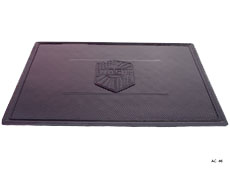 1936 Nash 400 Series Accessory Floor Mat - 12"X17"-AC 46Accessory Floor Mat - made of high quality black rubber with molded original emblem. Also designed to be sewn into new carpets. 12"X17", Each
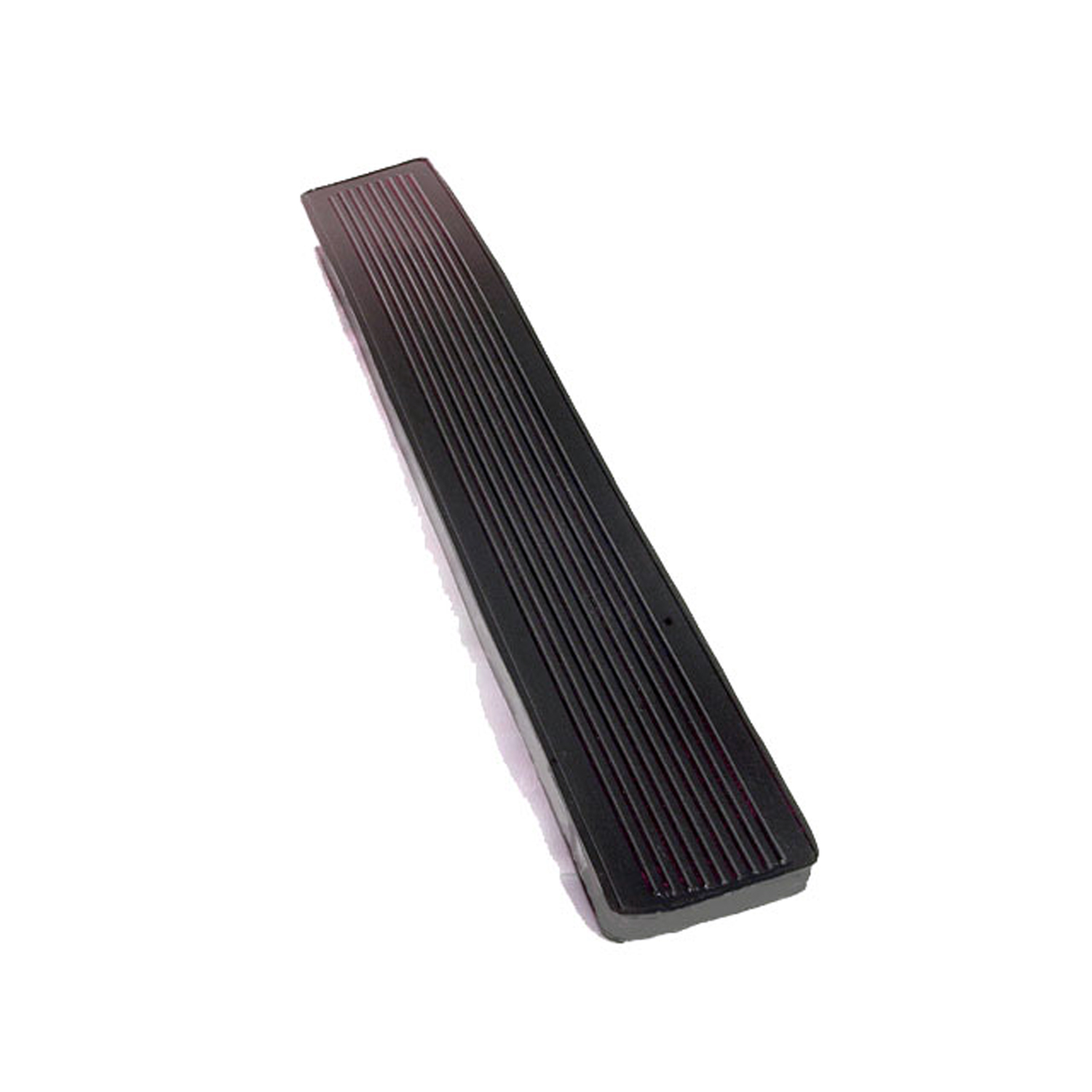 1936 Nash 400 Series Accelerator Pedal Pad, 1-1/2" X 9-3/4", Each-AP 21Accelerator Pedal Pad, 1-1/2" X 9-3/4", Each
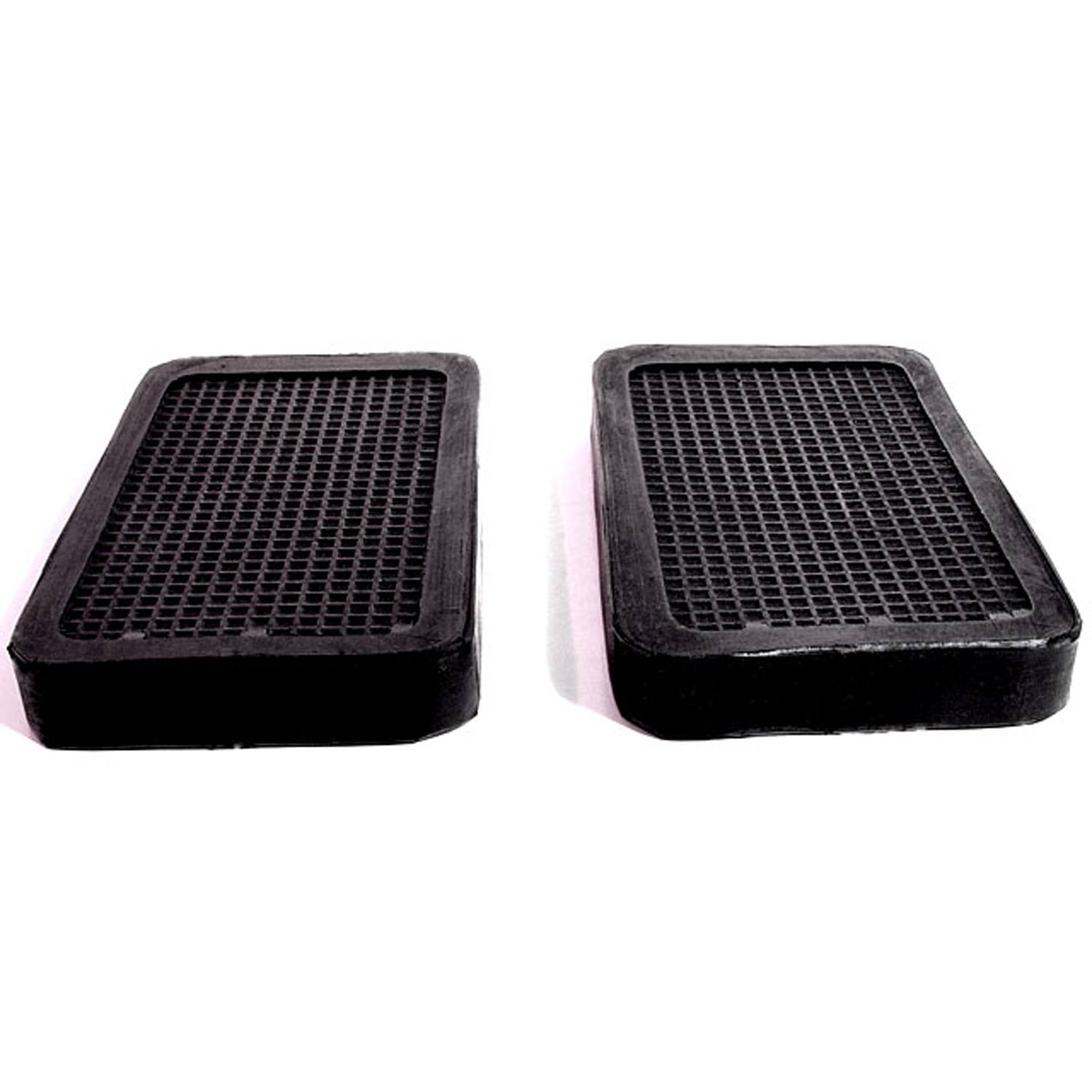 1936 Nash 400 Series Clutch and Brake Pedal Pads. 2-1/4" wide X 4" long. Pair-CB 20Clutch and Brake Pedal Pads. 2-1/4" wide X 4" long. Pair
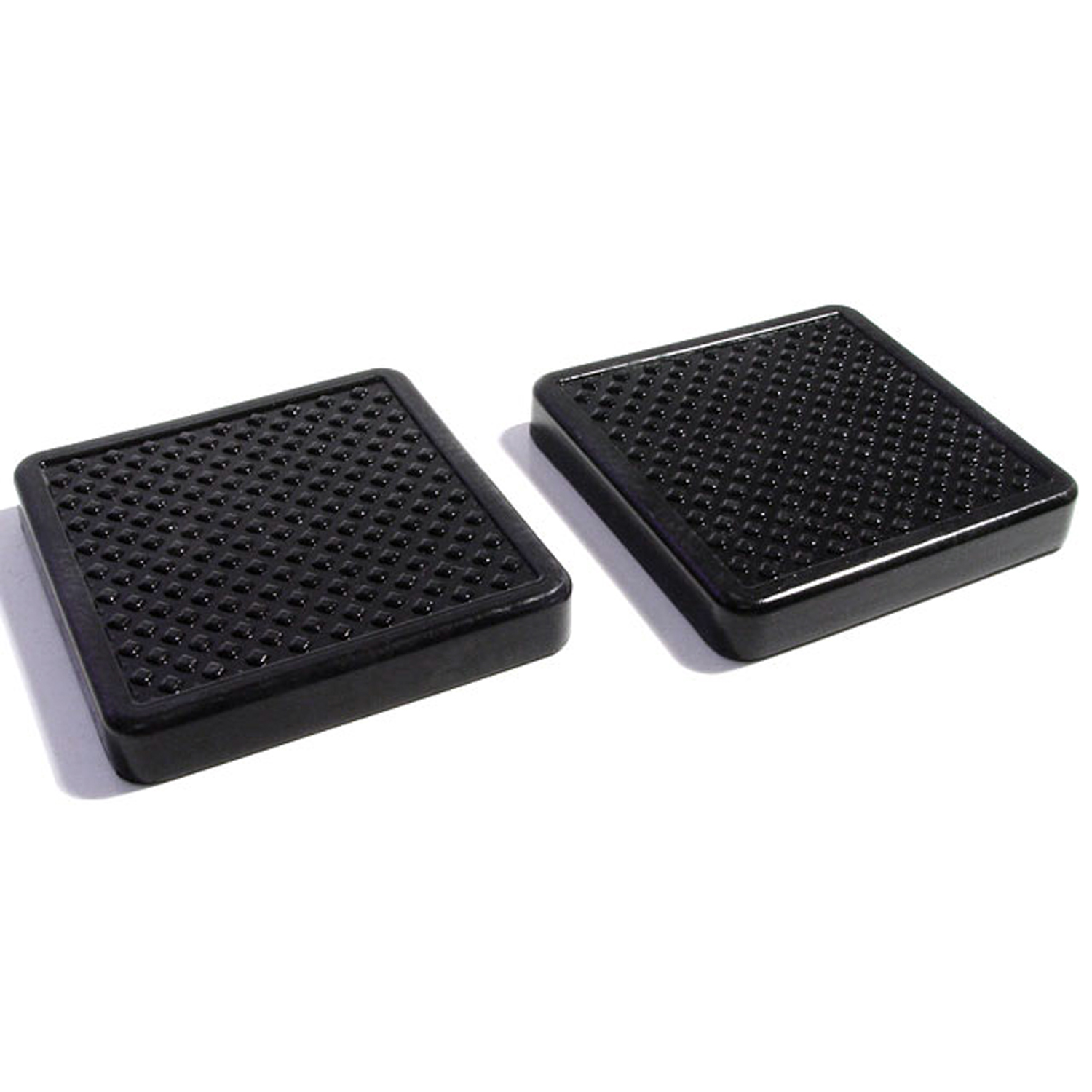 1936 Nash 400 Series Clutch and Brake Pedal Pads. 3" wide X 3" long. Pair-CB 47Clutch and Brake Pedal Pads. 3" wide X 3" long. Pair
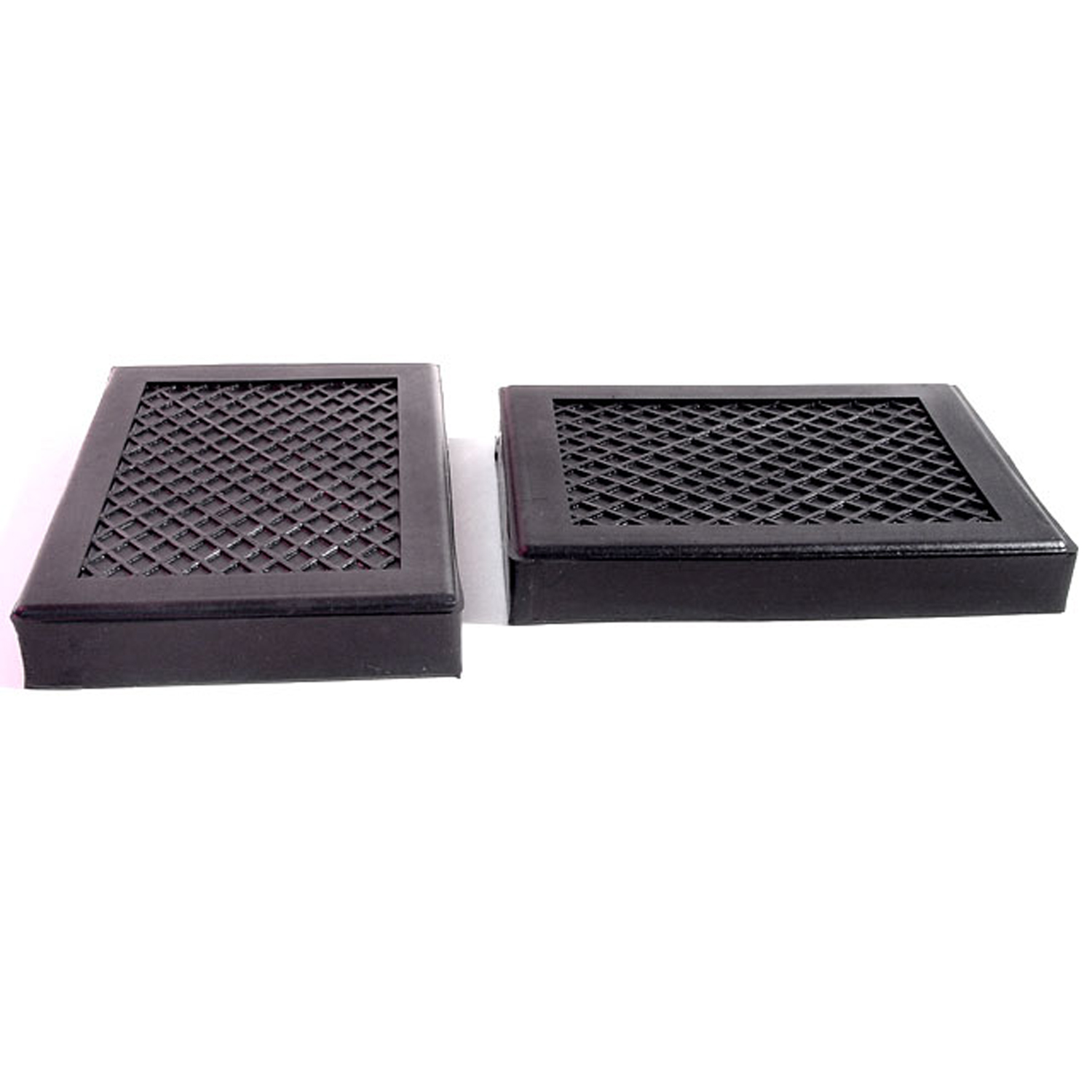 1936 Nash 400 Series Clutch and Brake Pedal Pads. 2-3/4" wide X 3-7/8" long-CB 48Clutch and Brake Pedal Pads. 2-3/4" wide X 3-7/8" long. Pair
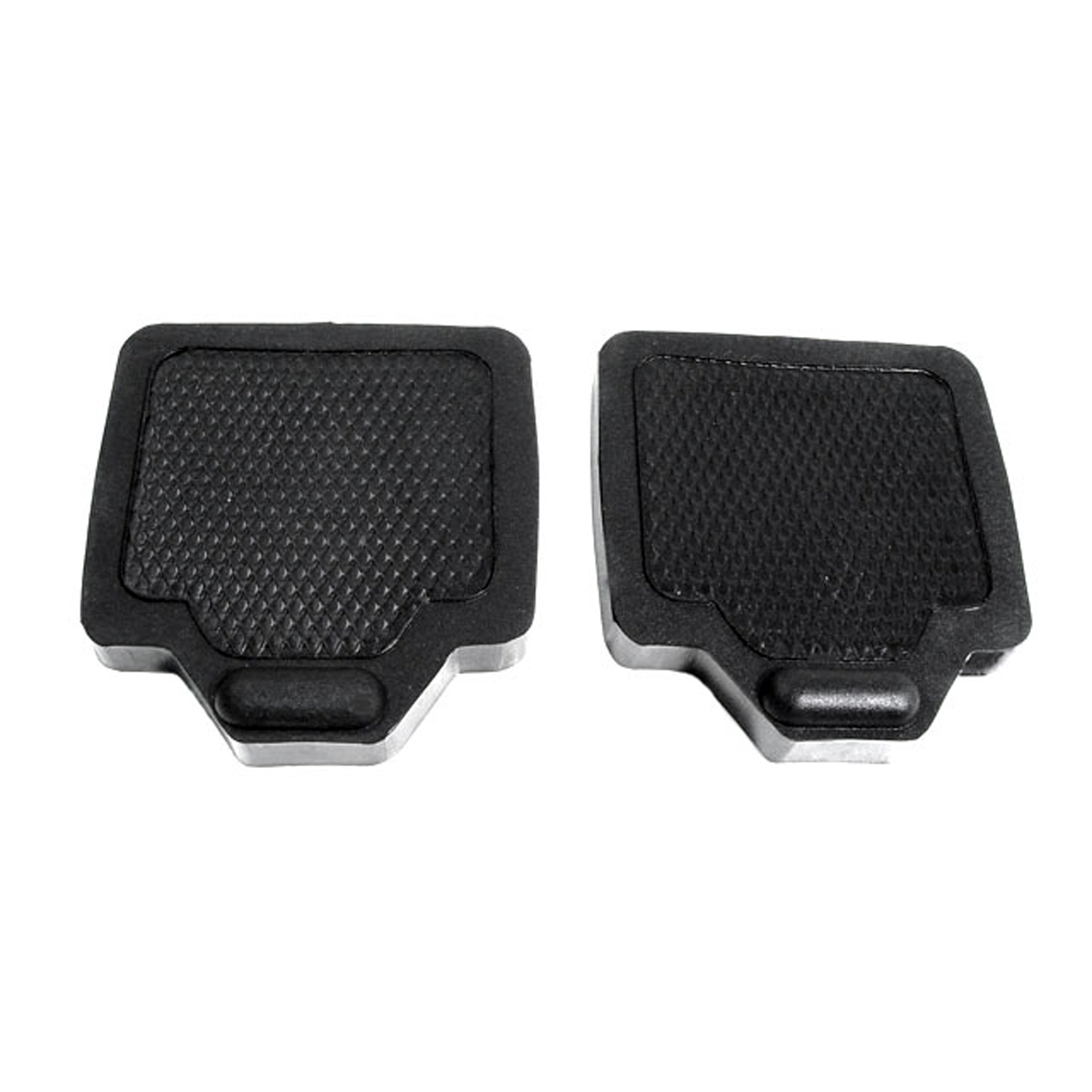 1936 Nash 400 Series Clutch and Brake Pedal Pads. 3-1/2" wide X 3-7/8" long-CB 55Clutch and Brake Pedal Pads. 3-1/2" wide X 3-7/8" long. Pair
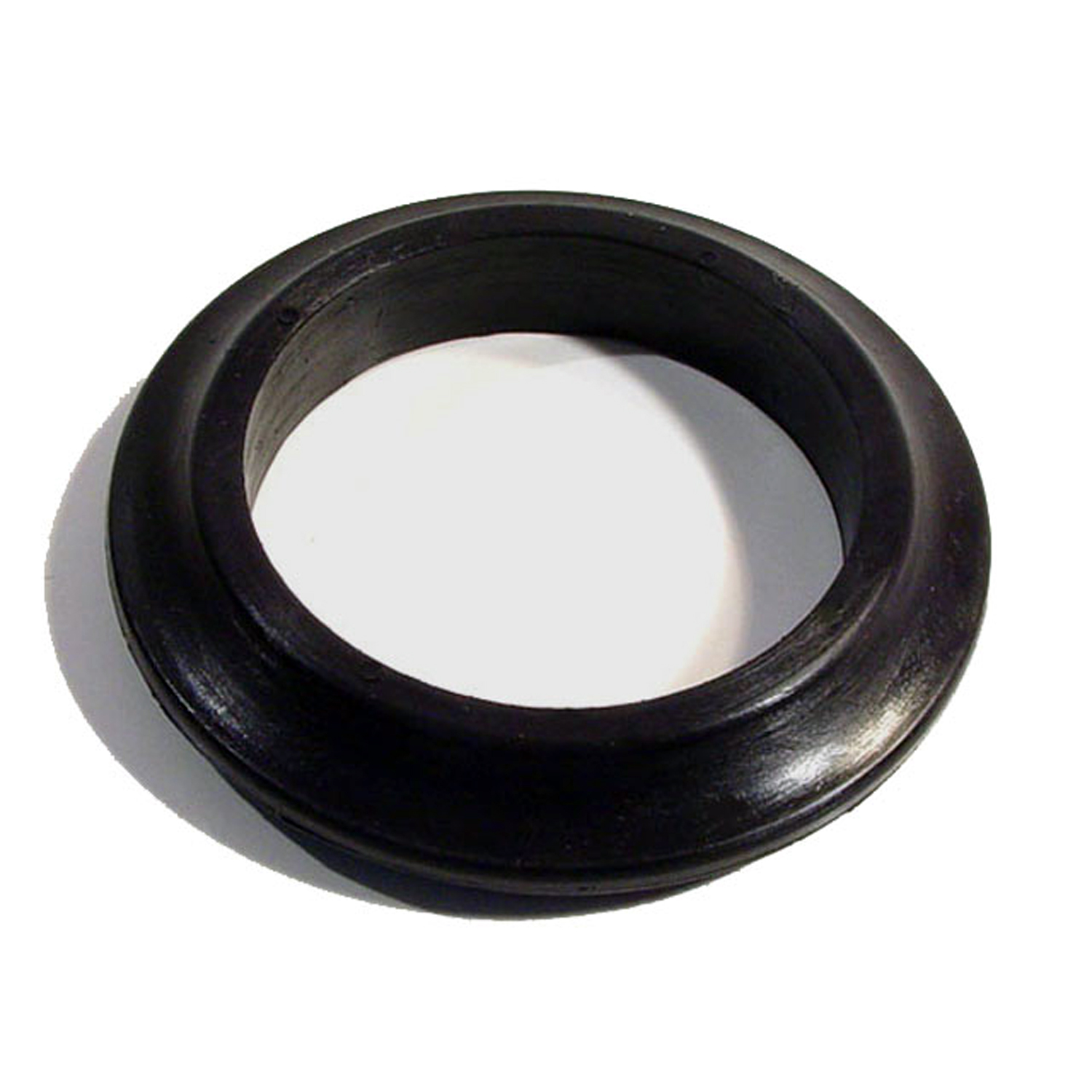 1936 Nash 400 Series Gas Filler Grommet. 2-1/4" I.D., 3-5/16" O.D. Each-GF 21Gas Filler Grommet. 2-1/4" I.D., 3-5/16" O.D. Each
 1936 Nash 400 Series Flexible glass-run channel-WC 11-72Flexible glass-run channel. Mohair lined, cloth covered with stainless steel bead. Used on side windows. 72 in. long. Each. NOTE: $20 special shipping charge applies for domestic orders. Call or email for overseas shipping costs. Part can be sectioned in two equal lengths to reduce overseas shipping costs.
Why Choose Metro?
For over 100 years, Metro Moulded Parts has been the pinnacle of quality in classic car restoration parts. Our commitment to precision and authenticity in every component ensures a perfect fit and an OEM-level appearance.
- Expert Craftsmanship & Quality: Each part is a testament to our dedication to reliability and perfection, crafted from original designs and thoroughly tested.
- Advanced Technology: We use cutting-edge techniques to create flawless, long-lasting parts that surpass others in performance.
- SuperSoft Sponge – The Ultimate Door Seal: Not only are our door seals 30% softer than competitors', but they're also guaranteed to never leak. They effectively reduce wind and road noise, enhancing your classic car's comfort and driving experience.
- Proudly American: Our parts are a product of American craftsmanship, made in the USA with a spirit of excellence and heritage.
- Unrivaled Warranty: We back our products with a 30-year industry-leading warranty, a testament to our confidence in their quality.
Join us in preserving the legacy of classic cars with parts that are crafted for perfection, not just made.