

Image of 1937 Nash Lafayette, Note: These illustrations use artistic license and may differ from actual historical models.
Performance Metrics
Fundamental Metrics
Emotional Appeal
MMP Rating
| Engine Specifications | |
|---|---|
| Engine: | Inline-6 |
| Displacement: | 3.2L |
| Horsepower: | Estimated 85 hp |
| Torque: | Information not available |
| Compression Ratio: | Information not available |
| Ignition System: | Distributor and coil |
| Cooling System: | Water-cooled |
| Performance Specifications | |
| 0-60 Time: | Information not available |
| 1/4 Mile Time: | Information not available |
| Top Speed: | Estimated 75 mph |
| Transmission and Drive | |
| Drive Type: | Rear-wheel drive |
| Transmission Type: | 3-speed manual |
| Fuel and Efficiency | |
| Fuel System Type: | Carburetor |
| MPG: | Information not available |
| Dimensions and Brakes | |
| Brakes: | Drum brakes |
| Wheelbase: | 112 inches |
| Weight: | Estimated 2,800 lbs |
Note: Specifications for classic cars are given to the best of our ability, considering the limited and variant data available.
1937 Nash Lafayette: An Affordable Classic with Nash Character
The 1937 Nash Lafayette brought distinctive styling and sturdy six-cylinder motoring to buyers who wanted something more individual than a basic economy car. Built by Nash Motors in Kenosha, Wisconsin, it was the company’s entry-level model, positioned below the larger Ambassador series. Its final model year gives it an extra note of interest: after 1937, Nash retired the Lafayette name as it reshaped its lineup for the years ahead.
Nash Motors grew out of the Thomas B. Jeffery Company, which Charles W. Nash acquired in 1916. The Lafayette name had earlier been used by a separate automaker associated with Nash, but Nash revived it in 1934 for a more affordable car. The 1937 model carried that role forward during a competitive period when American manufacturers were working to make cars more comfortable, stylish, and accessible.
One appealing detail for enthusiasts is that the Lafayette was not simply a stripped-down Nash. It shared the company’s design vocabulary and practical engineering, giving buyers a lower-cost route into the Nash range. It was also the last Lafayette-badged Nash, making 1937 the model year to seek for anyone interested in the nameplate.
Art Deco Styling and Comfortable Appointments
The Lafayette has the confident proportions typical of a late-1930s American car: a long hood, rounded front fenders, a gently sloping roofline, and a body that looks substantial without reaching the size of a full luxury model. Its upright grille and bright trim give the nose a formal face, while the separate fenders and flowing curves keep it unmistakably prewar. Details such as the headlamps, hood ornaments, bumpers, and trim varied with body style and equipment.
Inside, the Lafayette offered a straightforward cabin designed for everyday use rather than showy luxury. Depending on the body and trim, buyers could find cloth or broadcloth upholstery, with higher-grade materials available on some versions. The broad bench seats, large steering wheel, clear instruments, and simple controls reflect an era when the driver did the work: there was no power steering or modern convenience electronics to soften the experience.
For its time, the car’s useful technology mattered more than gadgets. The Lafayette used a conventional six-volt electrical system, hydraulic brakes, and a three-speed manual transmission. Synchromesh helped make gear changes smoother, while the car’s engine and chassis were designed for dependable road use. Nash emphasized practical engineering and comfort, not cutting-edge complexity.
Factory paint choices varied by body and catalog, but period Nash colors included subdued and richer shades such as dark green, blue, maroon, black, and lighter two-tone combinations. The more restrained colors suit the car’s formal lines, while a contrasting roof or body treatment can make a surviving Lafayette especially eye-catching. Exact availability depended on the particular model and production specification.
The range included two- and four-door sedans as well as coupe-type bodies. Business coupes and club coupes appealed to buyers who wanted a compact, practical car with a little more personality, while the four-door sedan was a natural choice for family use. Body availability could vary by market and catalog. Among today’s enthusiasts, the coupes tend to draw attention for their compact proportions, while an original four-door sedan offers a particularly clear picture of the Lafayette as an everyday family car.
Where the Lafayette Fits in Nash History
The 1937 Lafayette was not a revolution in automotive engineering, but its significance lies in how Nash used it. It gave the company a lower-priced model without abandoning the more distinctive styling and solid construction that helped define the brand. In a crowded market, that balance allowed Nash to compete for buyers who wanted a practical car that did not look entirely ordinary.
The Lafayette also represents a transitional moment for Nash. The company was preparing for a new chapter in design and product planning, and the Lafayette name disappeared after 1937. Later Nash models would become known for striking postwar styling and engineering choices, but the prewar Lafayette belongs to the earlier story: a conventional, front-engine American car with an independent identity and a place in the company’s expanding lineup.
Six-Cylinder Performance and Road Manners
The 1937 Lafayette was powered by a 234.8-cubic-inch L-head inline-six, commonly rated at about 75 horsepower, paired with a three-speed manual transmission. These figures made it a capable road car for its era, though not a performance machine by modern standards. A healthy, correctly tuned example may reach roughly 70 to 75 mph, and a 0-to-60-mph run is likely to take around 25 seconds or longer. Those are period-style estimates, not guaranteed figures: gearing, body weight, engine condition, tires, and altitude all make a difference.
On a smooth road, the Lafayette feels steady and unhurried. The six-cylinder engine delivers its power in a relaxed way, and the driver can hear a measured mechanical rumble rather than a sharp, high-revving note. The manual gearbox rewards deliberate shifts, and the large steering wheel gives the driver leverage at low speeds. Braking and steering feel distinctly older than those of a modern car, so a safe following distance and a little anticipation are essential.
Its ride is best understood in the context of 1937. The suspension and tall tires soften many ordinary road imperfections, but sharp bumps can still send a noticeable thump through the cabin. On winding roads, the Lafayette’s upright body and period tires encourage a smooth, conservative pace rather than aggressive cornering. Crosswinds and uneven pavement call for attention, especially compared with a contemporary vehicle. The charm is in the experience: the engine’s steady beat, the open view over the hood, and the driver’s direct involvement in every maneuver.
Living with a 1937 Nash Lafayette
Today, most Lafayettes are used as show cars, weekend cruisers, or participants in vintage-car tours. They are not ideal modern daily drivers, given their age, modest acceleration, limited safety equipment, and lack of modern traffic protection. A well-sorted example can still cover local roads comfortably, but it is best driven with mechanical sympathy and a clear understanding of its limits.
Routine maintenance is familiar to anyone who works on prewar American cars: keep the ignition and fuel systems in tune, inspect the cooling system, service the brakes, and pay close attention to lubrication and tire condition. The engine and mechanical systems are relatively straightforward compared with later cars, and many repairs can be handled by a capable home mechanic. The harder tasks are often finding correct trim, body parts, glass, and model-specific pieces. Before buying, inspect the frame, floors, lower body panels, and wood or structural elements where applicable, along with the engine, transmission, and brake system.
Rare Details, Trivia, and Common Complaints
The Lafayette name honored the Marquis de Lafayette, the French officer who supported the American cause during the Revolutionary War. Its return as a Nash model name in the 1930s connected the car to an older strand of American automotive history. The 1937 model’s status as the final Nash Lafayette is its most notable distinction; it was not a celebrated racing special or a record-setting speed car.
There is no widely documented celebrity association or major competition record attached specifically to the 1937 Lafayette. Its historical interest is quieter: it represents the kind of practical, privately owned car that helped put American families on the road before the Second World War. Production totals are not consistently reported in commonly available model references, so a precise figure is difficult to establish. A reasonable estimate is roughly 20,000 to 25,000 Lafayettes for the 1937 model year, though that should be treated as an informed approximation rather than a confirmed factory total.
Common criticisms are typical of prewar cars. The Lafayette is slow by modern standards, its steering and braking require more effort, and its cabin lacks the amenities expected today. Parts availability can also be challenging, particularly for trim and body components. For many owners, however, those limitations are part of the appeal: the car offers an honest, hands-on driving experience rather than modern convenience.
1937 Nash Lafayette Values and Availability
The Lafayette is uncommon on today’s market, but it is generally more attainable than the most famous prewar luxury cars. Condition, originality, body style, and the quality of restoration have a major effect on price. As a broad North American guide, a project car may sell for approximately $2,000 to $7,000, a usable but imperfect example for around $8,000 to $15,000, and a well-restored car for roughly $15,000 to $30,000 or more. Exceptional restorations or especially appealing body styles can exceed that range, while incomplete cars may be worth considerably less.
Values have tended to be steady rather than explosive. The Lafayette benefits from distinctive styling and a clear place in Nash history, but its smaller enthusiast following and the cost of restoration limit demand. Well-presented, mechanically sound cars are likely to hold their appeal better than neglected projects. As with any prewar purchase, a careful inspection and a realistic restoration budget matter more than the asking price alone.
A Lasting Prewar Nash
The 1937 Nash Lafayette combined a durable six-cylinder drivetrain, practical body styles, and distinctive late-1930s design in a car intended for ordinary use. It was not built to dominate a racetrack or introduce a dramatic new technology. Instead, it offered a distinctive alternative in the affordable-car market and became the final chapter for the Lafayette name at Nash.
That mix of everyday purpose and uncommon character is exactly what makes the Lafayette worth remembering. A surviving 1937 example is more than a prewar sedan or coupe: it is a rolling reminder of Nash’s independent approach to American motoring just before the industry entered a very different era.
1937 Nash Lafayette Catalog of Parts
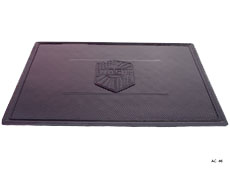 1937 Nash LaFayette Accessory Floor Mat - 12"X17"-AC 46Accessory Floor Mat - made of high quality black rubber with molded original emblem. Also designed to be sewn into new carpets. 12"X17", Each
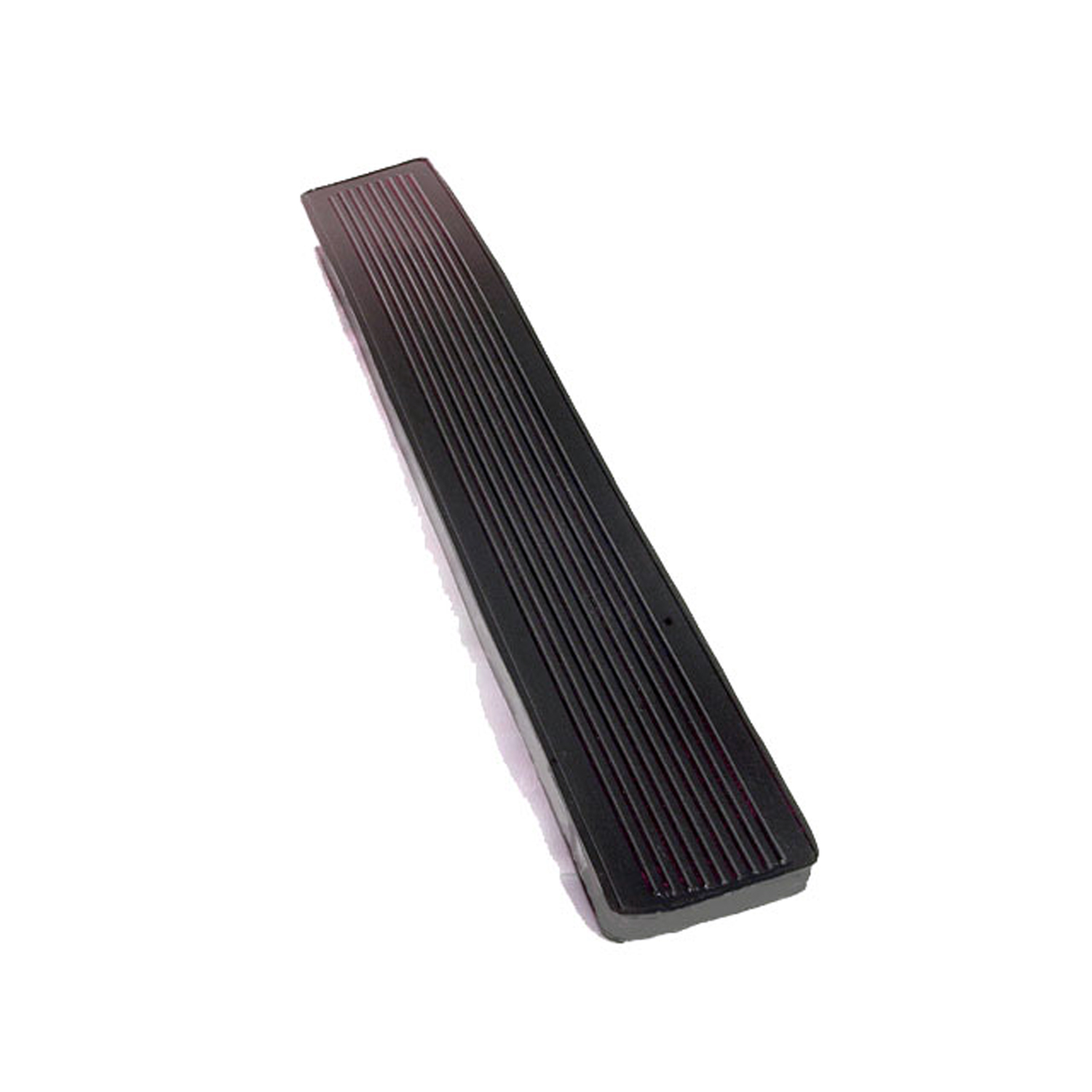 1937 Nash LaFayette Accelerator Pedal Pad, 1-1/2" X 9-3/4", Each-AP 21Accelerator Pedal Pad, 1-1/2" X 9-3/4", Each
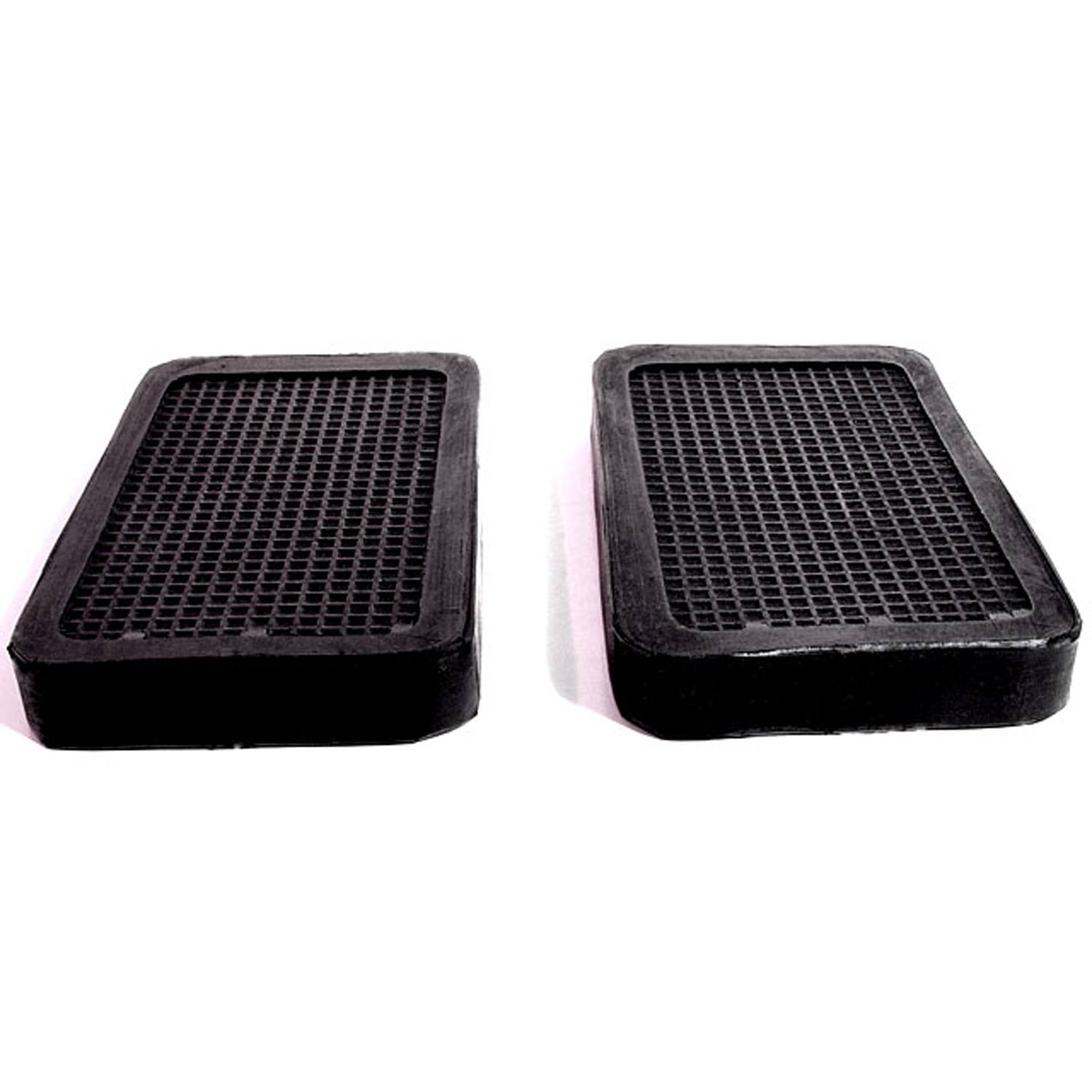 1937 Nash LaFayette Clutch and Brake Pedal Pads. 2-1/4" wide X 4" long. Pair-CB 20Clutch and Brake Pedal Pads. 2-1/4" wide X 4" long. Pair
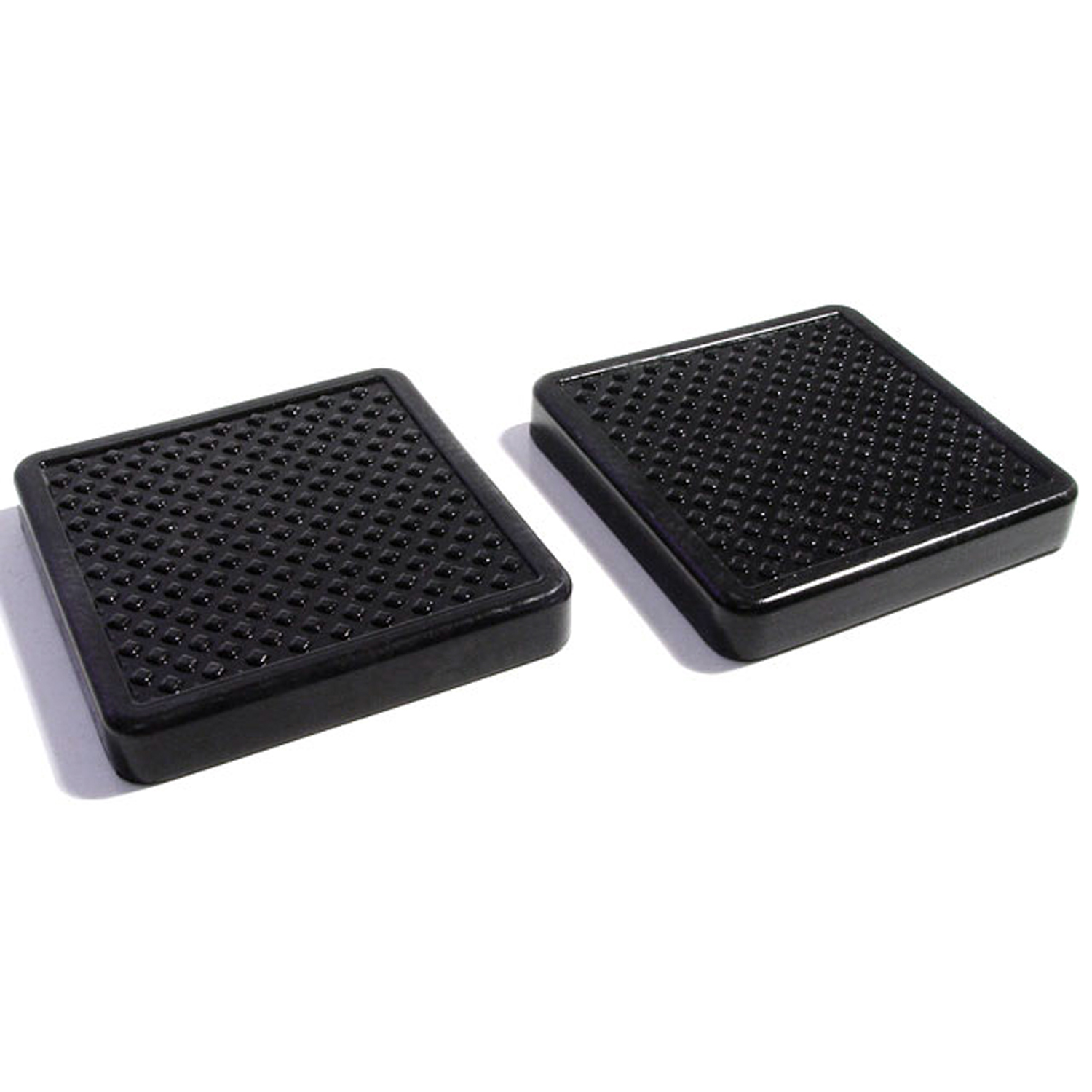 1937 Nash LaFayette Clutch and Brake Pedal Pads. 3" wide X 3" long. Pair-CB 47Clutch and Brake Pedal Pads. 3" wide X 3" long. Pair
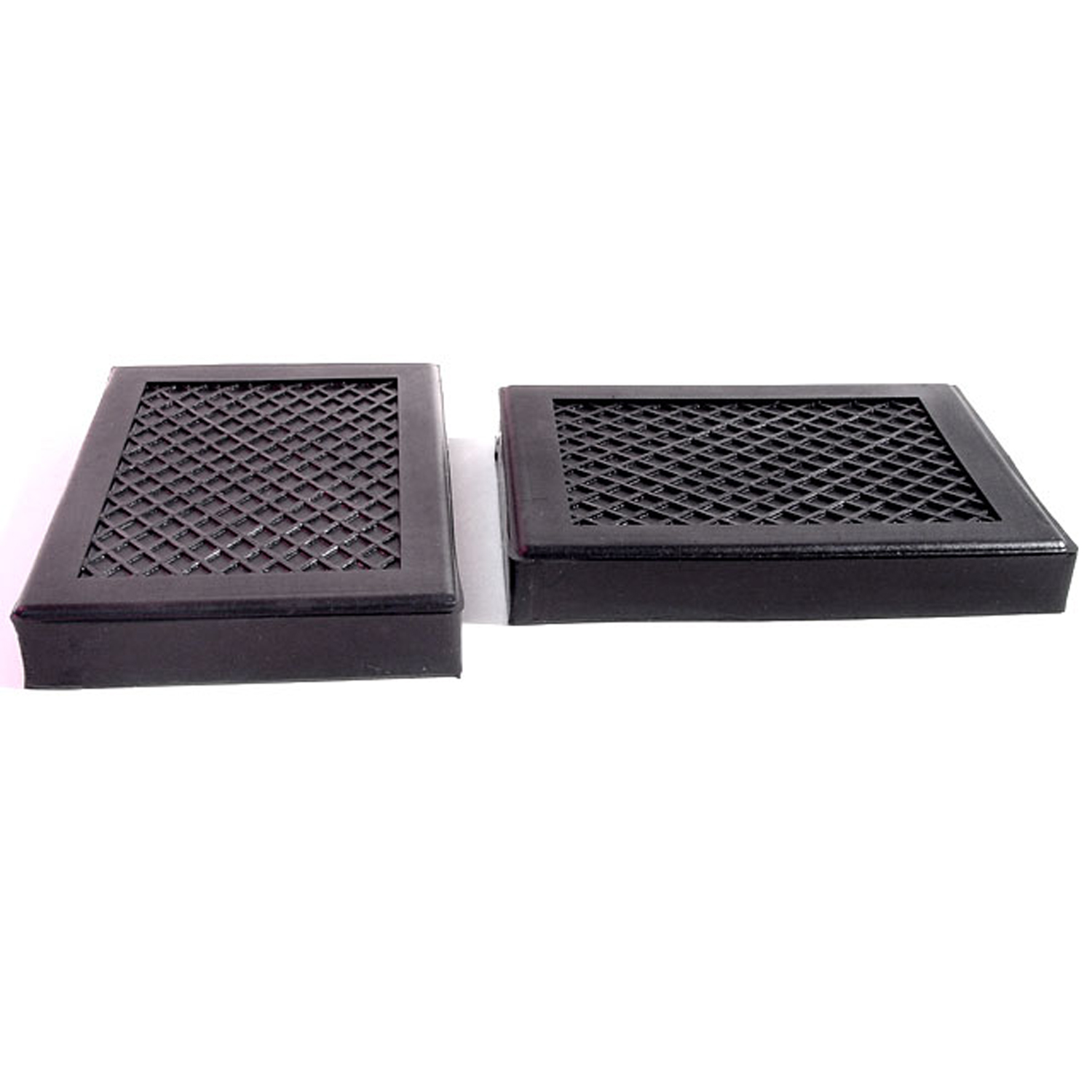 1937 Nash LaFayette Clutch and Brake Pedal Pads. 2-3/4" wide X 3-7/8" long-CB 48Clutch and Brake Pedal Pads. 2-3/4" wide X 3-7/8" long. Pair
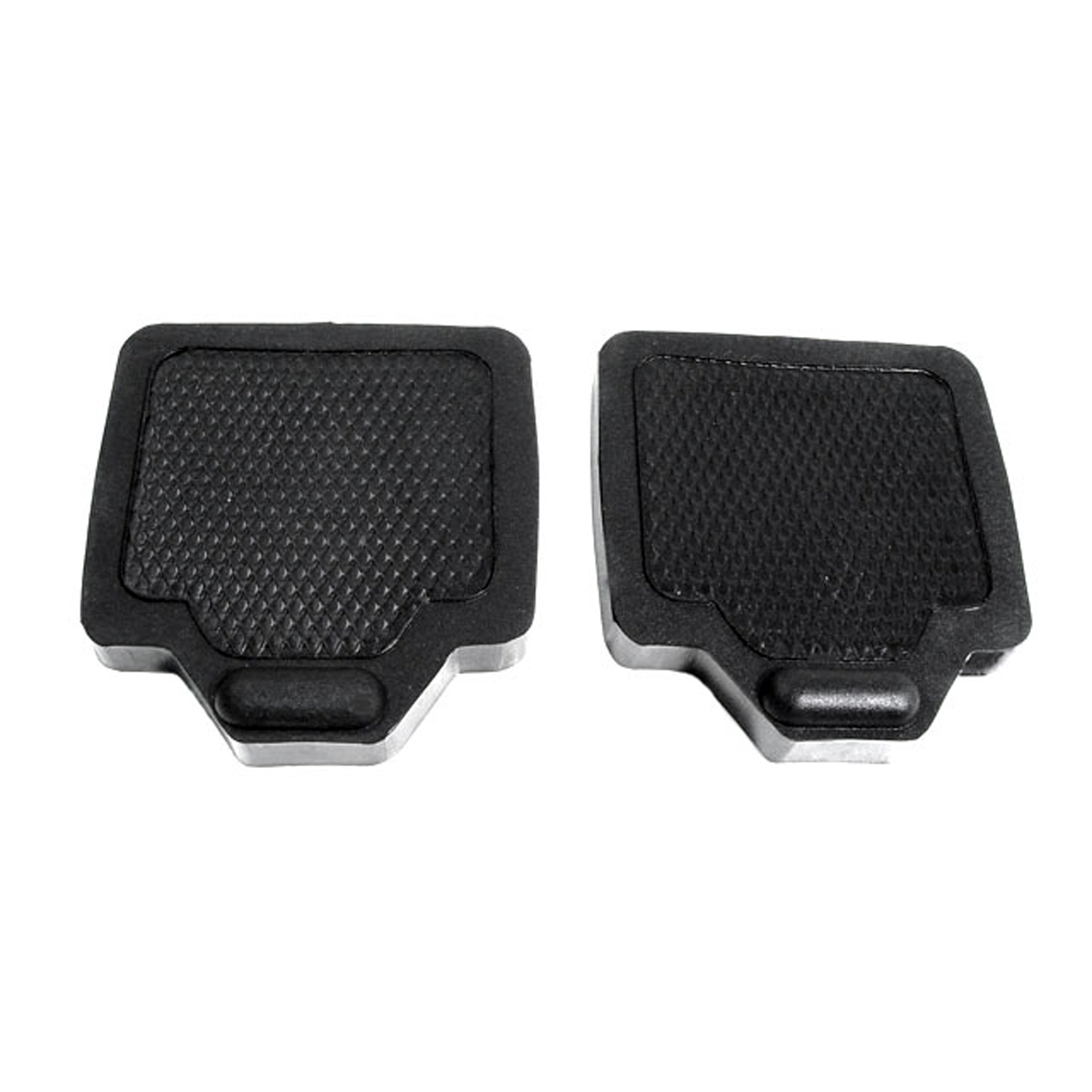 1937 Nash LaFayette Clutch and Brake Pedal Pads. 3-1/2" wide X 3-7/8" long-CB 55Clutch and Brake Pedal Pads. 3-1/2" wide X 3-7/8" long. Pair
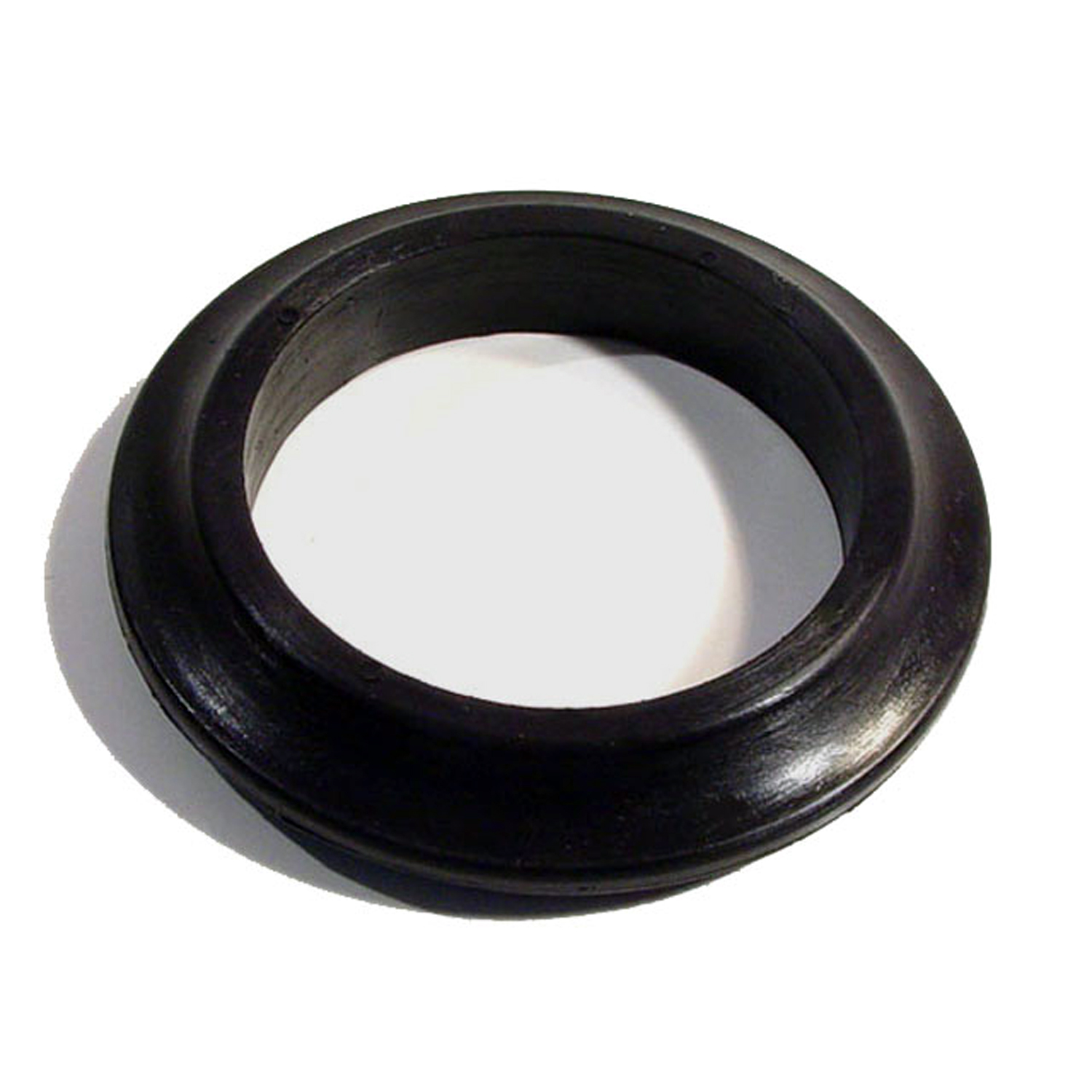 1937 Nash LaFayette Gas Filler Grommet. 2-1/4" I.D., 3-5/16" O.D. Each-GF 21Gas Filler Grommet. 2-1/4" I.D., 3-5/16" O.D. Each
 1937 Nash LaFayette Tail-light Pads-MP 1100-CTail-light Pads. (On some models these are also park light pads.) 3-3/4" O.D. Pair
 1937 Nash LaFayette Flexible glass-run channel-WC 11-72Flexible glass-run channel. Mohair lined, cloth covered with stainless steel bead. Used on side windows. 72 in. long. Each. NOTE: $20 special shipping charge applies for domestic orders. Call or email for overseas shipping costs. Part can be sectioned in two equal lengths to reduce overseas shipping costs.
Why Choose Metro?
For over 100 years, Metro Moulded Parts has been the pinnacle of quality in classic car restoration parts. Our commitment to precision and authenticity in every component ensures a perfect fit and an OEM-level appearance.
- Expert Craftsmanship & Quality: Each part is a testament to our dedication to reliability and perfection, crafted from original designs and thoroughly tested.
- Advanced Technology: We use cutting-edge techniques to create flawless, long-lasting parts that surpass others in performance.
- SuperSoft Sponge – The Ultimate Door Seal: Not only are our door seals 30% softer than competitors', but they're also guaranteed to never leak. They effectively reduce wind and road noise, enhancing your classic car's comfort and driving experience.
- Proudly American: Our parts are a product of American craftsmanship, made in the USA with a spirit of excellence and heritage.
- Unrivaled Warranty: We back our products with a 30-year industry-leading warranty, a testament to our confidence in their quality.
Join us in preserving the legacy of classic cars with parts that are crafted for perfection, not just made.