

Image of 1938 Nash Ambassador, Note: These illustrations use artistic license and may differ from actual historical models.
Performance Metrics
Fundamental Metrics
Emotional Appeal
MMP Rating
| Engine Specifications | |
|---|---|
| Engine: | Inline 6 |
| Displacement: | 234.8 cu in (3.8 L) |
| Horsepower: | Estimated 95-105 hp |
| Torque: | Not available |
| Compression Ratio: | Not available |
| Ignition System: | Battery and coil |
| Cooling System: | Water-cooled |
| Performance Specifications | |
| 0-60 Time: | Not available |
| 1/4 Mile Time: | Not available |
| Top Speed: | Estimated 75-85 mph |
| Transmission and Drive | |
| Drive Type: | Rear-wheel drive |
| Transmission Type: | 3-speed manual |
| Fuel and Efficiency | |
| Fuel System Type: | Carburetor |
| MPG: | Not available |
| Dimensions and Brakes | |
| Brakes: | Hydraulic drum brakes |
| Wheelbase: | 121 inches |
| Weight: | Estimated 3,200-3,400 lbs |
Note: Specifications for classic cars are given to the best of our ability, considering the limited and variant data available.
1938 Nash Ambassador: America’s Refined Family Flagship
The 1938 Nash Ambassador made a strong case that a family car could be roomy, comfortable, and forward-looking without wearing a luxury-car badge. Built by Nash Motors in Kenosha, Wisconsin, the Ambassador sat at the top of the company’s range, offering six- and eight-cylinder power, generous passenger space, and thoughtful features aimed at long-distance comfort.
Nash had been founded in 1916 by Charles W. Nash, a former General Motors president who set out to build well-engineered cars with a reputation for quality. By 1938, the company was operating as Nash-Kelvinator after joining forces with appliance maker Kelvinator. That partnership brought fresh corporate resources and a useful connection to home-comfort technology at a time when American automakers were competing fiercely for buyers emerging from the Depression.
One of the Ambassador’s most memorable party tricks was its available “Sleeper” arrangement. With the front seat backs folded back, the cabin could be converted into a place to sleep. It was a distinctly practical idea for touring families, and it hinted at Nash’s growing interest in making the car more than just transportation.
Streamlined Nash Styling and Cabin Comfort
The 1938 Ambassador wore rounded, carefully blended bodywork typical of the late-1930s move away from upright, carriage-like automobiles. Its long hood flowed into rounded front fenders, while the headlights sat neatly within the fender shapes rather than appearing as separate lamps perched above them. A tall, narrow grille gave the nose a formal look, balanced by bright trim and curved body lines. The result was substantial without appearing as boxy as many earlier cars.
Inside, the Ambassador emphasized space and comfort. Broad bench seats, a generous cabin, and a dashboard arranged around clear, period-style instruments made it well suited to family touring. Materials varied by trim and body style, but buyers could expect cloth upholstery, painted or finished metal surfaces, and polished trim details. The Ambassador was not a hand-built luxury car, yet its roomy interior and quality touches helped it feel more substantial than an ordinary economy model.
Color choices followed the tastes of the era, with subdued shades such as black, dark blue, gray, and maroon among the kinds of finishes seen on Nash cars. Exact paint selections depended on the series and body style, and two-tone combinations could add visual contrast. Today, dark blue and maroon Ambassadors often look especially striking against the car’s bright exterior trim, while black gives it a more formal appearance.
The Ambassador range included several closed-body choices, with two-door coupes and four-door sedans among the familiar forms. Availability varied between the Ambassador Six and Ambassador Eight series. The four-door sedan is one of the most recognizable configurations today, thanks to its practical layout and the clear view it provides of the model’s long, rounded profile. Buyers could also select equipment and trim to suit their needs, so not every surviving car is specified the same way.
Engineering Ahead of Its Time
The 1938 Ambassador’s significance lies less in a single headline-grabbing invention than in the way Nash combined comfort, packaging, and useful engineering. The company had a history of experimenting with features designed around passenger convenience. The Sleeper arrangement is a good example: it turned the cabin into a more versatile space at a time when most cars were designed simply for sitting upright and driving.
Nash also developed a reputation for attention to ventilation and cabin comfort. Its later “Weather Eye” system became especially well known, but buyers should be cautious about assuming that every feature associated with later Nash models appeared in the same form on a 1938 car. The Ambassador belongs to the period when Nash was building its comfort-focused identity, rather than to the postwar era of more dramatic engineering and styling innovations.
Against rivals from Buick, Oldsmobile, Hudson, and other mid-priced manufacturers, the Ambassador stood out for its spaciousness, careful finish, and broad model range. It was a credible alternative for buyers who wanted something more substantial than an entry-level car but did not need the cost or prestige of a top luxury marque. Its influence can be seen in Nash’s continuing emphasis on practical passenger comfort, a theme that later became central to the company’s postwar designs.
Six- and Eight-Cylinder Performance
The 1938 Ambassador was offered with either a Nash inline-six or inline-eight, depending on the series. Published specifications vary by model and source, but the six-cylinder engine is generally listed at about 235 cubic inches, while the eight measured roughly 261 cubic inches. Output is commonly quoted in the neighborhood of 100 horsepower for the six and 115 horsepower for the eight. Both were side-valve engines designed for smooth, dependable road use rather than high-revving performance.
There was no single factory acceleration figure that applies to every body style and drivetrain. As a modern estimate, a healthy Ambassador Six might take roughly 22 to 27 seconds to reach 60 mph, while an Eight could be a little quicker, around 19 to 24 seconds. Depending on gearing, condition, and body style, top speed was likely in the region of 75 to 85 mph. These are period-car estimates, not guaranteed test results, and a surviving car’s mechanical condition makes a considerable difference.
On the road, the Ambassador feels like a substantial prewar American automobile. Its long wheelbase helps it settle into a steady cruise, and the soft suspension is well suited to broken pavement and expansion joints. On winding roads, the car’s size, steering response, and period tires call for a measured pace. It is not a sports sedan, and quick direction changes are not its natural territory.
The driving experience is part of the appeal. The engine produces a steady mechanical murmur, with the eight generally feeling smoother under load. The ride has the gentle movement expected of a car from the late 1930s, and the driver works with a large steering wheel, a traditional upright driving position, and controls that require a more deliberate touch than modern ones. At its best, an Ambassador encourages relaxed touring rather than rushing from one stop to the next.
Living With a 1938 Nash
Today, the Ambassador is most often used as a show car, a touring vehicle, or a centerpiece in a collection of American prewar automobiles. A well-sorted example can handle local drives and vintage-car events, but it is not a practical everyday commuter by modern standards. Braking distances, lighting, crash protection, and highway speed capability all reflect the technology of its time.
Mechanical servicing is familiar territory for a vintage-car specialist. The engines use conventional principles, and routine work such as ignition service, carburetor adjustment, cooling-system maintenance, and brake repairs is straightforward for an experienced owner. The bigger challenge is often sourcing correct parts, trim, glass, or model-specific components. Before buying, inspect the frame and body for rust, check the cooling system and engine oil pressure, and confirm that the brakes and electrical system have been properly restored.
Reliability depends heavily on maintenance and the quality of past repairs. A car that has been regularly exercised and carefully recommissioned can be enjoyable on tours, while one that has spent decades sitting may need extensive work before it is roadworthy. The average owner can tackle basic service, but a full restoration is a specialist project requiring patience, parts research, and a realistic budget.
Nash Ambassador Facts and Myths
The Sleeper feature is the detail many people remember first. It reflected a period when automakers competed not only on horsepower and styling but also on clever ways to make a car useful for travel. It was an option or feature associated with selected Nash models and equipment, so buyers should verify its presence rather than assume every Ambassador was fitted with it.
The 1938 Ambassador was not a dedicated racing car and is not known for a major speed or endurance record. Its story is more closely tied to practical engineering and the evolution of Nash as an independent manufacturer. Nor should it be confused with Nash’s later postwar Airflyte models, which became famous for their highly rounded “bathtub” styling.
Common criticisms are typical of prewar cars: modest acceleration by modern standards, heavy steering at low speeds, limited braking performance compared with contemporary vehicles, and a shortage of parts for some restoration details. Its size can also make narrow roads and crowded parking areas less relaxing. Those drawbacks are part of the ownership equation, not flaws that can be corrected simply by tuning the engine.
1938 Nash Ambassador Values and Rarity
Exact production figures for individual 1938 Ambassador body styles can be difficult to pin down in commonly available sources. A reasonable working estimate is that total Ambassador production across the Six and Eight series was in the broad range of 15,000 to 25,000 cars, rather than a precise confirmed count. The number of surviving cars is much smaller, and well-preserved examples are not encountered as often as more widely produced contemporary models.
Collector values vary substantially with body style, originality, mechanical condition, restoration quality, and documentation. As a broad current-market guide, a project car might bring about $5,000 to $12,000. A usable driver could fall around $15,000 to $30,000, while a high-quality restored example may reach roughly $35,000 to $60,000 or more. Exceptional, especially well-documented cars can exceed that range, but asking prices are not the same as completed sale prices.
Like many prewar American cars, the Ambassador’s market is selective. Its value is supported by its distinctive styling and historical interest, but the pool of buyers is smaller than for famous postwar muscle cars or highly recognizable luxury classics. In recent years, condition and restoration quality have mattered more than a rising tide lifting every example. A sound, correctly restored car should remain more desirable than a cheap project, but appreciation is not guaranteed.
Why the 1938 Ambassador Still Matters
The 1938 Nash Ambassador brought together the strengths of an ambitious independent automaker: smooth six- and eight-cylinder engines, generous interior room, rounded styling, and thoughtful features aimed at making travel more comfortable. It was not the fastest or most exotic car of its day, but it offered a distinctive alternative to the better-known names on American roads.
For collectors, the Ambassador is a rewarding way to explore the late-1930s American car industry and Nash’s inventive approach to everyday motoring. Its sleeper-style cabin, stately proportions, and relaxed road manners tell the story of a company that believed comfort could be an engineering feature. More than eight decades later, that idea still gives the 1938 Nash Ambassador its enduring charm.
1938 Nash Ambassador Catalog of Parts
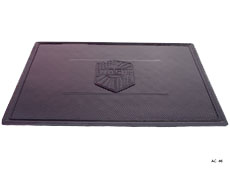 1938 Nash Ambassador Accessory Floor Mat - 12"X17"-AC 46Accessory Floor Mat - made of high quality black rubber with molded original emblem. Also designed to be sewn into new carpets. 12"X17", Each
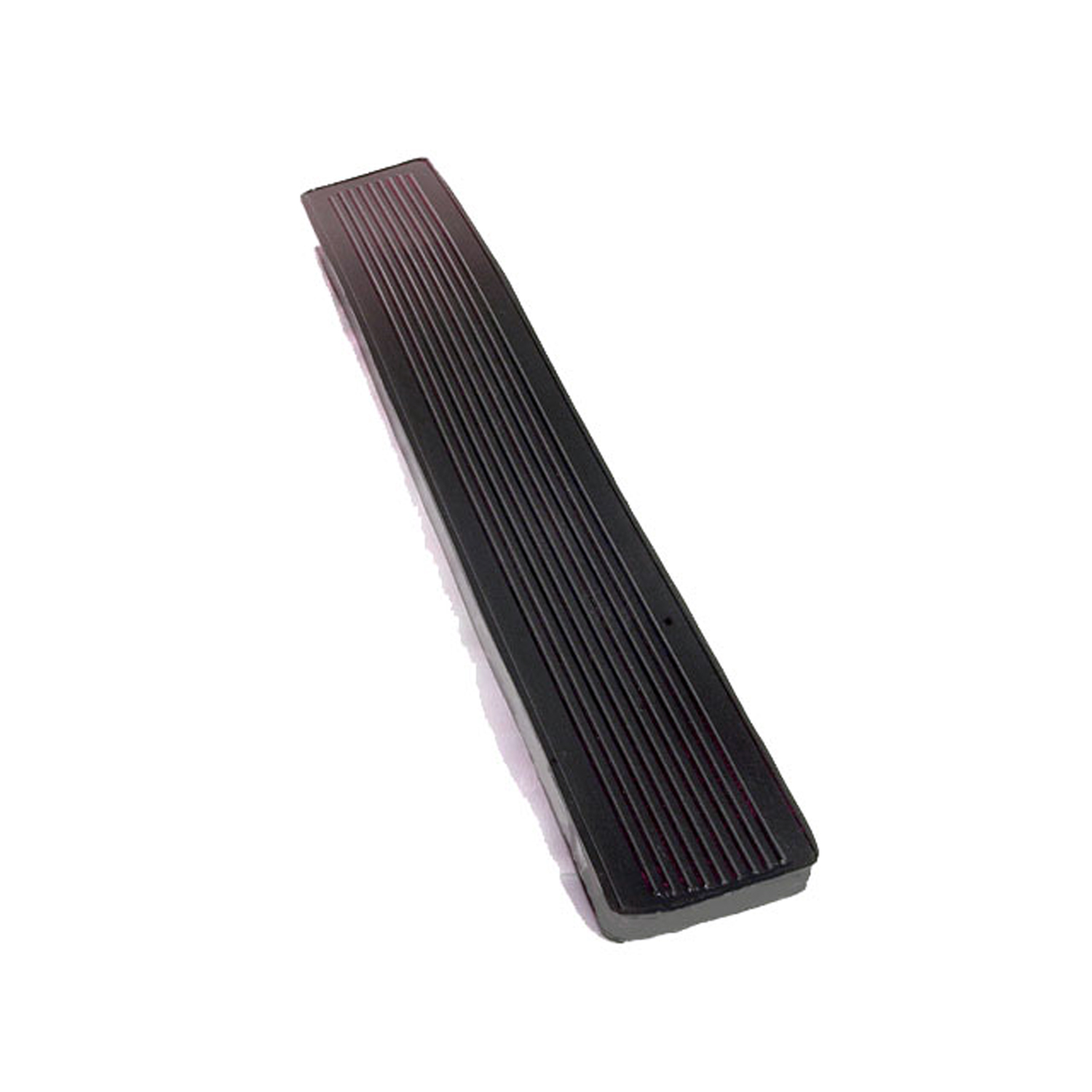 1938 Nash Ambassador Accelerator Pedal Pad, 1-1/2" X 9-3/4", Each-AP 21Accelerator Pedal Pad, 1-1/2" X 9-3/4", Each
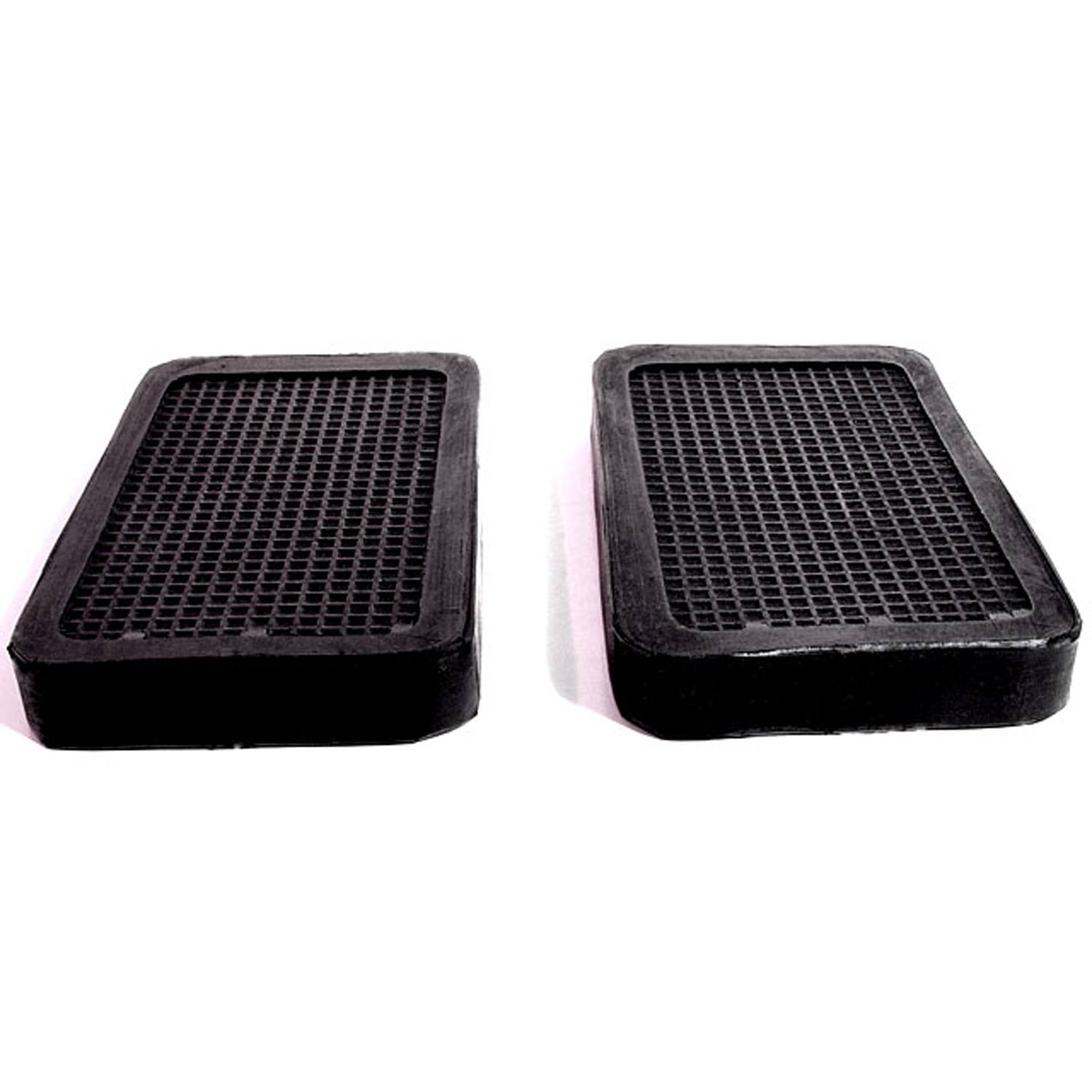 1938 Nash Ambassador Clutch and Brake Pedal Pads. 2-1/4" wide X 4" long. Pair-CB 20Clutch and Brake Pedal Pads. 2-1/4" wide X 4" long. Pair
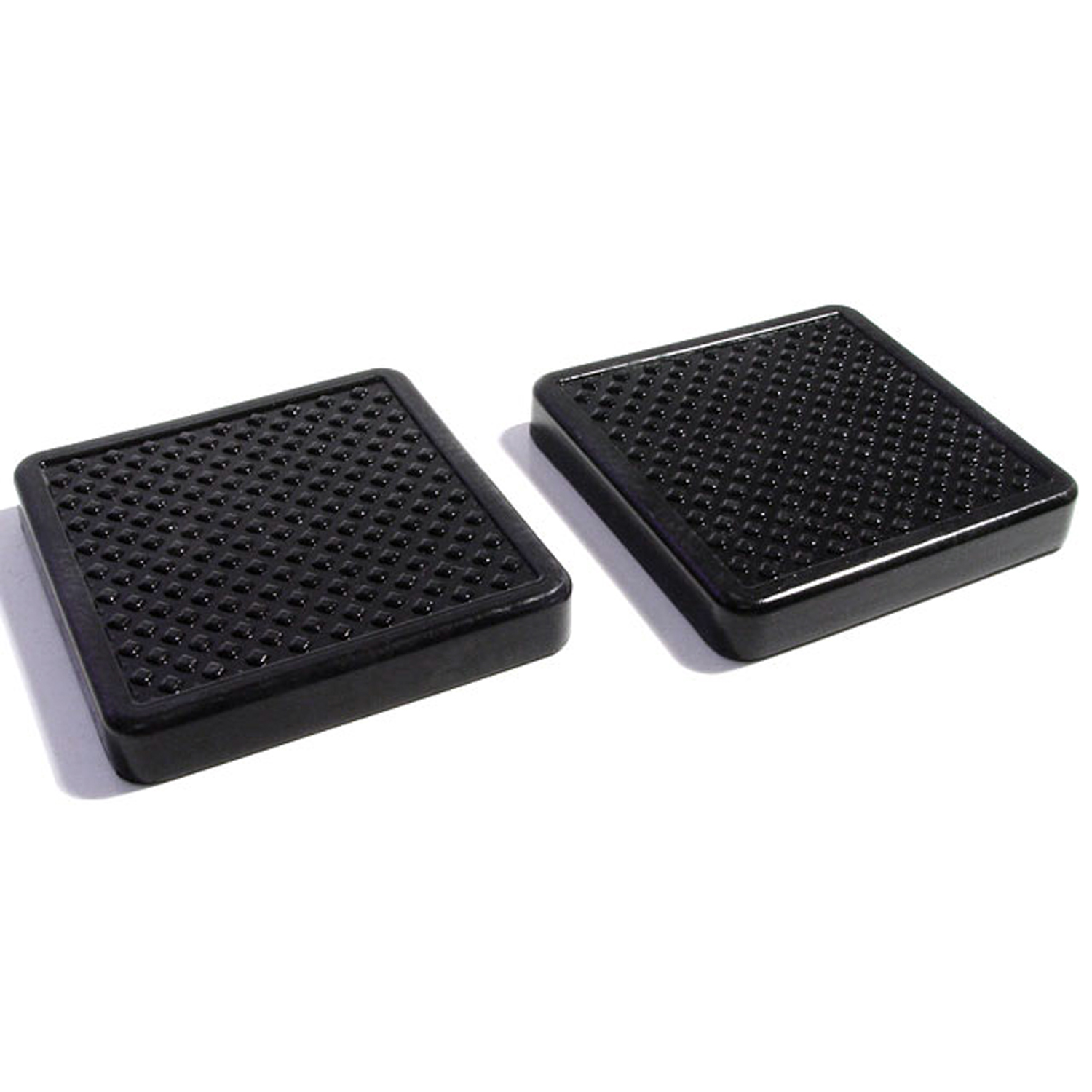 1938 Nash Ambassador Clutch and Brake Pedal Pads. 3" wide X 3" long. Pair-CB 47Clutch and Brake Pedal Pads. 3" wide X 3" long. Pair
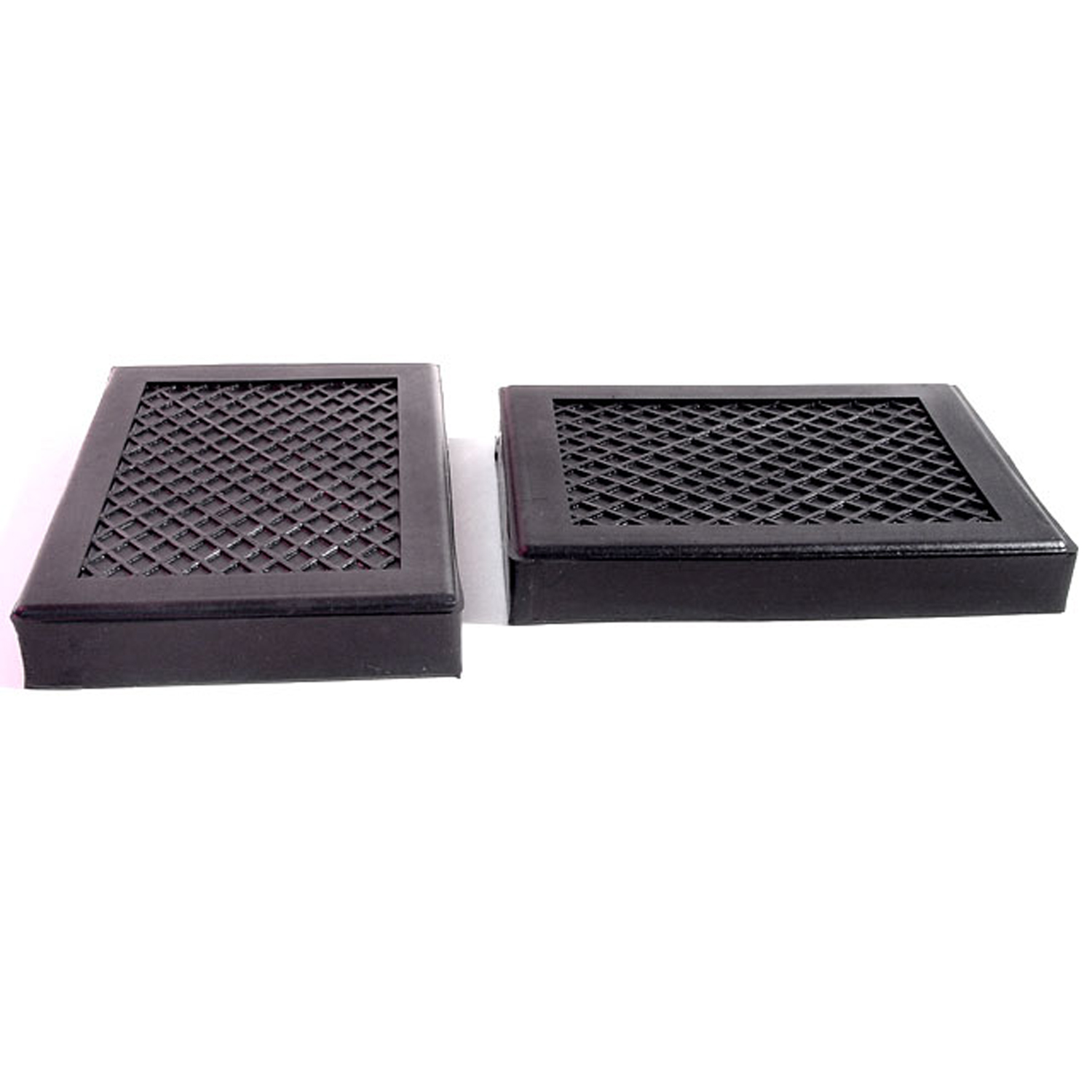 1938 Nash Ambassador Clutch and Brake Pedal Pads. 2-3/4" wide X 3-7/8" long-CB 48Clutch and Brake Pedal Pads. 2-3/4" wide X 3-7/8" long. Pair
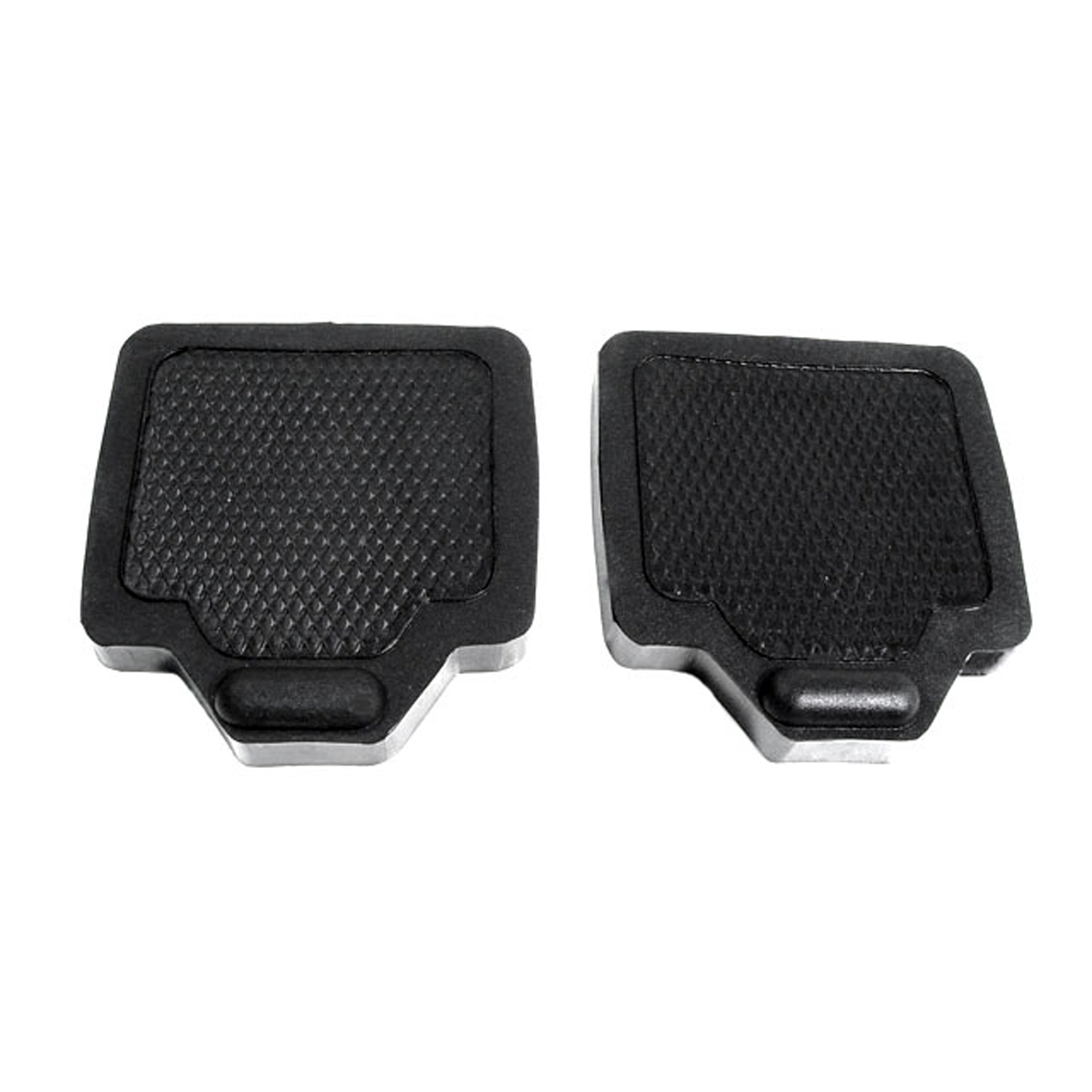 1938 Nash Ambassador Clutch and Brake Pedal Pads. 3-1/2" wide X 3-7/8" long-CB 55Clutch and Brake Pedal Pads. 3-1/2" wide X 3-7/8" long. Pair
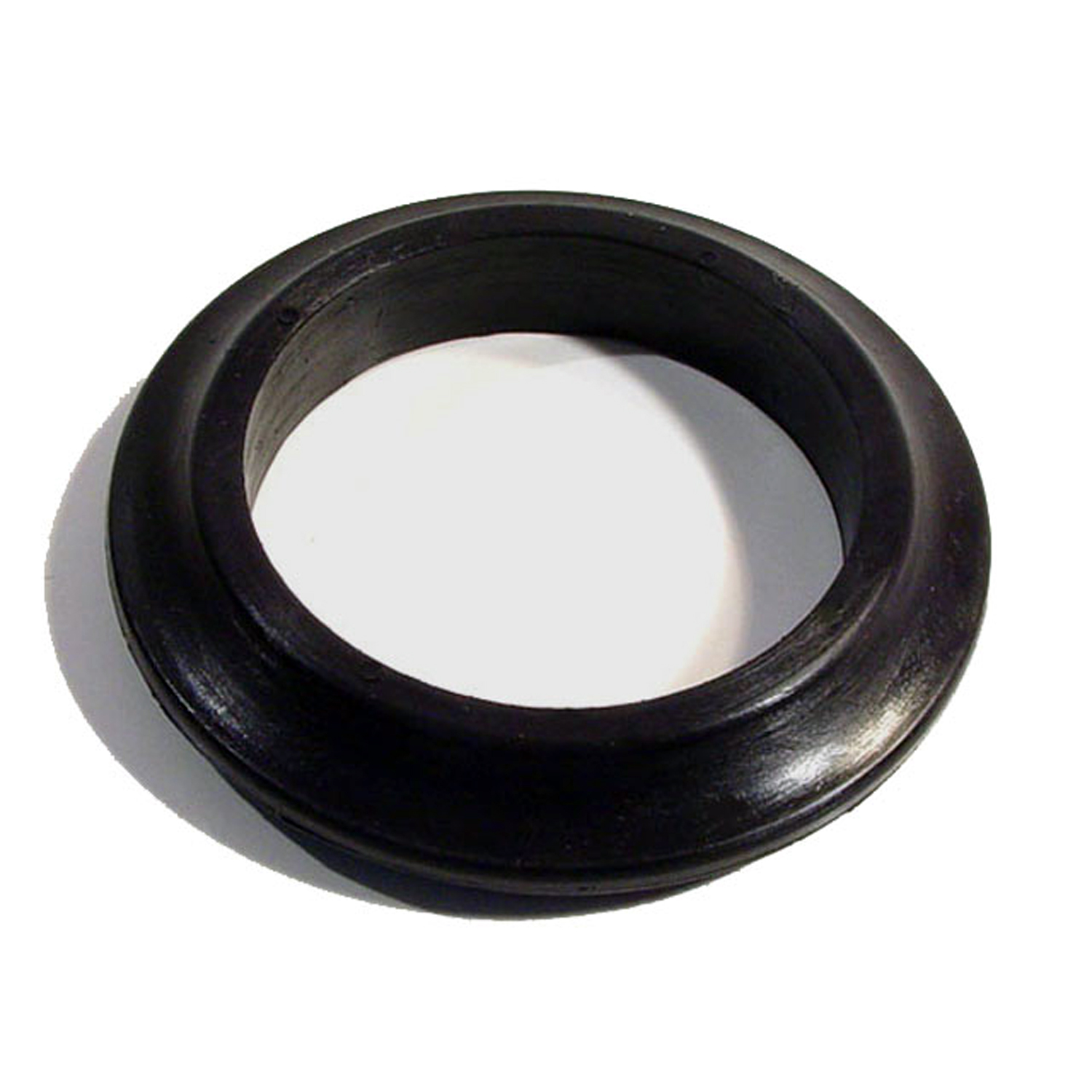 1938 Nash Ambassador Gas Filler Grommet. 2-1/4" I.D., 3-5/16" O.D. Each-GF 21Gas Filler Grommet. 2-1/4" I.D., 3-5/16" O.D. Each
 1938 Nash Ambassador Flexible glass-run channel-WC 11-72Flexible glass-run channel. Mohair lined, cloth covered with stainless steel bead. Used on side windows. 72 in. long. Each. NOTE: $20 special shipping charge applies for domestic orders. Call or email for overseas shipping costs. Part can be sectioned in two equal lengths to reduce overseas shipping costs.
Why Choose Metro?
For over 100 years, Metro Moulded Parts has been the pinnacle of quality in classic car restoration parts. Our commitment to precision and authenticity in every component ensures a perfect fit and an OEM-level appearance.
- Expert Craftsmanship & Quality: Each part is a testament to our dedication to reliability and perfection, crafted from original designs and thoroughly tested.
- Advanced Technology: We use cutting-edge techniques to create flawless, long-lasting parts that surpass others in performance.
- SuperSoft Sponge – The Ultimate Door Seal: Not only are our door seals 30% softer than competitors', but they're also guaranteed to never leak. They effectively reduce wind and road noise, enhancing your classic car's comfort and driving experience.
- Proudly American: Our parts are a product of American craftsmanship, made in the USA with a spirit of excellence and heritage.
- Unrivaled Warranty: We back our products with a 30-year industry-leading warranty, a testament to our confidence in their quality.
Join us in preserving the legacy of classic cars with parts that are crafted for perfection, not just made.