

Image of 1938 Nash Lafayette, Note: These illustrations use artistic license and may differ from actual historical models.
Performance Metrics
Fundamental Metrics
Emotional Appeal
MMP Rating
| Engine Specifications | |
|---|---|
| Engine: | Inline 6 |
| Displacement: | 3.5L |
| Horsepower: | Estimated 85-100 HP |
| Torque: | Estimated 150-170 lb-ft |
| Compression Ratio: | 6.5:1 |
| Ignition System: | Distributor and coil |
| Cooling System: | Liquid-cooled |
| Performance Specifications | |
| 0-60 Time: | Information not available |
| 1/4 Mile Time: | Information not available |
| Top Speed: | Estimated 75-85 mph |
| Transmission and Drive | |
| Drive Type: | Rear-wheel drive |
| Transmission Type: | 3-speed manual |
| Fuel and Efficiency | |
| Fuel System Type: | Carburetor |
| MPG: | Estimated 15-20 mpg |
| Dimensions and Brakes | |
| Brakes: | Drum brakes |
| Wheelbase: | 117 inches |
| Weight: | Estimated 3000-3200 lbs |
Note: Specifications for classic cars are given to the best of our ability, considering the limited and variant data available.
1938 Nash Lafayette: An Affordable Nash With Big Ideas
The 1938 Nash Lafayette was built to make Nash engineering accessible without stripping away the comfort and character buyers expected from the marque. Its rounded, carefully detailed body looked smart in a driveway, while its six-cylinder engine and independent front suspension gave it a more sophisticated side than many entry-level cars of the day.
Nash Motors, founded by former General Motors president Charles W. Nash, became part of Nash-Kelvinator Corporation in 1937. The Lafayette name had been introduced in 1934 for the company’s lower-priced line, honoring the Marquis de Lafayette, the French officer who supported the American Revolution. By 1938, it sat below Nash’s more expensive Ambassador models and competed for buyers considering a Ford, Chevrolet, or Plymouth.
The timing mattered. The United States was still climbing out of the Great Depression, so value was essential. Nash’s answer was not simply a bare-bones car: the Lafayette offered six-cylinder power and thoughtful engineering at a price aimed at ordinary families. One especially intriguing detail is that 1938 also marked the arrival of Nash’s “Weather Eye” heating and ventilation system, an early integrated approach to supplying fresh, conditioned air to the cabin.
Streamlined Styling and a Practical Cabin
The Lafayette wore the curving, modern look that was reshaping American cars in the late 1930s. Its tall hood flowed into a rounded front end, with a prominent grille, integrated headlamps, and sweeping fenders that softened the transition between body and wheels. Running boards remained, but the overall shape looked less upright and formal than many earlier cars. At the rear, a rounded trunk and gently tapered roofline completed the streamlined profile.
Inside, the Lafayette was designed for everyday use rather than sporting drama. A broad dashboard, clear instruments, and a bench seat made it familiar and functional. Depending on body style and trim, buyers could expect cloth upholstery, finished door panels, and practical interior fittings. Materials and appointments were more modest than in an Ambassador, but the cabin still aimed to feel welcoming rather than austere. As with any prewar car, surviving examples may have replacement upholstery or altered trim, so original details can vary.
Color availability depended on body style, trim, and the specific factory offering. Period Nash finishes included a range of solid colors, with darker blues, greens, maroons, and black among the kinds of shades associated with cars of the era. Two-tone treatments were also an appealing way to emphasize the Lafayette’s flowing fenders and roofline. For restorers, factory paint records or original paint traces are more reliable than assuming every surviving car left the factory in a commonly seen color.
Depending on the catalog and market, Lafayette body styles included two- and four-door sedans, as well as coupe variations such as a business coupe and a club coupe. The four-door sedan was the natural family choice, while the coupes suited buyers who wanted a lower, more personal-looking car. Exact availability and trim details should be checked against the car’s body tag and period sales literature.
Engineering That Made the Lafayette Different
The Lafayette’s most important distinction was the way it combined an accessible price with engineering Nash was proud to promote. Its front suspension used independent wheel movement with coil springs, helping the wheels respond to bumps more separately than a conventional solid front axle. Hydraulic brakes were another useful modern feature, giving the driver more consistent stopping action than older mechanical systems.
The Weather Eye system deserves special attention. Introduced by Nash in 1938, it was an early integrated fresh-air heating and ventilation setup, designed to bring air into the cabin and manage its temperature. It was not the same as modern climate control, but it showed that Nash was thinking about cabin comfort as a system, not merely adding a heater as an afterthought. The Weather Eye name would remain closely associated with Nash for years.
The Lafayette was not a revolutionary design in the way Nash’s later unit-body 600 would be. Its lasting significance is more practical: it carried advanced ideas, especially suspension and ventilation engineering, into a lower-priced segment. That approach helped distinguish Nash from rivals that often reserved their most notable features for higher-priced models.
Six-Cylinder Power and Period Road Manners
Power came from a 225.6-cubic-inch L-head, or flathead, inline-six, rated at about 85 horsepower. A three-speed manual transmission sent power to the rear wheels. Those figures were respectable for a value-focused family car, though the Lafayette was built for steady transportation rather than quick acceleration.
Period performance was not measured as consistently as it is today, and surviving cars vary in condition and gearing. A reasonable estimate for a healthy, standard Lafayette is a top speed in the neighborhood of 75 to 80 mph, with 0-to-60-mph acceleration likely taking roughly 25 to 30 seconds. These are estimates, not guaranteed factory test figures. Modern traffic makes the car feel leisurely, especially on hills or when merging at highway speeds.
On a rough road, the independent front suspension and coil springs helped the Lafayette feel composed for its era. It still has a solid rear axle and the tall, softly sprung character typical of a prewar sedan, so sharp bumps can produce body movement. On winding roads, expect deliberate steering and noticeable lean rather than sports-car precision. The car rewards smooth inputs and a relaxed pace.
From behind the wheel, the flathead six produces a subdued, even mechanical note rather than a sharp, high-revving sound. The bench seat, upright driving position, large steering wheel, and manual gearbox make the experience distinctly hands-on. It is best enjoyed as a rolling piece of 1930s motoring: listen to the engine, anticipate traffic, and let the car settle into its own rhythm.
Owning and Maintaining a 1938 Lafayette
Today, a Lafayette is most often used for local touring, club events, parades, and shows. Some owners drive them regularly in fair weather, but the car’s age, modest performance, and limited crash protection make it less suitable for modern daily commuting. A sound example can be comfortable on scenic roads, provided the driver allows extra space and avoids demanding contemporary highway speeds.
Basic service is familiar to anyone comfortable with older American cars: lubrication, ignition tune-ups, cooling-system care, brake adjustment, and attention to the charging system. The flathead six is mechanically straightforward, and many routine jobs are accessible to a capable home mechanic. However, simple design does not mean every part is easy to find. Model-specific trim, glass, body panels, and some mechanical components may require patient searching through Nash clubs, specialist suppliers, and swap meets.
Before buying, inspect the frame and body for rust, check the cooling system for overheating, and assess the brakes, steering, and suspension carefully. A car that has sat for years may need much more than a tune-up. On a prewar vehicle, a thorough mechanical inspection is especially important because original parts and modern replacement components can be mixed together.
Little-Known Facts and Common Criticisms
The Lafayette name was chosen to connect Nash with an admired figure in American history, while the Weather Eye system gave the 1938 range a memorable comfort feature. The Lafayette was not known for racing records or headline-grabbing speed achievements. Its story is instead about providing practical family transport during a difficult economic period.
There is no broadly documented celebrity ownership story that defines the model, and it has not become a regular fixture in popular film history. That relative lack of fame is part of its appeal to some collectors: it is a less predictable choice than a Ford or Chevrolet of the same year.
Common criticisms are fair ones. The Lafayette is slow by modern standards, its prewar safety equipment is limited, and it can be less convenient to restore than a higher-volume Ford or Chevrolet. It also lacks the prestige and luxury finish of a Nash Ambassador. In return, it offers uncommon styling, a useful six-cylinder drivetrain, and a direct connection to Nash’s reputation for engineering.
Collector Value and Availability
Production estimates for individual 1938 Lafayette body styles are not consistently reported in easily comparable sources. A reasonable working estimate is roughly 20,000 to 30,000 cars across the line, though that figure should be treated as an estimate rather than a confirmed total. The Lafayette was a regular production car, not a limited edition, but surviving examples are now uncommon, particularly in complete, original condition.
As a broad 2026 U.S. market guide, a project car may sell for around $5,000 to $12,000, depending heavily on completeness and rust. A running, presentable driver might fall in the $15,000 to $30,000 range, while a well-restored or unusually fine example could reach approximately $30,000 to $45,000 or more. Body style, originality, restoration quality, and local demand all affect the result. These are practical estimates, not a formal appraisal.
Values have generally been steady to gradually stronger for well-presented prewar cars, but the Lafayette is a niche collectible rather than a guaranteed high-growth investment. Its market is smaller than that for the best-known mass-market classics, and restoration costs can exceed the car’s eventual sale price. Buyers should focus on condition and enjoyment, not just appreciation.
Why the 1938 Nash Lafayette Still Matters
The 1938 Nash Lafayette brought a handsome streamlined body, a smooth flathead six, independent front suspension, hydraulic brakes, and Nash’s early Weather Eye ventilation concept to the affordable end of the market. It was not the quickest or most luxurious car of its time, but it offered more engineering thought than its modest position in the lineup might suggest.
For collectors, the Lafayette is a rewarding alternative to the more familiar prewar names. It represents a moment when American automakers were making cars more comfortable, more sophisticated, and more distinctive, even for buyers watching every dollar. Drive one today and its significance becomes clear: the Lafayette was not merely transportation, but a practical Nash with ideas that helped point toward the modern automobile.
1938 Nash Lafayette Catalog of Parts
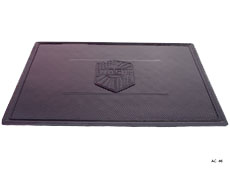 1938 Nash LaFayette Accessory Floor Mat - 12"X17"-AC 46Accessory Floor Mat - made of high quality black rubber with molded original emblem. Also designed to be sewn into new carpets. 12"X17", Each
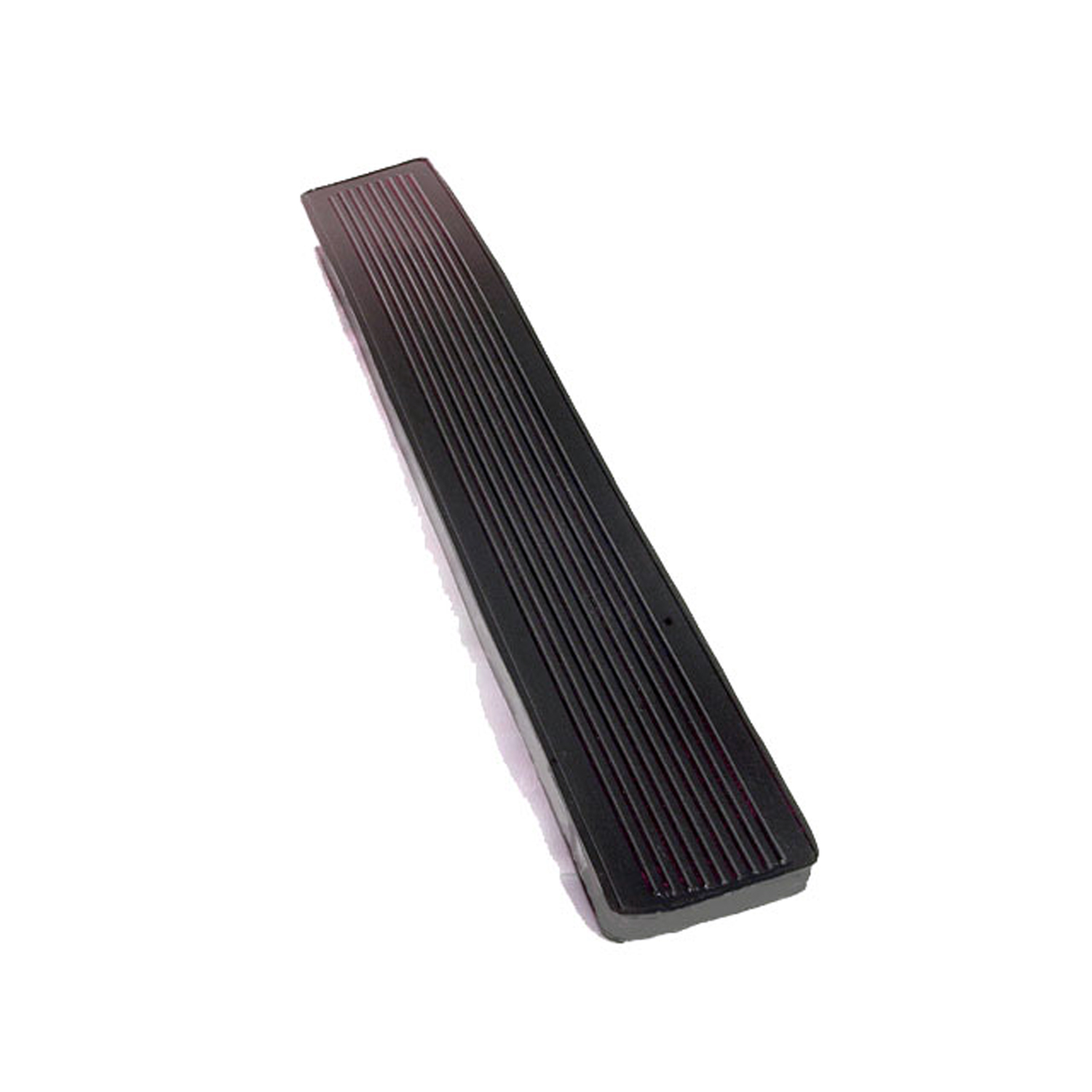 1938 Nash LaFayette Accelerator Pedal Pad, 1-1/2" X 9-3/4", Each-AP 21Accelerator Pedal Pad, 1-1/2" X 9-3/4", Each
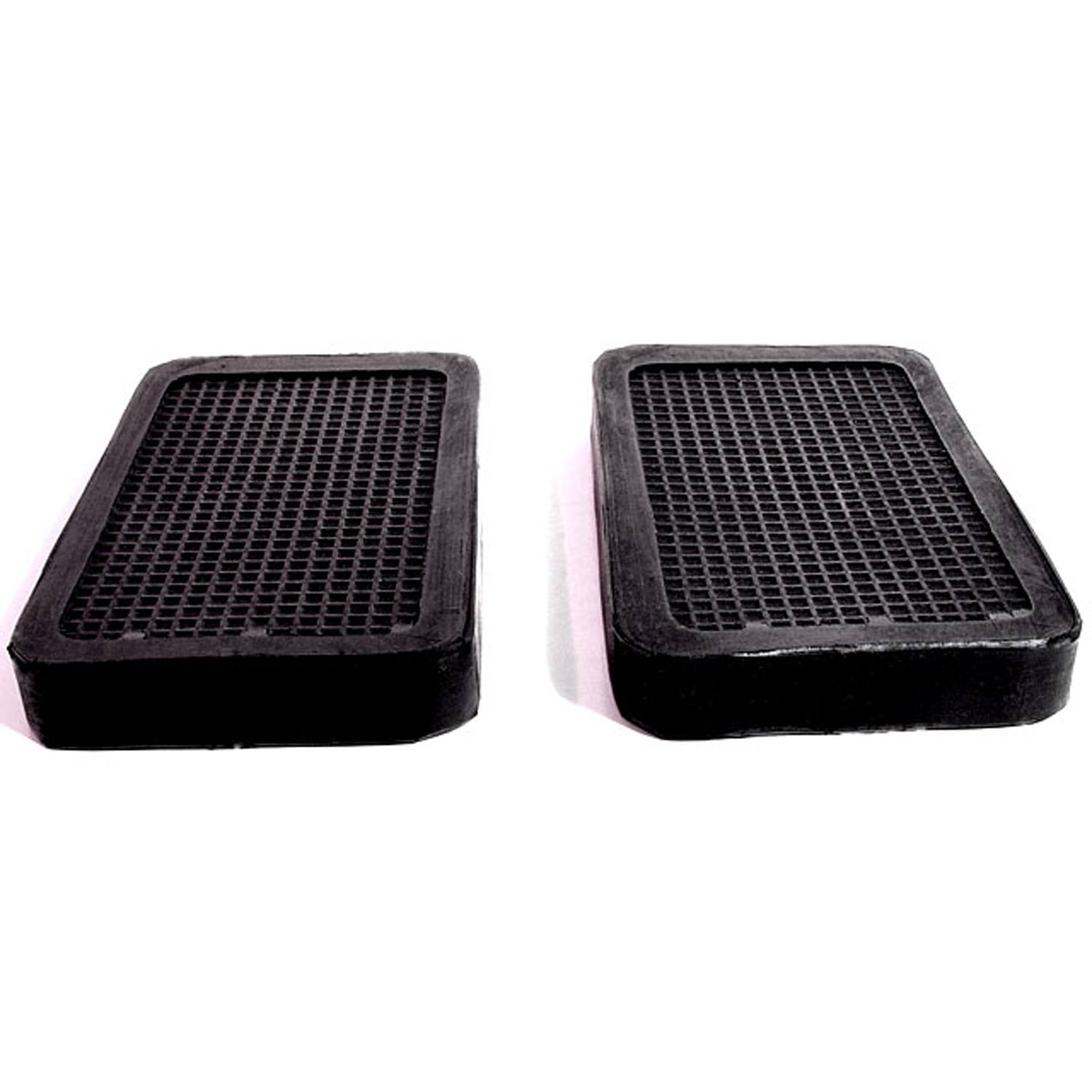 1938 Nash LaFayette Clutch and Brake Pedal Pads. 2-1/4" wide X 4" long. Pair-CB 20Clutch and Brake Pedal Pads. 2-1/4" wide X 4" long. Pair
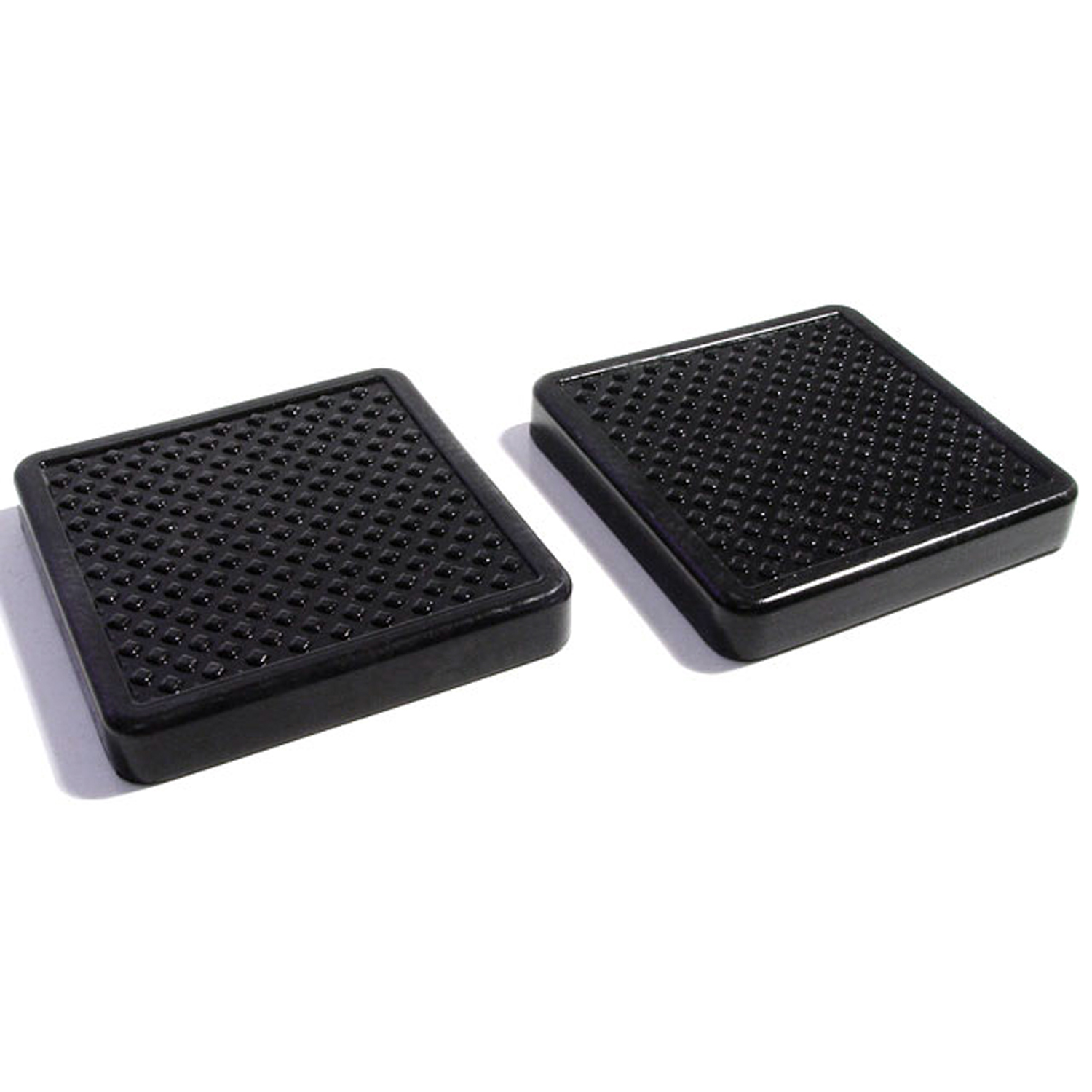 1938 Nash LaFayette Clutch and Brake Pedal Pads. 3" wide X 3" long. Pair-CB 47Clutch and Brake Pedal Pads. 3" wide X 3" long. Pair
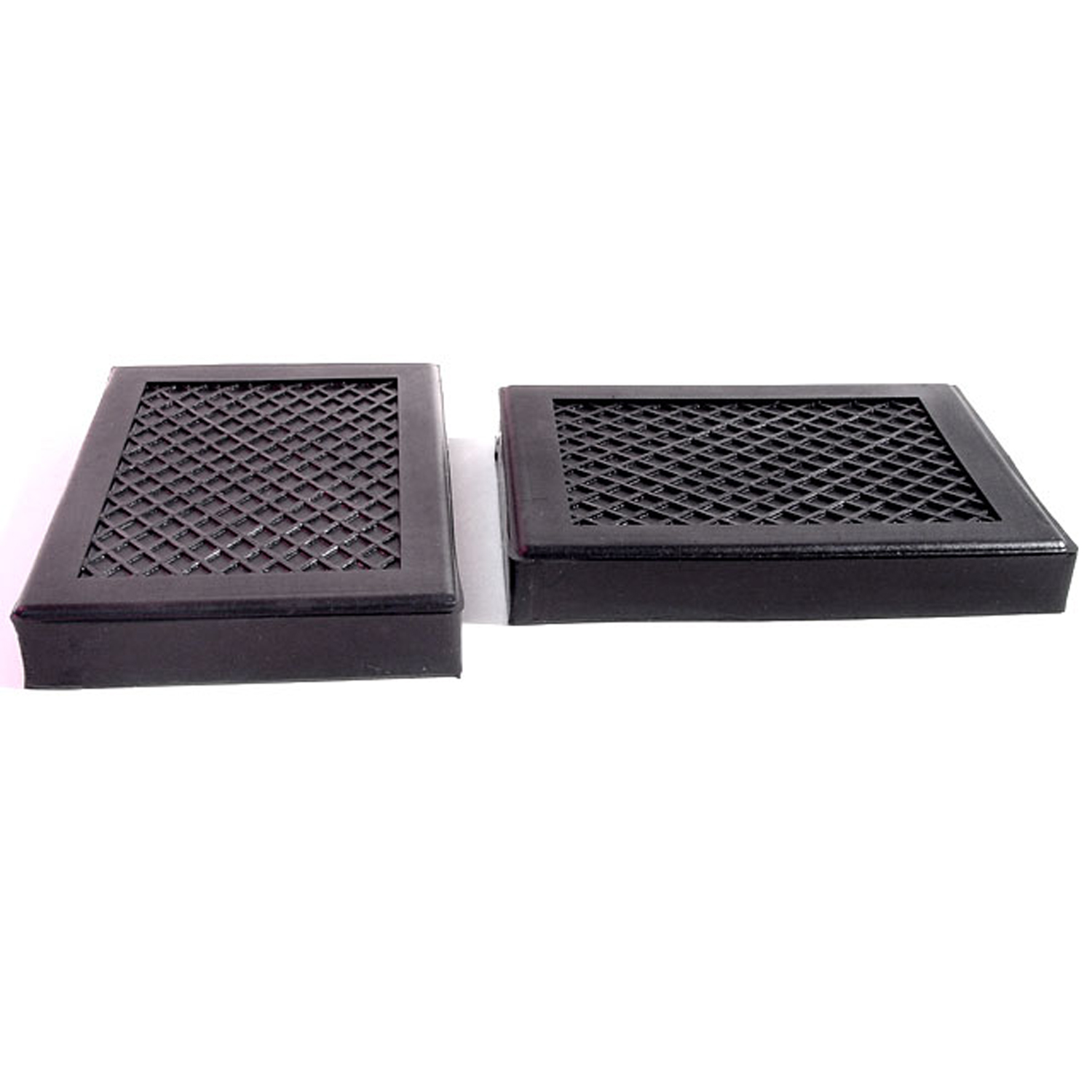 1938 Nash LaFayette Clutch and Brake Pedal Pads. 2-3/4" wide X 3-7/8" long-CB 48Clutch and Brake Pedal Pads. 2-3/4" wide X 3-7/8" long. Pair
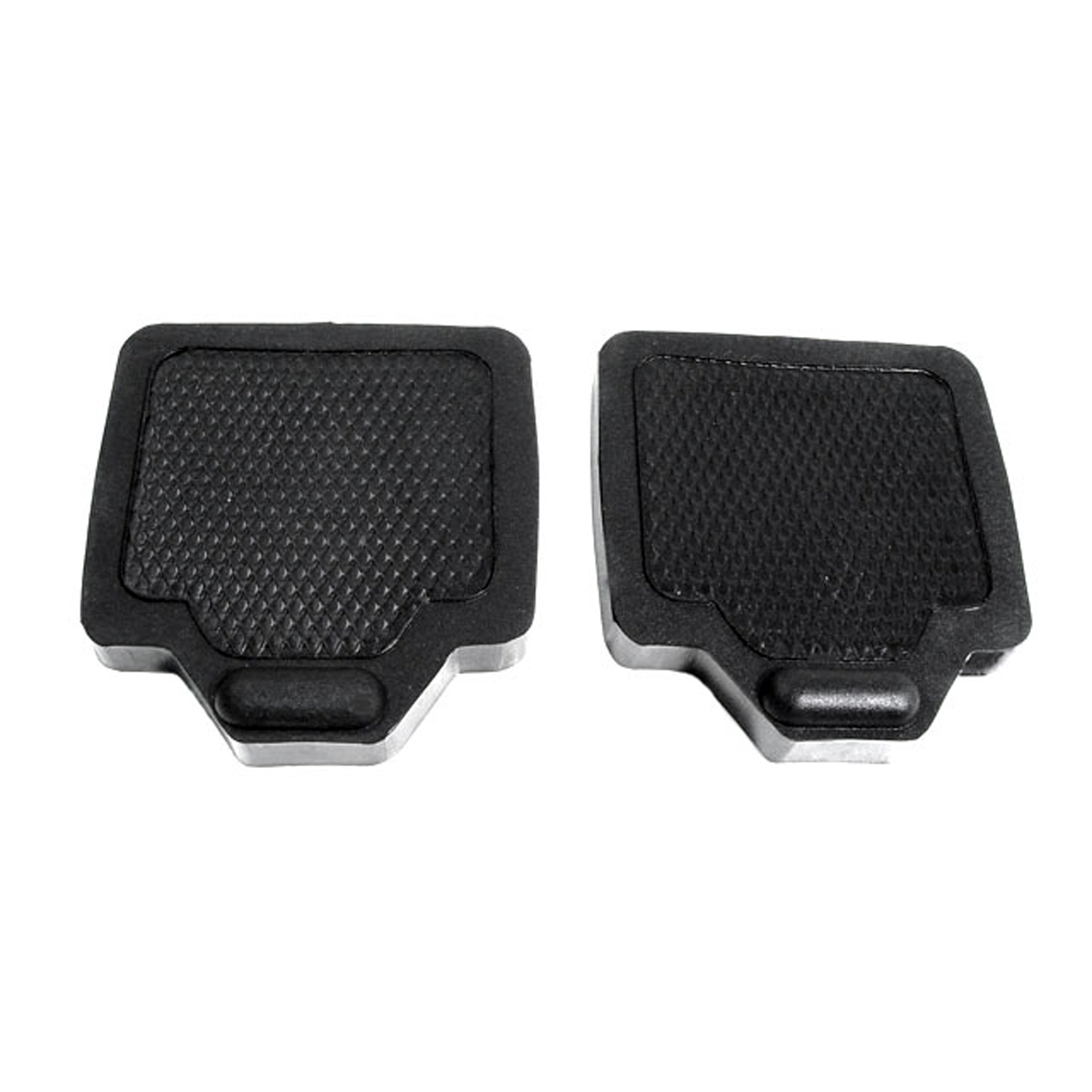 1938 Nash LaFayette Clutch and Brake Pedal Pads. 3-1/2" wide X 3-7/8" long-CB 55Clutch and Brake Pedal Pads. 3-1/2" wide X 3-7/8" long. Pair
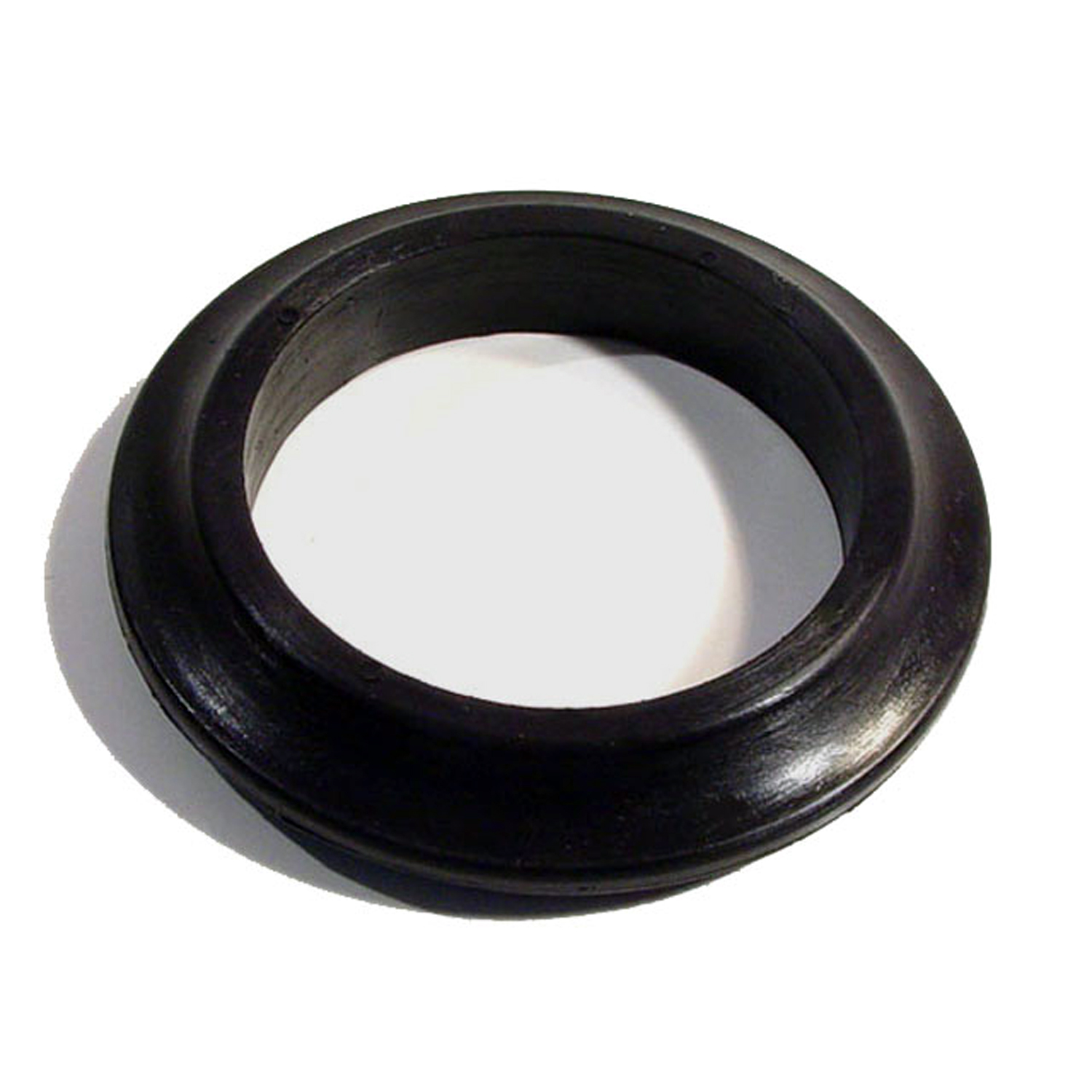 1938 Nash LaFayette Gas Filler Grommet. 2-1/4" I.D., 3-5/16" O.D. Each-GF 21Gas Filler Grommet. 2-1/4" I.D., 3-5/16" O.D. Each
 1938 Nash LaFayette Tail-light Pads-MP 1100-CTail-light Pads. (On some models these are also park light pads.) 3-3/4" O.D. Pair
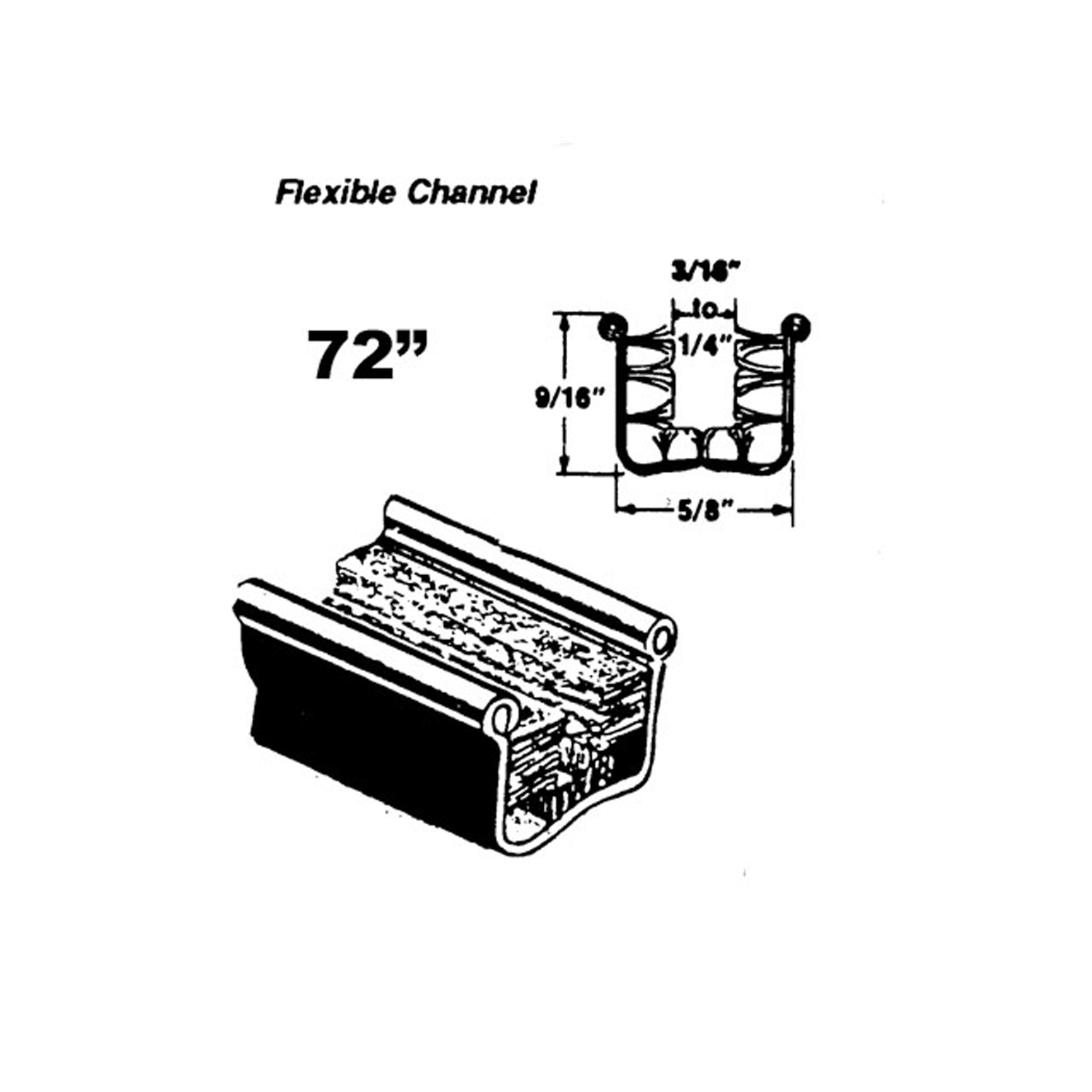 1938 Nash LaFayette Flexible glass-run channel-WC 11-72Flexible glass-run channel. Mohair lined, cloth covered with stainless steel bead. Used on side windows. 72 in. long. Each. NOTE: $20 special shipping charge applies for domestic orders. Call or email for overseas shipping costs. Part can be sectioned in two equal lengths to reduce overseas shipping costs.
Why Choose Metro?
For over 100 years, Metro Moulded Parts has been the pinnacle of quality in classic car restoration parts. Our commitment to precision and authenticity in every component ensures a perfect fit and an OEM-level appearance.
- Expert Craftsmanship & Quality: Each part is a testament to our dedication to reliability and perfection, crafted from original designs and thoroughly tested.
- Advanced Technology: We use cutting-edge techniques to create flawless, long-lasting parts that surpass others in performance.
- SuperSoft Sponge – The Ultimate Door Seal: Not only are our door seals 30% softer than competitors', but they're also guaranteed to never leak. They effectively reduce wind and road noise, enhancing your classic car's comfort and driving experience.
- Proudly American: Our parts are a product of American craftsmanship, made in the USA with a spirit of excellence and heritage.
- Unrivaled Warranty: We back our products with a 30-year industry-leading warranty, a testament to our confidence in their quality.
Join us in preserving the legacy of classic cars with parts that are crafted for perfection, not just made.