

Image of 1939 Nash Ambassador, Note: These illustrations use artistic license and may differ from actual historical models.
Performance Metrics
Fundamental Metrics
Emotional Appeal
MMP Rating
| Engine Specifications | |
|---|---|
| Engine: | Inline 6 |
| Displacement: | 234.8 cu in (3.8 L) |
| Horsepower: | Estimated 95-105 hp |
| Torque: | Not available |
| Compression Ratio: | Not available |
| Ignition System: | Battery and coil |
| Cooling System: | Liquid-cooled |
| Performance Specifications | |
| 0-60 Time: | Not available |
| 1/4 Mile Time: | Not available |
| Top Speed: | Estimated 75-85 mph |
| Transmission and Drive | |
| Drive Type: | Rear-wheel drive |
| Transmission Type: | 3-speed manual |
| Fuel and Efficiency | |
| Fuel System Type: | Carburetor |
| MPG: | Not available |
| Dimensions and Brakes | |
| Brakes: | Hydraulic drum brakes |
| Wheelbase: | 121 inches |
| Weight: | Estimated 3,200-3,400 lbs |
Note: Specifications for classic cars are given to the best of our ability, considering the limited and variant data available.
1939 Nash Ambassador: The Independent Luxury Car
The 1939 Nash Ambassador brought big-car comfort and polished engineering to an American market increasingly focused on style, value, and modern conveniences. Built by Nash-Kelvinator Corporation, the Ambassador sat near the top of Nash’s lineup, above the more modest LaFayette models. Buyers could choose a six-cylinder or eight-cylinder version, with both offering roomy accommodations and a distinctive alternative to the better-known cars from Detroit’s largest manufacturers.
Nash was an independent automaker, not one of the Big Three, and that status encouraged the company to compete through thoughtful engineering and equipment. One especially interesting feature of the era was Nash’s “Weather Eye” system, an early fresh-air heating and ventilation setup developed after Nash joined forces with appliance maker Kelvinator. It was not modern air conditioning, but it showed how the company was bringing comfort technology into the automobile.
Streamlined Style and Comfortable Cabin
The Ambassador’s styling balanced the upright proportions of a prewar automobile with a smoother, more modern look. Rounded front fenders flowed around the wheels, the headlamps were integrated into the fenders, and the tall grille gave the nose a formal, substantial appearance. Bright trim, sculpted hood lines, and broad running boards completed a look that was elegant without being as heavily ornamented as some competing luxury cars.
Inside, the Ambassador emphasized space and comfort. Depending on body style and trim, the cabin featured broad cloth-upholstered seats, a painted or wood-grained dashboard, neatly arranged instruments, and generous legroom. Materials and trim varied by model, but the overall impression was of a well-finished touring car rather than a bare-bones transportation appliance. The Weather Eye ventilation and heating system was another welcome touch, helping circulate fresh air and keep the cabin more comfortable in cold weather.
Factory paint choices varied with body style and production details. Period buyers could select from colors that commonly included dark and medium shades such as black, blue, green, maroon, gray, and tan, with contrasting interior fabrics and trim. Exact combinations are best confirmed through a car’s original paint or trim records, where available.
Six or Eight, Sedan or Coupe
The Ambassador range was offered in both Six and Eight forms. The Six used a 234.8-cubic-inch flathead inline-six rated at about 105 horsepower, while the Eight used a 260.8-cubic-inch flathead inline-eight rated at roughly 115 horsepower. Both engines were designed for smooth, steady road work rather than high-revving performance.
Nash offered the Ambassador in several closed-body configurations, including sedans and coupe-style models. Exact names and availability depended on the specific series and market. Four-door sedans were the natural choice for families and long-distance touring, while two-door coupes and club-coupe styles offered a sportier profile. The roomy sedan is arguably the most representative Ambassador: it best displays the car’s combination of formal styling and practical passenger space.
What Made the Ambassador Different
The 1939 Ambassador’s significance lies less in a single revolutionary feature than in Nash’s effort to make comfort and engineering part of the whole package. Its range-topping position, six- and eight-cylinder choices, well-appointed cabin, and attention to ventilation helped it stand apart from ordinary mid-priced cars. Nash also used independent front suspension on cars of this period, contributing to a more composed ride over uneven pavement than a traditional solid-front-axle layout could provide.
The Ambassador was not the first car to use every one of these ideas, and it did not transform the industry on its own. Its importance is as an example of how an independent manufacturer could challenge larger companies with distinctive engineering and equipment. Nash’s later reputation for unusual, comfort-focused design grew from that willingness to take a different route. The company eventually merged with Hudson in 1954 to form American Motors Corporation, but the 1939 Ambassador belongs to Nash’s independent years.
Road Manners and Period Performance
With its flathead engines and three-speed manual transmission, the Ambassador was built to cruise rather than sprint. Period road-test figures are not consistent across every body and engine combination, so modern estimates should be treated as approximate. A healthy Ambassador Eight may reach about 80 to 85 mph, while a Six is generally closer to 75 to 80 mph. Acceleration from 0 to 60 mph is likely in the neighborhood of 20 to 25 seconds, depending on engine, gearing, condition, and body weight.
On a smooth road, the Ambassador feels substantial and relaxed. Its long wheelbase helps it settle into a steady highway rhythm, while the independent front suspension can soften the impact of bumps and broken pavement. On winding roads, its size and period steering require a deliberate hand; it is not a nimble modern sedan. Crosswinds and rough surfaces are manageable, but drivers should remember that this is a nearly 90-year-old car with period brakes, tires, and steering geometry.
Behind the wheel, the flathead engine delivers a low, even mechanical hum, especially when allowed to work at a comfortable cruising speed. The driving experience is unhurried: heavy doors close with a solid feel, the bench seat encourages relaxed motoring, and the driver is more involved in shifting and steering than in a modern car. That hands-on character is part of the appeal.
Living With a 1939 Nash
Today, most Ambassadors are used as show cars, weekend cruisers, or occasional touring vehicles rather than daily transportation. A sound example can handle local drives and club events, but regular use calls for careful attention to cooling, electrical systems, brakes, fuel delivery, and aging rubber components.
The mechanical layout is conventional enough for a capable home mechanic. Flathead engines are straightforward in principle, and many routine jobs do not require specialized electronic tools. The challenge is sourcing correct parts. Some service items can be adapted or found through vintage-car suppliers and Nash clubs, but model-specific trim, body pieces, and interior components may take patience. Before buying, inspect the frame and body for corrosion, check the engine for signs of overheating, and confirm that the brakes and steering have been properly maintained.
Noteworthy Details and Common Criticisms
The “Weather Eye” name is one of the Ambassador’s most memorable details. Nash’s system used controlled fresh-air circulation and heating to improve cabin comfort, an early step toward the more sophisticated climate-control systems that followed. It should not be confused with factory air conditioning.
The Ambassador was not a racing model, and it is not known for a headline speed or endurance record. Its strength was comfortable, well-equipped road travel. Common criticisms today include modest acceleration by modern standards, heavy controls, limited parts availability, and the difficulty of finding replacement trim in correct condition. Buyers should also be cautious about assuming that every car advertised as an Ambassador has its original engine or equipment; documentation and careful inspection matter.
Collector Value and Availability
Exact production totals for every 1939 Ambassador body and engine variation can be difficult to pin down from readily available summaries. A reasonable working estimate is roughly 15,000 to 25,000 Ambassadors across the Six and Eight lines, though that should be treated as an informed approximation rather than a verified factory total. Surviving cars are uncommon compared with popular Ford and Chevrolet models, and the best-preserved examples are not always offered for sale.
As a broad U.S. market estimate, a project or incomplete car might sell for around $5,000 to $12,000. A usable driver could fall in the $12,000 to $25,000 range, while a well-restored sedan may bring roughly $25,000 to $45,000. Particularly rare body styles, exceptional restorations, and cars with strong documentation can exceed those figures. Condition, originality, and the quality of the restoration have a much greater effect on value than a simple Six-versus-Eight comparison.
Values have generally been steady rather than explosive. The Ambassador attracts dedicated Nash enthusiasts and collectors who appreciate independent makes, but its market is narrower than that for the most famous prewar American cars. Well-documented, correctly restored examples are likely to remain the most desirable, while cars needing extensive body or trim work can be expensive to bring back to show condition.
A Distinctive Prewar Nash
The 1939 Nash Ambassador combined handsome prewar styling, spacious interiors, six- or eight-cylinder power, and comfort-minded engineering in a package that reflected the ambitions of an independent automaker. It was not the fastest car of its time, nor did it rely on a single groundbreaking invention. Its appeal comes from the way it brought those qualities together, with a personality that still feels unmistakably Nash.
For collectors, the Ambassador is a reminder that American automotive history was shaped by more than the biggest manufacturers. Find a well-preserved example, settle into its broad front seat, and the car makes its case the old-fashioned way: with quiet confidence, thoughtful comfort, and a style all its own.
1939 Nash Ambassador Catalog of Parts
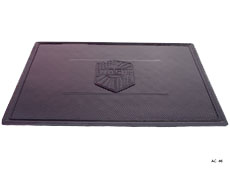 1939 Nash Ambassador Accessory Floor Mat - 12"X17"-AC 46Accessory Floor Mat - made of high quality black rubber with molded original emblem. Also designed to be sewn into new carpets. 12"X17", Each
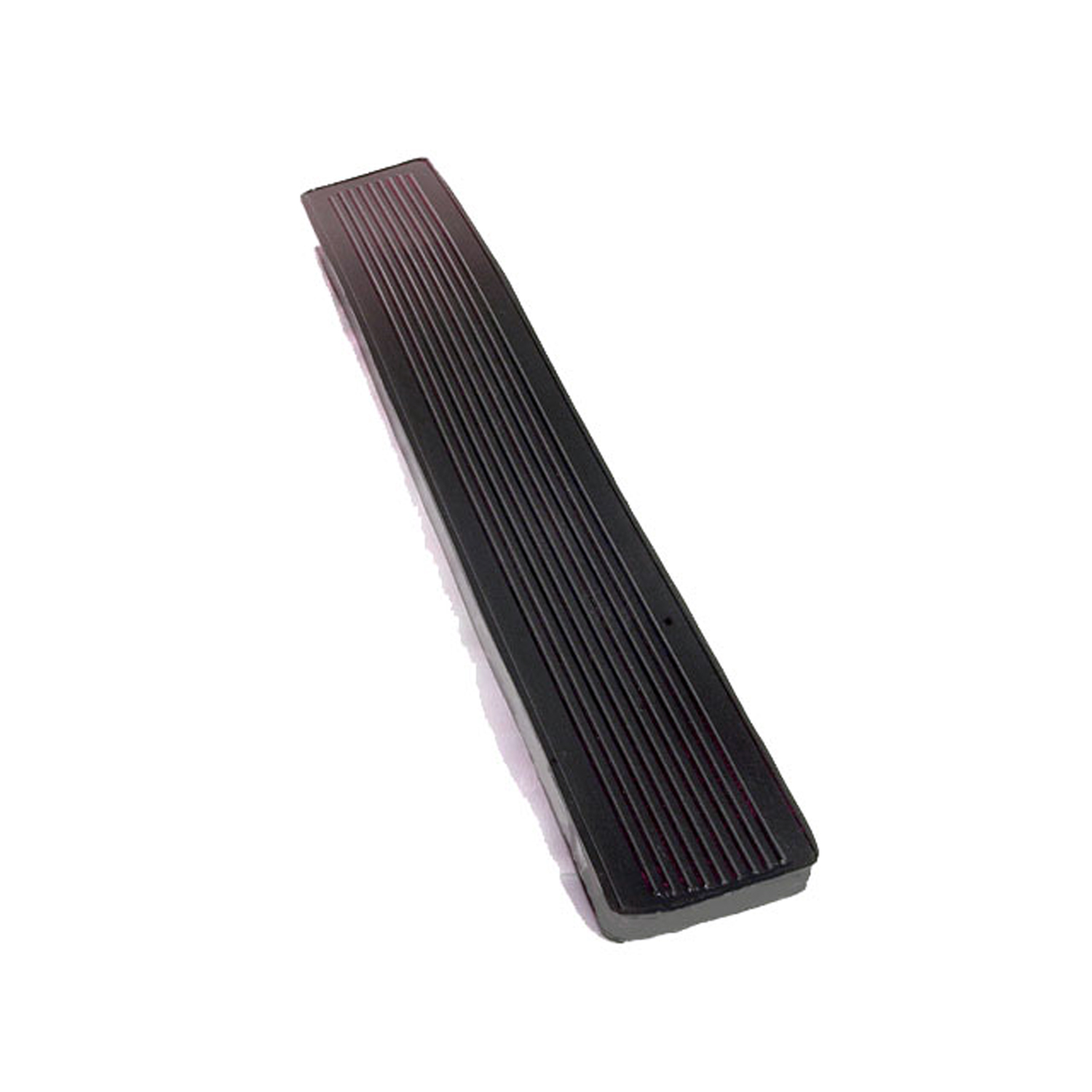 1939 Nash Ambassador Accelerator Pedal Pad, 1-1/2" X 9-3/4", Each-AP 21Accelerator Pedal Pad, 1-1/2" X 9-3/4", Each
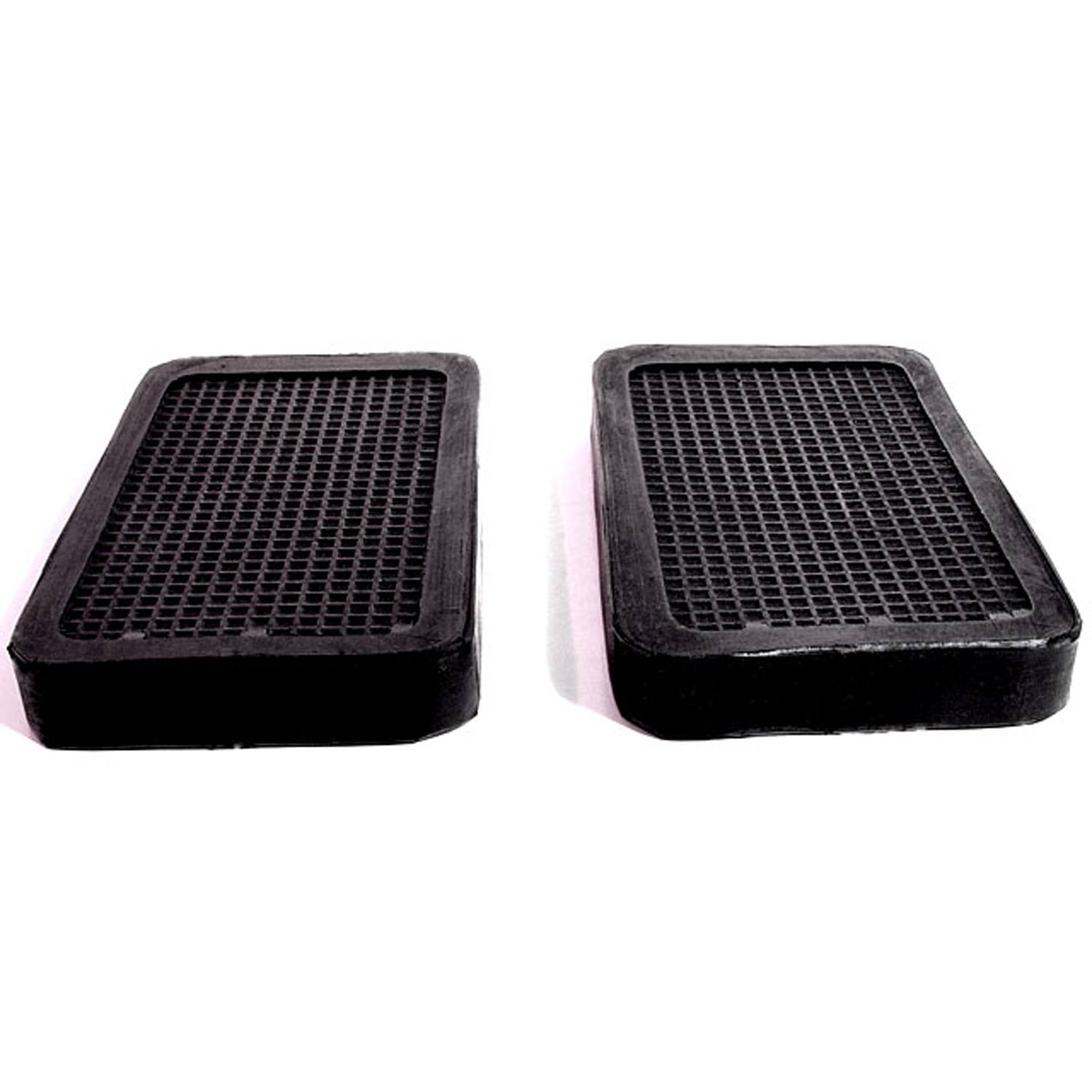 1939 Nash Ambassador Clutch and Brake Pedal Pads. 2-1/4" wide X 4" long. Pair-CB 20Clutch and Brake Pedal Pads. 2-1/4" wide X 4" long. Pair
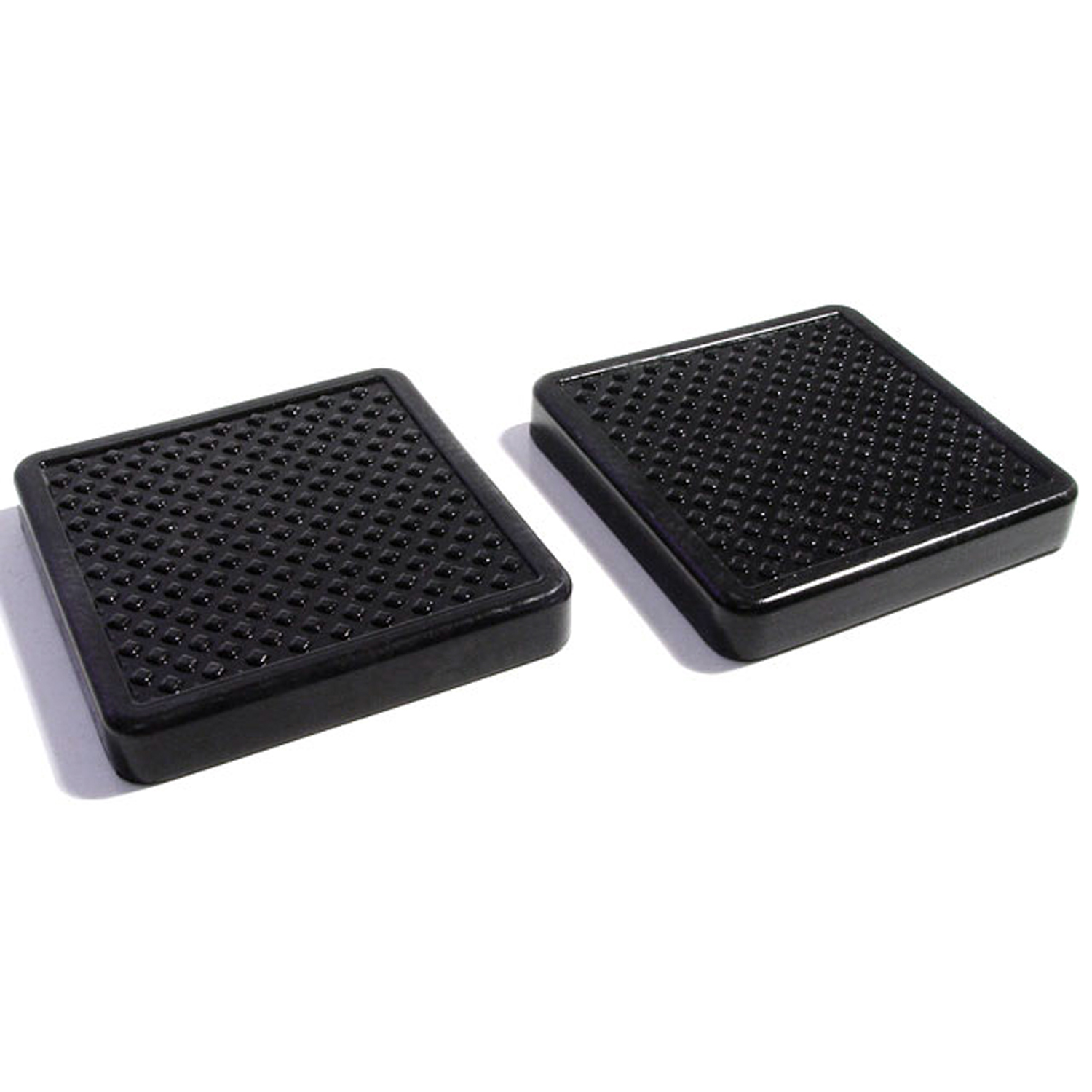 1939 Nash Ambassador Clutch and Brake Pedal Pads. 3" wide X 3" long. Pair-CB 47Clutch and Brake Pedal Pads. 3" wide X 3" long. Pair
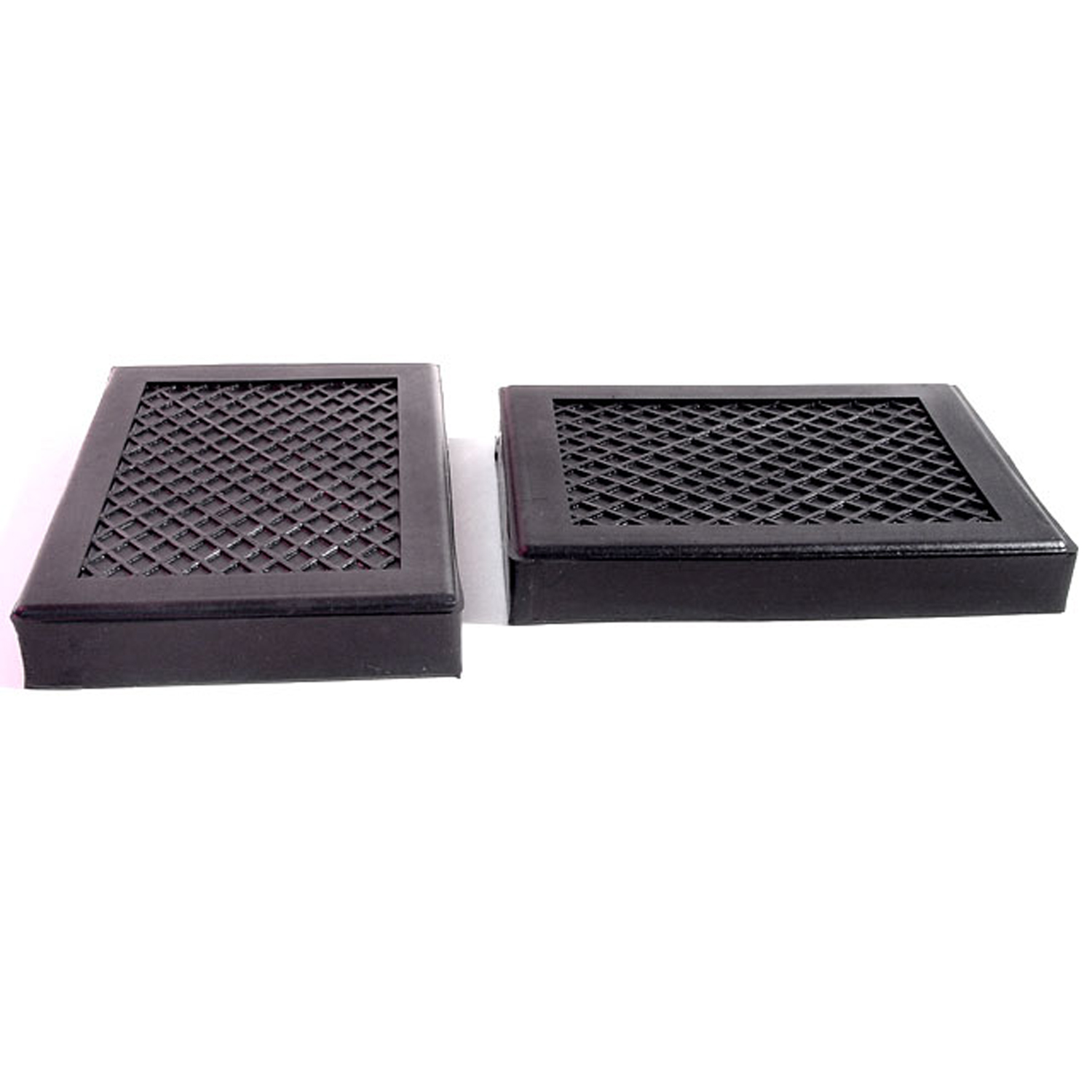 1939 Nash Ambassador Clutch and Brake Pedal Pads. 2-3/4" wide X 3-7/8" long-CB 48Clutch and Brake Pedal Pads. 2-3/4" wide X 3-7/8" long. Pair
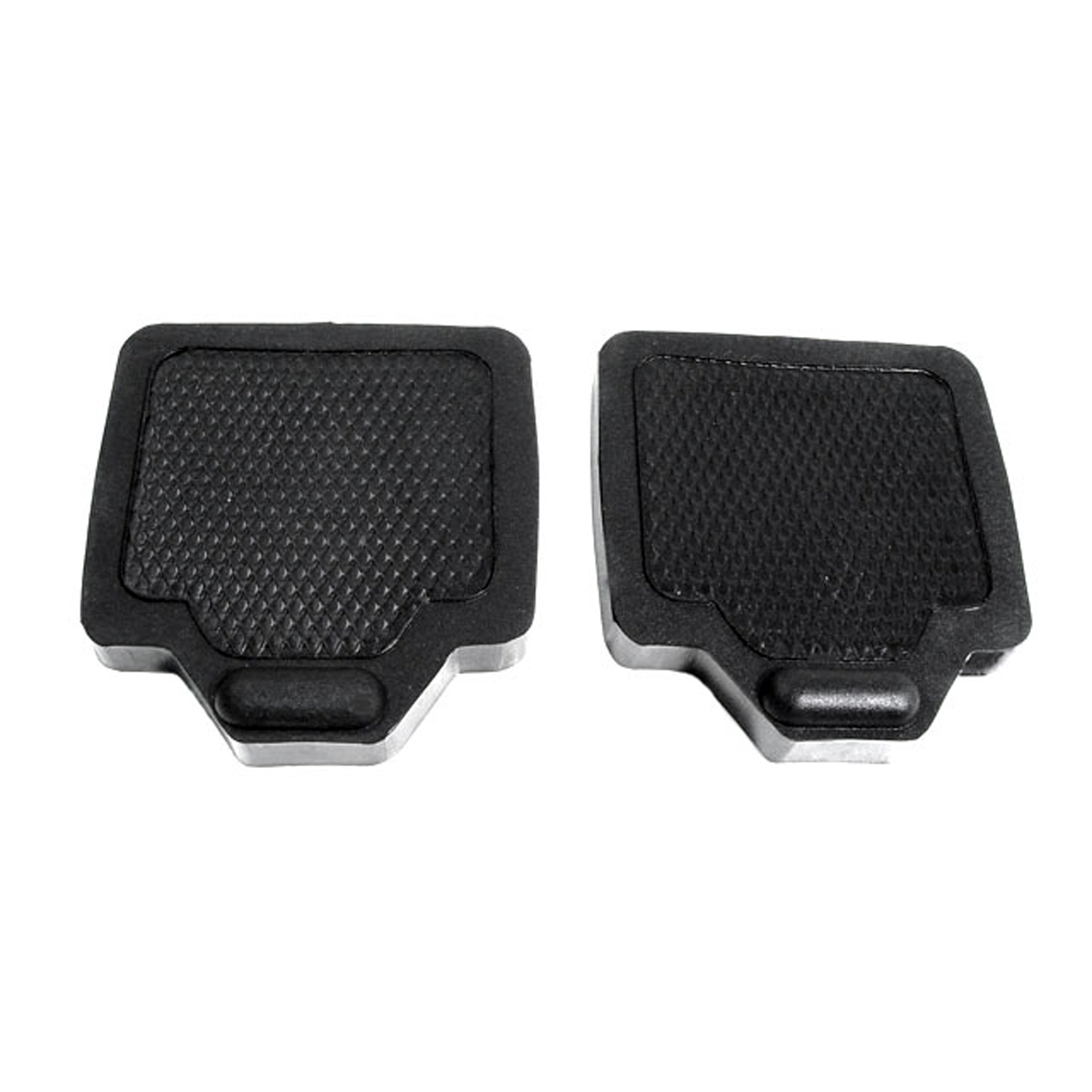 1939 Nash Ambassador Clutch and Brake Pedal Pads. 3-1/2" wide X 3-7/8" long-CB 55Clutch and Brake Pedal Pads. 3-1/2" wide X 3-7/8" long. Pair
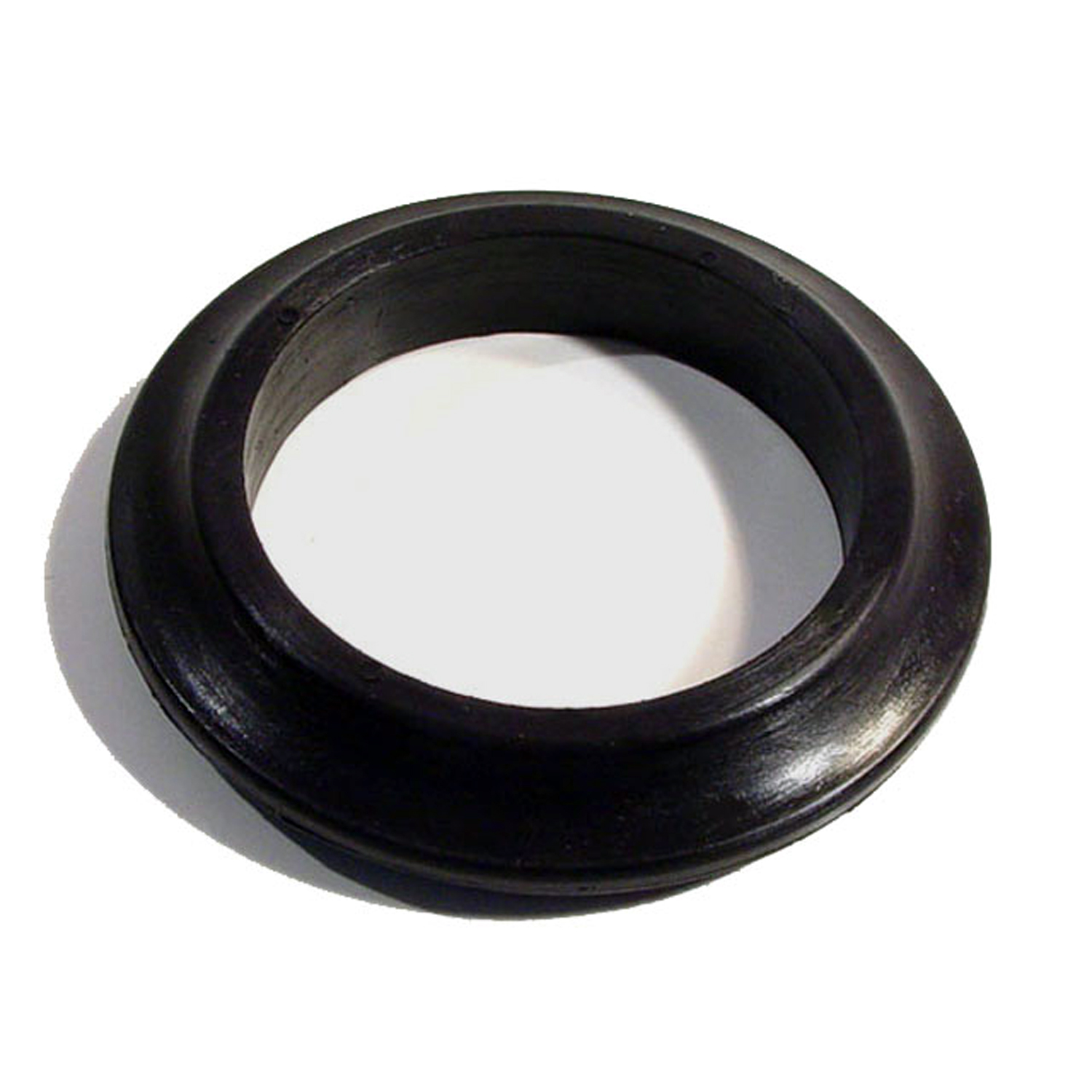 1939 Nash Ambassador Gas Filler Grommet. 2-1/4" I.D., 3-5/16" O.D. Each-GF 21Gas Filler Grommet. 2-1/4" I.D., 3-5/16" O.D. Each
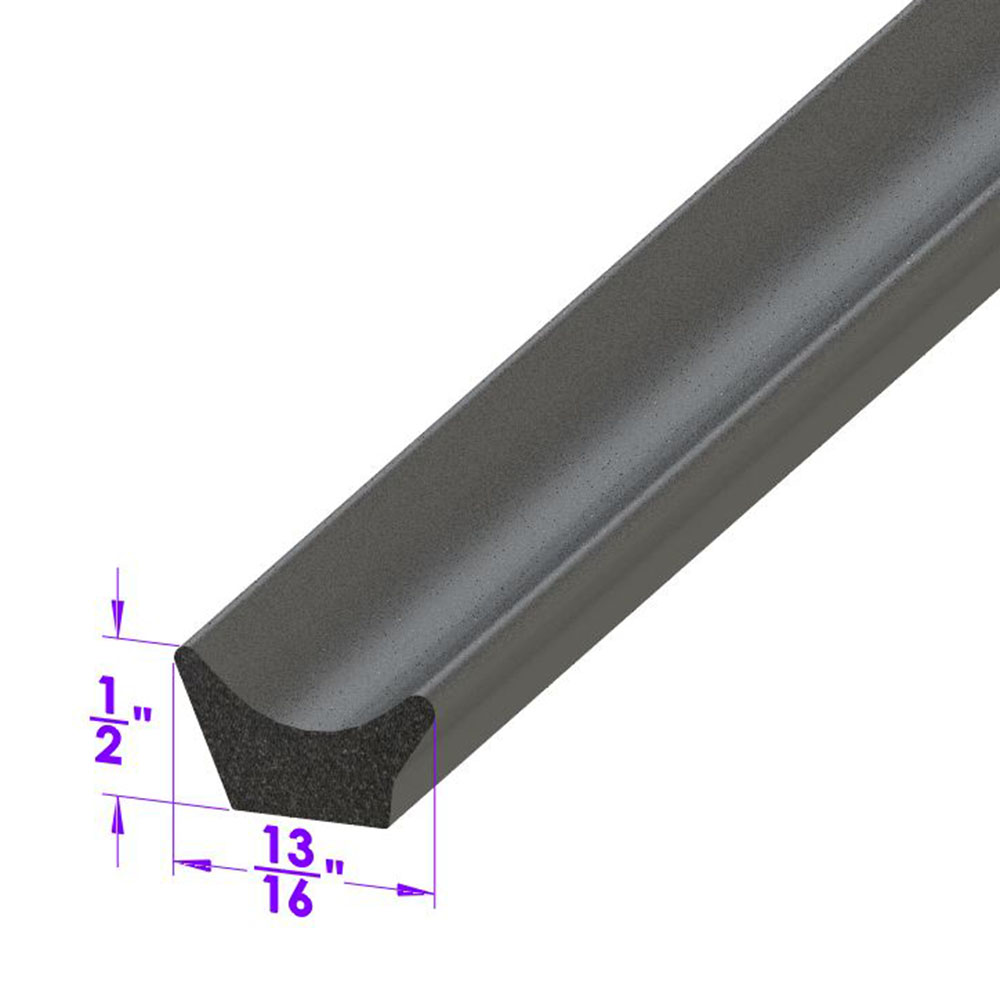 1939 Nash Ambassador Door side seal. Same as LP 40, but for a lighter seal-LP 40-ADoor side seal. Same as LP 40, but for a lighter seal. Fits many domestic passenger cars and trucks. Universal seal for street rods and customs. Used in Cobra kit cars as door weatherstrip. Per foot.
 1939 Nash Ambassador Flexible glass-run channel-WC 11-72Flexible glass-run channel. Mohair lined, cloth covered with stainless steel bead. Used on side windows. 72 in. long. Each. NOTE: $20 special shipping charge applies for domestic orders. Call or email for overseas shipping costs. Part can be sectioned in two equal lengths to reduce overseas shipping costs.
Why Choose Metro?
For over 100 years, Metro Moulded Parts has been the pinnacle of quality in classic car restoration parts. Our commitment to precision and authenticity in every component ensures a perfect fit and an OEM-level appearance.
- Expert Craftsmanship & Quality: Each part is a testament to our dedication to reliability and perfection, crafted from original designs and thoroughly tested.
- Advanced Technology: We use cutting-edge techniques to create flawless, long-lasting parts that surpass others in performance.
- SuperSoft Sponge – The Ultimate Door Seal: Not only are our door seals 30% softer than competitors', but they're also guaranteed to never leak. They effectively reduce wind and road noise, enhancing your classic car's comfort and driving experience.
- Proudly American: Our parts are a product of American craftsmanship, made in the USA with a spirit of excellence and heritage.
- Unrivaled Warranty: We back our products with a 30-year industry-leading warranty, a testament to our confidence in their quality.
Join us in preserving the legacy of classic cars with parts that are crafted for perfection, not just made.