

Image of 1939 Nash Lafayette, Note: These illustrations use artistic license and may differ from actual historical models.
Performance Metrics
Fundamental Metrics
Emotional Appeal
MMP Rating
| Engine Specifications | |
|---|---|
| Engine: | Inline 6 |
| Displacement: | 3.6L |
| Horsepower: | Estimated 85-95 HP |
| Torque: | 150-160 lb-ft |
| Compression Ratio: | Estimated 6.5:1 |
| Ignition System: | Distributor and coil |
| Cooling System: | Liquid-cooled |
| Performance Specifications | |
| 0-60 Time: | Information not available |
| 1/4 Mile Time: | Information not available |
| Top Speed: | 75-85 mph |
| Transmission and Drive | |
| Drive Type: | Rear-wheel drive |
| Transmission Type: | 3-speed manual |
| Fuel and Efficiency | |
| Fuel System Type: | Carburetor |
| MPG: | Estimated 15-20 mpg |
| Dimensions and Brakes | |
| Brakes: | Drum brakes |
| Wheelbase: | 117 inches |
| Weight: | 3000 lbs |
Note: Specifications for classic cars are given to the best of our ability, considering the limited and variant data available.
1939 Nash Lafayette: An Affordable Classic with Big-Car Character
The 1939 Nash Lafayette brought handsome, full-size American styling within reach of buyers who wanted more than basic transportation. Built by Nash Motors in Kenosha, Wisconsin, it was the entry-level car in Nash’s lineup, combining a roomy cabin and smooth six-cylinder power with a more accessible price than the company’s larger models.
Nash Motors had been founded by former General Motors president Charles W. Nash, and by 1939 it was part of Nash-Kelvinator Corporation, following the 1937 combination with appliance maker Kelvinator. The Lafayette name had already become familiar to budget-conscious shoppers: Nash used it for its lower-priced range from 1934 through 1940. A notable detail is that the model name honored the Marquis de Lafayette, the French officer who supported the American cause during the Revolutionary War.
The 1939 Lafayette is significant not because it introduced a headline-grabbing breakthrough of its own, but because it represents Nash’s approach to affordable motoring just before the company made a major engineering leap. In 1941, Nash introduced the unit-body Nash 600, an influential step toward modern unibody construction. The Lafayette, by contrast, retained conventional body-on-frame architecture, making it a useful snapshot of American car design on the eve of that change.
Streamlined Nash Styling and a Comfortable Cabin
The Lafayette wore the rounded, gently streamlined look that was becoming popular in the late 1930s. Its long hood, flowing fenders, upright cabin, and curved roofline gave it a substantial, well-proportioned appearance. At the front, a prominent grille and bright trim provided the focal point, while the headlamps sat in the front fenders rather than on separate stalks. The result was smoother and more integrated than the upright cars of just a few years earlier, without losing the traditional visual weight expected of a family sedan.
Inside, the Lafayette was designed for practical comfort rather than luxury-car drama. The wide bench seats, generous headroom, and large windows made it a pleasant car for family trips. Upholstery and trim varied by body style and specification, with durable cloth and other period materials used to suit the car’s price point. The dashboard was straightforward, with clearly presented instruments and controls that a driver could learn quickly. Today, the cabin’s broad seating and simple layout are part of its appeal, though original fabrics and trim can be difficult to reproduce accurately.
Factory paint choices varied, and surviving cars can be found in colors such as dark green, blue, gray, black, and maroon, depending on the particular paint schedule and market. Period two-tone treatments could add extra visual contrast. There was no single color that defined every Lafayette, but darker shades look especially at home on the car’s rounded bodywork. Anyone restoring one should confirm the original color from factory records or traces beneath the trim, rather than relying only on a modern paint chart.
The 1939 range included practical closed-body styles, notably two-door and four-door sedans, along with coupe variants. Exact offerings could vary by catalog and market. The four-door sedan is the most recognizable family-car version, while coupes are less commonly encountered and have a sportier profile. For buyers then, the sedan’s room for passengers and luggage made it the natural choice.
Period Features and Engineering
Power came from a Nash inline six of approximately 234.8 cubic inches, producing about 85 horsepower in commonly cited specifications. A three-speed manual transmission sent power to the rear wheels. That combination was conventional for the era, but it suited the Lafayette’s mission: dependable, straightforward transportation rather than high performance.
Equipment depended on the car’s specification and options. A heater and defroster could make winter driving more tolerable, while Nash’s attention to cabin ventilation reflected a broader interest in occupant comfort. The Lafayette did not have the advanced unit-body construction that would distinguish the Nash 600 a few years later. Its engineering significance is instead in how Nash packaged a spacious, well-finished car at an approachable level in a competitive market.
Why the Lafayette Mattered
The Lafayette gave Nash a way to compete for buyers considering lower-priced cars from larger manufacturers. It offered the reassuring size and presence of a conventional American sedan without requiring shoppers to move up to Nash’s more expensive models. That position helped make the brand’s range more accessible and gave the company a foothold among practical family-car buyers.
Its lasting importance is also tied to what came next. Nash was an early and prominent advocate of unitized construction, and the 1941 Nash 600 brought that approach to a production American car. The Lafayette itself was not the unibody pioneer, but it belongs to the transition period that preceded the change. Its body-on-frame layout, separate chassis, and familiar mechanical design make it a clear example of the earlier formula.
Six-Cylinder Performance and Road Manners
With roughly 85 horsepower, the Lafayette was built for steady progress rather than rapid acceleration. Exact performance figures vary with gearing, body style, mechanical condition, and testing method, but a healthy example might reach approximately 70 to 80 mph. A 0-to-60 mph run would likely take around 20 to 25 seconds. Treat those numbers as period-car estimates, not guaranteed factory test results.
On the road, the six-cylinder engine delivers a measured, even pull, and the three-speed gearbox asks the driver to plan overtakes rather than dart through traffic. The engine’s sound is a low, steady mechanical hum, rising in pitch as speed builds. Steering and braking feel distinctly vintage by modern standards, and the driver needs to allow more room and time than in a contemporary car.
The Lafayette’s substantial chassis and long-for-the-era proportions help it settle comfortably on ordinary roads. It can absorb broken pavement with a softer, more deliberate motion than a modern car, though worn suspension components can make bumps feel much harsher. On winding roads, its size and period steering call for smooth inputs and moderate speeds. Crosswinds and uneven surfaces are manageable when the suspension, tires, and steering are in good condition, but this is not a car designed for sharp, sporty handling.
Owning and Maintaining a 1939 Lafayette
Today, most Lafayettes are used as show cars, parade vehicles, weekend cruisers, or occasional tour cars. They can cover local roads comfortably when properly maintained, but regular highway use requires realistic expectations about speed, braking distances, traffic, and the availability of modern safety equipment.
The basic mechanical layout is approachable for an owner familiar with older American cars. Routine work on the engine, brakes, ignition, and chassis is generally straightforward, and many parts are shared with other Nash models or can be sourced through specialist suppliers and classic-car networks. Sheet metal, trim, glass, interior pieces, and model-specific details may take more searching. As with any prewar car, condition matters more than the badge: inspect the frame and body for rust, check the cooling and electrical systems, and establish when the brakes and tires were last serviced.
Common criticisms are typical of a car approaching 90 years old. Performance is modest by present-day standards, fuel economy is not comparable with a modern family car, and replacement parts may require patience. The Lafayette also lacks modern crash protection, climate control, and power-assisted driving systems. Its appeal is the experience of a well-proportioned prewar Nash, not contemporary convenience.
1939 Nash Lafayette Facts and Trivia
The Lafayette name connected an American economy-minded car with a French hero of the Revolutionary War. It also disappeared after the 1940 model year, when Nash reorganized its range ahead of the Nash 600’s arrival. That gives the 1939 car a place near the end of the Lafayette’s run, but it should not be confused with the later unit-body Nash.
There is no widely recognized speed, endurance, or sales record associated specifically with the 1939 Lafayette, and claims of celebrity ownership should be checked against documentation. Its more interesting historical distinction is its position in Nash’s product story: an accessible, conventionally engineered car from the company that would soon make unitized construction one of its defining features.
Collector Value and Availability
Exact production figures for individual 1939 Lafayette body styles are not consistently reported in readily available sources. A reasonable working estimate is roughly 25,000 to 30,000 Lafayette cars across the model line, though the true number may differ. Survivors are uncommon compared with mass-market Fords and Chevrolets of the same period, but the Lafayette is not generally considered a major rarity within the collector market. Sedans appear more often than certain coupe versions.
In the 2026 U.S. market, a project car might sell for roughly $4,000 to $9,000, while a usable driver in sound condition could fall around $10,000 to $20,000. A well-restored example may bring approximately $20,000 to $35,000, with an unusually complete, high-quality car potentially selling for more. These are broad estimates: originality, rust, restoration quality, documentation, and local demand can shift the price substantially.
Values have generally been steady to modestly stronger in nominal dollars, but the Lafayette remains a specialist-interest car rather than a high-demand investment model. Its affordability is part of the attraction. Buyers looking for a distinctive prewar cruiser can often find one at a lower cost than a more famous nameplate, though the right car may take time to locate.
A Prewar Nash with Lasting Character
The 1939 Nash Lafayette paired streamlined styling, a roomy interior, and straightforward six-cylinder engineering in a practical, lower-priced package. It was not a performance car or a technological showpiece, but it represents an important chapter in Nash’s evolution, just before the company helped bring unit-body construction into the spotlight. For collectors, it offers an engaging way to experience prewar American motoring: measured, comfortable, and unmistakably of its time.
1939 Nash Lafayette Catalog of Parts
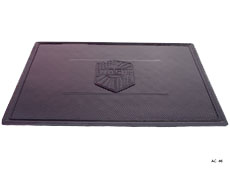 1939 Nash LaFayette Accessory Floor Mat - 12"X17"-AC 46Accessory Floor Mat - made of high quality black rubber with molded original emblem. Also designed to be sewn into new carpets. 12"X17", Each
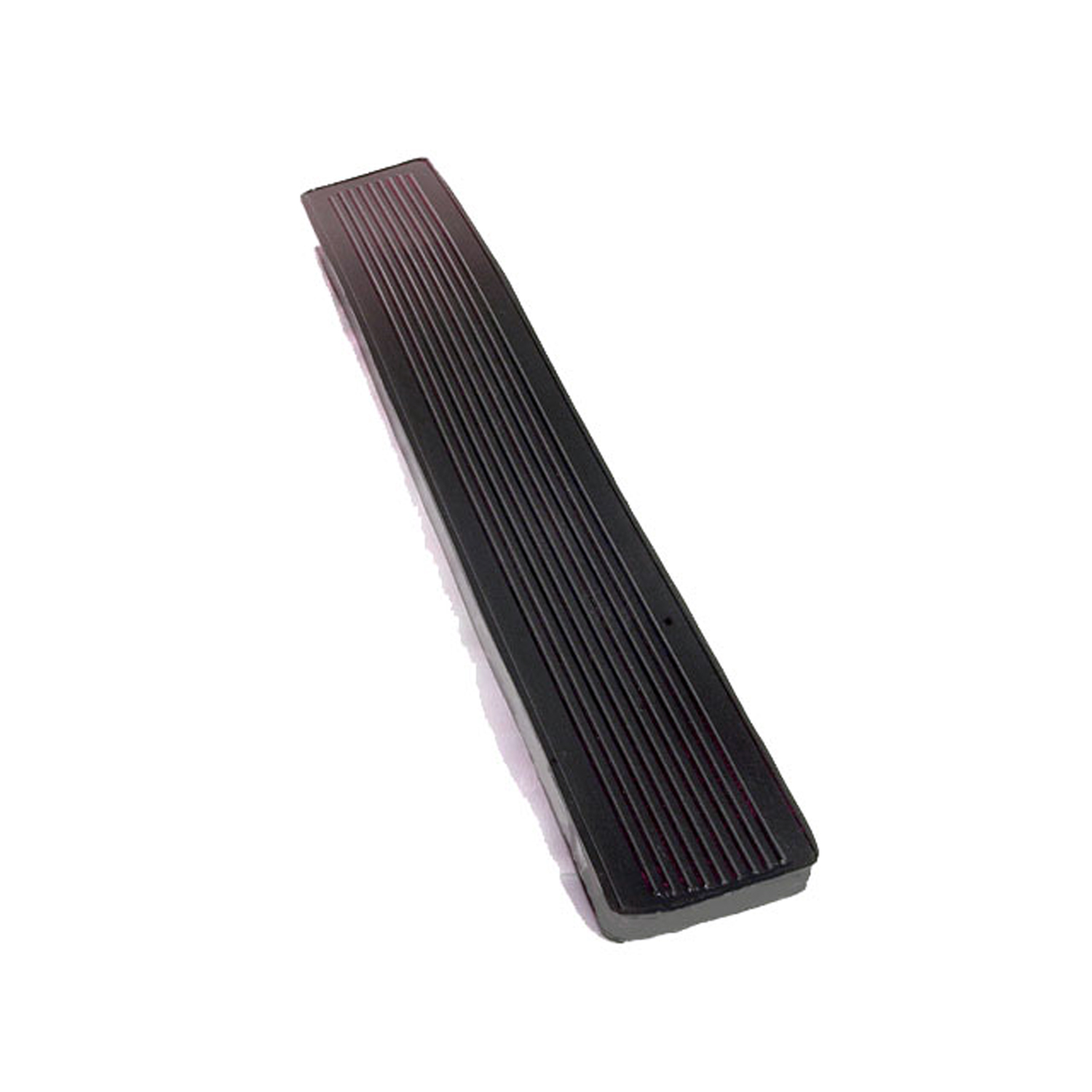 1939 Nash LaFayette Accelerator Pedal Pad, 1-1/2" X 9-3/4", Each-AP 21Accelerator Pedal Pad, 1-1/2" X 9-3/4", Each
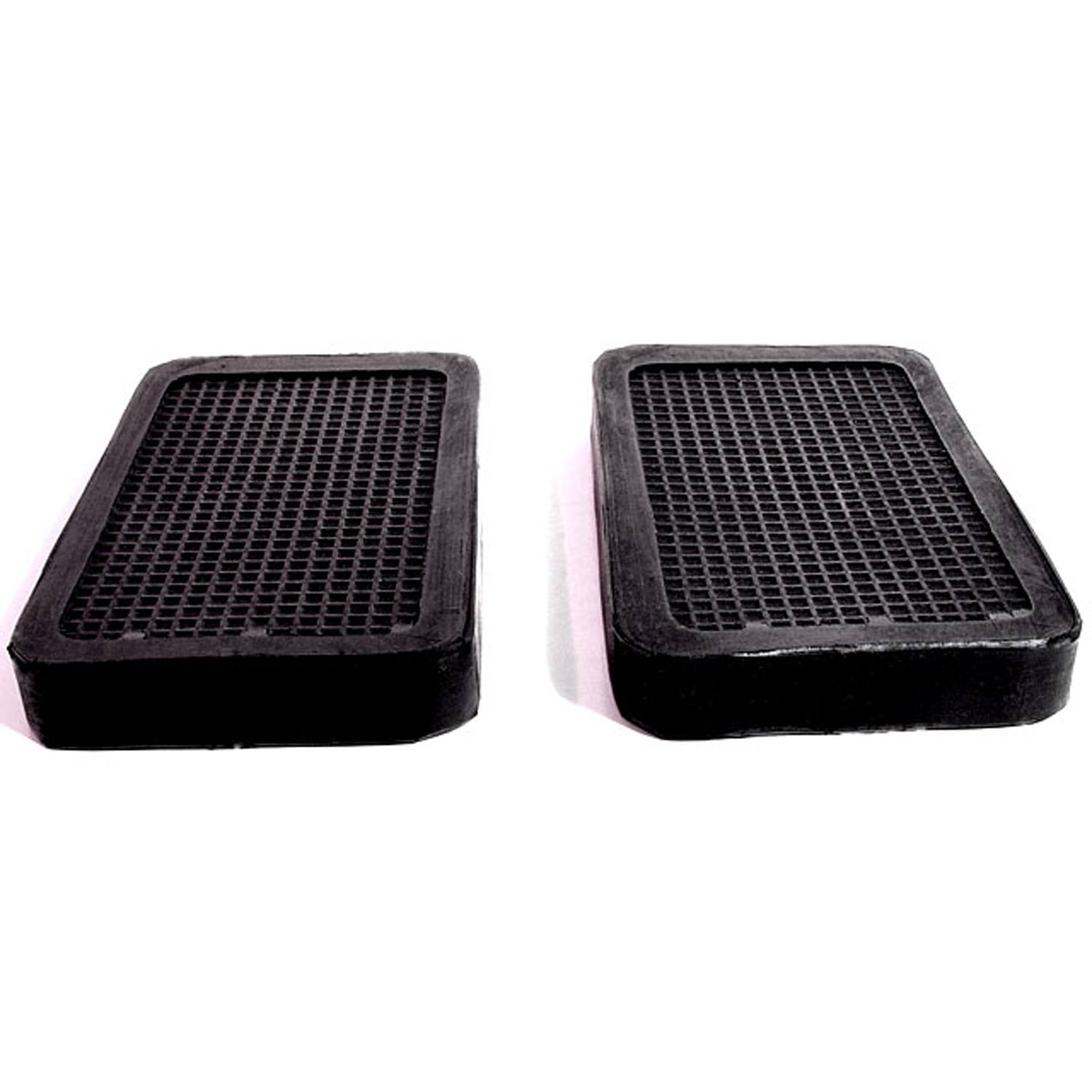 1939 Nash LaFayette Clutch and Brake Pedal Pads. 2-1/4" wide X 4" long. Pair-CB 20Clutch and Brake Pedal Pads. 2-1/4" wide X 4" long. Pair
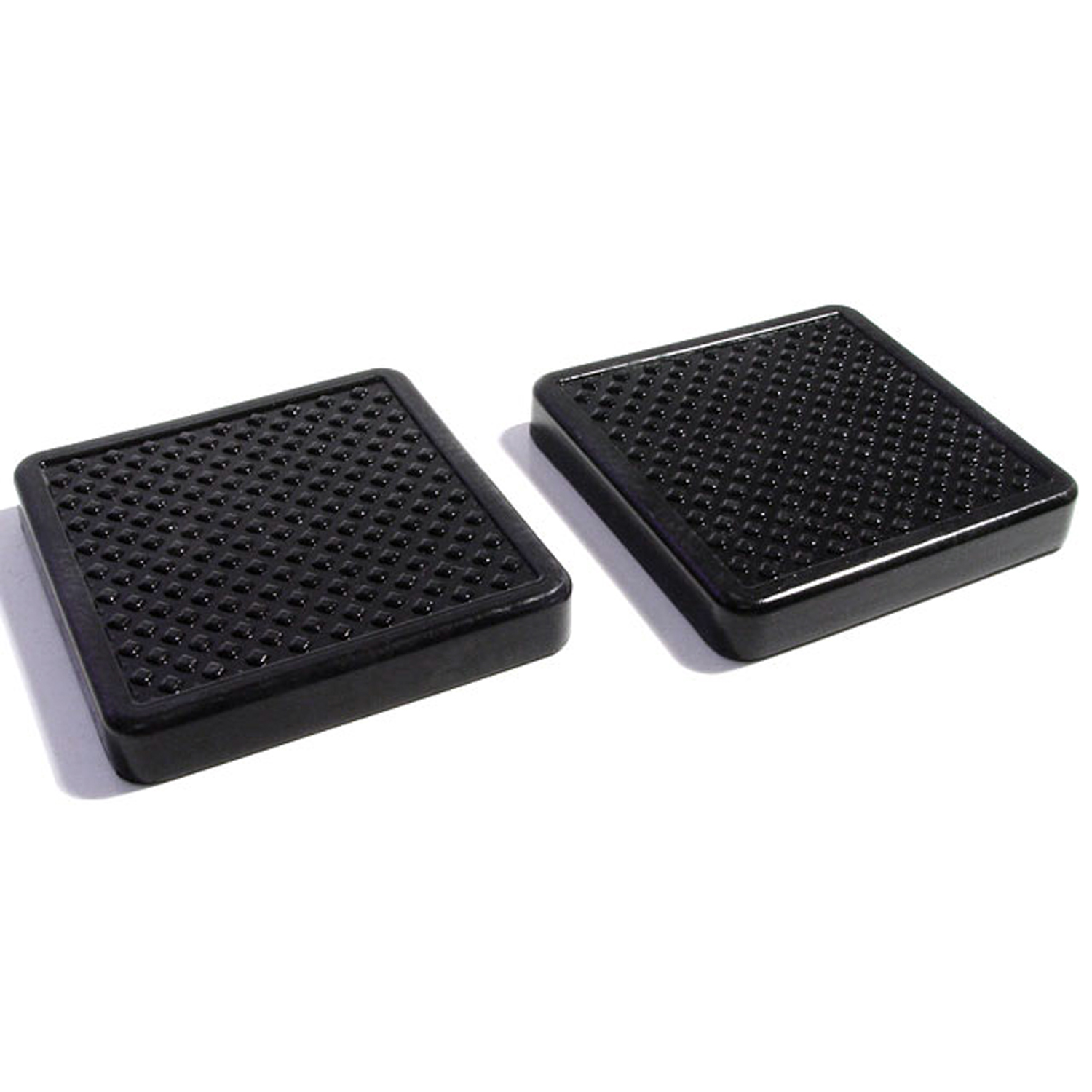 1939 Nash LaFayette Clutch and Brake Pedal Pads. 3" wide X 3" long. Pair-CB 47Clutch and Brake Pedal Pads. 3" wide X 3" long. Pair
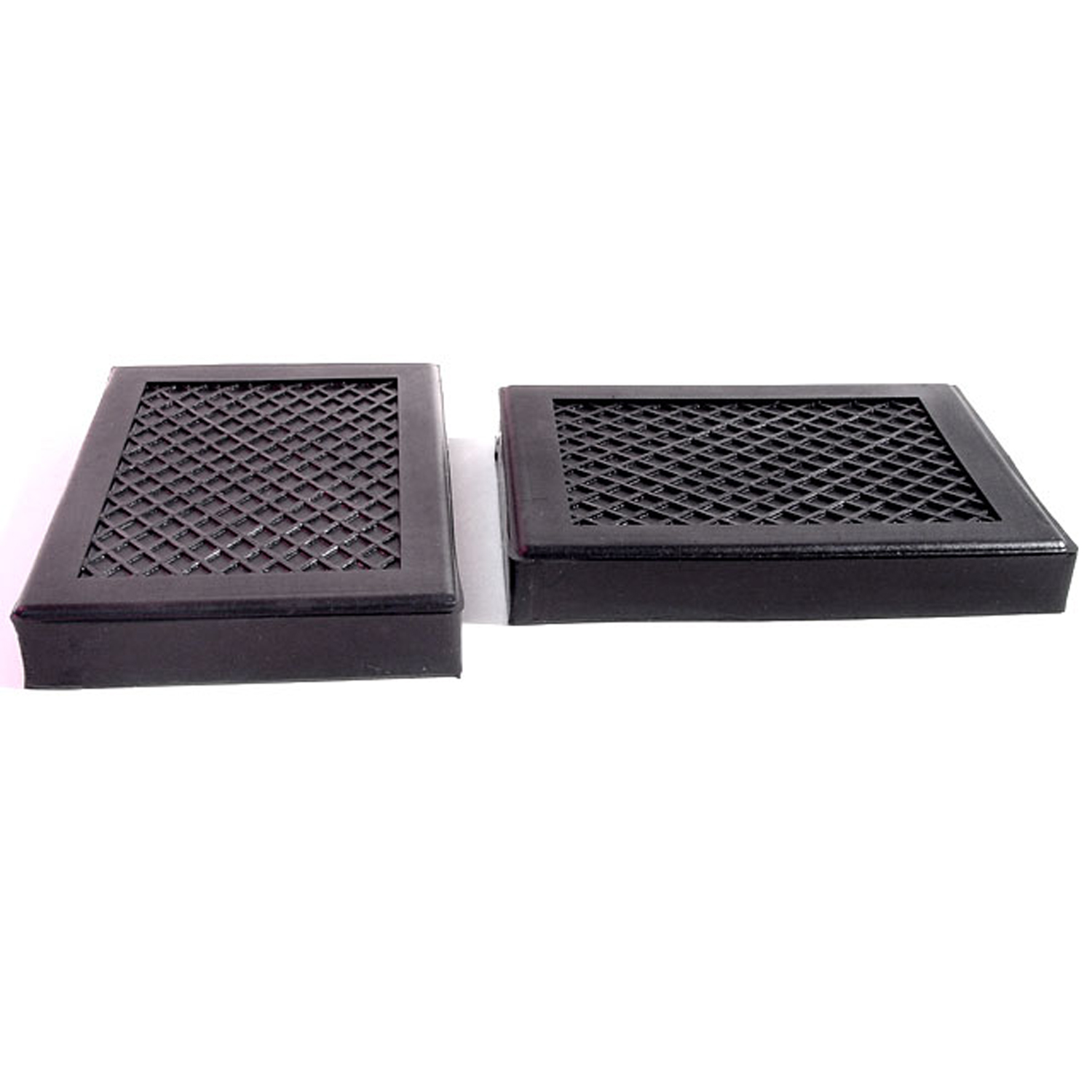 1939 Nash LaFayette Clutch and Brake Pedal Pads. 2-3/4" wide X 3-7/8" long-CB 48Clutch and Brake Pedal Pads. 2-3/4" wide X 3-7/8" long. Pair
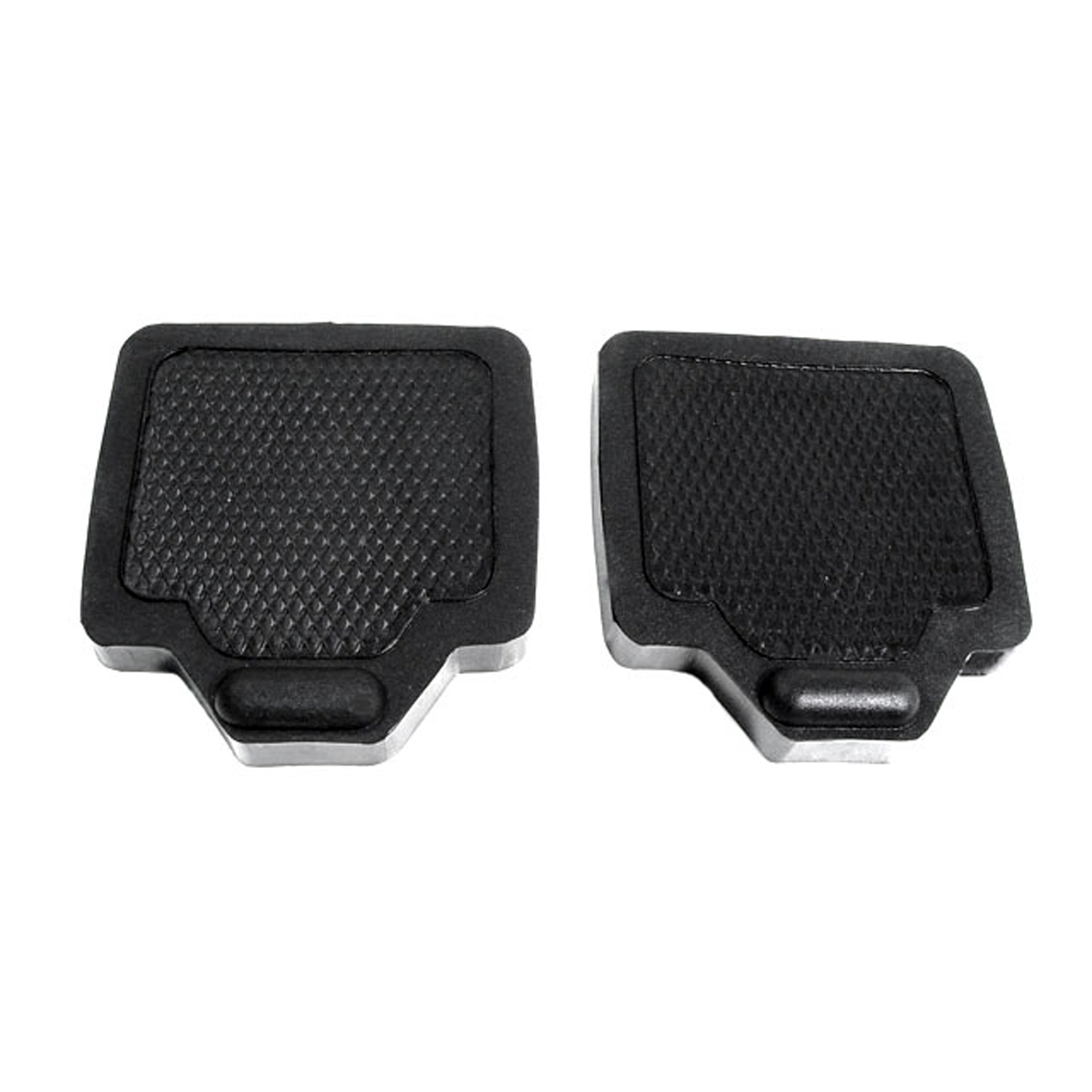 1939 Nash LaFayette Clutch and Brake Pedal Pads. 3-1/2" wide X 3-7/8" long-CB 55Clutch and Brake Pedal Pads. 3-1/2" wide X 3-7/8" long. Pair
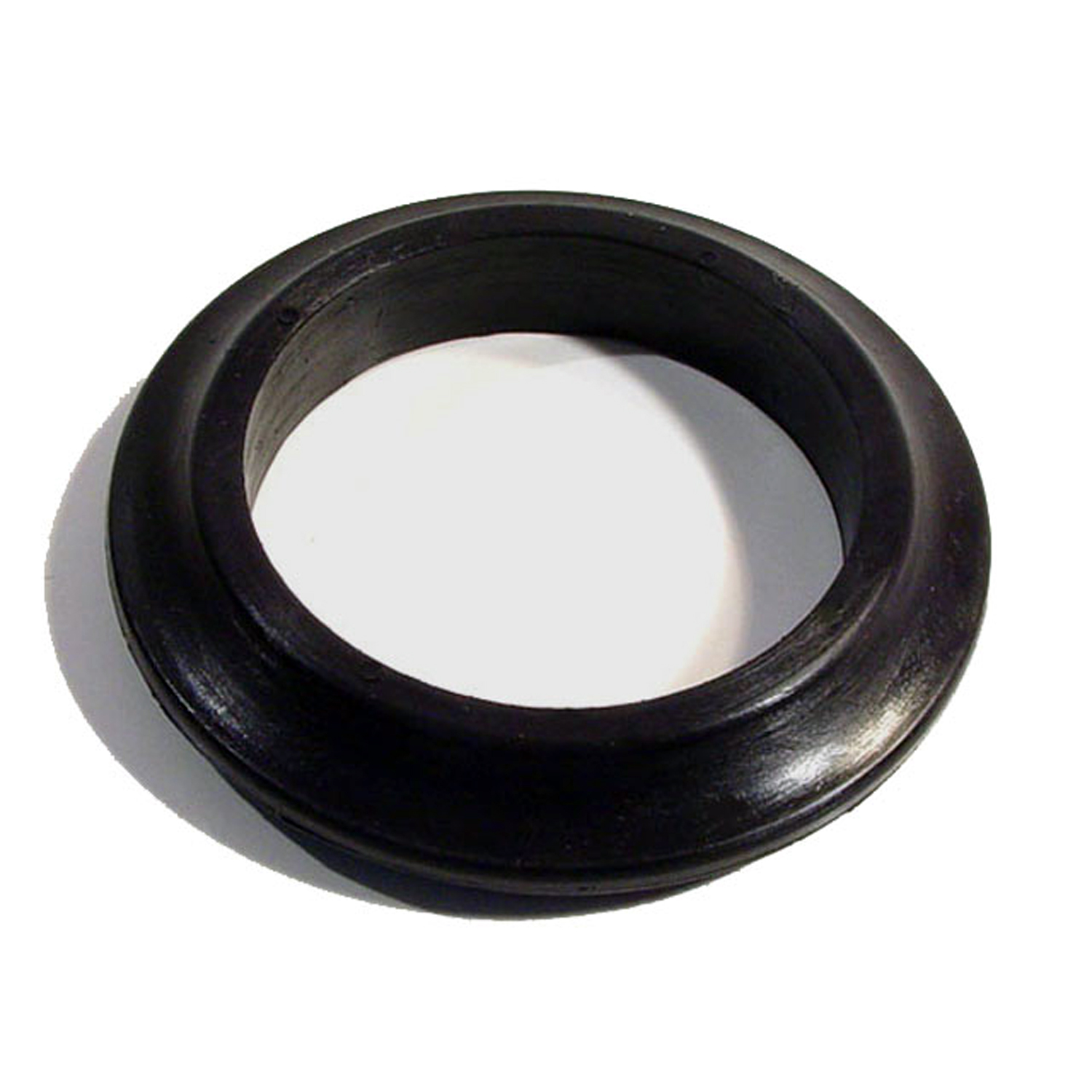 1939 Nash LaFayette Gas Filler Grommet. 2-1/4" I.D., 3-5/16" O.D. Each-GF 21Gas Filler Grommet. 2-1/4" I.D., 3-5/16" O.D. Each
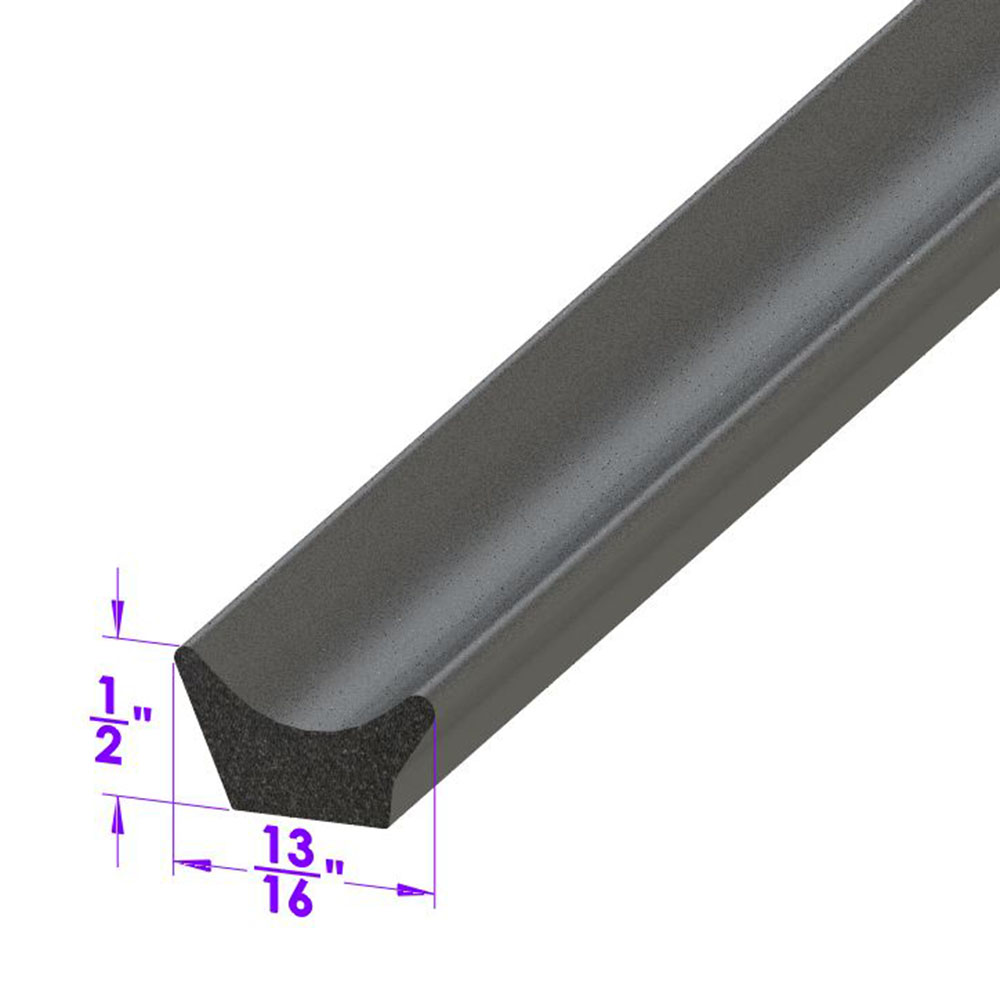 1939 Nash LaFayette Door side seal. Same as LP 40, but for a lighter seal-LP 40-ADoor side seal. Same as LP 40, but for a lighter seal. Fits many domestic passenger cars and trucks. Universal seal for street rods and customs. Used in Cobra kit cars as door weatherstrip. Per foot.
 1939 Nash LaFayette Flexible glass-run channel-WC 11-72Flexible glass-run channel. Mohair lined, cloth covered with stainless steel bead. Used on side windows. 72 in. long. Each. NOTE: $20 special shipping charge applies for domestic orders. Call or email for overseas shipping costs. Part can be sectioned in two equal lengths to reduce overseas shipping costs.
Why Choose Metro?
For over 100 years, Metro Moulded Parts has been the pinnacle of quality in classic car restoration parts. Our commitment to precision and authenticity in every component ensures a perfect fit and an OEM-level appearance.
- Expert Craftsmanship & Quality: Each part is a testament to our dedication to reliability and perfection, crafted from original designs and thoroughly tested.
- Advanced Technology: We use cutting-edge techniques to create flawless, long-lasting parts that surpass others in performance.
- SuperSoft Sponge – The Ultimate Door Seal: Not only are our door seals 30% softer than competitors', but they're also guaranteed to never leak. They effectively reduce wind and road noise, enhancing your classic car's comfort and driving experience.
- Proudly American: Our parts are a product of American craftsmanship, made in the USA with a spirit of excellence and heritage.
- Unrivaled Warranty: We back our products with a 30-year industry-leading warranty, a testament to our confidence in their quality.
Join us in preserving the legacy of classic cars with parts that are crafted for perfection, not just made.