

Image of 1946 Nash 600, Note: These illustrations use artistic license and may differ from actual historical models.
Performance Metrics
Fundamental Metrics
Emotional Appeal
MMP Rating
| Engine Specifications | |
|---|---|
| Engine: | Inline 6 |
| Displacement: | 234.8 cu in (3.8 L) |
| Horsepower: | 82 hp |
| Torque: | Estimated 130 lb-ft |
| Compression Ratio: | 6.7:1 |
| Ignition System: | Battery and coil |
| Cooling System: | Water-cooled |
| Performance Specifications | |
| 0-60 Time: | Estimated 20 seconds |
| 1/4 Mile Time: | Not available |
| Top Speed: | 80 mph |
| Transmission and Drive | |
| Drive Type: | Rear-wheel drive |
| Transmission Type: | 3-speed manual |
| Fuel and Efficiency | |
| Fuel System Type: | Carburetor |
| MPG: | Estimated 20 mpg |
| Dimensions and Brakes | |
| Brakes: | Hydraulic drum brakes |
| Wheelbase: | 112 in (2,845 mm) |
| Weight: | 3,200 lbs |
Note: Specifications for classic cars are given to the best of our ability, considering the limited and variant data available.
1946 Nash 600: A Postwar Car Built Ahead of Its Time
The 1946 Nash 600 looked like a comfortable family sedan, but beneath its rounded postwar styling was an unusually modern idea: a strong, lightweight body built as one integrated structure. Produced by Nash-Kelvinator Corporation, the 600 carried forward a design introduced just before World War II and gave American buyers an economical, roomy car as civilian production restarted.
Its name was an ambitious promise. Nash promoted the 600 as capable of traveling as far as 600 miles on a tank of gasoline under favorable conditions. That figure depended on driving style and road conditions, but it captured the model’s central appeal: useful space and comfort paired with better fuel economy than many large American cars of the era.
The 1946 model also arrived at a pivotal moment. Wartime manufacturing had halted most civilian car production, and automakers were rushing to meet pent-up demand. The Nash 600 was not an entirely new postwar design, but its advanced construction and aerodynamic shape made it feel more forward-looking than a simple prewar carryover.
Rounded Styling and Practical Interiors
The Nash 600’s exterior was shaped by flowing curves rather than the separate, upright forms common on many cars of the period. Its front fenders blended smoothly into the body, the hood sat low and broad, and the rear fenders were neatly incorporated into the overall profile. The result was streamlined and substantial without looking as bulky as some contemporary sedans.
Inside, the 600 offered a wide cabin with generous seating for a family. Upholstery was typically durable cloth, often paired with tougher trim materials in high-wear areas. The dashboard used clear, conventional instruments and straightforward controls, favoring ease of use over decoration. Buyers could equip their cars with convenience items such as a radio and heater, depending on the car’s specification.
Nash’s Weather Eye heating and ventilation system was a notable comfort feature associated with the company. It was designed to help circulate and regulate cabin air more effectively than a simple heater alone. Equipment varied by car, so buyers today should check whether a particular example retains its original system and components.
Factory paint choices changed with availability and model-year specifications. Period Nash color palettes included a range of subdued and richer shades. Today, black, dark green, maroon, blue, and gray are among the colors often seen on restored examples, though a car’s exact original color is best confirmed from its documentation or surviving paint evidence.
The 600 was offered in sedan and coupe-style body configurations, with two-door and four-door sedans among the commonly encountered forms. The four-door sedan is the practical family-car choice and is often the easiest version for collectors to find. Two-door examples have a sportier, less formal look and can attract extra interest when well preserved.
Unitized Construction and Nash Innovation
The 1946 Nash 600’s most important engineering feature was its unitized body construction. Instead of relying on a separate, heavy frame to carry the body, the structure integrated the body and chassis into a single load-bearing assembly. Nash had introduced this approach on the 600 earlier in the decade, making the car an important example of early American unibody engineering.
Unitized construction helped reduce weight while giving the body a stiff foundation. That mattered for fuel economy, road manners, and occupant space. The technique was not wholly unique to Nash in the broad history of automobile design, but Nash was among the American manufacturers that brought it into practical, regular production. The company’s willingness to build around it helped establish unibody construction as a serious alternative to traditional body-on-frame design.
The 600 also reflected Nash’s interest in efficiency. Its smooth body shape and comparatively light construction supported the fuel-saving message behind the model name. Later automakers would make aerodynamic efficiency and integrated body structures central to mainstream car design. The 600 was not solely responsible for those trends, but it was an early, visible demonstration of their potential in a family car.
Six-Cylinder Performance and Road Manners
Power came from a 172.6-cubic-inch L-head inline-six. Period specifications are commonly listed at about 82 horsepower, delivered through a three-speed manual transmission. A column-mounted shifter was typical, and overdrive could be specified on some cars. Rear-wheel drive and a live rear axle kept the layout familiar to mechanics and owners of the day.
Performance was modest by modern standards. A well-running 1946 Nash 600 might reach roughly 75 to 80 mph, while 0-to-60-mph acceleration was likely in the neighborhood of 20 seconds, depending on condition, gearing, load, and measurement method. These are estimates rather than guaranteed factory-test figures. The car was built for economical transportation, not quick starts or high-speed touring.
On the road, the six-cylinder engine feels relaxed when allowed to build speed gradually. It produces the steady, subdued sound typical of a low-compression flathead engine, with the transmission and road noise becoming more noticeable as speed rises. The three-speed gearbox asks the driver to plan shifts rather than rush them, and the column lever gives the cabin a distinctly prewar character.
The Nash’s coil-spring suspension helped it deliver a comfortable ride over uneven pavement. It is best appreciated at a measured pace: the car settles over bumps rather than reacting sharply, while its substantial body and long wheelbase help it feel composed on open roads. On winding routes, expect slower steering response and more body lean than in a modern car. Tires, suspension condition, and alignment make a major difference to how confidently a surviving example handles.
Living With a 1946 Nash 600
Today, the 600 is most often used as a show car, a weekend cruiser, or a historic touring vehicle. It can be driven regularly by an attentive owner, but age brings practical limits. Modern traffic moves faster, and the car lacks contemporary crash protection, lighting performance, and braking assistance. It is best enjoyed with room to drive at its own pace.
The flathead six and three-speed manual are mechanically straightforward compared with later engines. A competent home mechanic can handle many routine jobs, including ignition service, basic fuel-system work, and adjustments to the brakes and clutch. The harder part is often finding correct trim, glass, body parts, or model-specific components. Before buying, inspect the unitized structure carefully for corrosion or poor repairs, particularly around the floors, sills, and other structural areas.
Reliability depends heavily on maintenance and restoration quality. A car that has sat for decades may need work on its fuel system, cooling system, electrical wiring, brakes, and tires before it is safe to drive. Parts availability is not as easy as it is for a Chevrolet of the same era, so joining a Nash owners’ club and locating marque-specific suppliers can make ownership much smoother.
600-Mile Claim, Rarity, and Other Nash Trivia
The best-known piece of 600 trivia is the name itself. Nash’s 600-mile range claim gave the car an unusually direct sales pitch, linking engineering and economy to a number buyers could remember. Real-world distance varied with fuel quality, speed, terrain, and vehicle condition, so it should be understood as a promotional target rather than a universal guarantee.
The 1946 600 is also a reminder of the postwar production squeeze. Automakers were restarting factories, working through material shortages, and serving customers who had waited years to buy a new car. As a result, some 1946 models changed less than their model-year designation might suggest. The Nash nevertheless retained an engineering identity that set it apart from many familiar body-on-frame rivals.
There is no widely recognized 1946 Nash 600 land-speed or endurance record, nor is the model especially associated with a single celebrity owner or famous historical event. Its significance is quieter and more industrial: it represents the return of American civilian motoring and the continued development of lightweight, integrated car structures.
Common criticisms are straightforward. The 600 is slow by modern standards, its flathead engine requires patient driving, and its less common marque can make restoration sourcing more challenging. Some drivers also find the styling and cabin less flamboyant than those of larger luxury cars from the period. For enthusiasts who value engineering and understated design, those traits are part of its appeal.
Collector Values and Market Outlook
Exact production totals for the 1946 Nash 600 can be difficult to pin down by body style, and surviving-car counts are not reliably tracked. A reasonable estimate is that production across the 600 range was in the tens of thousands, perhaps around 30,000 to 50,000 cars. That is a broad estimate, not a verified model-by-model factory total. Today, the 600 is uncommon compared with mass-market Fords and Chevrolets, but it is not generally treated as an extremely rare collector car.
As a rough U.S. market guide in 2026, a project car may sell for about $3,000 to $8,000, depending on completeness and rust. A usable driver or older restoration might fall around $8,000 to $18,000. A high-quality, well-documented restoration could bring approximately $20,000 to $35,000, with exceptional cars or particularly desirable examples potentially exceeding that range. Condition, originality, body style, and local demand matter more than mileage alone.
Values have generally been steady to modestly appreciating for good examples, rather than rising sharply. The 600 benefits from increasing interest in unusual postwar engineering, but its market remains narrower than that for better-known domestic classics. A sound, original car is often a smarter buy than an ambitious project, especially because specialist parts and body restoration can quickly outweigh the purchase price.
Why the 1946 Nash 600 Still Matters
The 1946 Nash 600 combined a fuel-economy message, comfortable family-car packaging, streamlined styling, and early American unitized construction. Its six-cylinder performance was never the main attraction. Instead, it offered a thoughtful alternative to heavier, more conventional sedans at a time when the country was rebuilding its civilian car market.
For collectors, the Nash is a distinctive piece of automotive history that rewards close attention. It is practical enough to enjoy on a quiet weekend drive, unusual enough to start conversations at a show, and innovative enough to remind us that progress often arrives in a car that looks deceptively familiar.
1946 Nash 600 Catalog of Parts
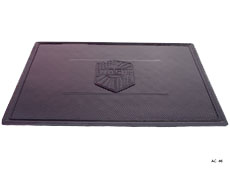 1946 Nash 600 Accessory Floor Mat - 12"X17"-AC 46Accessory Floor Mat - made of high quality black rubber with molded original emblem. Also designed to be sewn into new carpets. 12"X17", Each
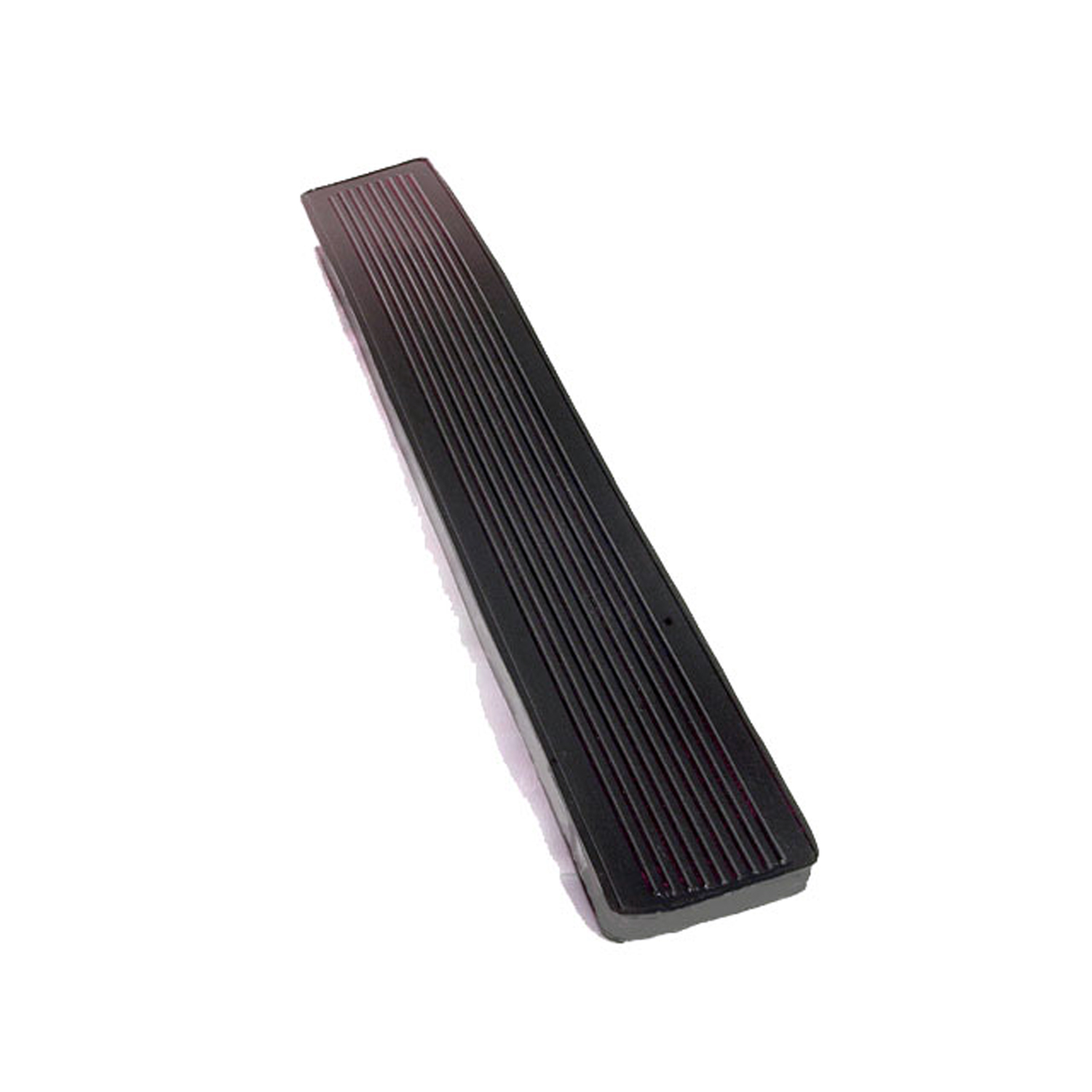 1946 Nash 600 Accelerator Pedal Pad, 1-1/2" X 9-3/4", Each-AP 21Accelerator Pedal Pad, 1-1/2" X 9-3/4", Each
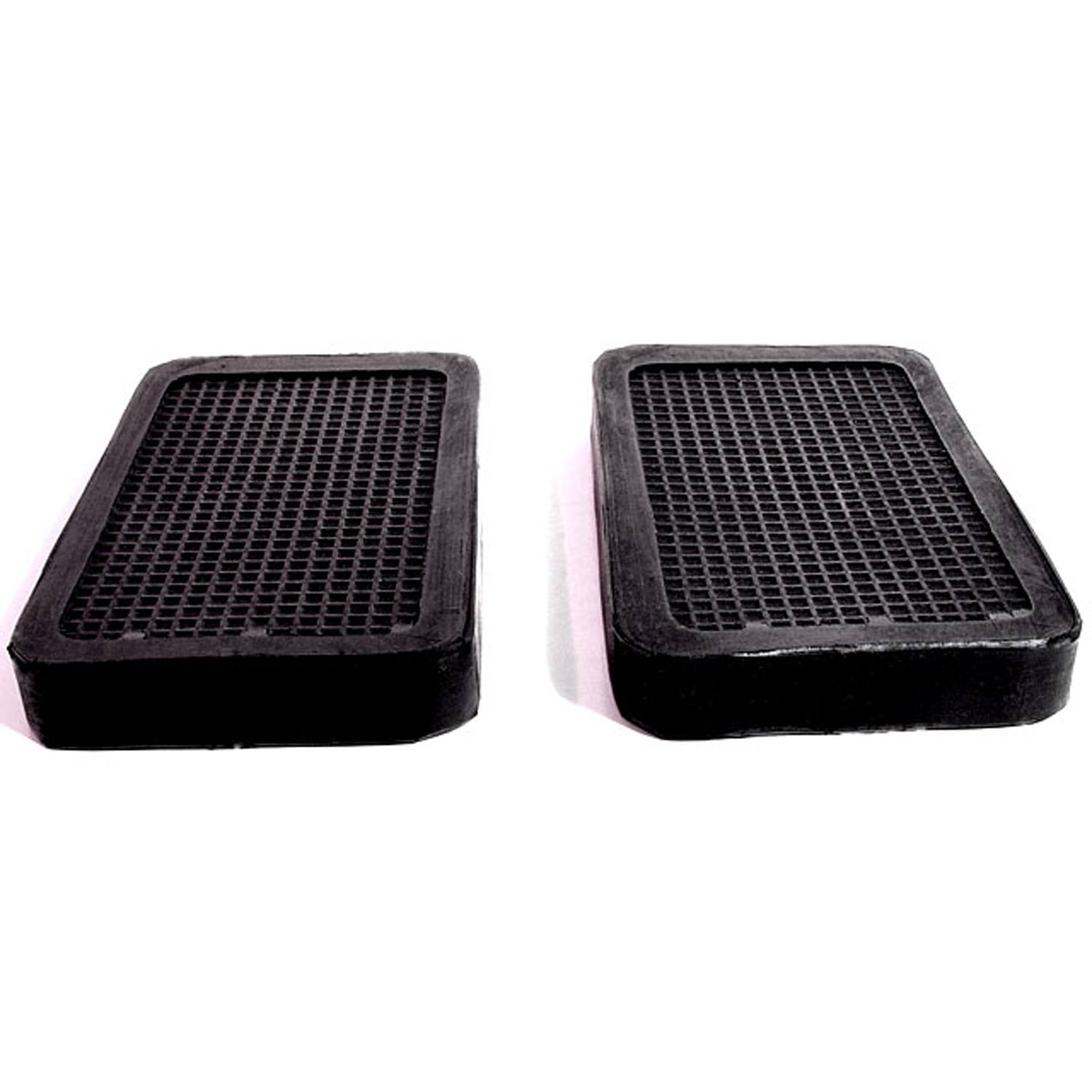 1946 Nash 600 Clutch and Brake Pedal Pads. 2-1/4" wide X 4" long. Pair-CB 20Clutch and Brake Pedal Pads. 2-1/4" wide X 4" long. Pair
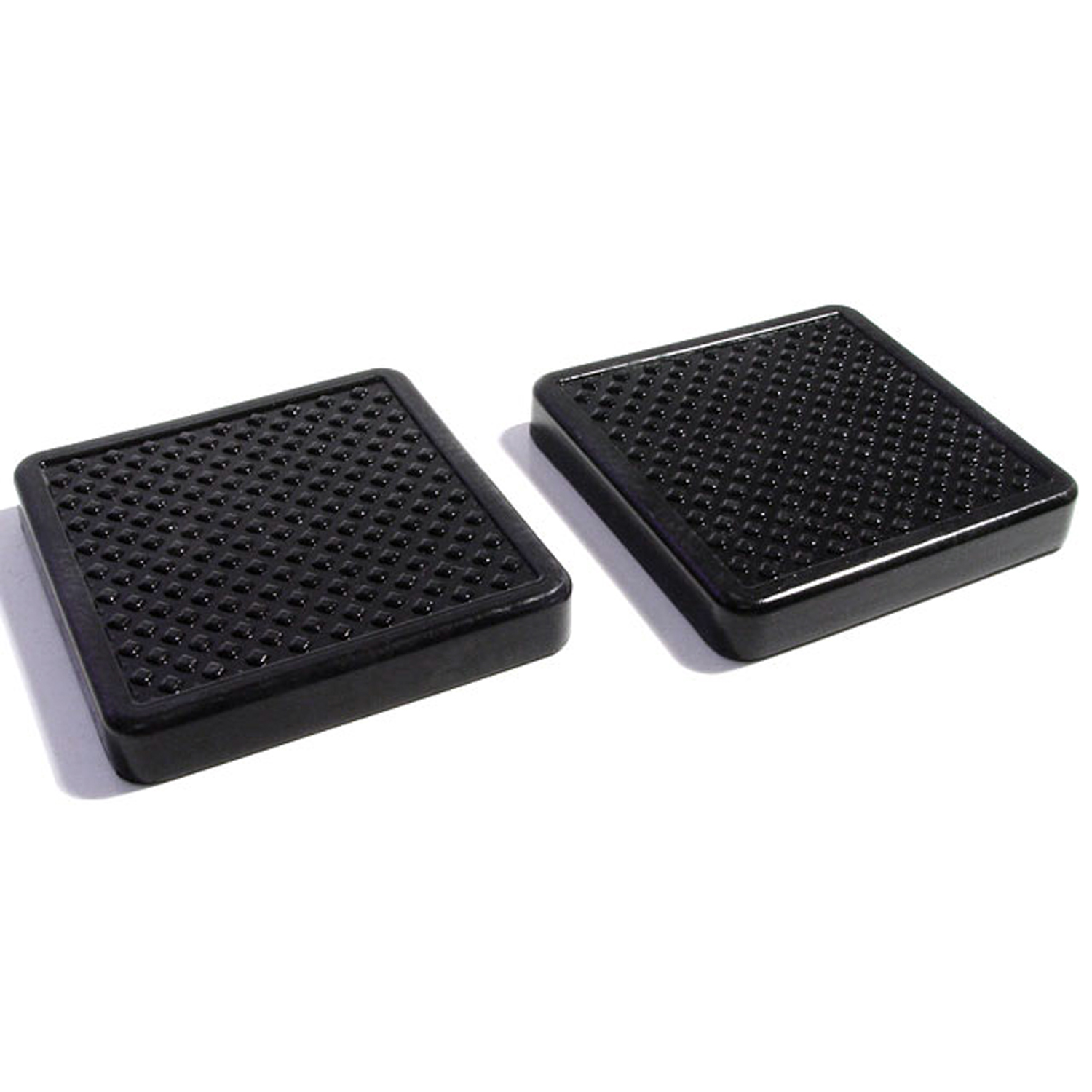 1946 Nash 600 Clutch and Brake Pedal Pads. 3" wide X 3" long. Pair-CB 47Clutch and Brake Pedal Pads. 3" wide X 3" long. Pair
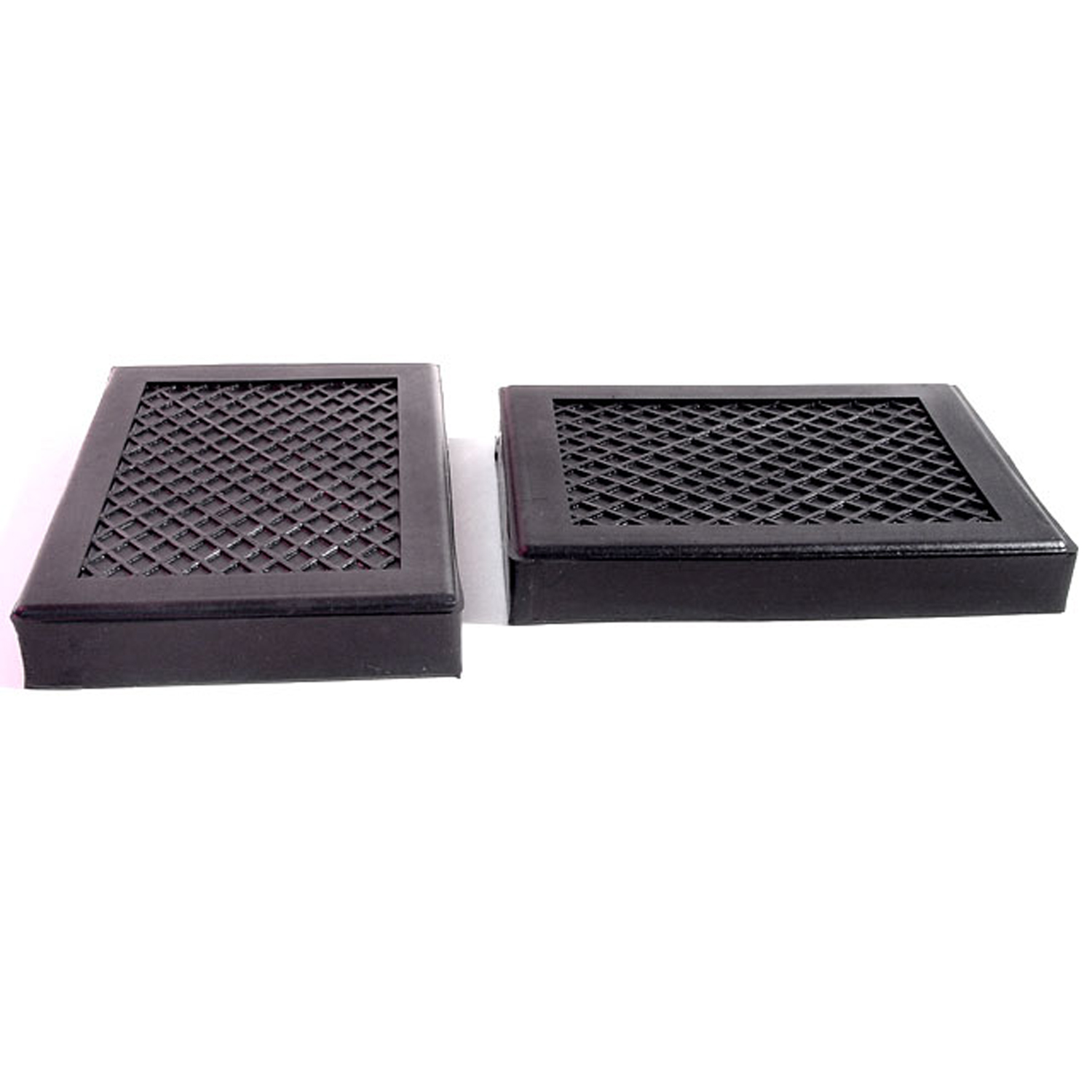 1946 Nash 600 Clutch and Brake Pedal Pads. 2-3/4" wide X 3-7/8" long-CB 48Clutch and Brake Pedal Pads. 2-3/4" wide X 3-7/8" long. Pair
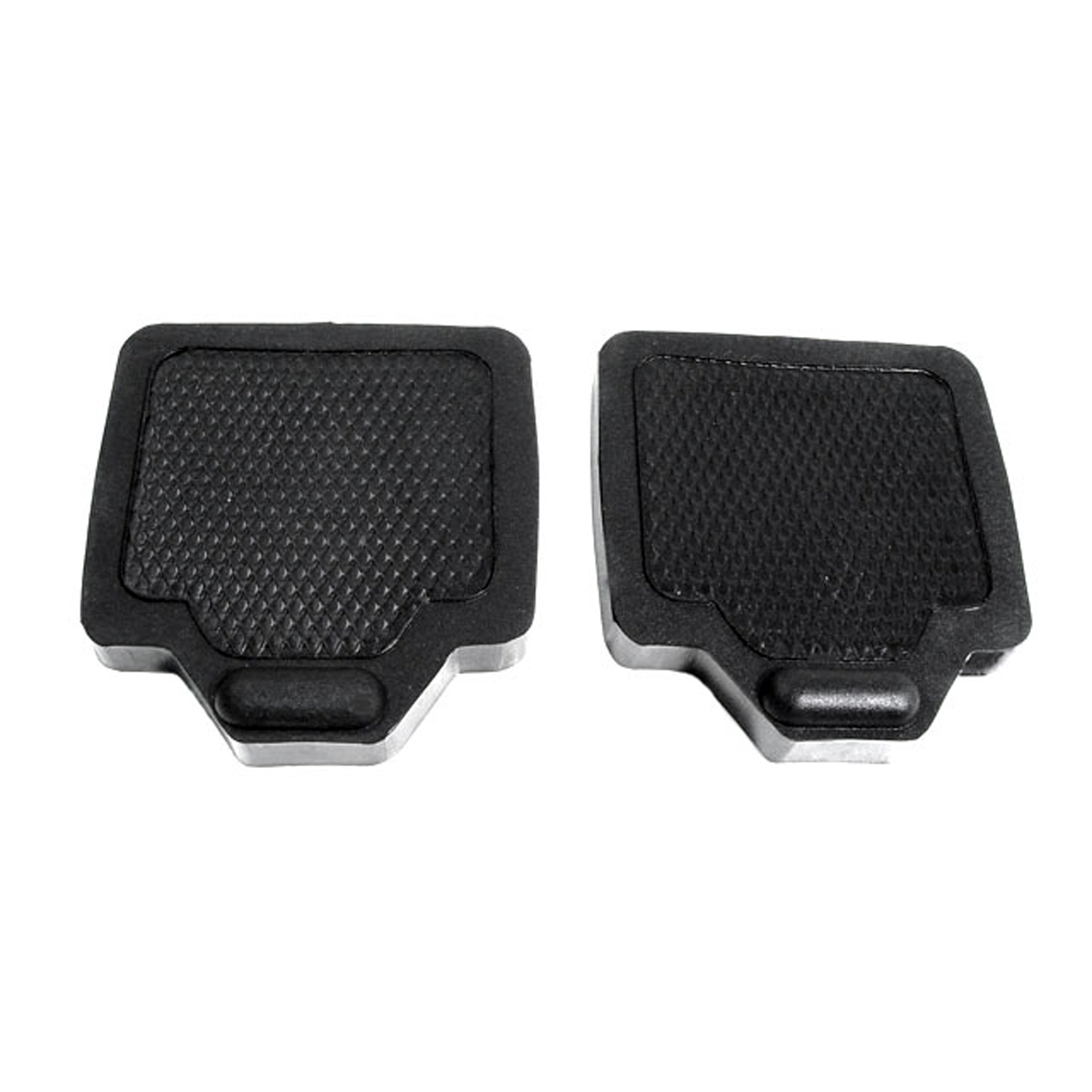 1946 Nash 600 Clutch and Brake Pedal Pads. 3-1/2" wide X 3-7/8" long-CB 55Clutch and Brake Pedal Pads. 3-1/2" wide X 3-7/8" long. Pair
 1946 Nash 600 Gravel Shields. Molded flat without metal backing plates-FS 33Gravel Shields. Molded flat without metal backing plates. Apply with contact cement. 17" long X 5" wide at bottom. Pair
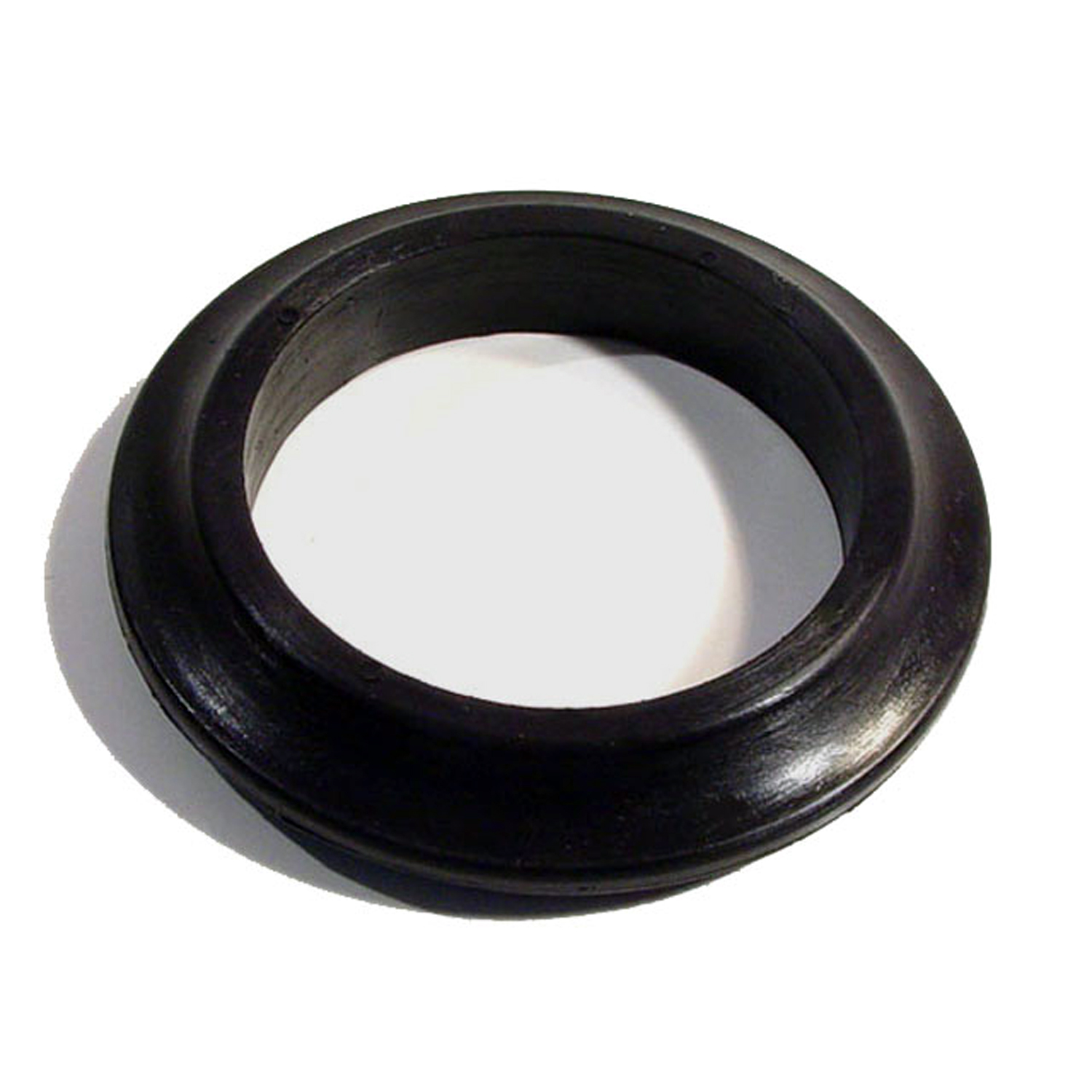 1946 Nash 600 Gas Filler Grommet. 2-1/4" I.D., 3-5/16" O.D. Each-GF 21Gas Filler Grommet. 2-1/4" I.D., 3-5/16" O.D. Each
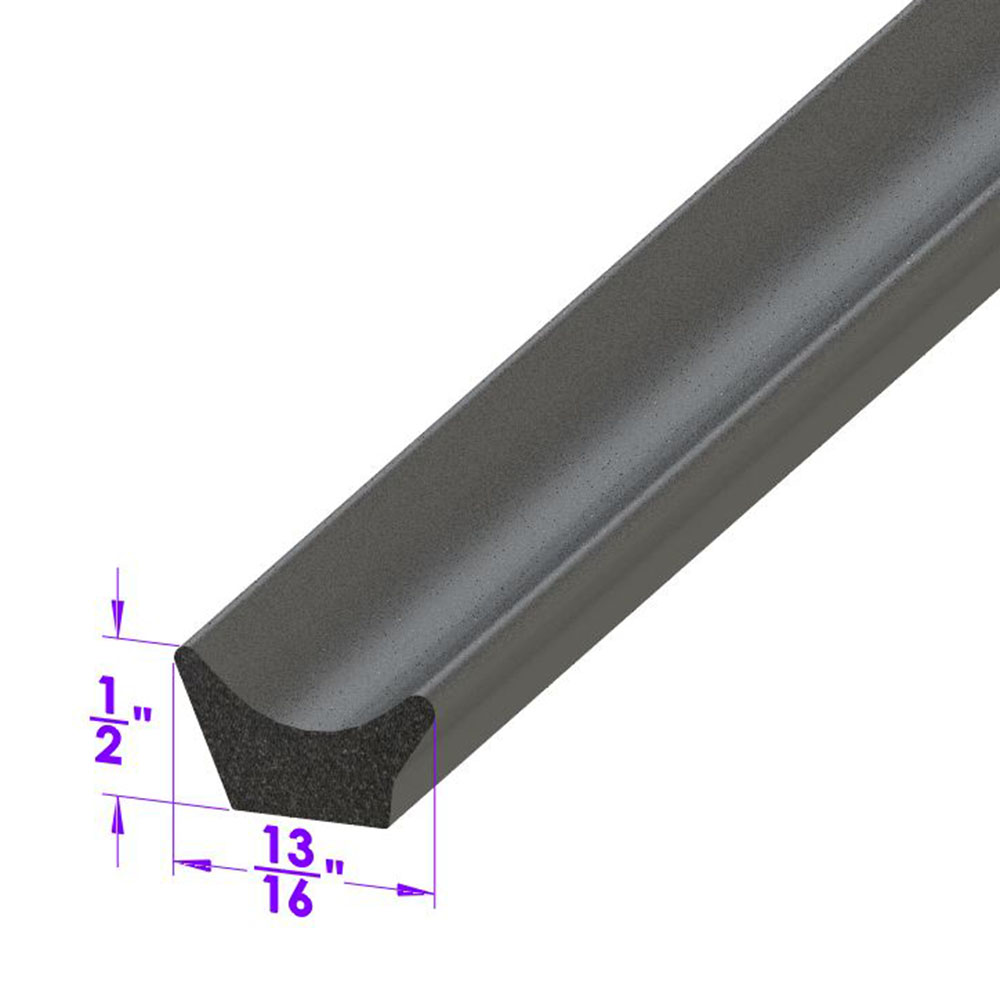 1946 Nash 600 Door side seal. Same as LP 40, but for a lighter seal-LP 40-ADoor side seal. Same as LP 40, but for a lighter seal. Fits many domestic passenger cars and trucks. Universal seal for street rods and customs. Used in Cobra kit cars as door weatherstrip. Per foot.
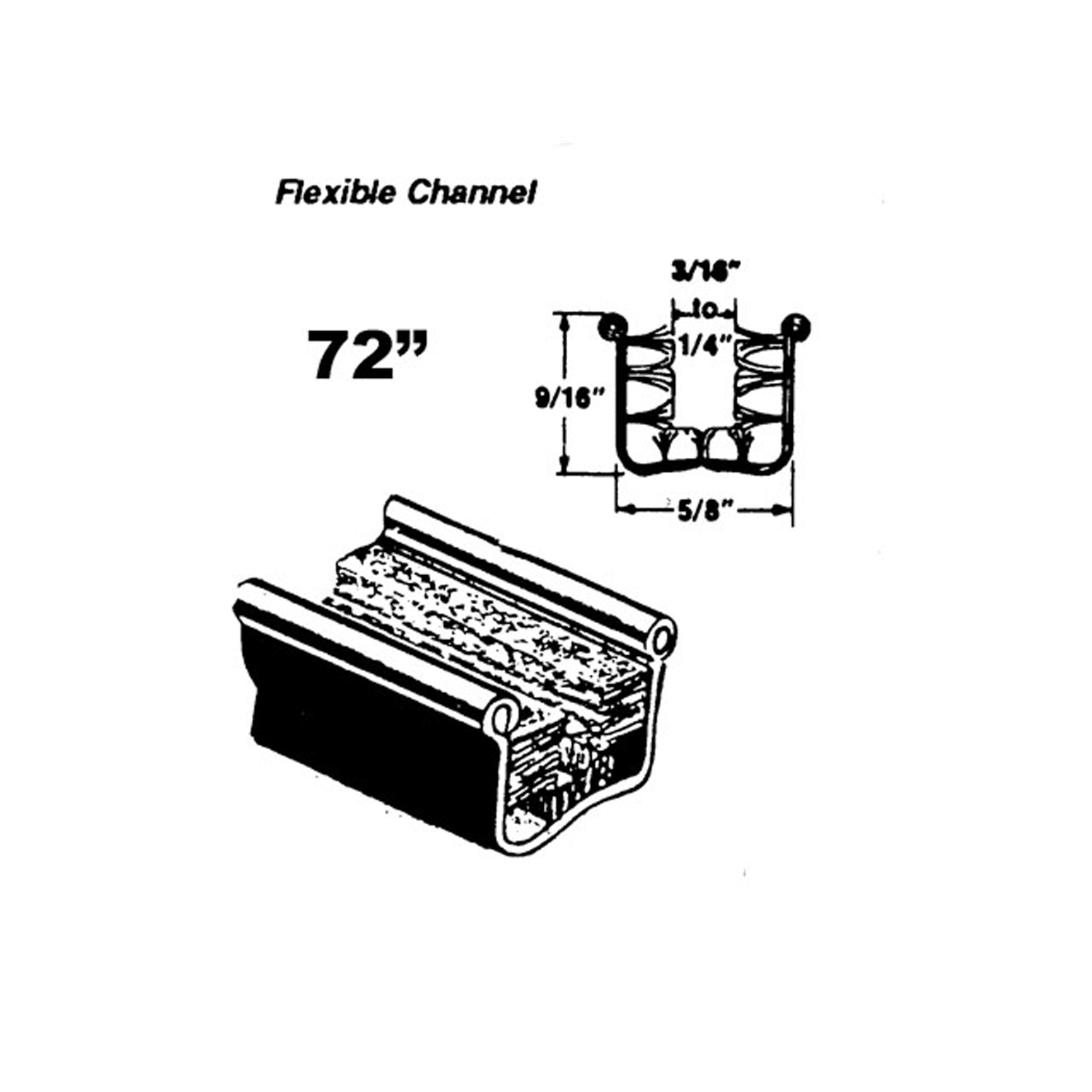 1946 Nash 600 Flexible glass-run channel-WC 11-72Flexible glass-run channel. Mohair lined, cloth covered with stainless steel bead. Used on side windows. 72 in. long. Each. NOTE: $20 special shipping charge applies for domestic orders. Call or email for overseas shipping costs. Part can be sectioned in two equal lengths to reduce overseas shipping costs.
 1946 Nash 600 Front Vent Window Seals. Pair R&L-WR 2003Front Vent Window Seals. Pair R&L
Why Choose Metro?
For over 100 years, Metro Moulded Parts has been the pinnacle of quality in classic car restoration parts. Our commitment to precision and authenticity in every component ensures a perfect fit and an OEM-level appearance.
- Expert Craftsmanship & Quality: Each part is a testament to our dedication to reliability and perfection, crafted from original designs and thoroughly tested.
- Advanced Technology: We use cutting-edge techniques to create flawless, long-lasting parts that surpass others in performance.
- SuperSoft Sponge – The Ultimate Door Seal: Not only are our door seals 30% softer than competitors', but they're also guaranteed to never leak. They effectively reduce wind and road noise, enhancing your classic car's comfort and driving experience.
- Proudly American: Our parts are a product of American craftsmanship, made in the USA with a spirit of excellence and heritage.
- Unrivaled Warranty: We back our products with a 30-year industry-leading warranty, a testament to our confidence in their quality.
Join us in preserving the legacy of classic cars with parts that are crafted for perfection, not just made.