

Image of 1947 Nash 600, Note: These illustrations use artistic license and may differ from actual historical models.
Performance Metrics
Fundamental Metrics
Emotional Appeal
MMP Rating
| Engine Specifications | |
|---|---|
| Engine: | Inline 6 |
| Displacement: | 172.6 cu in (2.8 L) |
| Horsepower: | 82 hp |
| Torque: | Estimated 130 lb-ft |
| Compression Ratio: | 7.3:1 |
| Ignition System: | Battery Ignition |
| Cooling System: | Liquid Cooled |
| Performance Specifications | |
| 0-60 Time: | Estimated 20 seconds |
| 1/4 Mile Time: | Not available |
| Top Speed: | 80 mph |
| Transmission and Drive | |
| Drive Type: | Rear Wheel Drive |
| Transmission Type: | 3-speed manual |
| Fuel and Efficiency | |
| Fuel System Type: | Carburetor |
| MPG: | Estimated 20 MPG |
| Dimensions and Brakes | |
| Brakes: | Drum Brakes |
| Wheelbase: | 112 in |
| Weight: | 3100 lbs |
Note: Specifications for classic cars are given to the best of our ability, considering the limited and variant data available.
1947 Nash 600: The Mileage-Minded Postwar Sedan
The 1947 Nash 600 was built around an unusual promise for its era: a roomy American sedan that could go a long way on a tank of gasoline. Made by Nash-Kelvinator Corporation, it paired a six-cylinder engine with lightweight, unitized construction at a time when most domestic cars still relied on a separate body and frame. Its name captured the idea behind the car, and its engineering made it one of Nash’s most distinctive postwar models.
Nash Motors had been founded by former General Motors president Charles W. Nash, who acquired the Thomas B. Jeffery Company in 1916. By 1947, Nash-Kelvinator was returning to full-scale automobile production after wartime manufacturing. The 600 was part of that transition, carrying forward a prewar engineering idea into a market hungry for dependable new cars.
One memorable detail is the model’s name. Nash promoted the 600 as capable of traveling roughly 600 miles on a tankful under favorable conditions. That was a marketing claim rather than a guarantee for every driver, but it reflected the car’s emphasis on fuel economy and helped distinguish it from many larger, thirstier rivals.
Rounded Styling and a Practical Cabin
The 1947 Nash 600 has the soft, flowing lines typical of the period, with rounded fenders blending into a broad, enclosed-looking body. Its nose is upright and substantial, with a prominent grille and headlights integrated into the front fenders. The result is less sharply divided into separate fenders and body sections than many contemporary cars. Seen from the side, the high beltline and smooth panels give the sedan a solid, almost streamlined appearance.
Inside, the 600 was designed for everyday comfort rather than sporting drama. A wide bench seat, straightforward dashboard, large steering wheel, and clear, easy-to-read instruments made it approachable for drivers moving up from older cars. Upholstery and trim were generally cloth and painted or plated finishes, with the exact materials and details varying by equipment and condition. It was a practical cabin, not a luxury-car showcase, but it offered generous room for a family sedan of its class.
Factory paint colors varied by year, trim, and availability. Period cars could be found in shades such as black, gray, maroon, blue, green, and tan, though a car’s present color may not be its original one. Dark maroon and deep blue look particularly at home on the Nash’s rounded body, while lighter colors make its curved fenders and broad side panels stand out.
The main 1947 body choices were two-door and four-door sedans. The four-door was the practical family choice and is the version many buyers picture when they think of a Nash 600. The two-door offered a slightly sportier profile while retaining the basic sedan layout. Exact model names can differ among surviving sales material and modern listings, so buyers should check a specific car’s identification and documentation rather than rely on a seller’s label alone.
Unitized Construction Set the Nash Apart
The 600’s most important innovation was beneath its rounded sheet metal. Nash used unitized construction, joining the body and structural elements into an integrated assembly instead of mounting a conventional body on a separate full-length frame. The design reduced weight and helped create a rigid structure. Nash had introduced this approach on the 600 in 1941, making the model an early American example of a high-volume car built around unit-body engineering.
That construction suited the car’s economy-minded mission. Less weight meant the six-cylinder engine had less mass to move, helping fuel consumption and giving the car a more efficient character than its size might suggest. The 600 was not the only carmaker experimenting with structural bodies, but Nash made the idea a central feature of a mainstream production sedan.
The car also benefited from suspension engineering intended to improve comfort. Its coil-spring setup helped soften the ride, while the body structure contributed to a solid feel on the road. These choices were part of a broader Nash identity: practical engineering, comfort, and efficiency rather than headline-grabbing horsepower.
Six-Cylinder Power and Period Performance
Power came from a 172.6-cubic-inch (2.8-liter) L-head inline-six, rated at about 82 horsepower in commonly cited specifications. A three-speed manual transmission was standard, with overdrive available on some cars. The engine favored steady, low-speed pulling power over high-revving performance, which suited the Nash’s role as a family and touring sedan.
There is no single universally applicable factory 0-to-60 mph figure for every 1947 Nash 600 configuration. Based on the car’s output, gearing, and weight, a period-correct estimate is roughly 20 to 25 seconds to reach 60 mph. Top speed is generally estimated in the neighborhood of 75 to 85 mph, depending on mechanical condition, gearing, tires, and load. These are estimates, not promises for an individual surviving car.
On a smooth road, the 600 feels composed and unhurried. Coil springs help absorb ordinary bumps, although worn suspension parts, old tires, and decades of repairs can greatly affect how a present-day example rides. On winding roads, its size and conservative steering response encourage a measured pace. It is a cruiser, not a sports sedan, and sharp cornering was never its brief.
From behind the wheel, expect the muted mechanical sound of a long-stroke flathead six, a substantial steering wheel, and the deliberate action of a vintage three-speed gearbox. The experience is tactile and relaxed: the driver works the controls, listens to the engine, and plans stops and turns rather than relying on modern power steering, disc brakes, or electronic aids. A well-maintained car can be pleasant at modest road speeds, but modern traffic often moves faster than the Nash’s comfortable cruising pace.
What It Was Like to Own
In its own day, the Nash 600 was a sensible choice for commuting, family travel, and longer highway trips. Its economy-minded engineering was a selling point, while the sedan body and roomy cabin made it useful as an all-around car. Today, most examples are best suited to weekend drives, local events, and classic-car shows rather than demanding daily use in fast traffic.
Routine mechanical work is within reach for an experienced hobbyist. The engine is conventional in layout, and many basic jobs involve familiar tasks such as ignition service, carburetor adjustment, cooling-system maintenance, and brake work. The greater challenge can be locating correct trim, body parts, and model-specific components. Parts support is not as broad as it is for a contemporary Ford or Chevrolet, so a buyer should assess completeness before taking on a restoration.
Reliability depends heavily on the condition of the individual car. A sound example with a properly rebuilt engine, healthy cooling system, sound brakes, and good tires can be dependable for occasional touring. A neglected car may need attention to its fuel system, electrical connections, suspension, and structural areas. Before driving one regularly, inspect the unitized body carefully for rust and previous repairs, since structural corrosion can be more consequential than a tired interior.
Nash 600 Trivia and Common Criticisms
The 600’s mileage-focused name is its best-known piece of trivia, but its unitized body is the more lasting engineering story. The car helped Nash establish a reputation for unconventional, efficiency-minded design, a direction that became even more visible in later Nash models. The 1947 version was not a special racing edition or a record-setting speed car; its distinction lay in making a more efficient, structurally modern sedan for ordinary buyers.
There is no widely recognized celebrity ownership or major motorsport record associated specifically with the 1947 600. Its historical importance is quieter: it represents the postwar return of a company that had spent the war years making military equipment, and it carried forward a construction method that would become common across the industry.
Common criticisms are straightforward. The engine is modest by modern standards, acceleration is leisurely, and the styling can look bulky beside sleeker later cars. Nash-specific trim and replacement parts may also take more searching than parts for high-volume Ford and Chevrolet models. For enthusiasts who value unusual engineering and period character, those drawbacks are often part of the appeal rather than deal-breakers.
1947 Nash 600 Values and Rarity
The 1947 Nash 600 is uncommon today, but it is not generally treated as a one-off or ultra-rare collector car. Exact production figures for a particular body style can be difficult to establish from readily available summaries. As a working estimate, total 1947 600 production was likely in the tens of thousands, perhaps roughly 50,000 to 70,000 cars across the range. That is an informed estimate, not a verified model-by-model factory total, and surviving examples are a much smaller group.
In the current U.S. collector market, a project car may sell for around $3,000 to $8,000, depending on completeness and rust. A usable driver might fall in the $8,000 to $18,000 range, while a well-restored example could bring roughly $20,000 to $35,000. Exceptional restorations or especially attractive cars may exceed that range, but condition, originality, documentation, and local demand matter more than a guidebook number.
Values tend to be steadier than those of high-profile muscle cars or iconic sports cars. The Nash’s distinctive construction and relative scarcity appeal to marque enthusiasts, but its slower performance and narrower parts network limit the pool of buyers. Over time, sound and well-documented examples may appreciate gradually, especially if they retain original details, though restoration costs can easily exceed a car’s eventual sale price.
Why the Nash 600 Still Matters
The 1947 Nash 600 combined a practical six-cylinder engine, comfortable sedan packaging, and unusually forward-looking unitized construction. Its rounded styling captures the postwar moment, while its engineering points toward the lighter, integrated body designs that would become standard across the automotive world.
It may not be the fastest or most famous classic of its generation, but the Nash 600 is a rewarding reminder that automotive progress often arrives in sensible clothes. Under its calm, family-car exterior sits an idea that helped shape how future cars would be built.
1947 Nash 600 Catalog of Parts
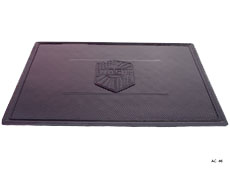 1947 Nash 600 Accessory Floor Mat - 12"X17"-AC 46Accessory Floor Mat - made of high quality black rubber with molded original emblem. Also designed to be sewn into new carpets. 12"X17", Each
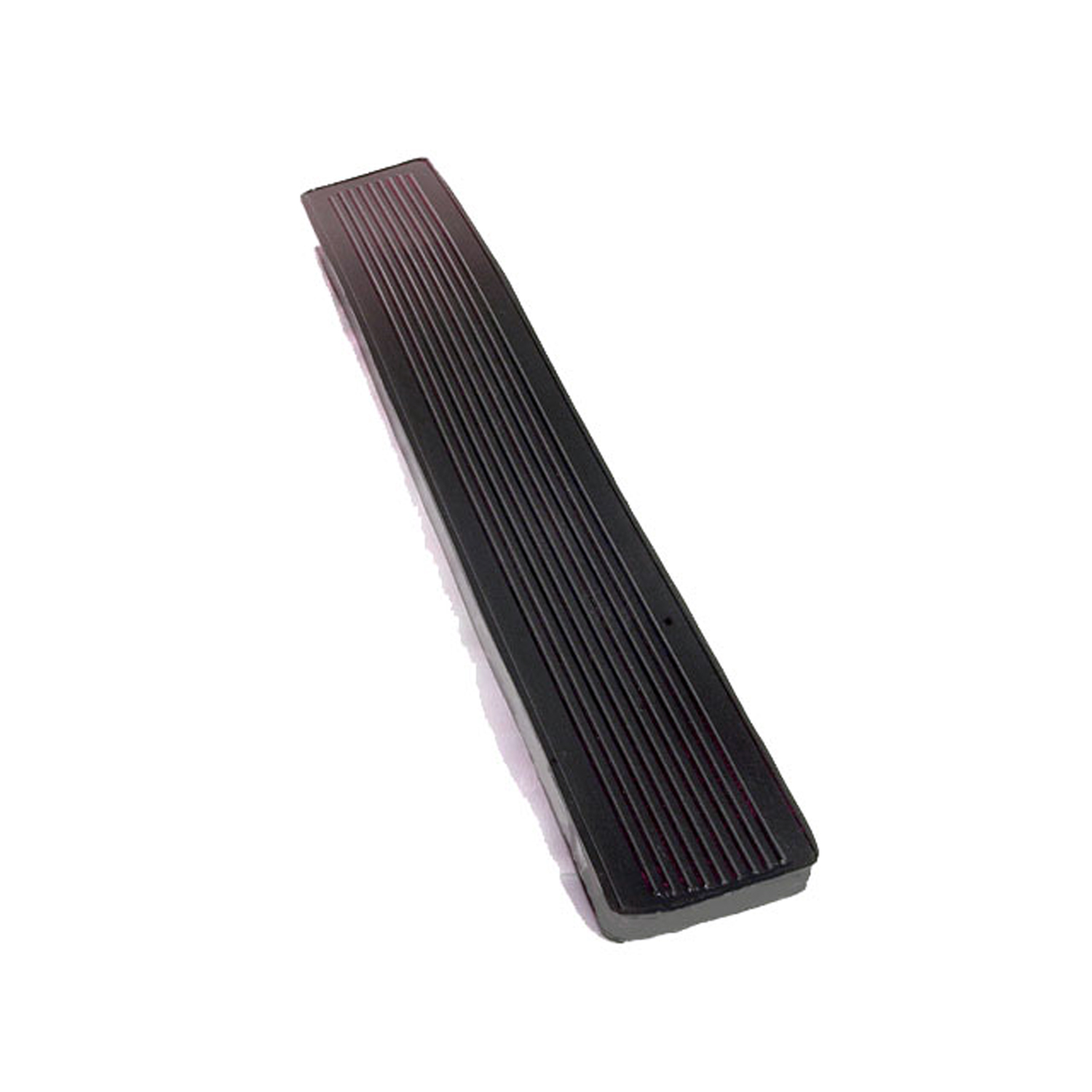 1947 Nash 600 Accelerator Pedal Pad, 1-1/2" X 9-3/4", Each-AP 21Accelerator Pedal Pad, 1-1/2" X 9-3/4", Each
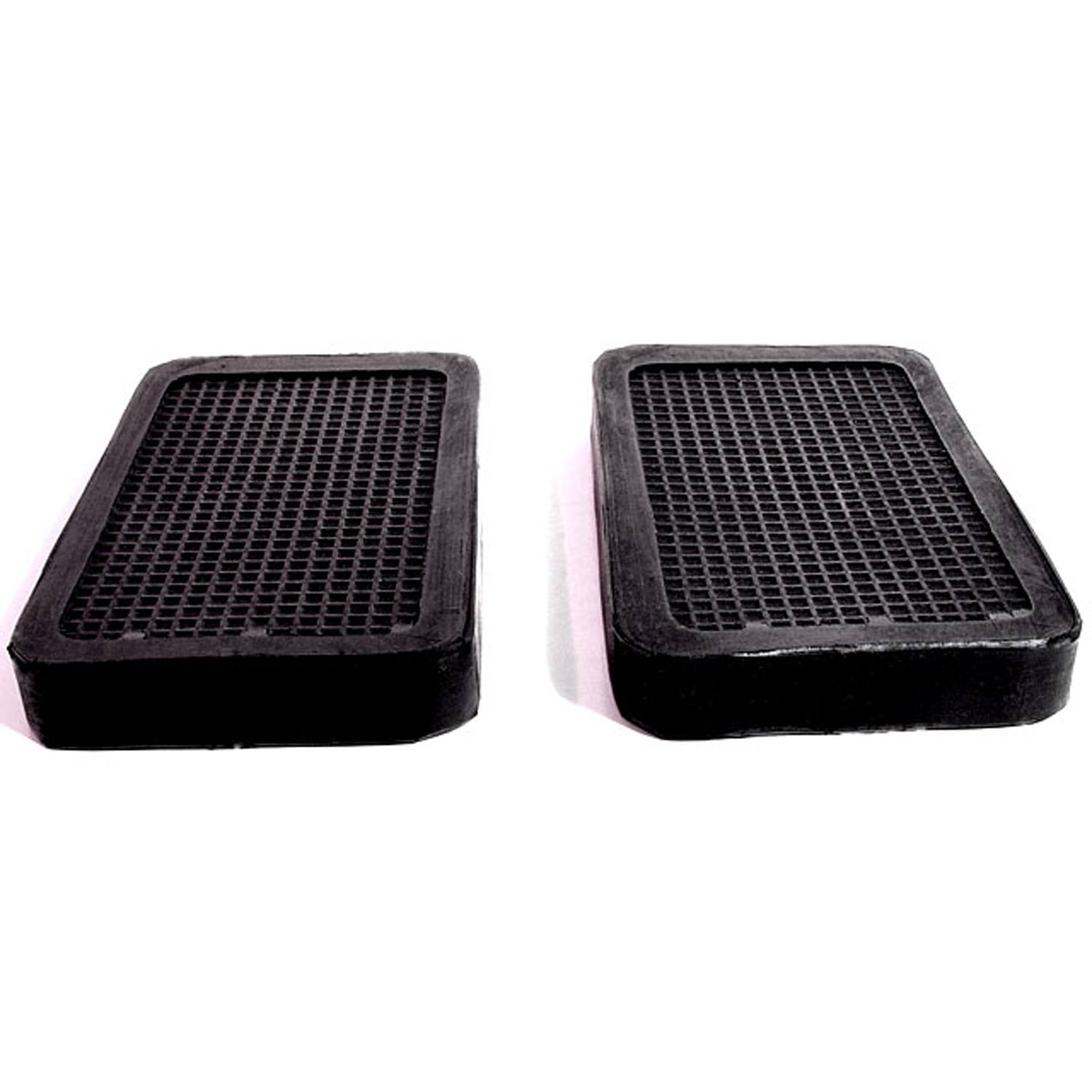 1947 Nash 600 Clutch and Brake Pedal Pads. 2-1/4" wide X 4" long. Pair-CB 20Clutch and Brake Pedal Pads. 2-1/4" wide X 4" long. Pair
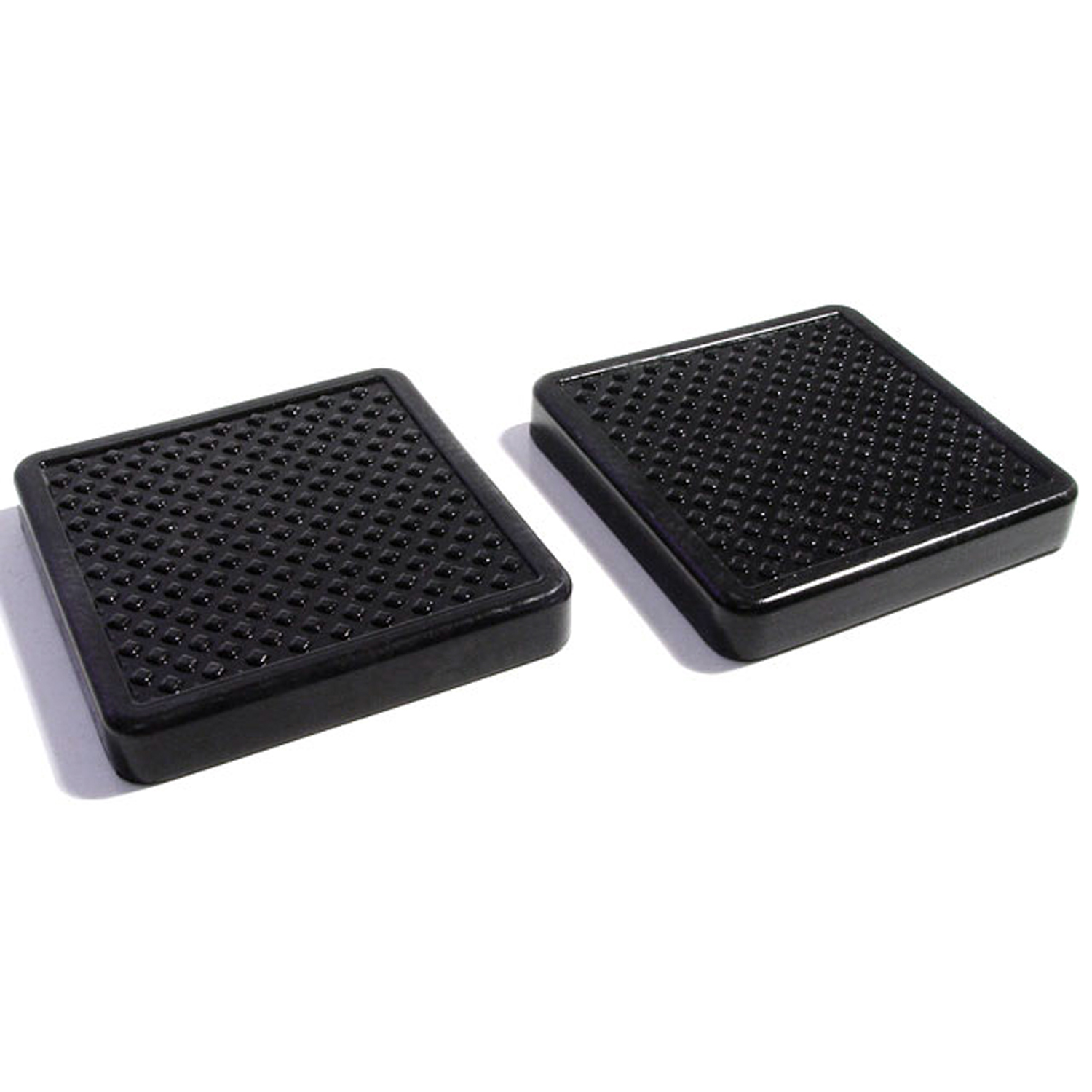 1947 Nash 600 Clutch and Brake Pedal Pads. 3" wide X 3" long. Pair-CB 47Clutch and Brake Pedal Pads. 3" wide X 3" long. Pair
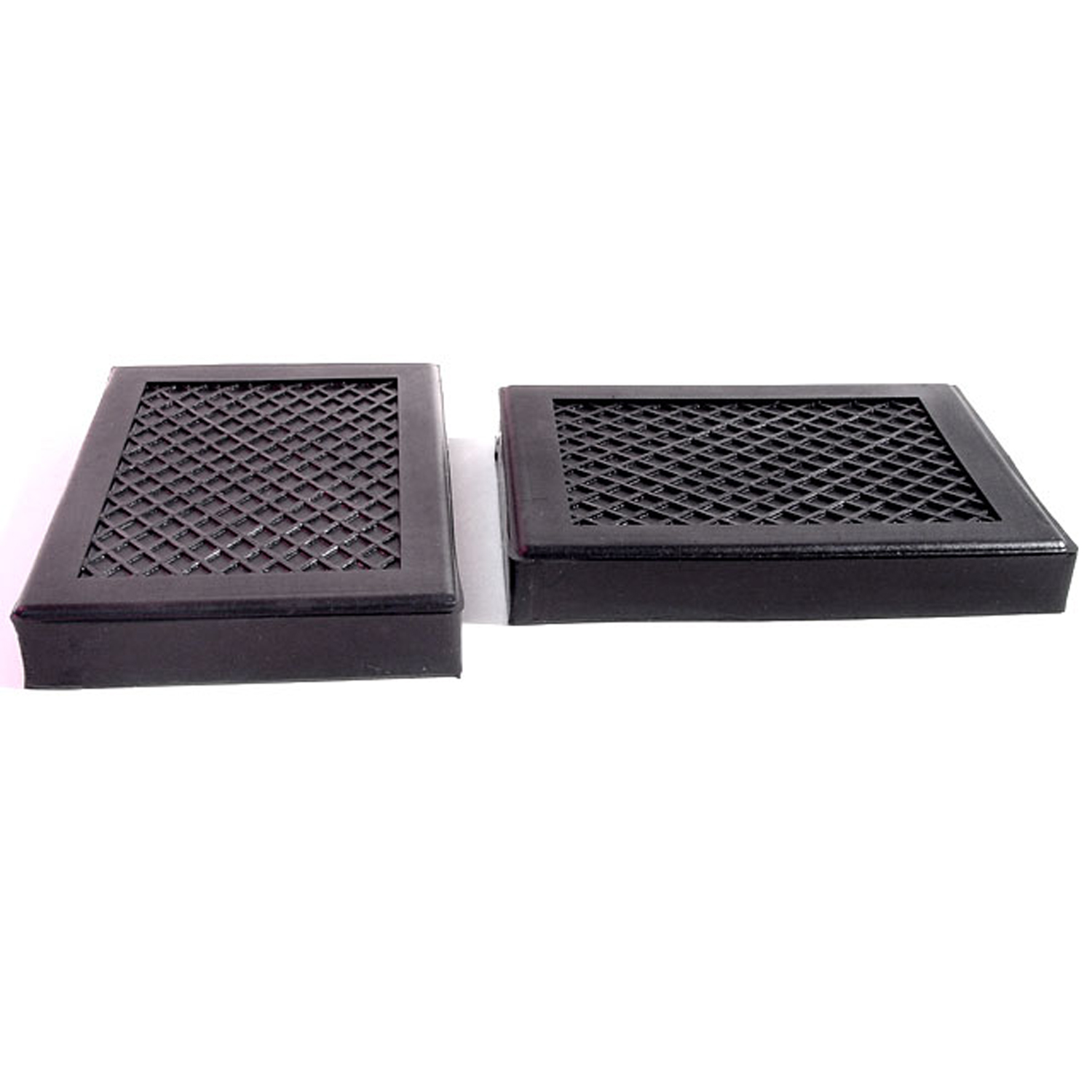 1947 Nash 600 Clutch and Brake Pedal Pads. 2-3/4" wide X 3-7/8" long-CB 48Clutch and Brake Pedal Pads. 2-3/4" wide X 3-7/8" long. Pair
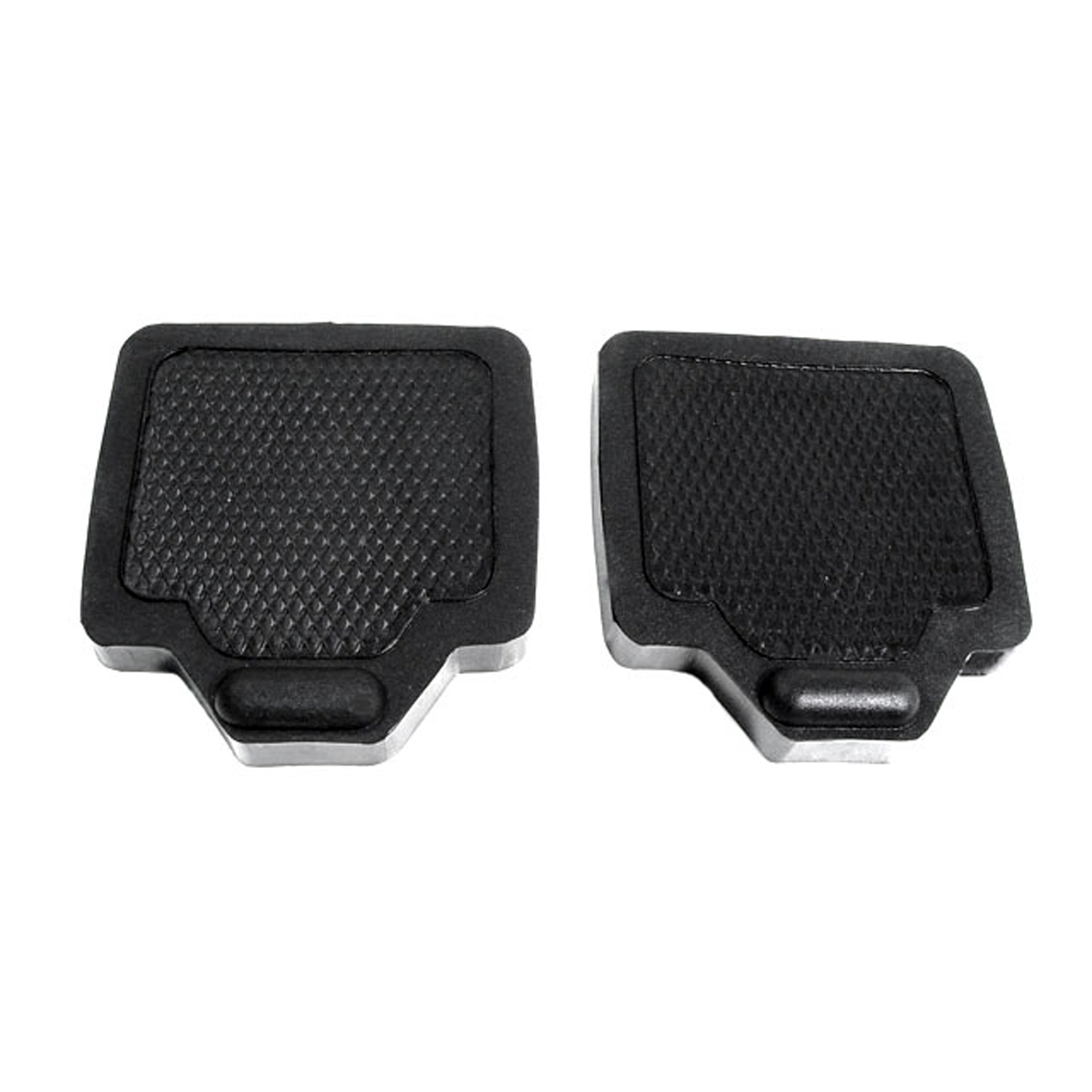 1947 Nash 600 Clutch and Brake Pedal Pads. 3-1/2" wide X 3-7/8" long-CB 55Clutch and Brake Pedal Pads. 3-1/2" wide X 3-7/8" long. Pair
 1947 Nash 600 Gravel Shields. Molded flat without metal backing plates-FS 33Gravel Shields. Molded flat without metal backing plates. Apply with contact cement. 17" long X 5" wide at bottom. Pair
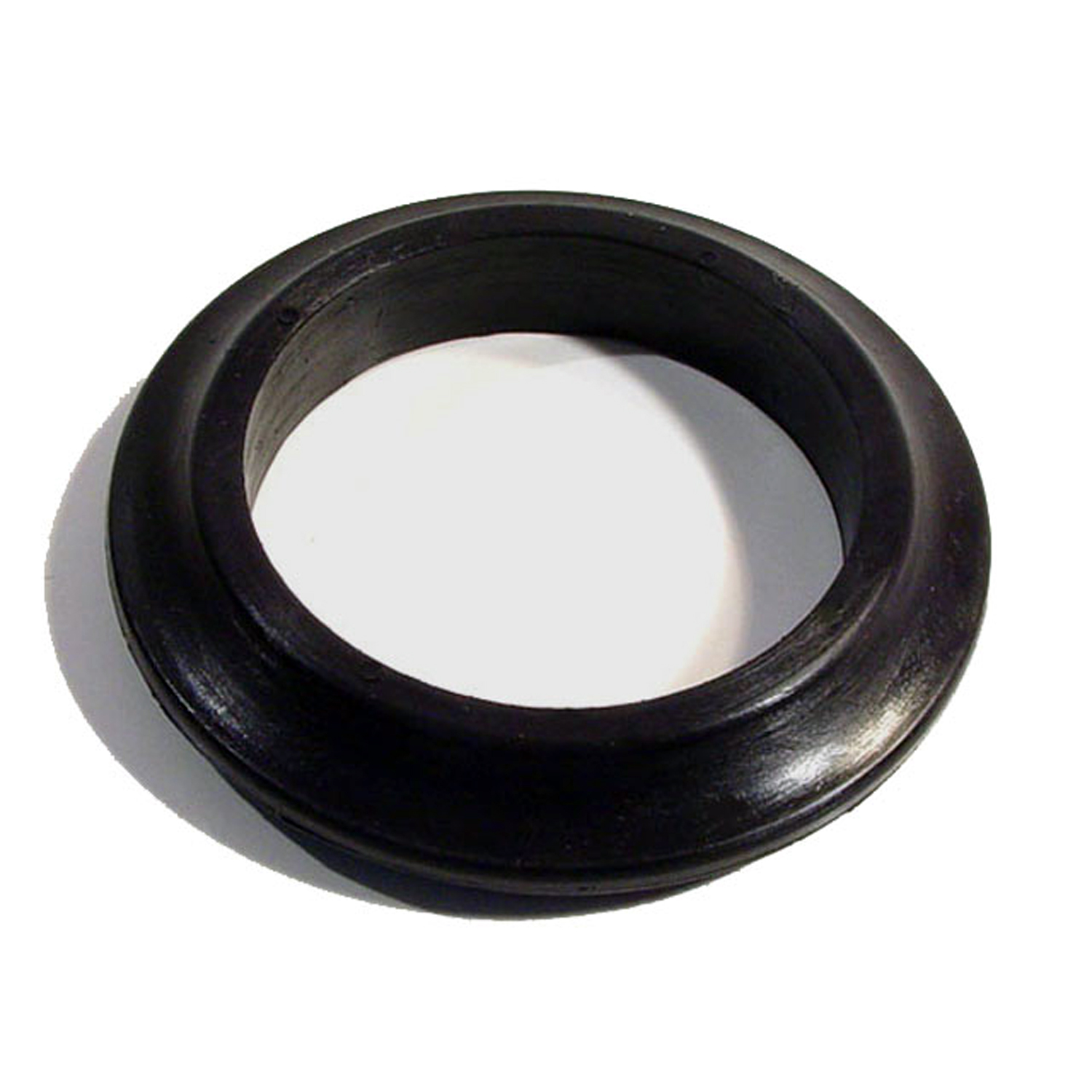 1947 Nash 600 Gas Filler Grommet. 2-1/4" I.D., 3-5/16" O.D. Each-GF 21Gas Filler Grommet. 2-1/4" I.D., 3-5/16" O.D. Each
 1947 Nash 600 Door side seal. Same as LP 40, but for a lighter seal-LP 40-ADoor side seal. Same as LP 40, but for a lighter seal. Fits many domestic passenger cars and trucks. Universal seal for street rods and customs. Used in Cobra kit cars as door weatherstrip. Per foot.
 1947 Nash 600 Flexible glass-run channel-WC 11-72Flexible glass-run channel. Mohair lined, cloth covered with stainless steel bead. Used on side windows. 72 in. long. Each. NOTE: $20 special shipping charge applies for domestic orders. Call or email for overseas shipping costs. Part can be sectioned in two equal lengths to reduce overseas shipping costs.
 1947 Nash 600 Front Vent Window Seals. Pair R&L-WR 2003Front Vent Window Seals. Pair R&L
Why Choose Metro?
For over 100 years, Metro Moulded Parts has been the pinnacle of quality in classic car restoration parts. Our commitment to precision and authenticity in every component ensures a perfect fit and an OEM-level appearance.
- Expert Craftsmanship & Quality: Each part is a testament to our dedication to reliability and perfection, crafted from original designs and thoroughly tested.
- Advanced Technology: We use cutting-edge techniques to create flawless, long-lasting parts that surpass others in performance.
- SuperSoft Sponge – The Ultimate Door Seal: Not only are our door seals 30% softer than competitors', but they're also guaranteed to never leak. They effectively reduce wind and road noise, enhancing your classic car's comfort and driving experience.
- Proudly American: Our parts are a product of American craftsmanship, made in the USA with a spirit of excellence and heritage.
- Unrivaled Warranty: We back our products with a 30-year industry-leading warranty, a testament to our confidence in their quality.
Join us in preserving the legacy of classic cars with parts that are crafted for perfection, not just made.