

Image of 1948 Nash Ambassador, Note: These illustrations use artistic license and may differ from actual historical models.
Performance Metrics
Fundamental Metrics
Emotional Appeal
MMP Rating
| Engine Specifications | |
|---|---|
| Engine Options: | Inline 6 |
| Displacement Range: | 234.8 cu in (3.8 L) |
| Horsepower Range: | 112 hp |
| Torque: | Estimated 200 lb-ft |
| Compression Ratio: | 7.3:1 |
| Ignition System: | Distributor and coil |
| Cooling System: | Liquid-cooled |
| Performance Specifications | |
| 0-60 Time: | Estimated 15 seconds |
| 1/4 Mile Time: | Not available |
| Top Speed: | 90 mph |
| Transmission and Drive | |
| Drive Type: | Rear-wheel drive |
| Transmission Type: | 3-speed manual |
| Fuel and Efficiency | |
| Fuel System Type: | Carburetor |
| MPG: | Estimated 15-20 mpg |
| Dimensions and Brakes | |
| Brakes: | Drum brakes |
| Wheelbase: | 121.0 in |
| Weight: | 3,200 lbs |
Note: Specifications for classic cars are given to the best of our ability, considering the limited and variant data available.
1948 Nash Ambassador: A Refined American Classic
The 1948 Nash Ambassador looked ready for the future while still carrying the comforts and proportions of a traditional American luxury car. Built by Nash-Kelvinator, it was the company’s flagship passenger car, combining distinctive fender styling, a roomy cabin, and a smooth six-cylinder engine at a time when postwar buyers were eager for new cars.
Nash had its roots in the early American auto industry. Founded by former General Motors president Charles W. Nash, the company merged with appliance maker Kelvinator in 1937, creating Nash-Kelvinator Corporation. The Ambassador sat above the more economical Nash 600 in the company’s lineup and appealed to buyers seeking extra space, trim, and prestige.
The 1948 model is especially interesting because it belongs to the final chapter of Nash’s prewar-inspired design era. Just one year later, the company introduced its dramatic Airflyte models, with the low, “Step-Down” body design that would become one of Nash’s most recognizable innovations. The 1948 Ambassador is therefore a useful snapshot of the transition from conventional postwar styling to Nash’s more radical new direction.
Distinctive Nash Styling and Cabin Comfort
The Ambassador’s shape was rounded and substantial, with flowing fenders, a long hood, and a broad grille that gave the car a confident road presence. Its front fenders blended smoothly into the body rather than appearing as separate, sharply defined shapes. That enclosed-fender treatment was a Nash signature, making the Ambassador look more streamlined than many competitors of the period.
Chrome accents, brightwork around the grille, and carefully shaped bumpers supplied the expected touch of postwar glamour without making the car look overly ornate. The Ambassador was larger and more imposing than the Nash 600, with a longer wheelbase and a more substantial stance. It remained a conventional, framed car, however, and should not be confused with the later Airflyte models’ lower step-down construction.
Inside, the Ambassador put comfort ahead of sportiness. The cabin offered generous seating, a wide bench, and upholstery typically finished in durable cloth or other period-appropriate materials, depending on trim and equipment. The dashboard used clear, traditional instruments and practical controls. Buyers could choose convenience features such as a radio, heater, clock, and other accessories, though equipment varied by car.
Factory paint choices changed with trim and production availability. Period Nash colors included subdued gray, green, blue, and tan shades, along with richer colors for buyers who wanted a more noticeable car. Today, original paint codes and surviving factory documentation are the best way to confirm a particular car’s correct color. Two-tone treatments and contrasting interior fabrics could add visual interest, but the Ambassador’s rounded body looked handsome in a simple, single-color finish as well.
The main Ambassador body styles were the four-door sedan and two-door club coupe, with availability and trim depending on the specific series. The sedan is the version most people associate with the model: practical, spacious, and well suited to family travel. Club coupes are less common and have a slightly sportier profile, though neither body style was intended as a performance car.
Engineering Before the Airflyte Era
Nash’s design thinking was already moving beyond convention. The company had pioneered features such as enclosed fenders and had explored more aerodynamic body shapes well before streamlined styling became a widespread postwar trend. The 1948 Ambassador carried that visual identity forward, even as rival manufacturers returned to familiar separate-fender designs and heavy chrome decoration.
It is important to separate the 1948 car from the better-known Nash innovations that followed. The famous Airflyte “Step-Down” design arrived for 1949, placing passengers lower within the body structure and creating a low center of gravity. The 1948 Ambassador did not have that layout. Instead, it represented Nash’s established, room-focused flagship just before the company made its boldest styling change.
That contrast is part of the Ambassador’s historical interest. It shows how automakers balanced proven construction and customer expectations with new ideas about aerodynamics, comfort, and packaging. Nash would later merge with Hudson in 1954 to form American Motors Corporation, but the Ambassador name continued to serve as a major part of Nash and AMC identity for years.
Six-Cylinder Power and Road Manners
The 1948 Ambassador was powered by a 234.8-cubic-inch inline-six, rated at approximately 112 horsepower. It was designed for smooth, dependable cruising rather than quick acceleration. Most cars used a three-speed manual transmission, and some were equipped with optional overdrive or an automatic transmission, depending on specification and market. Because equipment could differ, check the individual car’s build details before assuming it has a particular gearbox.
Period performance figures vary with body style, transmission, condition, and test method. A sound Ambassador could reach roughly 85 to 90 mph, with a 0-to-60 mph time in the neighborhood of 18 to 20 seconds. Those numbers put its mission in perspective: it had enough power for comfortable highway travel, but it was not built to challenge a contemporary V8 for acceleration.
On the road, the Ambassador’s long wheelbase and substantial weight helped it settle over ordinary bumps and rough pavement. Its steering and suspension feel is distinctly vintage, with more body movement and less precision than a modern car. On winding roads, drivers need to plan ahead, use the steering smoothly, and remember that 1940s brakes and tires do not offer modern levels of grip or stopping power.
The engine’s sound is part of the appeal. The inline-six produces a low, steady mechanical note rather than a sharp performance roar. The driving experience is relaxed: a broad bench seat, generous cabin space, and a measured engine encourage an easy pace. For a car nearly eight decades old, a well-maintained example can still feel composed, but it rewards attentive driving rather than hurried inputs.
Living With a 1948 Ambassador
Today, the Ambassador is most often used as a show car, a weekend cruiser, or a participant in vintage-car tours. It can be driven regularly by an owner prepared to keep up with maintenance, but it is not an effortless modern daily driver. Parts availability is mixed: common service items may be sourced through classic-car suppliers, while model-specific trim, body pieces, and some mechanical components can take patience to find.
Many basic repairs are within reach of an experienced home mechanic. The mechanical systems are comparatively straightforward, and the car predates the electronic controls found in modern vehicles. Still, age brings its own challenges. A new owner should inspect the frame and body for rust, check the cooling and fuel systems, assess the brakes and steering, and look carefully for improvised wiring or incomplete restoration work.
Reliability depends heavily on condition and upkeep. A sound engine is only one part of the picture: worn suspension, old tires, weak brakes, and deteriorated wiring can make an otherwise attractive car frustrating or unsafe. For regular road use, preserving the car’s original character while ensuring that its safety-critical systems work properly is the sensible approach.
Small Details and Nash Trivia
The 1948 Ambassador is often overshadowed by the spectacular 1949 Airflyte, which gives the earlier car a quieter kind of appeal. It is a bridge between Nash’s prewar design heritage and its postwar experiments, rather than the headline-grabbing design revolution itself.
There is no widely recognized speed or endurance record associated specifically with the 1948 Ambassador. Its achievement was more practical: it helped Nash offer a credible, comfortable flagship during a period when the independent automakers were competing against much larger rivals. Nor is there a single famous celebrity ownership story that defines the model. Its appeal today rests more on its unusual styling and relative rarity than on a connection to a particular famous owner.
One common criticism is that the Ambassador’s rounded body can look heavy beside the cleaner, more modern forms that appeared later in the decade. Others find the car’s leisurely acceleration and dated braking feel less appealing than its appearance suggests. Those are fair observations, but they also explain the car’s character: it was designed as a comfortable family automobile, not a sports sedan.
Collector Values and Availability
Production estimates for the 1948 Ambassador are generally in the tens of thousands. A reasonable working estimate is roughly 30,000 to 40,000 cars across the model’s versions, though exact totals can vary with how production figures are grouped. That makes it uncommon today, but not necessarily a one-off rarity. Surviving examples are scattered, and a well-preserved car with complete trim and documentation can be much harder to find than the production estimate suggests.
As a broad current-market guide, a project car may sell for around $5,000 to $10,000. A usable driver in fair to good condition might fall in the $10,000 to $20,000 range, while a very well-restored or unusually original example could bring approximately $25,000 to $40,000 or more. These are estimates, not fixed valuations: body style, originality, rust, restoration quality, location, and the availability of parts all affect the final price.
The Ambassador has a dedicated but relatively small collector audience. Values tend to be condition-driven rather than powered by the fast appreciation seen in some high-profile muscle cars. Excellent examples may strengthen in value as distinctive pre-1950 cars become harder to find, but buyers should focus on quality and provenance rather than assuming rapid returns. A car with sound structure and honest history is often a better buy than a flashy restoration with hidden problems.
Why the 1948 Nash Ambassador Matters
The 1948 Nash Ambassador combined a smooth 112-horsepower six, spacious accommodations, and styling that stood apart from the postwar crowd. It was a comfortable flagship with a look shaped by Nash’s interest in enclosed fenders and streamlined forms, yet it remained rooted in traditional construction and driving manners.
That in-between status is its lasting charm. The Ambassador is not as famous as the Airflyte that followed, but it captures the moment just before Nash made its leap into a new design era. For collectors who value character, American automotive history, and a car that invites a slower drive, the 1948 Nash Ambassador remains a distinctive and rewarding classic.
1948 Nash Ambassador Catalog of Parts
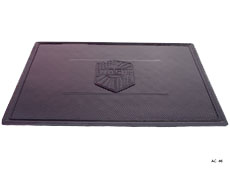 1948 Nash Ambassador Accessory Floor Mat - 12"X17"-AC 46Accessory Floor Mat - made of high quality black rubber with molded original emblem. Also designed to be sewn into new carpets. 12"X17", Each
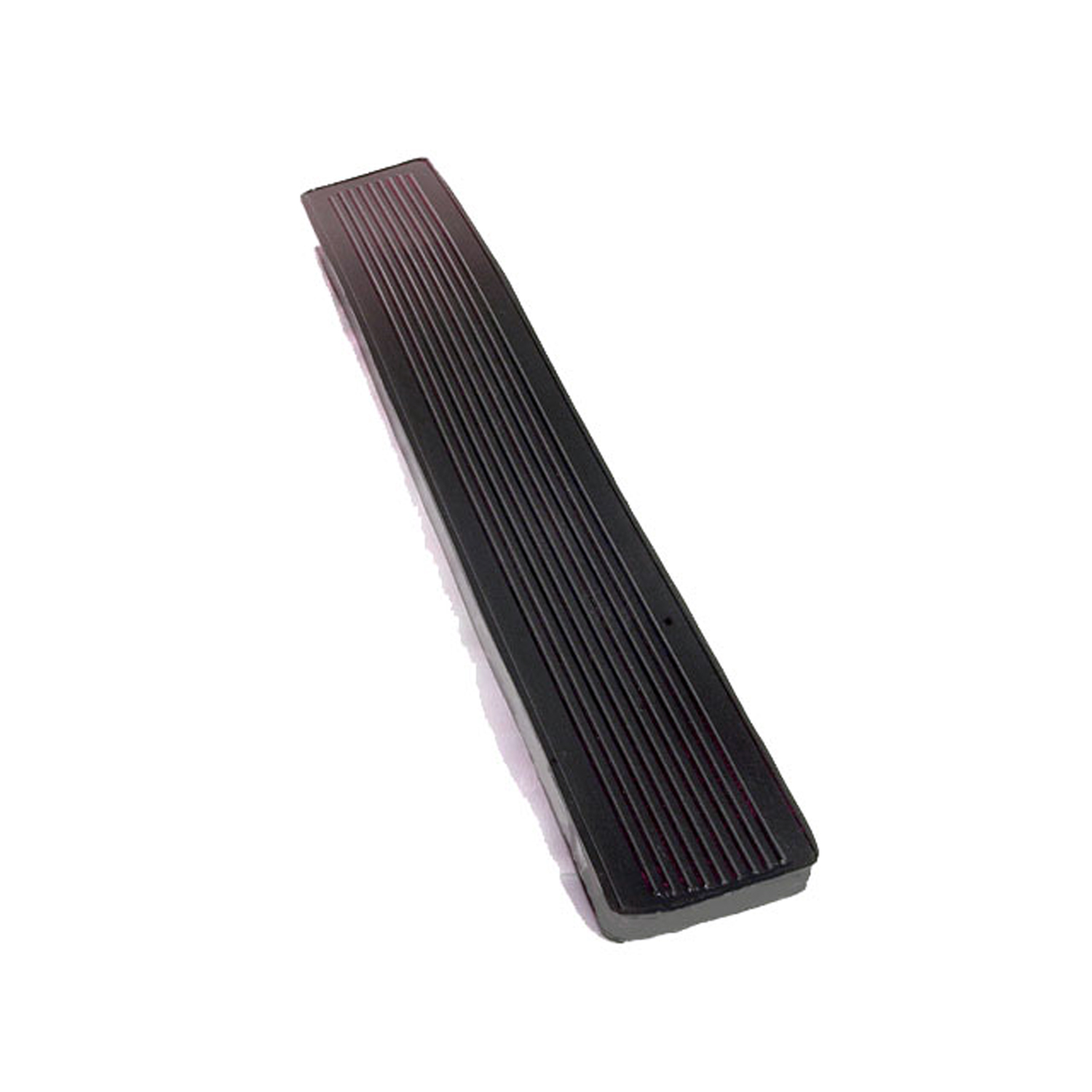 1948 Nash Ambassador Accelerator Pedal Pad, 1-1/2" X 9-3/4", Each-AP 21Accelerator Pedal Pad, 1-1/2" X 9-3/4", Each
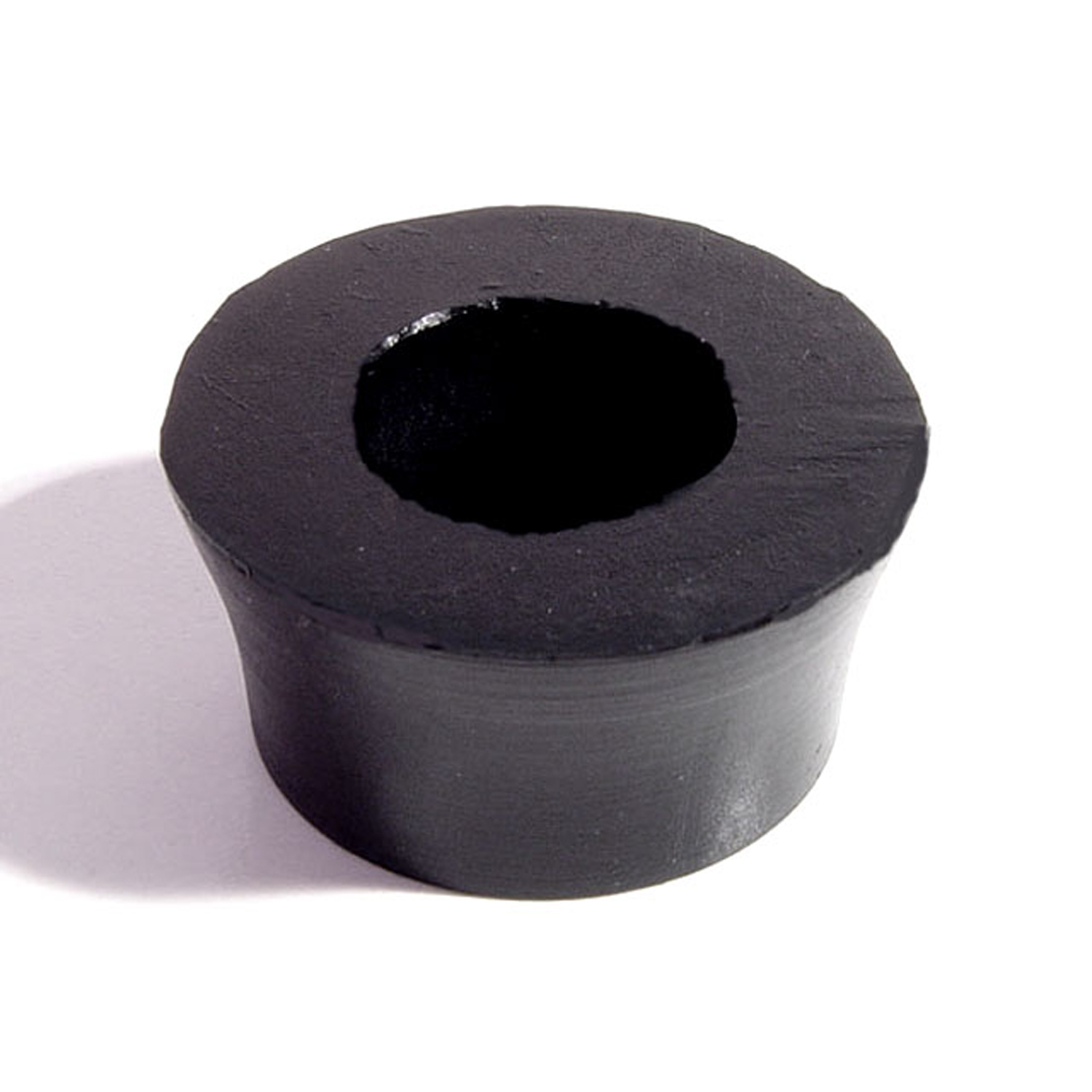 1948 Nash Ambassador Shock Absorber Grommet. 1" bottom O.D., 5/8" high-BN 10Shock Absorber Grommet. 1" bottom O.D., 5/8" high., with 5/8" I.D. Each
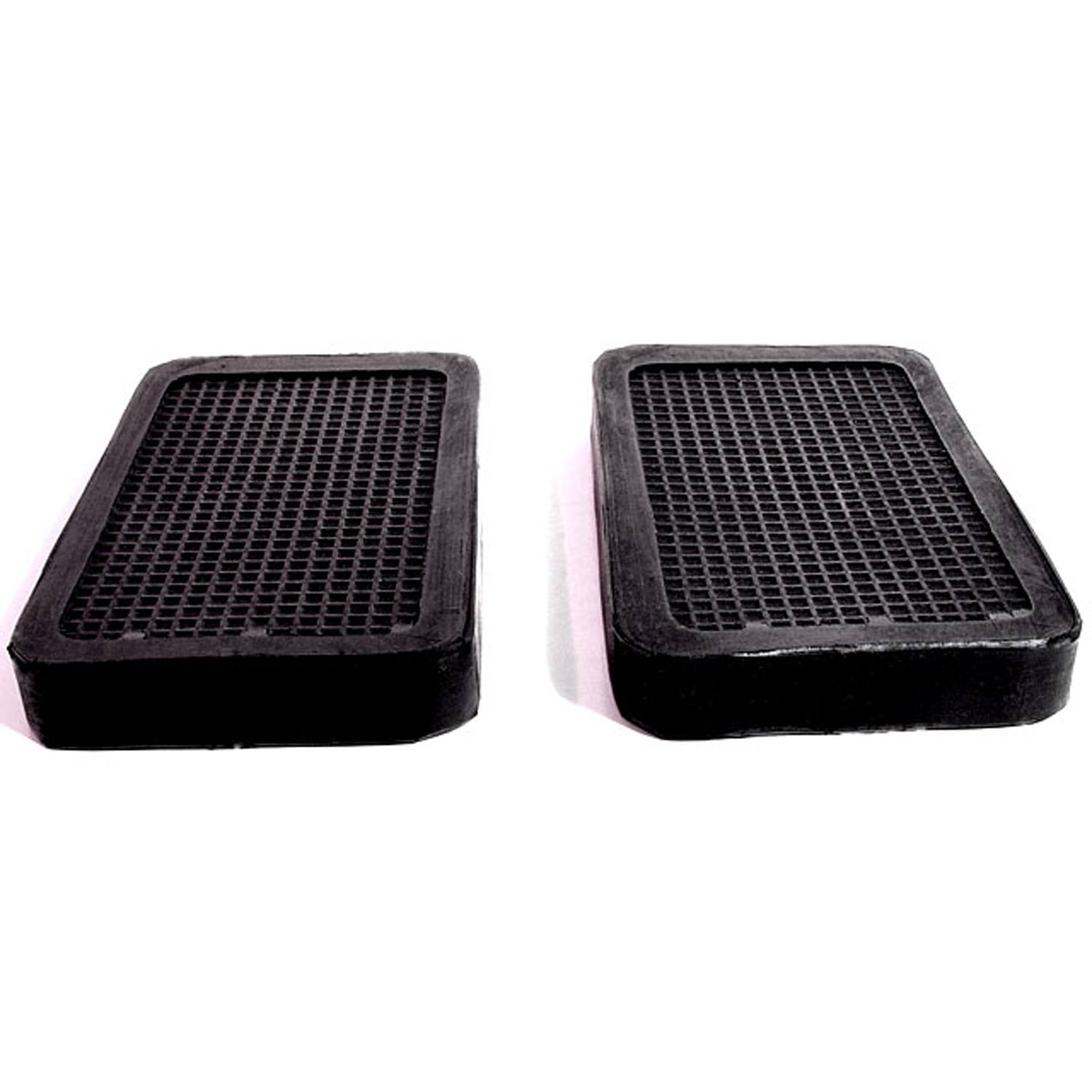 1948 Nash Ambassador Clutch and Brake Pedal Pads. 2-1/4" wide X 4" long. Pair-CB 20Clutch and Brake Pedal Pads. 2-1/4" wide X 4" long. Pair
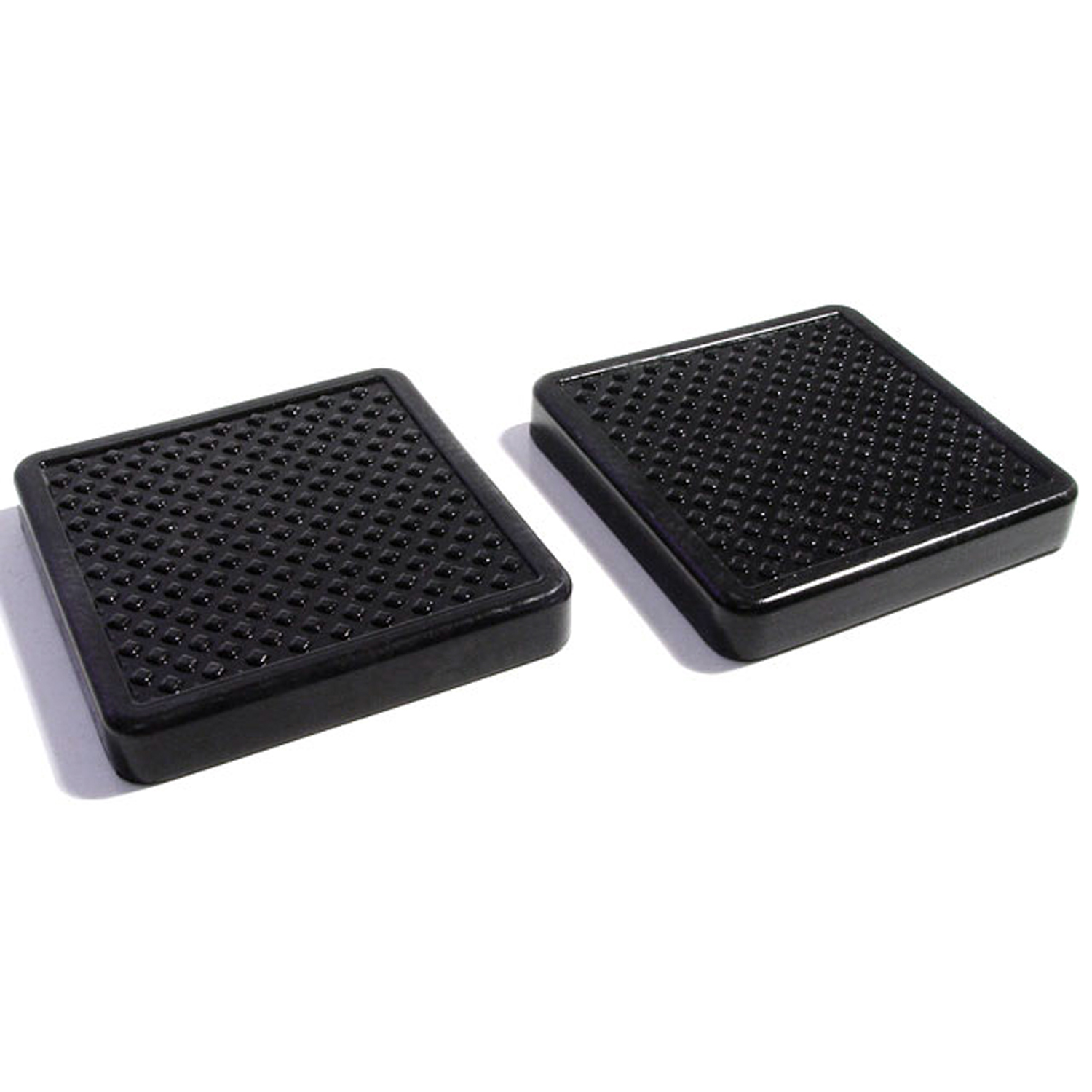 1948 Nash Ambassador Clutch and Brake Pedal Pads. 3" wide X 3" long. Pair-CB 47Clutch and Brake Pedal Pads. 3" wide X 3" long. Pair
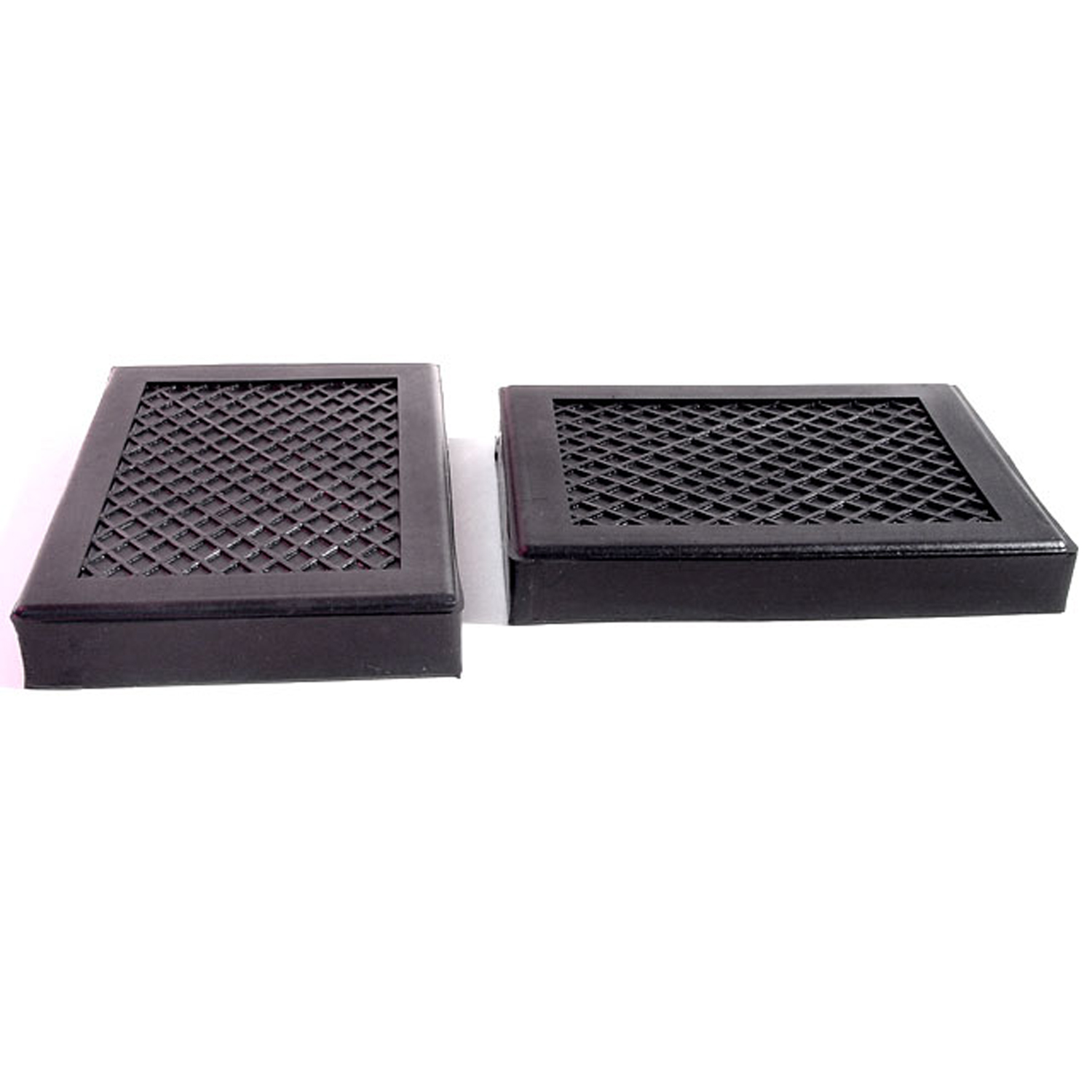 1948 Nash Ambassador Clutch and Brake Pedal Pads. 2-3/4" wide X 3-7/8" long-CB 48Clutch and Brake Pedal Pads. 2-3/4" wide X 3-7/8" long. Pair
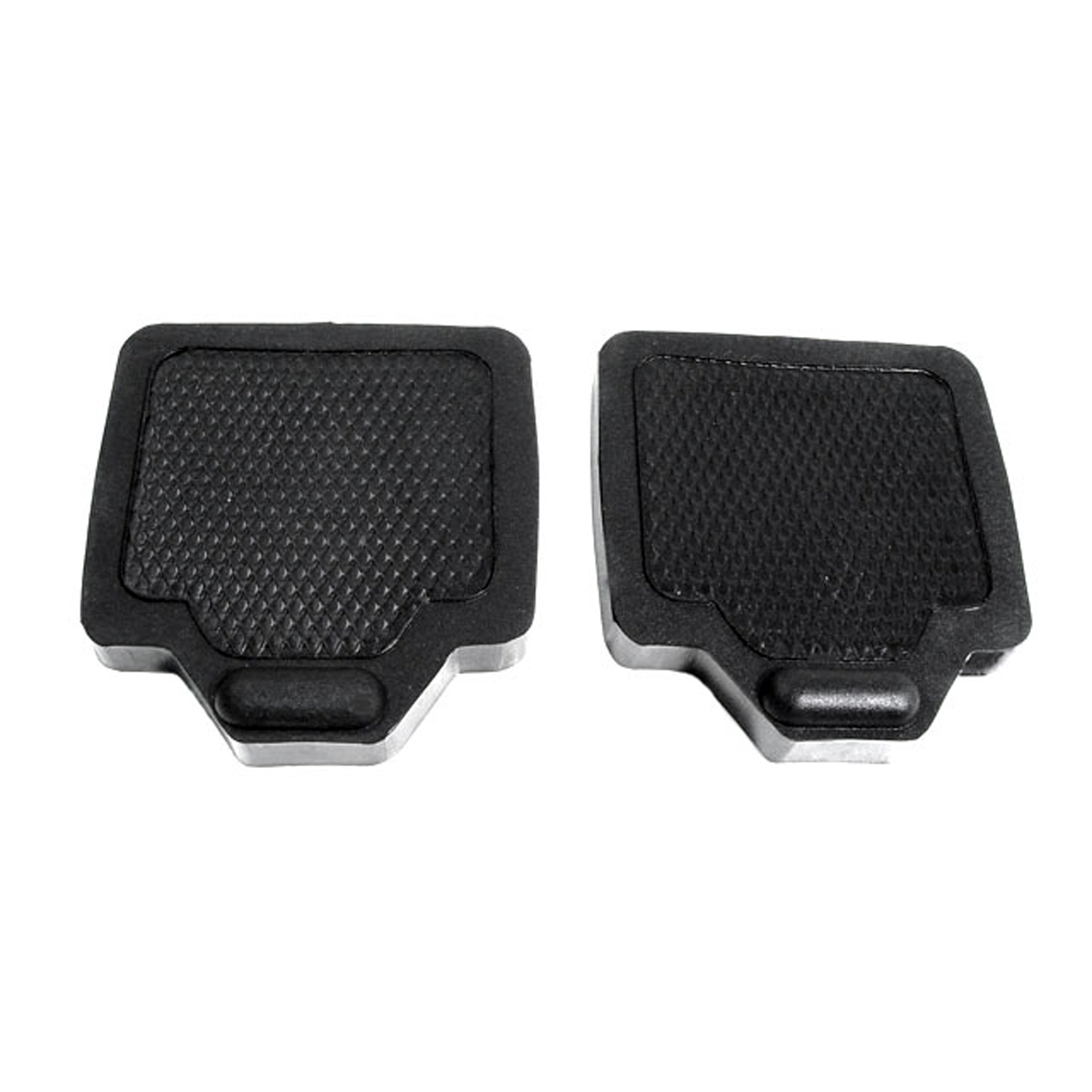 1948 Nash Ambassador Clutch and Brake Pedal Pads. 3-1/2" wide X 3-7/8" long-CB 55Clutch and Brake Pedal Pads. 3-1/2" wide X 3-7/8" long. Pair
 1948 Nash Ambassador Gravel Shields. Molded flat without metal backing plates-FS 33Gravel Shields. Molded flat without metal backing plates. Apply with contact cement. 17" long X 5" wide at bottom. Pair
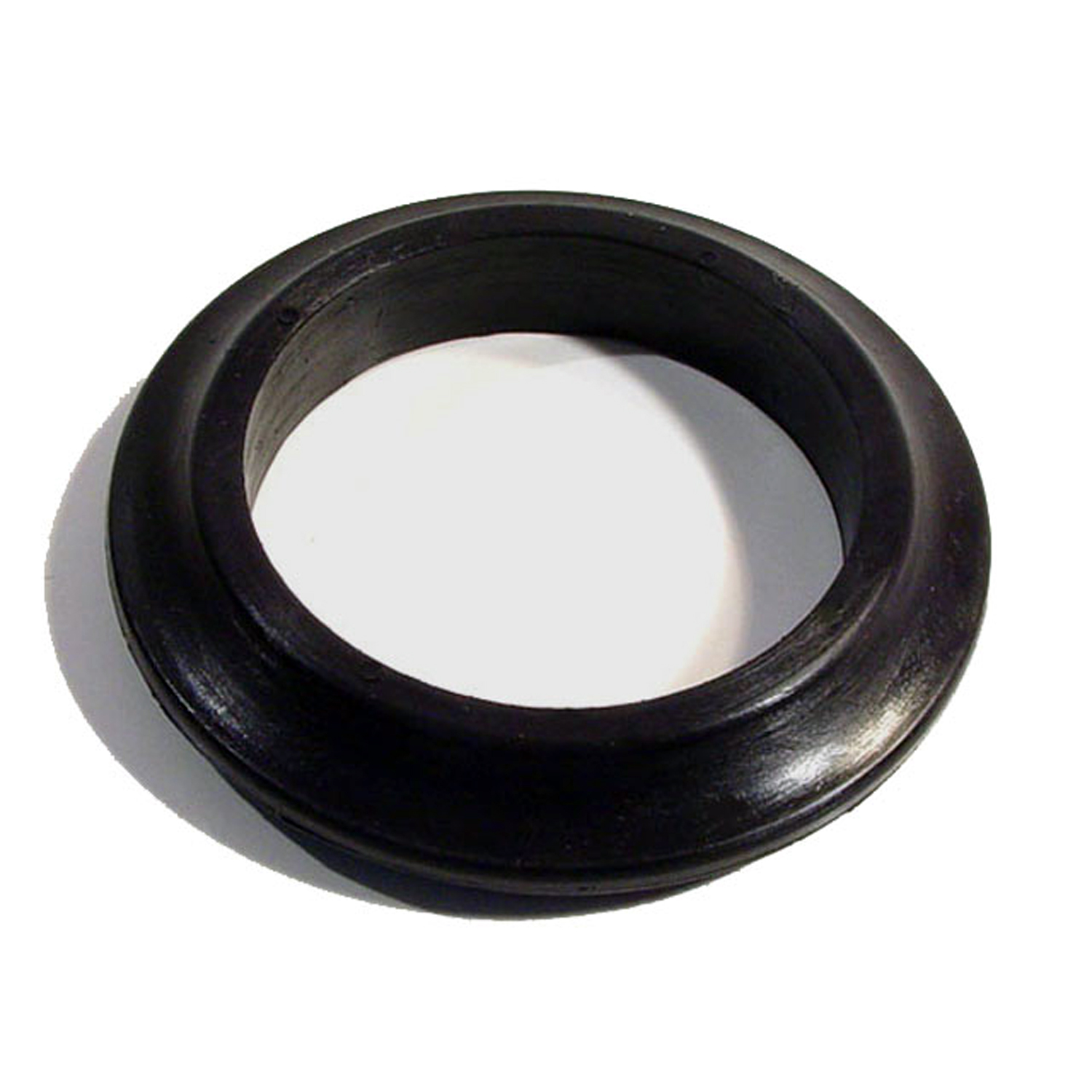 1948 Nash Ambassador Gas Filler Grommet. 2-1/4" I.D., 3-5/16" O.D. Each-GF 21Gas Filler Grommet. 2-1/4" I.D., 3-5/16" O.D. Each
 1948 Nash Ambassador Door side seal. Same as LP 40, but for a lighter seal-LP 40-ADoor side seal. Same as LP 40, but for a lighter seal. Fits many domestic passenger cars and trucks. Universal seal for street rods and customs. Used in Cobra kit cars as door weatherstrip. Per foot.
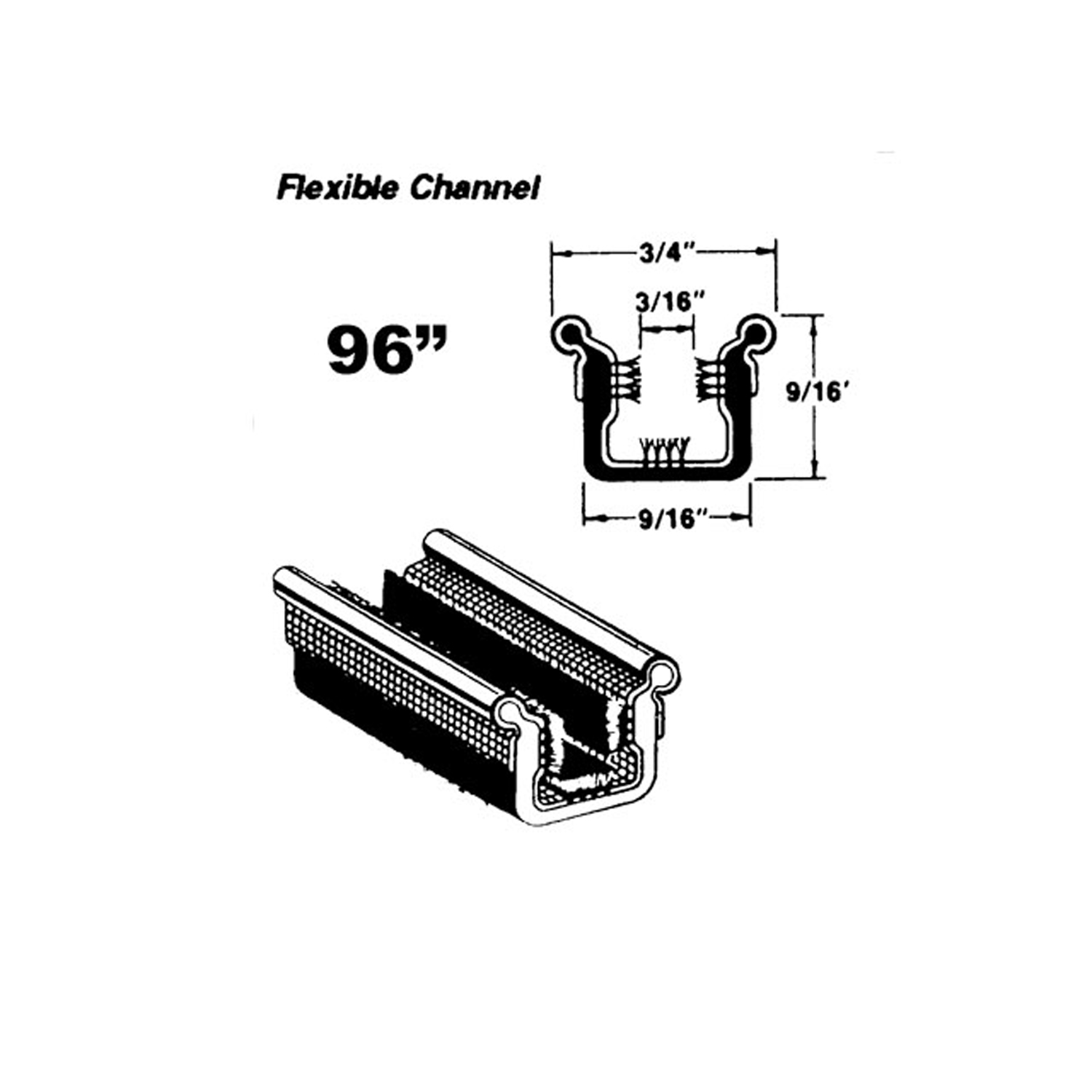 1948 Nash Ambassador Flexible window channel-WC 10-96Flexible window channel. Rubber covered with mohair lining and stainless steel bead. 96 in. long. Each. NOTE: $20 special shipping charge applies for domestic orders. Call or email for overseas shipping costs. Part can be sectioned in two or three equal lengths to reduce overseas shipping costs.
 1948 Nash Ambassador Flexible glass-run channel-WC 11-72Flexible glass-run channel. Mohair lined, cloth covered with stainless steel bead. Used on side windows. 72 in. long. Each. NOTE: $20 special shipping charge applies for domestic orders. Call or email for overseas shipping costs. Part can be sectioned in two equal lengths to reduce overseas shipping costs.
 1948 Nash Ambassador Front Vent Window Seals. Pair R&L-WR 2003Front Vent Window Seals. Pair R&L
Why Choose Metro?
For over 100 years, Metro Moulded Parts has been the pinnacle of quality in classic car restoration parts. Our commitment to precision and authenticity in every component ensures a perfect fit and an OEM-level appearance.
- Expert Craftsmanship & Quality: Each part is a testament to our dedication to reliability and perfection, crafted from original designs and thoroughly tested.
- Advanced Technology: We use cutting-edge techniques to create flawless, long-lasting parts that surpass others in performance.
- SuperSoft Sponge – The Ultimate Door Seal: Not only are our door seals 30% softer than competitors', but they're also guaranteed to never leak. They effectively reduce wind and road noise, enhancing your classic car's comfort and driving experience.
- Proudly American: Our parts are a product of American craftsmanship, made in the USA with a spirit of excellence and heritage.
- Unrivaled Warranty: We back our products with a 30-year industry-leading warranty, a testament to our confidence in their quality.
Join us in preserving the legacy of classic cars with parts that are crafted for perfection, not just made.