

Image of 1949 Nash 600 Custom, Note: These illustrations use artistic license and may differ from actual historical models.
Performance Metrics
Fundamental Metrics
Emotional Appeal
MMP Rating
| Engine Specifications | |
|---|---|
| Engine: | Inline 6 |
| Displacement: | 172.6 cu in (2.8 L) |
| Horsepower: | 82 hp |
| Torque: | Estimated 130 lb-ft |
| Compression Ratio: | 7.3:1 |
| Ignition System: | Battery Ignition |
| Cooling System: | Water-cooled |
| Performance Specifications | |
| 0-60 Time: | Estimated 20 seconds |
| 1/4 Mile Time: | Not available |
| Top Speed: | 80 mph |
| Transmission and Drive | |
| Drive Type: | Rear-wheel drive |
| Transmission Type: | 3-speed manual |
| Fuel and Efficiency | |
| Fuel System Type: | Carburetor |
| MPG: | Estimated 20-25 mpg |
| Dimensions and Brakes | |
| Brakes: | Drum brakes |
| Wheelbase: | 112 in |
| Weight: | 3100 lbs |
Note: Specifications for classic cars are given to the best of our ability, considering the limited and variant data available.
1949 Nash 600 Custom: The Streamlined Postwar Sedan
The 1949 Nash 600 Custom looked as if it had been shaped by a wind tunnel, not a styling studio. Its smooth, rounded body stood out sharply from the square-edged American sedans around it, while its lightweight, unitized construction gave Nash a genuine engineering talking point.
Nash Motors of Kenosha, Wisconsin, built the 600 as part of its postwar range. The company traced its roots to 1916, when former General Motors president Charles W. Nash founded Nash Motors. By 1949, the independent automaker was competing with the much larger Big Three, and distinctive design and practical engineering were important ways to stand apart.
The 600 name was already familiar to Nash buyers. It had first been used before the war and referred to Nash’s fuel-economy claims: under favorable conditions, the car could travel roughly 600 miles on a tank. The 1949 model brought that name into the new Airflyte era, with a thoroughly modern body and a reputation for frugal, comfortable motoring.
Airflyte Styling and Custom Trim
The 1949 Nash 600 Custom’s defining feature is its rounded, almost continuous body shape. The front fenders flow into the doors, the hood and roof have soft contours, and the rear fenders are partially covered by skirts. The result is a broad, enclosed look that earned the car the informal nickname “bathtub Nash.” That nickname is memorable, though it does not quite capture how purposeful the design looked in its own time.
Custom trim added a more finished appearance than the lower-priced 600 models. Bright exterior trim, wheel covers, and carefully coordinated interior appointments helped give the car an upscale presence without placing it in Nash’s more expensive Ambassador line. The exact equipment and trim details could vary by body style and factory configuration.
The 600 Custom was offered as a sedan, with two-door and four-door versions among the principal choices. The four-door sedan is often the most recognizable family-car configuration, while the two-door gives the rounded body a slightly sportier profile. Nash’s model range and body offerings changed over time, so buyers looking at a particular car should check its year-specific identification and factory documentation.
Period colors included a range of subdued and richer finishes typical of postwar American cars: dark greens and blues, maroon shades, gray, black, and lighter cream or tan tones. Names and availability varied by year and trim. Today, a well-presented example in a deep blue, green, or maroon tends to make the sculpted bodywork especially noticeable, but an authentic, documented color is often more important to collectors than a fashionable repaint.
A Comfortable, Practical Cabin
Inside, the 600 Custom was designed for everyday travel rather than sporting theatrics. Broad bench seats, cloth upholstery, and a straightforward dashboard created a roomy, welcoming cabin. The materials were appropriate to a well-equipped American sedan of the late 1940s: durable fabric, painted or finished metal surfaces, and bright trim used as an accent rather than as decoration for its own sake.
The car’s generous width and relatively low floor helped it feel spacious. The large windows provided good outward visibility, while the soft seat cushions and relaxed driving position suited long trips. Compared with a modern car, the controls are simple and direct, but the steering wheel, column-mounted gearshift, and broad dashboard can feel unfamiliar to drivers accustomed to contemporary ergonomics.
Nash’s Weather Eye heating and ventilation system was one of the company’s notable comfort features. Nash had developed the system before the war, and it reflected the company’s interest in managing airflow and cabin comfort, not just adding engine power. Depending on equipment, buyers could also find conveniences such as overdrive, which reduced engine speed during suitable highway driving.
Engineering Ahead of Its Time
The 600’s most important technical feature was its unitized body-and-frame construction. Instead of building a separate body and mounting it on a conventional ladder frame, Nash joined the structural body sections into a single load-bearing assembly. Nash was not the first automaker ever to use this idea, but the 600 helped bring unitized construction into wider American production before it became commonplace.
That approach reduced weight and gave Nash a strong platform for its smooth, integrated styling. It also contributed to the company’s fuel-economy message. In an era when many buyers still associated a substantial car with a heavy separate frame, the 600 offered a different balance of size, structure, and efficiency.
The Airflyte design also made the car unmistakable. Its rounded shape was a clear departure from the upright, separate-fender styling many competitors retained. Contemporary tastes were divided: some buyers admired its modern, aerodynamic appearance, while others found it too bulbous. Either way, the Nash did not disappear into a crowd, and its design remains one of the clearest expressions of postwar American optimism and experimentation.
Engine, Speed, and Road Manners
Power came from Nash’s 172.6-cubic-inch L-head inline-six, rated at about 82 horsepower. A three-speed manual transmission was standard, with the gearshift mounted on the steering column. Overdrive was available on some configurations. These figures were modest even by late-1940s American standards, but the 600’s relatively light construction helped the six-cylinder engine do its job without needing a large displacement.
Period performance figures and modern test results vary with condition, gearing, tires, and tuning. A healthy, stock 1949 Nash 600 Custom can generally be thought of as an approximately 75-to-80-mph car, with 0-to-60-mph acceleration likely taking around 20 to 25 seconds. Those are practical estimates, not guaranteed factory test numbers. The Nash was built to cruise and carry a family, not to win stoplight contests.
On a smooth road, the car feels relaxed and substantial. Its soft suspension takes the edge off ordinary bumps, and the long, rounded body settles into a comfortable pace. The trade-off is that it does not respond with modern precision: the steering is unassisted, body lean is noticeable in corners, and the drum brakes require more anticipation than contemporary disc systems. On winding roads, smooth inputs suit the car better than abrupt steering or braking.
From behind the wheel, the inline-six gives a steady, low-pitched hum rather than a sharp performance-car snarl. The column shift has a long, deliberate action, and the car rewards an unhurried driving style. In crosswinds, the broad body and period tires call for a firm but relaxed grip. With sound suspension components and correctly maintained brakes, it can be a pleasant vintage tourer, though it belongs in modern traffic only with appropriate caution and defensive driving.
Living With a 1949 Nash 600
Most surviving 600 Customs are best suited to weekend outings, local club events, and classic-car shows. A sound example can be driven regularly, but using one as a modern daily driver requires realistic expectations. It lacks current safety equipment, has modest acceleration, and benefits from keeping to roads and speeds that suit its age.
The basic mechanical layout is approachable for an experienced home mechanic. Routine work such as ignition service, lubrication, cooling-system maintenance, and brake inspection follows familiar principles. The flathead six is not complicated, but age matters: decades of storage, improvised repairs, and worn electrical or fuel-system parts can turn a simple job into a larger restoration task.
Parts availability is mixed. Some mechanical components can be sourced through specialist suppliers, vintage-car networks, or careful interchange research. Nash-specific trim, body panels, glass, and interior pieces can be more difficult to find, and restoring the unitized body properly may require a shop familiar with older structural construction. Before buying, inspect the body carefully for rust and previous collision repairs, as sound cosmetics can hide expensive structural work.
Worth Knowing: Nash 600 Facts
The “600” name is a memorable piece of automotive marketing, tied to Nash’s claim that the car could cover about 600 miles on a tank under favorable conditions. It should be understood as a range claim rather than a universal real-world guarantee. Driving style, road conditions, maintenance, and fuel load all affected the actual distance.
The 1949 model also belongs to a major turning point in Nash’s history. It was part of the new Airflyte generation that gave the company a distinctive postwar identity. Nash later joined with Hudson in 1954 to form American Motors Corporation, making the 600 part of the story of the independent American manufacturers that challenged the industry’s largest firms.
There is no widely recognized 1949 Nash 600 Custom speed or endurance record that defines the model, and celebrity ownership is not central to its reputation. Its more lasting distinction is engineering and design: a relatively light unitized body, unusual aerodynamic styling, and a strong focus on comfort and economy. Its most common criticism is also obvious: the bulbous styling is loved by some and disliked by others. The car’s modest power and comparatively limited parts supply are practical drawbacks for today’s owners.
Collector Values and Availability
The 1949 Nash 600 Custom is uncommon in the classic-car market, but it is not generally treated as an ultra-rare collectible. Production totals are not always broken down cleanly by model, trim, and body style in commonly available sources. A reasonable estimate is that roughly 50,000 to 60,000 Nash 600s were built for the 1949 model year across the range, with the number of surviving Customs considerably smaller. This is an informed estimate, not a verified Custom-only production figure.
As a broad U.S. market guide in 2026, a project car may sell for about $3,000 to $8,000, depending heavily on completeness and rust. A running driver or older restoration might bring roughly $10,000 to $22,000. A very good, properly restored example could fall around $25,000 to $40,000, with exceptional cars occasionally reaching higher prices when condition, originality, documentation, and buyer interest align. Actual sale prices vary substantially by region and vehicle quality.
Values have generally been steady rather than explosive. The 600 attracts enthusiasts who appreciate unusual postwar design and Nash engineering, but its niche appeal and restoration costs limit the pool of buyers. A sound, original car is often a better financial proposition than a neglected project, especially when scarce trim and body parts are missing. Long-term value is most likely to favor well-preserved examples with correct details and clear ownership history.
Why the 1949 Nash 600 Custom Still Matters
The 1949 Nash 600 Custom combines unmistakable Airflyte styling, practical six-cylinder power, and unitized construction at a time when American automakers were defining the postwar car. It was comfortable, economical by the standards of its class, and technically distinctive, even if its rounded shape and modest performance were not to every buyer’s taste.
More than a quirky old sedan, the 600 is a reminder that innovation in the American auto industry did not come only from the biggest manufacturers. Its smooth body, thoughtful engineering, and unmistakable character make the Nash 600 Custom a memorable classic: a car that chose its own direction and never looked like anything else on the road.
1949 Nash 600 Custom Catalog of Parts
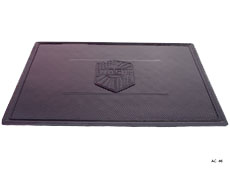 1949 Nash 600 Custom Accessory Floor Mat - 12"X17"-AC 46Accessory Floor Mat - made of high quality black rubber with molded original emblem. Also designed to be sewn into new carpets. 12"X17", Each
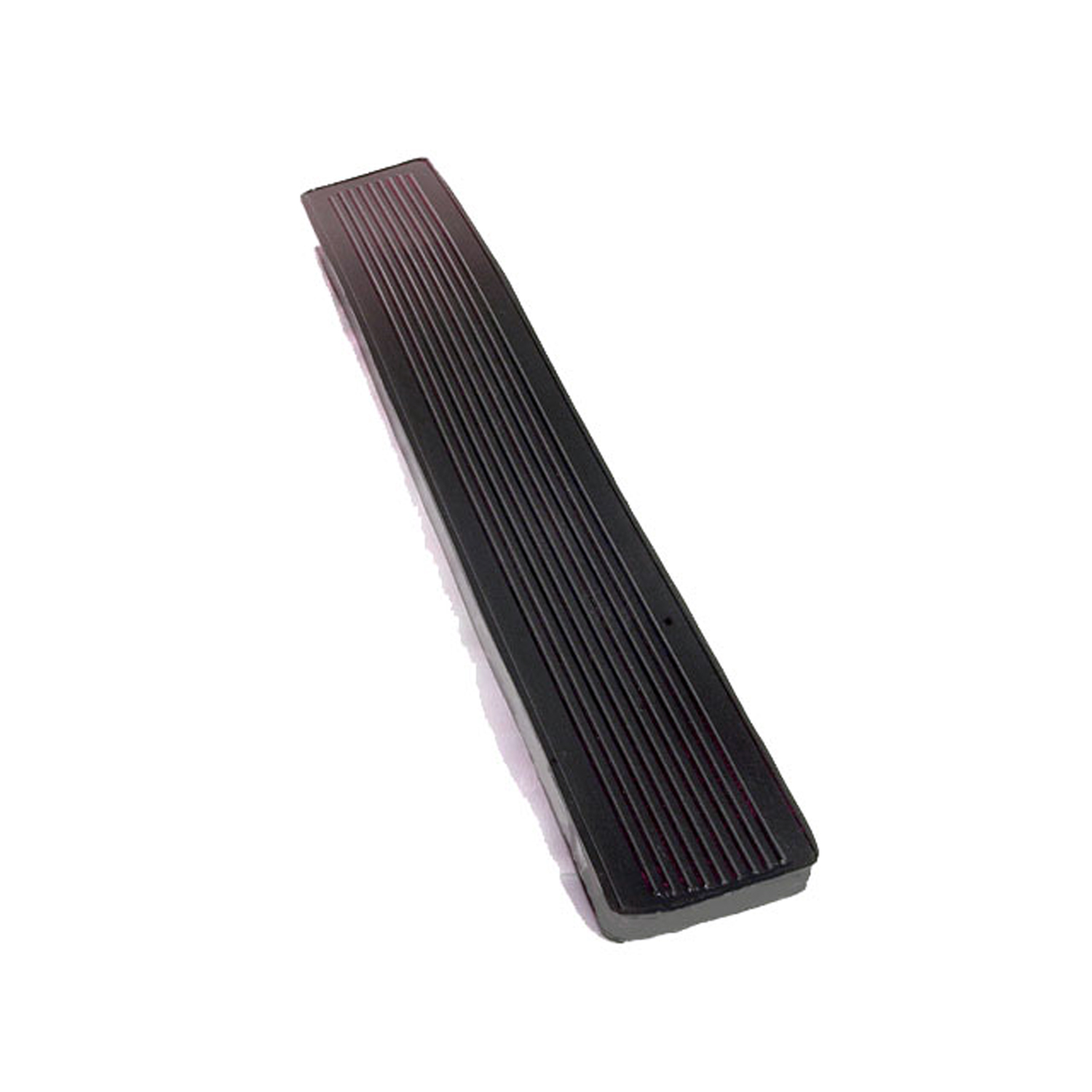 1949 Nash 600 Custom Accelerator Pedal Pad, 1-1/2" X 9-3/4", Each-AP 21Accelerator Pedal Pad, 1-1/2" X 9-3/4", Each
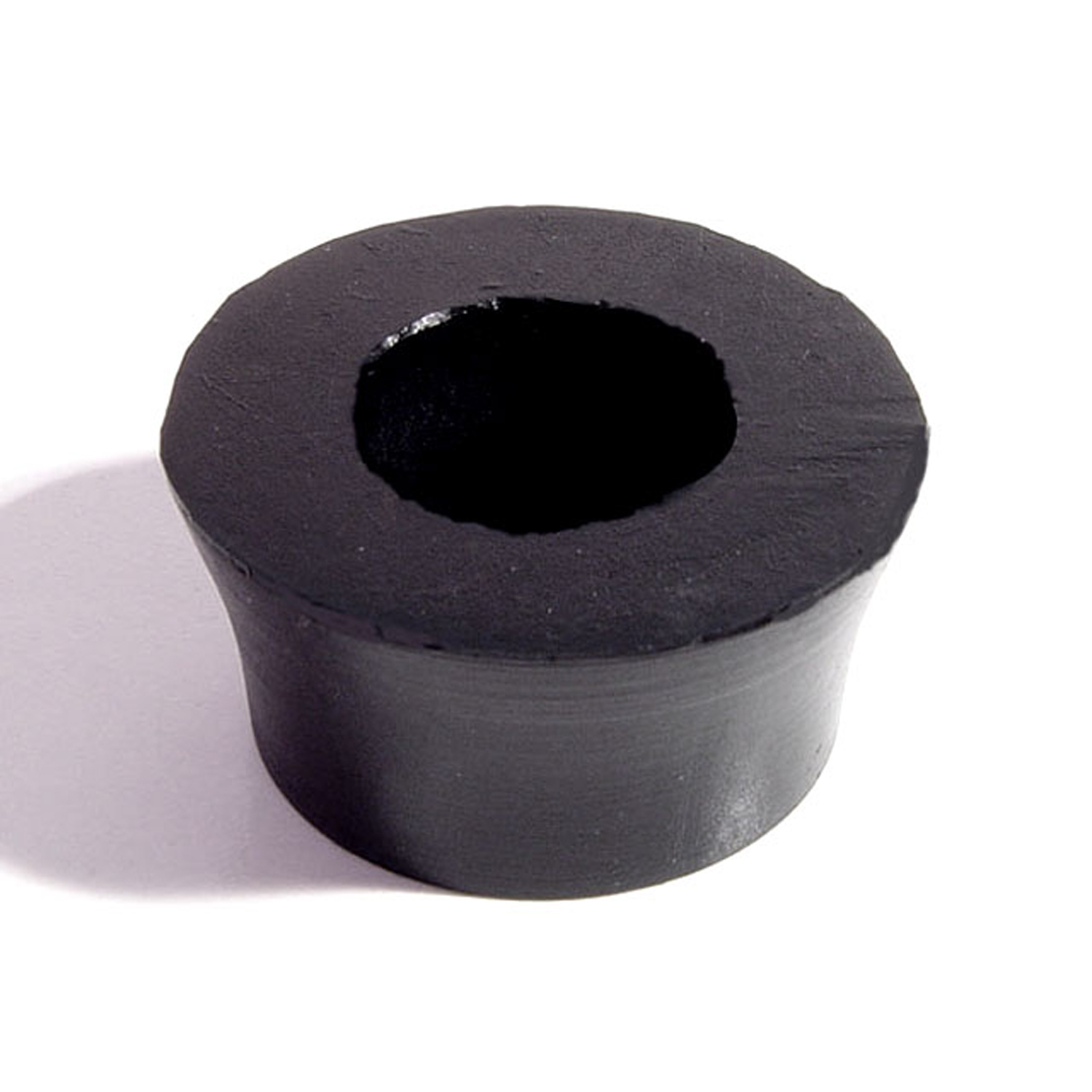 1949 Nash 600 Custom Shock Absorber Grommet. 1" bottom O.D., 5/8" high-BN 10Shock Absorber Grommet. 1" bottom O.D., 5/8" high., with 5/8" I.D. Each
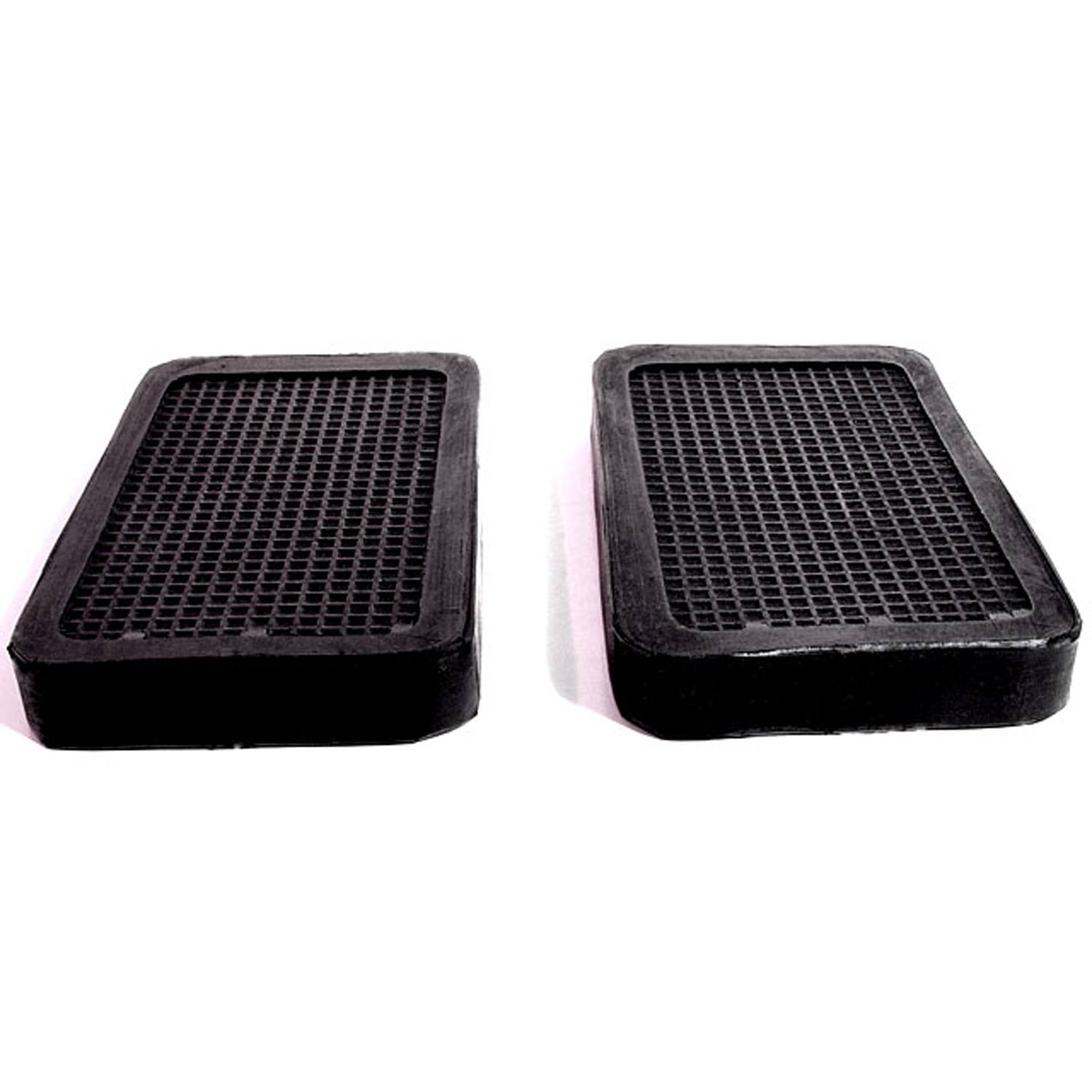 1949 Nash 600 Custom Clutch and Brake Pedal Pads. 2-1/4" wide X 4" long. Pair-CB 20Clutch and Brake Pedal Pads. 2-1/4" wide X 4" long. Pair
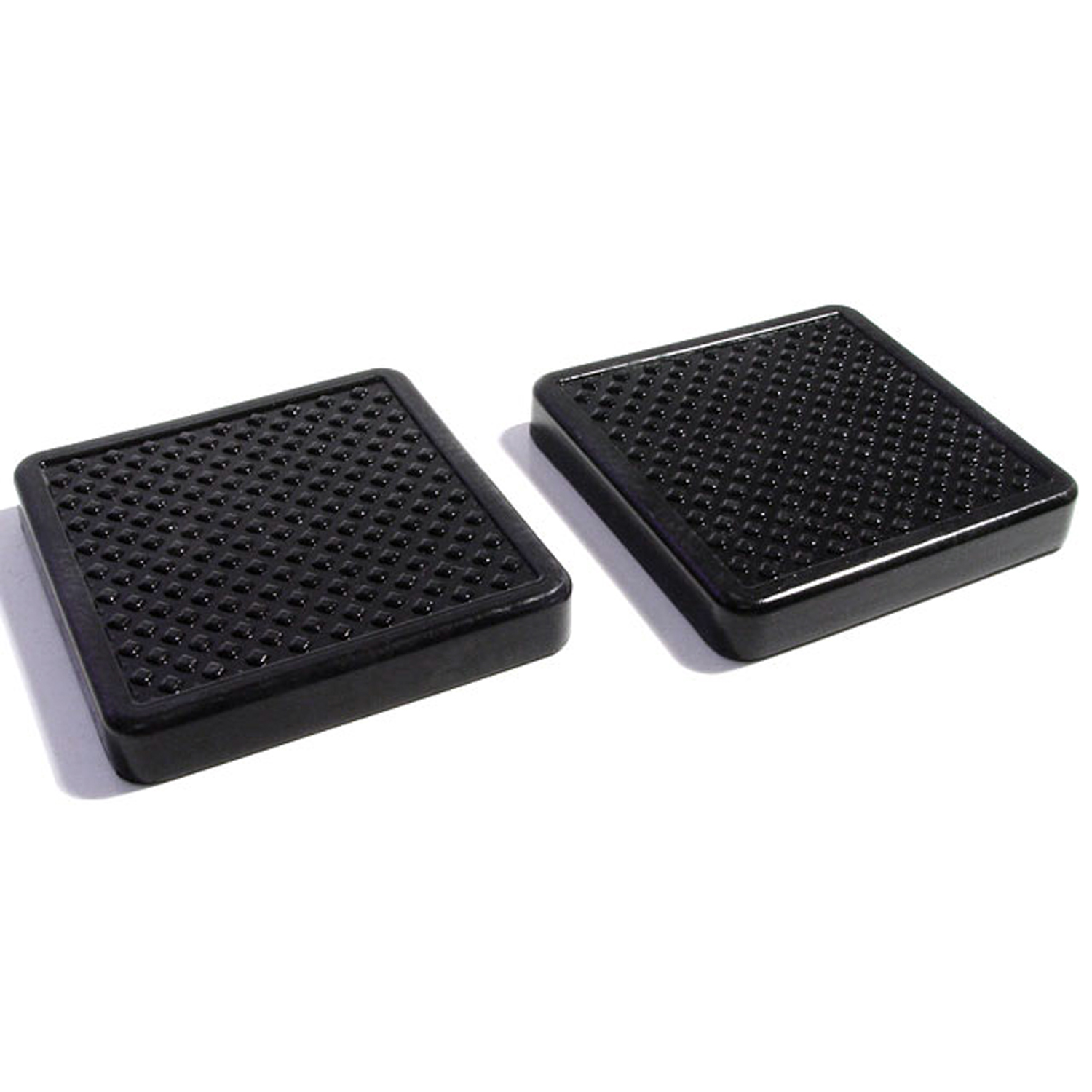 1949 Nash 600 Custom Clutch and Brake Pedal Pads. 3" wide X 3" long. Pair-CB 47Clutch and Brake Pedal Pads. 3" wide X 3" long. Pair
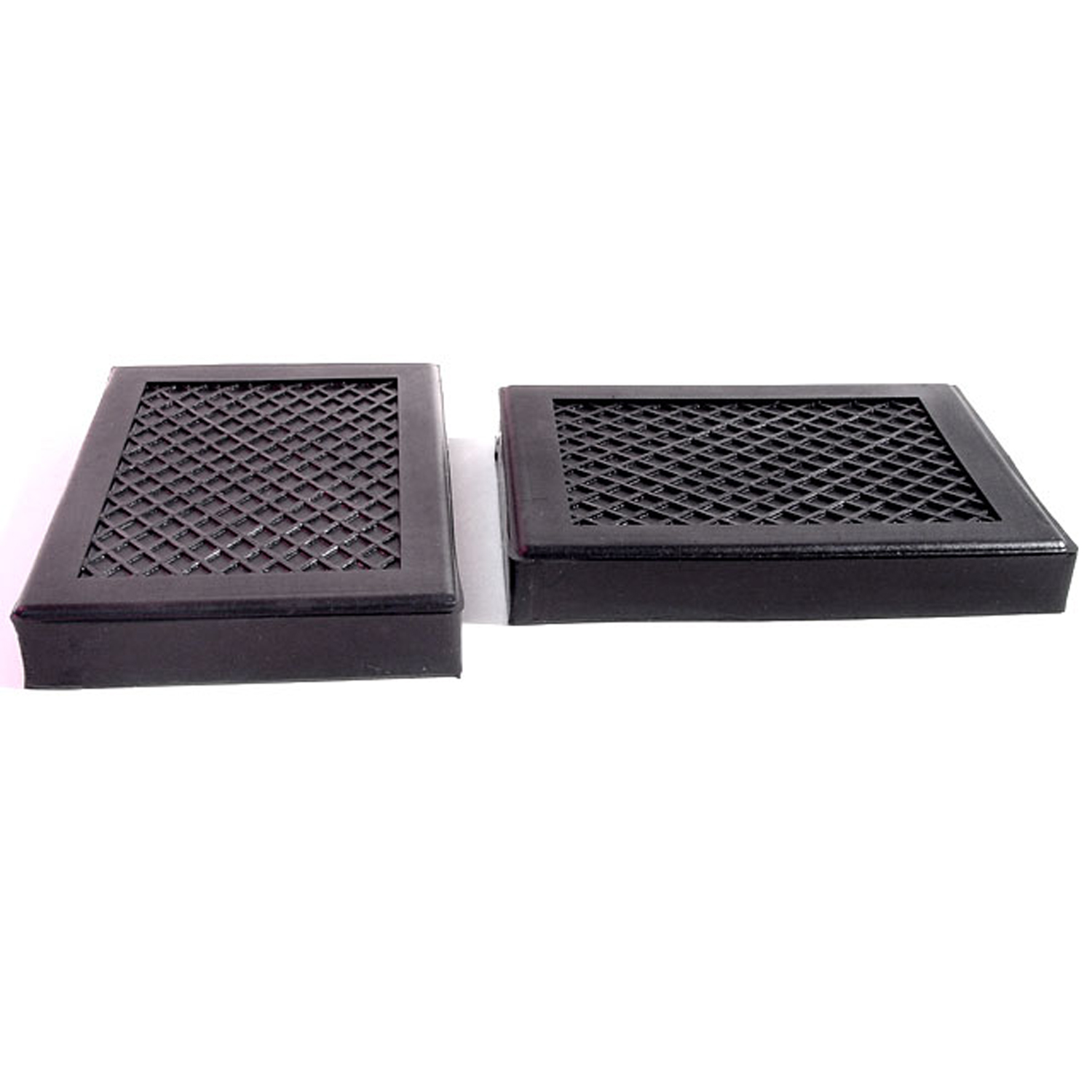 1949 Nash 600 Custom Clutch and Brake Pedal Pads. 2-3/4" wide X 3-7/8" long-CB 48Clutch and Brake Pedal Pads. 2-3/4" wide X 3-7/8" long. Pair
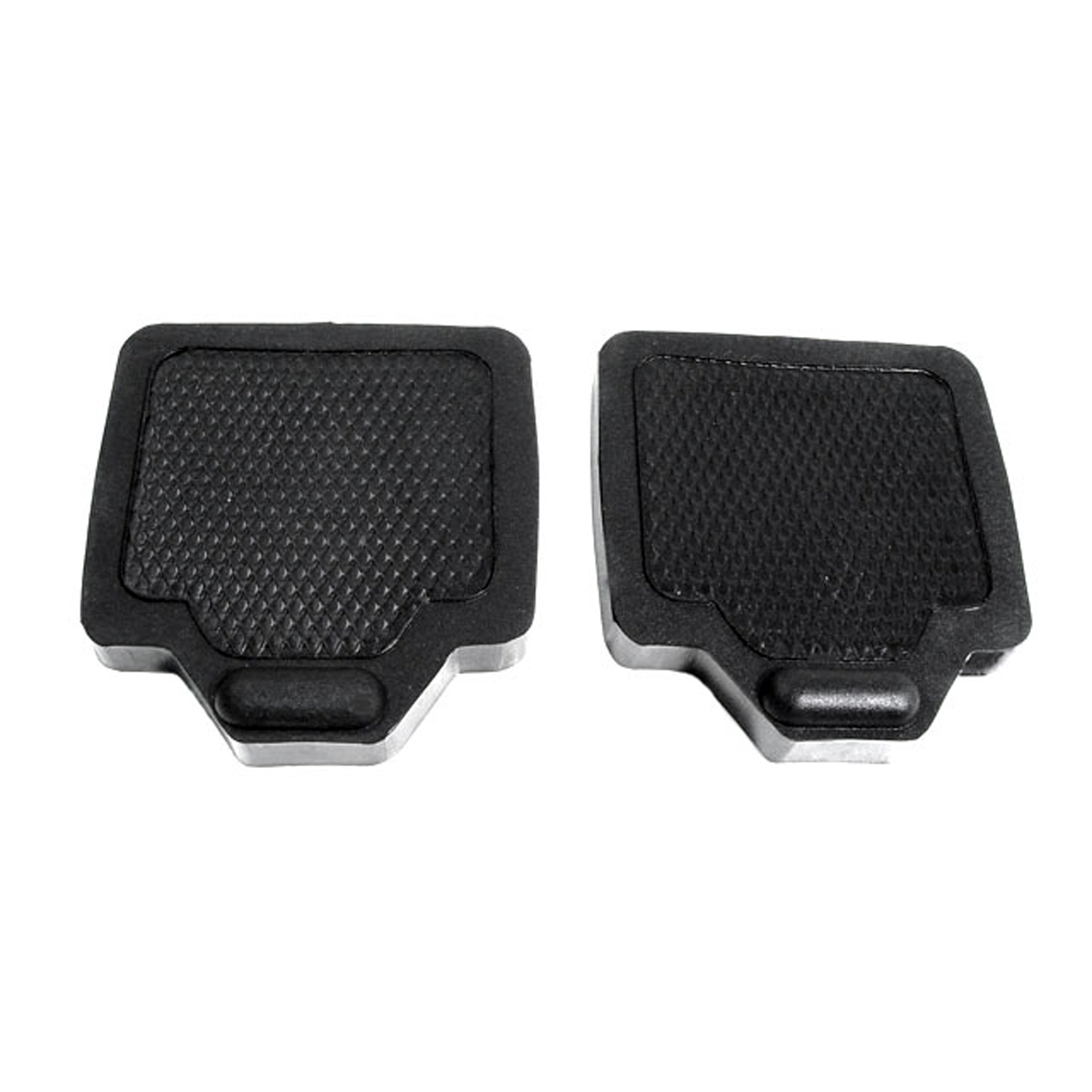 1949 Nash 600 Custom Clutch and Brake Pedal Pads. 3-1/2" wide X 3-7/8" long-CB 55Clutch and Brake Pedal Pads. 3-1/2" wide X 3-7/8" long. Pair
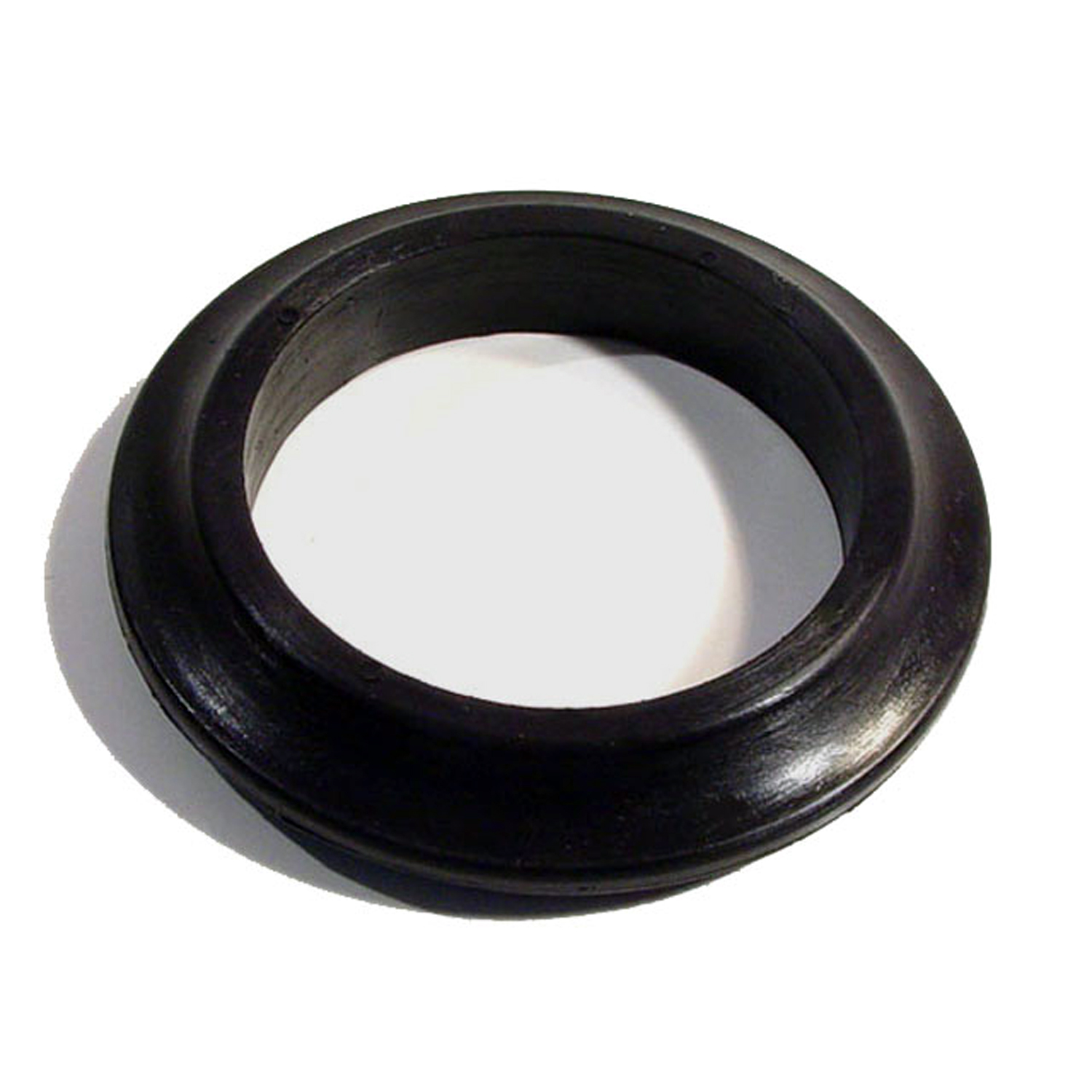 1949 Nash 600 Custom Gas Filler Grommet. 2-1/4" I.D., 3-5/16" O.D. Each-GF 21Gas Filler Grommet. 2-1/4" I.D., 3-5/16" O.D. Each
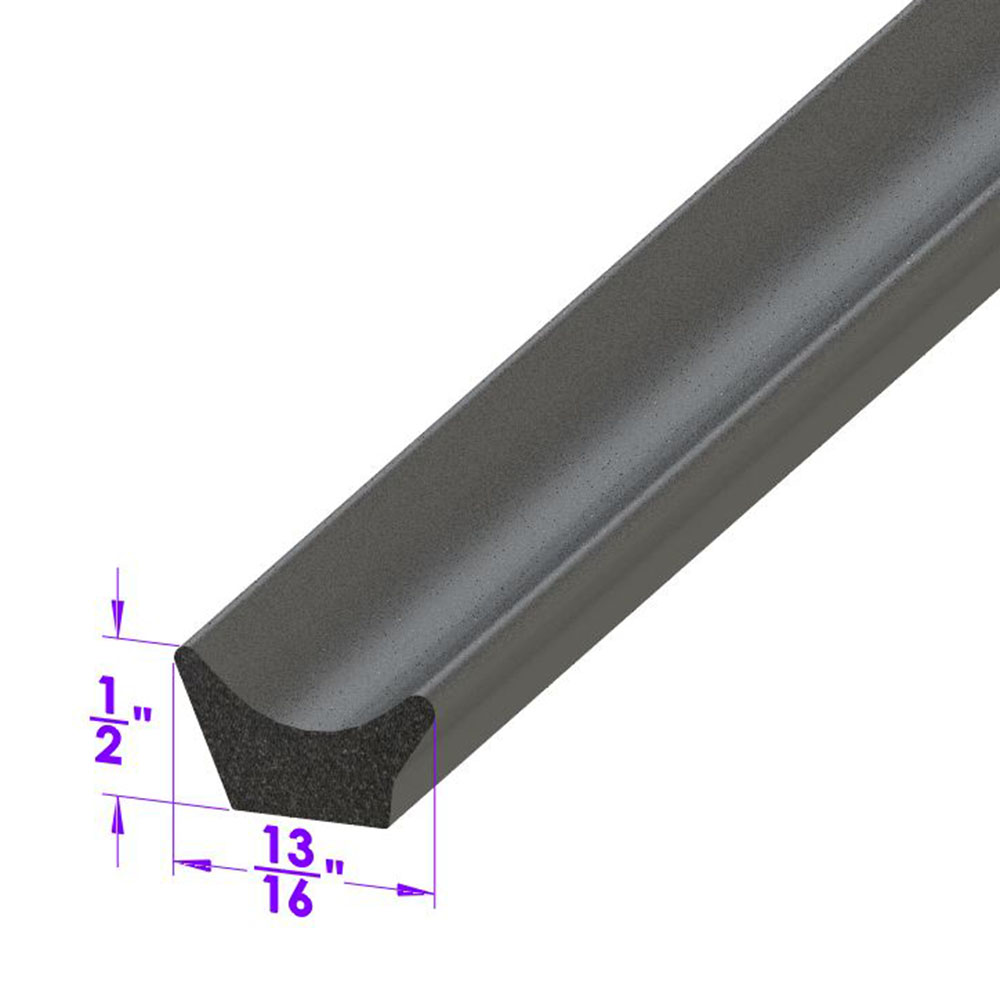 1949 Nash 600 Custom Door side seal. Same as LP 40, but for a lighter seal-LP 40-ADoor side seal. Same as LP 40, but for a lighter seal. Fits many domestic passenger cars and trucks. Universal seal for street rods and customs. Used in Cobra kit cars as door weatherstrip. Per foot.
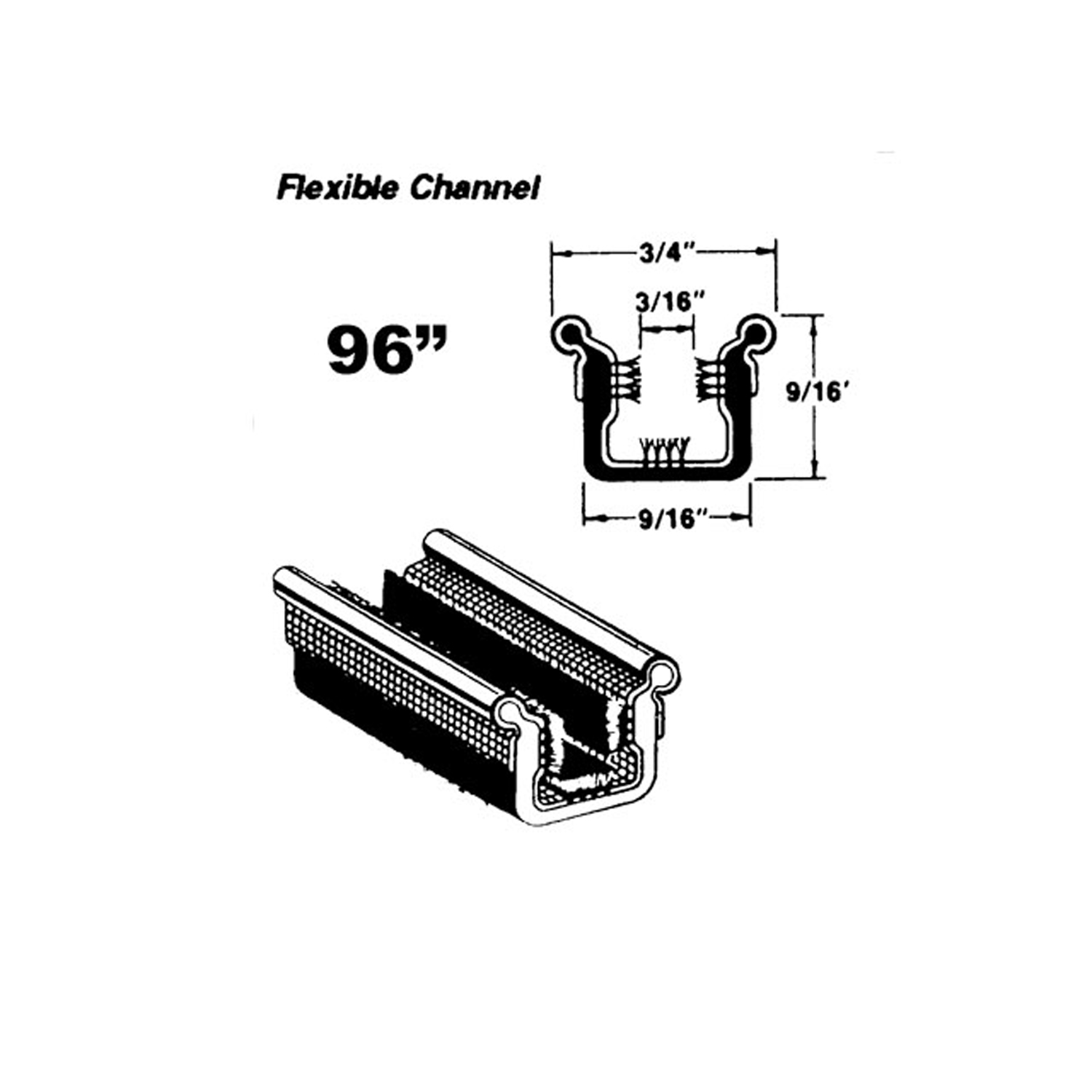 1949 Nash 600 Custom Flexible window channel-WC 10-96Flexible window channel. Rubber covered with mohair lining and stainless steel bead. 96 in. long. Each. NOTE: $20 special shipping charge applies for domestic orders. Call or email for overseas shipping costs. Part can be sectioned in two or three equal lengths to reduce overseas shipping costs.
 1949 Nash 600 Custom Flexible glass-run channel-WC 11-72Flexible glass-run channel. Mohair lined, cloth covered with stainless steel bead. Used on side windows. 72 in. long. Each. NOTE: $20 special shipping charge applies for domestic orders. Call or email for overseas shipping costs. Part can be sectioned in two equal lengths to reduce overseas shipping costs.
Why Choose Metro?
For over 100 years, Metro Moulded Parts has been the pinnacle of quality in classic car restoration parts. Our commitment to precision and authenticity in every component ensures a perfect fit and an OEM-level appearance.
- Expert Craftsmanship & Quality: Each part is a testament to our dedication to reliability and perfection, crafted from original designs and thoroughly tested.
- Advanced Technology: We use cutting-edge techniques to create flawless, long-lasting parts that surpass others in performance.
- SuperSoft Sponge – The Ultimate Door Seal: Not only are our door seals 30% softer than competitors', but they're also guaranteed to never leak. They effectively reduce wind and road noise, enhancing your classic car's comfort and driving experience.
- Proudly American: Our parts are a product of American craftsmanship, made in the USA with a spirit of excellence and heritage.
- Unrivaled Warranty: We back our products with a 30-year industry-leading warranty, a testament to our confidence in their quality.
Join us in preserving the legacy of classic cars with parts that are crafted for perfection, not just made.