

Image of 1949 Nash Ambassador Custom, Note: These illustrations use artistic license and may differ from actual historical models.
Performance Metrics
Fundamental Metrics
Emotional Appeal
MMP Rating
| Engine Specifications | |
|---|---|
| Engine: | Inline 6 |
| Displacement: | 234.8 cu in (3.8 L) |
| Horsepower: | 112 hp |
| Torque: | Estimated 200 lb-ft |
| Compression Ratio: | 7.3:1 |
| Ignition System: | Battery Ignition |
| Cooling System: | Liquid Cooled |
| Performance Specifications | |
| 0-60 Time: | Estimated 17 seconds |
| 1/4 Mile Time: | Not available |
| Top Speed: | 90 mph |
| Transmission and Drive | |
| Drive Type: | Rear Wheel Drive |
| Transmission Type: | 3-speed manual |
| Fuel and Efficiency | |
| Fuel System Type: | Carburetor |
| MPG: | Estimated 15-20 mpg |
| Dimensions and Brakes | |
| Brakes: | Drum Brakes |
| Wheelbase: | 121.3 in |
| Weight: | 3,200 lbs |
Note: Specifications for classic cars are given to the best of our ability, considering the limited and variant data available.
1949 Nash Ambassador Custom: The Streamlined American Classic
The 1949 Nash Ambassador Custom looks as though it rolled in from a different idea of the future: broad, rounded, and almost entirely free of the sharp fenders and chrome-heavy trim common on many postwar cars. Built by Nash-Kelvinator, an independent American automaker, the Ambassador was the company’s larger and more prestigious passenger car. Its bold Airflyte styling made it one of the most distinctive American sedans of the late 1940s.
Nash had been founded by former General Motors president Charles W. Nash in 1916. By 1949, the company was competing against far larger rivals with a mix of engineering ingenuity and unconventional design. The Ambassador Custom sat near the top of the Nash range, combining the new Airflyte body with a roomy cabin and upscale trim.
One striking detail was the way the front fenders flowed around the wheels instead of standing apart from the body. The enclosed-front-wheel look was so unusual that Nash cars earned the nickname “bathtubs.” It was more than a styling curiosity: Nash presented the Airflyte as an aerodynamic, modern alternative to the familiar boxier shapes of its competitors.
Airflyte Styling and Custom-Cabin Comfort
The Ambassador’s rounded body is its defining feature. The hood, front fenders, doors, and rear quarters form a broad, continuous shape, while the front wheels sit partly within their sweeping fenders. A wide grille, curved windshield, and carefully integrated headlamps give the car a substantial but surprisingly smooth appearance. The Custom trim added a more dressed-up look, with additional brightwork and refined cabin details compared with lower-trim versions.
Inside, the Ambassador offered a generous bench-seat cabin with upholstery and trim selected to suit its upscale position. Depending on the car’s original specification, materials included durable cloth, vinyl, or combinations of the two, along with polished metal accents and a large, legible dashboard. The expansive seating and broad doors made getting in and out easy, while the high roof contributed to a feeling of space.
Nash’s comfort-minded engineering was a major part of the appeal. The company’s Weather Eye heating and ventilation system helped manage cabin temperature and airflow, a practical advantage in an era when many cars offered less sophisticated climate control. Nash also became famous for its “Airliner” reclining front seats, which could be adjusted to provide a more relaxed position and, in suitable configurations, arranged with the rear seat to create a sleeping space. Equipment could vary by model and order, so buyers should verify the details on an individual car.
Period paint choices varied by trim and production run. Solid colors such as dark green, blue, maroon, gray, and black suited the car’s formal character, while two-tone combinations emphasized the sculpted bodywork. Today, deep colors and tasteful two-tone finishes are especially popular at shows because they make the Airflyte’s flowing profile stand out.
The Ambassador range was offered in multiple passenger-car body styles, including two-door and four-door sedans, with availability depending on the exact series and production configuration. The four-door sedan is among the most recognizable and practical choices, while two-door versions have a cleaner, more personal-car profile. The Custom designation refers to trim level, not a separate body shape.
Why the 1949 Ambassador Mattered
The 1949 Ambassador arrived during a period when American carmakers were rethinking what a modern postwar automobile should look like. Many competitors were adapting prewar designs, but Nash made a conspicuous break from tradition. The Airflyte’s enclosed front wheels, rounded contours, and integrated body form gave it a distinctive identity that could not be mistaken for a Ford, Chevrolet, or Plymouth.
Nash also had a serious engineering story behind the styling. The company had been developing unitized construction, in which the body and frame work together as a structural assembly, since before the war. The Ambassador’s strong, integrated construction reflected that commitment. Nash was not alone in exploring structural and aerodynamic advances, but its combination of unitized engineering and dramatic styling made the Airflyte unusually forward-looking for a mainstream American car.
The design was polarizing. Some buyers admired its smooth, modern shape; others thought it looked too rounded or unconventional. That debate is part of the Ambassador’s enduring appeal. The car did not simply follow the styling fashion of its time. It showed that an independent manufacturer could take a bold visual risk and still build a comfortable, full-size family car.
Engine, Speed, and Road Manners
The 1949 Ambassador used Nash’s 234.8-cubic-inch overhead-valve inline-six. Published specifications are commonly listed at about 112 horsepower, with a three-speed manual transmission and column-mounted shift lever typical of the period. Equipment and transmission details can differ by car, so original sales literature and the vehicle’s build information are the best references when confirming a particular example.
Performance was respectable for a full-size six-cylinder sedan, but the Ambassador was built for comfortable travel rather than quick acceleration. Period performance figures vary with transmission, condition, and test method. A reasonable estimate is a 0-to-60-mph time in the high teens, roughly 18 to 20 seconds, and a top speed around 85 to 90 mph. Those figures should be treated as approximate, especially for cars that have not been mechanically refreshed.
On the road, the Ambassador’s long wheelbase and substantial body favor a smooth, settled ride. It can take ordinary pavement joints and bumps in an unhurried, cushioned way, though worn shocks, tired springs, or loose suspension components can make any surviving example feel floaty. On winding roads, the car’s size and body roll encourage a relaxed pace rather than sharp cornering. Crosswinds can also be noticeable because of the broad body, and the driver should expect steering and braking effort unlike that of a modern car.
The six-cylinder engine delivers a steady, low-pitched sound rather than a high-revving performance-car note. From behind the broad steering wheel, the experience is measured and commanding: a long hood ahead, a bench seat beneath you, and a column shifter close at hand. The Ambassador feels most at home cruising along a two-lane highway, where its comfort and unusual shape can be appreciated at an easy pace.
Owning and Maintaining a Nash Ambassador
Today, a 1949 Ambassador Custom is most often used as a show car, weekend cruiser, or vintage-tour vehicle. Its roomy interior and distinctive appearance make it a natural conversation starter at classic-car events. It is not generally chosen for racing, and using one as a daily driver requires careful attention to safety, parts availability, and the limitations of late-1940s brakes, tires, and lighting.
The basic inline-six is mechanically straightforward, and a knowledgeable owner can handle routine work such as fluid changes, ignition service, and basic adjustments. The car uses familiar period technology, but its age means condition matters more than the simplicity of the design. Cooling-system health, engine compression, electrical connections, brake hydraulics, suspension wear, and rust should all be checked before regular driving.
Some service parts can be sourced through specialist suppliers, enthusiast clubs, and the broader vintage-car market. Body trim, glass, upholstery patterns, and model-specific components may take more searching. Before buying, inspect the floors, rocker panels, lower doors, trunk area, and structural mounting points. A car that has already received careful mechanical and body work is often a better value than a cheap example with extensive rust or missing trim.
Nash Ambassador Facts and Common Criticisms
The Airflyte’s most famous practical feature may be its reclining “Airliner” seats, which reflected Nash’s interest in making long-distance travel more comfortable. The 1949 Ambassador also benefited from the company’s Weather Eye ventilation and heating approach. These features helped give Nash a reputation for comfort-focused innovation rather than sheer horsepower.
There is no widely recognized speed or endurance record associated specifically with the 1949 Ambassador Custom. Its significance lies instead in its memorable design and the engineering choices behind it. Nash remained an independent automaker until its 1954 merger with Hudson, which created American Motors Corporation. That history gives the Ambassador added interest for collectors of independent American makes.
The car’s most common criticism is its appearance. The “bathtub” shape can look heavy or bulbous to people accustomed to more conventional styling. Other drawbacks are typical of a large postwar car: modest acceleration, substantial fuel consumption by modern standards, and brakes and handling that demand more planning than a contemporary vehicle. Its size can also make tight parking and narrow roads a challenge.
1949 Nash Ambassador Custom Collector Value
Values depend heavily on body style, originality, rust, mechanical condition, and the quality of any restoration. As a broad U.S. market estimate, a project car might bring about $5,000 to $10,000. A usable driver in sound condition could fall roughly between $12,000 and $25,000, while a very well-restored or exceptionally original example may reach approximately $30,000 to $50,000 or more. These are guide ranges, not guaranteed sale prices, and unusual provenance or exceptional presentation can change the result.
Exact production totals for the 1949 Ambassador Custom are difficult to pin down by trim and body style. A reasonable estimate is that Nash built tens of thousands of Ambassadors across the model range that year, while any particular Custom body-style combination represents a smaller share. That makes the car uncommon today without placing every example in the ultra-rare category. Survivors are scattered, and good unrestored cars can be harder to find than their original production numbers might suggest.
Like many prewar and immediate postwar classics, the Ambassador’s market is driven by condition and enthusiast interest rather than a guaranteed upward trend. Exceptional restorations can command strong prices, while ordinary drivers tend to move with the broader classic-car market. The car’s distinctiveness and independent-maker history support collector interest, but buyers should prioritize sound structure and realistic maintenance needs over speculation.
A Distinctive Postwar Nash
The 1949 Nash Ambassador Custom brought together an unconventional Airflyte body, thoughtful comfort features, and practical engineering in a package that stood apart from Detroit’s more familiar shapes. It was not the quickest or most universally admired sedan of its era, but it was unmistakably Nash. For collectors, that is the point: the Ambassador captures a moment when an independent automaker dared to make the family car look and feel different.
More than seven decades later, its smooth contours still turn heads. The Ambassador is a reminder that automotive history is shaped not only by sales leaders, but also by the bold designs that refused to blend in.
1949 Nash Ambassador Custom Catalog of Parts
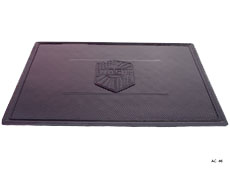 1949 Nash Ambassador Custom Accessory Floor Mat - 12"X17"-AC 46Accessory Floor Mat - made of high quality black rubber with molded original emblem. Also designed to be sewn into new carpets. 12"X17", Each
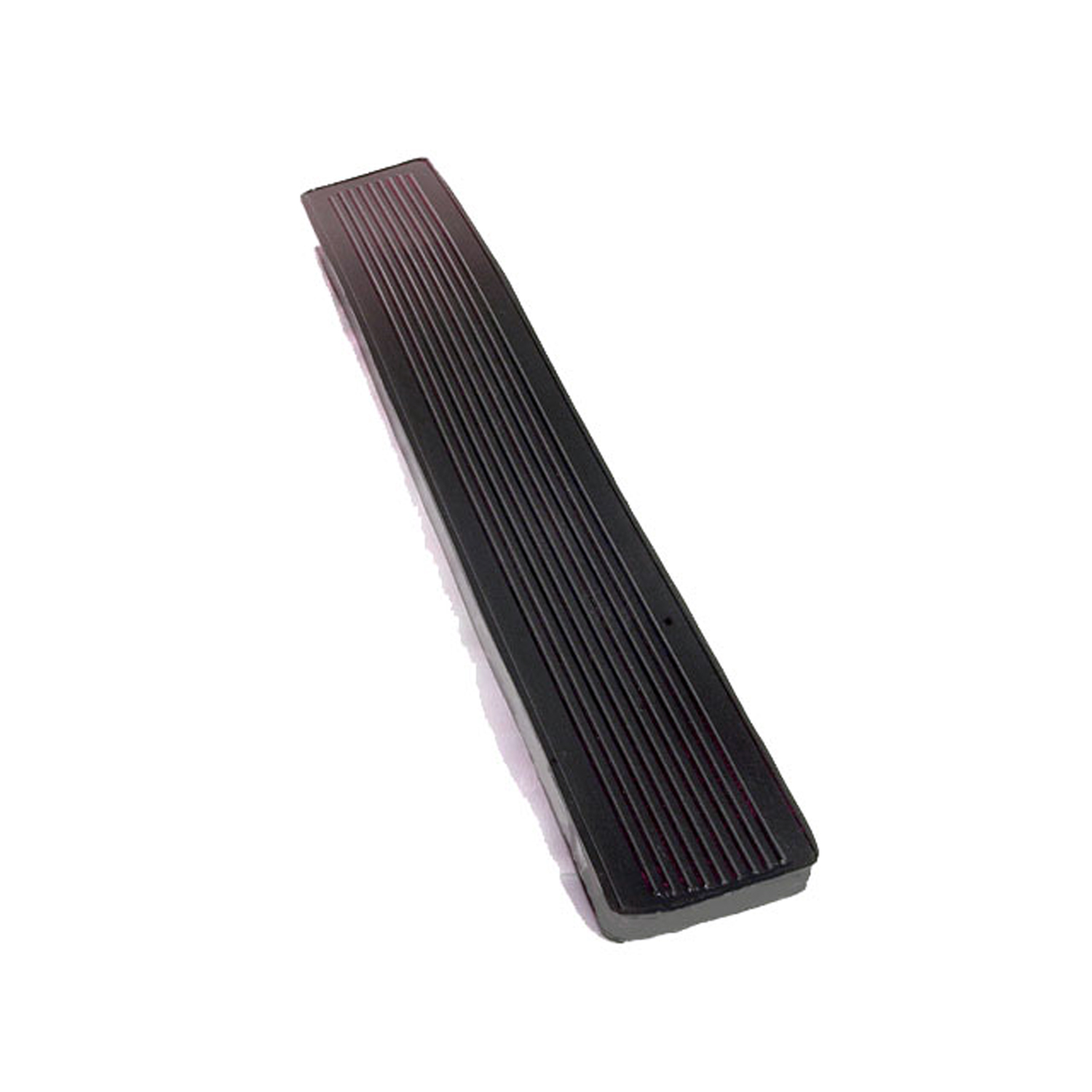 1949 Nash Ambassador Custom Accelerator Pedal Pad, 1-1/2" X 9-3/4", Each-AP 21Accelerator Pedal Pad, 1-1/2" X 9-3/4", Each
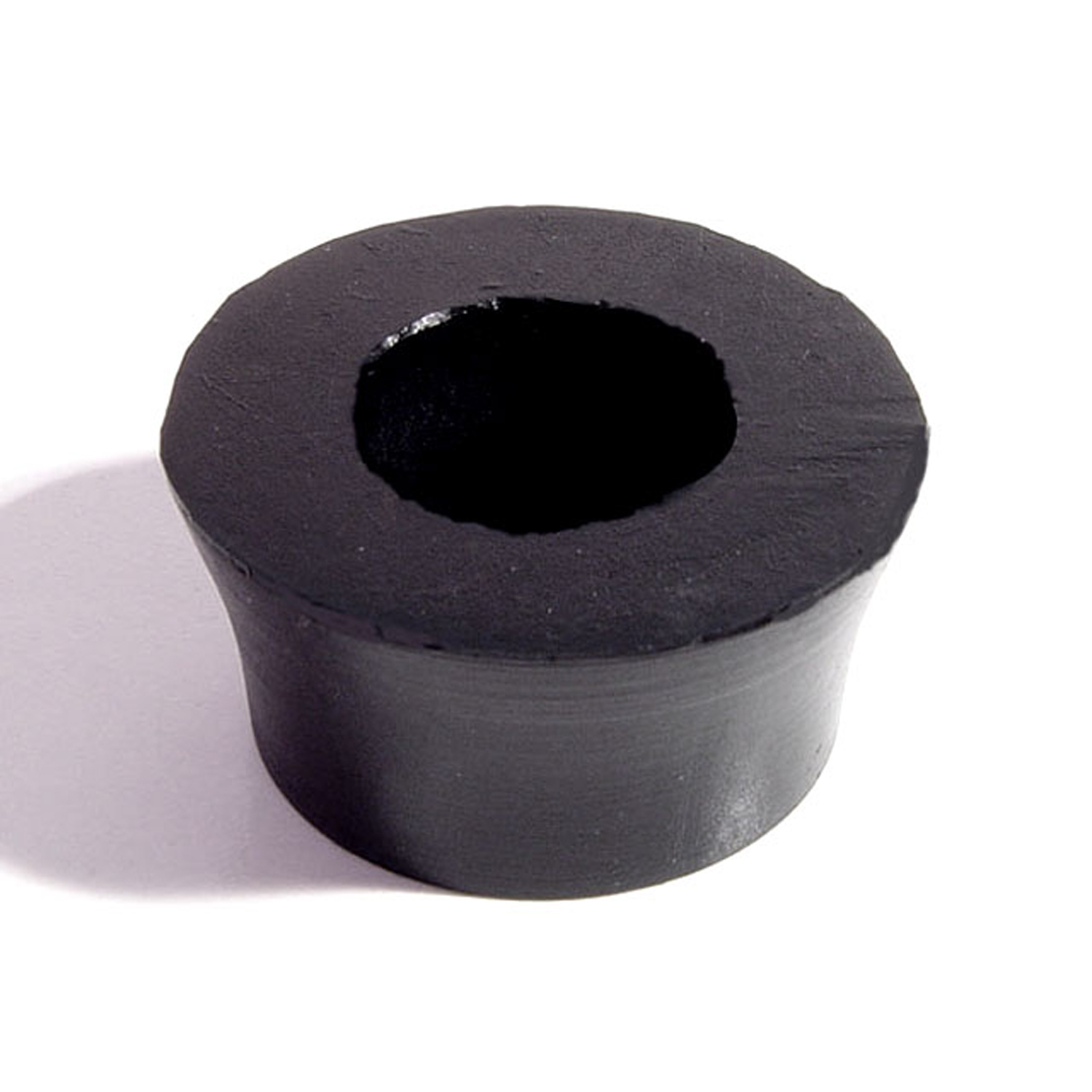 1949 Nash Ambassador Custom Shock Absorber Grommet. 1" bottom O.D., 5/8" high-BN 10Shock Absorber Grommet. 1" bottom O.D., 5/8" high., with 5/8" I.D. Each
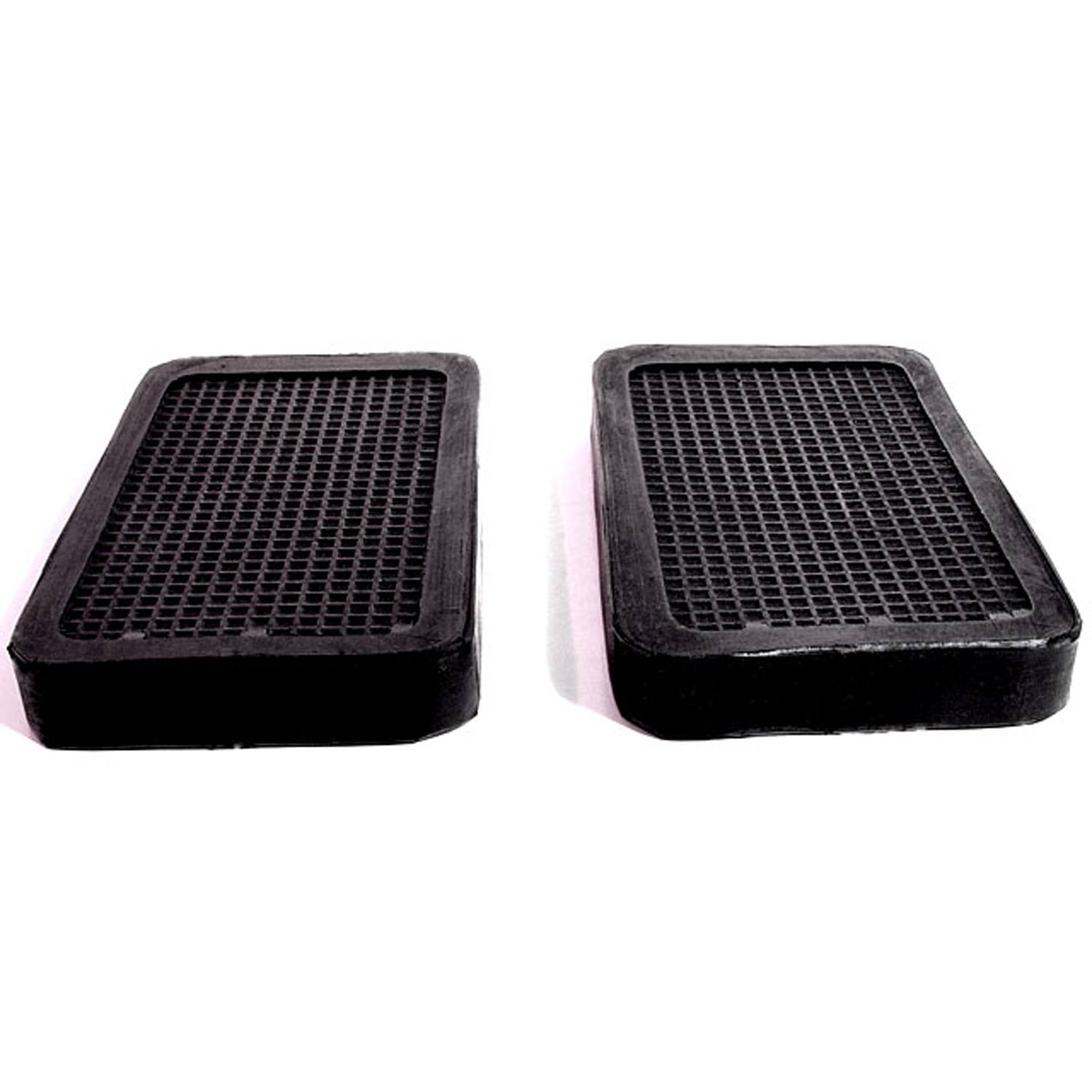 1949 Nash Ambassador Custom Clutch and Brake Pedal Pads. 2-1/4" wide X 4" long. Pair-CB 20Clutch and Brake Pedal Pads. 2-1/4" wide X 4" long. Pair
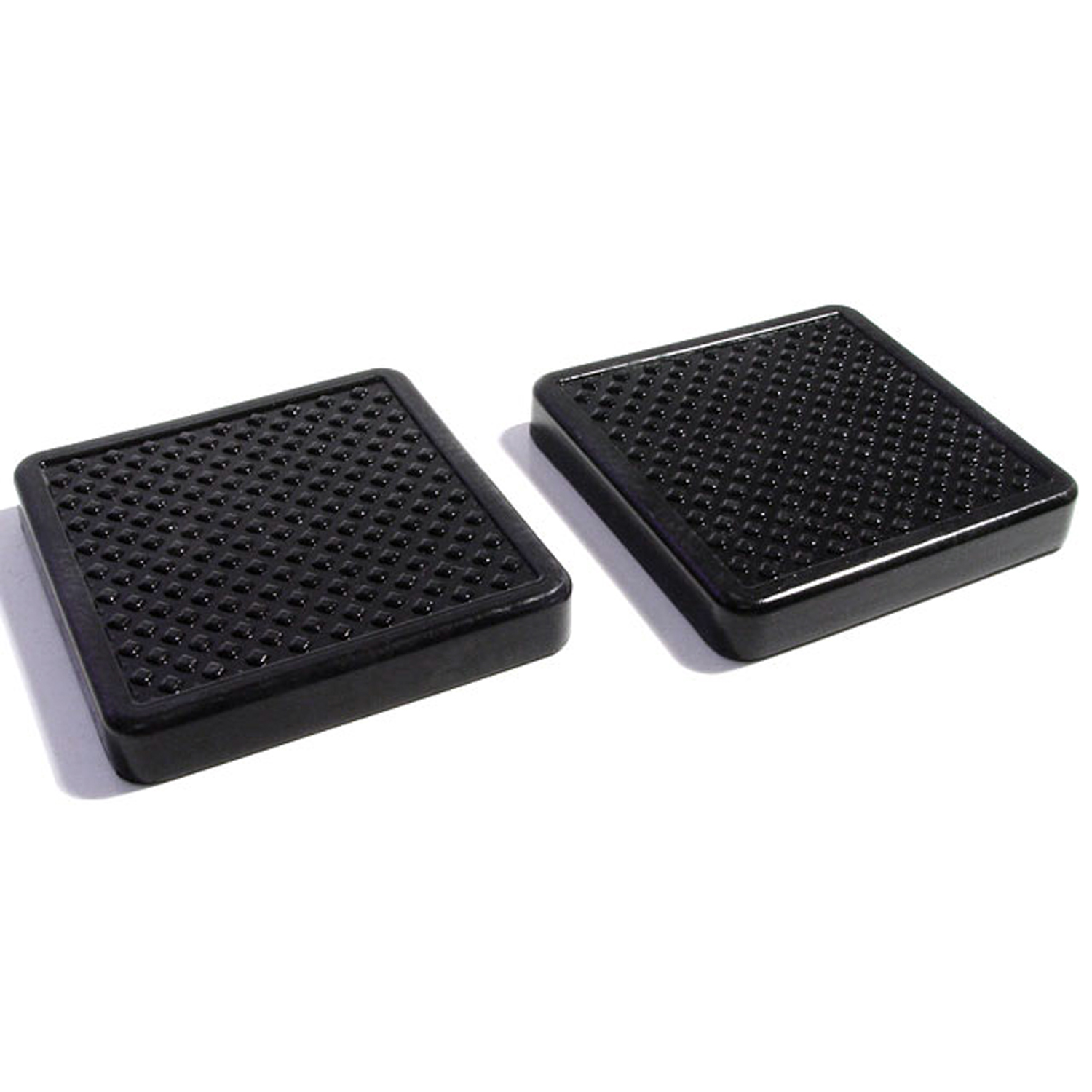 1949 Nash Ambassador Custom Clutch and Brake Pedal Pads. 3" wide X 3" long. Pair-CB 47Clutch and Brake Pedal Pads. 3" wide X 3" long. Pair
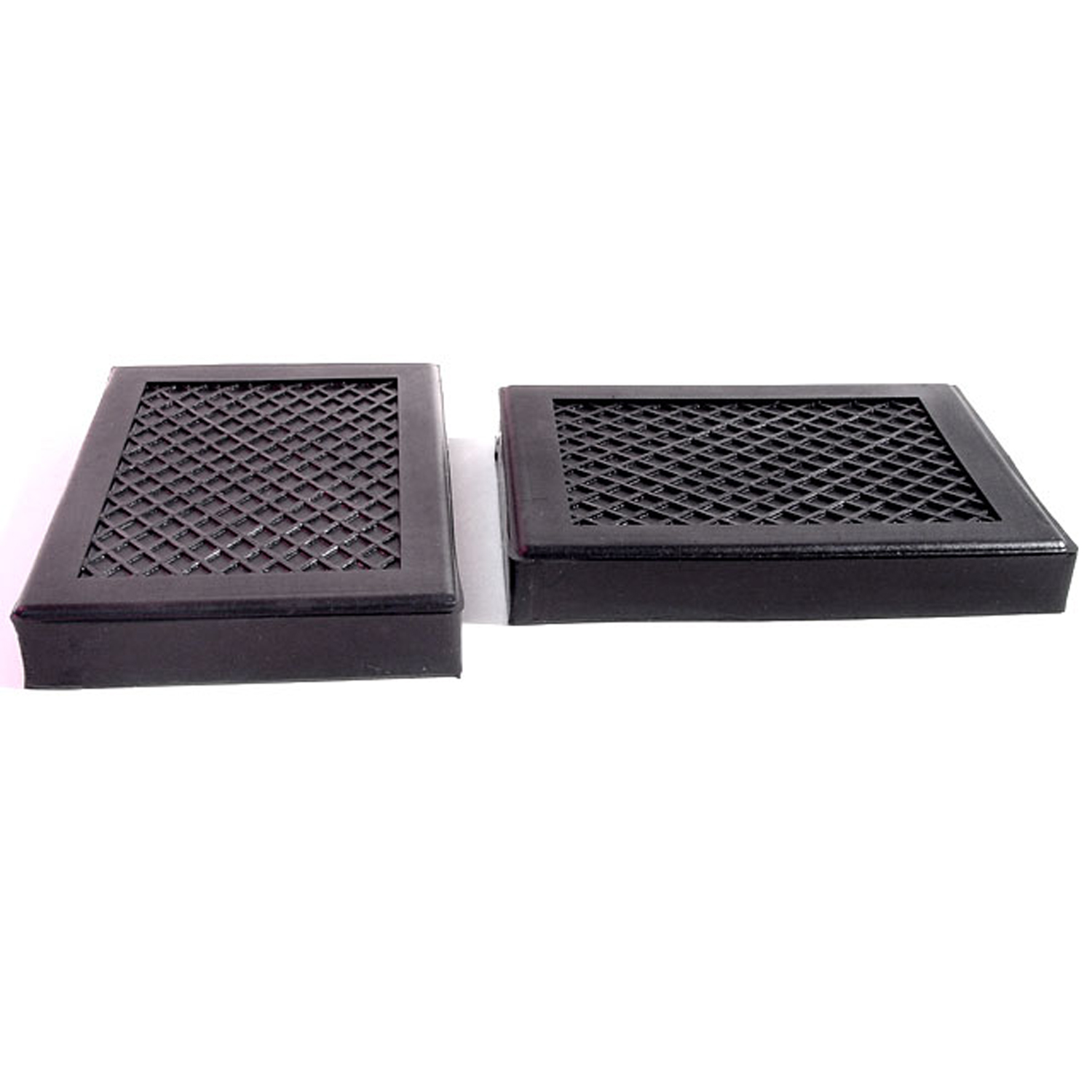 1949 Nash Ambassador Custom Clutch and Brake Pedal Pads. 2-3/4" wide X 3-7/8" long-CB 48Clutch and Brake Pedal Pads. 2-3/4" wide X 3-7/8" long. Pair
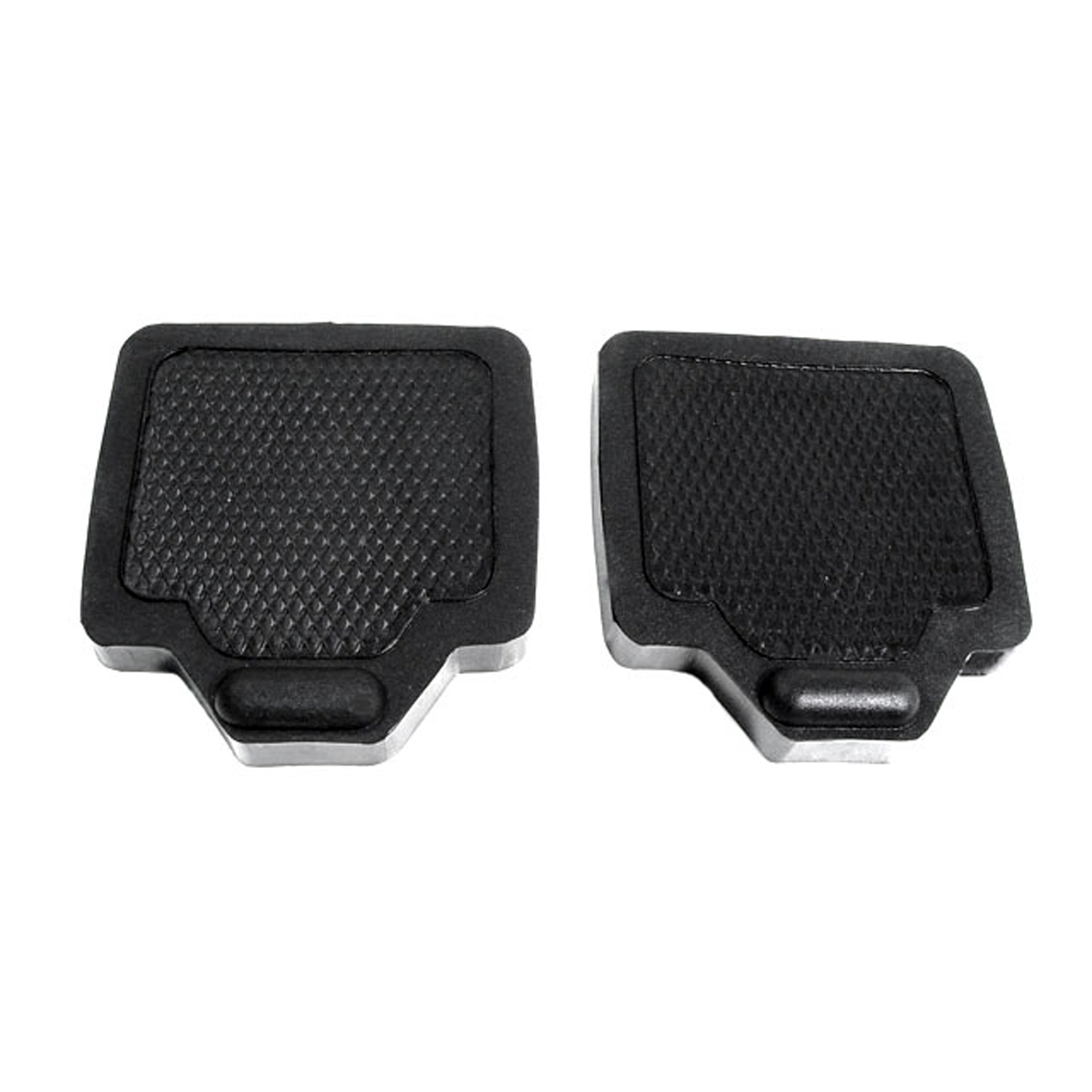 1949 Nash Ambassador Custom Clutch and Brake Pedal Pads. 3-1/2" wide X 3-7/8" long-CB 55Clutch and Brake Pedal Pads. 3-1/2" wide X 3-7/8" long. Pair
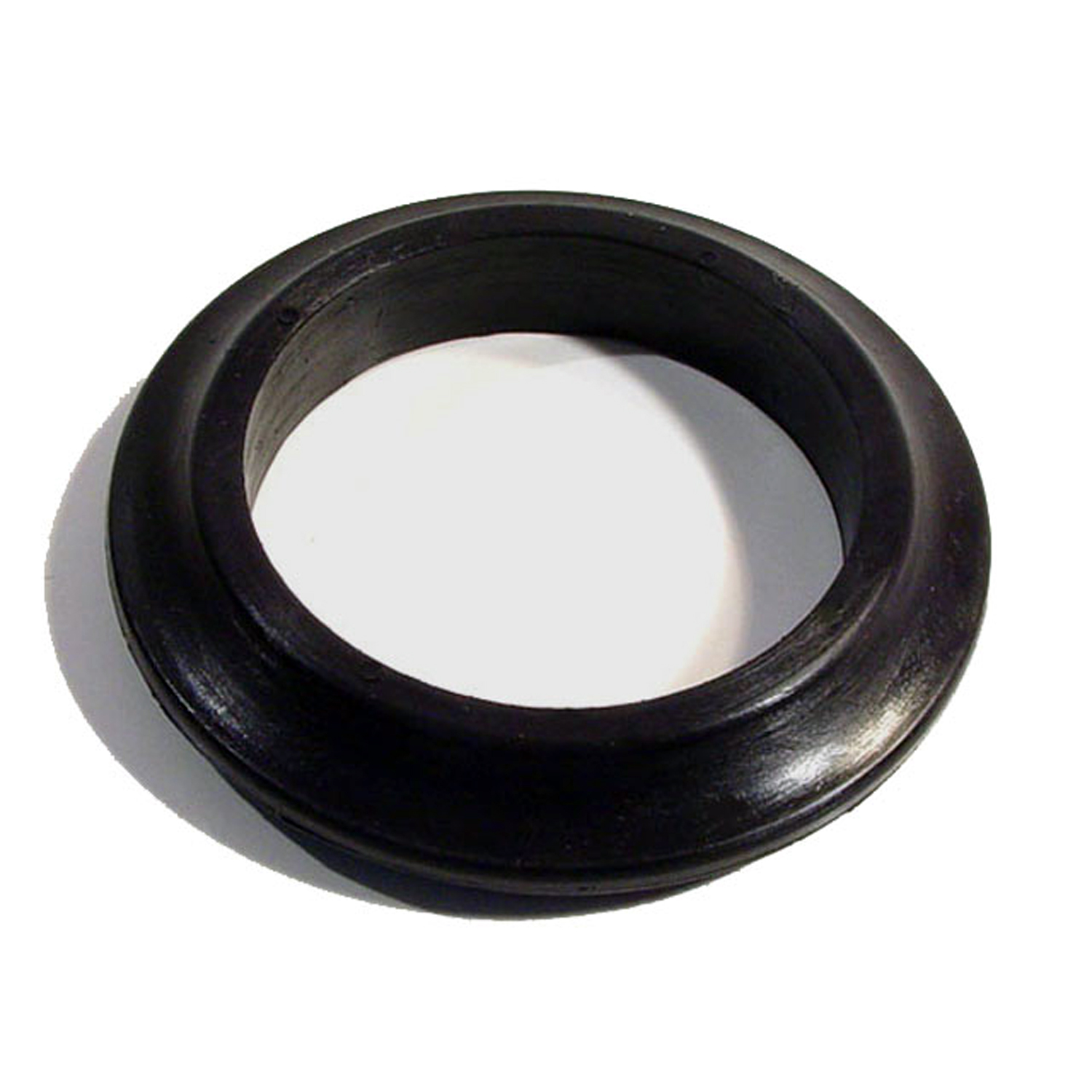 1949 Nash Ambassador Custom Gas Filler Grommet. 2-1/4" I.D., 3-5/16" O.D. Each-GF 21Gas Filler Grommet. 2-1/4" I.D., 3-5/16" O.D. Each
 1949 Nash Ambassador Custom Door side seal. Same as LP 40, but for a lighter seal-LP 40-ADoor side seal. Same as LP 40, but for a lighter seal. Fits many domestic passenger cars and trucks. Universal seal for street rods and customs. Used in Cobra kit cars as door weatherstrip. Per foot.
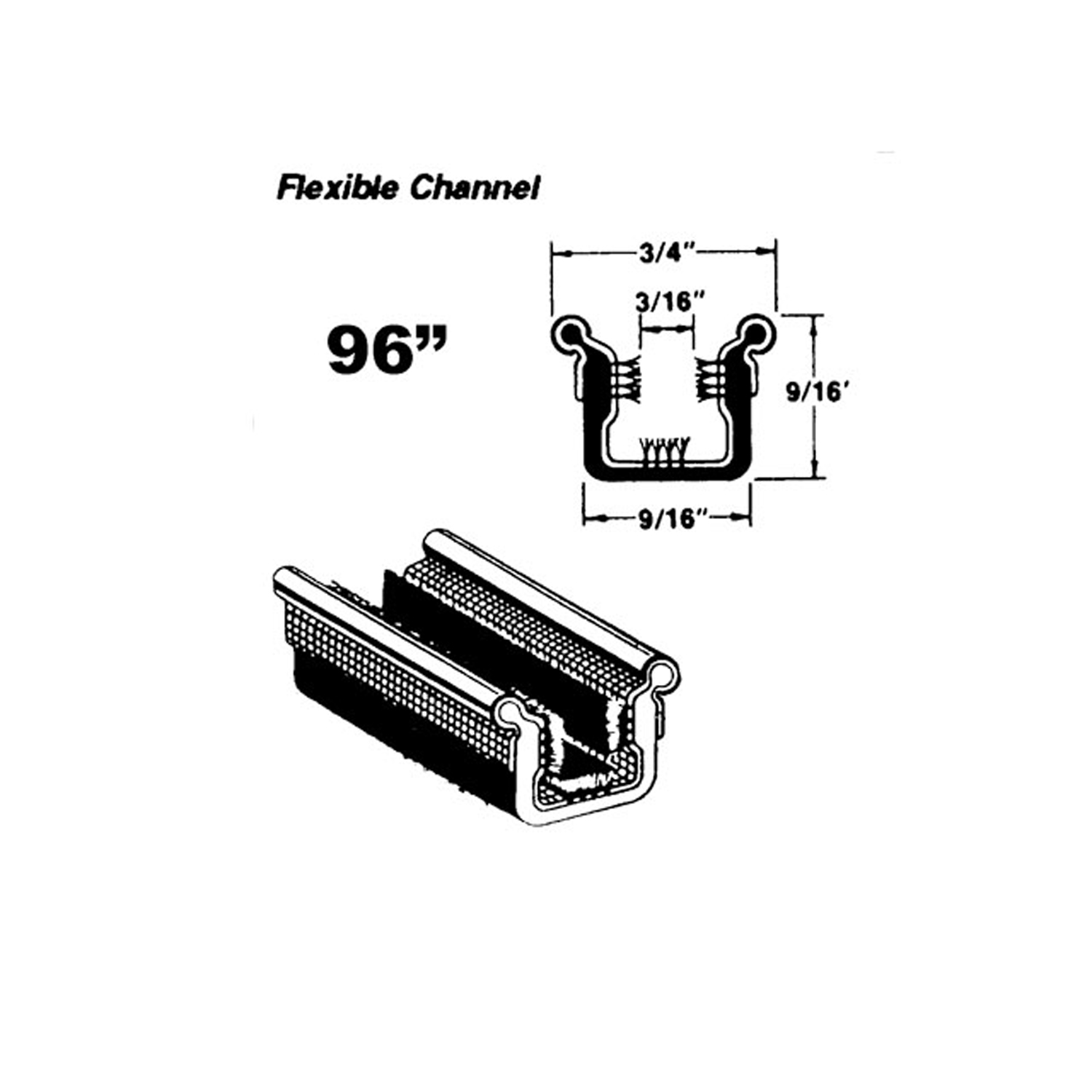 1949 Nash Ambassador Custom Flexible window channel-WC 10-96Flexible window channel. Rubber covered with mohair lining and stainless steel bead. 96 in. long. Each. NOTE: $20 special shipping charge applies for domestic orders. Call or email for overseas shipping costs. Part can be sectioned in two or three equal lengths to reduce overseas shipping costs.
 1949 Nash Ambassador Custom Flexible glass-run channel-WC 11-72Flexible glass-run channel. Mohair lined, cloth covered with stainless steel bead. Used on side windows. 72 in. long. Each. NOTE: $20 special shipping charge applies for domestic orders. Call or email for overseas shipping costs. Part can be sectioned in two equal lengths to reduce overseas shipping costs.
 1949 Nash Ambassador Custom Front Vent Window Seals. Pair R&L-WR 4600Front Vent Window Seals. Pair R&L
Why Choose Metro?
For over 100 years, Metro Moulded Parts has been the pinnacle of quality in classic car restoration parts. Our commitment to precision and authenticity in every component ensures a perfect fit and an OEM-level appearance.
- Expert Craftsmanship & Quality: Each part is a testament to our dedication to reliability and perfection, crafted from original designs and thoroughly tested.
- Advanced Technology: We use cutting-edge techniques to create flawless, long-lasting parts that surpass others in performance.
- SuperSoft Sponge – The Ultimate Door Seal: Not only are our door seals 30% softer than competitors', but they're also guaranteed to never leak. They effectively reduce wind and road noise, enhancing your classic car's comfort and driving experience.
- Proudly American: Our parts are a product of American craftsmanship, made in the USA with a spirit of excellence and heritage.
- Unrivaled Warranty: We back our products with a 30-year industry-leading warranty, a testament to our confidence in their quality.
Join us in preserving the legacy of classic cars with parts that are crafted for perfection, not just made.