

Image of 1950 Nash Ambassador Custom, Note: These illustrations use artistic license and may differ from actual historical models.
Performance Metrics
Fundamental Metrics
Emotional Appeal
MMP Rating
| Engine Specifications | |
|---|---|
| Engine: | Inline 6 |
| Displacement: | 234.8 cu in (3.8 L) |
| Horsepower: | 112 hp |
| Torque: | Estimated 200 lb-ft |
| Compression Ratio: | 7.3:1 |
| Ignition System: | Battery Ignition |
| Cooling System: | Liquid Cooled |
| Performance Specifications | |
| 0-60 Time: | Estimated 17 seconds |
| 1/4 Mile Time: | Not available |
| Top Speed: | 90 mph |
| Transmission and Drive | |
| Drive Type: | Rear Wheel Drive |
| Transmission Type: | 3-speed manual |
| Fuel and Efficiency | |
| Fuel System Type: | Carburetor |
| MPG: | Estimated 15-20 mpg |
| Dimensions and Brakes | |
| Brakes: | Drum Brakes |
| Wheelbase: | 121.3 in |
| Weight: | 3,200 lbs |
Note: Specifications for classic cars are given to the best of our ability, considering the limited and variant data available.
1950 Nash Ambassador Custom: The Airflyte That Took the Scenic Route
The 1950 Nash Ambassador Custom looks as if it arrived from a different idea of the future: broad, rounded, and almost completely wrapped around its wheels. Built by Nash-Kelvinator Corporation, it was part of the company’s postwar Airflyte generation, a bold redesign that traded the separate fenders and upright proportions of prewar cars for a smooth, unified shape. Its styling could be startling beside a conventional Ford or Chevrolet, but that was precisely the point.
Nash was an independent American automaker, not one of the Detroit Big Three. The Ambassador sat near the top of its lineup, pairing the company’s largest six-cylinder engine with upscale trim and a roomy cabin. One memorable Nash innovation of the era was its optional “Twin Bed” setup, which let occupants arrange the seats and cushions for overnight sleeping. It turned a family sedan into an impromptu roadside hotel, an unusually practical feature for a car with such futuristic looks.
Airflyte Styling and a Carefully Finished Cabin
The Ambassador Custom’s most distinctive feature is its enveloping bodywork. The front fenders flow into the doors, while rear fender skirts conceal much of the back wheels. A low roof, rounded hood, full-width grille, and bulbous rear quarters give the car its famous “bathtub” nickname. The shape is more than a styling curiosity: Nash promoted its streamlined design as a way to reduce air resistance, though the broad body and covered wheels also made the car look strikingly different from its rivals.
Inside, the Ambassador Custom aimed for comfort and a more substantial feel than a basic family sedan. Broad bench seats, generous legroom, a large steering wheel, and a wide dashboard made it well suited to long-distance motoring. Materials and trim varied by upholstery choice and body style, but buyers could expect cloth upholstery, carefully finished metal trim, and a generally restrained, upscale presentation. The cabin was designed for passengers to settle in, not to feel hemmed in by a cramped cockpit.
Nash’s Weather Eye heating and ventilation system was another notable feature. It was designed to bring fresh air into the cabin and manage heat more effectively than a simple footwell heater. The Ambassador also offered period conveniences such as a radio and whitewall tires, depending on equipment and buyer choice. Nash had offered seat belts as an option beginning with its 1949 models, although few buyers of the period treated them as essential equipment.
Paint choices differed by production run and trim. Period Nash colors included a mix of dark and light finishes, with shades such as black, maroon, blue, green, and gray appearing across the range. A dark body with bright trim suits the Ambassador’s formal character, while lighter blue or green finishes make its unusual curves especially easy to see. Exact colors and combinations depend on the car’s original build and the options ordered.
Ambassador Custom Body Styles
The Ambassador Custom was offered in several passenger-car forms, including a four-door sedan, a two-door coupe or club-coupe style, and a convertible in the Ambassador range. Names and catalog descriptions can vary between sources, so buyers researching a particular car should verify its body style and trim against period literature or factory documentation. The four-door sedan is the most familiar and practical version, while the convertible is the standout choice for collectors and open-air touring.
Across the range, the Custom designation signaled a more richly equipped Ambassador rather than a separate mechanical model. The series combined the large six-cylinder powertrain with higher-grade interior and exterior details. A car’s equipment could still vary considerably, so features such as a radio, transmission choice, and other accessories should be checked individually.
Why the 1950 Nash Ambassador Mattered
The Airflyte design was a serious departure from the styling conventions of the late 1940s. Nash used a unitized body structure rather than relying on a traditional separate body mounted on a full frame, and its designers created a continuous, aerodynamic-looking shell with enclosed wheel openings. The result emphasized passenger space and a smooth exterior profile. It also demonstrated that an independent automaker could take design risks rather than simply imitate the biggest manufacturers.
That commitment to unconventional engineering and packaging became part of Nash’s identity. The Ambassador’s roomy cabin, attention to ventilation, and available sleeping arrangement all reflected a focus on comfortable long-distance travel. Its design did not become the template for every American car: many buyers preferred the more familiar, upright styling of competitors. But the Airflyte remains an important example of postwar American experimentation, and its distinctive form is instantly recognizable among early-1950s cars.
Six-Cylinder Power and Road Manners
The 1950 Ambassador used a 234.8-cubic-inch L-head inline-six, rated at about 112 horsepower. Nash’s Twin Ignition system used two spark plugs per cylinder, a distinctive feature intended to promote efficient combustion. Depending on specification, power went through a manual transmission or an available automatic transmission. These were substantial cars, so the engine’s mission was relaxed, steady travel rather than rapid acceleration.
Period-style performance estimates put a typical Ambassador Custom’s 0-to-60-mph time in the neighborhood of 16 to 18 seconds, with a top speed around 85 to 90 mph. Actual results vary with body style, transmission, mechanical condition, and test method. Those figures are estimates, not a promise for every surviving example. The car’s broad torque delivery and smooth six-cylinder character matter more in everyday driving than a quick sprint away from a stoplight.
On the road, the Ambassador favors a soft, composed ride. Its suspension takes the edge off ordinary bumps, making it a comfortable touring car on decent roads. The tradeoff is that the body can lean noticeably through tighter corners, and the steering feels heavier and less precise than that of a modern car. On a winding road, a driver does best by looking ahead, keeping a steady pace, and letting the car flow through turns rather than treating it like a sports sedan.
From behind the wheel, the experience is defined by scale and calm. The big steering wheel, wide bench seat, and long hood make the car feel substantial. The inline-six produces a subdued, even mechanical note, while the cabin and suspension soften the sharp edges of the road. It is a car for an unhurried drive, with enough presence to make even a routine trip feel like an occasion.
Living With an Ambassador Custom
Today, most Ambassador Customs are used as weekend drivers, touring cars, or show vehicles. A sound example can handle local outings and relaxed highway trips, but its age means it needs attentive maintenance and should not be expected to provide modern crash protection, braking, or traffic performance. The car is most enjoyable when given room and time to do what it was designed for: carry passengers comfortably over a long distance.
Routine mechanical work is manageable for an experienced home mechanic. The six-cylinder engine is relatively straightforward compared with a modern powertrain, and many standard service procedures are familiar to classic-car specialists. The bigger challenge is often sourcing correct trim, body parts, glass, and model-specific components. Nash did not build cars in the numbers of Chevrolet or Ford, so owners benefit from marque clubs, specialist suppliers, and a network of fellow enthusiasts.
Before buying, inspect the body structure and floor areas carefully for corrosion, along with the suspension, brakes, cooling system, and electrical wiring. Check that any automatic transmission operates properly and that the engine has good oil pressure and cooling behavior. A complete, well-maintained car is generally a better starting point than a cheap project missing rare exterior or interior pieces.
Nash Facts, Innovations, and Common Criticisms
The Twin Bed option is one of the Ambassador’s most entertaining talking points. Nash designed the interior so the seat cushions could be rearranged into sleeping space, a clever solution for travelers and a memorable example of the company’s focus on practical comfort. The Weather Eye system also helped distinguish Nash by treating cabin ventilation as an integrated feature rather than an afterthought.
The Airflyte’s appearance remains its biggest conversation starter and its most common criticism. Some people love the rounded, enclosed-fender design; others find it bulky or too far removed from the crisp lines of contemporary rivals. The styling also makes certain body repairs and trim replacements more specialized than on a mass-market Ford or Chevrolet. The Ambassador was not primarily a racing car, and its reputation rests more on comfort, engineering, and individuality than on competition records.
Nash eventually merged with Hudson in 1954 to form American Motors Corporation. The Ambassador name continued under the new company, giving the 1950 Custom a place in the longer story of one of America’s major independent automakers. While the model is not known for a single headline-grabbing speed or endurance record, its design and engineering innovations are the reasons enthusiasts still seek it out.
Collector Values and How Rare They Are
Production figures for individual 1950 Ambassador Custom body styles are not consistently reported in commonly available summaries. A reasonable broad estimate is that roughly 45,000 to 55,000 Ambassador models of all trim levels were built for the 1950 model year, with the Custom accounting for a portion of that total. Treat that as an informed estimate rather than a definitive factory count. Surviving cars are much scarcer than the original production suggests, particularly in complete, roadworthy condition.
As a general 2026 market guide, a project or rough-running sedan might sell for around $4,000 to $8,000. A usable driver often falls near $8,000 to $18,000, while a clean, well-restored sedan may reach approximately $20,000 to $35,000. Exceptional restorations can exceed that range. Convertibles are substantially rarer and may command roughly $30,000 to $60,000 or more depending on condition, originality, and documentation. These are broad estimates, and local demand can shift prices considerably.
Values tend to reward quality, completeness, and documented restoration more than simple rarity. The Ambassador Custom has a committed enthusiast following, but it is a niche collectible rather than a high-volume investment car. Well-presented examples can attract stronger interest as appreciation for independent American makes grows, while tired projects remain limited by restoration costs and parts availability.
A Distinctive American Classic
The 1950 Nash Ambassador Custom brought together a roomy cabin, a smooth six-cylinder engine, thoughtful comfort features, and one of the boldest shapes of its era. It was not the quickest or most conventional car on the road, and its styling still divides opinion. That is part of its appeal: the Ambassador represents a moment when Nash was willing to challenge expectations instead of blending into the crowd.
For collectors, it offers more than an unusual silhouette. It is a comfortable, historically significant independent American car with engineering details that reward a closer look. When an Airflyte Ambassador glides past, it does not merely recall 1950. It reminds us that the future of the automobile was once imagined in wonderfully different ways.
1950 Nash Ambassador Custom Catalog of Parts
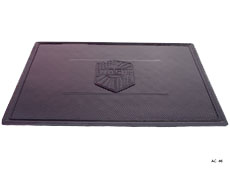 1950 Nash Ambassador Custom Accessory Floor Mat - 12"X17"-AC 46Accessory Floor Mat - made of high quality black rubber with molded original emblem. Also designed to be sewn into new carpets. 12"X17", Each
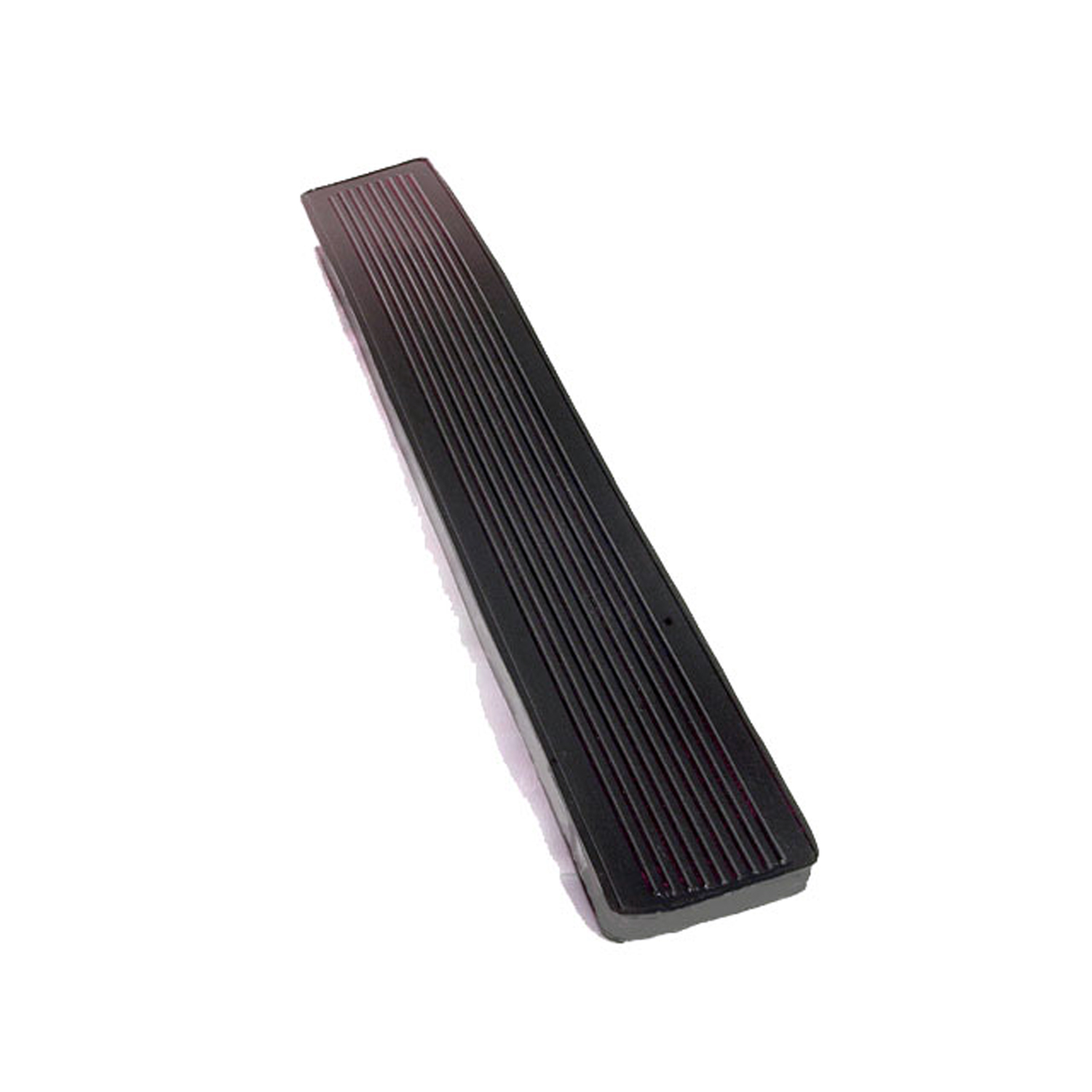 1950 Nash Ambassador Custom Accelerator Pedal Pad, 1-1/2" X 9-3/4", Each-AP 21Accelerator Pedal Pad, 1-1/2" X 9-3/4", Each
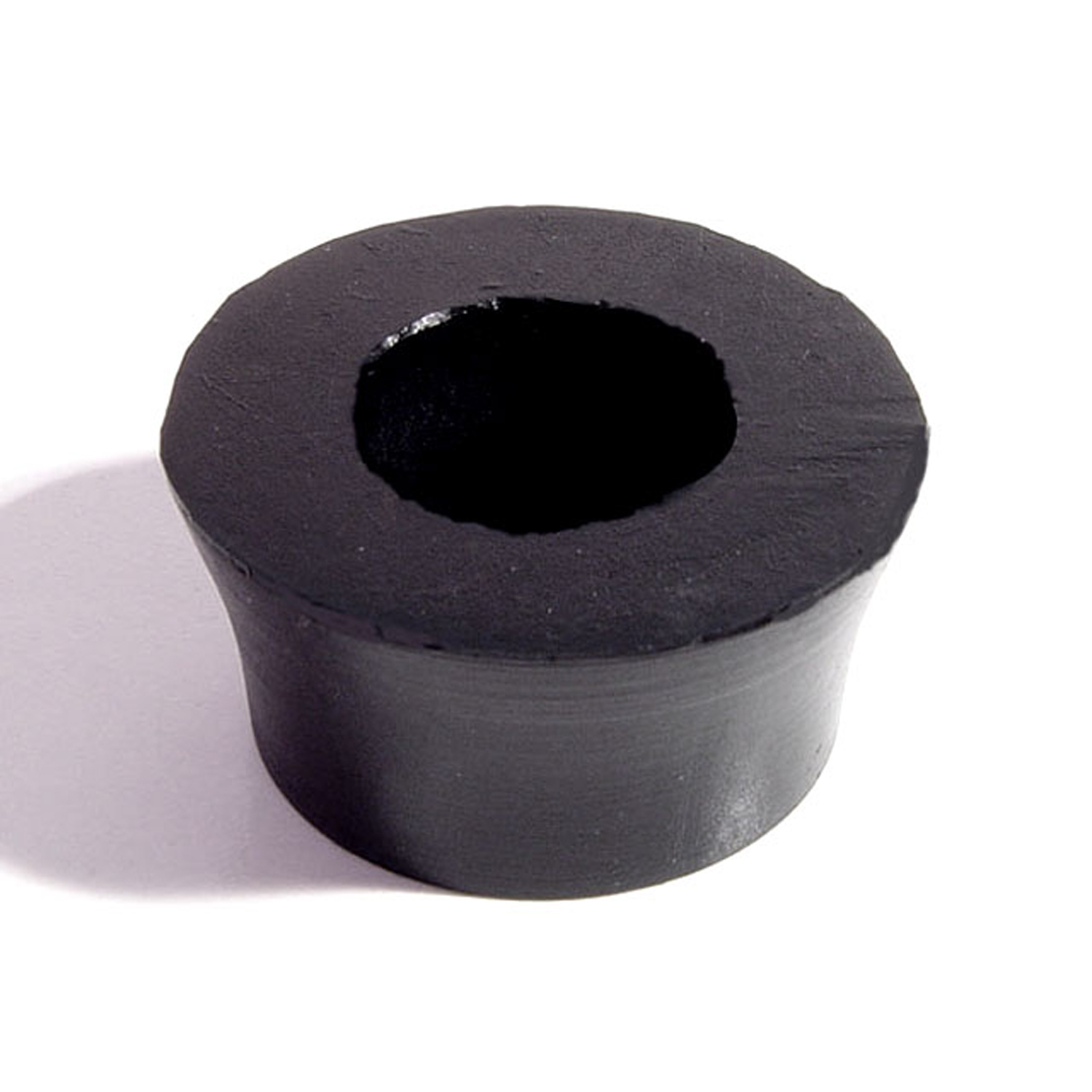 1950 Nash Ambassador Custom Shock Absorber Grommet. 1" bottom O.D., 5/8" high-BN 10Shock Absorber Grommet. 1" bottom O.D., 5/8" high., with 5/8" I.D. Each
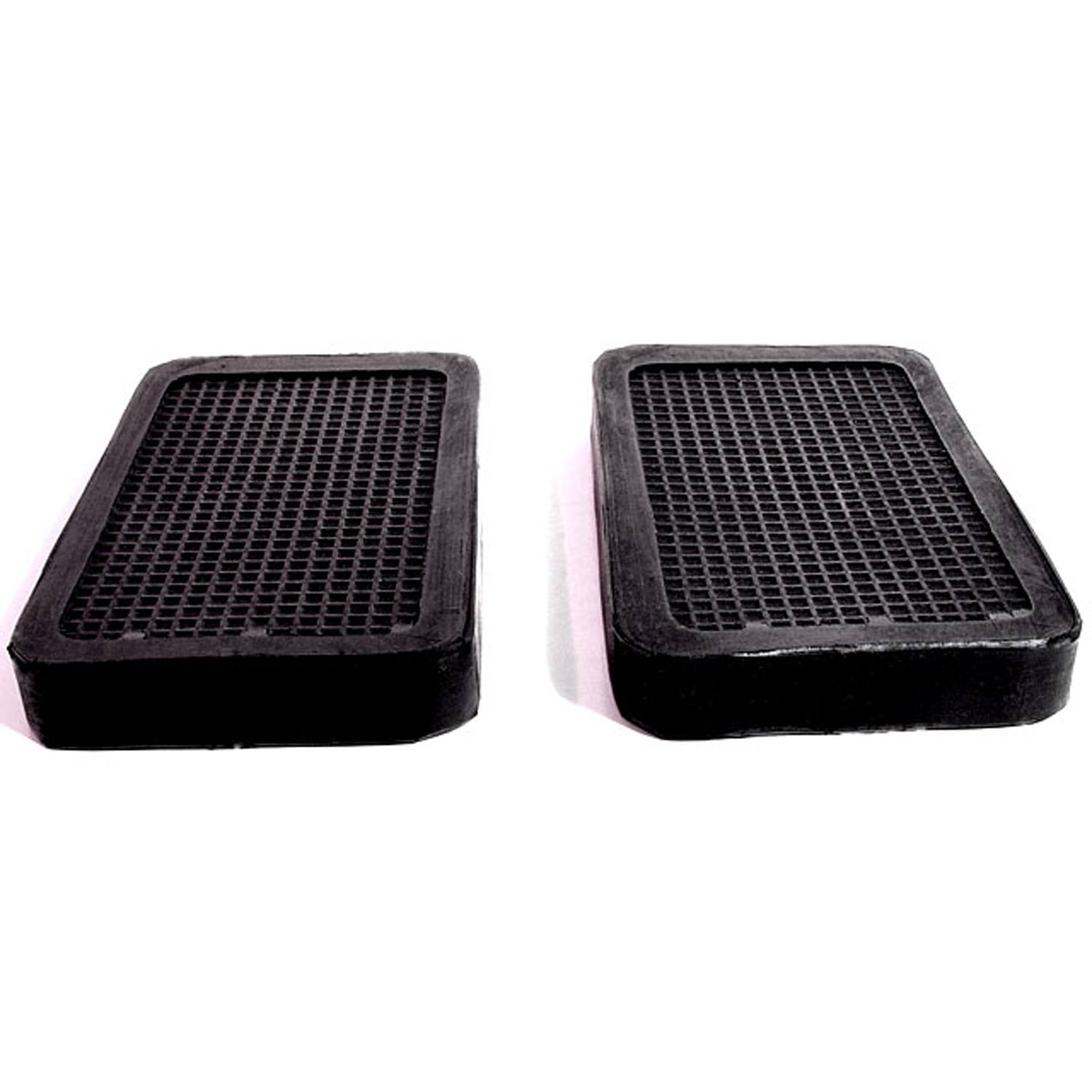 1950 Nash Ambassador Custom Clutch and Brake Pedal Pads. 2-1/4" wide X 4" long. Pair-CB 20Clutch and Brake Pedal Pads. 2-1/4" wide X 4" long. Pair
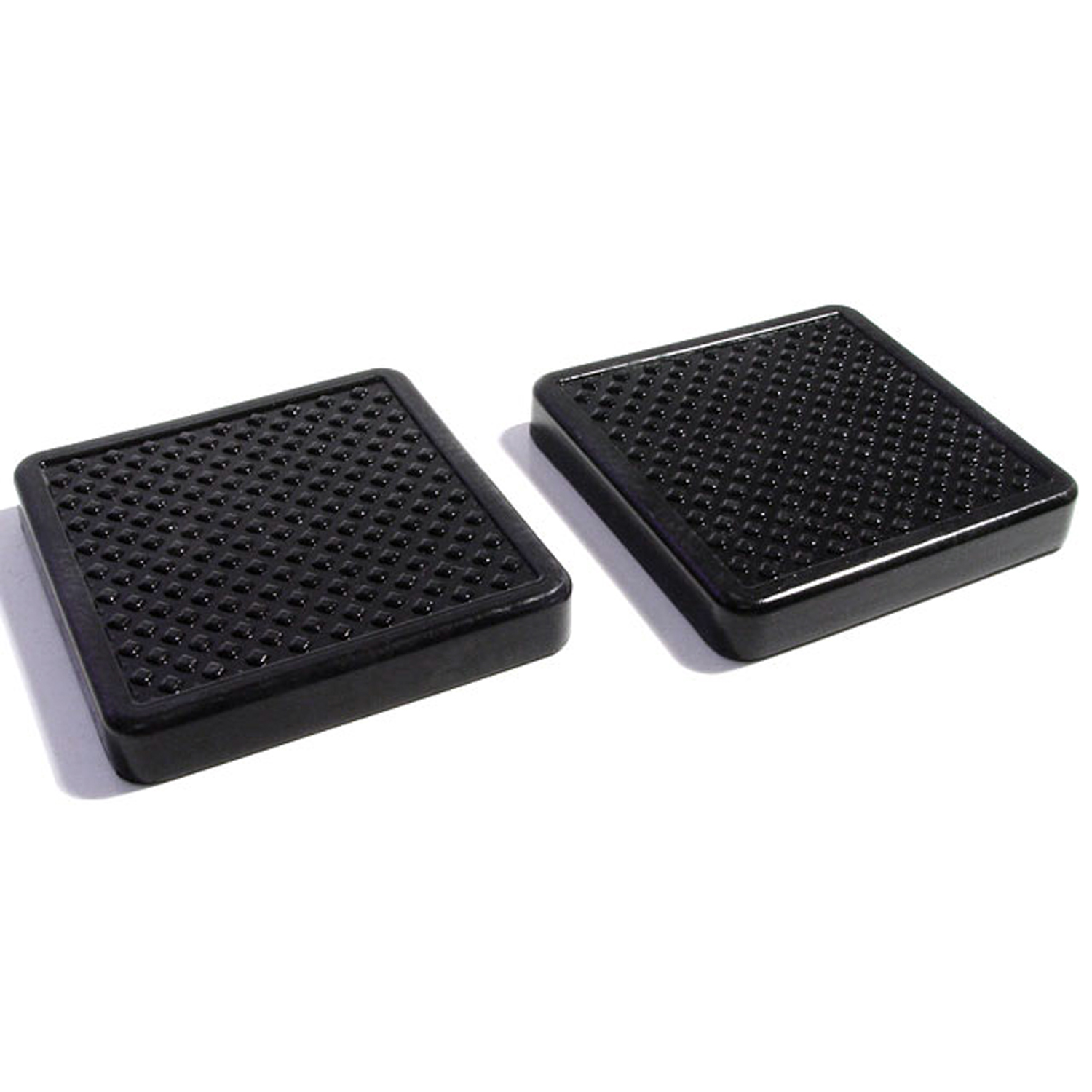 1950 Nash Ambassador Custom Clutch and Brake Pedal Pads. 3" wide X 3" long. Pair-CB 47Clutch and Brake Pedal Pads. 3" wide X 3" long. Pair
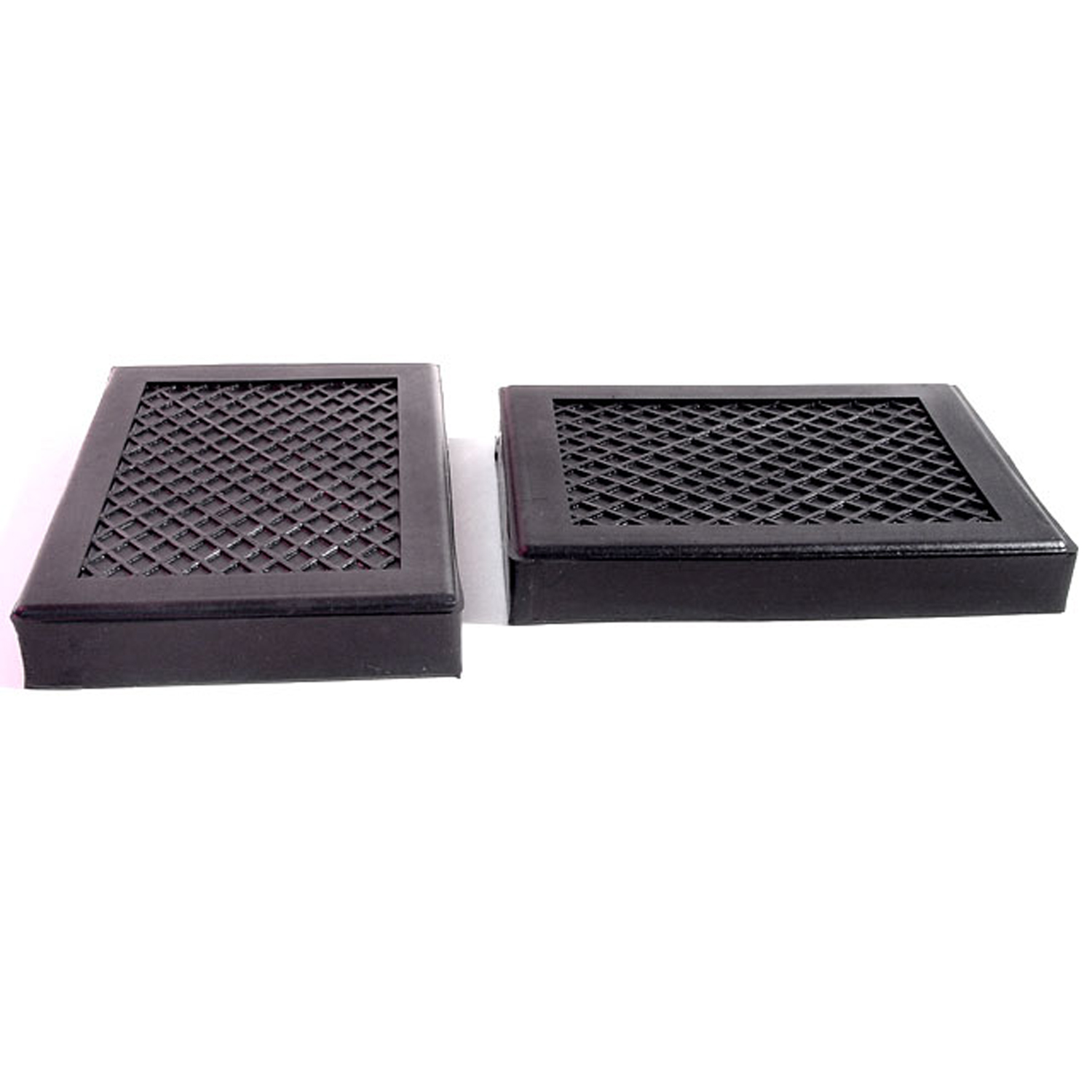 1950 Nash Ambassador Custom Clutch and Brake Pedal Pads. 2-3/4" wide X 3-7/8" long-CB 48Clutch and Brake Pedal Pads. 2-3/4" wide X 3-7/8" long. Pair
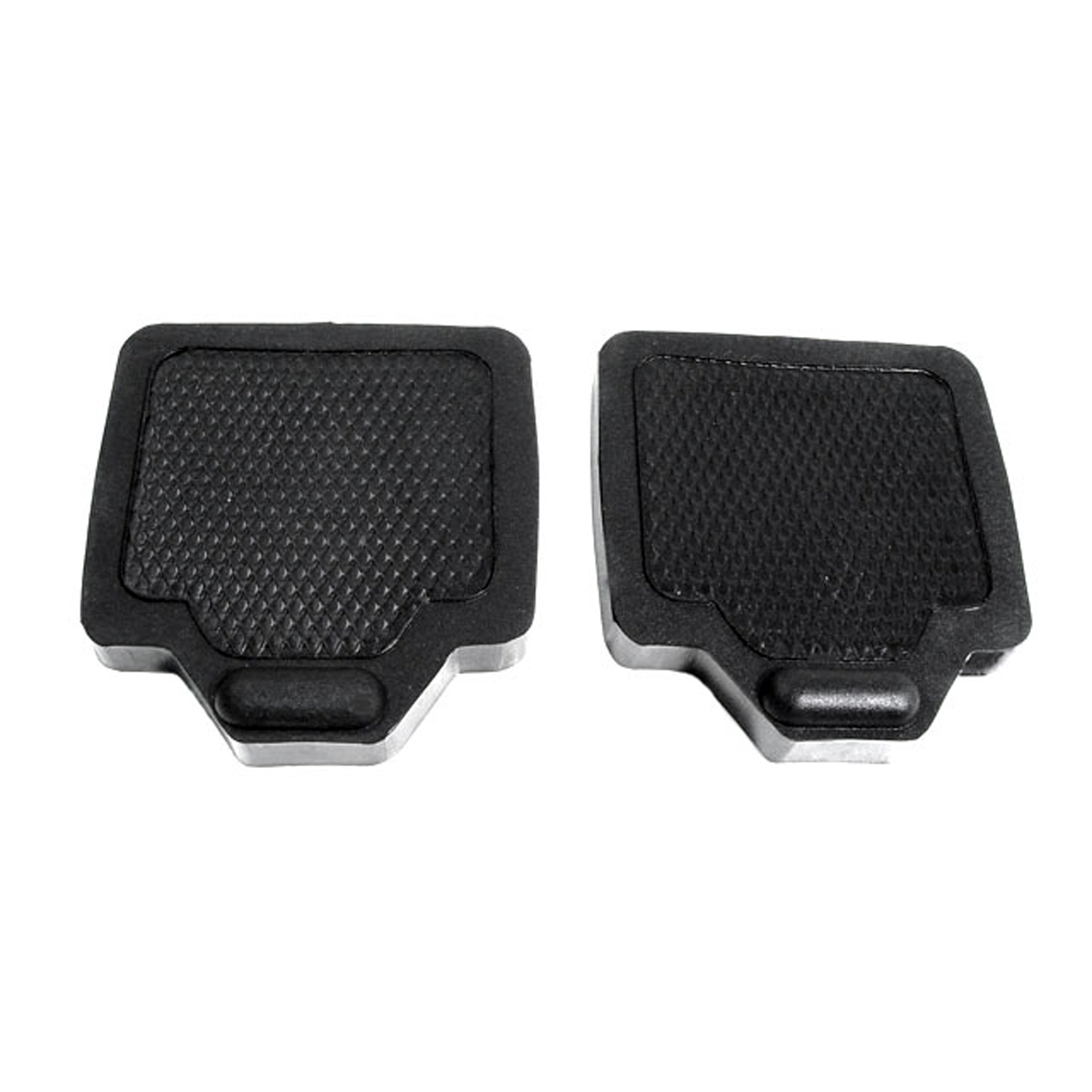 1950 Nash Ambassador Custom Clutch and Brake Pedal Pads. 3-1/2" wide X 3-7/8" long-CB 55Clutch and Brake Pedal Pads. 3-1/2" wide X 3-7/8" long. Pair
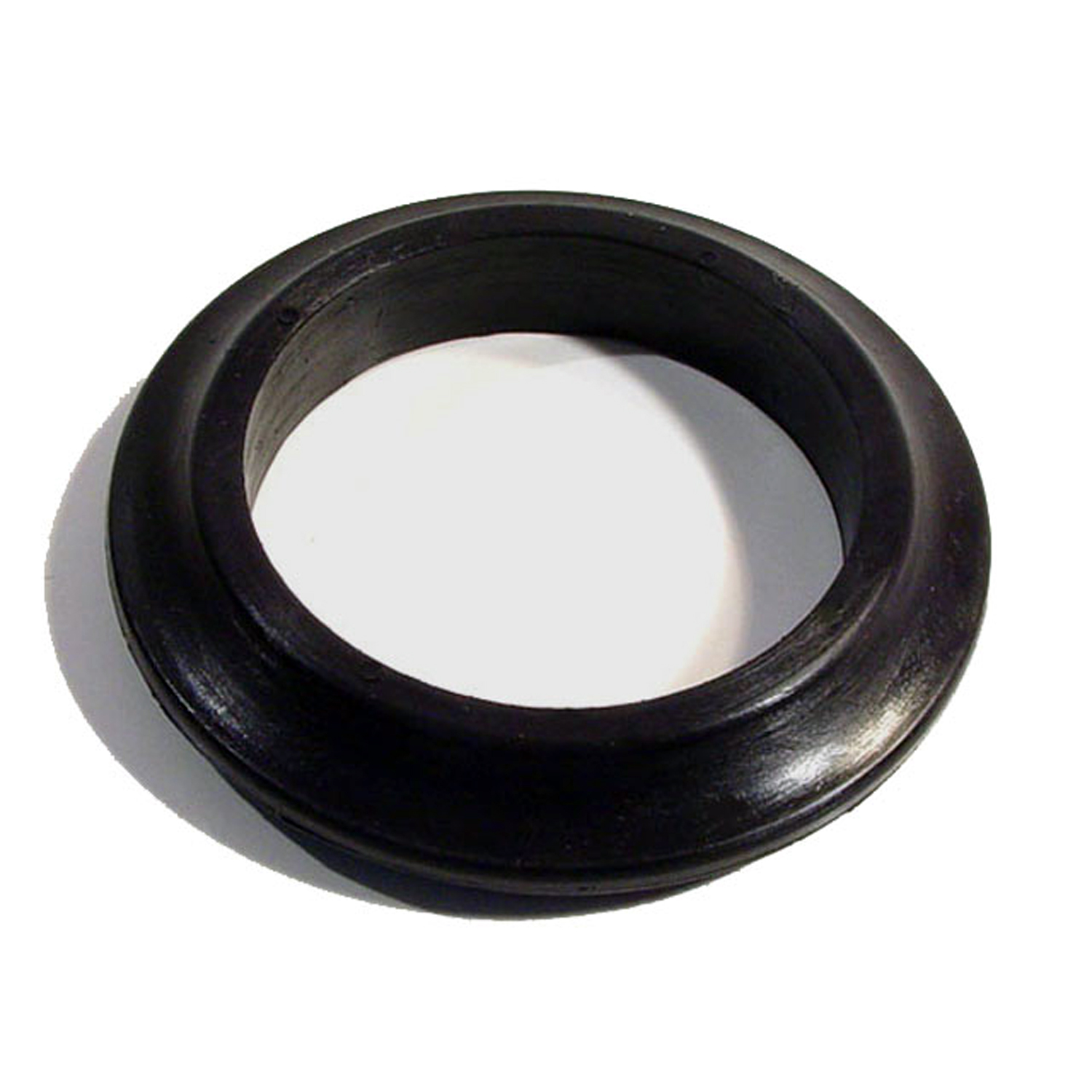 1950 Nash Ambassador Custom Gas Filler Grommet. 2-1/4" I.D., 3-5/16" O.D. Each-GF 21Gas Filler Grommet. 2-1/4" I.D., 3-5/16" O.D. Each
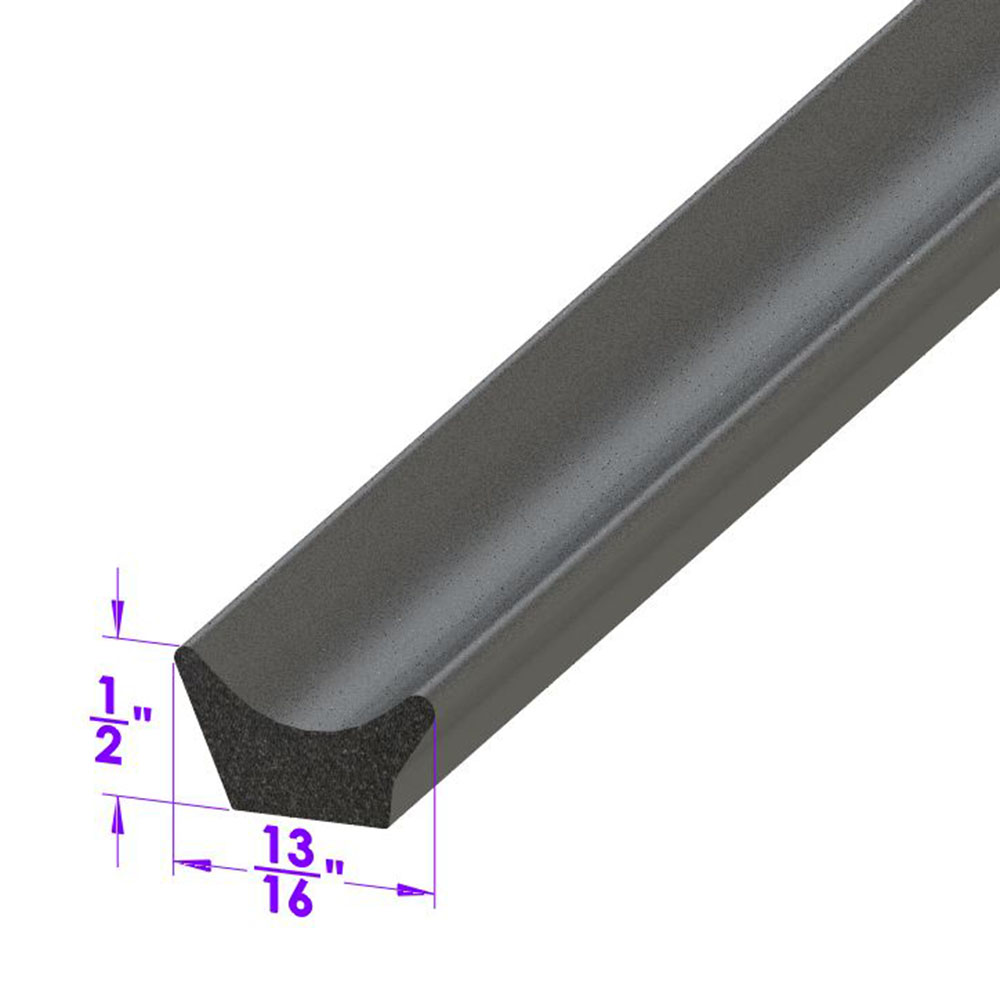 1950 Nash Ambassador Custom Door side seal. Same as LP 40, but for a lighter seal-LP 40-ADoor side seal. Same as LP 40, but for a lighter seal. Fits many domestic passenger cars and trucks. Universal seal for street rods and customs. Used in Cobra kit cars as door weatherstrip. Per foot.
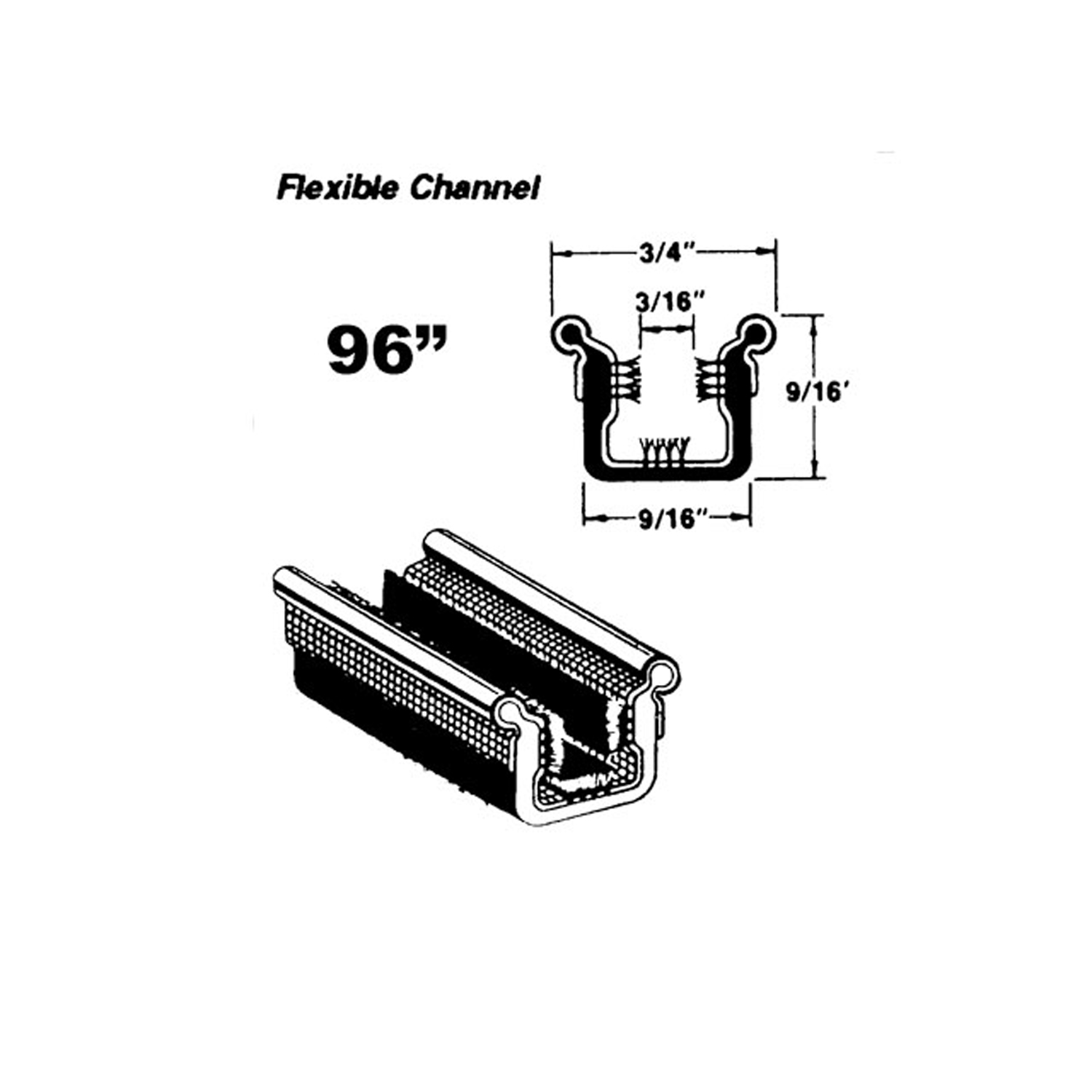 1950 Nash Ambassador Custom Flexible window channel-WC 10-96Flexible window channel. Rubber covered with mohair lining and stainless steel bead. 96 in. long. Each. NOTE: $20 special shipping charge applies for domestic orders. Call or email for overseas shipping costs. Part can be sectioned in two or three equal lengths to reduce overseas shipping costs.
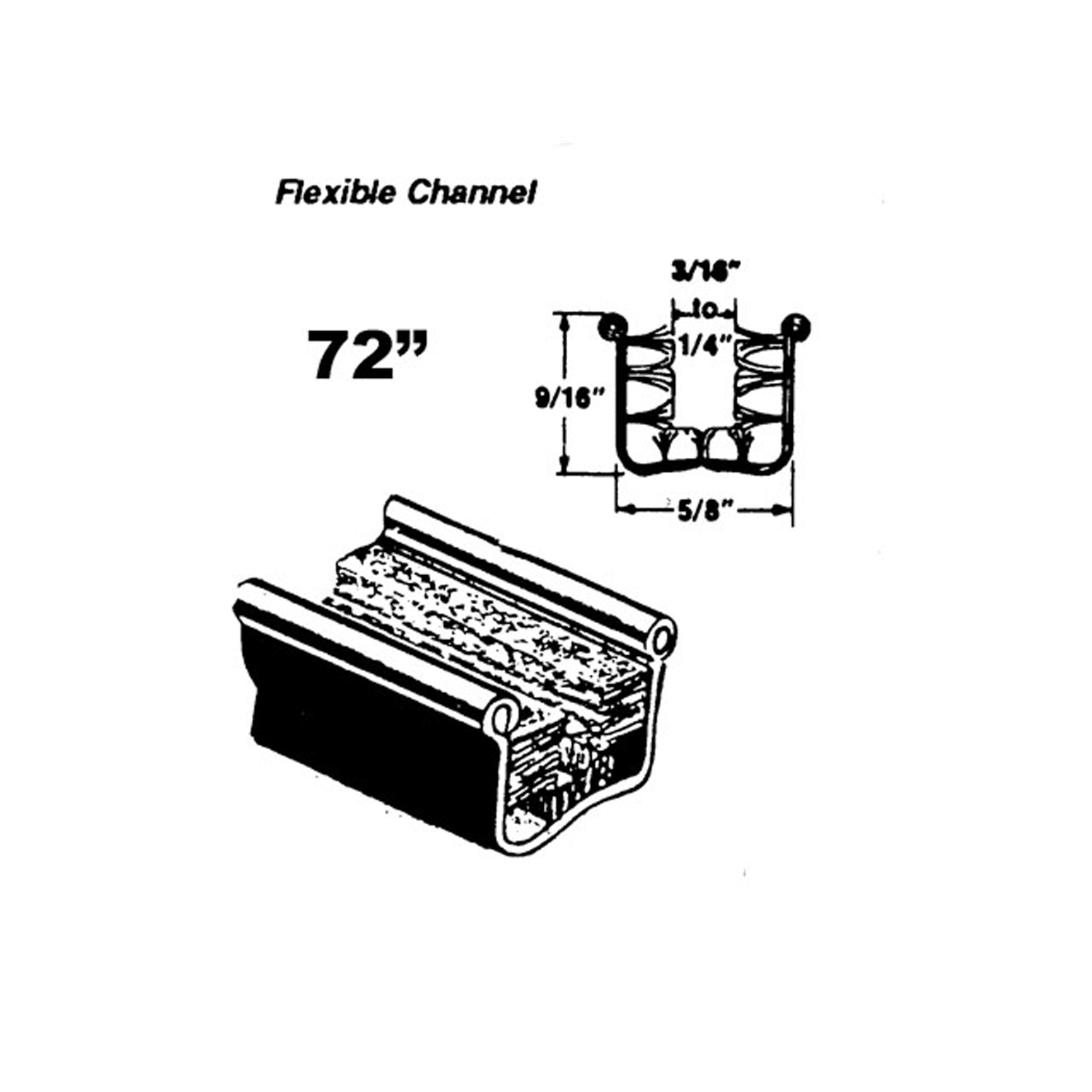 1950 Nash Ambassador Custom Flexible glass-run channel-WC 11-72Flexible glass-run channel. Mohair lined, cloth covered with stainless steel bead. Used on side windows. 72 in. long. Each. NOTE: $20 special shipping charge applies for domestic orders. Call or email for overseas shipping costs. Part can be sectioned in two equal lengths to reduce overseas shipping costs.
 1950 Nash Ambassador Custom Front Vent Window Seals. Pair R&L-WR 4600Front Vent Window Seals. Pair R&L
Why Choose Metro?
For over 100 years, Metro Moulded Parts has been the pinnacle of quality in classic car restoration parts. Our commitment to precision and authenticity in every component ensures a perfect fit and an OEM-level appearance.
- Expert Craftsmanship & Quality: Each part is a testament to our dedication to reliability and perfection, crafted from original designs and thoroughly tested.
- Advanced Technology: We use cutting-edge techniques to create flawless, long-lasting parts that surpass others in performance.
- SuperSoft Sponge – The Ultimate Door Seal: Not only are our door seals 30% softer than competitors', but they're also guaranteed to never leak. They effectively reduce wind and road noise, enhancing your classic car's comfort and driving experience.
- Proudly American: Our parts are a product of American craftsmanship, made in the USA with a spirit of excellence and heritage.
- Unrivaled Warranty: We back our products with a 30-year industry-leading warranty, a testament to our confidence in their quality.
Join us in preserving the legacy of classic cars with parts that are crafted for perfection, not just made.