

Image of 1951 Nash Ambassador Super, Note: These illustrations use artistic license and may differ from actual historical models.
Performance Metrics
Fundamental Metrics
Emotional Appeal
MMP Rating
| Engine Specifications | |
|---|---|
| Engine: | Inline 6 |
| Displacement: | 234.8 cu in (3.8 L) |
| Horsepower: | 112 hp |
| Torque: | Estimated 200 lb-ft |
| Compression Ratio: | 7.3:1 |
| Ignition System: | Battery Ignition |
| Cooling System: | Liquid Cooled |
| Performance Specifications | |
| 0-60 Time: | Estimated 15 seconds |
| 1/4 Mile Time: | Not available |
| Top Speed: | 90 mph |
| Transmission and Drive | |
| Drive Type: | Rear Wheel Drive |
| Transmission Type: | 3-speed manual |
| Fuel and Efficiency | |
| Fuel System Type: | Carburetor |
| MPG: | Estimated 15-20 mpg |
| Dimensions and Brakes | |
| Brakes: | Drum Brakes |
| Wheelbase: | 121.3 in |
| Weight: | 3,200 lbs |
Note: Specifications for classic cars are given to the best of our ability, considering the limited and variant data available.
1951 Nash Ambassador Super: America’s Streamlined Six
The 1951 Nash Ambassador Super looks as if it rolled out of a wind tunnel rather than a conventional postwar design studio. Its rounded body, enclosed front wheels, and roomy cabin made it one of the most distinctive American cars of its era. Built by Nash-Kelvinator Corporation, the Super was a well-equipped version of the Ambassador, Nash’s full-size car, and combined unconventional styling with practical engineering.
The Ambassador belonged to Nash’s Airflyte generation, introduced in 1949. Its shape reflected Nash’s serious interest in reducing aerodynamic drag, while its unitized body construction set it apart from the separate body-on-frame structure used by many rivals. A memorable detail: Nash promoted the Airflyte’s broad, flexible interior as a place where passengers could stretch out, and its seats could be arranged to create a makeshift sleeping space on long trips.
Airflyte Styling and Cabin Comfort
The Super’s exterior is defined by its smooth, rounded “bathtub” profile. The front fenders flow into the body instead of ending in exposed wheel arches, giving the car a clean, almost uninterrupted sweep from nose to tail. A broad grille and substantial chrome trim add definition to the front, while the enclosed rear wheels reinforce the car’s unusual, aerodynamic look. It is a design that can seem startling beside a more upright 1951 Ford or Chevrolet, and that is exactly its appeal today.
Inside, the Ambassador Super offered the generous passenger space expected of a full-size car. Upholstery and trim depended on the body style and factory specification, but buyers could expect durable, well-finished materials, a wide bench seat, and a substantial dashboard with clear, period-style instruments. The cabin emphasized comfort over sportiness, with room for passengers to settle in for a long drive. Nash’s reclining-seat arrangements were a particularly notable comfort feature, although the exact equipment could vary.
Factory paint choices changed across model years and could vary with body style and trim. Period Nash palettes included understated dark shades as well as lighter blues, greens, and other brighter colors. Solid colors were common, while two-tone combinations added extra visual drama on certain configurations. On a restored car, the original paint code and trim data are the best guides to whether a color combination is factory-correct.
Ambassador body styles included sedan and club-coupe forms, with convertible availability in the line. Exact combinations depended on trim and production specification. The four-door sedan is a familiar, practical example, while the convertible is the most eye-catching and sought-after version. When shopping, confirm the model and body-style details against the vehicle’s identification and factory records rather than relying on a seller’s description alone.
Engineering Ahead of the Curve
Nash’s unitized construction was a major point of difference. Instead of mounting the body on a traditional separate full-length frame, Nash built the body and structure as an integrated unit. That approach could reduce weight and improve cabin space, and it foreshadowed a construction method that would become widespread in passenger cars.
The Airflyte’s enclosed wheels were more than a styling flourish. Nash engineers believed the smooth bodywork helped reduce air resistance, an important consideration as manufacturers began paying closer attention to aerodynamic efficiency. The car also paired its unconventional body with comfort-oriented suspension engineering. Together, these choices made the Ambassador Super feel like a thoughtfully engineered alternative to the more familiar, upright American sedans of the period.
Six-Cylinder Power and Road Manners
Power came from Nash’s 234.8-cubic-inch (3.8-liter) L-head inline-six. Period specifications commonly list the Ambassador engine at about 115 horsepower, sent to the rear wheels through a three-speed manual transmission. An optional Hydra-Matic automatic transmission was available for buyers who preferred a more relaxed driving experience.
Performance was respectable for a large, comfort-focused sedan, but acceleration was never the Super’s main selling point. Depending on condition, transmission, gearing, and test method, a 0-to-60-mph run generally falls in the high-teens to around 20 seconds. A healthy example could reach roughly 85 to 90 mph, though sustained high-speed driving is not the reason most owners buy one.
On the road, the Ambassador feels substantial and composed. Its coil-spring suspension helps take the sharp edge off broken pavement, and the long, roomy body settles into a relaxed cruising rhythm. On a winding road, it rewards smooth inputs rather than quick direction changes: this is a big postwar sedan, not a sports car. Crosswinds and uneven pavement can remind the driver of its size, while the broad cabin and easygoing ride make longer journeys pleasant when the car is properly maintained.
The inline-six produces a subdued, steady exhaust note rather than a dramatic roar. Steering and braking feel distinctly vintage, and the driver does more of the work than in a modern car. That direct connection is part of the experience: the Super asks for anticipation, measured steering, and generous braking distance.
Living With a 1951 Ambassador Super
Today, the Super is most often used as a show car, a weekend cruiser, or a special-event vehicle. Some owners do drive their Nash regularly, but a dependable daily-driver example requires careful attention to cooling, brakes, tires, electrical connections, and fuel-system condition. Original parts and sound maintenance matter more than simply getting the engine to start.
The mechanical layout is approachable for an experienced home mechanic. The straight-six is generally less complicated than a modern engine, and routine work such as ignition service, fluid changes, and brake inspection is familiar to classic-car shops. However, age and the car’s distinctive construction mean that body repairs, trim restoration, and sourcing some Nash-specific components can take patience. Before buying, inspect the structure carefully for corrosion and previous repairs, and check that the transmission, steering, and braking systems work as they should.
Nash Facts Worth Knowing
The Ambassador Super’s most recognizable feature, its enclosed front wheels, earned Nash cars the “bathtub” nickname. Admirers see a bold aerodynamic statement; critics see an unusually bulky shape. Both reactions help explain why the Airflyte remains so memorable.
Nash-Kelvinator later joined with Hudson to form American Motors Corporation in 1954. The Ambassador name continued under AMC, giving it a longer life than the Nash company itself. The 1951 Super therefore represents a distinctive chapter in the transition from independent American automakers to the increasingly consolidated industry of the 1950s.
There is no widely recognized speed or endurance record associated specifically with the 1951 Ambassador Super. Its achievement was more practical: it brought unconventional streamlining, unitized construction, and a spacious, comfort-minded interior to a mainstream American car. Common criticisms include its polarizing appearance, modest acceleration, and the difficulty of finding certain model-specific restoration parts.
Collector Values and Availability
The Ambassador Super is uncommon in today’s classic-car market, but it is not generally considered an unobtainable rarity. Production totals can be difficult to pin down by trim and body style, so a precise figure for the Super alone should be treated cautiously. A reasonable working estimate is roughly 20,000 to 35,000 Super models across the available body styles, with surviving, usable examples representing only a small portion of that number.
As a broad U.S. market estimate, a project car may sell for about $5,000 to $10,000. A running, presentable sedan might fall around $12,000 to $25,000, while a high-quality restoration can reach roughly $25,000 to $40,000. A well-restored convertible may command more, potentially around $35,000 to $60,000 or higher when condition, documentation, and buyer demand align. These are estimates, not guaranteed values: rust, originality, restoration quality, and local market conditions make a substantial difference.
Interest in distinctive postwar cars has helped the Ambassador attract attention, but values remain sensitive to condition and the cost of restoration. A solid, well-documented car is usually a better buy than a cheap project with missing trim or serious structural problems. The model’s unusual styling gives it strong show-field presence, even if its market is smaller than that for a comparable Ford or Chevrolet.
Why the 1951 Nash Ambassador Super Matters
The 1951 Nash Ambassador Super paired a smooth six-cylinder engine and relaxed road manners with engineering and styling that challenged the conventional American sedan. Its unitized construction, aerodynamic ambitions, generous cabin, and unmistakable enclosed-wheel design made it more than just another postwar family car.
Seventy-five years on, the Super still turns heads because it never tried to look ordinary. It is a comfortable cruiser, a conversation-starting classic, and a reminder that American automotive history was shaped by bold ideas as much as by horsepower.
1951 Nash Ambassador Super Catalog of Parts
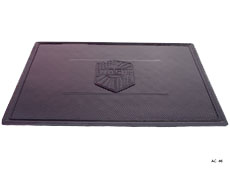 1951 Nash Ambassador Super Accessory Floor Mat - 12"X17"-AC 46Accessory Floor Mat - made of high quality black rubber with molded original emblem. Also designed to be sewn into new carpets. 12"X17", Each
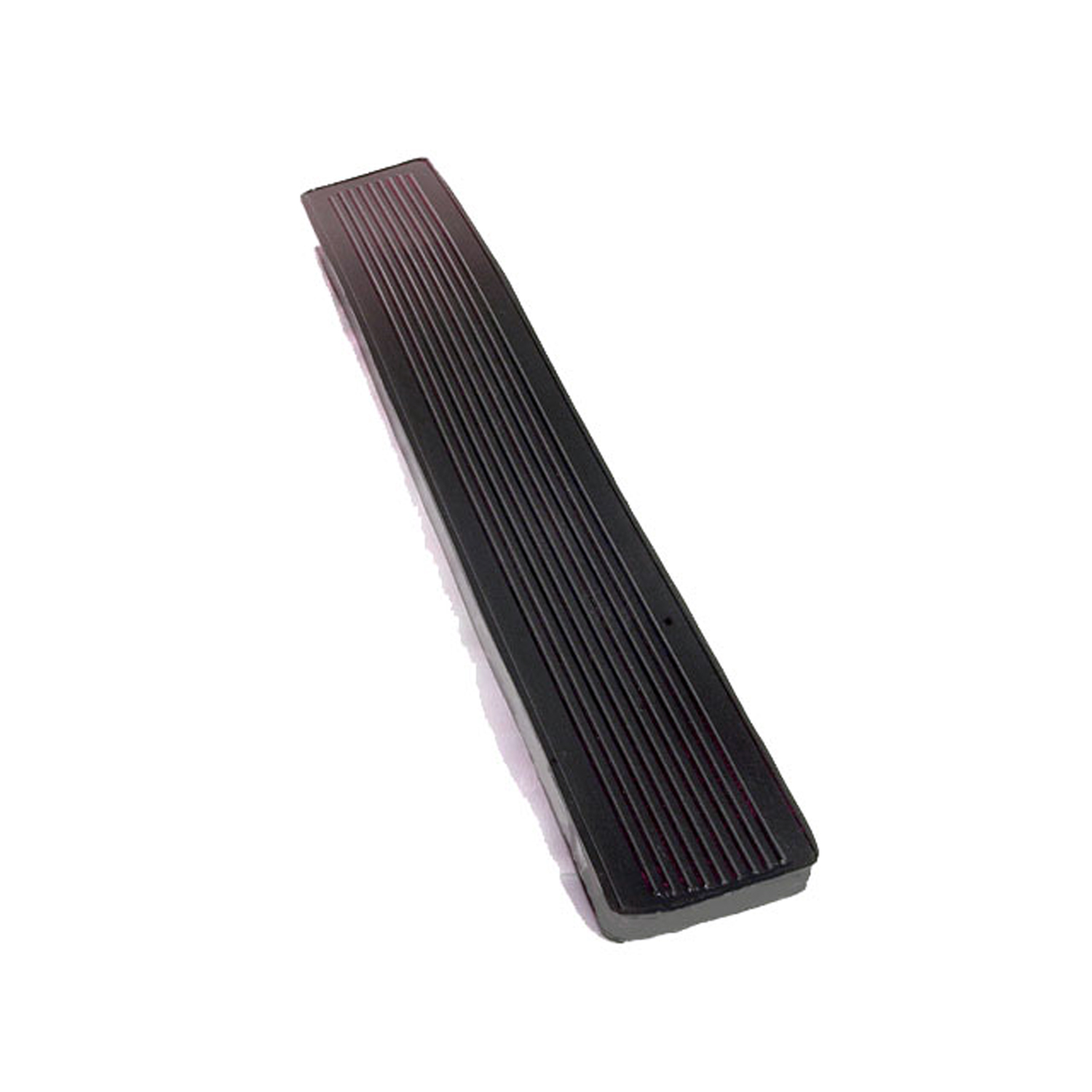 1951 Nash Ambassador Super Accelerator Pedal Pad, 1-1/2" X 9-3/4", Each-AP 21Accelerator Pedal Pad, 1-1/2" X 9-3/4", Each
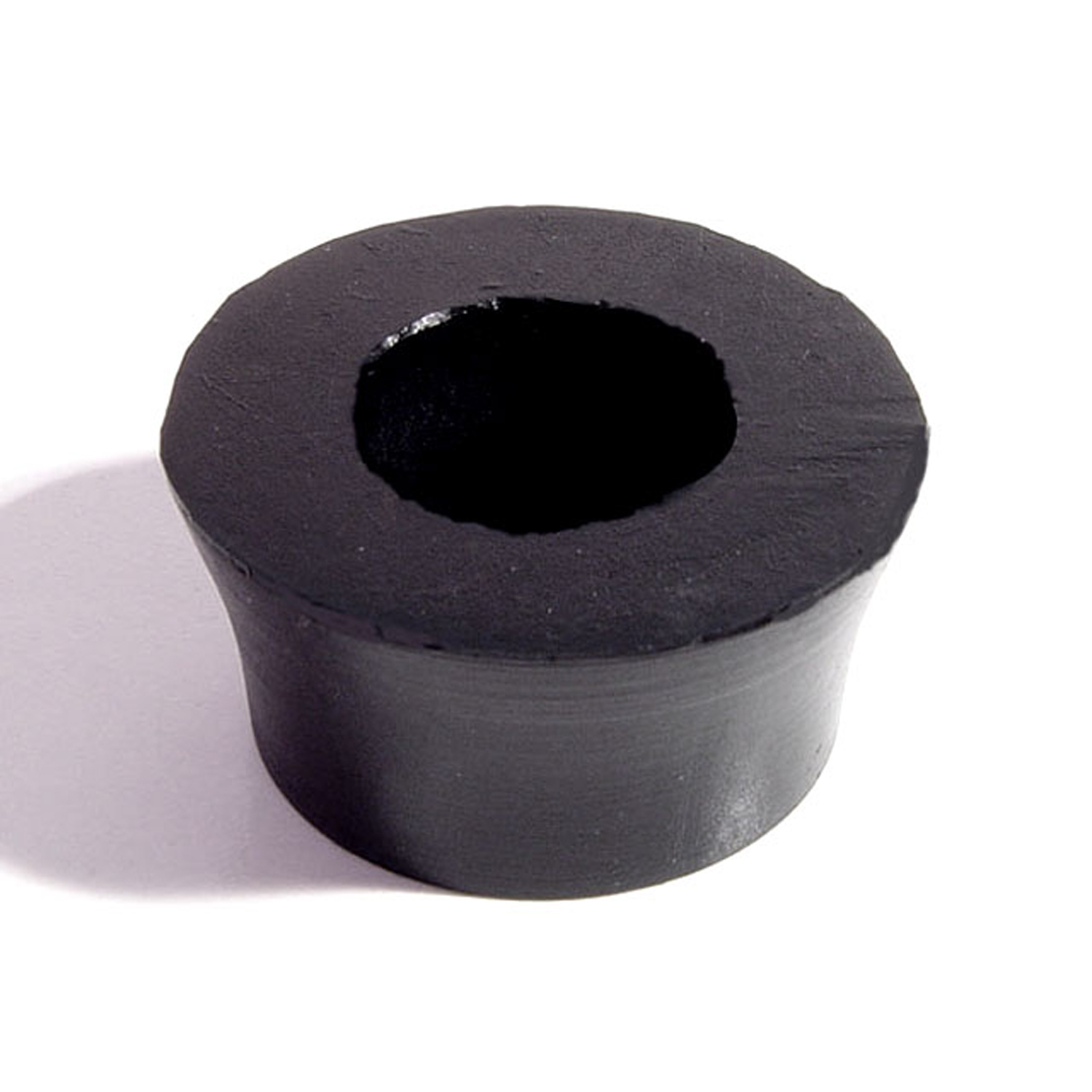 1951 Nash Ambassador Super Shock Absorber Grommet. 1" bottom O.D., 5/8" high-BN 10Shock Absorber Grommet. 1" bottom O.D., 5/8" high., with 5/8" I.D. Each
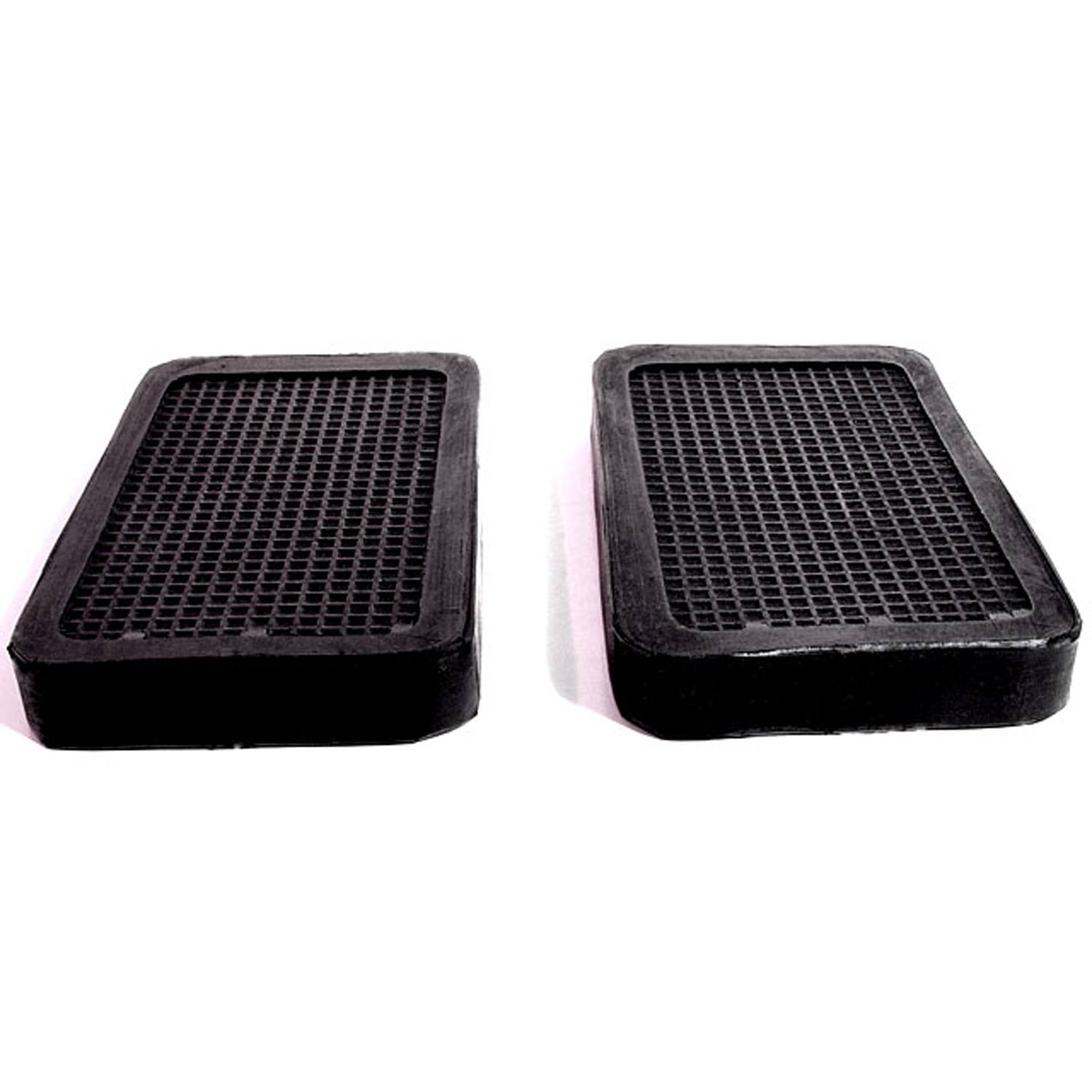 1951 Nash Ambassador Super Clutch and Brake Pedal Pads. 2-1/4" wide X 4" long. Pair-CB 20Clutch and Brake Pedal Pads. 2-1/4" wide X 4" long. Pair
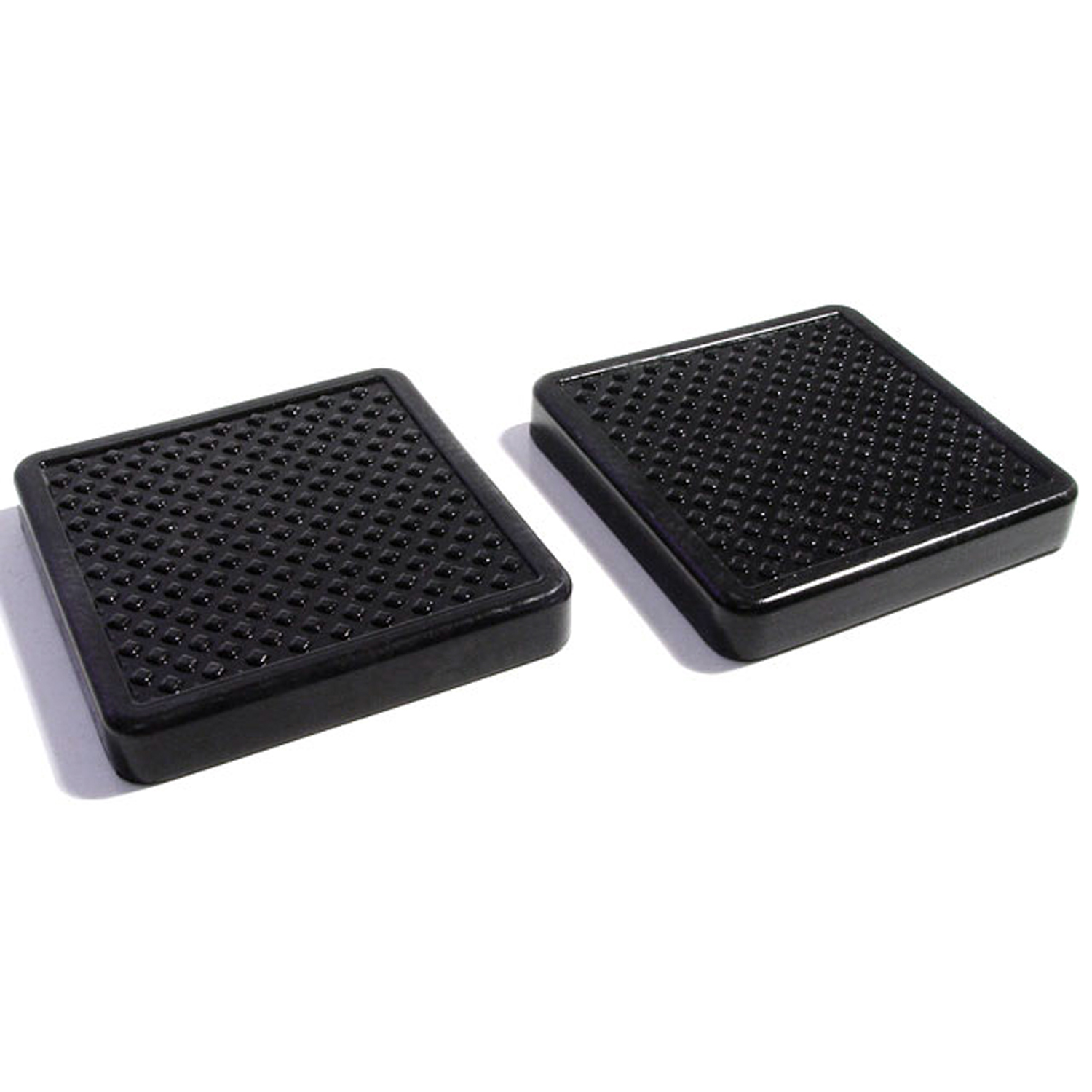 1951 Nash Ambassador Super Clutch and Brake Pedal Pads. 3" wide X 3" long. Pair-CB 47Clutch and Brake Pedal Pads. 3" wide X 3" long. Pair
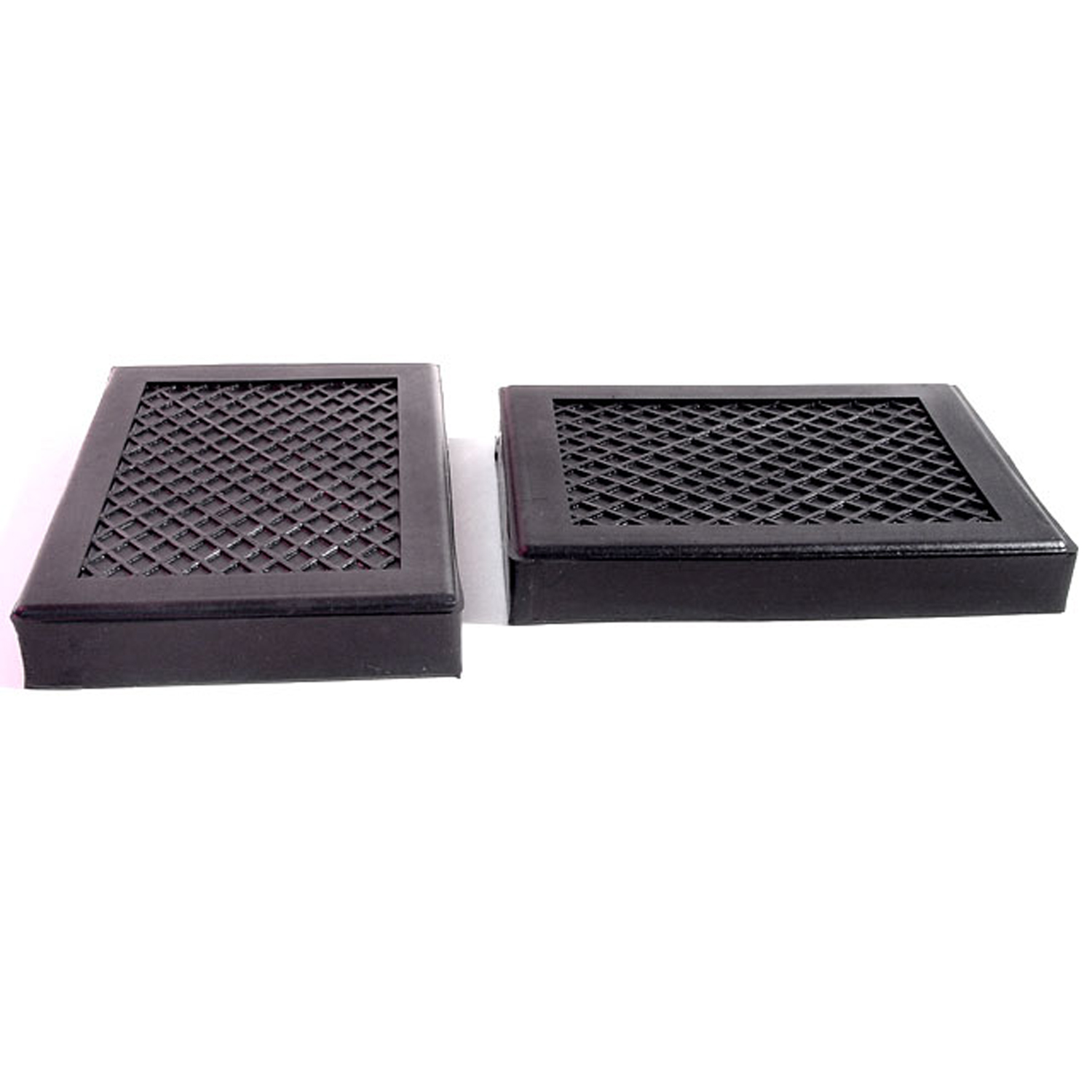 1951 Nash Ambassador Super Clutch and Brake Pedal Pads. 2-3/4" wide X 3-7/8" long-CB 48Clutch and Brake Pedal Pads. 2-3/4" wide X 3-7/8" long. Pair
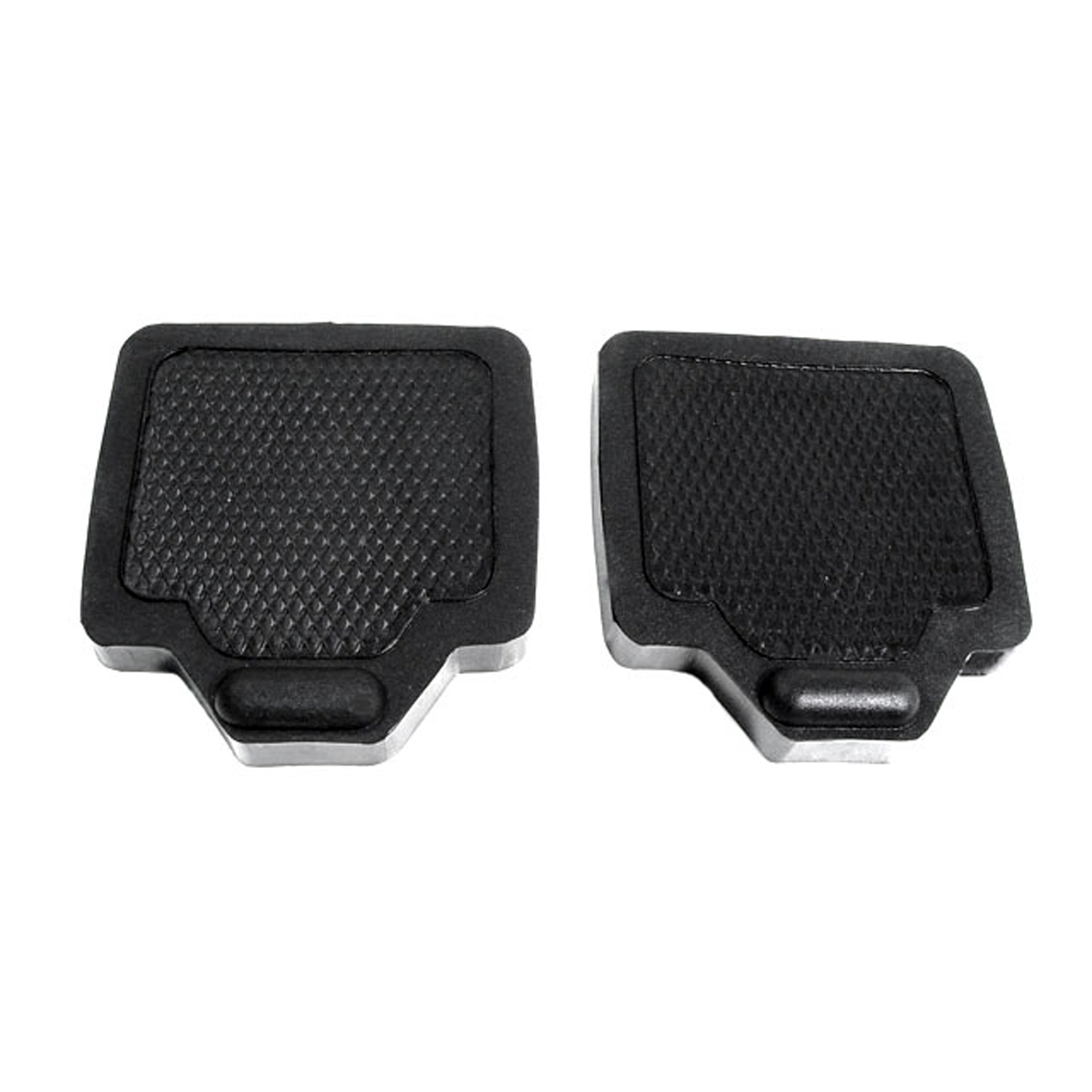 1951 Nash Ambassador Super Clutch and Brake Pedal Pads. 3-1/2" wide X 3-7/8" long-CB 55Clutch and Brake Pedal Pads. 3-1/2" wide X 3-7/8" long. Pair
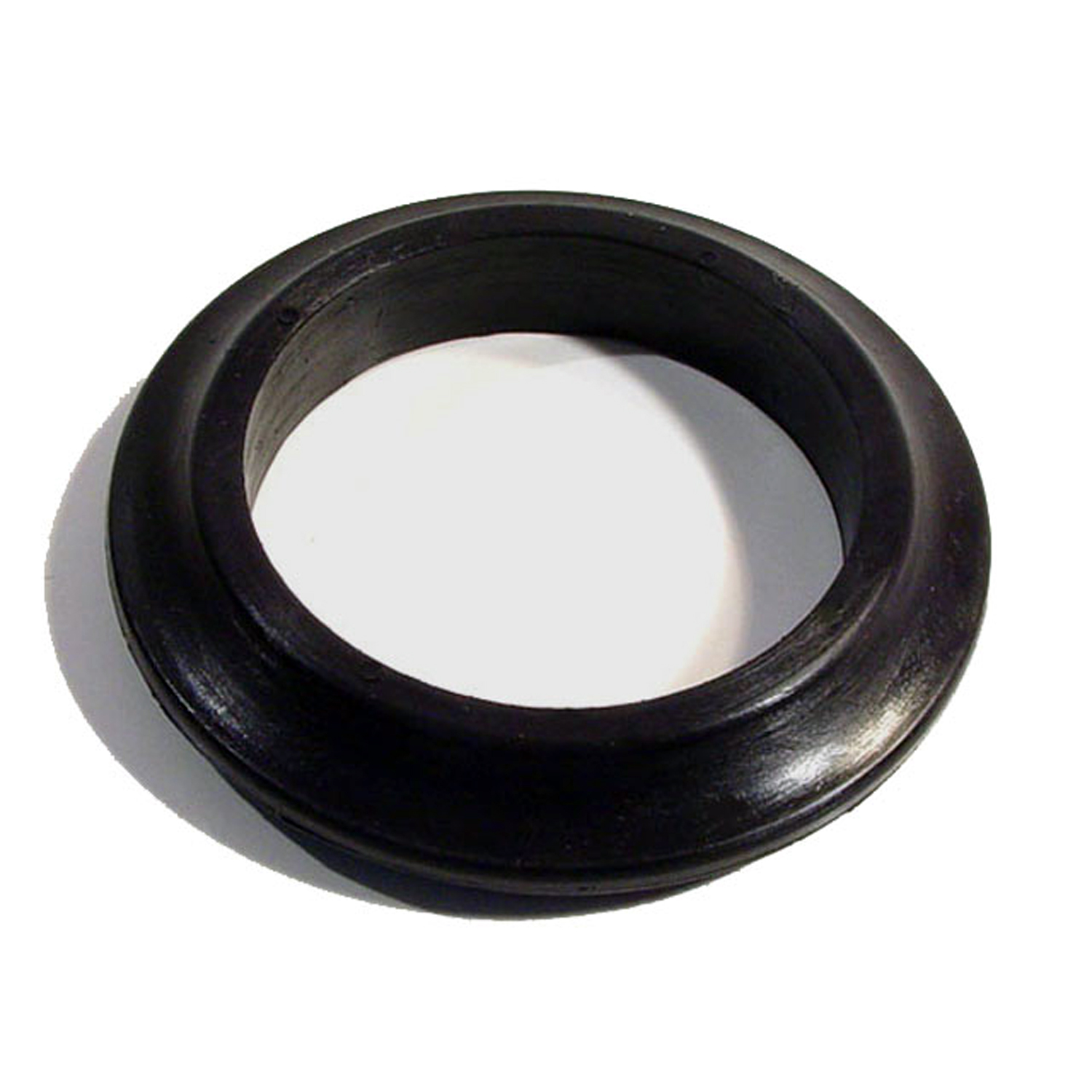 1951 Nash Ambassador Super Gas Filler Grommet. 2-1/4" I.D., 3-5/16" O.D. Each-GF 21Gas Filler Grommet. 2-1/4" I.D., 3-5/16" O.D. Each
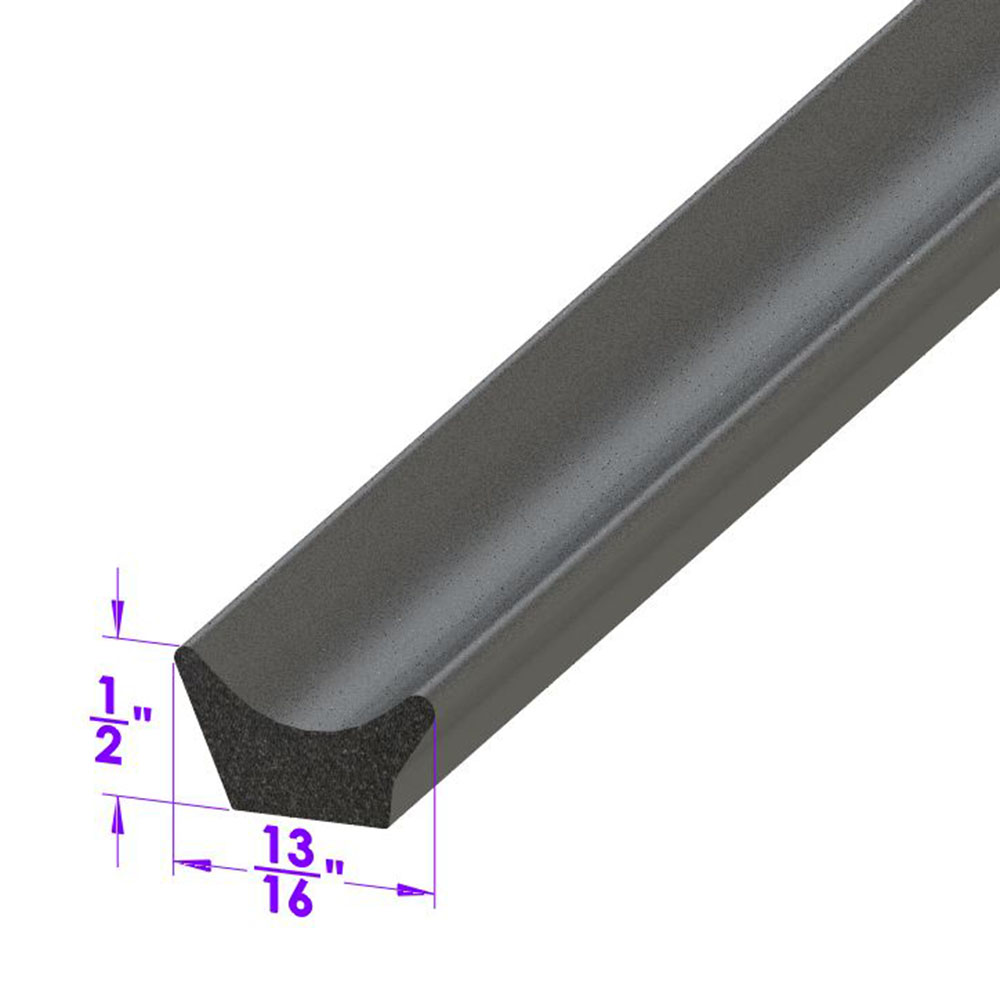 1951 Nash Ambassador Super Door side seal. Same as LP 40, but for a lighter seal-LP 40-ADoor side seal. Same as LP 40, but for a lighter seal. Fits many domestic passenger cars and trucks. Universal seal for street rods and customs. Used in Cobra kit cars as door weatherstrip. Per foot.
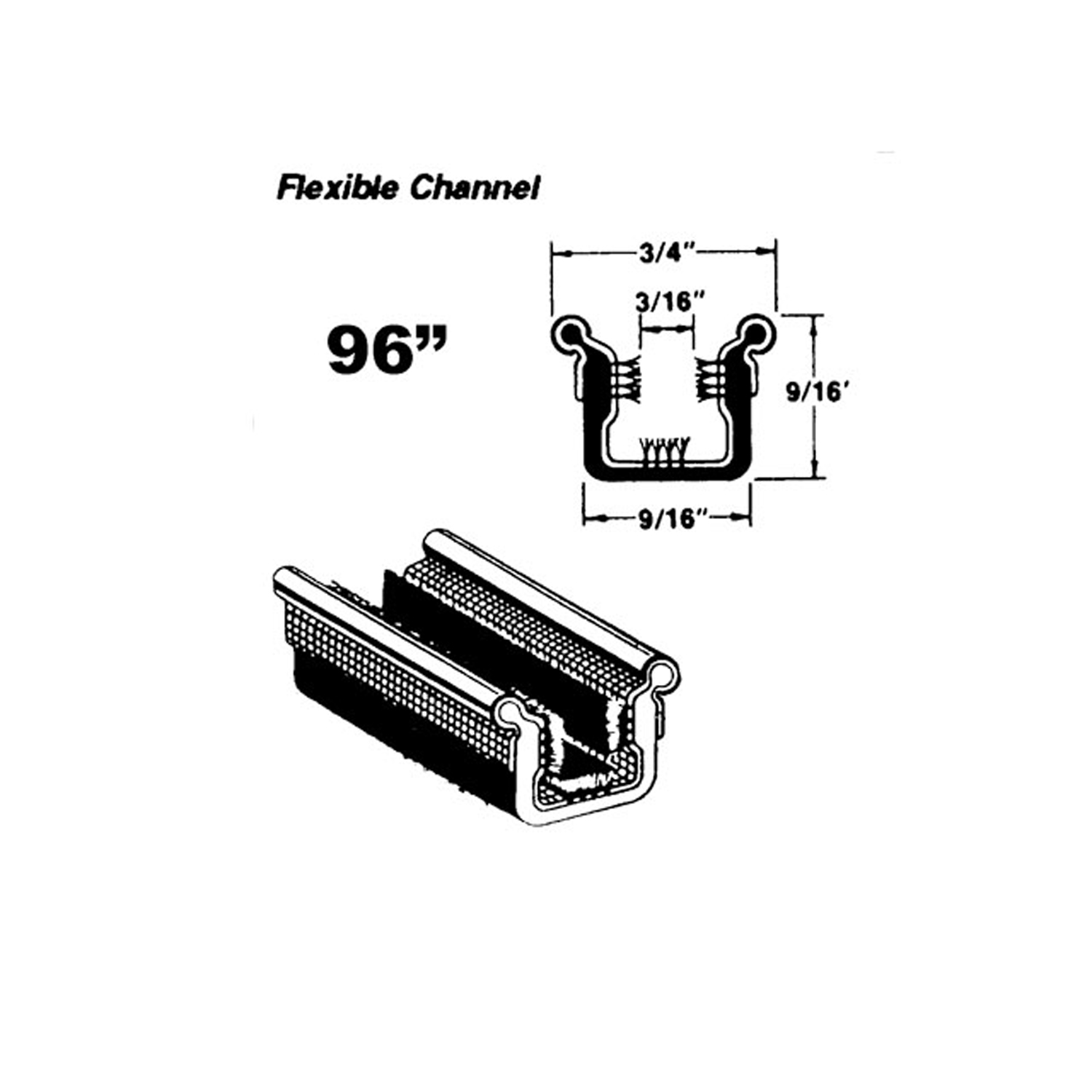 1951 Nash Ambassador Super Flexible window channel-WC 10-96Flexible window channel. Rubber covered with mohair lining and stainless steel bead. 96 in. long. Each. NOTE: $20 special shipping charge applies for domestic orders. Call or email for overseas shipping costs. Part can be sectioned in two or three equal lengths to reduce overseas shipping costs.
 1951 Nash Ambassador Super Flexible glass-run channel-WC 11-72Flexible glass-run channel. Mohair lined, cloth covered with stainless steel bead. Used on side windows. 72 in. long. Each. NOTE: $20 special shipping charge applies for domestic orders. Call or email for overseas shipping costs. Part can be sectioned in two equal lengths to reduce overseas shipping costs.
 1951 Nash Ambassador Super Front Vent Window Seals. Pair R&L-WR 4600Front Vent Window Seals. Pair R&L
Why Choose Metro?
For over 100 years, Metro Moulded Parts has been the pinnacle of quality in classic car restoration parts. Our commitment to precision and authenticity in every component ensures a perfect fit and an OEM-level appearance.
- Expert Craftsmanship & Quality: Each part is a testament to our dedication to reliability and perfection, crafted from original designs and thoroughly tested.
- Advanced Technology: We use cutting-edge techniques to create flawless, long-lasting parts that surpass others in performance.
- SuperSoft Sponge – The Ultimate Door Seal: Not only are our door seals 30% softer than competitors', but they're also guaranteed to never leak. They effectively reduce wind and road noise, enhancing your classic car's comfort and driving experience.
- Proudly American: Our parts are a product of American craftsmanship, made in the USA with a spirit of excellence and heritage.
- Unrivaled Warranty: We back our products with a 30-year industry-leading warranty, a testament to our confidence in their quality.
Join us in preserving the legacy of classic cars with parts that are crafted for perfection, not just made.