

Image of 1952 Nash Ambassador Custom, Note: These illustrations use artistic license and may differ from actual historical models.
Performance Metrics
Fundamental Metrics
Emotional Appeal
MMP Rating
| Engine Specifications | |
|---|---|
| Engine: | Inline 6 |
| Displacement: | 252 cu in (4.1 L) |
| Horsepower: | 120 hp |
| Torque: | Estimated 200 lb-ft |
| Compression Ratio: | 7.6:1 |
| Ignition System: | Battery Ignition |
| Cooling System: | Liquid Cooled |
| Performance Specifications | |
| 0-60 Time: | Estimated 15 seconds |
| 1/4 Mile Time: | Not available |
| Top Speed: | 90 mph |
| Transmission and Drive | |
| Drive Type: | Rear Wheel Drive |
| Transmission Type: | 3-speed manual with overdrive |
| Fuel and Efficiency | |
| Fuel System Type: | Carburetor |
| MPG: | Estimated 20 MPG |
| Dimensions and Brakes | |
| Brakes: | Drum Brakes |
| Wheelbase: | 121.3 in |
| Weight: | 3,200 lbs |
Note: Specifications for classic cars are given to the best of our ability, considering the limited and variant data available.
1952 Nash Ambassador Custom: The Independent That Dared to Look Different
The 1952 Nash Ambassador Custom is unmistakable: a broad, rounded body, skirted rear wheels, and a cabin that puts comfort ahead of convention. Built by Nash-Kelvinator Corporation, it was the top-tier version of Nash’s full-size Ambassador and a vivid example of how an independent automaker could challenge Detroit’s biggest companies with a different kind of luxury car.
Nash had roots in the Thomas B. Jeffery Company, which became the Nash Motors Company in 1916. By 1952, the automaker was part of Nash-Kelvinator, the company formed when Nash acquired the appliance manufacturer in 1937. The Ambassador sat at the top of Nash’s passenger-car range, offering a roomy, well-equipped alternative to the larger offerings from Chevrolet, Ford, and Chrysler.
Its postwar Airflyte styling was a bold departure from the separate-fender shapes common on many rivals. Nash’s enclosed front wheels and smooth, rounded bodywork gave the car an aerodynamic, almost futuristic look. The styling was distinctive enough to divide opinion, but that was part of its appeal. One memorable Nash feature was its optional reclining front seats, which could be arranged with the rear seat to form a sleeping space known as the Twin Travel Bed. It was an inventive touch for motorists planning long road trips.
Airflyte Styling and Custom Comfort
The Ambassador Custom wears Nash’s rounded Airflyte design with confidence. Its front fenders flow into the body rather than standing apart as pronounced wings, while the rear wheel openings are covered by fender skirts. A broad grille, substantial chrome accents, and a curved roofline complete the car’s substantial profile. The result is less sharply edged than many early-1950s American cars, but it has a graceful, streamlined presence that is easy to recognize from across a parking lot.
Inside, the Custom trim focused on comfort and a more upscale finish. Depending on body style and equipment, buyers could find cloth upholstery, contrasting trim, quality carpeting, and polished brightwork. The seating was generous, and the broad cabin made the Ambassador well suited to carrying a family. Nash’s attention to passenger comfort was more than a styling exercise: the company designed the car around a spacious interior and made practical touring features part of its identity.
Factory paint choices varied by model, trim, and production period. Buyers could choose from colors in the blue, green, gray, cream, and maroon families, with two-tone combinations adding extra visual flair on some cars. Today, restored examples in period-correct two-tone paint tend to attract attention, though a well-preserved single-color car can look just as handsome.
The Ambassador range included several body styles, with availability depending on the precise series and equipment. Four-door sedans were the practical choice, while two-door coupes offered a sportier profile. Nash’s Country Club hardtop, with its pillarless side-window look, is among the most eye-catching versions. The Custom designation identified the more lavishly appointed end of the Ambassador line. Buyers could also choose transmission and comfort options, including Nash’s Hydra-Matic automatic transmission on applicable models.
Engineering That Set Nash Apart
The Ambassador’s most important engineering distinction was its unitized, or unibody, construction. Instead of relying on a separate body mounted on a conventional frame, Nash built the body and structure as an integrated unit. The approach helped create a rigid passenger compartment and supported the company’s goal of delivering a spacious interior without simply making the whole car enormous.
Nash also invested heavily in climate comfort. Its Weather Eye heating and ventilation system was a prominent feature, designed to manage cabin airflow and temperature more effectively than a basic heater. The company’s emphasis on ventilation, seating comfort, and touring convenience gave the Ambassador a character that differed from cars marketed chiefly around horsepower or flashy styling.
That mix of aerodynamic bodywork, unitized construction, and comfort-focused equipment made Nash an important independent voice in postwar automotive design. The Ambassador did not dictate the styling direction of the entire industry, but it showed that a manufacturer outside the Big Three could take a distinct approach to packaging and passenger comfort. Nash later merged with Hudson in 1954, forming American Motors Corporation, making the 1952 Ambassador part of the story of the independent automakers’ struggle to survive in an increasingly consolidated market.
Six-Cylinder Power and Highway Manners
The 1952 Ambassador was powered by Nash’s 252.6-cubic-inch L-head inline-six. Period specifications commonly list output at about 120 horsepower, though published figures can vary by source and equipment. A three-speed manual transmission was available, and an automatic transmission could be ordered. The Ambassador was built for smooth, steady touring rather than stoplight drag races.
Performance figures should be treated as period-style estimates because results depend on transmission, gearing, vehicle condition, and testing method. A sound example may reach roughly 90 to 95 mph, while a 0-to-60-mph run is likely to take around 16 to 20 seconds. Those numbers were respectable for a substantial six-cylinder sedan of its era, but the car’s strengths are its relaxed character and comfortable road manners, not outright acceleration.
On the road, the long wheelbase and soft suspension help the Ambassador settle over broken pavement. It feels substantial and calm at cruising speeds, with the engine producing a steady six-cylinder hum rather than a sharp, high-revving bark. Steering and braking feel distinctly vintage, and the car asks its driver to plan ahead, especially in modern traffic. On winding roads, the Ambassador is best driven smoothly. Its size, period tires, and comfort-oriented suspension reward a measured pace more than aggressive cornering.
The rounded body and enclosed front wheels also mean visibility can feel different from that of a modern car. Drivers need to learn the car’s corners and allow room for its broad body. Once familiar with it, the Ambassador offers an enjoyable, unhurried driving experience: soft ride, roomy seating, and the satisfying mechanical sounds of a classic straight-six.
Living With a 1952 Ambassador
Most Ambassadors today are used as show cars, weekend cruisers, or vintage-tour vehicles rather than daily transportation. A properly maintained example can cover local trips and relaxed highway miles, but it is still a 70-plus-year-old car. A prospective owner should inspect the structure carefully, check the cooling and fuel systems, and confirm that the transmission, brakes, and electrical equipment work as they should.
Routine mechanical work is approachable for an experienced home mechanic. The inline-six is generally straightforward in design, and many service tasks follow familiar vintage-car procedures. The harder part can be finding model-specific trim, interior pieces, glass, and body panels in good condition. Nash owners often rely on marque clubs, specialist vendors, and parts networks to locate the right components. As with many classics, buying the most complete car you can afford is usually less costly than restoring a neglected one.
Common criticisms include the car’s unusual styling, modest acceleration by modern standards, and the difficulty of sourcing certain Nash-specific parts. Some drivers also find the broad body and period visibility challenging at first. Those drawbacks are balanced by generous cabin space, a comfortable ride, and a design that stands out in a crowd of more familiar postwar sedans.
Interesting Nash Ambassador Facts
The Twin Travel Bed idea captured Nash’s practical, road-trip-minded approach. Reclining front seats could be combined with the rear seating area to create a place to sleep, an unusual convenience that helped distinguish the company’s family cars.
The Ambassador was not primarily a racing model, and it is not remembered for major speed or endurance records. Its significance lies instead in its engineering and design choices. Nash’s Airflyte body, unitized construction, and emphasis on cabin comfort gave the car a clear identity at a time when American buyers had many increasingly similar-looking choices.
The Ambassador’s enclosed front wheels are among its most frequently discussed features. Admirers see them as sleek and advanced; critics consider them too bulbous or unconventional. That styling debate has followed the car for decades, helping make it one of the most recognizable American designs of the early 1950s.
Collector Value and Availability
Surviving 1952 Ambassador Customs are uncommon compared with popular Chevrolet and Ford models of the same period, but they are not impossible to find. Exact production totals for individual Custom body and trim combinations are not consistently reported in commonly available summaries. As a broad estimate rather than a verified factory count, total 1952 Ambassador production was likely in the tens of thousands, while the Custom versions represented a smaller share. A reasonable working estimate for Custom production is several thousand cars, though the number varies by body style and how the trim designation is counted.
Values depend heavily on condition, originality, body style, and the quality of any restoration. As a general U.S. market guide, a project car might sell for roughly $5,000 to $12,000, a usable driver for about $12,000 to $25,000, and a very good restored example for approximately $25,000 to $40,000 or more. Exceptional restorations or especially desirable configurations can exceed that range, while incomplete cars may sell for less. These are broad estimates, not a formal appraisal, and regional demand can make a substantial difference.
Values for less common independent makes tend to move unevenly. Well-presented cars with documented restoration work can attract dedicated Nash enthusiasts, but the market is smaller than it is for high-volume models with abundant parts and broad name recognition. The Ambassador’s distinctive appearance and historical interest support its appeal, while restoration costs and parts availability can limit how quickly prices rise.
Why the 1952 Nash Ambassador Custom Still Matters
The 1952 Nash Ambassador Custom combined a powerful visual identity with thoughtful engineering and a clear focus on passenger comfort. Its unitized construction, Airflyte styling, Weather Eye ventilation, and optional Twin Travel Bed made it more than a curious shape from the past. It was a serious attempt to rethink what a family touring car could be.
Today, the Ambassador rewards owners who appreciate individuality as much as polish. It may not be the quickest or easiest classic to restore, but its spacious cabin, smooth six-cylinder character, and unmistakable silhouette make it a standout. The 1952 Nash Ambassador Custom remains a reminder that American automotive history was shaped not only by the biggest manufacturers, but also by bold independents willing to take a different road.
1952 Nash Ambassador Custom Catalog of Parts
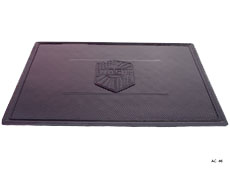 1952 Nash Ambassador Custom Accessory Floor Mat - 12"X17"-AC 46Accessory Floor Mat - made of high quality black rubber with molded original emblem. Also designed to be sewn into new carpets. 12"X17", Each
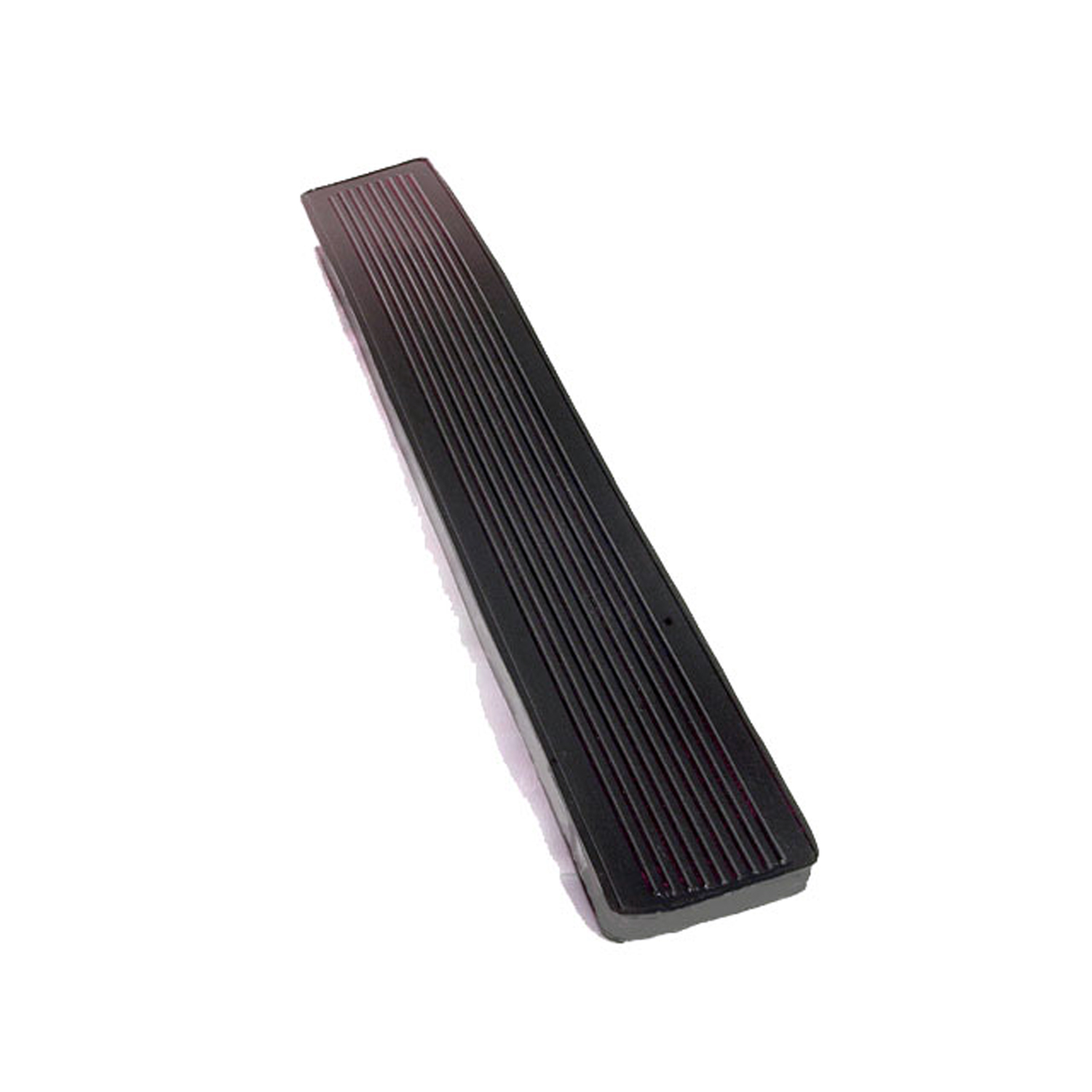 1952 Nash Ambassador Custom Accelerator Pedal Pad, 1-1/2" X 9-3/4", Each-AP 21Accelerator Pedal Pad, 1-1/2" X 9-3/4", Each
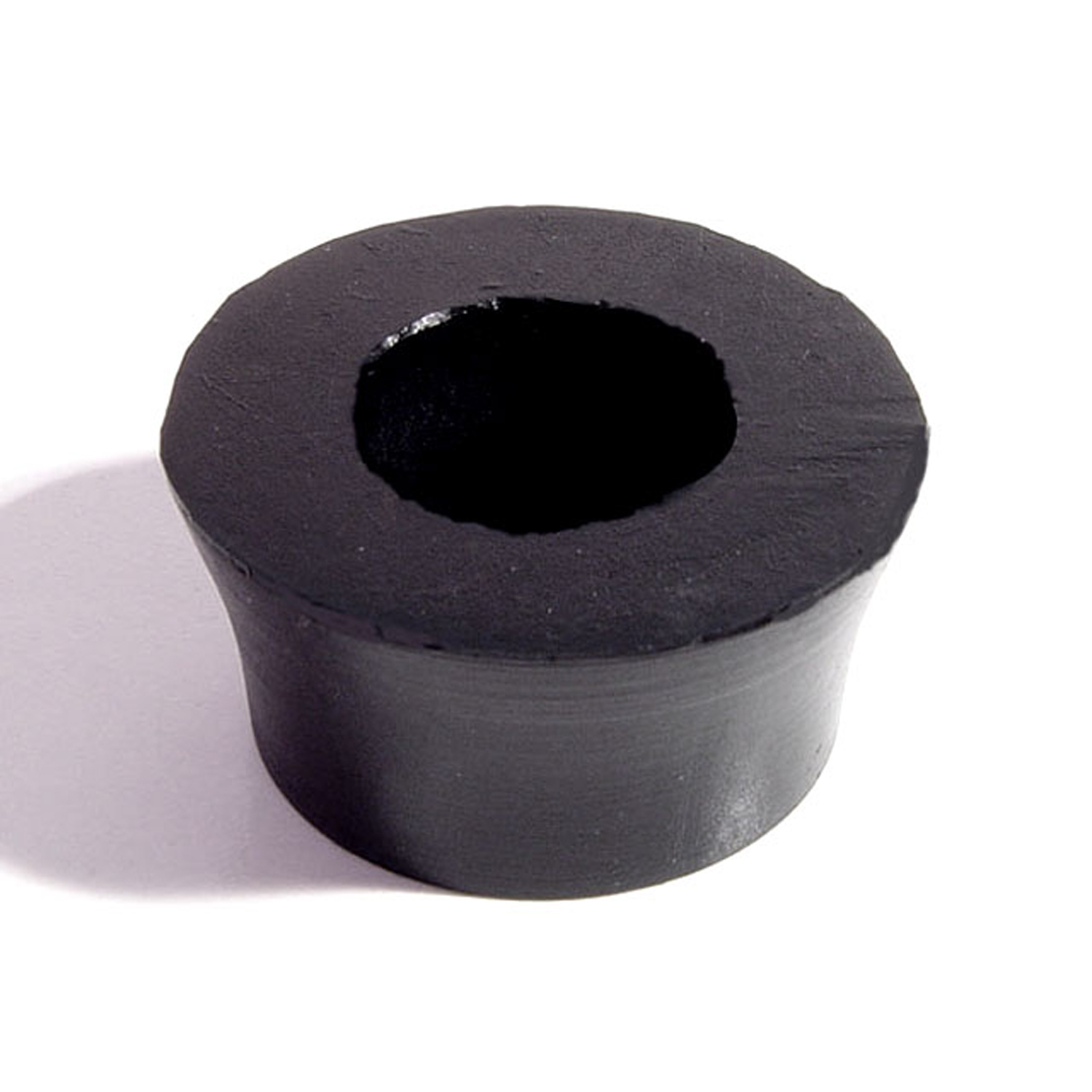 1952 Nash Ambassador Custom Shock Absorber Grommet. 1" bottom O.D., 5/8" high-BN 10Shock Absorber Grommet. 1" bottom O.D., 5/8" high., with 5/8" I.D. Each
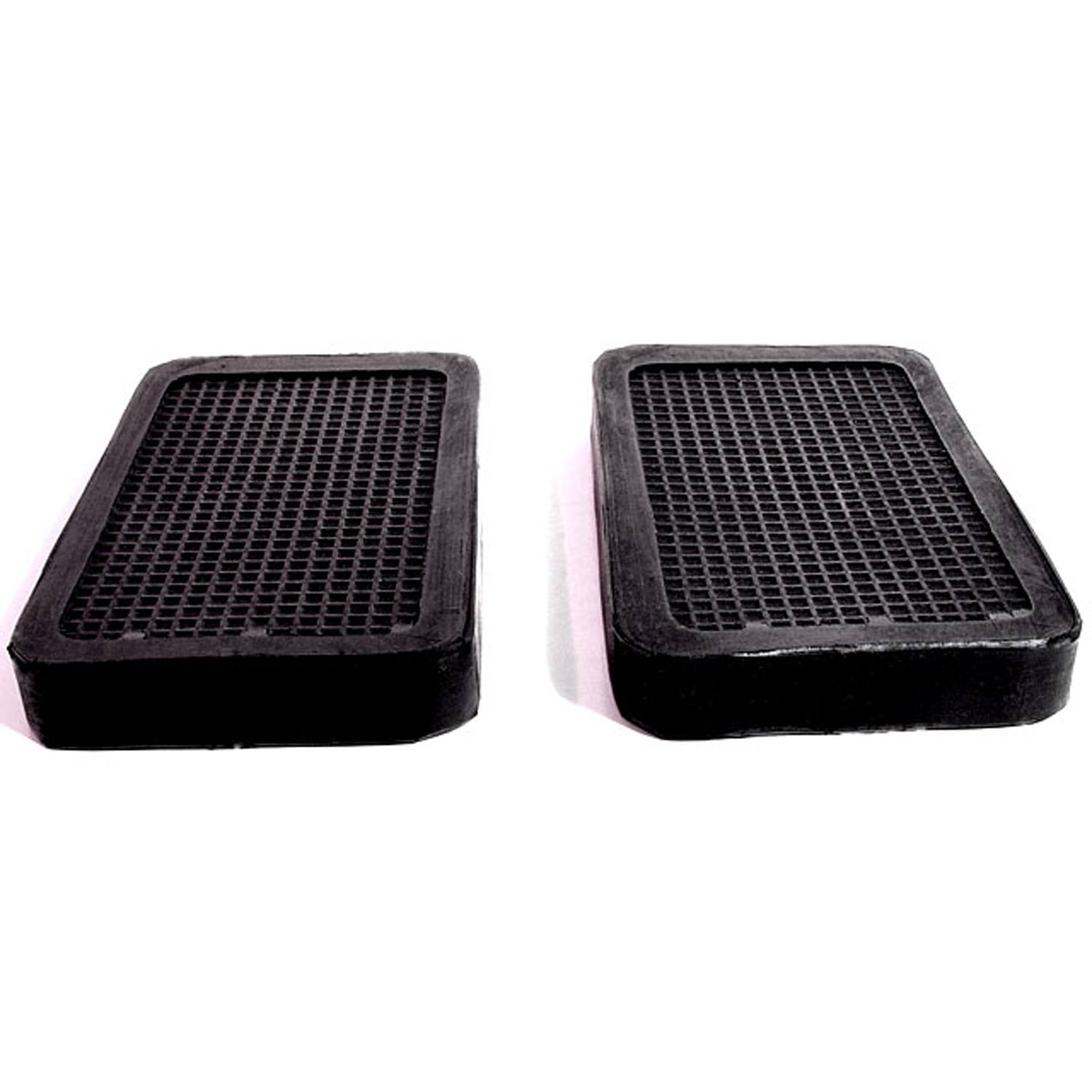 1952 Nash Ambassador Custom Clutch and Brake Pedal Pads. 2-1/4" wide X 4" long. Pair-CB 20Clutch and Brake Pedal Pads. 2-1/4" wide X 4" long. Pair
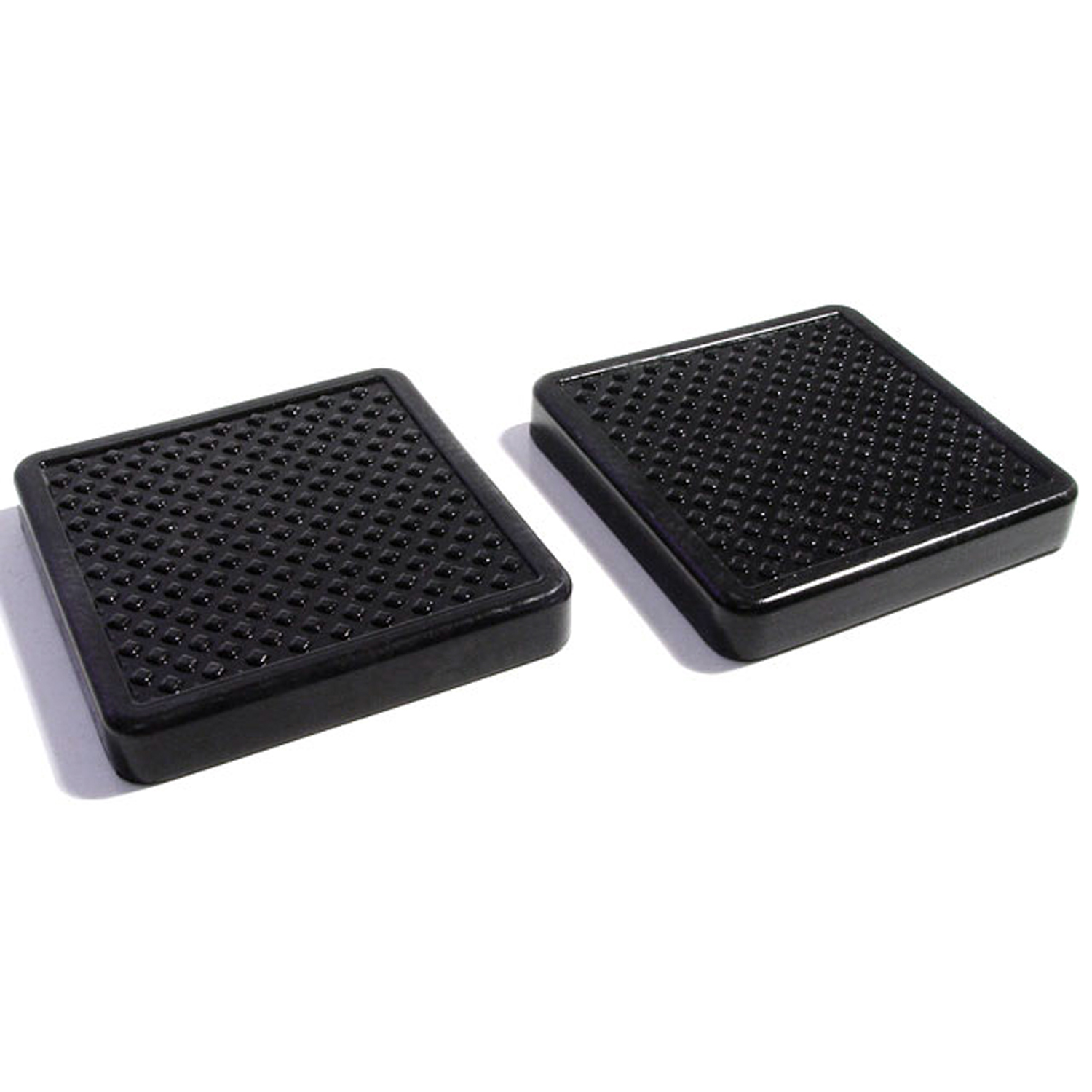 1952 Nash Ambassador Custom Clutch and Brake Pedal Pads. 3" wide X 3" long. Pair-CB 47Clutch and Brake Pedal Pads. 3" wide X 3" long. Pair
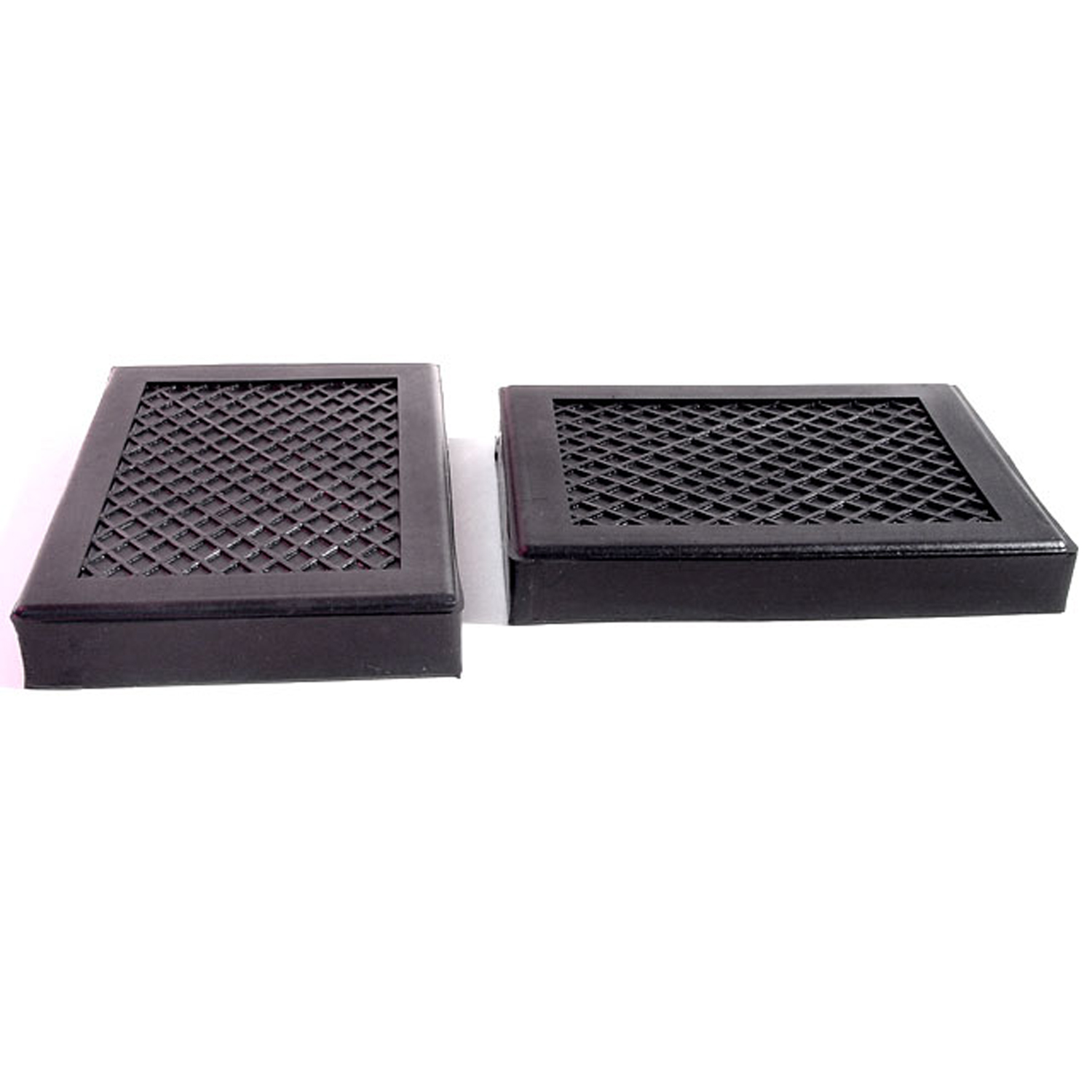 1952 Nash Ambassador Custom Clutch and Brake Pedal Pads. 2-3/4" wide X 3-7/8" long-CB 48Clutch and Brake Pedal Pads. 2-3/4" wide X 3-7/8" long. Pair
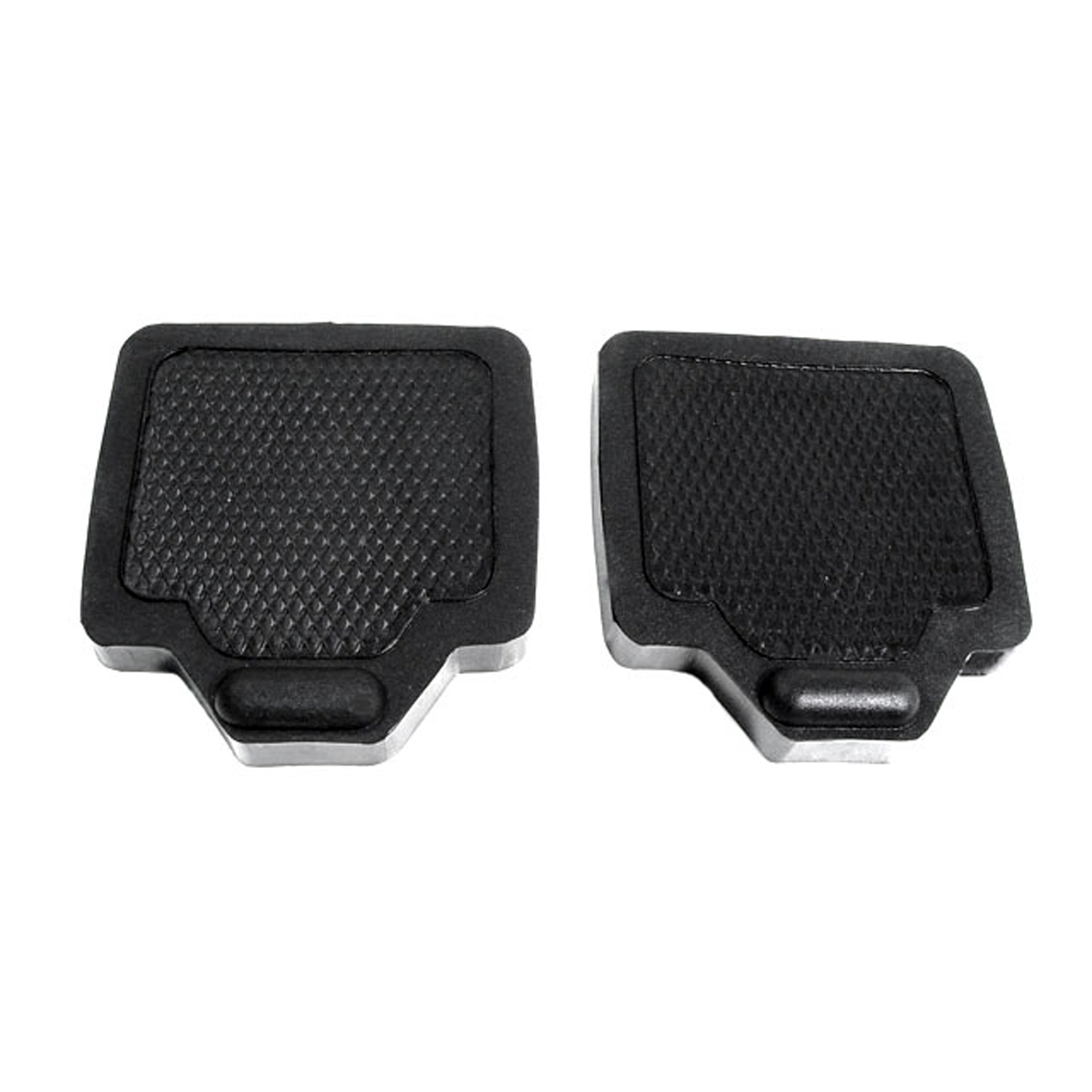 1952 Nash Ambassador Custom Clutch and Brake Pedal Pads. 3-1/2" wide X 3-7/8" long-CB 55Clutch and Brake Pedal Pads. 3-1/2" wide X 3-7/8" long. Pair
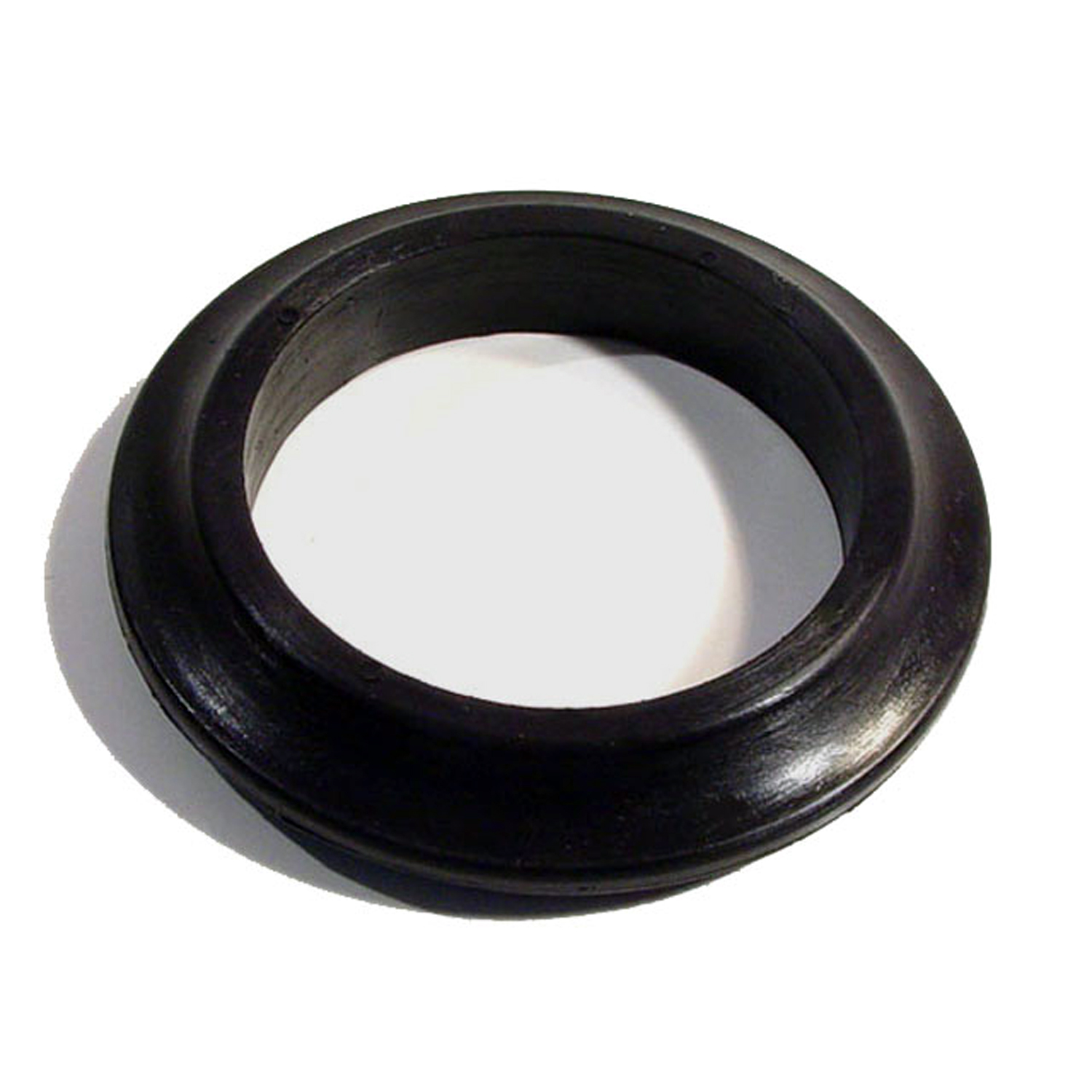 1952 Nash Ambassador Custom Gas Filler Grommet. 2-1/4" I.D., 3-5/16" O.D. Each-GF 21Gas Filler Grommet. 2-1/4" I.D., 3-5/16" O.D. Each
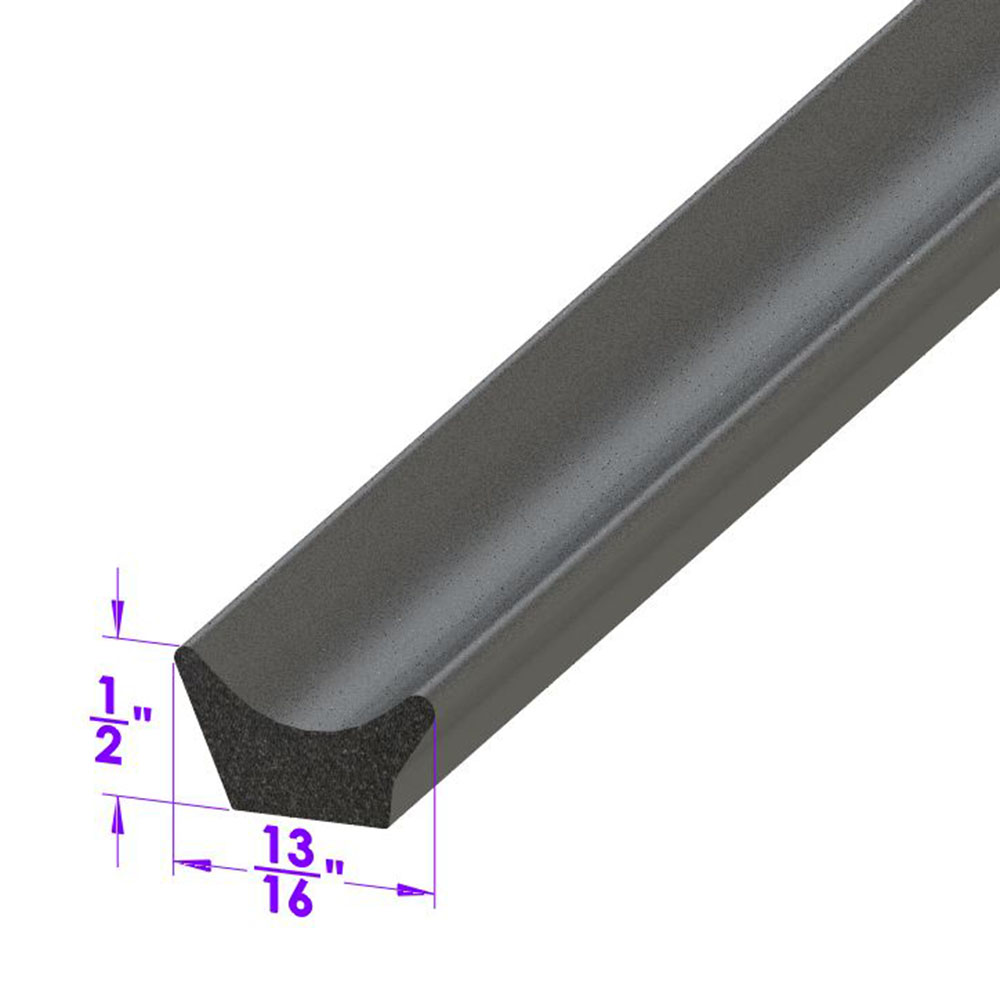 1952 Nash Ambassador Custom Door side seal. Same as LP 40, but for a lighter seal-LP 40-ADoor side seal. Same as LP 40, but for a lighter seal. Fits many domestic passenger cars and trucks. Universal seal for street rods and customs. Used in Cobra kit cars as door weatherstrip. Per foot.
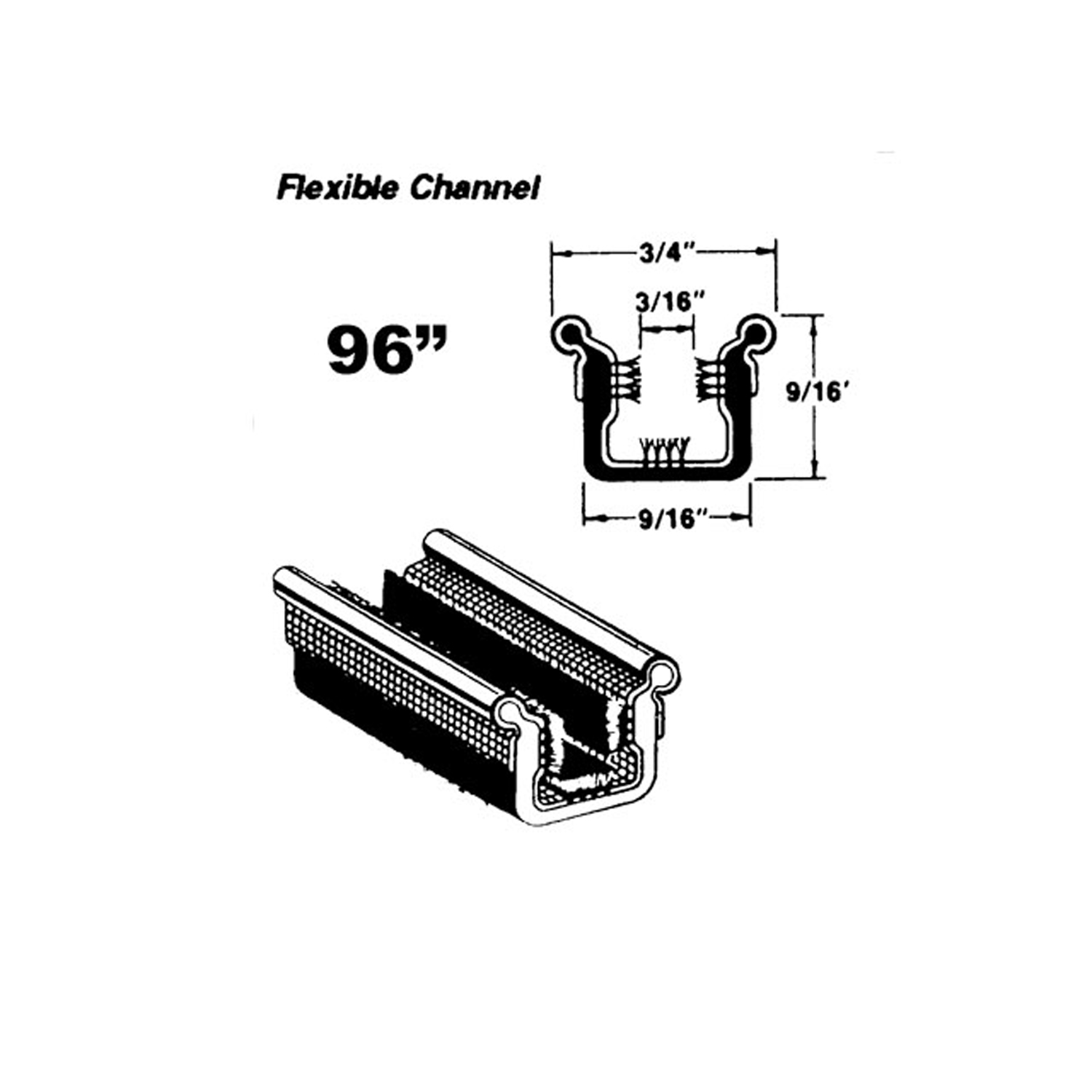 1952 Nash Ambassador Custom Flexible window channel-WC 10-96Flexible window channel. Rubber covered with mohair lining and stainless steel bead. 96 in. long. Each. NOTE: $20 special shipping charge applies for domestic orders. Call or email for overseas shipping costs. Part can be sectioned in two or three equal lengths to reduce overseas shipping costs.
 1952 Nash Ambassador Custom Flexible glass-run channel-WC 11-72Flexible glass-run channel. Mohair lined, cloth covered with stainless steel bead. Used on side windows. 72 in. long. Each. NOTE: $20 special shipping charge applies for domestic orders. Call or email for overseas shipping costs. Part can be sectioned in two equal lengths to reduce overseas shipping costs.
Why Choose Metro?
For over 100 years, Metro Moulded Parts has been the pinnacle of quality in classic car restoration parts. Our commitment to precision and authenticity in every component ensures a perfect fit and an OEM-level appearance.
- Expert Craftsmanship & Quality: Each part is a testament to our dedication to reliability and perfection, crafted from original designs and thoroughly tested.
- Advanced Technology: We use cutting-edge techniques to create flawless, long-lasting parts that surpass others in performance.
- SuperSoft Sponge – The Ultimate Door Seal: Not only are our door seals 30% softer than competitors', but they're also guaranteed to never leak. They effectively reduce wind and road noise, enhancing your classic car's comfort and driving experience.
- Proudly American: Our parts are a product of American craftsmanship, made in the USA with a spirit of excellence and heritage.
- Unrivaled Warranty: We back our products with a 30-year industry-leading warranty, a testament to our confidence in their quality.
Join us in preserving the legacy of classic cars with parts that are crafted for perfection, not just made.