

Image of 1953 Nash Ambassador Super, Note: These illustrations use artistic license and may differ from actual historical models.
Performance Metrics
Fundamental Metrics
Emotional Appeal
MMP Rating
| Engine Specifications | |
|---|---|
| Engine: | Inline 6 |
| Displacement: | 252.6 cu in (4.1 L) |
| Horsepower: | 120 hp |
| Torque: | Estimated 200 lb-ft |
| Compression Ratio: | 7.6:1 |
| Ignition System: | Distributor and coil |
| Cooling System: | Liquid-cooled |
| Performance Specifications | |
| 0-60 Time: | Estimated 15 seconds |
| 1/4 Mile Time: | Estimated 20 seconds |
| Top Speed: | 90 mph |
| Transmission and Drive | |
| Drive Type: | Rear-wheel drive |
| Transmission Type: | 3-speed manual, optional overdrive |
| Fuel and Efficiency | |
| Fuel System Type: | Single carburetor |
| MPG: | Estimated 15-20 mpg |
| Dimensions and Brakes | |
| Brakes: | Drum brakes |
| Wheelbase: | 121.3 in |
| Weight: | 3,200 lbs |
Note: Specifications for classic cars are given to the best of our ability, considering the limited and variant data available.
1953 Nash Ambassador Super: The American Sedan That Dared to Look Different
The 1953 Nash Ambassador Super looked as though it had arrived from a slightly more aerodynamic future. Its rounded body, skirted front wheels, and spacious cabin stood apart from the upright, chrome-heavy sedans filling American roads. Built by Nash Motors, the Ambassador Super was a comfortable, full-size car with a distinctive personality and several ideas that were unusually forward-thinking for the early 1950s.
Nash Motors was founded by former General Motors president Charles W. Nash in 1916. By 1953, the company was known for practical engineering and unconventional styling. The Ambassador sat near the top of Nash’s passenger-car range, while the Super designation identified a well-equipped trim level. One intriguing detail: Nash had offered factory seat belts as optional equipment years before they became common, although few buyers chose them at the time.
Airflyte Styling and a Cabin Built for Comfort
The Ambassador Super wore Nash’s memorable Airflyte design. Instead of the separate, open front fenders typical of many rivals, the front bodywork flowed around the wheels, creating a smooth, enclosed look. The rounded hood, curved roofline, broad grille, and full-length body sides gave the car a substantial, almost streamlined presence. Those covered front wheels were practical as well as distinctive: Nash promoted the design as helping reduce aerodynamic drag.
Inside, the emphasis was on room and long-distance comfort. The wide cabin, generous seating, and soft upholstery made the Super feel more like a relaxed touring car than a sporty sedan. Materials and trim depended on the selected interior and equipment, but Nash generally aimed for a polished, well-finished environment rather than a bare-bones one. The dashboard was arranged for straightforward use, with the controls and instruments positioned for the driver.
Nash’s Weather Eye heating and ventilation system was a notable feature. It was designed to distribute warmth and fresh air throughout the cabin, an appealing advantage in a car intended for year-round family travel. Depending on equipment, buyers could also choose an automatic transmission, overdrive, radio, heater, and other comfort options. Nash’s optional reclining front seats were another conversation starter: they could be adjusted well beyond the usual upright position, making them useful for resting on a long trip.
Paint and trim combinations varied by year and equipment. Period Nash color choices included subdued creams and grays as well as brighter blues, greens, reds, and two-tone combinations. The softer, lighter shades suited the Ambassador’s rounded form, while darker colors gave the car a more formal appearance. Anyone restoring one should confirm paint codes against reliable year-specific records rather than rely on a generic list of Nash colors.
The Ambassador Super was offered as a two-door or four-door sedan. The four-door was the practical family choice, while the two-door had a cleaner, more personal-car profile. Nash also offered other Ambassador versions and body styles in its broader range, including the more stylish Country Club hardtop in applicable trim levels. The Super sedan, however, is the straightforward expression of the model: roomy, comfortable, and unmistakably Nash.
Why the Ambassador Super Mattered
The 1953 Ambassador Super was not a radical new model, but it represented an important strand of postwar American design. Nash had committed to rounded, integrated bodywork while many competitors still favored separate-looking fenders and increasingly elaborate ornament. The result was a car that looked different in traffic and put cabin space and comfort high on the priority list.
Nash’s broader engineering reputation also shaped the Ambassador. The company had used unitized, or unibody, construction on its passenger cars since the early 1940s, combining the body and structural frame rather than relying on a traditional separate chassis in the same way many rivals did. The approach helped create a solid body structure and became increasingly important across the industry. The 1953 car also carried forward Nash’s focus on aerodynamic form, practical cabin design, and useful comfort equipment.
What set the Super apart from contemporary full-size sedans was its blend of visual individuality and sensible engineering. It was not the fastest car in its class, nor was it trying to be. It offered a spacious interior, a smooth ride, and styling that could not be mistaken for a Chevrolet, Ford, or Plymouth. Nash later merged with Hudson in 1954 to form American Motors, making the 1953 Ambassador part of the final chapter of Nash as an independent automaker.
Six-Cylinder Power and a Relaxed Ride
Power came from Nash’s 252.6-cubic-inch L-head inline six. Period specifications commonly list the engine at about 120 horsepower, with a three-speed manual transmission as standard equipment. Overdrive and an automatic transmission were available, depending on configuration. These figures describe a car built for steady, comfortable progress rather than quick starts.
Performance estimates vary with transmission, condition, gearing, and testing method. A sound Ambassador Super may reach roughly 85 to 90 mph, while acceleration from 0 to 60 mph is generally in the neighborhood of 16 to 19 seconds. Those are reasonable period-car estimates, not modern instrumented test figures. With a full cabin or hills ahead, the six-cylinder rewards patience and smooth throttle inputs.
On the road, the Ambassador’s long wheelbase and soft suspension make ordinary bumps and broken pavement feel less abrupt than they do in many smaller cars. The tradeoff is body lean through sharper corners. On a winding road, the Super is best driven with relaxed, deliberate steering rather than hustled like a sports sedan. In crosswinds, its broad body can require attention, and the car’s size is noticeable in tight parking spaces.
The engine has the low, even sound typical of a period inline six. The driving experience is more about the hum of the motor, the glide of the suspension, and the broad view from the cabin than about sharp acceleration. A manual-transmission car asks for measured shifts; an automatic-equipped example is especially suited to easy cruising. When the car is properly maintained, it feels calm and substantial, with the sort of unhurried character that made sense on mid-century American highways.
Living With a 1953 Nash
Today, the Ambassador Super is most often used as a show car, a weekend cruiser, or a distinctive vehicle for vintage events. Some owners use well-sorted examples for local trips, but regular modern traffic can be demanding. The car lacks contemporary safety equipment, braking performance, and crash protection, so careful driving and sensible route planning matter.
Mechanical servicing is manageable for an owner familiar with older American cars. The engine is a conventional side-valve six, and routine work such as ignition service, lubrication, and basic adjustments is within reach of a capable home mechanic. The bigger challenge is often finding parts, especially trim, interior pieces, and model-specific body components. Nash specialists, marque clubs, and parts networks can be valuable resources.
Before buying, inspect the body and underside closely for corrosion, particularly around structural areas, floors, and lower body panels. Check that the cooling system, brakes, electrical system, and transmission work properly. A car that has been stored for years may need substantial recommissioning even if its paint and upholstery look attractive. Good documentation and a thorough inspection are worth far more than a fresh coat of polish.
Nash Ambassador Super Facts and Myths
Nash’s early seat-belt offer: Nash was among the first American manufacturers to make factory seat belts available, beginning in the late 1940s. They were optional, and at a time when most drivers did not expect them, buyer interest was limited.
Comfort-first innovation: Nash’s reclining front-seat concept helped distinguish its cars from more conventional sedans. The seats reflected the company’s interest in making long trips more comfortable, not merely adding decorative trim.
Not a racing special: The Ambassador Super was designed for family travel and highway cruising. It did not establish a major racing record or become a high-performance icon. Its appeal lies in its engineering, comfort, and unusual styling.
A common criticism: The enclosed front-wheel styling remains divisive. Some people consider it elegant and aerodynamic; others find the rounded body too bulbous. Its modest acceleration and the difficulty of sourcing certain Nash-specific parts are other frequent drawbacks for modern owners.
Collector Values and Availability
The Ambassador Super is uncommon today, but it is not generally treated as an ultra-rare collectible. Exact production figures by trim and body style can be difficult to confirm, so a precise total for the Super should be treated cautiously. A reasonable working estimate is that Nash produced several thousand Ambassador Super sedans for the 1953 model year, with total Ambassador production across trims and body styles likely in the tens of thousands. Surviving cars are much fewer, especially in original, complete condition.
As a broad U.S. market estimate, a project car might sell for around $3,000 to $8,000, depending heavily on completeness and rust. A usable driver could fall near $8,000 to $18,000, while a very good restoration or especially attractive original car may bring roughly $20,000 to $35,000 or more. Exceptional examples can exceed that range, but condition, provenance, and buyer interest matter greatly. These are guide figures, not a formal appraisal.
Values have generally been steadier than those of better-known muscle cars and premium convertibles. A clean, well-documented Nash can attract enthusiasts who appreciate its design and history, but the buyer pool is more specialized. In this market, a sound, complete car is often a better investment than an ambitious restoration with missing trim and hard-to-find parts.
A Distinctive Ambassador Worth Remembering
The 1953 Nash Ambassador Super combined a smooth six-cylinder engine, a comfortable cabin, thoughtful features, and styling that refused to follow the crowd. It was not built to dominate a drag strip or chase fashion. It was built to carry people in comfort while showing what an independent American automaker could do differently.
More than seven decades later, those skirted front wheels and rounded Airflyte lines still make the Ambassador Super instantly recognizable. It is a reminder that automotive history was shaped not only by the biggest sellers, but also by the imaginative cars willing to take the road less traveled.
1953 Nash Ambassador Super Catalog of Parts
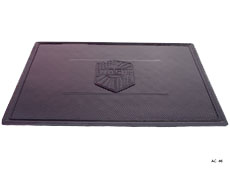 1953 Nash Ambassador Super Accessory Floor Mat - 12"X17"-AC 46Accessory Floor Mat - made of high quality black rubber with molded original emblem. Also designed to be sewn into new carpets. 12"X17", Each
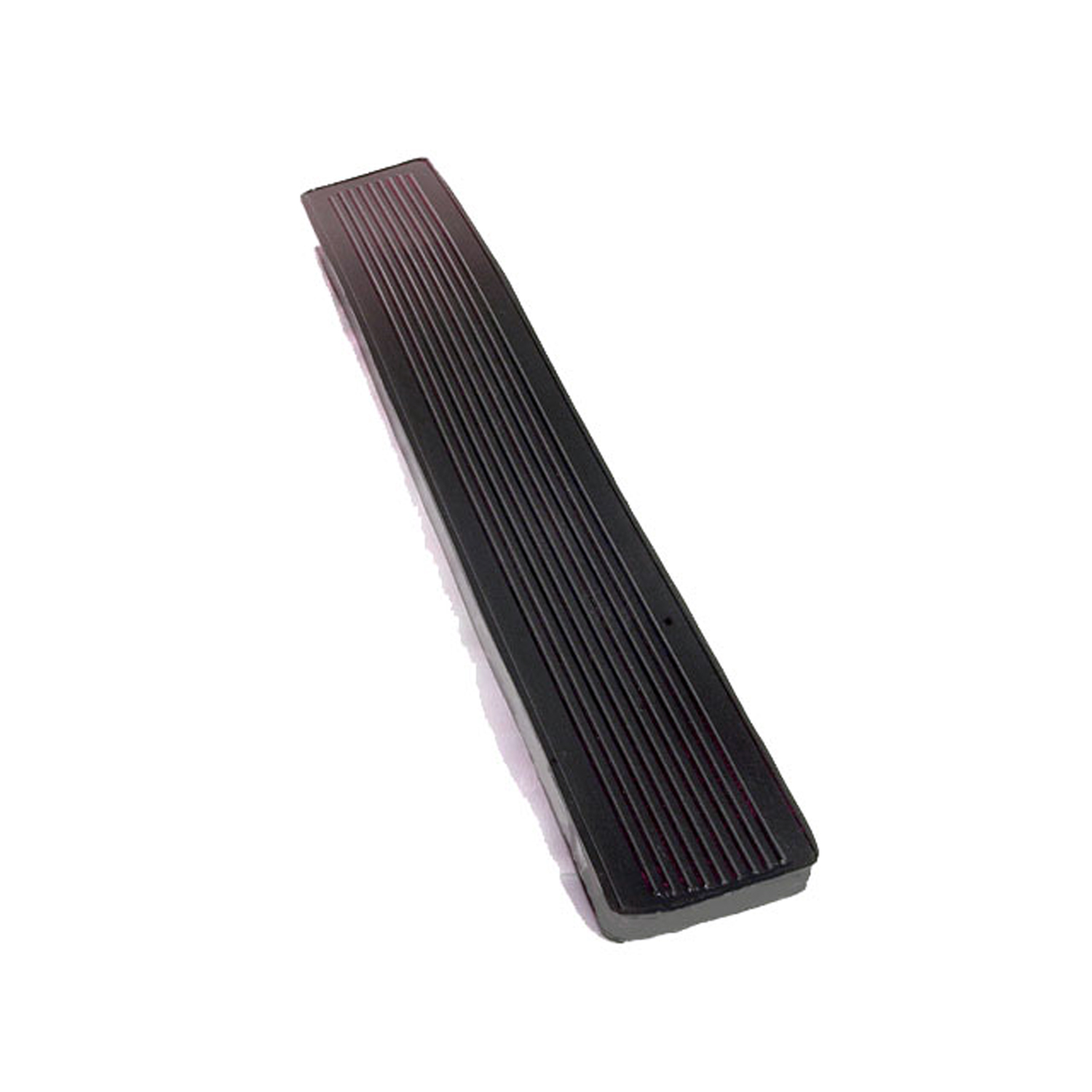 1953 Nash Ambassador Super Accelerator Pedal Pad, 1-1/2" X 9-3/4", Each-AP 21Accelerator Pedal Pad, 1-1/2" X 9-3/4", Each
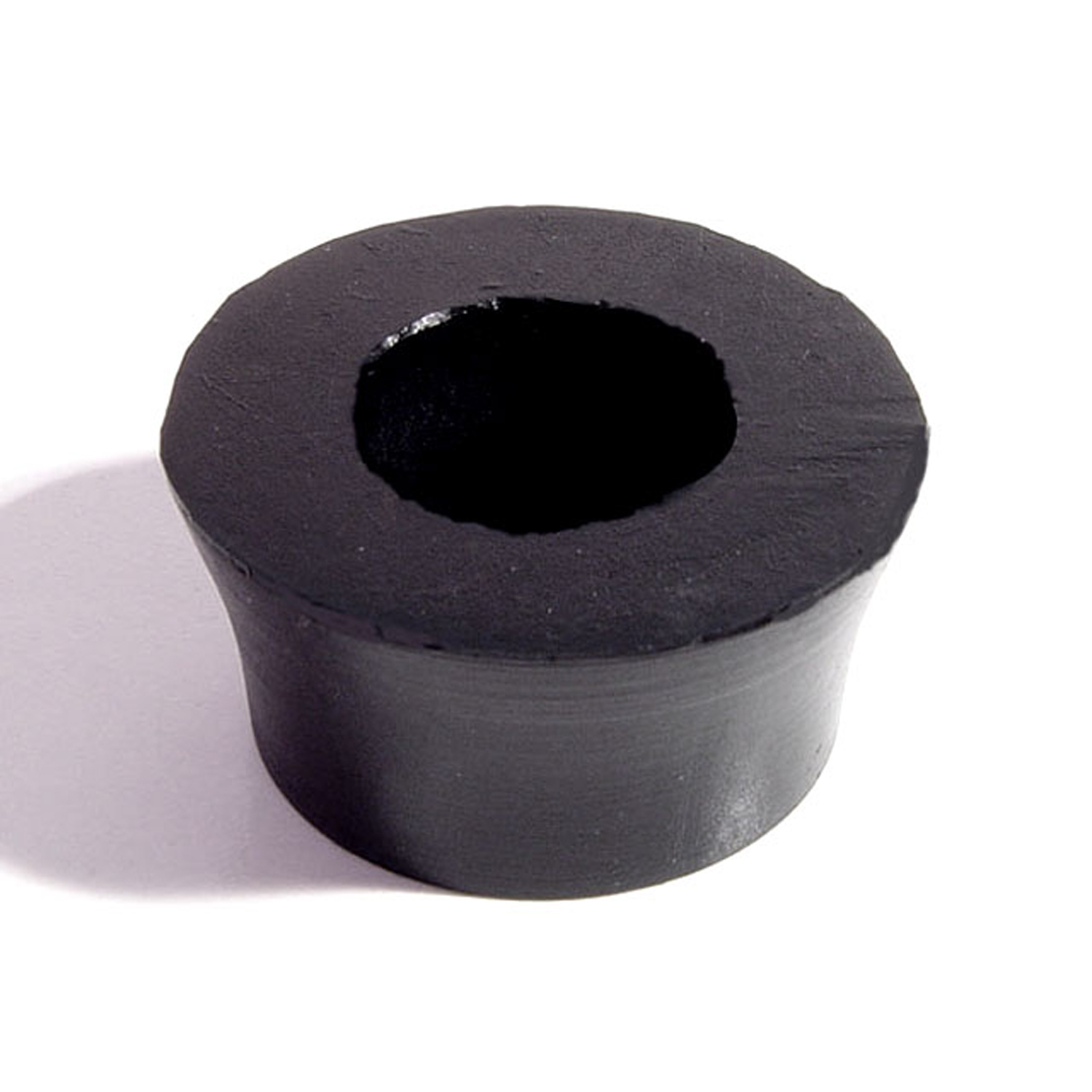 1953 Nash Ambassador Super Shock Absorber Grommet. 1" bottom O.D., 5/8" high-BN 10Shock Absorber Grommet. 1" bottom O.D., 5/8" high., with 5/8" I.D. Each
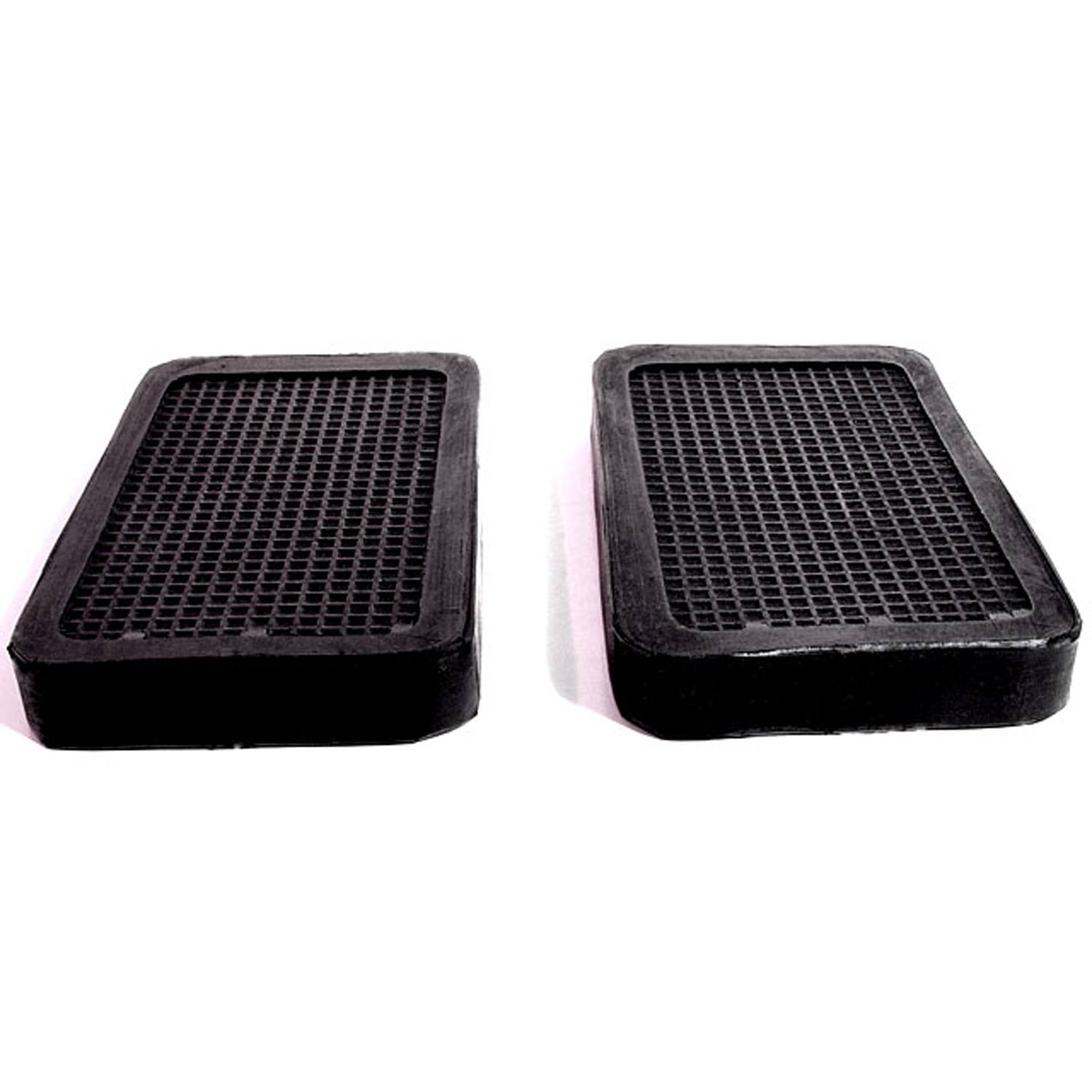 1953 Nash Ambassador Super Clutch and Brake Pedal Pads. 2-1/4" wide X 4" long. Pair-CB 20Clutch and Brake Pedal Pads. 2-1/4" wide X 4" long. Pair
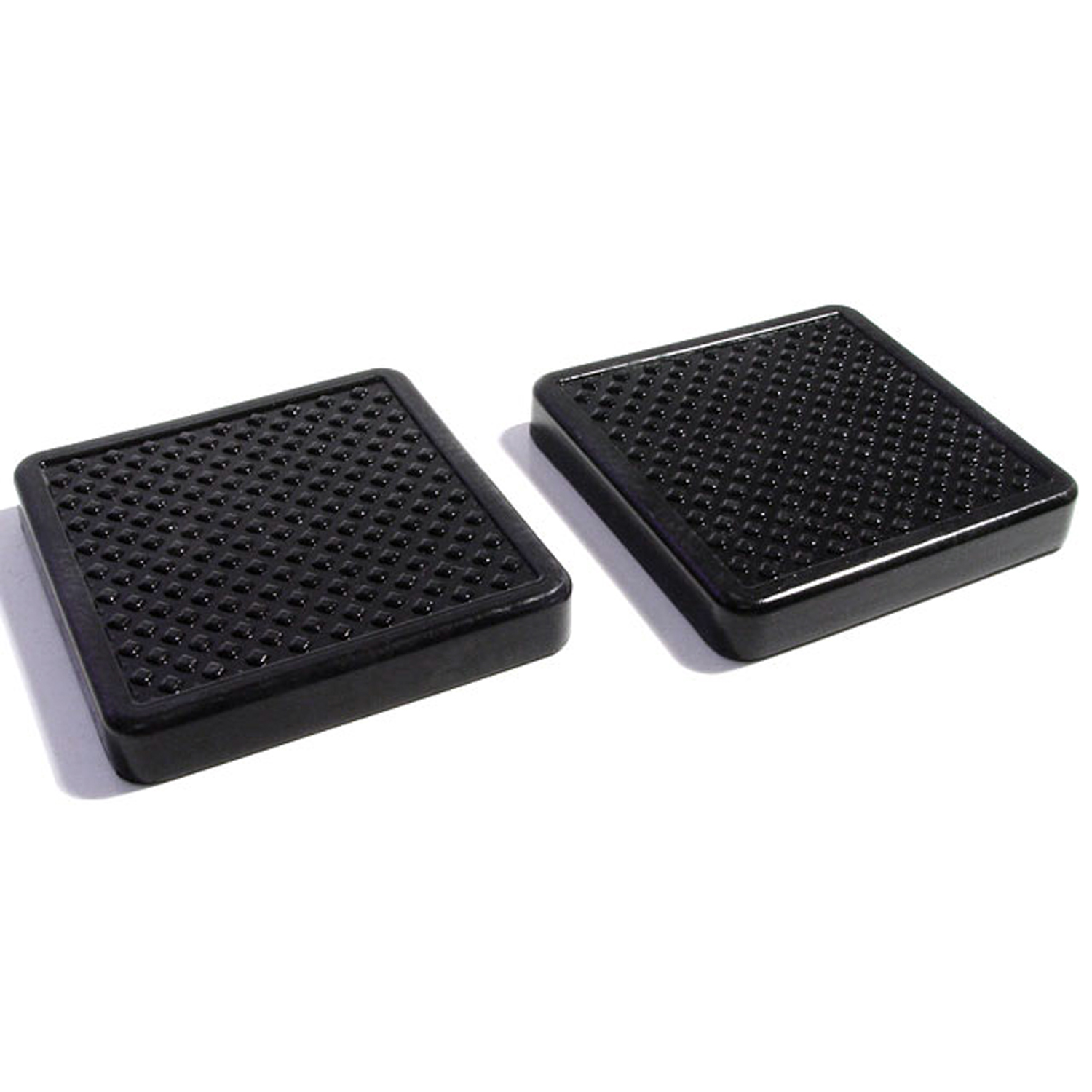 1953 Nash Ambassador Super Clutch and Brake Pedal Pads. 3" wide X 3" long. Pair-CB 47Clutch and Brake Pedal Pads. 3" wide X 3" long. Pair
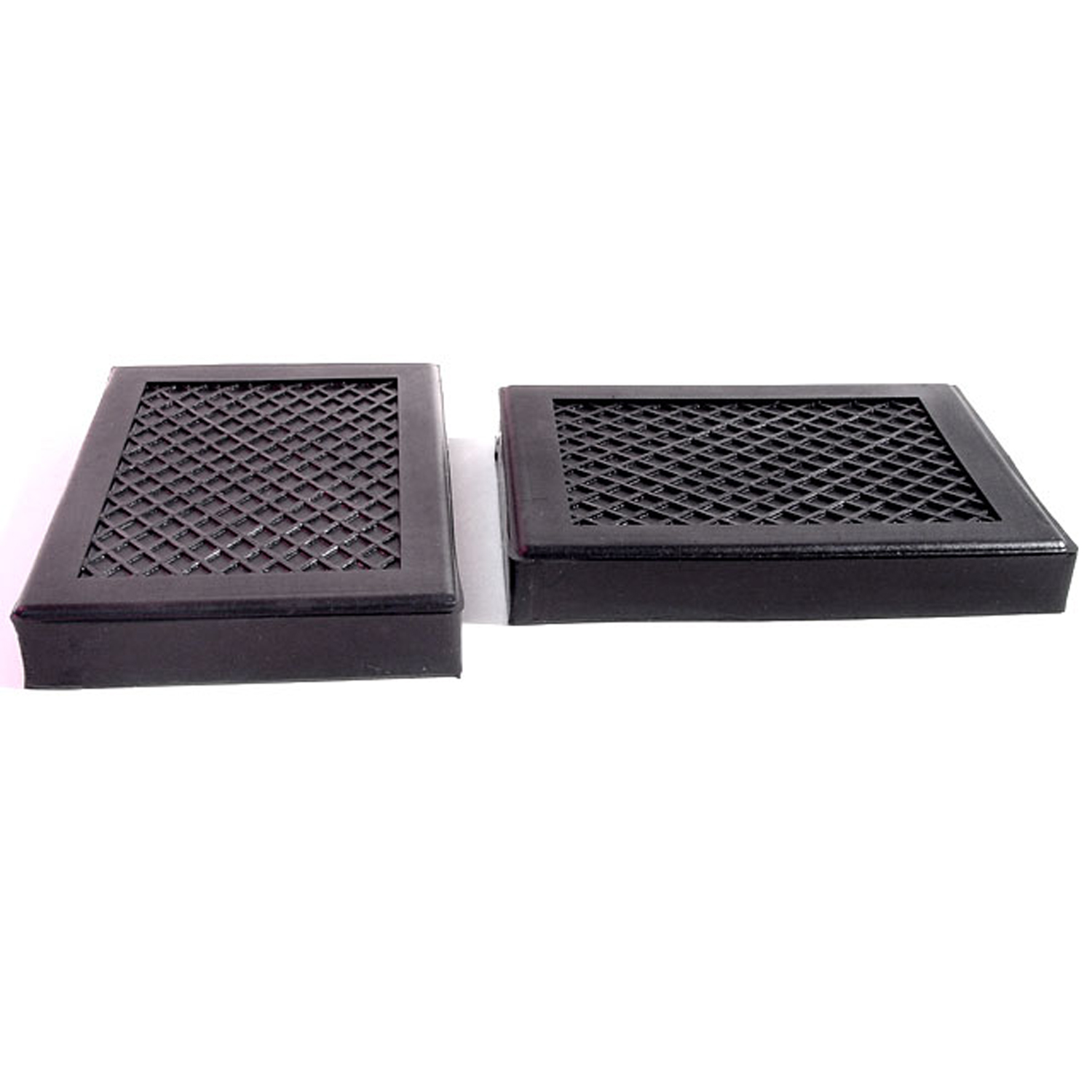 1953 Nash Ambassador Super Clutch and Brake Pedal Pads. 2-3/4" wide X 3-7/8" long-CB 48Clutch and Brake Pedal Pads. 2-3/4" wide X 3-7/8" long. Pair
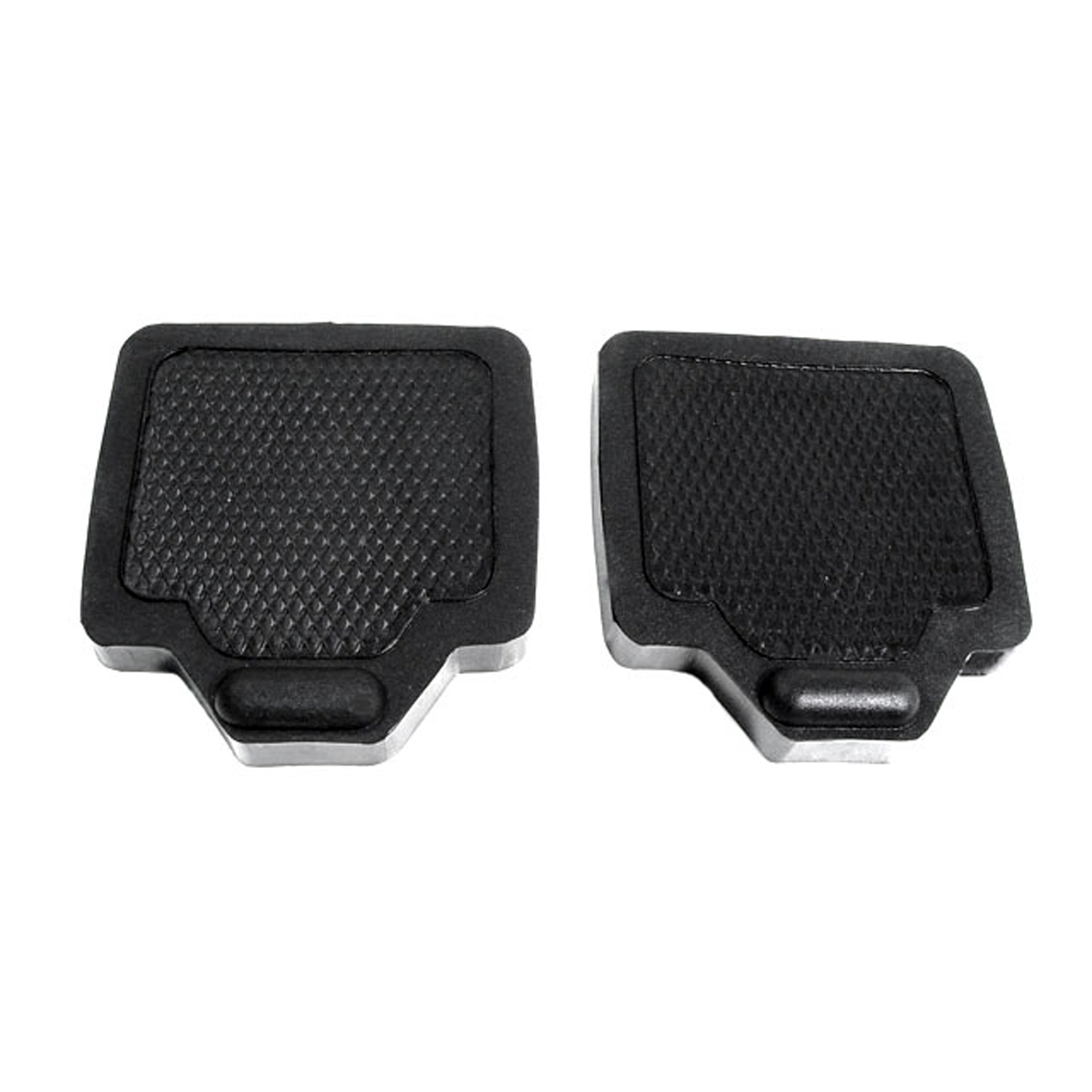 1953 Nash Ambassador Super Clutch and Brake Pedal Pads. 3-1/2" wide X 3-7/8" long-CB 55Clutch and Brake Pedal Pads. 3-1/2" wide X 3-7/8" long. Pair
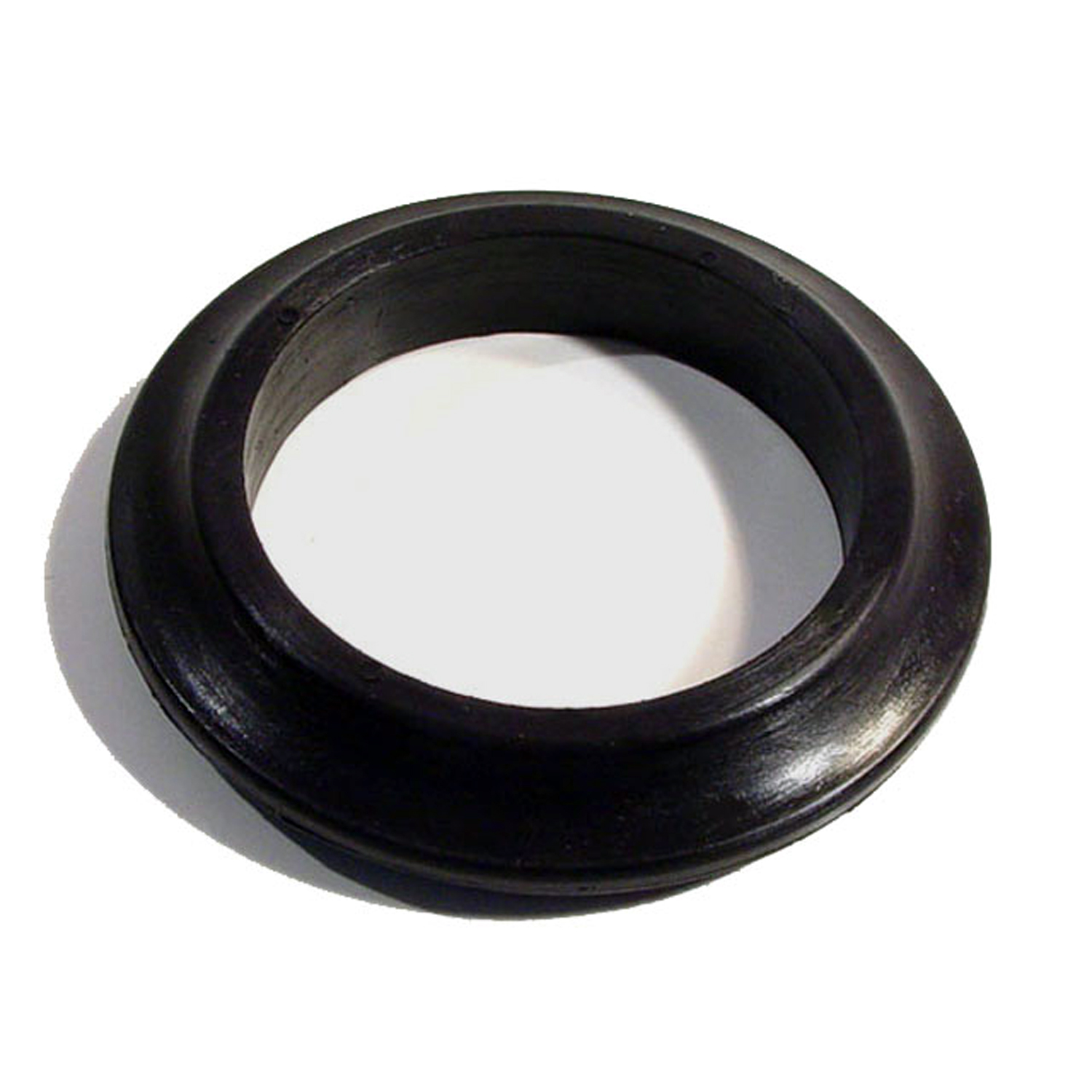 1953 Nash Ambassador Super Gas Filler Grommet. 2-1/4" I.D., 3-5/16" O.D. Each-GF 21Gas Filler Grommet. 2-1/4" I.D., 3-5/16" O.D. Each
 1953 Nash Ambassador Super Door side seal. Same as LP 40, but for a lighter seal-LP 40-ADoor side seal. Same as LP 40, but for a lighter seal. Fits many domestic passenger cars and trucks. Universal seal for street rods and customs. Used in Cobra kit cars as door weatherstrip. Per foot.
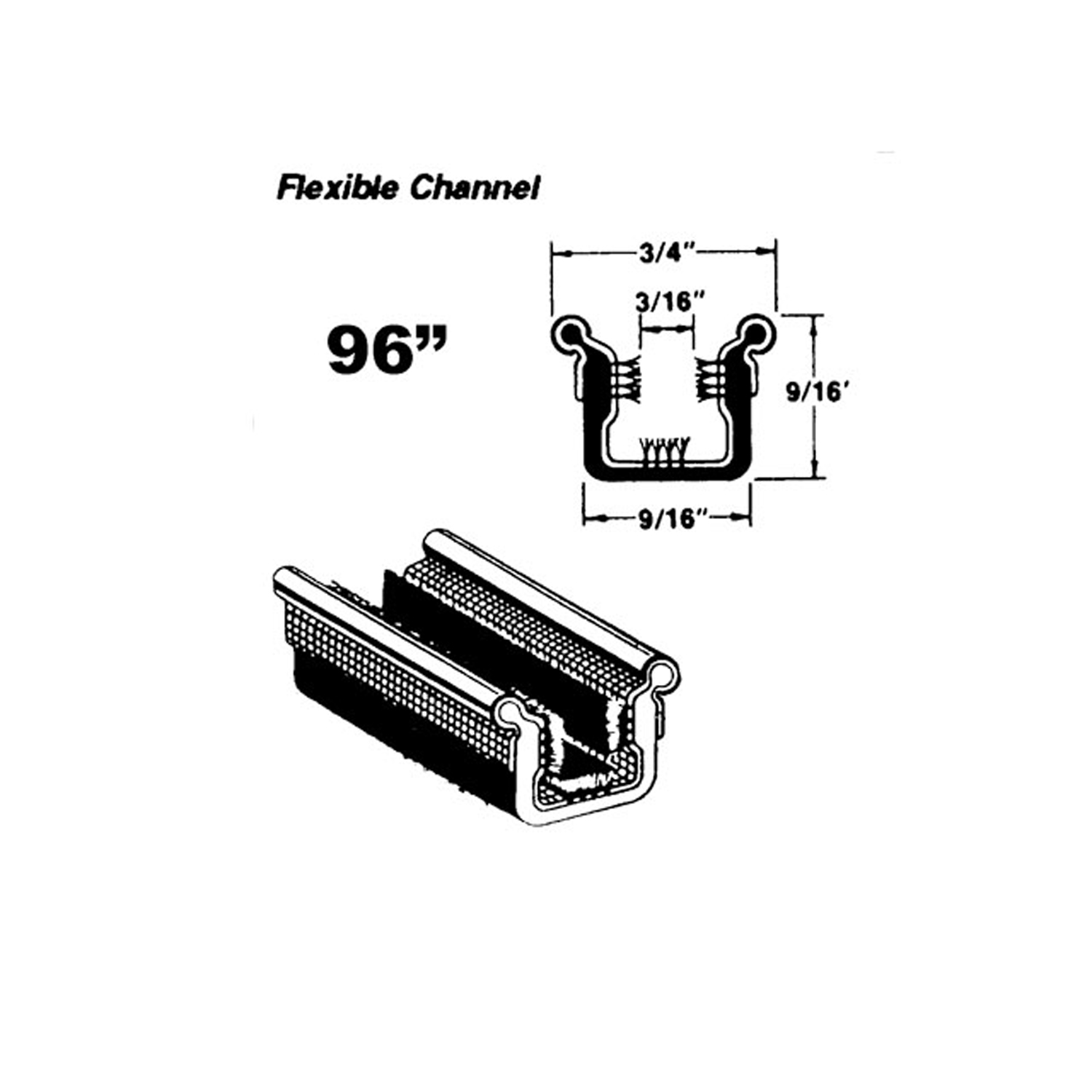 1953 Nash Ambassador Super Flexible window channel-WC 10-96Flexible window channel. Rubber covered with mohair lining and stainless steel bead. 96 in. long. Each. NOTE: $20 special shipping charge applies for domestic orders. Call or email for overseas shipping costs. Part can be sectioned in two or three equal lengths to reduce overseas shipping costs.
 1953 Nash Ambassador Super Flexible glass-run channel-WC 11-72Flexible glass-run channel. Mohair lined, cloth covered with stainless steel bead. Used on side windows. 72 in. long. Each. NOTE: $20 special shipping charge applies for domestic orders. Call or email for overseas shipping costs. Part can be sectioned in two equal lengths to reduce overseas shipping costs.
Why Choose Metro?
For over 100 years, Metro Moulded Parts has been the pinnacle of quality in classic car restoration parts. Our commitment to precision and authenticity in every component ensures a perfect fit and an OEM-level appearance.
- Expert Craftsmanship & Quality: Each part is a testament to our dedication to reliability and perfection, crafted from original designs and thoroughly tested.
- Advanced Technology: We use cutting-edge techniques to create flawless, long-lasting parts that surpass others in performance.
- SuperSoft Sponge – The Ultimate Door Seal: Not only are our door seals 30% softer than competitors', but they're also guaranteed to never leak. They effectively reduce wind and road noise, enhancing your classic car's comfort and driving experience.
- Proudly American: Our parts are a product of American craftsmanship, made in the USA with a spirit of excellence and heritage.
- Unrivaled Warranty: We back our products with a 30-year industry-leading warranty, a testament to our confidence in their quality.
Join us in preserving the legacy of classic cars with parts that are crafted for perfection, not just made.