

Image of 1953 Nash Nash-Healey, Note: These illustrations use artistic license and may differ from actual historical models.
Performance Metrics
Fundamental Metrics
Emotional Appeal
MMP Rating
| Engine Specifications | |
|---|---|
| Engine: | Dual Jetfire Six 252 cu in (4.1 L) I6 |
| Displacement: | 252 cu in (4.1 L) |
| Horsepower: | 140 hp |
| Torque: | 210 lb-ft |
| Compression Ratio: | 7.3:1 |
| Ignition System: | Points and condenser |
| Cooling System: | Liquid-cooled |
| Performance Specifications | |
| 0-60 Time: | 11 seconds |
| 1/4 Mile Time: | 18 seconds |
| Top Speed: | 100 mph |
| Transmission and Drive | |
| Drive Type: | Rear-wheel drive |
| Transmission Type: | 3-speed manual |
| Fuel and Efficiency | |
| Fuel System Type: | Carburetor |
| MPG: | 20 mpg |
| Dimensions and Brakes | |
| Brakes: | Drum brakes |
| Wheelbase: | 102 in (2,591 mm) |
| Weight: | 2,900 lbs |
Note: Specifications for classic cars are given to the best of our ability, considering the limited and variant data available.
1953 Nash-Healey: An American-British-Italian Sports Car
The 1953 Nash-Healey looks like it was drawn for the open road, but its story is even more international than its long, elegant hood suggests. It brought together Nash-Kelvinator’s American engine, British sports-car engineering from Donald Healey, and Italian styling by Pinin Farina. The result was a rare luxury sports car that stood apart from the mass-market machines of its day.
The partnership began after Healey and Nash-Kelvinator chief George Mason met aboard the Queen Elizabeth in 1949. Healey needed an engine for a new sports car, and Mason saw an opportunity to give Nash a striking performance flagship. The Nash-Healey debuted in 1951. By 1953, it had gained a beautifully revised Pinin Farina body and a more powerful Nash six-cylinder engine.
Its racing record added substance to the glamour. Nash-Healeys finished fourth overall at Le Mans in 1950 and third overall in 1952, competing against serious European machinery. The 1953 car was not simply a stylish roadster with a famous name on its grille. It carried the reputation of a genuine endurance racer.
Pinin Farina Styling and a Hand-Finished Cabin
The 1953 redesign gave the Nash-Healey its most recognizable shape. The nose is low and broad, with a distinctive grille, sculpted front fenders, and headlights integrated into the body rather than perched high on the wings. A long hood leads back to a compact cabin, while the rounded rear fenders and gently tapering tail keep the car looking graceful from every angle.
Compared with the earlier Nash-Healey, the 1953 body looks smoother and more refined. Its proportions are unmistakably those of a classic front-engine roadster: plenty of hood ahead of the occupants, a low seating position, and a short rear deck. A Le Mans coupe joined the lineup, adding a fixed roof and a more enclosed, fastback-like profile. The open roadster remains the best-known version.
Inside, the two-seat cabin is purposeful rather than lavish. Leather upholstery, a clear set of instruments, and a broad dashboard gave the car an appropriately upscale feel, while the low windshield and close-fitting cockpit kept the driver connected to the road. Materials and trim could vary between cars, and surviving examples have often been restored with different combinations of colors and finishes. Red, dark blue, black, and light or ivory shades are among the colors associated with Nash-Healeys, with red especially suited to the car’s sporting character.
The 1953 model’s technology was impressive for its time, though not futuristic by today’s standards. It combined a Healey-developed chassis with a Nash-sourced inline-six, twin SU carburetors, and a manual gearbox. The chassis and suspension were designed for sports-car use, while the engine’s durable, familiar components connected the car to Nash’s larger passenger-car lineup. Drum brakes and unassisted steering remind modern drivers that this was a machine from a very different era.
Why the Nash-Healey Mattered
The Nash-Healey was an early and unusually visible example of international automotive collaboration. American automakers had built performance cars before, and European specialists had long created fast, lightweight machines. The Nash-Healey combined both approaches: an American powertrain, British chassis expertise, and Italian coachwork.
It also helped establish the idea that an American manufacturer could sell a sophisticated sports car with genuine European connections. Its high price limited its audience, but the car demonstrated that an American-backed sports model could compete on the international stage. Nash-Healey’s Le Mans results gave it credibility that styling alone could not provide.
Its influence was more symbolic than numerical. The car did not sell in the numbers needed to reshape the market, but it anticipated later collaborations in which automakers drew on specialist designers, engineers, and suppliers from around the world. Today, its appeal lies partly in that combination of identities. It is neither a conventional Nash nor simply a British sports car with a different badge.
Six-Cylinder Performance and Road Manners
The 1953 Nash-Healey used a 252.6-cubic-inch, or 4.1-liter, Nash inline-six. With an aluminum cylinder head and twin SU carburetors, the engine produced about 140 horsepower. A three-speed manual transmission sent power to the rear wheels, with overdrive available on some cars.
Period figures and modern estimates generally put top speed in the neighborhood of 100 to 110 mph. A 0-to-60-mph run took roughly 10 to 12 seconds, depending on the car’s condition, gearing, and test method. Those numbers were respectable for a substantial sports car of the early 1950s, though the Nash-Healey was a grand touring machine rather than a featherweight racer.
On the road, the car’s long hood and low seating position make every drive feel like an occasion. The six-cylinder engine delivers a steady, purposeful sound rather than the sharp bark of a high-revving European sports car. The manual gearbox asks for deliberate shifts, and the unassisted steering gives the driver a direct, physical connection with the front wheels.
The Healey chassis gives the car a sporting foundation, but its weight and period suspension are apparent over broken pavement. Bumps can send a firm message through the cabin, and the open body may feel less composed than a modern convertible on rough roads. On a winding road, however, the car rewards smooth inputs. Its best rhythm comes from carrying momentum, looking well ahead, and treating the brakes and steering with respect.
Living with a Nash-Healey
Today, a 1953 Nash-Healey is best suited to touring, club events, concours displays, and occasional weekend drives. It is too rare and valuable for most owners to use as an everyday commuter, and its age means that even a well-restored example needs regular attention. It can still be driven, but modern traffic, limited parts availability, and the car’s collector status make routine use a matter of personal choice.
The Nash-sourced engine has an advantage: its basic architecture comes from a production-car family, so some mechanical knowledge and parts interchange may be found through Nash specialists. The complete car is another matter. Its Healey chassis, Italian bodywork, unique trim, and model-specific components can make restoration and repairs expensive. Owners benefit from a specialist network, careful documentation, and a mechanic familiar with postwar British and American cars.
Reliability depends heavily on restoration quality and maintenance. A properly sorted car can handle touring, but old cooling systems, electrical components, fuel systems, brakes, and rubber parts all deserve close inspection. For the average owner, routine service is manageable with the right manuals and tools. Body repairs and sourcing rare trim are much less straightforward.
Racing, Hollywood, and Other Nash-Healey Facts
The Nash-Healey made its name at Le Mans. Its fourth-place overall finish in 1950 and third-place result in 1952 were remarkable achievements for a car powered by an American production-based six-cylinder engine. Those finishes helped make it one of the most successful American-backed sports cars in major European endurance racing during its brief competition career.
The car also reached a much larger audience through Hollywood. A Nash-Healey appears in the 1954 film Sabrina, driven by Humphrey Bogart’s character. The movie association gave the already glamorous car an extra dose of screen appeal.
One common criticism was its price. The Nash-Healey cost roughly $5,900 when new, an enormous sum for the period and more than many buyers were willing to pay for a car with a six-cylinder engine. Rivals with less complicated pedigrees could offer more power or a lower purchase price. The Healey’s rarity, international construction, and exclusivity were part of its appeal, but they also made it a demanding purchase.
1953 Nash-Healey Values and Rarity
Production figures vary slightly among sources, but a reasonable estimate is about 162 Nash-Healeys built for the 1953 model year. Across the car’s production run from 1951 through 1954, the total is generally estimated at roughly 500 to 510 cars. That makes any surviving example uncommon, and the coupe is especially scarce compared with the better-known roadster.
As a broad current-market guide, a project car might bring around $40,000 to $80,000, depending on completeness and condition. A usable driver could fall in the $80,000 to $150,000 range, while a high-quality restoration may reach approximately $150,000 to $250,000 or more. Exceptional cars with excellent provenance or standout concours quality can exceed those estimates. These are approximate ranges, not guaranteed sale prices: condition, originality, restoration history, and body style matter enormously.
Interest in distinctive postwar sports cars has supported the Nash-Healey’s collector appeal, and its rarity gives it a strong identity in a crowded classic-car market. Values can still vary sharply from auction to auction because relatively few cars trade hands. Buyers should focus on the car’s quality and documentation rather than assuming that rarity alone guarantees appreciation.
A Rare Sports Car with a Global Story
The 1953 Nash-Healey joined American power, British engineering, and Italian design in a package that was ambitious, expensive, and strikingly rare. Its Pinin Farina body gave it enduring elegance, while its Le Mans results proved that it had more than good looks. A limited production run and specialist maintenance needs make ownership a commitment, but the reward is a classic with a story unlike almost any other.
More than seven decades later, the Nash-Healey still feels like a car built to cross borders. It remains a memorable reminder that some of the most interesting automobiles are born when different traditions meet.
1953 Nash Nash-Healey Catalog of Parts
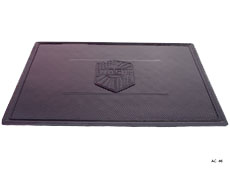 1953 Nash Nash-Healey Accessory Floor Mat - 12"X17"-AC 46Accessory Floor Mat - made of high quality black rubber with molded original emblem. Also designed to be sewn into new carpets. 12"X17", Each
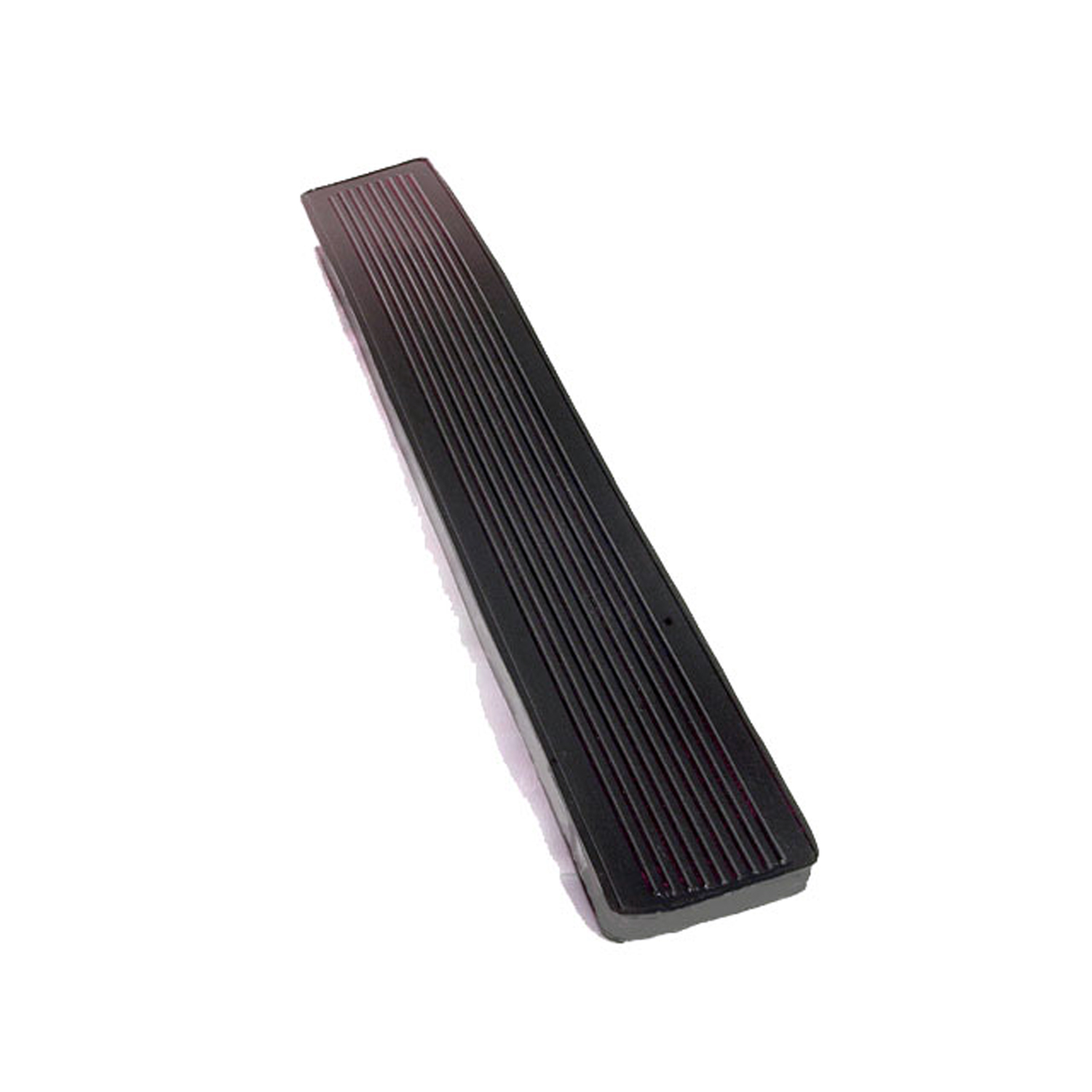 1953 Nash Nash-Healey Accelerator Pedal Pad, 1-1/2" X 9-3/4", Each-AP 21Accelerator Pedal Pad, 1-1/2" X 9-3/4", Each
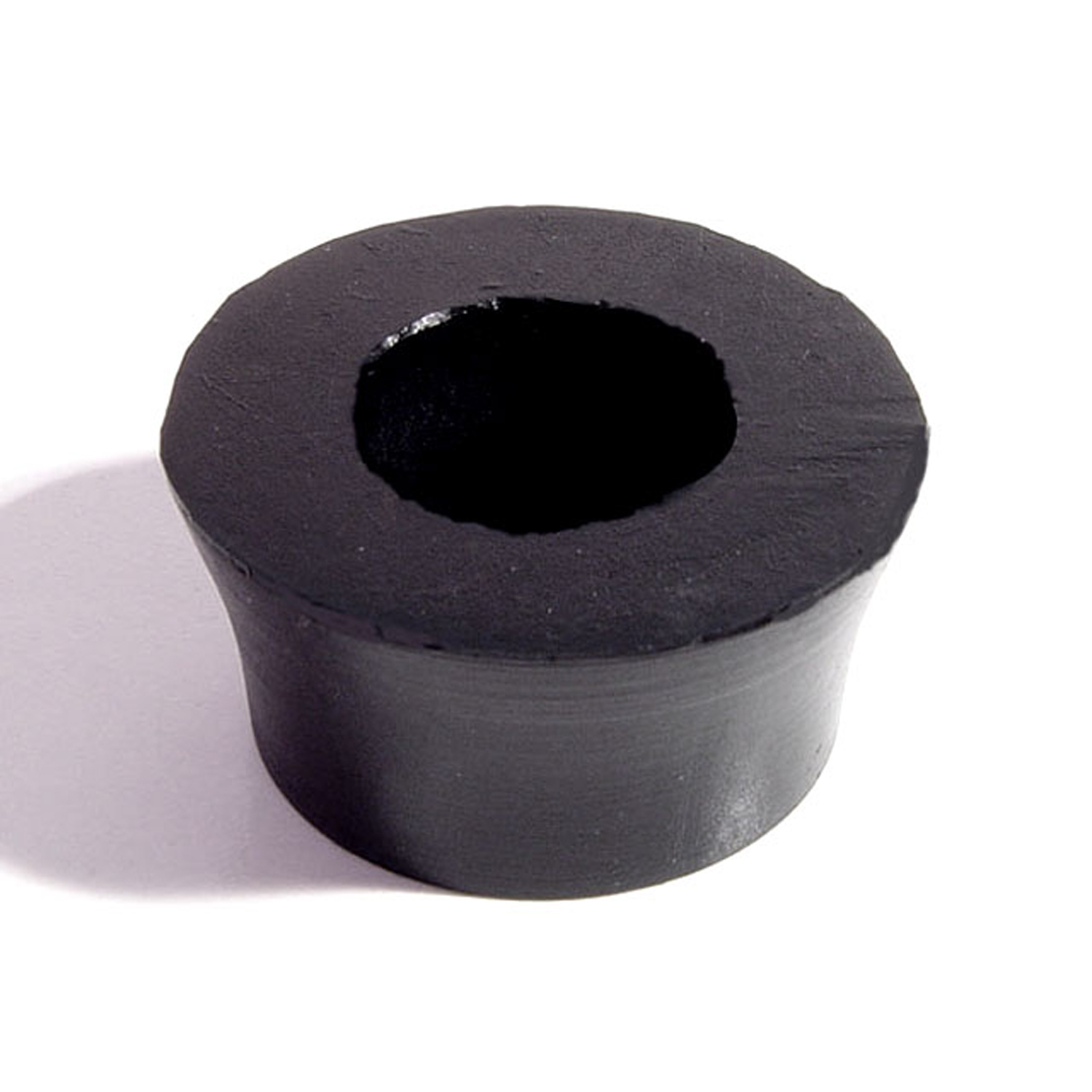 1953 Nash Nash-Healey Shock Absorber Grommet. 1" bottom O.D., 5/8" high-BN 10Shock Absorber Grommet. 1" bottom O.D., 5/8" high., with 5/8" I.D. Each
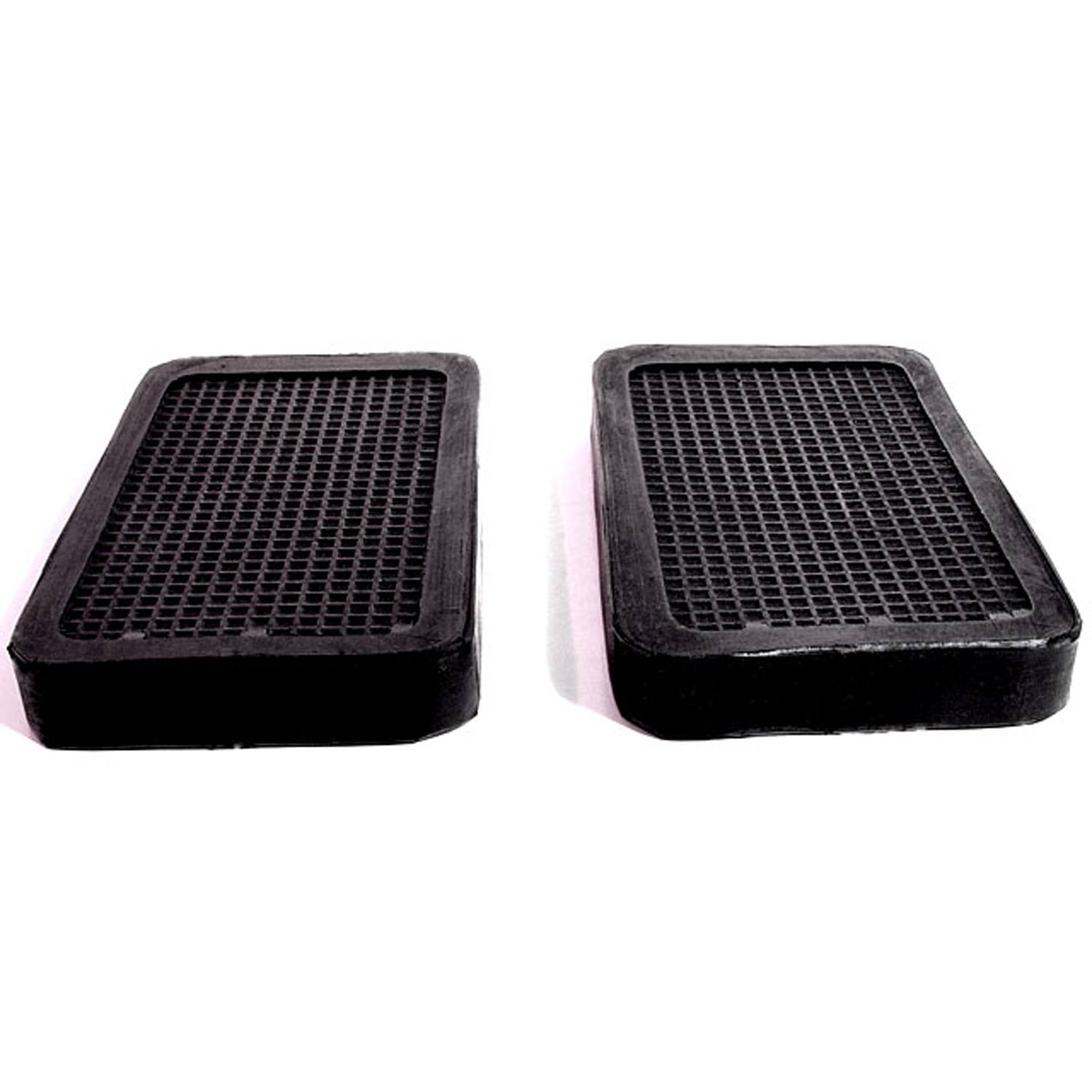 1953 Nash Nash-Healey Clutch and Brake Pedal Pads. 2-1/4" wide X 4" long. Pair-CB 20Clutch and Brake Pedal Pads. 2-1/4" wide X 4" long. Pair
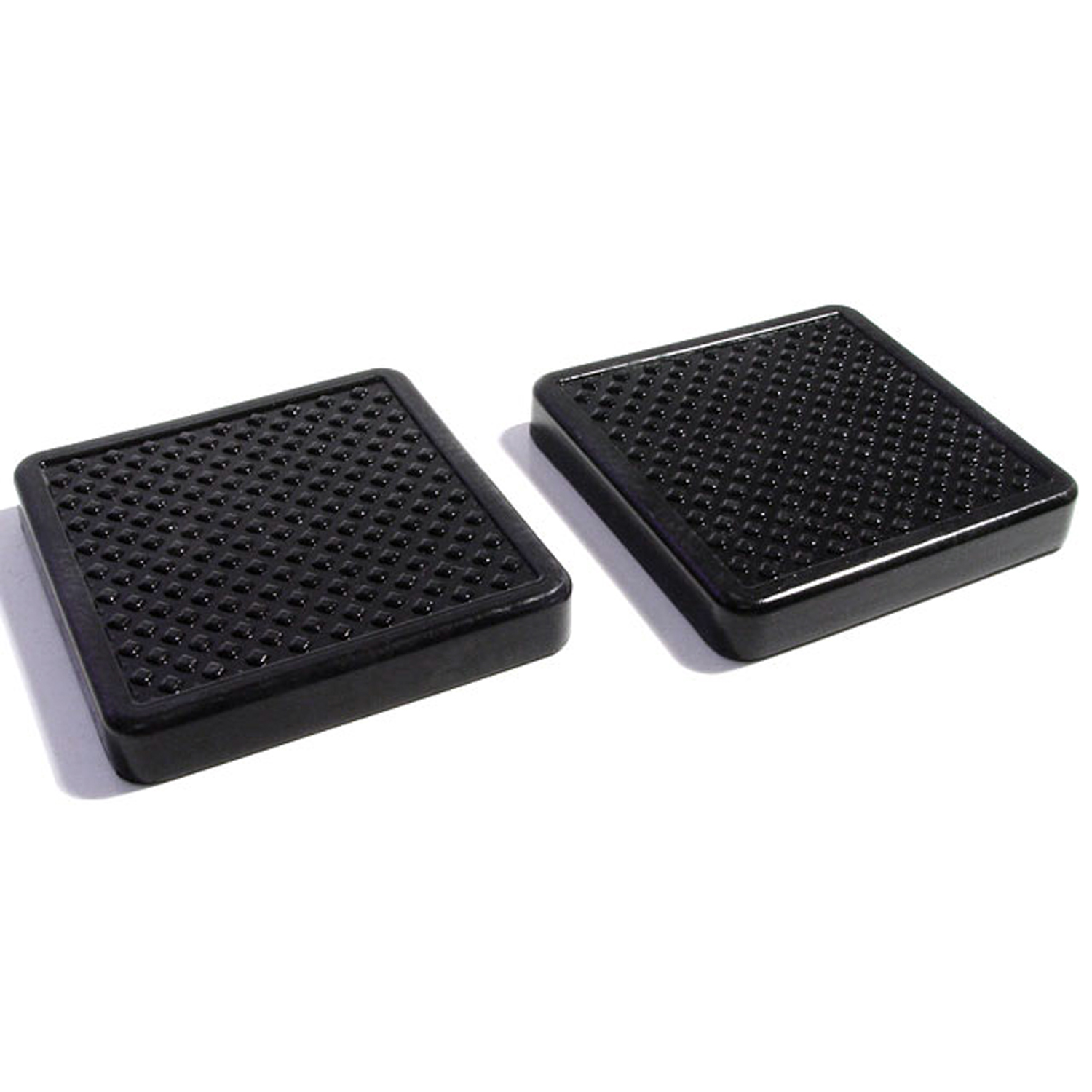 1953 Nash Nash-Healey Clutch and Brake Pedal Pads. 3" wide X 3" long. Pair-CB 47Clutch and Brake Pedal Pads. 3" wide X 3" long. Pair
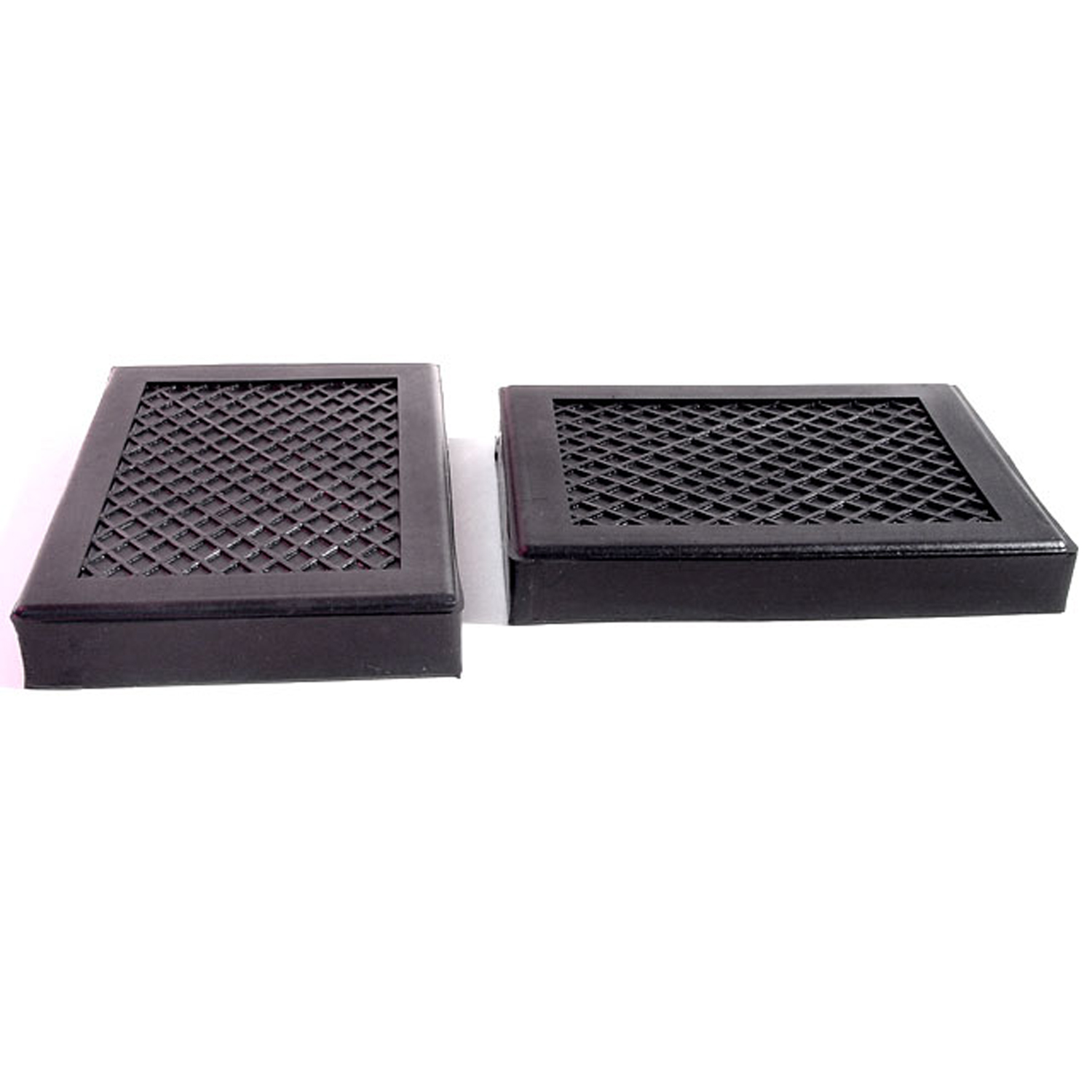 1953 Nash Nash-Healey Clutch and Brake Pedal Pads. 2-3/4" wide X 3-7/8" long-CB 48Clutch and Brake Pedal Pads. 2-3/4" wide X 3-7/8" long. Pair
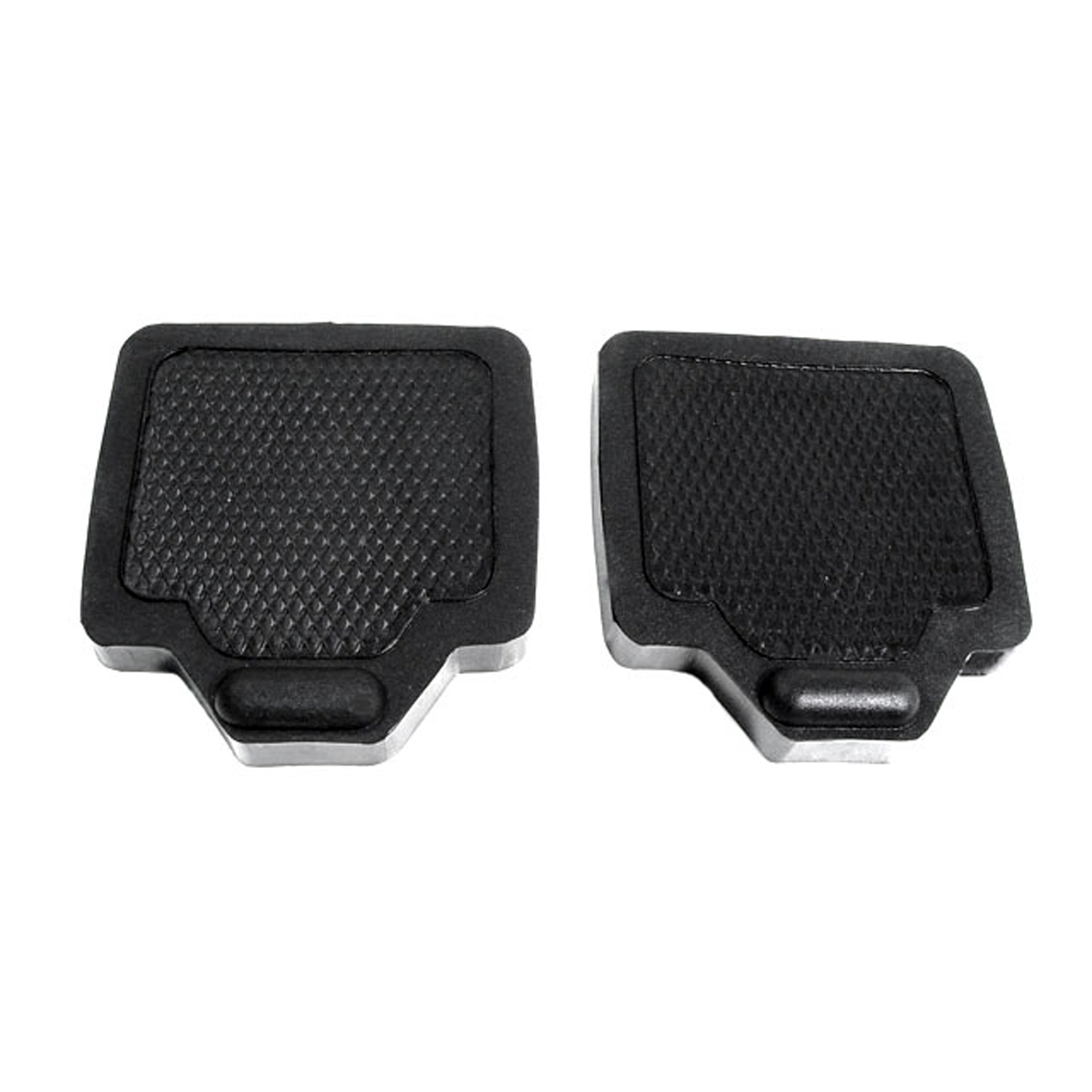 1953 Nash Nash-Healey Clutch and Brake Pedal Pads. 3-1/2" wide X 3-7/8" long-CB 55Clutch and Brake Pedal Pads. 3-1/2" wide X 3-7/8" long. Pair
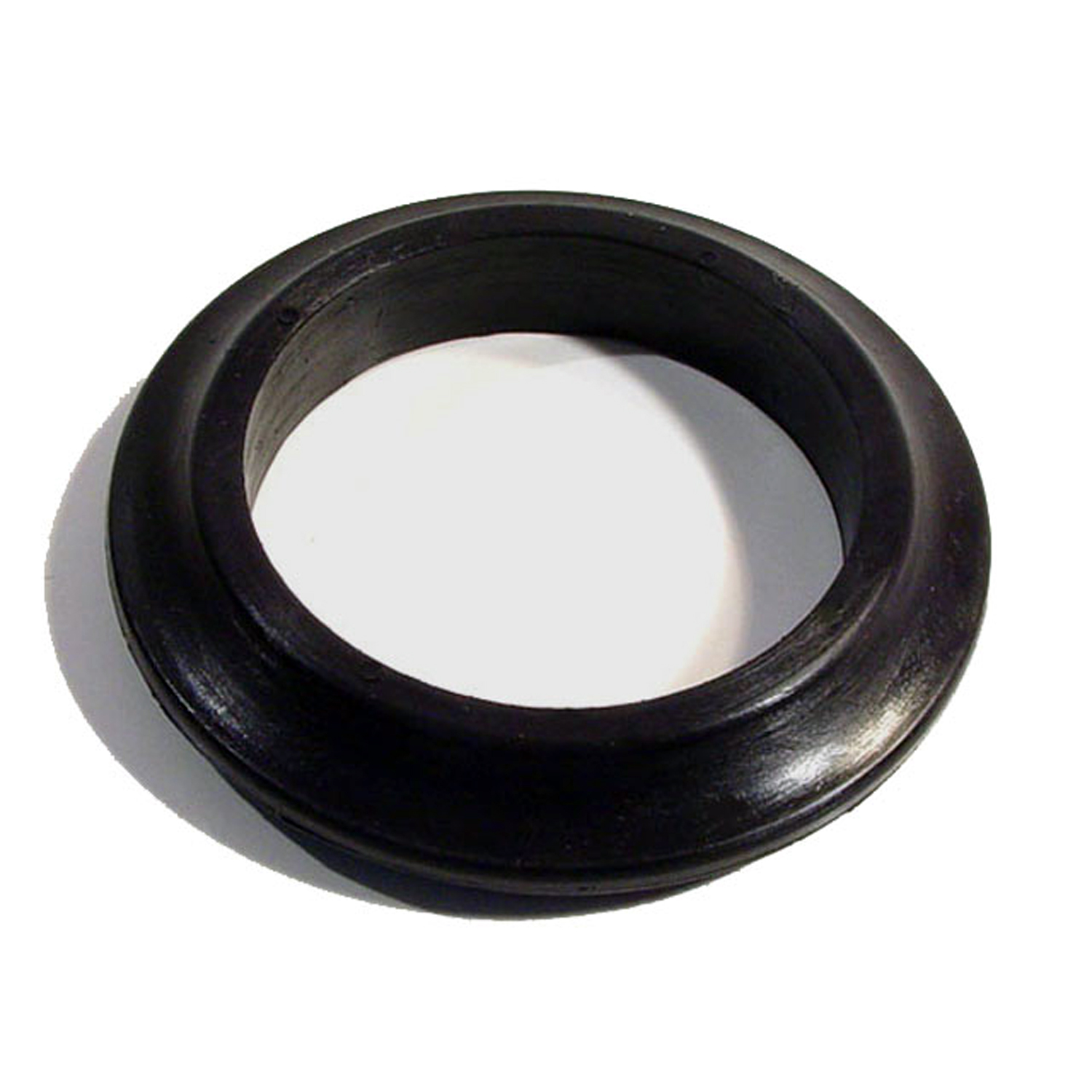 1953 Nash Nash-Healey Gas Filler Grommet. 2-1/4" I.D., 3-5/16" O.D. Each-GF 21Gas Filler Grommet. 2-1/4" I.D., 3-5/16" O.D. Each
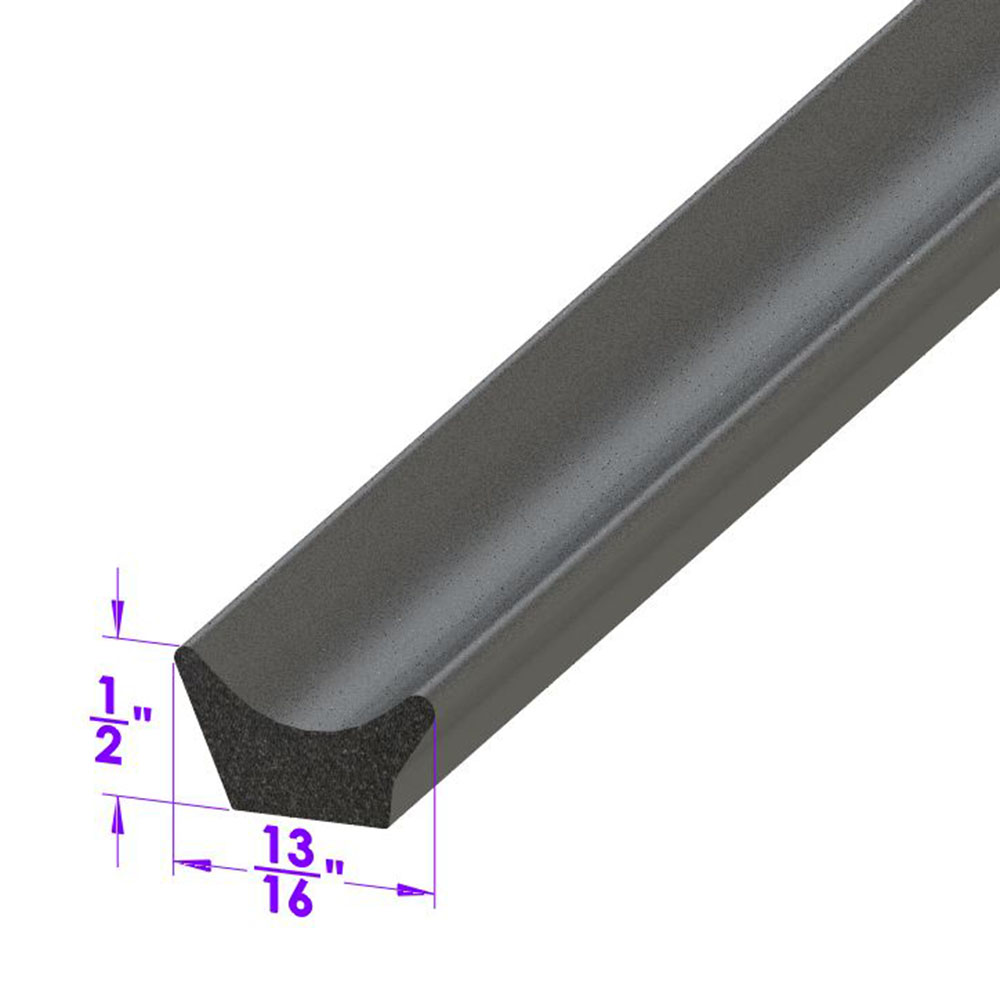 1953 Nash Nash-Healey Door side seal. Same as LP 40, but for a lighter seal-LP 40-ADoor side seal. Same as LP 40, but for a lighter seal. Fits many domestic passenger cars and trucks. Universal seal for street rods and customs. Used in Cobra kit cars as door weatherstrip. Per foot.
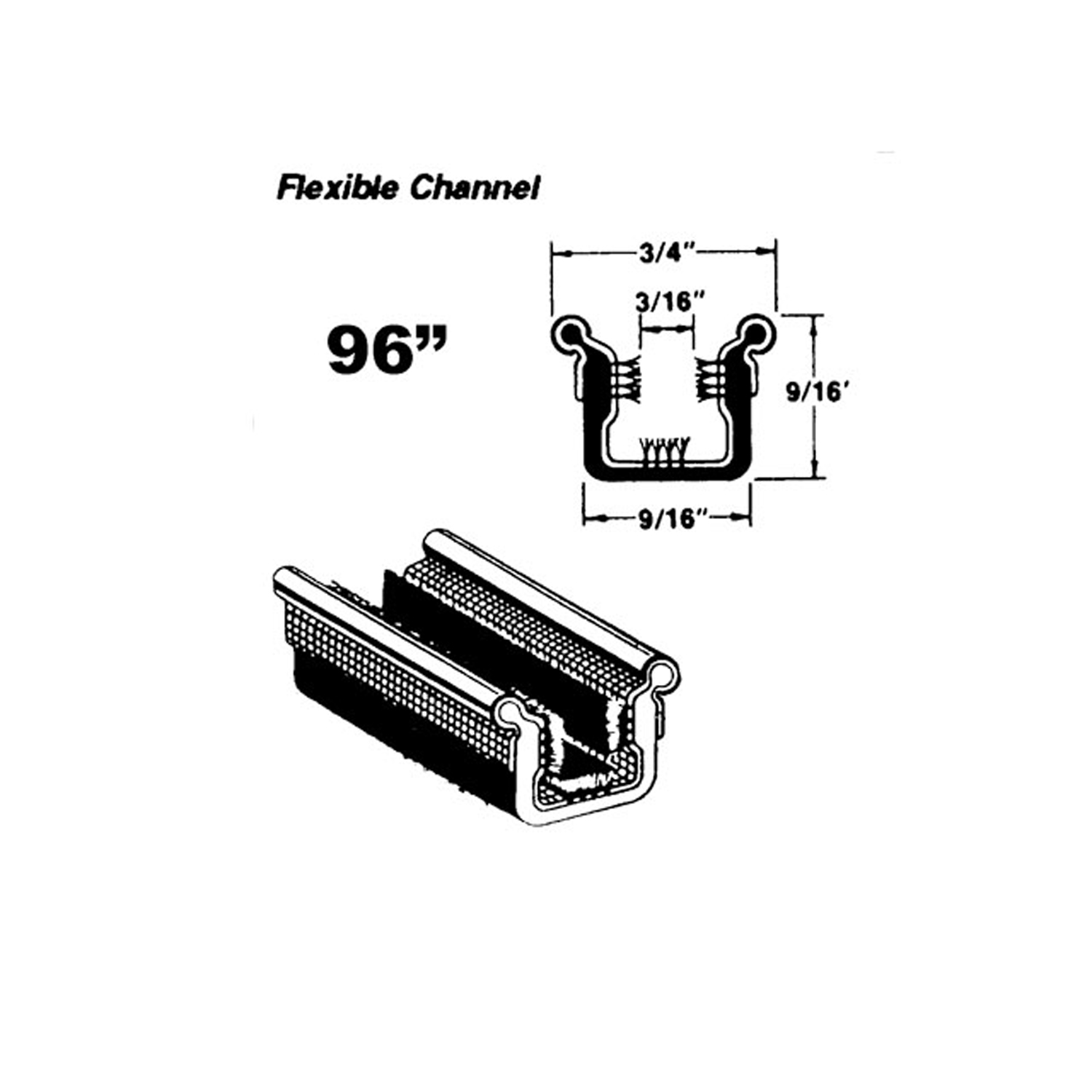 1953 Nash Nash-Healey Flexible window channel-WC 10-96Flexible window channel. Rubber covered with mohair lining and stainless steel bead. 96 in. long. Each. NOTE: $20 special shipping charge applies for domestic orders. Call or email for overseas shipping costs. Part can be sectioned in two or three equal lengths to reduce overseas shipping costs.
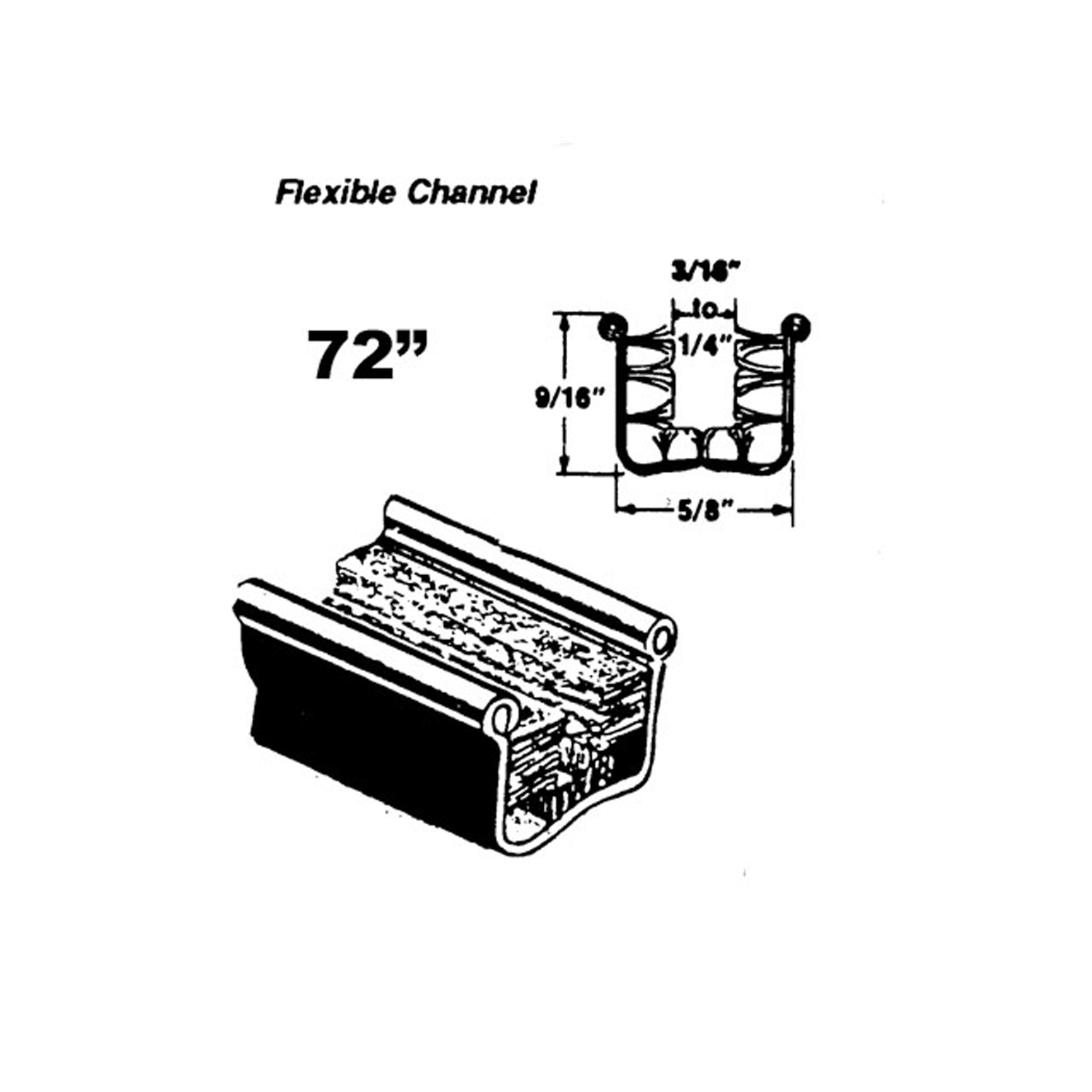 1953 Nash Nash-Healey Flexible glass-run channel-WC 11-72Flexible glass-run channel. Mohair lined, cloth covered with stainless steel bead. Used on side windows. 72 in. long. Each. NOTE: $20 special shipping charge applies for domestic orders. Call or email for overseas shipping costs. Part can be sectioned in two equal lengths to reduce overseas shipping costs.
Why Choose Metro?
For over 100 years, Metro Moulded Parts has been the pinnacle of quality in classic car restoration parts. Our commitment to precision and authenticity in every component ensures a perfect fit and an OEM-level appearance.
- Expert Craftsmanship & Quality: Each part is a testament to our dedication to reliability and perfection, crafted from original designs and thoroughly tested.
- Advanced Technology: We use cutting-edge techniques to create flawless, long-lasting parts that surpass others in performance.
- SuperSoft Sponge – The Ultimate Door Seal: Not only are our door seals 30% softer than competitors', but they're also guaranteed to never leak. They effectively reduce wind and road noise, enhancing your classic car's comfort and driving experience.
- Proudly American: Our parts are a product of American craftsmanship, made in the USA with a spirit of excellence and heritage.
- Unrivaled Warranty: We back our products with a 30-year industry-leading warranty, a testament to our confidence in their quality.
Join us in preserving the legacy of classic cars with parts that are crafted for perfection, not just made.