

Image of 1954 Nash Ambassador Custom, Note: These illustrations use artistic license and may differ from actual historical models.
Performance Metrics
Fundamental Metrics
Emotional Appeal
MMP Rating
| Engine Specifications | |
|---|---|
| Engine: | Inline 6 |
| Displacement: | 252.6 cu in (4.1 L) |
| Horsepower: | 130 hp |
| Torque: | 214 lb-ft |
| Compression Ratio: | 7.6:1 |
| Ignition System: | Battery Ignition |
| Cooling System: | Water-cooled |
| Performance Specifications | |
| 0-60 Time: | 15 seconds |
| 1/4 Mile Time: | 20 seconds |
| Top Speed: | 100 mph |
| Transmission and Drive | |
| Drive Type: | RWD (Rear Wheel Drive) |
| Transmission Type: | 3-speed manual with overdrive |
| Fuel and Efficiency | |
| Fuel System Type: | Carburetor |
| MPG: | 15-20 mpg |
| Dimensions and Brakes | |
| Brakes: | Drum brakes |
| Wheelbase: | 121.3 in |
| Weight: | 3,400 lbs |
Note: Specifications for classic cars are given to the best of our ability, considering the limited and variant data available.
1954 Nash Ambassador Custom: The Airflyte at Its Finest
The 1954 Nash Ambassador Custom looked as though it had arrived from a more streamlined future: its wheels were partly tucked beneath rounded fenders, its body flowed in smooth, uninterrupted curves, and its cabin offered comfort-minded features unusual for a family car of the era. Built by Nash-Kelvinator Corporation during the final chapter of Nash as an independent automaker, the Ambassador combined distinctive styling with practical engineering.
The 1954 model year was a turning point. Nash and Hudson joined to form American Motors Corporation in May 1954, although Nash cars continued to carry their own identity. The Ambassador was among the largest and most luxurious models in the Nash range. A detail that still surprises many enthusiasts is that Nash offered an integrated air-conditioning system in 1954, years before climate control became commonplace in American cars.
Airflyte Styling and Custom Trim
Nash’s Airflyte design gave the Ambassador a shape unlike the broad, upright sedans favored by many competitors. The front fenders curved around the wheels, the hood sat low and wide, and the rear fenders flowed into a rounded tail. That enclosed-wheel treatment was sometimes called “skirted” styling. It helped create the Ambassador’s streamlined profile, though it also made the car immediately recognizable from across a parking lot.
At the front, a broad grille and bright chrome trim gave the car a substantial presence without hiding its smooth body lines. Custom trim brought a more dressed-up appearance than the lower Ambassador grades, with additional exterior brightwork and a richer cabin finish. Period paint choices varied, and buyers could choose from solid colors as well as two-tone combinations. Light roofs paired with darker body colors were especially effective on the Ambassador’s long, rounded profile.
Inside, the Custom was designed for comfort rather than austerity. Upholstery materials and patterns depended on the body style and selected trim, but cloth and vinyl combinations were common, with coordinated door panels and carpeting. The wide bench seats, generous glass area, and comparatively roomy cabin made the Nash feel more like a relaxed touring car than a tight, sport-oriented sedan. Nash’s reclining front seats were another talking point: they could be adjusted for lounging and, in suitable configurations, arranged to make a resting surface inside the car.
The Ambassador Custom was offered in several body configurations, including a four-door sedan and the stylish two-door Country Club hardtop. Station-wagon versions were also part of the broader Ambassador range. The Country Club’s pillarless side profile was particularly striking, with an open look when its windows were lowered. Nash did not offer an Ambassador convertible for 1954, so the hardtop was the closest thing to an open-air style in the Custom lineup.
Comfort Features Ahead of Their Time
The Ambassador’s innovations were practical as well as eye-catching. Nash had been developing its “Weather Eye” heating and ventilation system for years, and its available 1954 air-conditioning setup took that integrated approach further. Rather than simply adding a bulky unit as an afterthought, Nash designed the system to work with the car’s heating and ventilation equipment. Air-conditioning was costly and uncommon in the 1950s, but its availability showed how seriously Nash treated passenger comfort.
Nash also had a long history with unitized construction, in which the body and frame were built as an integrated structure. The Ambassador’s strong, carefully engineered body helped distinguish it from cars built around a more traditional separate frame. Between its streamlined body, reclining seats, comfort-focused ventilation, and structural approach, the car offered a different idea of luxury: less about excess ornament and more about making long journeys pleasant.
Why the Ambassador Mattered
The 1954 Ambassador stood apart from many full-size American cars by resisting the square-shouldered, highly ornamented look that was becoming fashionable. Nash’s rounded styling had debuted earlier in the Airflyte era, so the 1954 car was not a sudden styling revolution. It was the mature expression of a design direction Nash had pursued for several years: aerodynamic forms, integrated bodies, and features intended to improve everyday comfort.
Its influence is easiest to see in Nash’s willingness to make engineering and usability part of the sales pitch. The car was not just a big sedan with extra chrome. It offered unitized construction, unusually thoughtful interior accommodations, and advanced climate-control options. Nash’s fortunes and eventual merger meant the Ambassador did not set the direction for the entire American industry, but it remains a compelling example of an independent manufacturer trying to compete through ingenuity rather than sheer size.
Six-Cylinder Power and Road Manners
Power came from Nash’s 252.6-cubic-inch L-head inline-six, rated at about 130 horsepower. A three-speed manual transmission was available, while many buyers chose the optional automatic transmission. These figures made the Ambassador a comfortable highway car, not a performance machine. Depending on transmission, condition, gearing, and testing method, a 0-to-60-mph run generally falls in the neighborhood of 15 to 17 seconds. A healthy example might reach roughly 90 to 95 mph, though sustained high-speed running is not what this nearly 3,500-pound sedan was built for.
On the road, the six-cylinder engine delivers a steady, low-revving pull. Expect a subdued mechanical hum rather than a sharp exhaust bark, with the automatic emphasizing smooth, relaxed progress. The Ambassador’s soft suspension takes the sting out of cracked pavement and rolling bumps, making it well suited to long-distance cruising. On winding roads, its size and comfort-oriented suspension encourage a measured pace. Crosswinds can also make a large, softly sprung car feel less planted than a modern sedan, so a driver should leave plenty of room and avoid abrupt inputs.
From behind the wheel, the experience is pleasantly old-fashioned. The bench seat, broad steering wheel, column-mounted shifter on manual cars, and long hood make the driver feel connected to a different era of American motoring. Steering and braking effort vary with equipment and condition, and modern traffic can make the Ambassador feel substantial. Its best setting is a scenic road, where the ride can settle in and the car’s quiet, unhurried character becomes part of the pleasure.
Living With a 1954 Nash
Today, most Ambassadors serve as weekend drivers, local show cars, or carefully maintained pieces of automotive history. A sound example can be used for relaxed touring, but it is not an ideal modern daily driver unless it has been thoroughly inspected and brought up to current safety expectations. Original brakes, tires, lighting, and handling should be assessed before regular road use.
The mechanical layout is comparatively straightforward, and an owner familiar with older American cars can handle many routine jobs. The inline-six is a conventional design, but age and parts availability matter more than theoretical simplicity. Engine and brake components may be obtainable through specialist suppliers or general vintage-car channels; trim, glass, model-specific interior pieces, and body panels can take more searching. The enclosed front-wheel styling also means body and suspension work should be approached by a shop familiar with Nash construction.
Reliability depends heavily on maintenance and previous repairs. Check for rust in structural areas and around the floors, sills, and lower body. Inspect the cooling system, electrical connections, fuel delivery, brakes, and transmission carefully. An automatic that shifts poorly or a car with neglected cooling can turn an easy cruise into an expensive recovery. As with any 70-year-old vehicle, a detailed pre-purchase inspection is money well spent.
Nash Ambassador Facts and Foibles
The Ambassador’s most memorable quirks are also some of its best conversation starters: the skirted front wheels, the reclining-seat concept, and the unusually advanced Weather Eye system. Nash’s air-conditioning option was a genuine rarity in 1954, when most buyers were still accustomed to opening a window for ventilation. The car also arrived in the same model year that Nash became part of the newly formed American Motors Corporation, giving it a special place at the end of the independent Nash era.
There is no widely recognized speed or endurance record associated with the 1954 Ambassador Custom. Its significance lies instead in its engineering and character. Common criticisms include its unconventional appearance, modest acceleration, soft handling by modern standards, and the challenge of finding certain Nash-specific parts. The styling that once seemed unusual is now a major reason enthusiasts seek the car out.
Collector Value and Availability
Production totals are not consistently broken down in readily available sources by every Ambassador trim and body style. A reasonable estimate is that roughly 20,000 to 22,000 Nash Ambassadors of all trim levels were built for 1954, with the Custom representing a portion of that total. A precise Custom-only figure is difficult to establish, so treat any narrower number as an estimate rather than a factory-confirmed count. Surviving cars are uncommon compared with mainstream Chevrolets and Fords of the period, and clean Country Club hardtops can be especially challenging to find.
As a broad U.S. market guide in 2026, a project car may sell for around $3,000 to $8,000, depending on completeness and rust. A presentable driver often falls in the $10,000 to $20,000 range, while a well-restored or unusually original example may bring roughly $20,000 to $35,000 or more. Exceptional cars, especially desirable hardtops with high-quality restoration, can exceed that range. These are estimates, not appraisals: location, documentation, originality, mechanical condition, and the quality of restoration all affect price.
Nash values have generally benefited from growing interest in distinctive independent marques, but the Ambassador remains a specialist-market classic rather than a guaranteed high-return investment. Over time, well-preserved, correctly restored examples are likely to hold more appeal than rough cars with incomplete trim or poorly executed modifications. Buyers should focus first on condition and parts completeness, not on assumptions about future appreciation.
A Distinctive Chapter in American Motoring
The 1954 Nash Ambassador Custom brought together streamlined Airflyte styling, thoughtful comfort features, and engineering that reflected Nash’s independent spirit. It was not the quickest or most conventional car in its class, and that is precisely why it remains memorable. With its rounded fenders, relaxed six-cylinder character, and place at the threshold of the AMC era, the Ambassador Custom is a rolling reminder that American automotive history was shaped by bold ideas as well as big production numbers.
1954 Nash Ambassador Custom Catalog of Parts
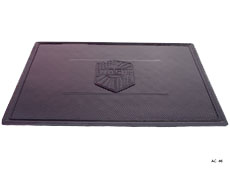 1954 Nash Ambassador Custom Accessory Floor Mat - 12"X17"-AC 46Accessory Floor Mat - made of high quality black rubber with molded original emblem. Also designed to be sewn into new carpets. 12"X17", Each
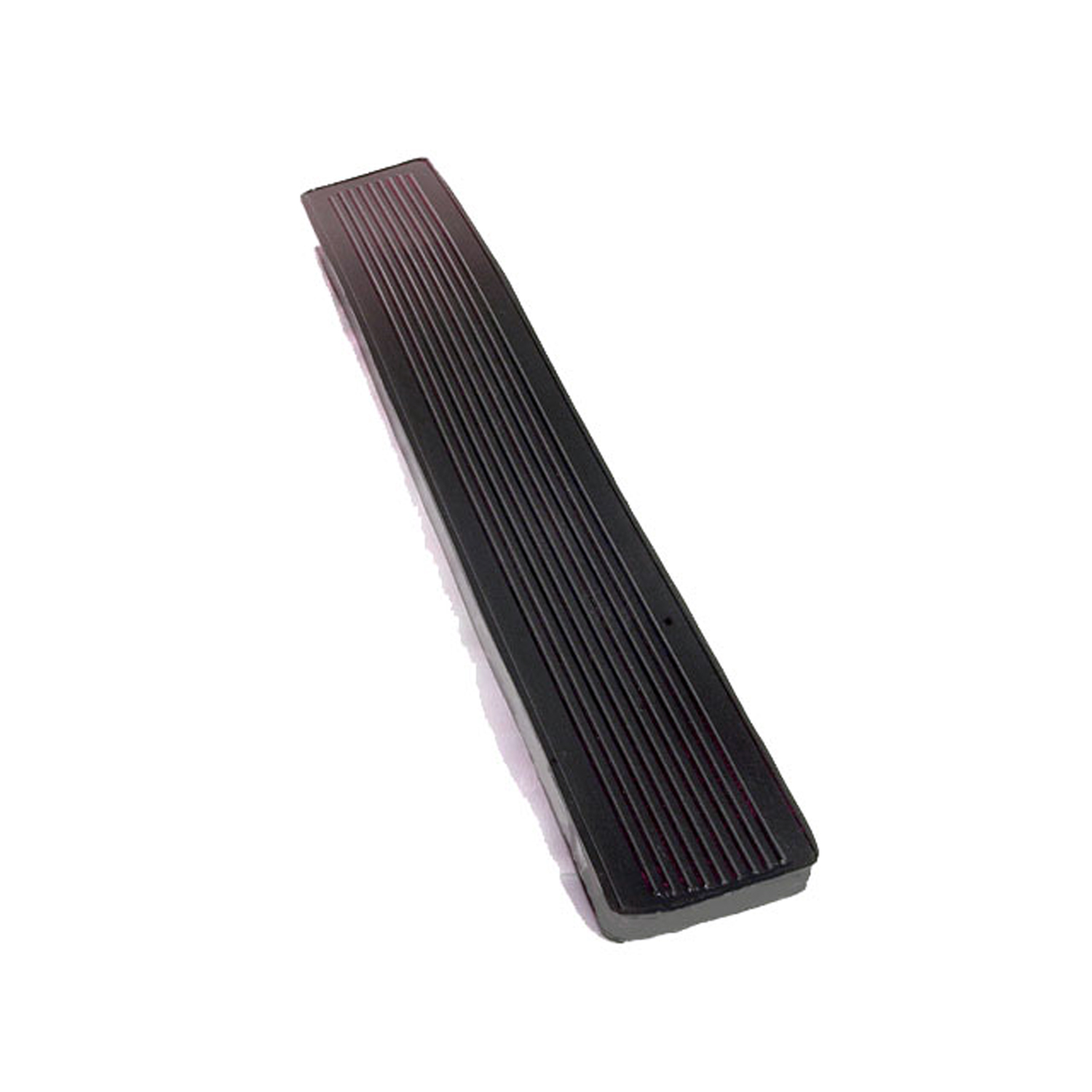 1954 Nash Ambassador Custom Accelerator Pedal Pad, 1-1/2" X 9-3/4", Each-AP 21Accelerator Pedal Pad, 1-1/2" X 9-3/4", Each
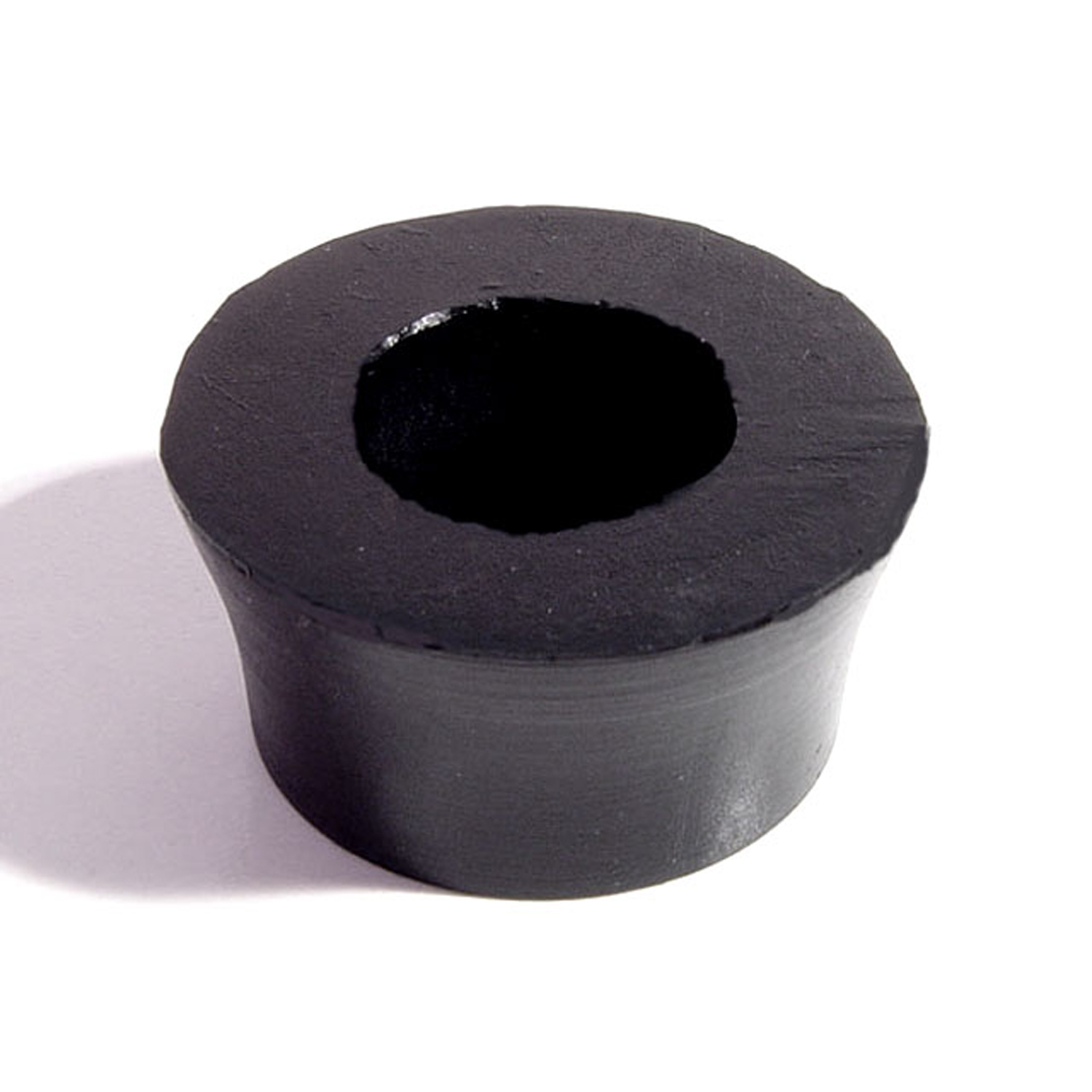 1954 Nash Ambassador Custom Shock Absorber Grommet. 1" bottom O.D., 5/8" high-BN 10Shock Absorber Grommet. 1" bottom O.D., 5/8" high., with 5/8" I.D. Each
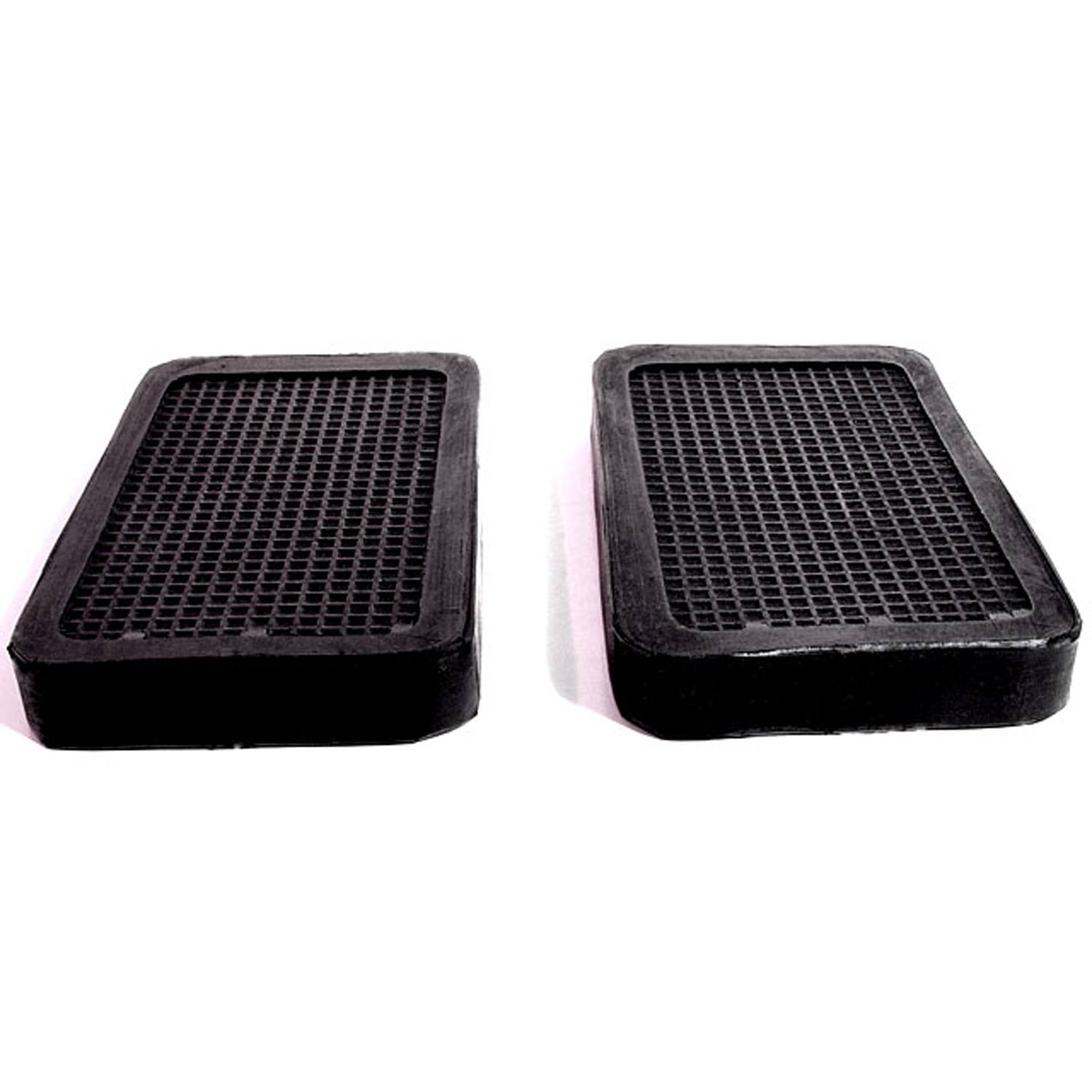 1954 Nash Ambassador Custom Clutch and Brake Pedal Pads. 2-1/4" wide X 4" long. Pair-CB 20Clutch and Brake Pedal Pads. 2-1/4" wide X 4" long. Pair
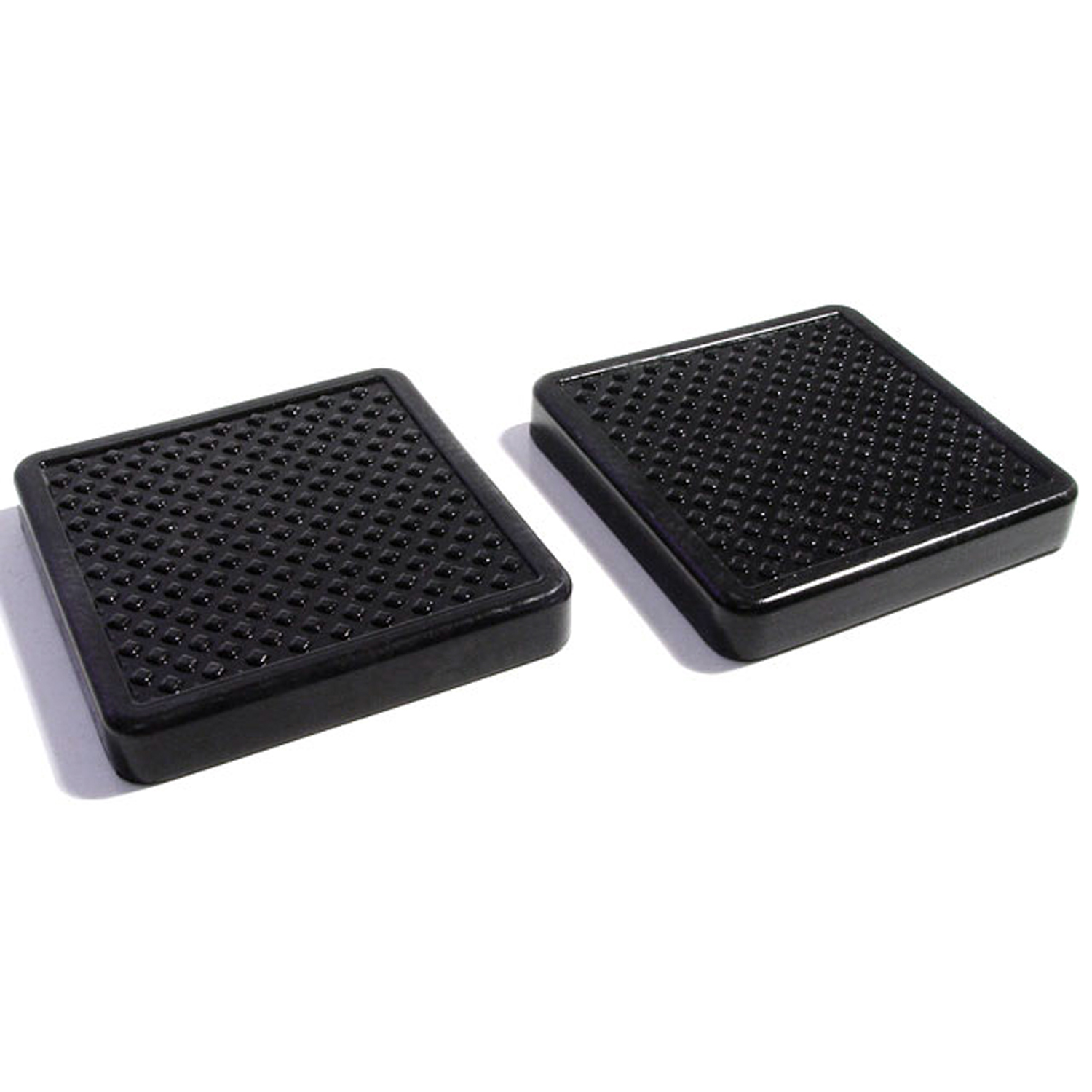 1954 Nash Ambassador Custom Clutch and Brake Pedal Pads. 3" wide X 3" long. Pair-CB 47Clutch and Brake Pedal Pads. 3" wide X 3" long. Pair
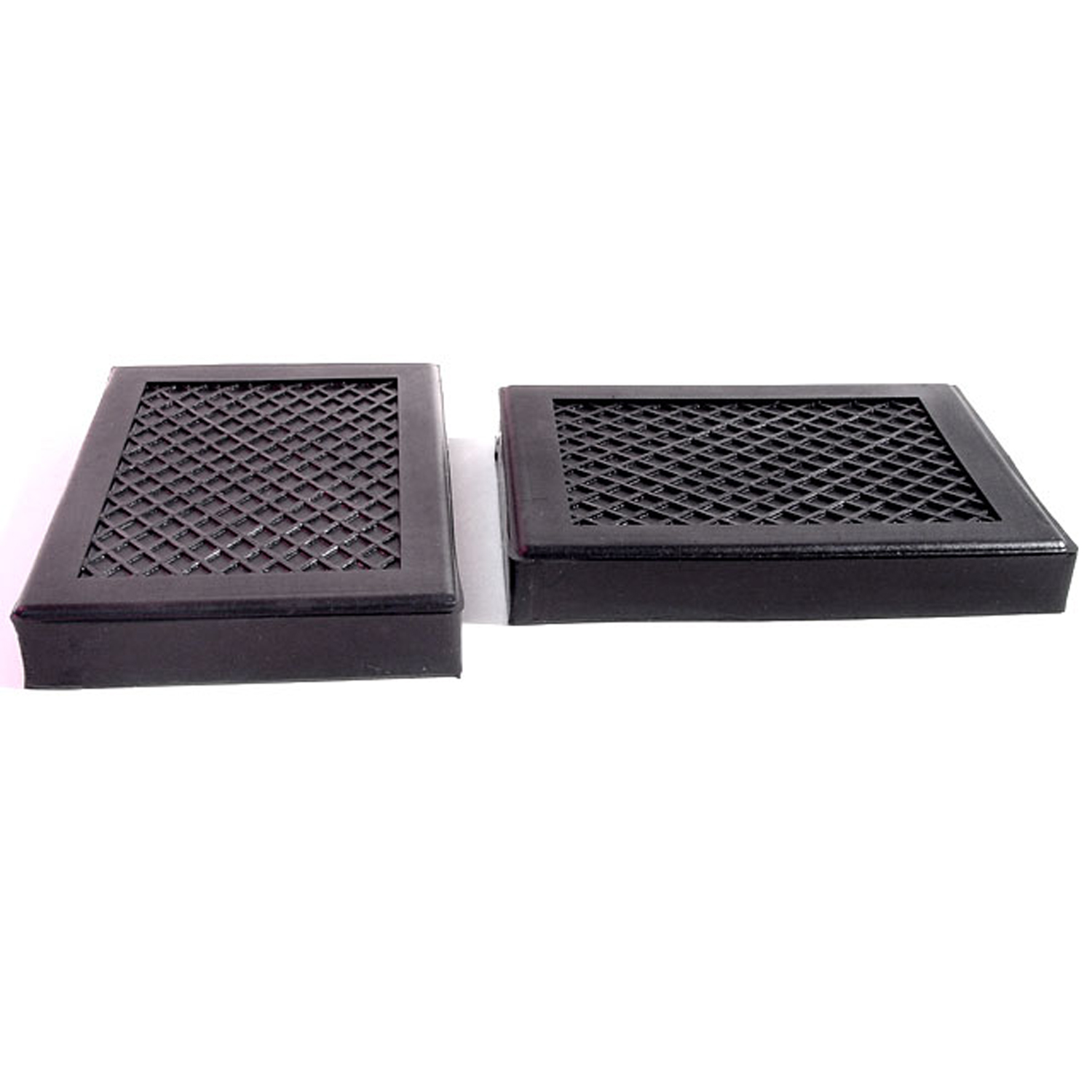 1954 Nash Ambassador Custom Clutch and Brake Pedal Pads. 2-3/4" wide X 3-7/8" long-CB 48Clutch and Brake Pedal Pads. 2-3/4" wide X 3-7/8" long. Pair
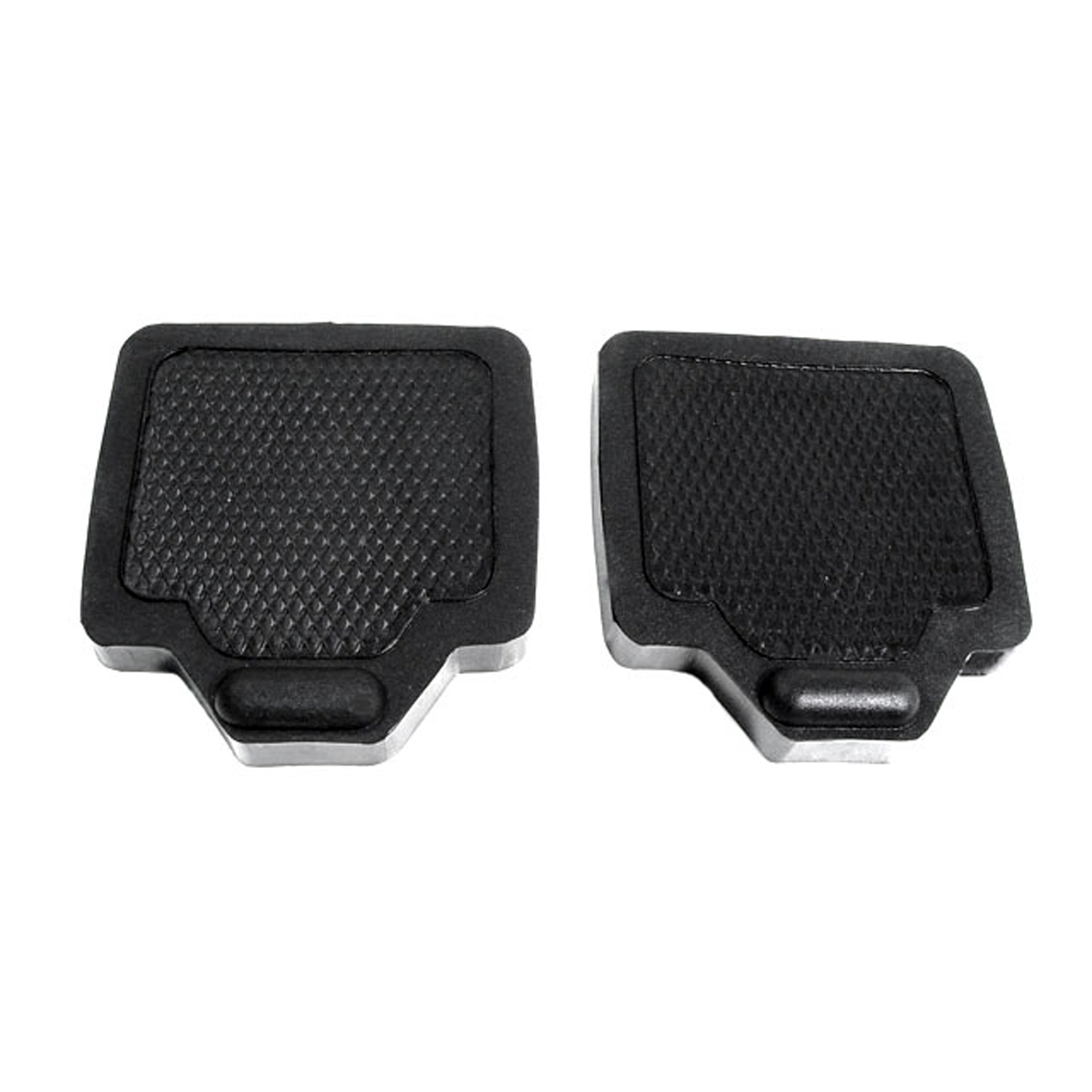 1954 Nash Ambassador Custom Clutch and Brake Pedal Pads. 3-1/2" wide X 3-7/8" long-CB 55Clutch and Brake Pedal Pads. 3-1/2" wide X 3-7/8" long. Pair
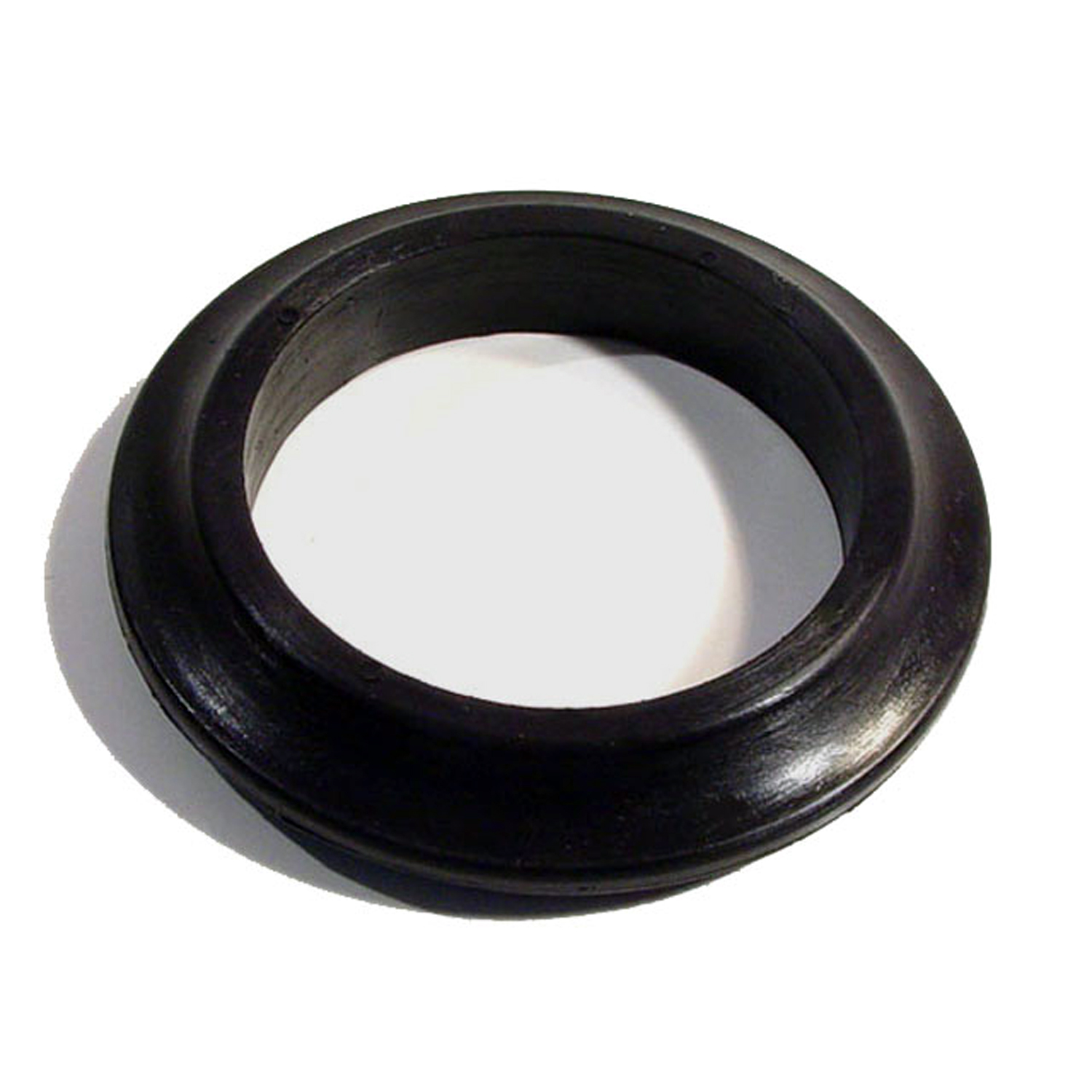 1954 Nash Ambassador Custom Gas Filler Grommet. 2-1/4" I.D., 3-5/16" O.D. Each-GF 21Gas Filler Grommet. 2-1/4" I.D., 3-5/16" O.D. Each
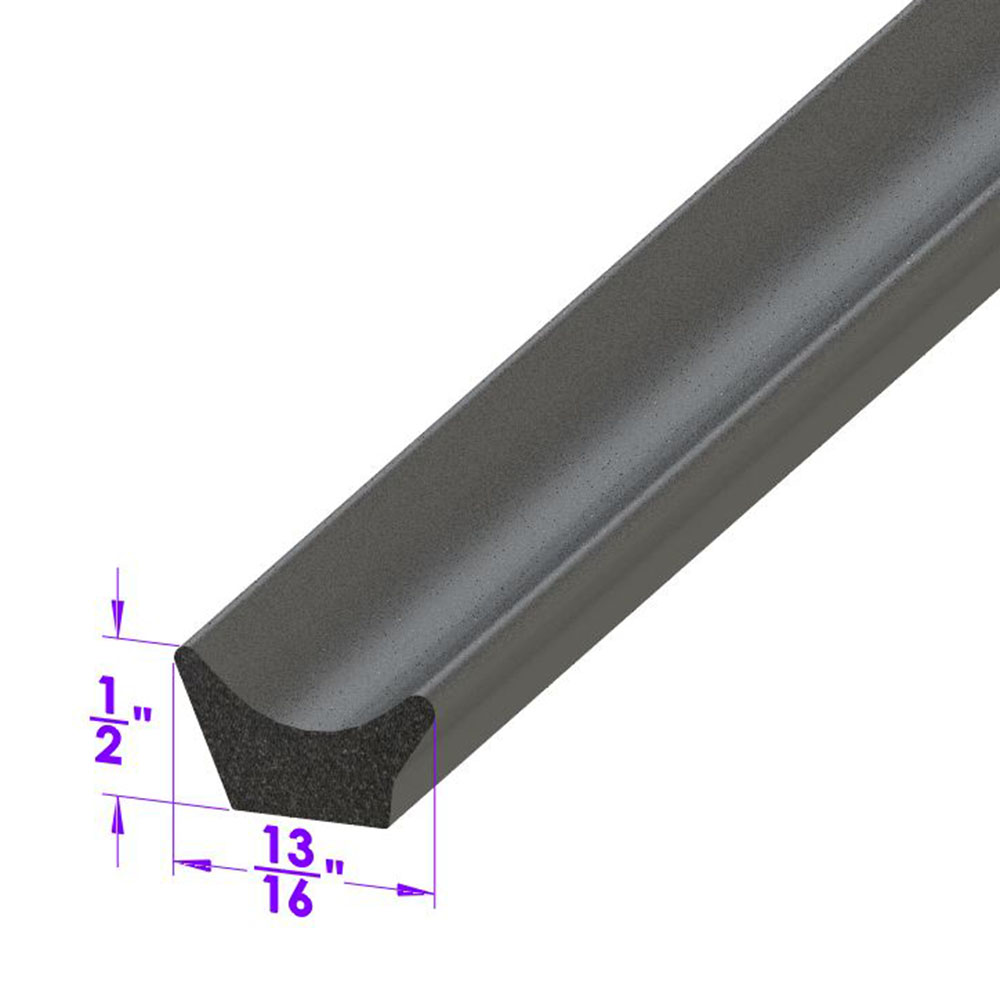 1954 Nash Ambassador Custom Door side seal. Same as LP 40, but for a lighter seal-LP 40-ADoor side seal. Same as LP 40, but for a lighter seal. Fits many domestic passenger cars and trucks. Universal seal for street rods and customs. Used in Cobra kit cars as door weatherstrip. Per foot.
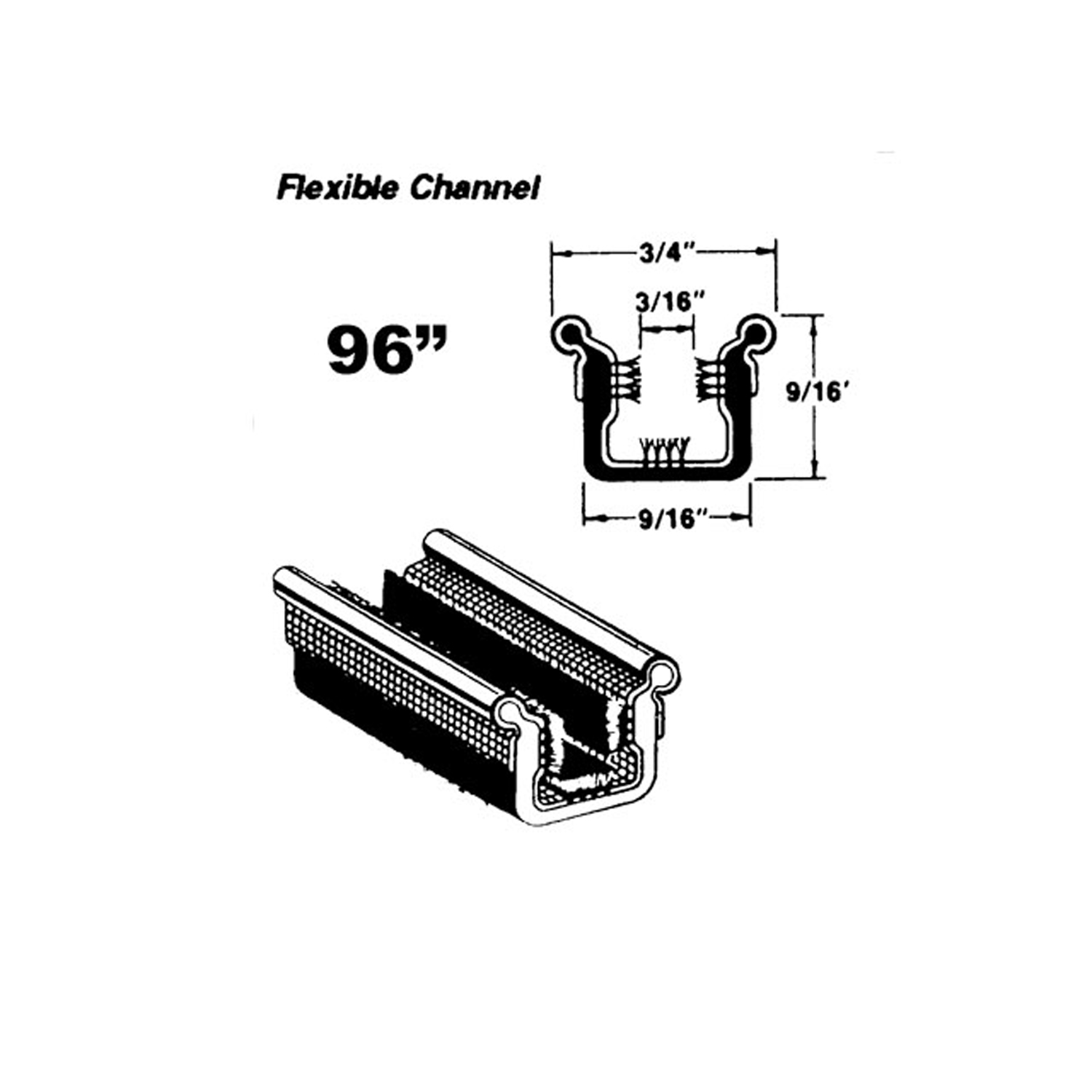 1954 Nash Ambassador Custom Flexible window channel-WC 10-96Flexible window channel. Rubber covered with mohair lining and stainless steel bead. 96 in. long. Each. NOTE: $20 special shipping charge applies for domestic orders. Call or email for overseas shipping costs. Part can be sectioned in two or three equal lengths to reduce overseas shipping costs.
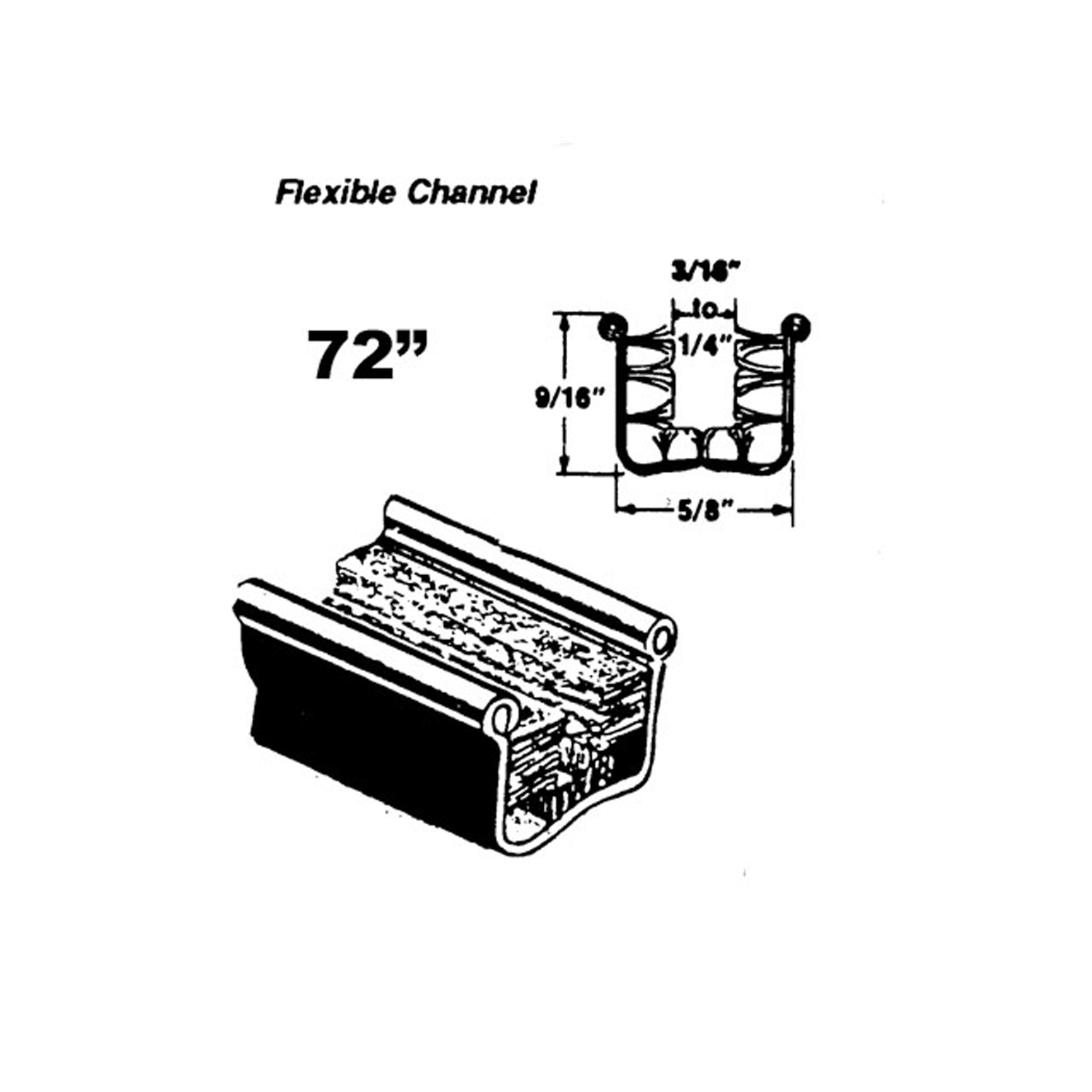 1954 Nash Ambassador Custom Flexible glass-run channel-WC 11-72Flexible glass-run channel. Mohair lined, cloth covered with stainless steel bead. Used on side windows. 72 in. long. Each. NOTE: $20 special shipping charge applies for domestic orders. Call or email for overseas shipping costs. Part can be sectioned in two equal lengths to reduce overseas shipping costs.
Why Choose Metro?
For over 100 years, Metro Moulded Parts has been the pinnacle of quality in classic car restoration parts. Our commitment to precision and authenticity in every component ensures a perfect fit and an OEM-level appearance.
- Expert Craftsmanship & Quality: Each part is a testament to our dedication to reliability and perfection, crafted from original designs and thoroughly tested.
- Advanced Technology: We use cutting-edge techniques to create flawless, long-lasting parts that surpass others in performance.
- SuperSoft Sponge – The Ultimate Door Seal: Not only are our door seals 30% softer than competitors', but they're also guaranteed to never leak. They effectively reduce wind and road noise, enhancing your classic car's comfort and driving experience.
- Proudly American: Our parts are a product of American craftsmanship, made in the USA with a spirit of excellence and heritage.
- Unrivaled Warranty: We back our products with a 30-year industry-leading warranty, a testament to our confidence in their quality.
Join us in preserving the legacy of classic cars with parts that are crafted for perfection, not just made.