

Image of 1956 Nash Ambassador Custom, Note: These illustrations use artistic license and may differ from actual historical models.
Performance Metrics
Fundamental Metrics
Emotional Appeal
MMP Rating
| Engine Specifications | |
|---|---|
| Engine: | 327.0 cu in, 5.4 L |
| Displacement: | 327.0 cu in, 5.4 L |
| Horsepower: | 250 HP |
| Torque: | 340 lb-ft |
| Compression Ratio: | 8.0:1 |
| Ignition System: | Conventional |
| Cooling System: | Liquid-cooled |
| Performance Specifications | |
| 0-60 Time: | Estimated 10 seconds |
| 1/4 Mile Time: | Estimated 17 seconds |
| Top Speed: | 120 mph |
| Transmission and Drive | |
| Drive Type: | Rear-wheel drive |
| Transmission Type: | 3-speed automatic |
| Fuel and Efficiency | |
| Fuel System Type: | Carburetor |
| MPG: | Estimated 15 MPG |
| Dimensions and Brakes | |
| Brakes: | Drum brakes |
| Wheelbase: | 121.3 in |
| Weight: | 3500 lbs |
Note: Specifications for classic cars are given to the best of our ability, considering the limited and variant data available.
1956 Nash Ambassador Custom: A Distinctive American Classic
The 1956 Nash Ambassador Custom was built to stand apart in a crowded field of big American cars. Its rounded, forward-looking styling, unusually roomy cabin, and powerful available V8 gave it a personality very different from the familiar chrome-heavy sedans of the era. It came from Nash Motors, one of the companies that joined to form American Motors Corporation in 1954, and belongs to the final chapter of Nash as a distinct automotive brand.
The Ambassador name had long represented Nash’s premium cars. By 1956, the Custom was a well-equipped trim level in the Ambassador line, pairing upscale appointments with either a six-cylinder engine or an available Packard-built V8, depending on specification. One intriguing detail: although the car wore Nash badges, its optional V8 came from Packard, a short-lived example of two independent manufacturers cooperating during a period of rapid change in the U.S. auto industry.
Airflyte Styling and Custom Details
The Ambassador’s shape was unmistakably Nash. Its broad, low nose carried a wide grille and prominent headlamps, while the gently rounded fenders flowed into a smooth, substantial body. A wraparound windshield opened up the view from the front seat, and the curved roofline gave the car a softer, more aerodynamic profile than many squared-off competitors. Nash’s enclosed front-wheel openings, a hallmark of its earlier Airflyte models, had largely given way to more conventional fenders by this period, but the 1956 car retained a distinctive, carefully sculpted look.
Custom trim added bright exterior accents and a more polished presentation. Depending on body style and equipment, buyers could choose a formal four-door sedan or a two-door hardtop, often listed in Nash’s catalogs as a Country Club. The hardtop’s pillarless side openings were especially eye-catching with the windows lowered. Ambassador body-style availability varied by series and market, so surviving cars and original sales literature are useful references when identifying a particular Custom.
Paint choices included solid colors as well as two-tone combinations, with contrasting roof and body colors especially popular on hardtops. Period palettes ranged from subdued shades to brighter blues, reds, greens, and metallic finishes. Exact combinations varied through the model year, and surviving cars may have been repainted, so original paint codes are the best guide for a restoration.
Inside, the Ambassador emphasized space and comfort rather than a sporty, close-fitting cockpit. The Custom’s upholstery and trim were more richly finished than the basic offerings, with broad seats, attractive patterned fabrics or vinyl, and coordinated interior colors. Nash was known for practical cabin packaging, including generous passenger room and clever seating arrangements on some models. Buyers could add conveniences such as power accessories and air conditioning, though equipment depended on the car’s original order.
Nash’s Weather Eye heating and ventilation system was another notable feature. It was designed to distribute fresh air and heat effectively, a useful refinement for a car intended for comfortable year-round travel. The Ambassador also offered power steering and automatic transmission among its convenience options. These were not futuristic novelties by 1956, but together they made the Custom a relaxed, well-equipped long-distance car.
Why the Ambassador Mattered
The Ambassador’s significance lies partly in its independent approach to the American family car. Nash had invested heavily in unitized body construction and aerodynamic thinking in the years after World War II, when many rivals still followed more traditional styling and engineering paths. By 1956, the Ambassador had evolved into a conventional-looking full-size car, but Nash’s focus on passenger comfort, efficient packaging, and distinctive design remained part of its identity.
The car also arrived at a pivotal moment. Nash and Hudson had merged to create American Motors, a company that needed to compete against much larger manufacturers. Rather than simply imitate the biggest Detroit brands, AMC tried to offer distinctive cars with practical engineering and strong value. The Ambassador represented the upscale end of that strategy. Nash and Hudson identities would soon disappear as AMC consolidated its lineup, making the 1956 model one of the final Nash-badged Ambassadors.
What set it apart from contemporaries was its blend of individual styling and comfort-minded engineering. A Chevrolet or Ford might be easier to find and service, while a Cadillac offered greater prestige. The Nash occupied a different space: distinctive, spacious, and technically interesting, without being a luxury car in the same sense as the most expensive marques.
Packard V8 Power and Road Manners
Many 1956 Ambassador Customs were equipped with Nash’s 250.6-cubic-inch inline-six, while V8 versions used a 327-cubic-inch Packard engine. Output figures vary with configuration and source, but the V8 is commonly listed at about 220 horsepower. A Packard Ultramatic automatic transmission was available, giving the car smooth, easygoing progress. Buyers should check the engine and transmission in an individual car rather than assume every Custom has the V8.
Period performance depended on engine, transmission, body style, and test conditions. A V8 Ambassador could generally reach 60 mph in roughly 10 to 12 seconds, with a top speed in the neighborhood of 100 to 110 mph. Treat those figures as estimates, not guarantees for a decades-old car. Original gearing, mechanical condition, and modern traffic all affect what a surviving example can comfortably do.
On the road, the Ambassador is best understood as a cruising car. Its long wheelbase and soft suspension take the edge off broken pavement, while the roomy cabin makes extended trips pleasant. That soft setup can produce noticeable body lean on winding roads, and the car feels large in tight parking lots. Power steering, when fitted, eases low-speed maneuvering; without it, the steering takes more effort.
The V8 delivers a deep, measured sound rather than a high-strung performance-car bark. Acceleration is strongest when the engine is healthy and the transmission is properly adjusted, but the car’s appeal is less about quick launches than about covering miles in comfort. Drum brakes and period tires also require a driver to leave more stopping distance than in a modern car, especially on wet or uneven roads.
Living with a 1956 Nash
Today, the Ambassador Custom is most often used as a show car, weekend cruiser, or feature at regional classic-car events. A carefully maintained example can also handle occasional local driving, but its age makes a modern daily-driver role impractical for most owners. Cooling-system health, brake condition, fuel delivery, tires, and electrical connections deserve particular attention before regular use.
Routine work is within reach of an experienced home mechanic. The mechanical systems are largely from the conventional mid-century era, and many service procedures are straightforward with a factory manual and the right tools. The challenge is often sourcing parts, especially model-specific trim, body panels, and interior pieces. V8 cars may require additional research because their Packard powertrain components are not interchangeable with every Nash or AMC part.
Reliability depends heavily on restoration quality and maintenance history. A car that has been stored for years may need far more than a battery and fresh fuel. Before purchase, inspect the body and frame areas for corrosion, confirm that the transmission shifts correctly, and look for evidence of overheating or improvised repairs. A specialist familiar with Nash and Packard components can be valuable during a pre-purchase inspection.
Nash Ambassador Facts and Common Criticisms
The Ambassador’s Packard V8 is one of its most memorable talking points. It reflects the practical alliances manufacturers made during the fast-changing 1950s, when engine development was expensive and corporate partnerships could fill a gap in a lineup. The arrangement was brief, which makes a correctly equipped Nash V8 an especially interesting conversation piece at a show.
There is no widely recognized production record or major speed achievement associated with the 1956 Ambassador Custom. Nor is it best known for a single celebrity owner or a defining historical event. Its appeal is more specific: it represents Nash near the end of the marque’s independent life and showcases an alternative vision of the American family car.
Common criticisms are familiar to owners of less-common classics. Parts availability can be more difficult than for a 1950s Chevrolet or Ford, and some body and trim components are scarce. Its soft suspension and substantial size do not suit drivers seeking nimble handling. The design can also divide opinion: admirers love its smooth, unusual lines, while critics may find it less dramatic than the tail-finned cars that soon dominated the decade.
Collector Values and Production
Production figures for the Ambassador line are easier to find than exact totals for every Custom body and equipment combination. A reasonable estimate for all 1956 Nash Ambassadors is roughly 20,000 to 23,000 cars, with the Custom representing only part of that total. The exact number of surviving Customs is not known, and clean examples appear less often than mainstream Chevrolet or Ford models.
As a broad U.S. market estimate, a project car may sell for about $5,000 to $10,000. A sound, presentable driver could fall around $12,000 to $25,000, while a well-restored example may bring $25,000 to $40,000 or more. Exceptional originality, documented restoration work, a desirable hardtop body, or a correctly equipped V8 can influence the price. These are general ranges, not a formal appraisal; condition and local demand matter considerably.
Values tend to be condition-sensitive rather than driven by a rapid collector boom. The Ambassador has a loyal niche following, and its rarity adds interest, but limited parts availability and a smaller buyer pool can restrain prices. A high-quality, correctly restored car is likely to hold its appeal better than an incomplete project, while originality and documentation can make a real difference when it is time to sell.
A Nash with Its Own Point of View
The 1956 Nash Ambassador Custom combines comfortable American-car proportions with styling and engineering that never quite followed the crowd. Its spacious cabin, available Packard V8, and final-era Nash identity give it a character all its own. It may not be the easiest classic to own, or the quickest to find parts for, but that individuality is exactly what makes it memorable.
For collectors who value the less-traveled roads of automotive history, the Ambassador Custom is more than a handsome mid-century cruiser. It is a rolling reminder that Nash tried to make a different kind of American car, and that difference still shows in every mile.
1956 Nash Ambassador Custom Catalog of Parts
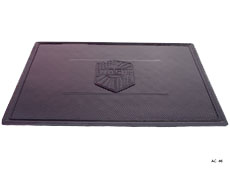 1956 Nash Ambassador Custom Accessory Floor Mat - 12"X17"-AC 46Accessory Floor Mat - made of high quality black rubber with molded original emblem. Also designed to be sewn into new carpets. 12"X17", Each
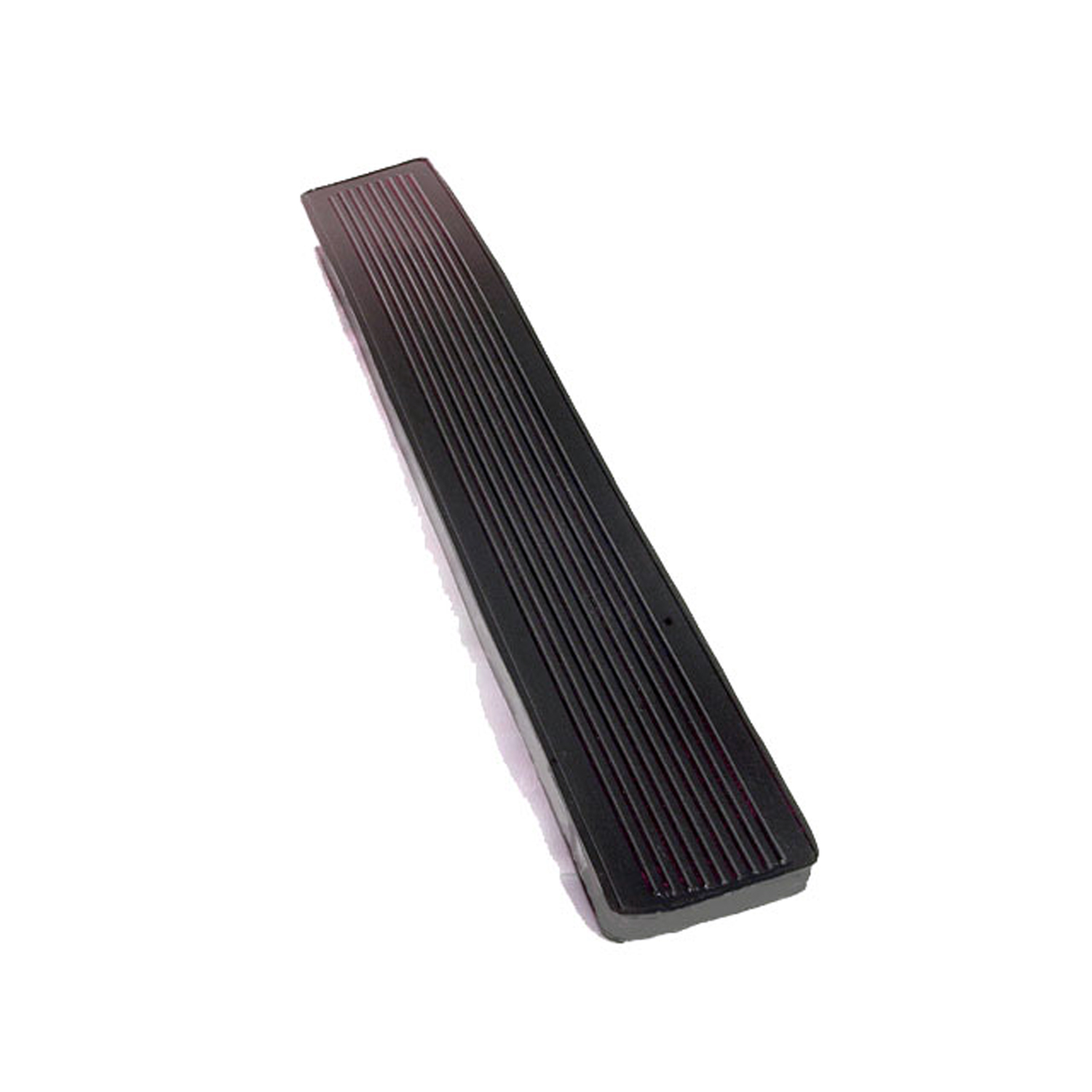 1956 Nash Ambassador Custom Accelerator Pedal Pad, 1-1/2" X 9-3/4", Each-AP 21Accelerator Pedal Pad, 1-1/2" X 9-3/4", Each
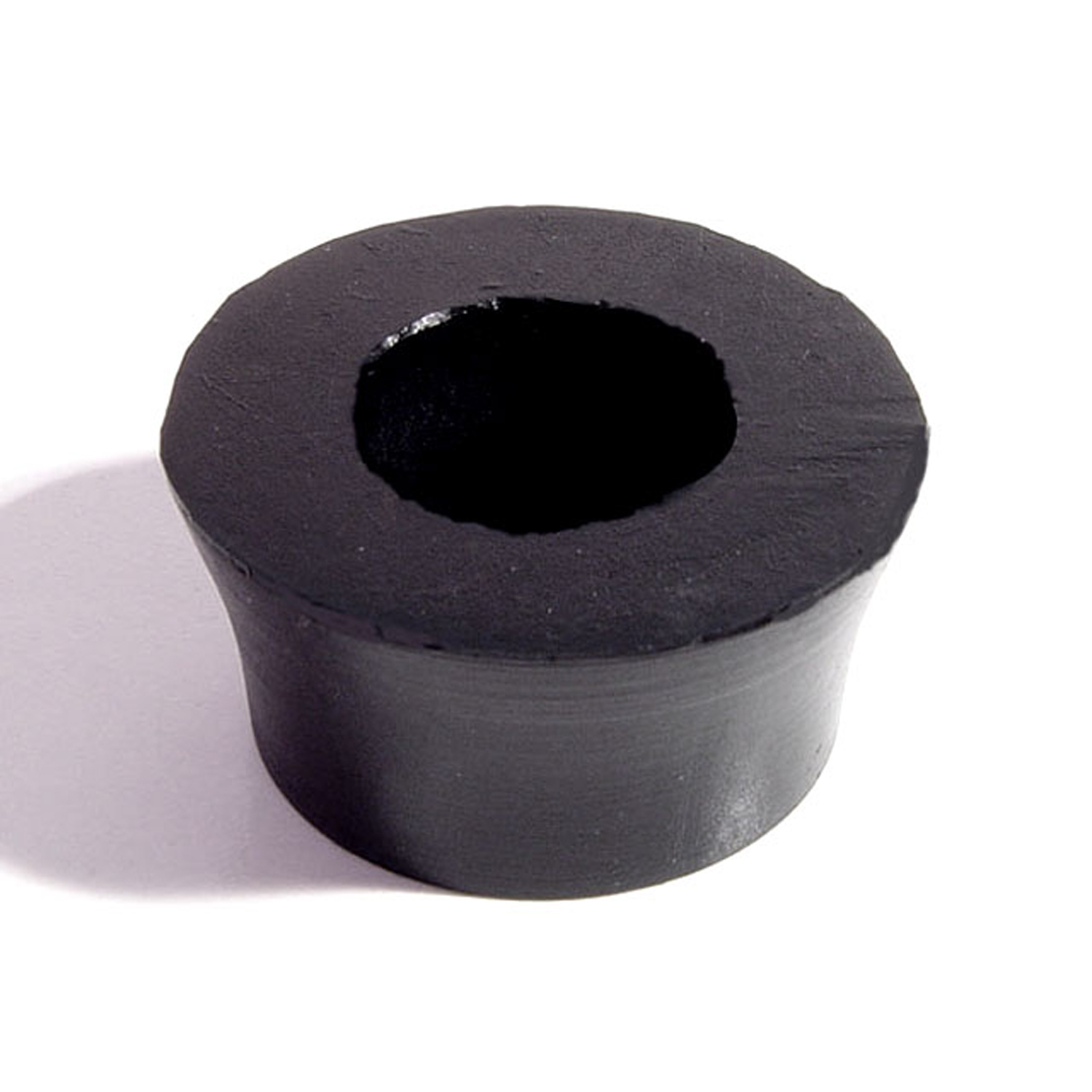 1956 Nash Ambassador Custom Shock Absorber Grommet. 1" bottom O.D., 5/8" high-BN 10Shock Absorber Grommet. 1" bottom O.D., 5/8" high., with 5/8" I.D. Each
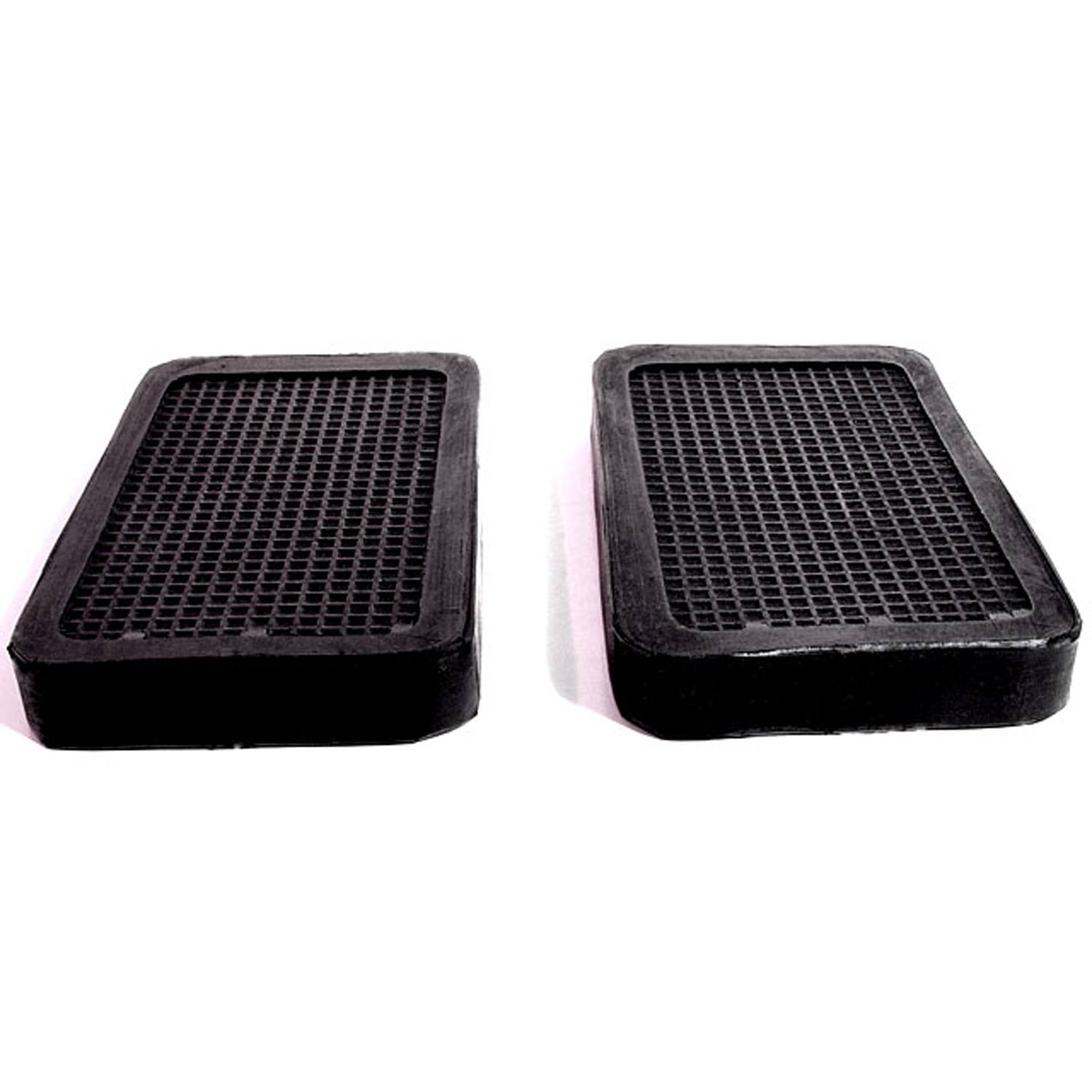 1956 Nash Ambassador Custom Clutch and Brake Pedal Pads. 2-1/4" wide X 4" long. Pair-CB 20Clutch and Brake Pedal Pads. 2-1/4" wide X 4" long. Pair
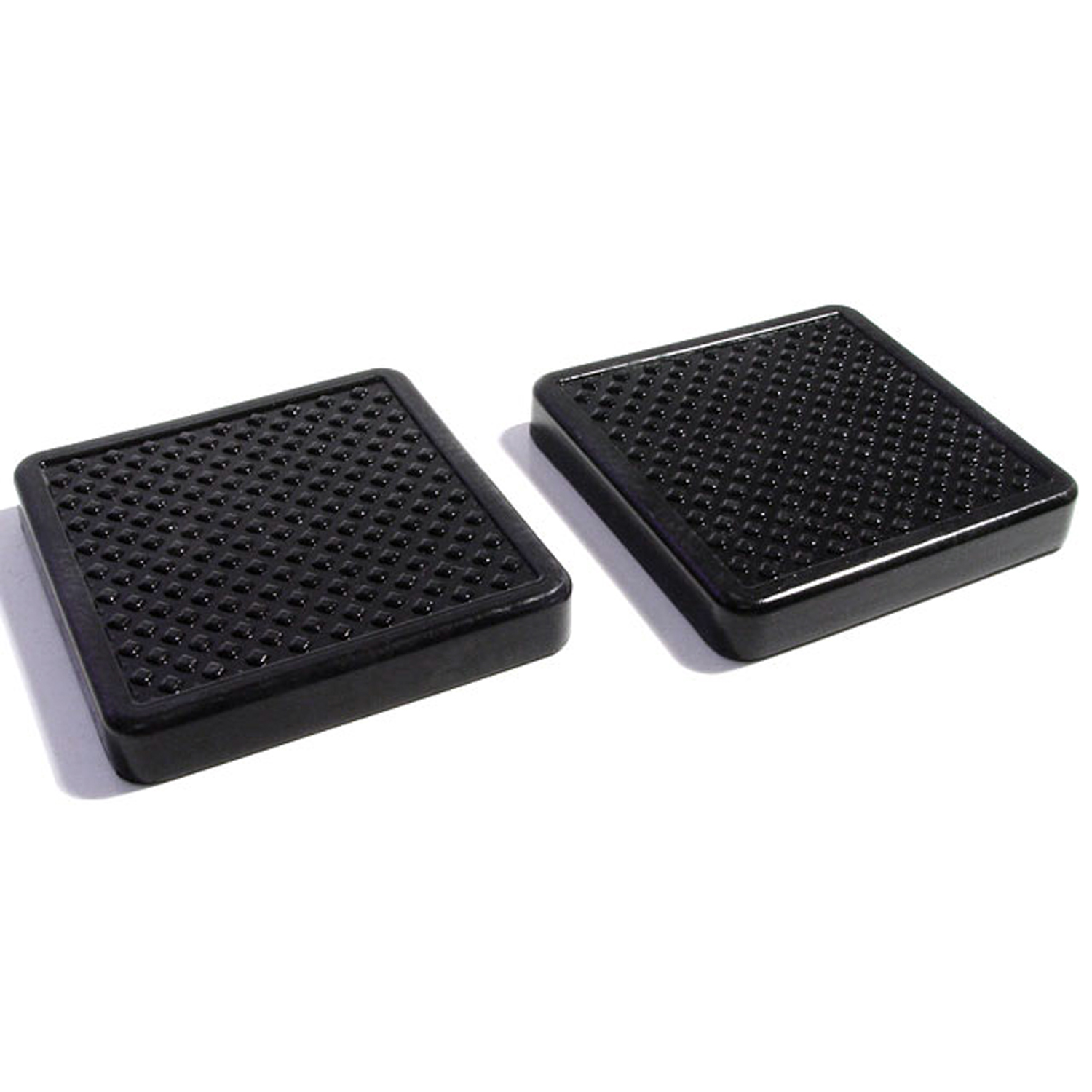 1956 Nash Ambassador Custom Clutch and Brake Pedal Pads. 3" wide X 3" long. Pair-CB 47Clutch and Brake Pedal Pads. 3" wide X 3" long. Pair
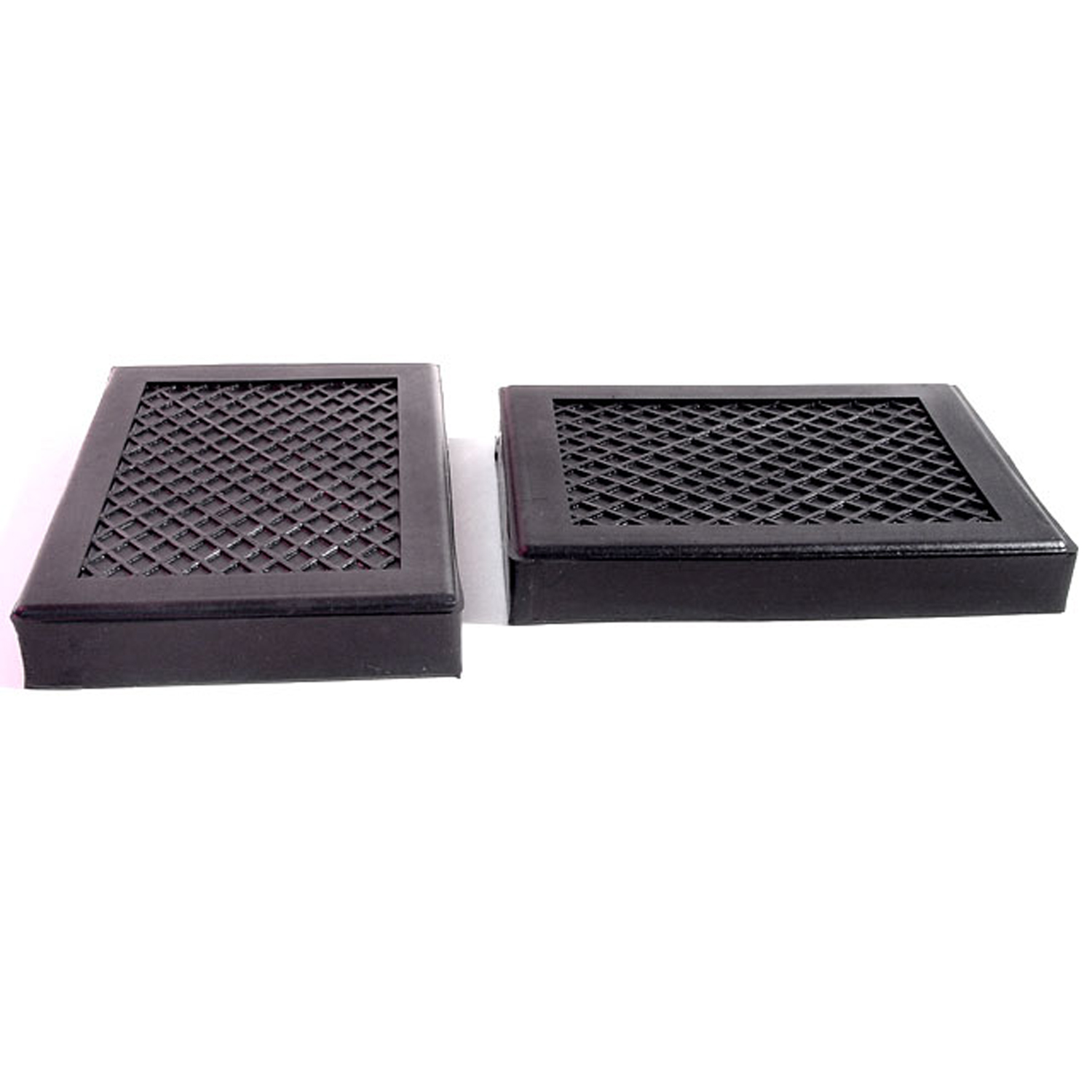 1956 Nash Ambassador Custom Clutch and Brake Pedal Pads. 2-3/4" wide X 3-7/8" long-CB 48Clutch and Brake Pedal Pads. 2-3/4" wide X 3-7/8" long. Pair
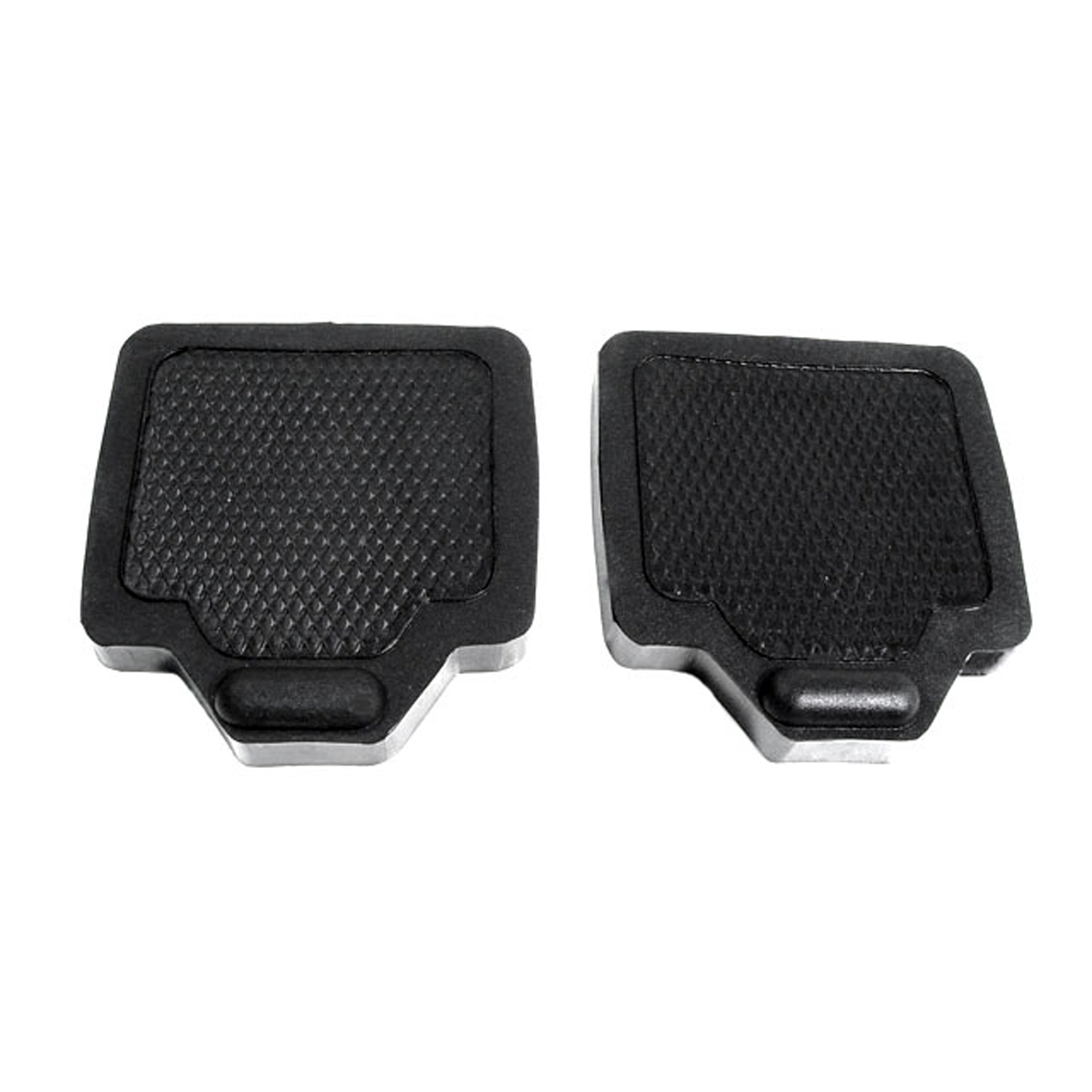 1956 Nash Ambassador Custom Clutch and Brake Pedal Pads. 3-1/2" wide X 3-7/8" long-CB 55Clutch and Brake Pedal Pads. 3-1/2" wide X 3-7/8" long. Pair
 1956 Nash Ambassador Custom Front Door to Cowl Drain Seal. 12-1/2" long. Pair-ELP 4501Front Door to Cowl Drain Seal. 12-1/2" long. Pair
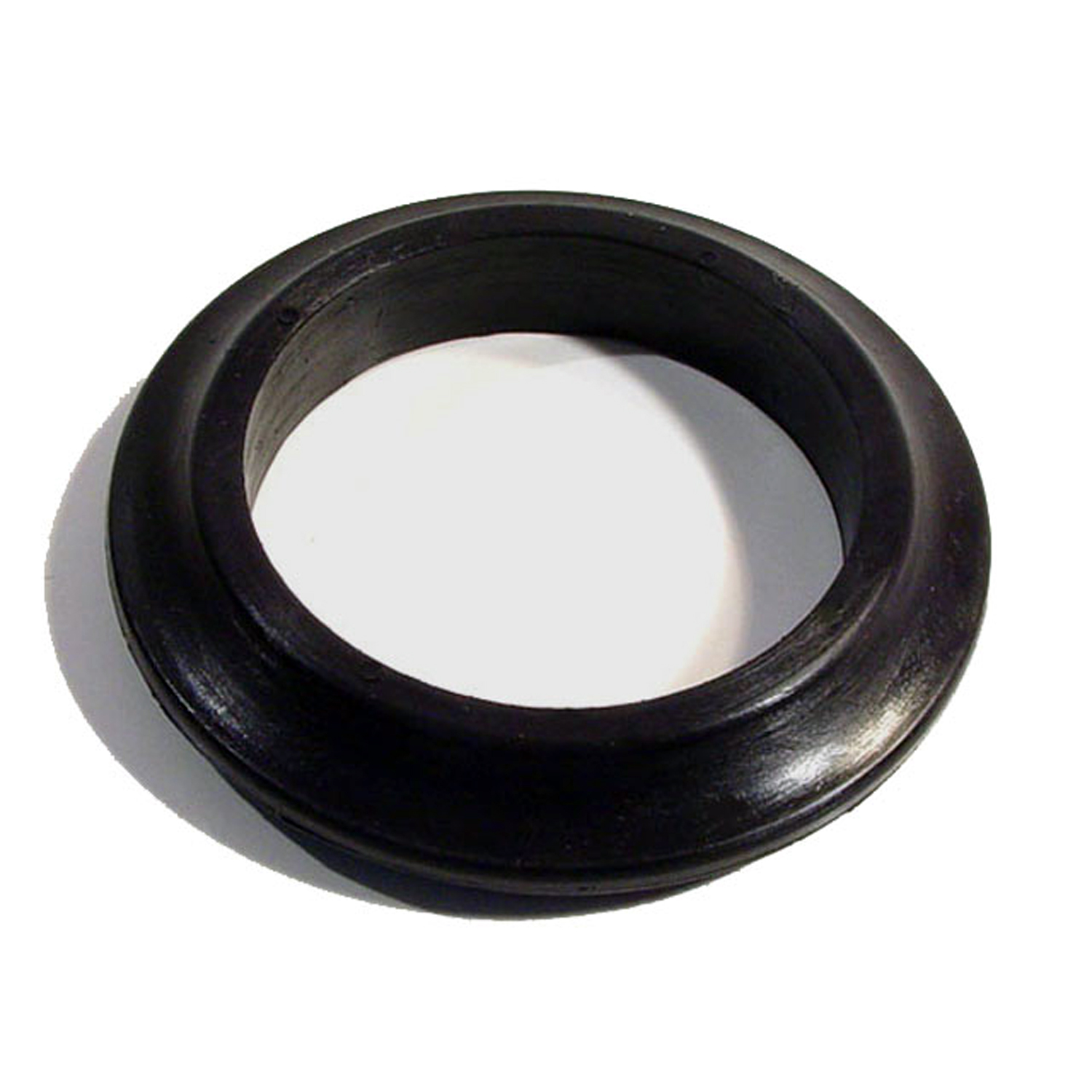 1956 Nash Ambassador Custom Gas Filler Grommet. 2-1/4" I.D., 3-5/16" O.D. Each-GF 21Gas Filler Grommet. 2-1/4" I.D., 3-5/16" O.D. Each
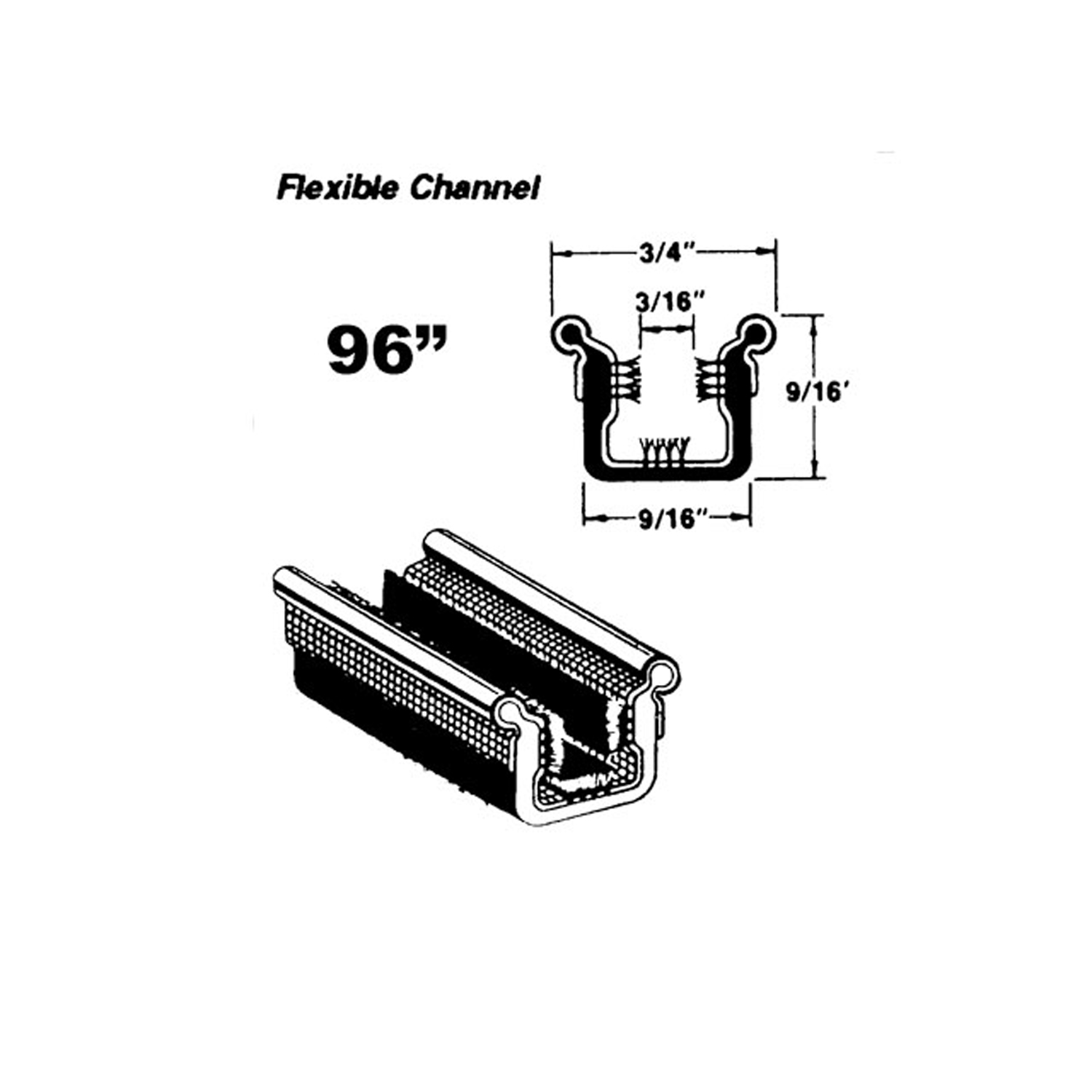 1956 Nash Ambassador Custom Flexible window channel-WC 10-96Flexible window channel. Rubber covered with mohair lining and stainless steel bead. 96 in. long. Each. NOTE: $20 special shipping charge applies for domestic orders. Call or email for overseas shipping costs. Part can be sectioned in two or three equal lengths to reduce overseas shipping costs.
 1956 Nash Ambassador Custom Flexible glass-run channel-WC 11-72Flexible glass-run channel. Mohair lined, cloth covered with stainless steel bead. Used on side windows. 72 in. long. Each. NOTE: $20 special shipping charge applies for domestic orders. Call or email for overseas shipping costs. Part can be sectioned in two equal lengths to reduce overseas shipping costs.
Why Choose Metro?
For over 100 years, Metro Moulded Parts has been the pinnacle of quality in classic car restoration parts. Our commitment to precision and authenticity in every component ensures a perfect fit and an OEM-level appearance.
- Expert Craftsmanship & Quality: Each part is a testament to our dedication to reliability and perfection, crafted from original designs and thoroughly tested.
- Advanced Technology: We use cutting-edge techniques to create flawless, long-lasting parts that surpass others in performance.
- SuperSoft Sponge – The Ultimate Door Seal: Not only are our door seals 30% softer than competitors', but they're also guaranteed to never leak. They effectively reduce wind and road noise, enhancing your classic car's comfort and driving experience.
- Proudly American: Our parts are a product of American craftsmanship, made in the USA with a spirit of excellence and heritage.
- Unrivaled Warranty: We back our products with a 30-year industry-leading warranty, a testament to our confidence in their quality.
Join us in preserving the legacy of classic cars with parts that are crafted for perfection, not just made.