

Image of 1957 Nash Ambassador Super, Note: These illustrations use artistic license and may differ from actual historical models.
Performance Metrics
Fundamental Metrics
Emotional Appeal
MMP Rating
| Engine Specifications | |
|---|---|
| Engine: | 327 cu in (5.4 L) V8 |
| Displacement: | 327 cu in (5.4 L) |
| Horsepower: | 255 hp |
| Torque: | 345 lb-ft |
| Compression Ratio: | 9.25:1 |
| Ignition System: | Conventional points ignition system |
| Cooling System: | Liquid-cooled |
| Performance Specifications | |
| 0-60 Time: | Estimated 10 seconds |
| 1/4 Mile Time: | Estimated 17 seconds |
| Top Speed: | 120 mph |
| Transmission and Drive | |
| Drive Type: | Rear-wheel drive |
| Transmission Type: | 3-speed automatic |
| Fuel and Efficiency | |
| Fuel System Type: | Carburetor |
| MPG: | Estimated 15 mpg |
| Dimensions and Brakes | |
| Brakes: | Drum brakes |
| Wheelbase: | 120 inches |
| Weight: | 3,500 lbs |
Note: Specifications for classic cars are given to the best of our ability, considering the limited and variant data available.
1957 Nash Ambassador Super: The Last Great Nash
The 1957 Nash Ambassador Super arrived at a turning point in American motoring: big V8s and dramatic styling were in fashion, but the independent automakers were fighting hard to survive. Built by American Motors Corporation (AMC), the Ambassador paired full-size comfort with Nash’s distinctive engineering and a fresh, finned look. It was also one of the final cars to carry the Nash name before AMC shifted its focus to the Rambler brand.
Nash had been building cars since the early 20th century, and the Ambassador name had long identified its upper-range models. By 1957, AMC had been formed through the 1954 merger of Nash-Kelvinator and Hudson. The Ambassador Super sat in the Nash range as a well-equipped choice below the more lavish Custom. Its most intriguing detail is under the hood: it could be powered by AMC’s new 327-cubic-inch V8, an engine developed by AMC and unrelated to Chevrolet’s later, famous 327.
1957 Nash Styling and Interior
The Ambassador’s 1957 makeover gave it the confident, slightly futuristic presence expected of a late-1950s American car. Its broad front end, prominent grille, sculpted hood, and elaborate chrome trim made the car look substantial without relying on the towering fins some rivals favored. At the rear, modest tailfins and brightwork added period flair. The overall shape remained recognizably Nash: wide, smoothly integrated, and less boxy than many traditional body-on-frame sedans.
Inside, the Super emphasized space and comfort. A broad bench seat, generous headroom, and a large glass area made it feel airy, while patterned cloth and vinyl upholstery, coordinated trim, and bright accents gave the cabin a suitably upscale finish. Exact fabrics and colors depended on the car’s trim and options. Buyers could choose from a range of solid and two-tone exterior combinations; red and white, blue and white, and other contrasting schemes suited the era especially well.
The Ambassador was offered primarily as a four-door sedan and a two-door hardtop, with body and trim availability varying by series. The hardtop’s clean roofline made it the more dramatic choice, while the four-door sedan was the practical favorite for families. For many buyers, the Super represented the sweet spot: substantial equipment and V8 power without stepping up to the top Custom trim.
Nash Innovations and Historical Importance
Nash’s engineering identity was built around practical innovation. The company had adopted unitized construction on earlier models, integrating the body and structure rather than relying on a conventional separate frame. That approach helped Nash develop strong, roomy cars and was an important part of the company’s engineering legacy. The Ambassador also benefited from Nash’s long-running attention to cabin ventilation and climate comfort, including the company’s Weather Eye heating and ventilation system.
The 1957 Ambassador Super stands apart from its contemporaries because it combined a full-size American-car feel with the packaging and engineering ideas that Nash had developed over many years. It was not the only car of its era with a V8 or bold chrome, but it offered a distinctive alternative to the offerings of the Big Three. Its historical importance is heightened by its timing: 1957 was the last model year for cars sold under the Nash name. The Ambassador name continued afterward, but under the Rambler banner.
327 V8 Performance and Road Manners
The headline engine was AMC’s 327-cubic-inch V8. In high-output form, period ratings are commonly listed at around 255 horsepower, though specifications could vary with equipment and configuration. A three-speed manual transmission was available, along with automatic transmission options. The car’s substantial weight and period gearing meant it was no lightweight by modern standards, but the V8 gave it relaxed highway power and confident passing ability.
Performance figures vary with transmission, axle ratio, condition, and tires. A healthy V8 Ambassador Super can be estimated at roughly 10 to 12 seconds from 0 to 60 mph, with a top speed in the neighborhood of 105 to 115 mph. Treat those as period-car estimates rather than guaranteed factory-test numbers. The Ambassador was built for smooth, comfortable travel, not stoplight racing.
On the road, its long wheelbase and soft suspension help it settle over broken pavement, while its broad body and period steering make it feel larger than a modern sedan. On a winding road, the car rewards a measured driving style. Expect some body lean, slower steering response, and drum-brake stopping distances that require more planning than a modern car. The V8 has a deep, easygoing rumble, and the driving experience is less about sharp handling than about covering distance in comfort.
Living With a 1957 Ambassador Super
Today, an Ambassador Super is best suited to weekend cruising, classic-car shows, and relaxed touring. It can be driven regularly, but a car of this age benefits from careful maintenance and sympathetic use. Before buying, check the condition of the body structure, floors, rocker panels, suspension, brakes, and electrical system. Rust repair and hard-to-find trim can be more challenging than routine mechanical work.
The AMC V8 is mechanically straightforward by modern standards, and many basic service tasks are within reach of an experienced home mechanic. However, the car is not as easy to support as a high-volume Chevrolet or Ford. Specialist knowledge, parts-club connections, and patience may be needed for unique Nash components, interior pieces, and body trim. A well-maintained car is generally a more enjoyable proposition than a cheap restoration project.
Facts, Myths, and Notable Details
The AMC 327 V8 is sometimes confused with Chevrolet’s 327, but the two engines are unrelated. AMC’s engine was introduced in 1957 and became part of the company’s own powertrain family. The Ambassador also shares the Nash tradition of unusual packaging and a comfort-first approach, traits that help explain why it still feels different from many of its Detroit rivals.
The 1957 Ambassador Super is not widely known for a speed record or a major racing victory, and there is no single celebrity ownership story that defines the model. Its notable moment is more historically significant: it belongs to the final generation of Nash-badged cars. Common criticisms include its bulky feel on tight roads, modest braking by modern standards, and the difficulty of sourcing certain restoration parts. Its rarity and distinctive styling, however, are exactly what attract many Nash enthusiasts.
Collector Values and Availability
Production figures for the 1957 Ambassador Super are not consistently reported by body style and trim, so any model-specific total should be treated as an estimate. A reasonable working estimate is that roughly 10,000 to 15,000 Super models were built, within an Ambassador range that may have totaled around 20,000 to 30,000 cars. Those figures are best guesses rather than verified production totals. Surviving examples are uncommon, and clean, complete cars do not appear on the market as often as more mainstream American classics.
Condition, originality, documentation, and body style have a major effect on value. As a broad current-market estimate, a project car might sell for about $5,000 to $10,000. A usable driver could fall around $12,000 to $22,000, while a well-restored or especially original example may bring roughly $25,000 to $40,000 or more. Exceptional cars can exceed that range, but the market is relatively small, so prices depend heavily on finding the right buyer.
Values have generally been steadier than those of high-profile muscle cars. A desirable, well-presented Ambassador may appreciate gradually, but restoration costs can easily outrun resale value. For most owners, the reward is the chance to enjoy a rare piece of American automotive history rather than a guaranteed investment.
Why the 1957 Nash Ambassador Super Matters
The 1957 Nash Ambassador Super brought together a distinctive body, a comfortable and spacious cabin, and the power of AMC’s new 327 V8. Its unitized-construction heritage and comfort-focused engineering gave it a character different from the usual full-size sedan, while its place at the end of the Nash era makes it especially meaningful to collectors.
It may not be the loudest or fastest classic of the 1950s, but it is a memorable one. The Ambassador Super is a reminder that American car history was shaped not only by the biggest manufacturers, but also by inventive independents willing to do things their own way.
1957 Nash Ambassador Super Catalog of Parts
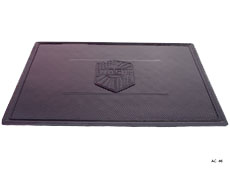 1957 Nash Ambassador Super Accessory Floor Mat - 12"X17"-AC 46Accessory Floor Mat - made of high quality black rubber with molded original emblem. Also designed to be sewn into new carpets. 12"X17", Each
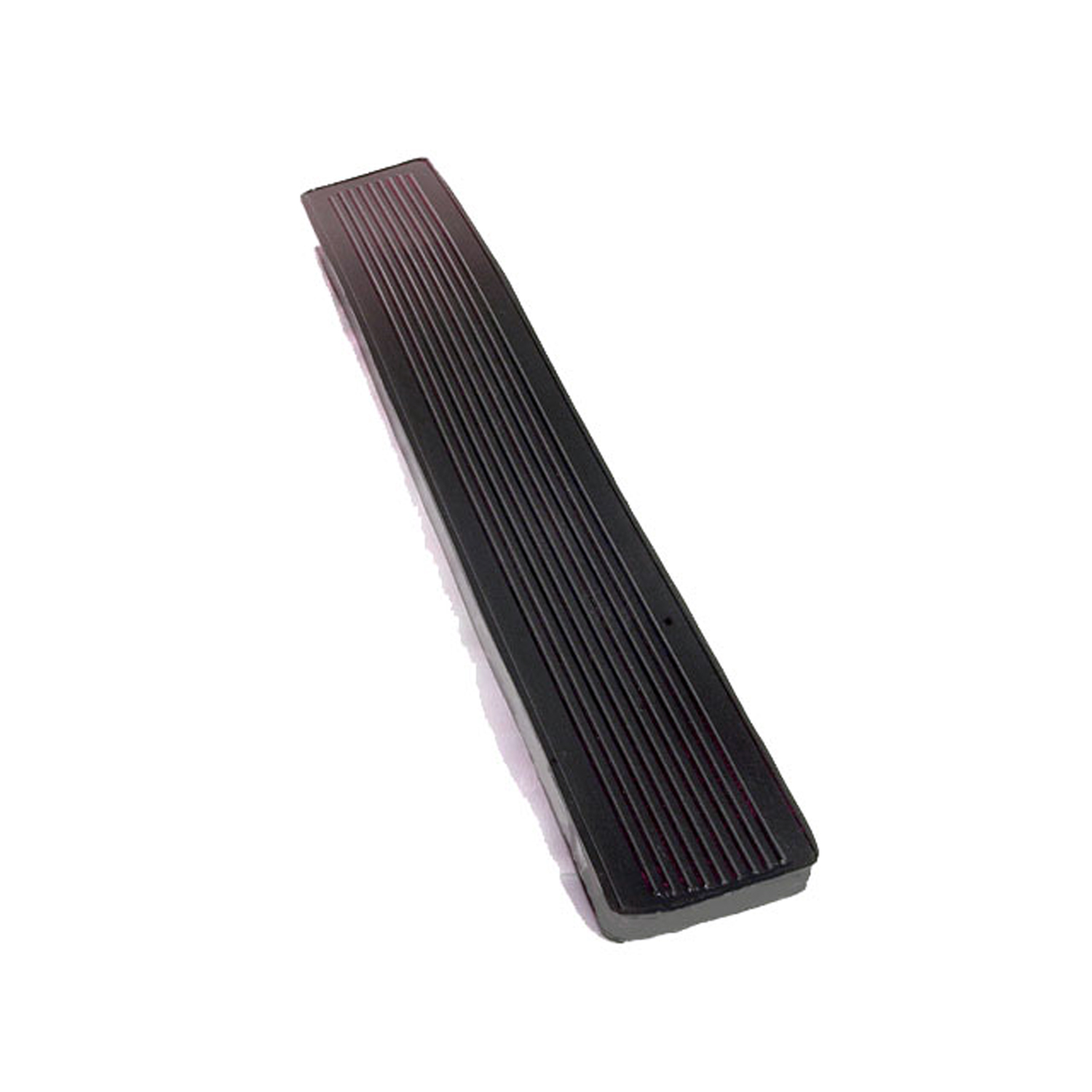 1957 Nash Ambassador Super Accelerator Pedal Pad, 1-1/2" X 9-3/4", Each-AP 21Accelerator Pedal Pad, 1-1/2" X 9-3/4", Each
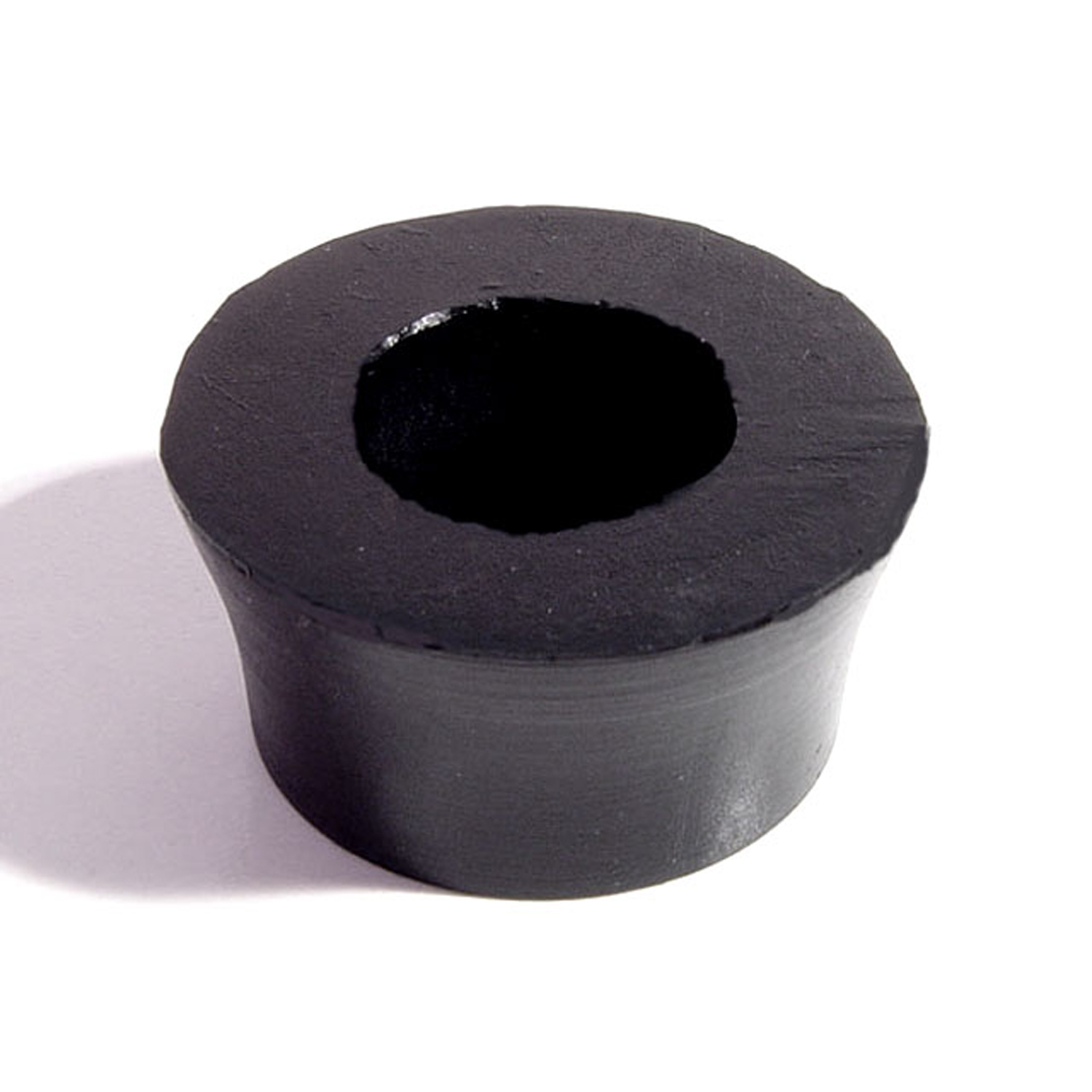 1957 Nash Ambassador Super Shock Absorber Grommet. 1" bottom O.D., 5/8" high-BN 10Shock Absorber Grommet. 1" bottom O.D., 5/8" high., with 5/8" I.D. Each
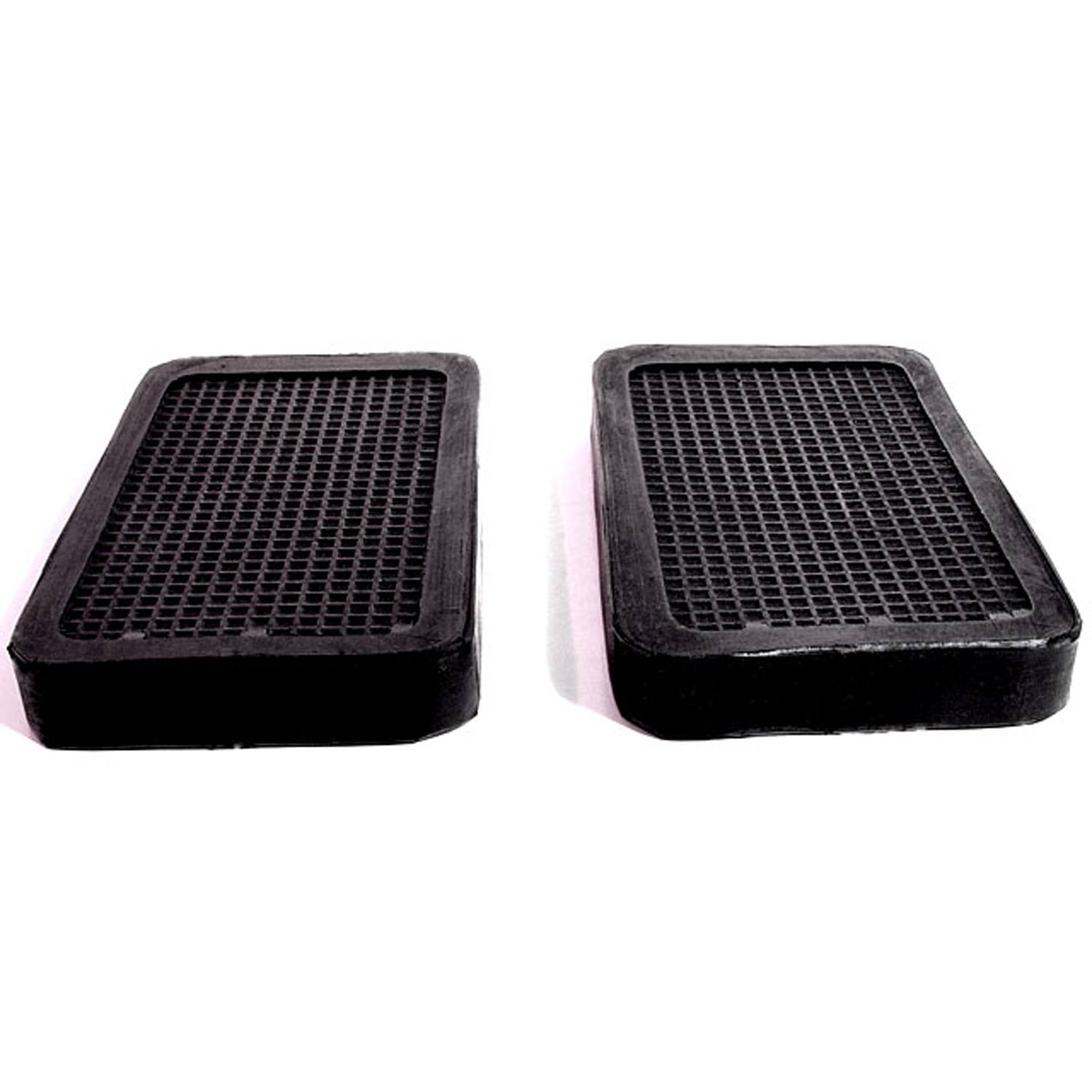 1957 Nash Ambassador Super Clutch and Brake Pedal Pads. 2-1/4" wide X 4" long. Pair-CB 20Clutch and Brake Pedal Pads. 2-1/4" wide X 4" long. Pair
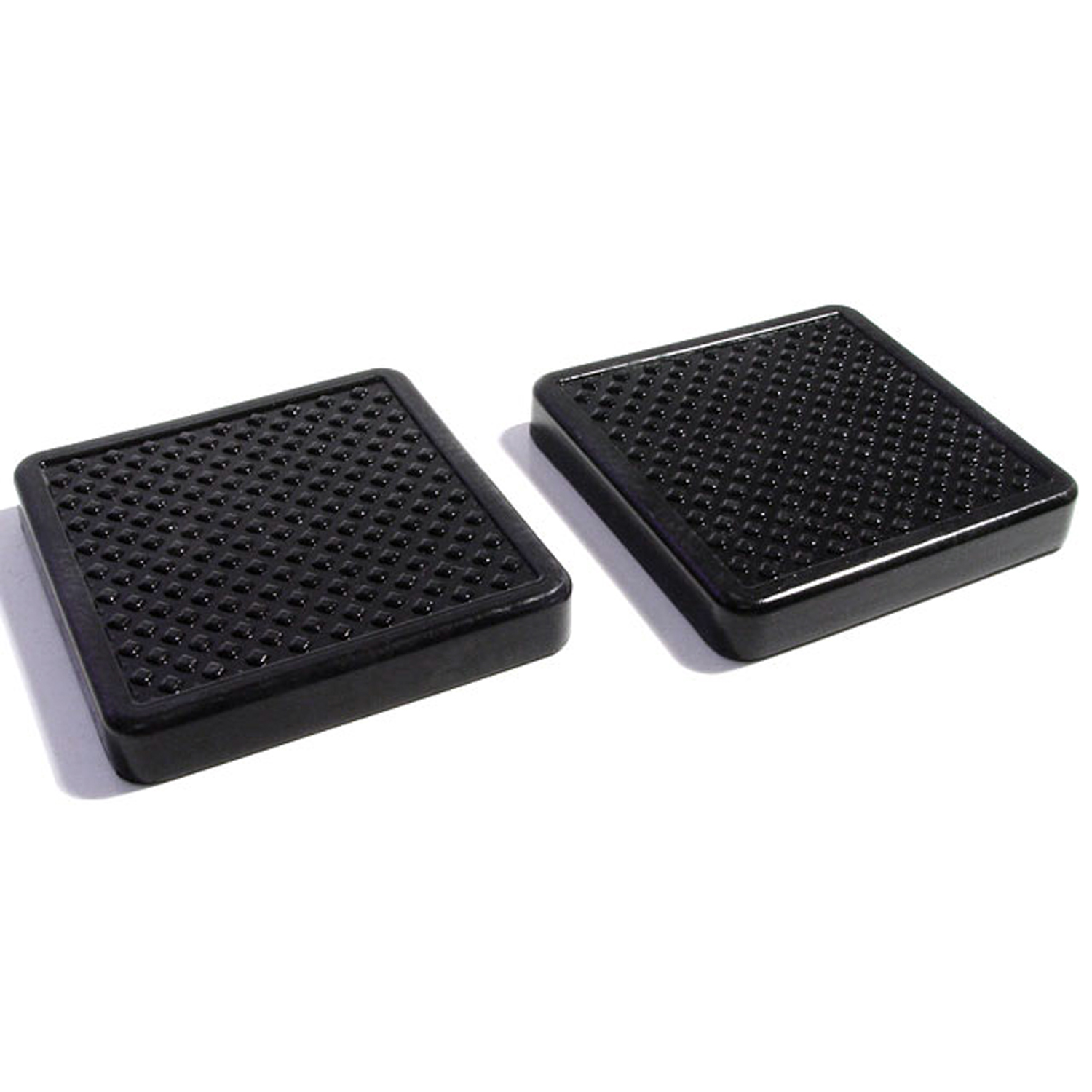 1957 Nash Ambassador Super Clutch and Brake Pedal Pads. 3" wide X 3" long. Pair-CB 47Clutch and Brake Pedal Pads. 3" wide X 3" long. Pair
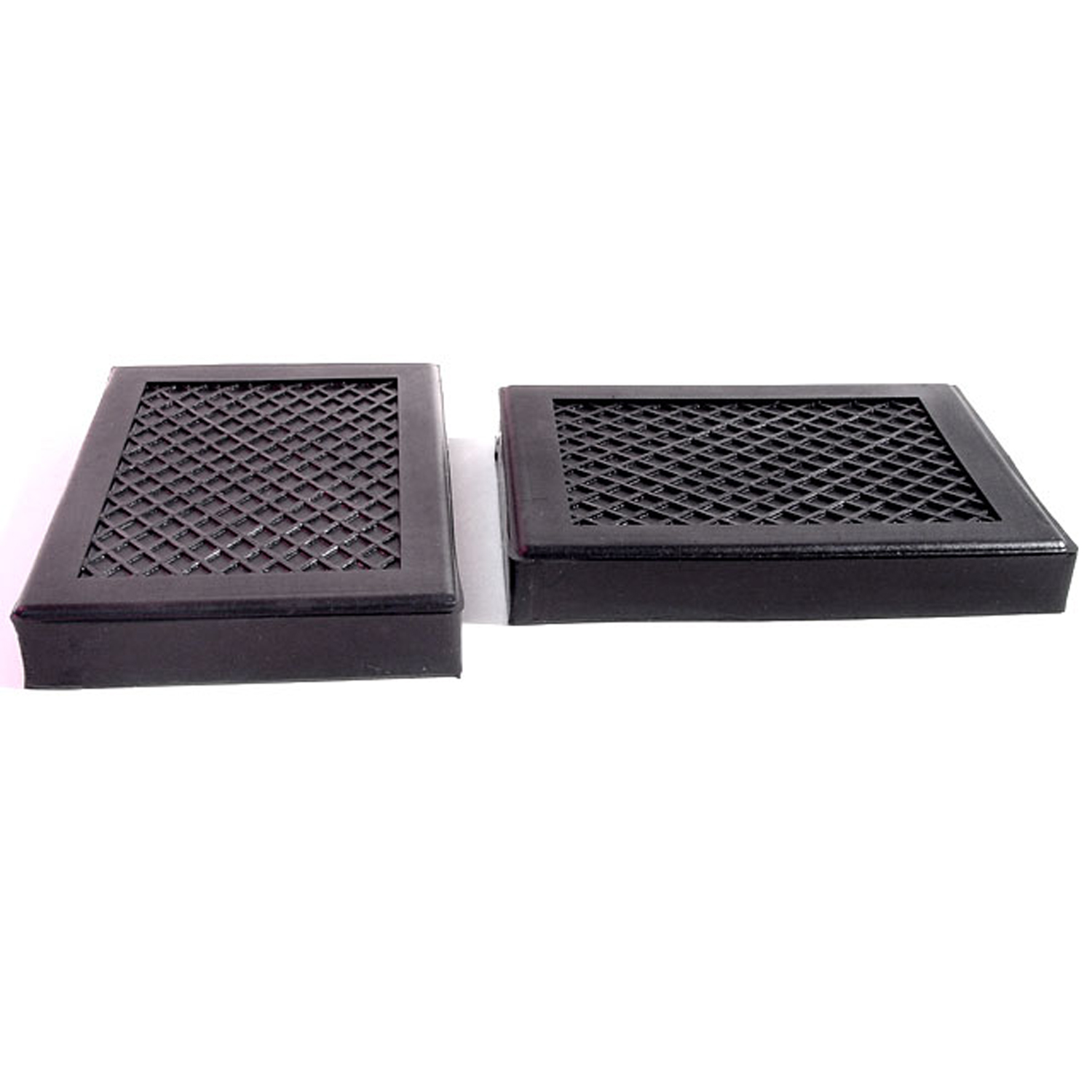 1957 Nash Ambassador Super Clutch and Brake Pedal Pads. 2-3/4" wide X 3-7/8" long-CB 48Clutch and Brake Pedal Pads. 2-3/4" wide X 3-7/8" long. Pair
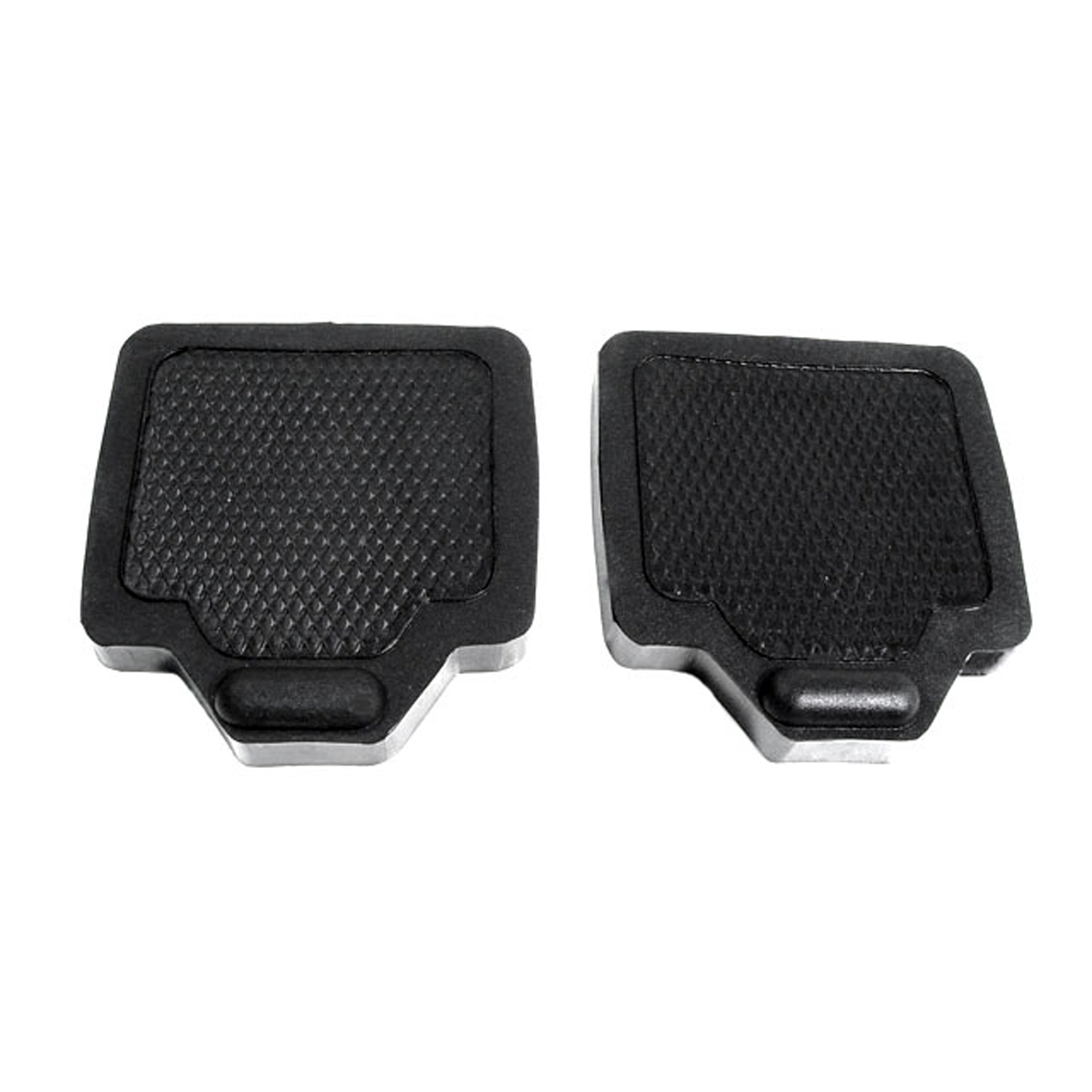 1957 Nash Ambassador Super Clutch and Brake Pedal Pads. 3-1/2" wide X 3-7/8" long-CB 55Clutch and Brake Pedal Pads. 3-1/2" wide X 3-7/8" long. Pair
 1957 Nash Ambassador Super Front Door to Cowl Drain Seal. 12-1/2" long. Pair-ELP 4501Front Door to Cowl Drain Seal. 12-1/2" long. Pair
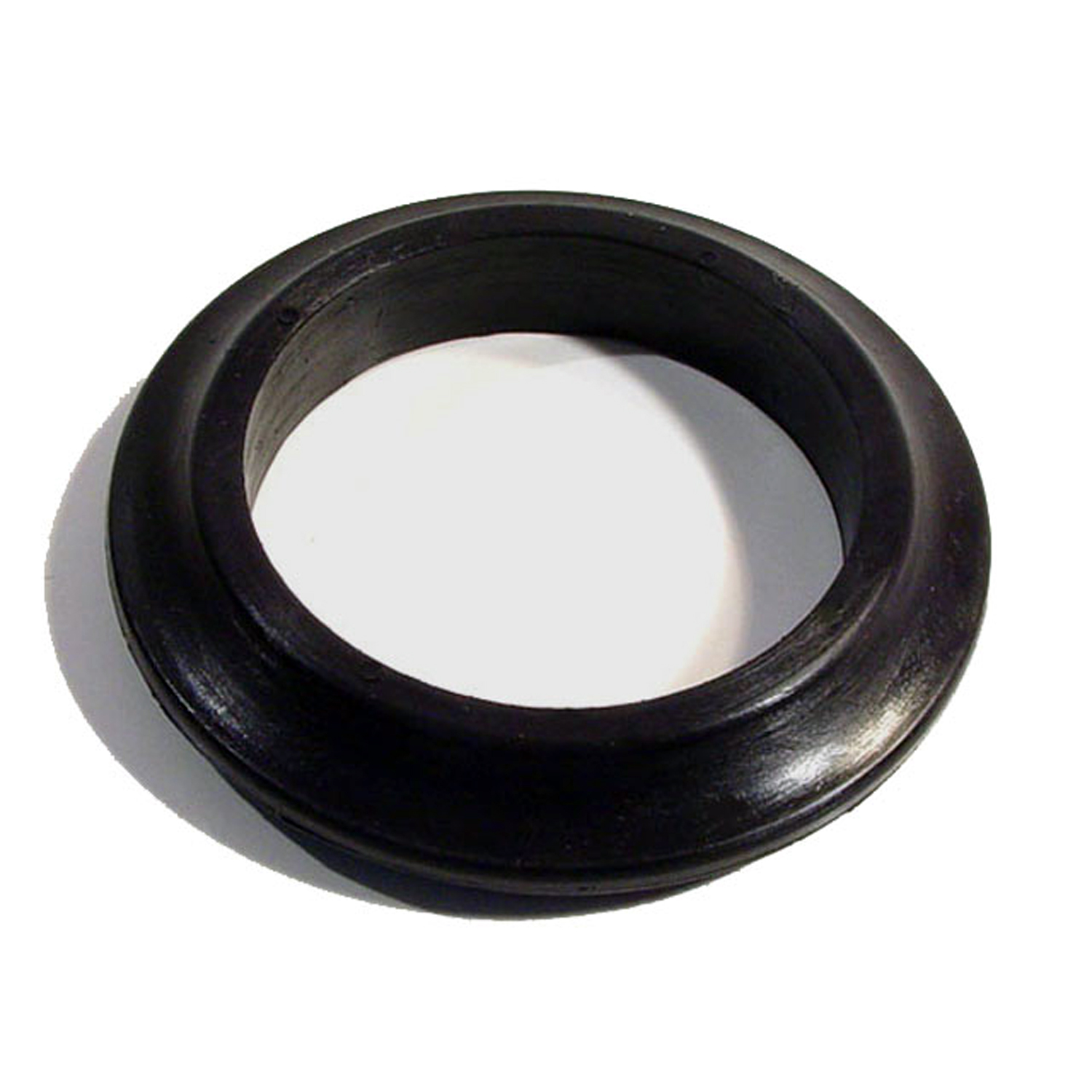 1957 Nash Ambassador Super Gas Filler Grommet. 2-1/4" I.D., 3-5/16" O.D. Each-GF 21Gas Filler Grommet. 2-1/4" I.D., 3-5/16" O.D. Each
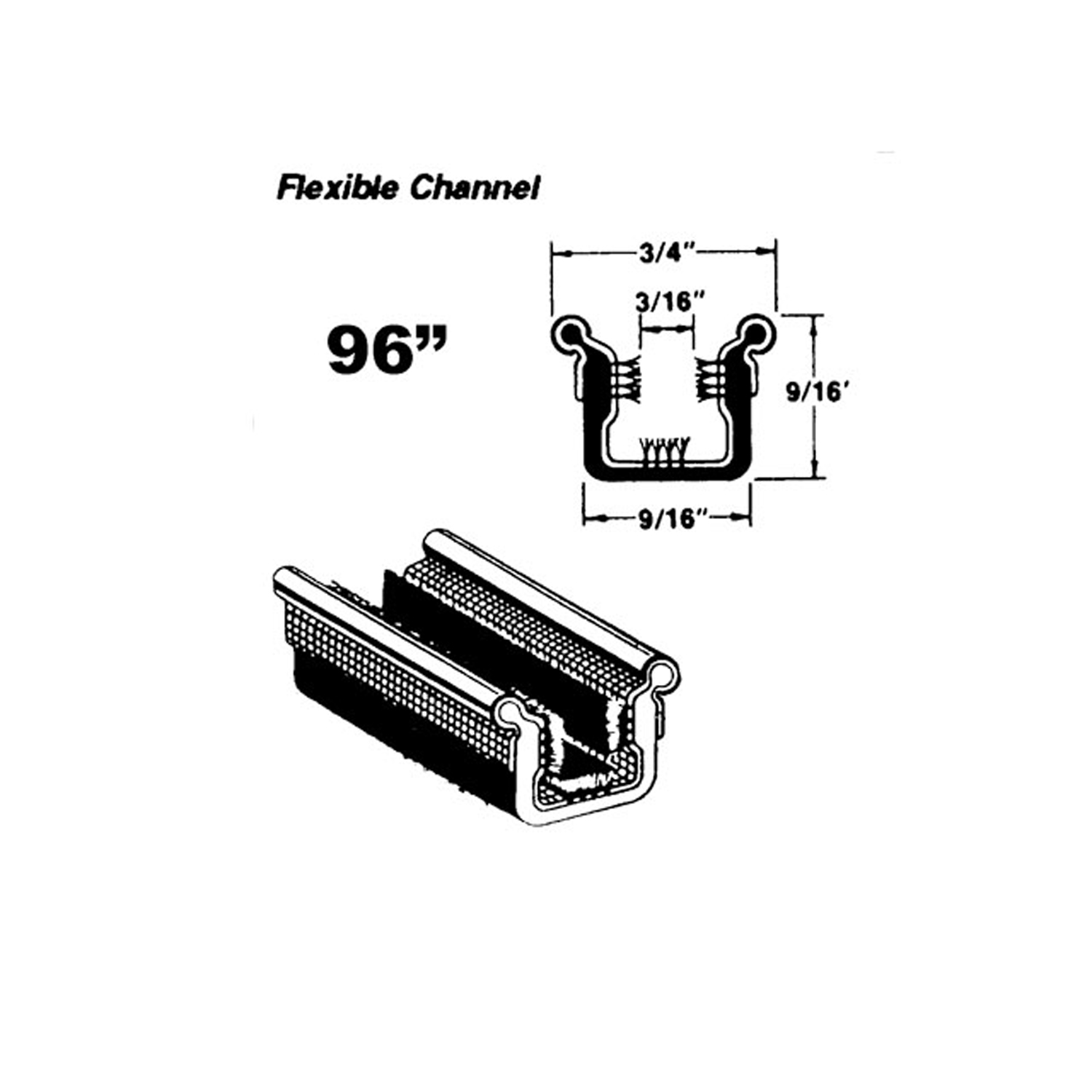 1957 Nash Ambassador Super Flexible window channel-WC 10-96Flexible window channel. Rubber covered with mohair lining and stainless steel bead. 96 in. long. Each. NOTE: $20 special shipping charge applies for domestic orders. Call or email for overseas shipping costs. Part can be sectioned in two or three equal lengths to reduce overseas shipping costs.
Why Choose Metro?
For over 100 years, Metro Moulded Parts has been the pinnacle of quality in classic car restoration parts. Our commitment to precision and authenticity in every component ensures a perfect fit and an OEM-level appearance.
- Expert Craftsmanship & Quality: Each part is a testament to our dedication to reliability and perfection, crafted from original designs and thoroughly tested.
- Advanced Technology: We use cutting-edge techniques to create flawless, long-lasting parts that surpass others in performance.
- SuperSoft Sponge – The Ultimate Door Seal: Not only are our door seals 30% softer than competitors', but they're also guaranteed to never leak. They effectively reduce wind and road noise, enhancing your classic car's comfort and driving experience.
- Proudly American: Our parts are a product of American craftsmanship, made in the USA with a spirit of excellence and heritage.
- Unrivaled Warranty: We back our products with a 30-year industry-leading warranty, a testament to our confidence in their quality.
Join us in preserving the legacy of classic cars with parts that are crafted for perfection, not just made.