

Image of 1957 Nash Rambler, Note: These illustrations use artistic license and may differ from actual historical models.
Performance Metrics
Fundamental Metrics
Emotional Appeal
MMP Rating
| Engine Specifications | |
|---|---|
| Engine: | 196 cu in (3.2 L) I6, 250 cu in (4.1 L) I6 |
| Displacement: | 3.2L - 4.1L |
| Horsepower: | 90-130 hp |
| Torque: | 150-210 lb-ft |
| Compression Ratio: | 7.5:1 - 8.0:1 |
| Ignition System: | Distributor and coil |
| Cooling System: | Water-cooled |
| Performance Specifications | |
| 0-60 Time: | 15-20 seconds |
| 1/4 Mile Time: | 20-25 seconds |
| Top Speed: | 90-100 mph |
| Transmission and Drive | |
| Drive Type: | Rear-wheel drive |
| Transmission Type: | 3-speed manual, 3-speed automatic |
| Fuel and Efficiency | |
| Fuel System Type: | Carburetor |
| MPG: | 15-20 mpg |
| Dimensions and Brakes | |
| Brakes: | Drum brakes |
| Wheelbase: | 108 in (2,743 mm) |
| Weight: | 2,800-3,200 lbs |
Note: Specifications for classic cars are given to the best of our ability, considering the limited and variant data available.
1957 Nash Rambler: The Compact That Helped Change Detroit
The 1957 Nash Rambler proved that an American car did not need to be enormous to make a big impression. Created under the Nash name and sold by American Motors Corporation (AMC), it paired compact dimensions with clever packaging, distinctive styling, and, in its Rebel form, startling V8 performance.
“1957 Nash Rambler” is a common name today, but by this model year the car was marketed primarily as a Rambler, not a Nash. Nash and Hudson had joined forces as AMC in 1954, and 1957 was the final year that new cars carried the Nash and Hudson brand names. Rambler would become the company’s central identity. One especially intriguing piece of the Rambler story is the Rebel: its optional electronic fuel-injection system was advertised as a landmark, but the technology proved troublesome and did not reach regular production. The V8-powered Rebel that buyers actually received was plenty memorable without it.
Compact Styling, Full-Size Character
The Rambler had the upright, practical proportions of a compact, softened with the chrome and brightwork American buyers expected. Its front end featured a wide grille, prominent headlights, and a sculpted hood. Subtle tailfins and polished trim gave the rear a late-1950s look without making the car seem as oversized as many of its rivals. At roughly 108 inches of wheelbase, it was easier to maneuver and park than the full-size cars dominating American showrooms.
Inside, the Rambler made efficient use of its cabin. Broad bench seats, a straightforward dashboard, and generous glass gave it an airy feel. Depending on trim and upholstery choice, interiors combined durable cloth with vinyl trim. The materials and finish were practical rather than lavish, but the cabin was comfortable and thoughtfully arranged. Its modest exterior footprint did not mean it felt like a stripped-down economy car.
Rambler’s engineering included unitized construction, in which the body and frame formed a single structure. That approach helped keep weight in check and was an important part of Nash’s engineering legacy. Buyers could choose a manual transmission, with automatic transmission available on appropriate versions, while period heating and ventilation equipment made the car more comfortable in everyday use. Safety equipment and convenience features varied by model and option package, so details can differ from one surviving car to another.
Factory paint and trim choices varied by series and production date. Solid colors sat alongside eye-catching two-tone combinations, often pairing a light roof or body section with a stronger contrasting color. Cream, red, blue, green, and turquoise shades reflect the period’s palette, while two-tone finishes remain among the most visually appealing choices for collectors today.
Body Styles and the Rebel
The 1957 Rambler range included sedan and station-wagon body styles, with availability varying by series. The Cross Country wagon was the practical choice for families and travelers, offering useful cargo space in a smaller package than a full-size wagon. Sedans delivered the core Rambler formula: comfortable seating, manageable dimensions, and straightforward everyday utility.
The most distinctive model was the Rambler Rebel, a four-door hardtop with a powerful 327-cubic-inch V8. Its pillarless roofline gave it a sportier profile, while the V8 turned a sensible compact into a serious performer. The Rebel is now the most sought-after 1957 Rambler, especially in authentic, well-documented condition.
Why the Rambler Mattered
In the 1950s, American manufacturers were locked in a race to build longer, wider, and more heavily ornamented cars. The Rambler offered a persuasive alternative: a car that was easier to handle and used less road space while still providing room for passengers. Its compact format anticipated the growing appetite for smaller American cars and helped establish Rambler as one of the best-known domestic compact-car names.
The Rebel added another important chapter. Its 327 V8, rated at about 255 horsepower, delivered performance that challenged the assumption that a practical family car had to be slow. Enthusiasts sometimes call the Rebel an early muscle car. That label is debated, since the muscle-car category is usually associated with later, mid-size V8 models, but the Rebel’s combination of relatively compact size and serious power makes it a clear forerunner.
The Rambler also demonstrated how AMC could compete through focused engineering rather than matching the largest manufacturers car for car. Its lasting influence is less about one styling feature than a broader idea: American buyers would embrace a well-packaged, smaller car if it offered comfort, useful features, and appealing performance.
Performance and Road Manners
Most 1957 Rambler Six models used a 195.6-cubic-inch inline-six. Depending on configuration, output was around 125 horsepower. The Rebel’s 327 V8 produced approximately 255 horsepower. Those figures made the two cars feel very different: the six-cylinder Rambler was a steady, economical cruiser, while the Rebel delivered strong acceleration for its era.
Exact performance depended on body style, transmission, axle ratio, condition, and testing method. As a practical guide, a six-cylinder Rambler might take roughly 15 to 18 seconds to reach 60 mph, with a top speed in the neighborhood of 90 to 100 mph. A Rebel could manage 0 to 60 mph in about 8 seconds in favorable conditions, with top speed often estimated around 110 to 115 mph. These are period-style estimates, not guarantees for a particular surviving car.
On the road, the Rambler feels substantial but more manageable than a full-size American sedan. Its suspension is tuned for comfort, so it absorbs ordinary bumps with a soft, relaxed motion. On winding roads, expect period-correct body lean and slower steering response rather than modern sports-car precision. Crosswinds and rough pavement are also more noticeable on narrow, original-style tires. Properly maintained brakes, suspension components, and tires make a major difference to how composed the car feels.
The six-cylinder engine has a steady, low-key note suited to cruising. The Rebel V8 brings a deeper rumble and a much more forceful response when the throttle opens. Behind the wheel, the experience is direct and mechanical: a broad bench seat, a large steering wheel, and controls that ask for more deliberate input than a modern car. That is part of the charm, but it also calls for a driver who leaves extra room for stopping and takes turns at a sensible pace.
Living With a 1957 Rambler
A standard Rambler is best suited to relaxed weekend drives, local errands, and classic-car events. A sound example can be used more regularly, but age matters more than the model’s reputation. A car that has been properly restored and maintained may be dependable, while one with decades of neglected wiring, worn brakes, or cooling-system problems can turn even a short outing into a project.
Routine mechanical work is generally approachable for an owner comfortable with older cars. The engines and basic systems are conventional by modern standards, and many mechanical parts can be sourced through specialist suppliers or the AMC enthusiast community. Finding correct trim, glass, interior pieces, and model-specific details can be more challenging. Before buying, inspect the body carefully for rust, check the condition of the unibody structure, and look for evidence of sound repairs. Good parts availability does not make structural corrosion inexpensive to fix.
For regular driving, owners should also account for drum-brake stopping distances, older electrical systems, and the need for periodic adjustments. A careful pre-purchase inspection by a mechanic familiar with vintage American cars is money well spent.
Rambler Trivia and Common Criticisms
The Rebel’s proposed Bendix Electrojector system gave it a remarkable technical footnote. It was promoted as electronic fuel injection, but reliability problems prevented the system from becoming a regular production feature. The production Rebels that collectors encounter today are generally carbureted. The story is a useful reminder that an ambitious option in a brochure does not always become a practical factory feature.
Rebel production is commonly estimated at around 1,500 cars, making it much scarcer than ordinary Rambler sedans and wagons. The exact figure can vary among reference sources, but the model’s limited run is not in doubt. Its performance has also earned it a lasting place in discussions of cars that helped set the stage for the muscle-car era.
Common criticisms are typical of cars from the period: modest braking by modern standards, soft cornering, and less effortless highway performance in six-cylinder form. Some buyers also preferred the larger and more ornate cars offered by Detroit’s biggest manufacturers. For today’s collector, however, the Rambler’s compact size and restrained styling are often strengths rather than shortcomings.
Collector Values and Availability
As a broad estimate, roughly 110,000 to 120,000 Rambler-branded cars may have been built for 1957 across the range. Production totals can be reported differently depending on how model and series categories are counted. The Rebel is the standout rarity, with an often-cited production figure of about 1,500. Standard sedans and wagons are appreciably easier to find, although a sound, original example is still not an everyday sight.
In the current U.S. collector market, a project car or rough driver might sell for around $4,000 to $10,000. A usable, presentable Rambler commonly falls in the $10,000 to $25,000 range, while a high-quality restoration may reach roughly $25,000 to $40,000 or more. A genuine Rebel in strong condition can bring about $30,000 to $60,000 or higher, with originality, documentation, and restoration quality all affecting the price. These are general market estimates, not appraisals, and unusual cars or exceptional examples can fall outside them.
Values have tended to rise gradually rather than surge. The Rebel attracts the strongest collector attention, while ordinary Rambler models remain more affordable than many better-known 1950s classics. That makes the range appealing to enthusiasts who value unusual engineering and period character more than investment-grade prestige. As with any classic, rust-free structure, correct details, and a credible restoration history can matter more than a shiny paint job.
A Small Car With a Lasting Story
The 1957 Rambler combined compact dimensions, practical engineering, and distinctive American styling at a time when size and horsepower seemed to be the industry’s only priorities. Its standard models offered sensible comfort, while the rare Rebel added V8 performance and a pioneering, if unrealized, fuel-injection story.
More than a small Nash-era survivor, the 1957 Rambler represents AMC’s willingness to take a different route. It made a convincing case for the compact car, and its Rebel showed just how much excitement could fit inside that idea.
1957 Nash Rambler Catalog of Parts
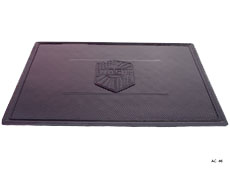 1957 Nash Rambler Accessory Floor Mat - 12"X17"-AC 46Accessory Floor Mat - made of high quality black rubber with molded original emblem. Also designed to be sewn into new carpets. 12"X17", Each
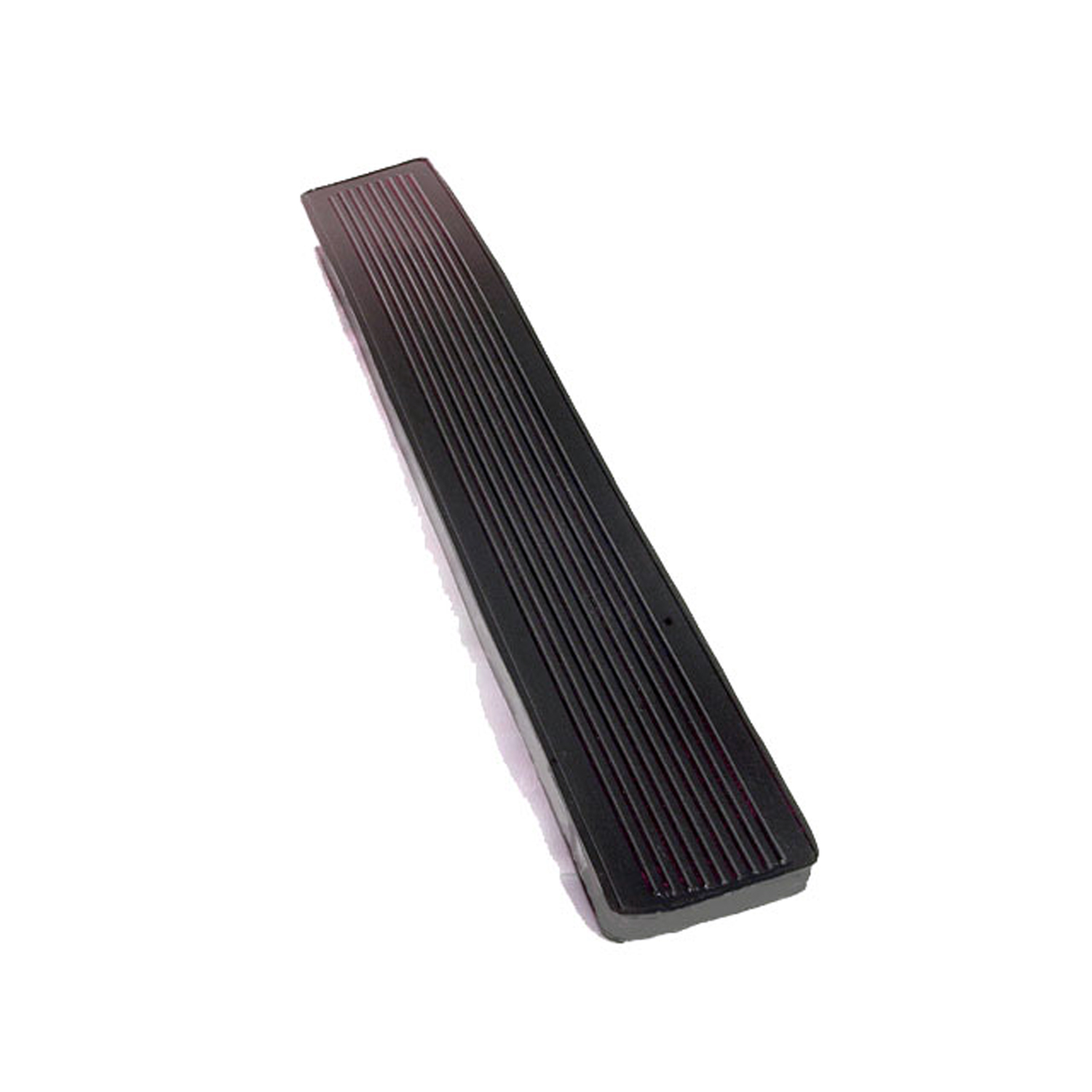 1957 Nash Rambler Accelerator Pedal Pad, 1-1/2" X 9-3/4", Each-AP 21Accelerator Pedal Pad, 1-1/2" X 9-3/4", Each
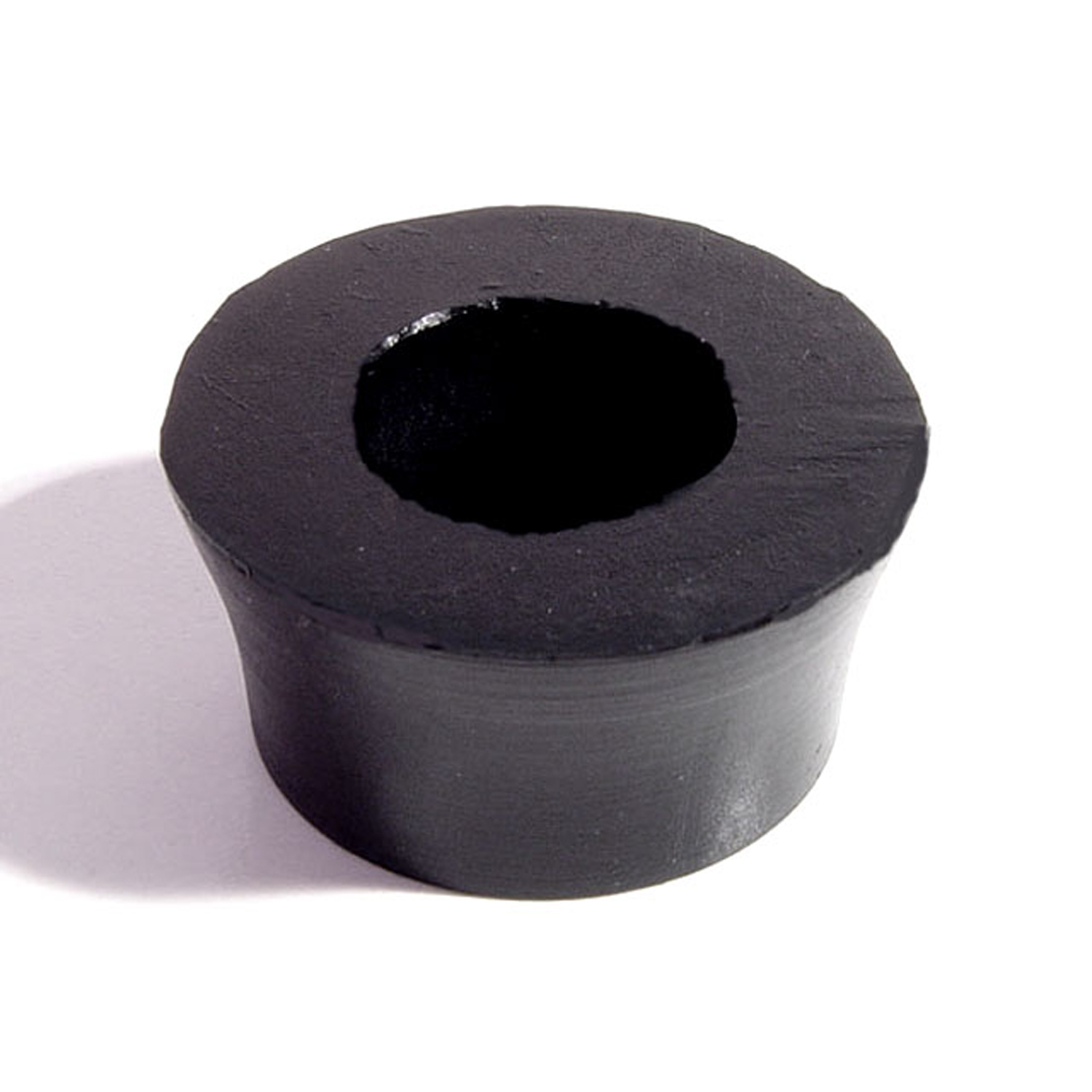 1957 Nash Rambler Shock Absorber Grommet. 1" bottom O.D., 5/8" high-BN 10Shock Absorber Grommet. 1" bottom O.D., 5/8" high., with 5/8" I.D. Each
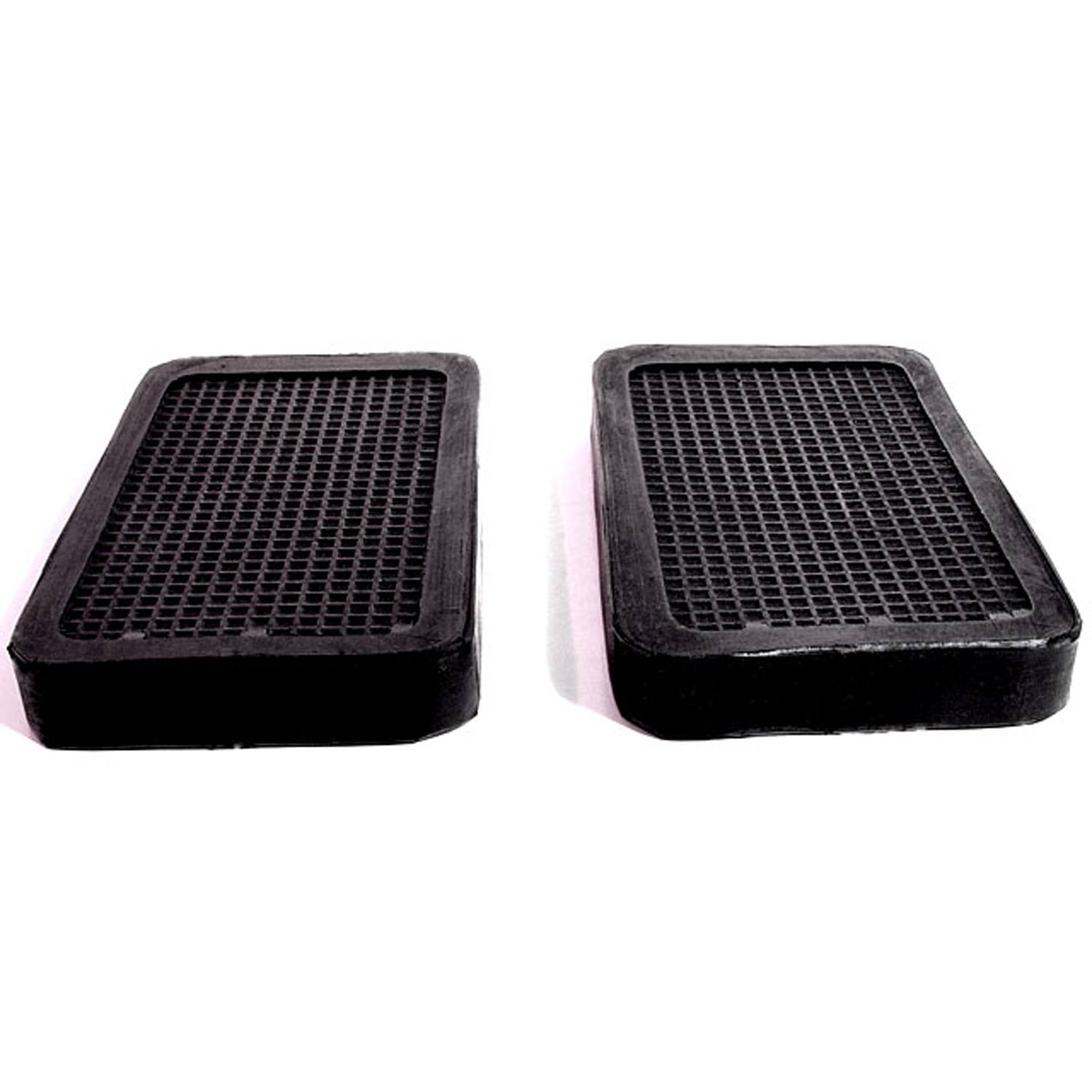 1957 Nash Rambler Clutch and Brake Pedal Pads. 2-1/4" wide X 4" long. Pair-CB 20Clutch and Brake Pedal Pads. 2-1/4" wide X 4" long. Pair
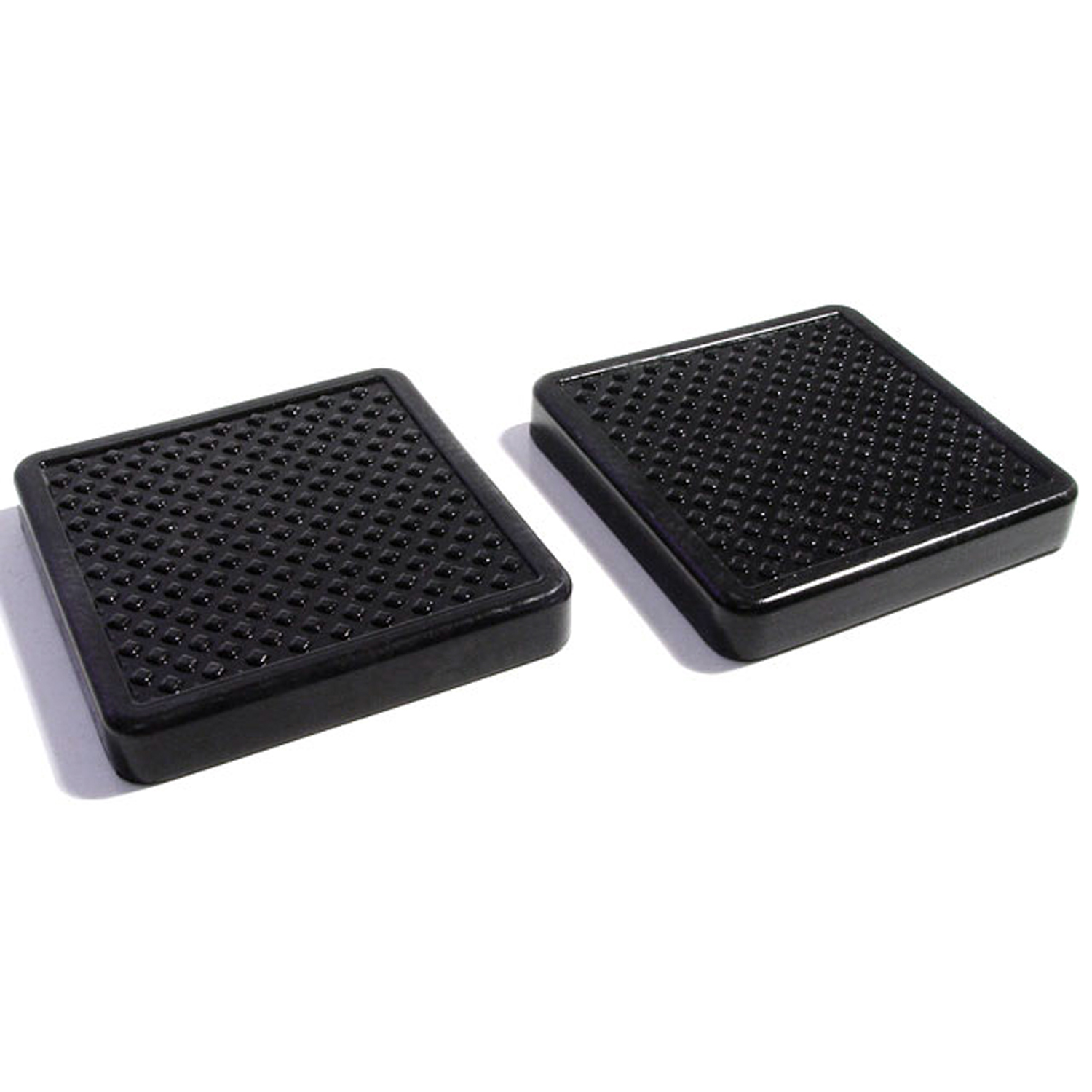 1957 Nash Rambler Clutch and Brake Pedal Pads. 3" wide X 3" long. Pair-CB 47Clutch and Brake Pedal Pads. 3" wide X 3" long. Pair
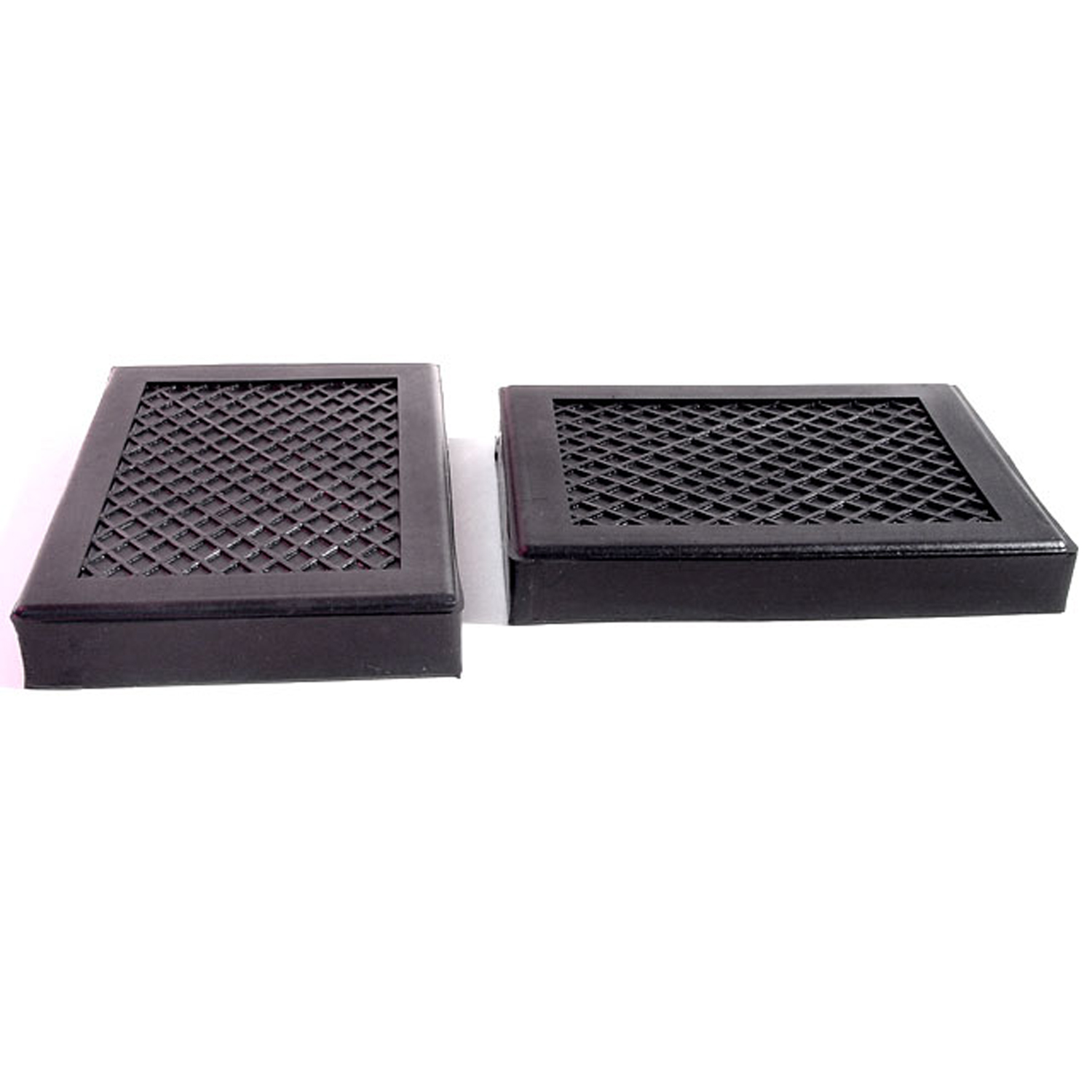 1957 Nash Rambler Clutch and Brake Pedal Pads. 2-3/4" wide X 3-7/8" long-CB 48Clutch and Brake Pedal Pads. 2-3/4" wide X 3-7/8" long. Pair
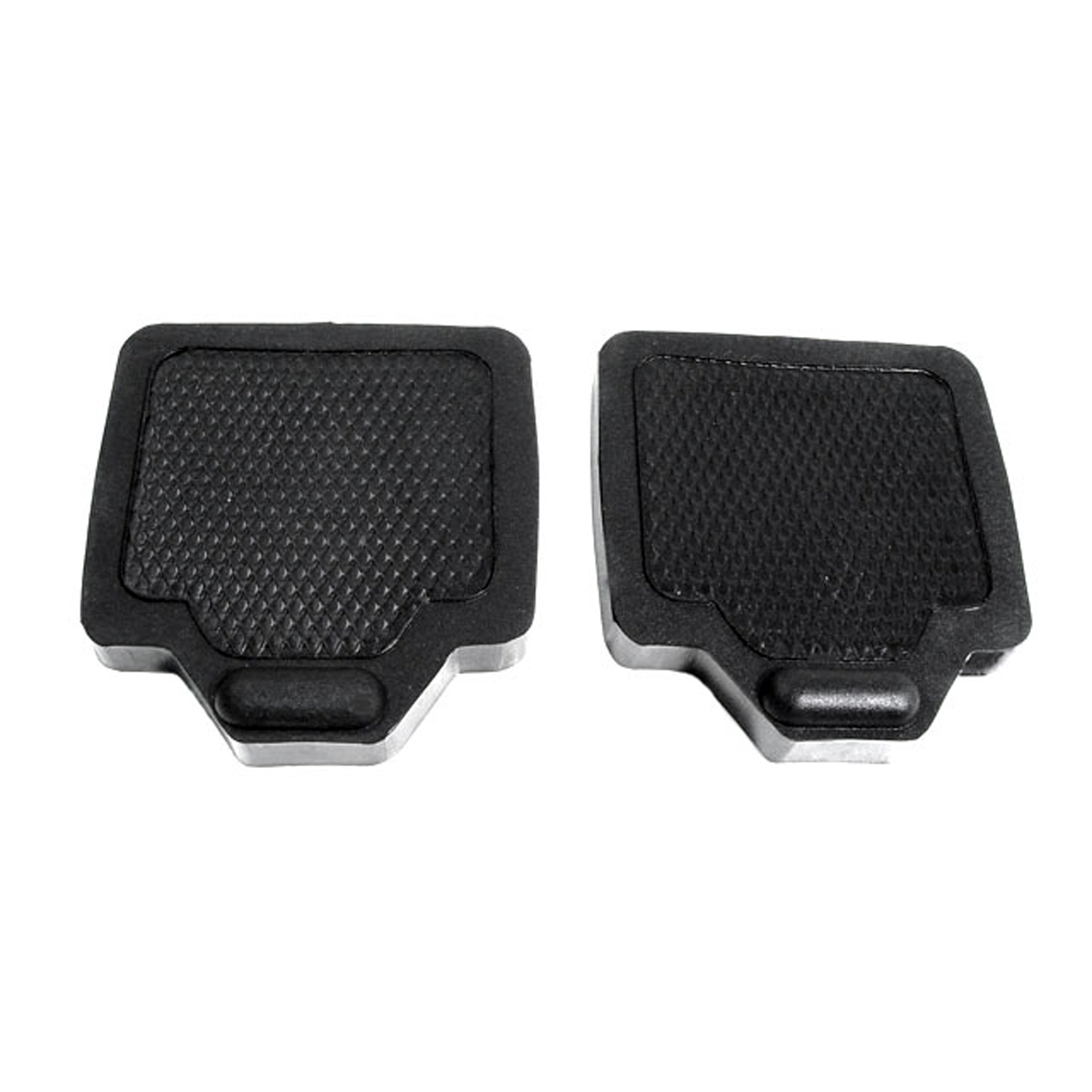 1957 Nash Rambler Clutch and Brake Pedal Pads. 3-1/2" wide X 3-7/8" long-CB 55Clutch and Brake Pedal Pads. 3-1/2" wide X 3-7/8" long. Pair
 1957 Nash Rambler Front Door to Cowl Drain Seal. 12-1/2" long. Pair-ELP 4501Front Door to Cowl Drain Seal. 12-1/2" long. Pair
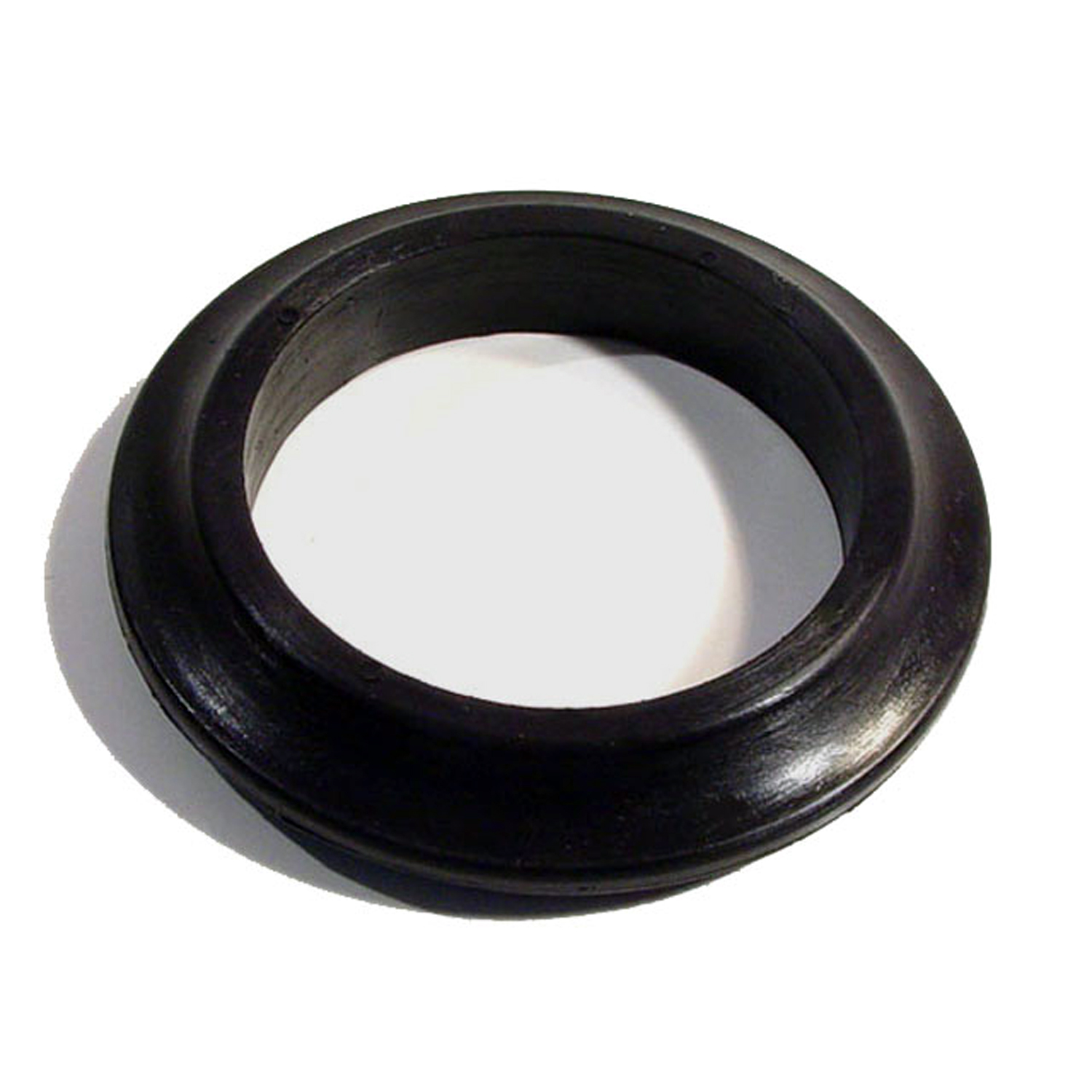 1957 Nash Rambler Gas Filler Grommet. 2-1/4" I.D., 3-5/16" O.D. Each-GF 21Gas Filler Grommet. 2-1/4" I.D., 3-5/16" O.D. Each
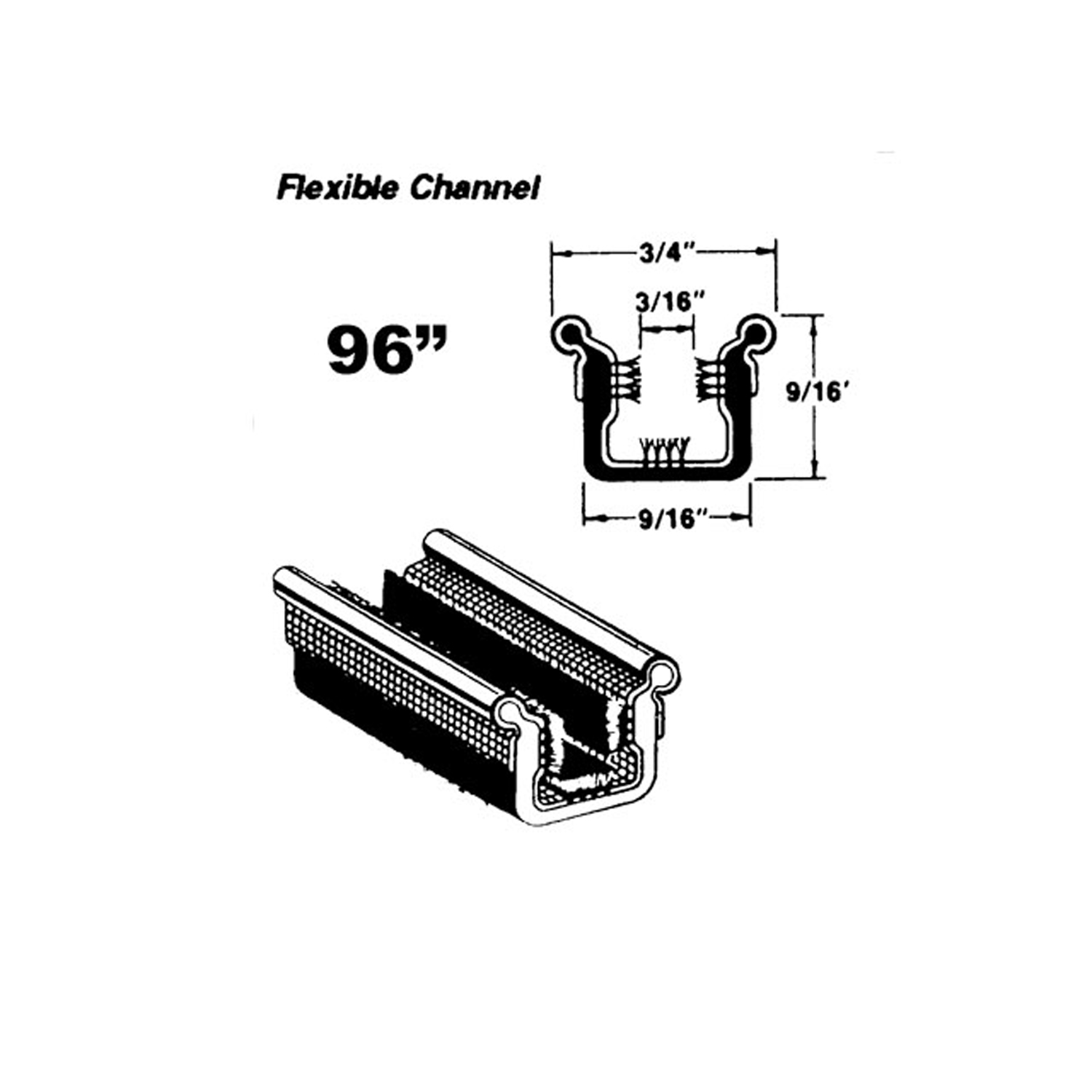 1957 Nash Rambler Flexible window channel-WC 10-96Flexible window channel. Rubber covered with mohair lining and stainless steel bead. 96 in. long. Each. NOTE: $20 special shipping charge applies for domestic orders. Call or email for overseas shipping costs. Part can be sectioned in two or three equal lengths to reduce overseas shipping costs.
Why Choose Metro?
For over 100 years, Metro Moulded Parts has been the pinnacle of quality in classic car restoration parts. Our commitment to precision and authenticity in every component ensures a perfect fit and an OEM-level appearance.
- Expert Craftsmanship & Quality: Each part is a testament to our dedication to reliability and perfection, crafted from original designs and thoroughly tested.
- Advanced Technology: We use cutting-edge techniques to create flawless, long-lasting parts that surpass others in performance.
- SuperSoft Sponge – The Ultimate Door Seal: Not only are our door seals 30% softer than competitors', but they're also guaranteed to never leak. They effectively reduce wind and road noise, enhancing your classic car's comfort and driving experience.
- Proudly American: Our parts are a product of American craftsmanship, made in the USA with a spirit of excellence and heritage.
- Unrivaled Warranty: We back our products with a 30-year industry-leading warranty, a testament to our confidence in their quality.
Join us in preserving the legacy of classic cars with parts that are crafted for perfection, not just made.