
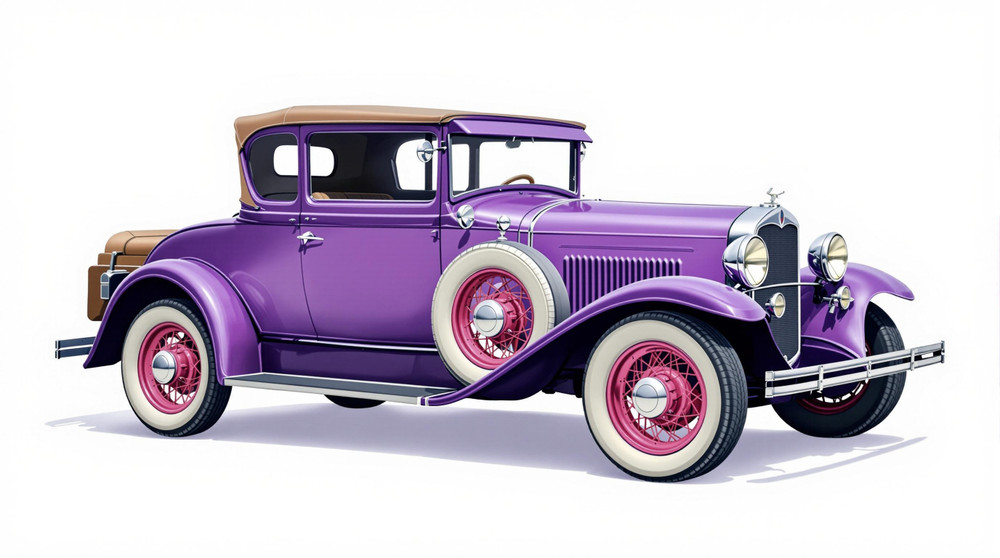
Image of 1928 Oldsmobile Model F-28, Note: These illustrations use artistic license and may differ from actual historical models.
Performance Metrics
Fundamental Metrics
Emotional Appeal
MMP Rating
| Engine Specifications | |
|---|---|
| Engine: | Inline 6 |
| Displacement: | 197 cubic inches |
| Horsepower: | Estimated 35-40 HP |
| Torque: | Not available |
| Compression Ratio: | Not available |
| Ignition System: | Battery and coil |
| Cooling System: | Water-cooled |
| Performance Specifications | |
| 0-60 Time: | Not available |
| 1/4 Mile Time: | Not available |
| Top Speed: | 50-55 mph |
| Transmission and Drive | |
| Drive Type: | Rear-wheel drive |
| Transmission Type: | 3-speed manual |
| Fuel and Efficiency | |
| Fuel System Type: | Carburetor |
| MPG: | Not available |
| Dimensions and Brakes | |
| Brakes: | Mechanical drum brakes |
| Wheelbase: | 117 inches |
| Weight: | 2,800 lbs |
Note: Specifications for classic cars are given to the best of our ability, considering the limited and variant data available.
1928 Oldsmobile F-28: A Six-Cylinder Step Forward
The 1928 Oldsmobile Model F-28 brought six-cylinder power and a fresh dose of refinement to a rapidly changing American car market. Built by the Olds Motor Works division of General Motors, it arrived as buyers increasingly expected more speed, comfort, and equipment from an affordable passenger car. Its combination of a smooth-running engine, practical body choices, and four-wheel brakes made it a notable member of Oldsmobile’s late-1920s lineup.
Oldsmobile had been part of General Motors since 1908, and by the F-28 era it occupied an important position between mass-market Chevrolet and the more expensive Buick lines. The F-28’s six-cylinder engine was a meaningful step up from the four-cylinder powerplants common in lower-priced cars. One particularly interesting detail is that the F-28’s model name ties it directly to its model year, a straightforward naming approach that makes the car easy to place in Oldsmobile history.
Classic Lines and Comfortable Appointments
The F-28 wore the upright, purposeful proportions typical of late-1920s cars. Its long hood announced the six-cylinder engine beneath, while a tall radiator, separate fenders, running boards, and prominent headlamps gave it a formal, carefully balanced profile. Wire wheels and broad, whitewall tires were available on some cars or added by owners, enhancing the period look. From the rear, the spare tire, squared-off bodywork, and exposed hardware made no attempt to hide the car’s mechanical character.
Inside, the F-28 was designed for practical comfort rather than modern luxury. Depending on body style and equipment, the cabin featured upholstered bench seating, a large steering wheel, simple instruments, and durable trim. Cloth was common in closed cars, while open models used weather-resistant seating and trim appropriate to their intended use. Materials and finishes varied by body and specification, but the overall impression was solid and well-appointed for a car in Oldsmobile’s price class.
Equipment included a conventional three-speed manual transmission and four-wheel brakes, a valuable safety feature at a time when many cars still relied on less comprehensive braking arrangements. The F-28 used mechanical rather than modern hydraulic braking, so stopping required a firm, practiced touch. Paint choices varied with the body and factory offering. Dark, restrained colors suited the car’s formal styling, while contrasting trim or two-tone treatments could make some examples look more distinctive. Exact color combinations are best confirmed against period literature or surviving paint evidence.
Oldsmobile offered the F-28 in several body styles, including closed sedans and coupes as well as open touring or roadster-type models. Availability could differ by market and production period. The four-door sedan is among the most recognizable choices today, thanks to its family-friendly layout and enclosed cabin, while open cars have a special appeal for touring and shows.
Why the F-28 Mattered
The F-28 was not a radical styling experiment, but it reflected a major shift in what buyers expected from an everyday car. A six-cylinder engine offered smoother power delivery than the four-cylinder units common in inexpensive automobiles, and Oldsmobile paired that added refinement with useful body variety and four-wheel braking. It helped reinforce the idea that a car aimed at ordinary households could provide more than basic transportation.
Its significance also lies in its place within General Motors’ increasingly organized range of brands. Chevrolet, Oldsmobile, and Buick each served a different price and equipment level, giving buyers a clear path upward without leaving the GM family. The F-28 helped Oldsmobile maintain its identity as a more substantial, better-equipped choice than a basic economy car, while remaining accessible to a broad market.
Six-Cylinder Performance on the Road
The F-28 was powered by a side-valve, or L-head, inline six displacing about 185 cubic inches. Period specifications commonly list output at approximately 55 horsepower, delivered through a three-speed manual gearbox. That figure sounds modest today, but the engine’s smoothness and usable low-speed torque mattered more than peak output to drivers of the era.
Top speed is generally estimated at roughly 60 to 65 mph when the car is in sound condition. A modern 0-to-60-mph figure is not a dependable factory specification for a 1928 automobile. Given the engine’s output, the car’s weight, and its gearing, acceleration to 60 mph would likely take around 25 to 35 seconds, with substantial variation between body styles and individual cars. A heavy sedan, worn engine, or poorly adjusted ignition could be slower still.
On a smooth road, the F-28 feels steady and deliberate. Its long wheelbase helps it settle over broad undulations, but the suspension and tall tires cannot erase sharp bumps. On winding roads, the driver has to plan ahead: steering is slower than a modern car’s, body lean is noticeable, and the brakes reward smooth, early application. The experience is engaging because the driver is involved in every part of the process, from shifting to judging stopping distance.
The six-cylinder engine produces a measured mechanical hum rather than a modern, high-revving soundtrack. Gear changes call for patience, and the large steering wheel offers useful leverage at low speeds. With the windows open in an early open-body model, the sounds of the engine, tires, and road become part of the drive. It is best enjoyed at a relaxed touring pace, not pushed like a contemporary sports car.
Living With an F-28
Today, the F-28 is most often used as a show car, a parade vehicle, or a relaxed touring car. Some owners take their cars on local antique-car runs, where the Oldsmobile’s comfortable seating and steady road manners are a good match for scenic routes. It is not a practical modern daily driver: traffic speeds, limited lighting, non-synchro-era shifting habits, and period braking all demand extra attention.
Maintenance is approachable for an owner familiar with older machinery. The engine, ignition, carburetor, clutch, and mechanical brakes use straightforward systems, and many routine jobs can be handled with basic workshop skills. Parts availability is more limited than for a Model T Ford, however, and body-specific trim, upholstery details, and certain hard-to-find components may require patience or specialist help. Regular lubrication, careful cooling-system maintenance, and properly adjusted brakes are essential to reliability.
As with any prewar car, condition matters more than the badge on the radiator. A well-maintained F-28 can be dependable on suitable outings, but a neglected example may need extensive work on the engine, wood structure in the body, electrical system, or brakes. Buyers should inspect the frame and body carefully and budget for specialist repairs rather than assuming that an old car only needs a quick tune-up.
F-28 Facts and Common Misconceptions
The F-28’s most notable distinction is its role as a six-cylinder Oldsmobile in a period when many entry-level cars still used four-cylinder engines. It was not designed as a racing special, and it is not associated with a major speed or endurance record. Its achievement was more practical: offering a smoother, more substantial driving experience to a broad market.
There is no single, widely accepted production total for every F-28 body style in a form that is easy to verify. A reasonable estimate is that roughly 100,000 to 120,000 F-28s were built across the model year, but that should be treated as an estimate rather than a definitive factory count. Production totals can vary depending on whether sources count calendar-year output, model-year production, or particular body versions.
A common criticism is that the F-28 can feel slow and heavy by modern standards. Its mechanical brakes and period steering also require more effort and anticipation than a contemporary driver may expect. Those traits are part of its historical character, but they are also why careful maintenance and sensible driving matter. The car is best appreciated as a comfortable late-1920s touring machine, not as a modern substitute for everyday transportation.
Collector Values and Availability
F-28 values depend heavily on body style, originality, completeness, and restoration quality. As a broad guide, a project car might sell for about $5,000 to $12,000, while a sound driver-quality example may fall around $12,000 to $30,000. A carefully restored car in a desirable body style can reach approximately $30,000 to $50,000 or more. These are general estimates, not guaranteed selling prices; unusual provenance or exceptional condition can move a car outside those ranges.
The F-28 is uncommon compared with mass-produced Model T Fords, but it is not so rare that every example is a museum piece. Closed sedans are typically easier to encounter than certain open or less common body styles. Cars do appear through antique-car dealers, specialist auctions, clubs, and private sales, though the right example may take time to find.
Values for sound, usable prewar cars have generally held up better than those for rough projects, with the best restorations attracting the strongest interest. The market can still fluctuate, and restoration costs often exceed the price difference between a project and a finished car. For many buyers, the most sensible purchase is a complete, well-maintained example rather than a bargain car that needs a full rebuild.
A Refined Oldsmobile for Its Time
The 1928 Oldsmobile Model F-28 combined a smooth six-cylinder engine, practical body choices, four-wheel brakes, and the solid road presence that buyers associated with a more substantial automobile. It was neither a record-breaking racer nor a radical styling landmark. Its importance is quieter and more telling: it shows how quickly American cars were becoming more comfortable, capable, and carefully differentiated by the late 1920s.
For collectors, the F-28 offers an appealing window into that transition. Its best qualities reveal themselves on an unhurried drive, where the steady six-cylinder note and the hands-on controls make every mile feel connected to another era of motoring.
1928 Oldsmobile Model F-28 Catalog of Parts
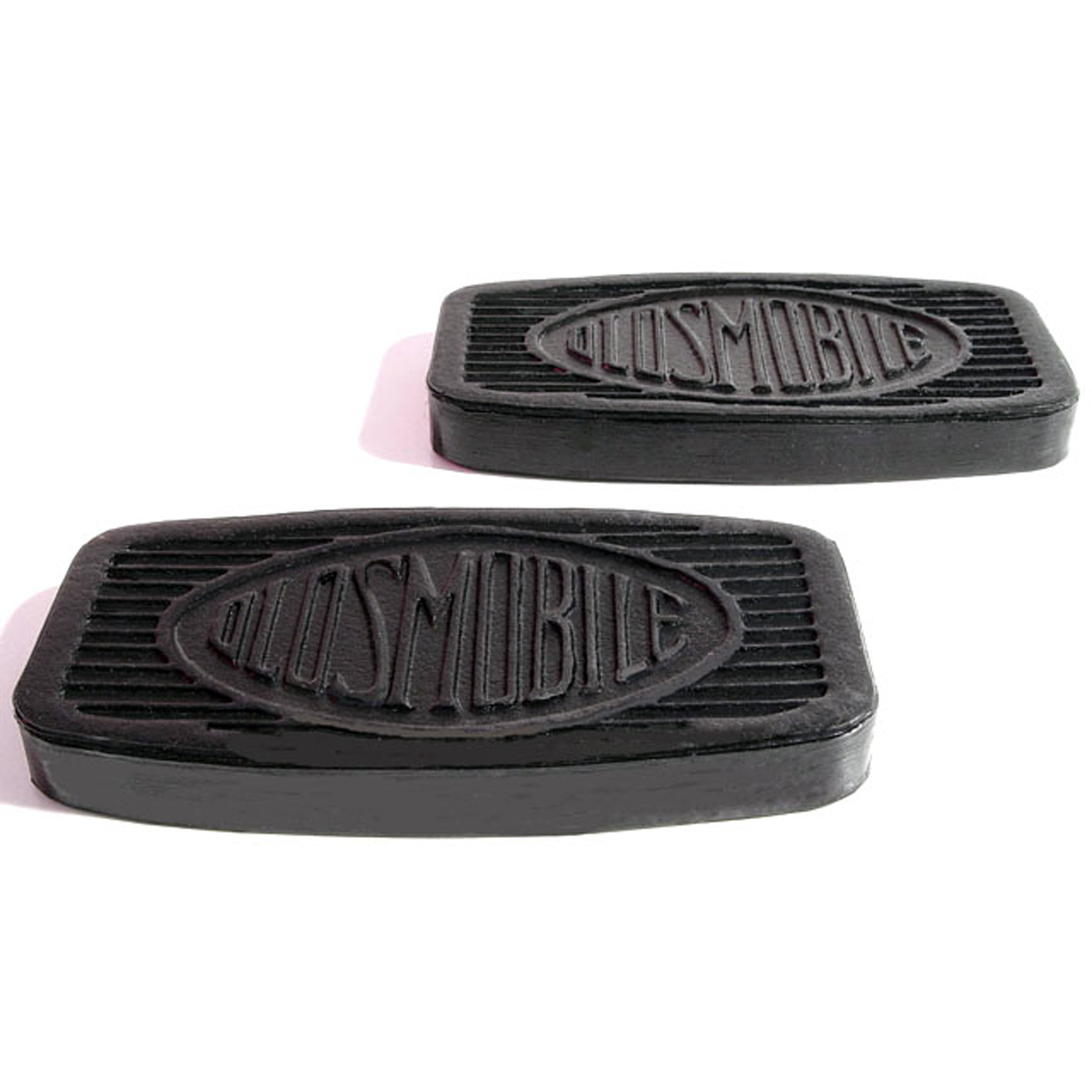 1928 Oldsmobile Model F-28 Clutch and Brake Pedal Pads. 3-1/2" wide X 1-3/16" long-CB 95Clutch and Brake Pedal Pads. 3-1/2" wide X 1-3/16" long. Pair
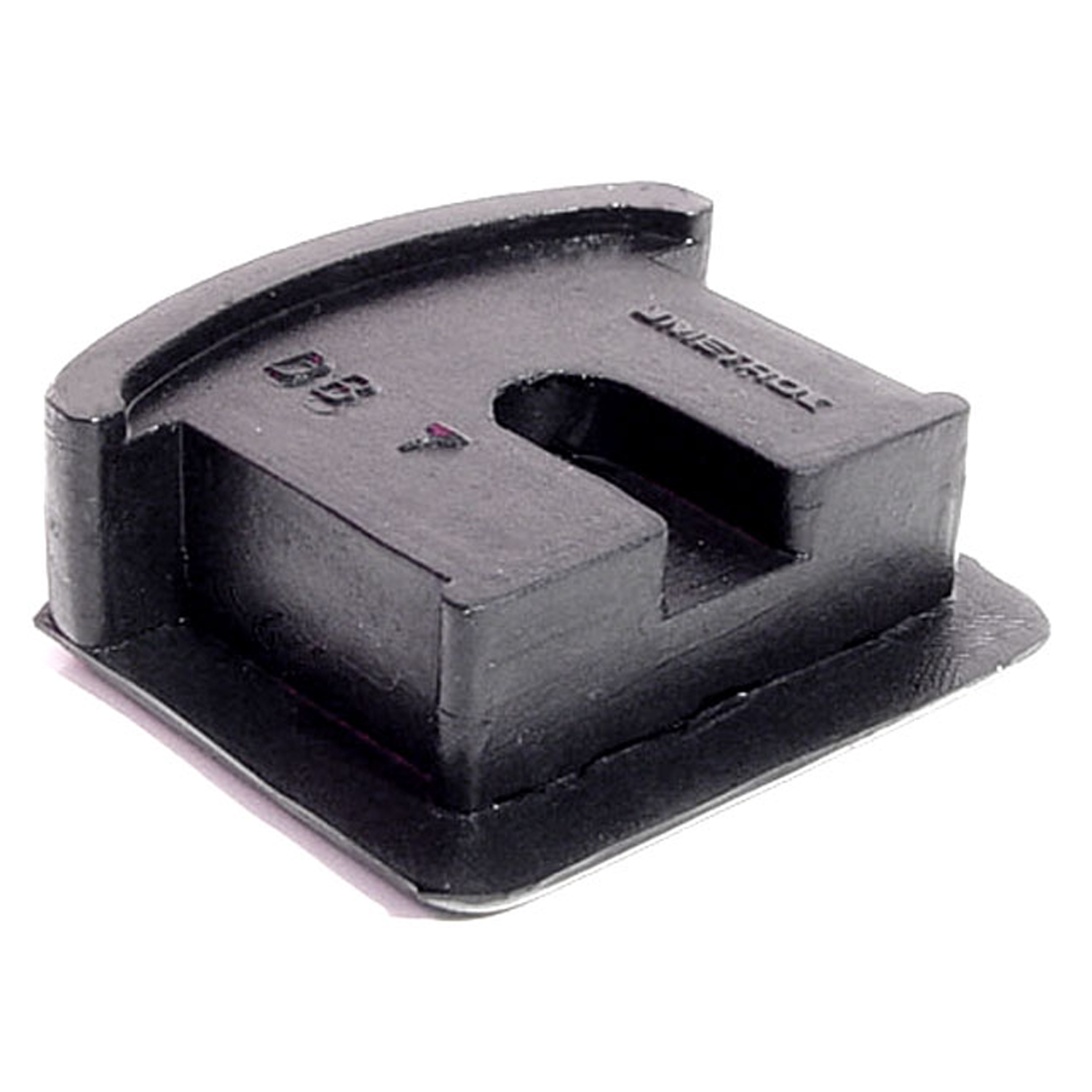 1928 Oldsmobile Model F-28 Door Bumper. 1-7/16" high X 1-9/16" wide X 9/16" thick-DB 7Door Bumper. 1-7/16" high X 1-9/16" wide X 9/16" thick. Each
 1928 Oldsmobile Model F-28 Door Handle Ferrule Grommet. I.D. 11/16", O.D. 1-3/16"-MP 546-IDoor Handle Ferrule Grommet. I.D. 11/16", O.D. 1-3/16". Each
 1928 Oldsmobile Model F-28 Flexible Rubber Window Channel-WC 32-14Flexible Rubber Window Channel. For Fisher Closed Bodies, except those using a stainless bead type. Used on side windows. 13/16" outer width X 6/16" outer depth, with a 5/16" inner channel width X 14" long. Each
Why Choose Metro?
For over 100 years, Metro Moulded Parts has been the pinnacle of quality in classic car restoration parts. Our commitment to precision and authenticity in every component ensures a perfect fit and an OEM-level appearance.
- Expert Craftsmanship & Quality: Each part is a testament to our dedication to reliability and perfection, crafted from original designs and thoroughly tested.
- Advanced Technology: We use cutting-edge techniques to create flawless, long-lasting parts that surpass others in performance.
- SuperSoft Sponge – The Ultimate Door Seal: Not only are our door seals 30% softer than competitors', but they're also guaranteed to never leak. They effectively reduce wind and road noise, enhancing your classic car's comfort and driving experience.
- Proudly American: Our parts are a product of American craftsmanship, made in the USA with a spirit of excellence and heritage.
- Unrivaled Warranty: We back our products with a 30-year industry-leading warranty, a testament to our confidence in their quality.
Join us in preserving the legacy of classic cars with parts that are crafted for perfection, not just made.