

Image of 1955 Oldsmobile Starfire, Note: These illustrations use artistic license and may differ from actual historical models.
Performance Metrics
Fundamental Metrics
Emotional Appeal
MMP Rating
| Engine Specifications | |
|---|---|
| Engine Options: | Rocket V8 |
| Displacement Range: | 324 cu in (5.3 L) |
| Horsepower Range: | 202 hp |
| Torque: | 332 lb-ft |
| Compression Ratio: | 8.5:1 |
| Ignition System: | Distributor and coil |
| Cooling System: | Liquid-cooled |
| Performance Specifications | |
| 0-60 Time: | Estimated 10 seconds |
| 1/4 Mile Time: | Estimated 17 seconds |
| Top Speed: | 110 mph |
| Transmission and Drive | |
| Drive Type: | Rear-wheel drive |
| Transmission Type: | 4-speed Hydra-Matic automatic |
| Fuel and Efficiency | |
| Fuel System Type: | Carburetor |
| MPG: | Estimated 10-12 mpg |
| Dimensions and Brakes | |
| Brakes: | Drum brakes |
| Wheelbase: | 126 inches |
| Weight: | 4,300 lbs |
Note: Specifications for classic cars are given to the best of our ability, considering the limited and variant data available.
1955 Oldsmobile Starfire: The Rocket-Age Convertible
The 1955 Oldsmobile Starfire brought big-car glamour and V8 power together in one unmistakable package: a long, chrome-bright convertible with a name borrowed from the jet-age imagination. Built by Oldsmobile, a General Motors division, the Starfire was the prestige open model in the 98 range, not a separate model line in the modern sense. Its combination of upscale trim, a powerful “Rocket” V8, and easygoing automatic transmission made it a compelling expression of mid-1950s American motoring.
The Starfire name had first appeared on Oldsmobile’s 1953 Motorama show car, a dramatic concept inspired by aviation and the space-age optimism of the period. It moved into production on Oldsmobile 98 convertibles soon afterward. The 1955 car therefore carried a bit of show-car glamour into everyday production, at a time when American manufacturers were using fresh styling and increasingly powerful V8s to compete for buyers’ attention.
Chrome, Color, and Convertible Style
From the front, the Starfire makes a bold first impression. Its wide grille, bright trim, and sculpted hood give the car a confident, low-slung look, while the broad wraparound windshield makes the cabin feel open even with the top raised. Long body sides flow toward modest rear fenders and distinctive tail-end detailing. The fins are restrained compared with the more extravagant shapes that would arrive later in the decade, but the overall effect is still unmistakably 1955.
The Starfire’s signature body style was its two-door convertible. It paired the 98’s generous proportions with an electrically operated folding top and upscale brightwork. When lowered, the top disappeared behind the rear seat, turning the car into a sweeping open-air cruiser. The Starfire was also offered as a particularly plush interior-and-trim package, rather than as a range of sedan and hardtop body styles bearing the name.
Inside, the 98-based cabin was spacious and richly finished for its day. Buyers could expect broad bench seating, substantial door trim, bright accents, and coordinated upholstery, with leather or leather-trimmed appointments associated with the Starfire’s premium positioning. Power accessories such as windows, seats, and a power-operated top were available, depending on equipment. The dashboard combined clear, period-style instrumentation with a wide expanse of trim and a large steering wheel suited to relaxed driving.
Oldsmobile offered a broad palette of solid and two-tone paint combinations across the 1955 range. Availability varied by body and interior, but buyers could choose from colors such as red, blue, green, white, and black, often paired with a contrasting upper body or convertible top. Bright red and turquoise-toned combinations look especially at home on surviving Starfires, while white cars with a contrasting interior have a classic, formal appeal.
Rocket V8 Power and 1955 Technology
Under the hood sat Oldsmobile’s 324-cubic-inch Rocket V8. In 98 trim, the four-barrel version was rated at about 202 horsepower, with output figures varying by configuration and published rating method. The engine’s overhead-valve design and strong low- and mid-range pull helped give the large convertible a lively character. A four-speed Hydra-Matic automatic transmission was the usual partner, delivering smooth shifts without asking the driver to work a clutch.
The Starfire also benefited from the steady spread of convenience features that were transforming American cars into more comfortable long-distance machines. Power steering, power brakes, power windows, and power seats could be specified, while a 12-volt electrical system supported the growing list of electrical accessories. These were not all standard on every car, so it is worth checking a specific example’s equipment and documentation rather than assuming every Starfire was fully loaded.
Why the Starfire Mattered
The 1955 Starfire captured an important moment in Oldsmobile’s evolution. The company had built its reputation around the Rocket V8, introduced in 1949, and continued to use that engine family to distinguish its cars as spirited alternatives to more conservative competitors. In the Starfire, the performance image was wrapped in the comfort and visual polish expected of a flagship convertible.
It also reflected the design priorities of its era: panoramic glass, generous chrome, two-tone paint, and a body that looked substantial even when standing still. The Starfire did not invent the personal-luxury convertible, nor did it introduce a revolutionary new chassis. Its importance lies in how convincingly it combined Oldsmobile’s performance identity with the style and amenities of a premium 1950s automobile. The name would later become much more widely recognized on Oldsmobile models of the 1960s and beyond, but its production-car roots were in these upscale 98 convertibles.
How a 1955 Starfire Drives
Period road-test figures vary, and today’s results depend heavily on engine condition, gearing, tires, and restoration quality. A healthy 202-horsepower Starfire is generally estimated to reach 60 mph in roughly 11 to 13 seconds, with a top speed in the neighborhood of 100 to 110 mph. Those numbers are estimates, not guarantees, and a heavy convertible from this era was designed more for effortless cruising than repeated acceleration runs.
On the road, the Rocket V8 produces a deep, smooth burble and delivers its strongest impression through relaxed torque rather than high-revving urgency. The Hydra-Matic shifts with a deliberate, mechanical feel, and the power steering makes parking and slow-speed turns much easier than the car’s dimensions suggest. The ride is soft and composed over ordinary road imperfections, though worn suspension components can make a vintage example float or wander. On winding roads, the Starfire’s weight, drum brakes, and tall proportions call for a measured pace. It is a grand touring car, not a sports car.
Living With a 1955 Oldsmobile
Most Starfires today are collector cars, show entrants, or occasional-use weekend cruisers rather than daily drivers. Their broad seats, automatic transmission, and open-air appeal make them excellent for relaxed touring and local events. A well-sorted car can be enjoyable on the highway, but its fuel consumption is modest by modern standards. Depending on condition and driving style, owners might see roughly 10 to 14 miles per gallon.
Mechanical upkeep is manageable for a capable classic-car owner, and many routine service parts for the Rocket V8 and Hydra-Matic remain available through specialist suppliers. The engine is straightforward by modern standards, but the automatic transmission, power accessories, convertible top mechanism, and electrical system deserve careful inspection. Trim, glass, upholstery, and Starfire-specific details can be harder and more expensive to source than basic mechanical parts. Before buying, check for rust in the floors, lower body panels, trunk, and structural areas, and make sure the top operates correctly without leaks.
Starfire Trivia and Common Complaints
The Starfire name began as a dramatic Motorama concept before becoming associated with production Oldsmobile 98 convertibles. That show-car origin helps explain why the name sounds more futuristic than the conventional model designations around it. The 1955 Starfire is not widely known for a major speed or endurance record, and there is no reliable basis for attaching a famous celebrity owner or single historic event to the model as a whole.
Its most common criticisms are practical ones: the car is large, thirsty, and less nimble than its sporty image might imply. Drum brakes require more anticipation than modern disc systems, and old power equipment can be troublesome if neglected. Those drawbacks are part of the ownership equation, not a surprise defect in the model. A properly maintained Starfire rewards its owner with comfort, presence, and a distinctive Rocket V8 soundtrack.
Collector Value and Rarity
Production estimates for the 1955 Oldsmobile 98 Starfire convertible vary among reference sources, but a reasonable working estimate is roughly 3,500 to 4,000 cars. That makes it a relatively uncommon model today, especially compared with the far larger numbers of mainstream American sedans built during the decade. Survivors are available through classic-car dealers, auctions, and private sales, though condition and originality vary widely.
As a broad 2026 U.S. market estimate, a project or rough driver might sell for about $15,000 to $30,000. A solid, presentable example could fall around $30,000 to $55,000, while a high-quality restoration or exceptionally original car may reach approximately $60,000 to $90,000 or more. These are approximate ranges: rust, restoration documentation, correct equipment, paint quality, and the condition of the convertible top can make a substantial difference. Values for well-presented examples have generally held up better than those of ordinary four-door classics, though the market is selective and not every Starfire is appreciating quickly.
A Distinctive Piece of Oldsmobile History
The 1955 Oldsmobile Starfire was a stylish, powerful, and generously equipped convertible that brought the Rocket V8’s performance reputation to the top of the 98 range. Its panoramic-era design, premium cabin, and smooth Hydra-Matic made it an appealing long-distance car in its day and a memorable collector vehicle now. More than a collection of chrome and horsepower, the Starfire represents Oldsmobile at a confident moment in its history: building cars that could look glamorous, travel comfortably, and still carry the unmistakable pulse of a Rocket V8.
1955 Oldsmobile Starfire Catalog of Parts
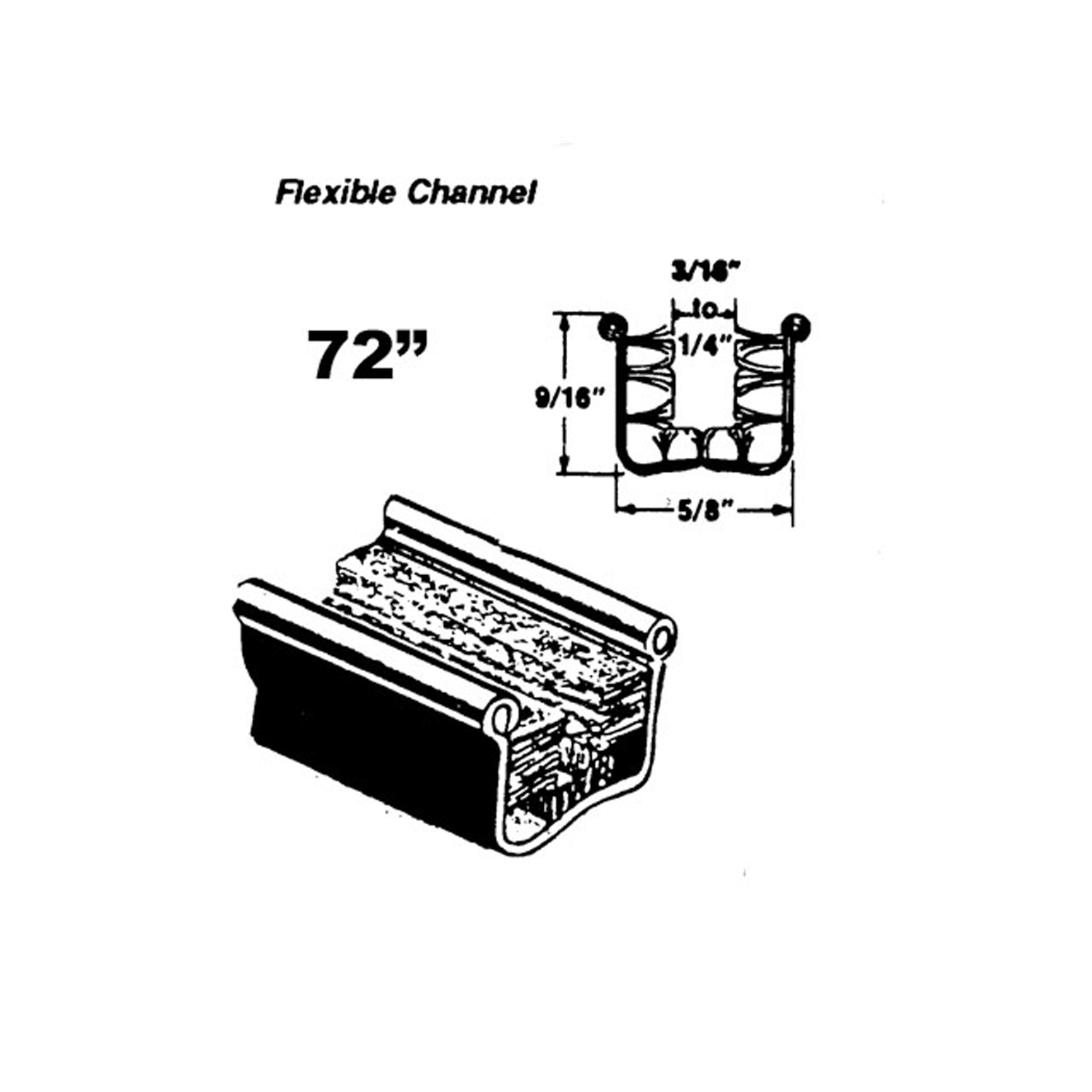 1955 Oldsmobile Starfire Flexible glass-run channel-WC 11-72Flexible glass-run channel. Mohair lined, cloth covered with stainless steel bead. Used on side windows. 72 in. long. Each. NOTE: $20 special shipping charge applies for domestic orders. Call or email for overseas shipping costs. Part can be sectioned in two equal lengths to reduce overseas shipping costs.
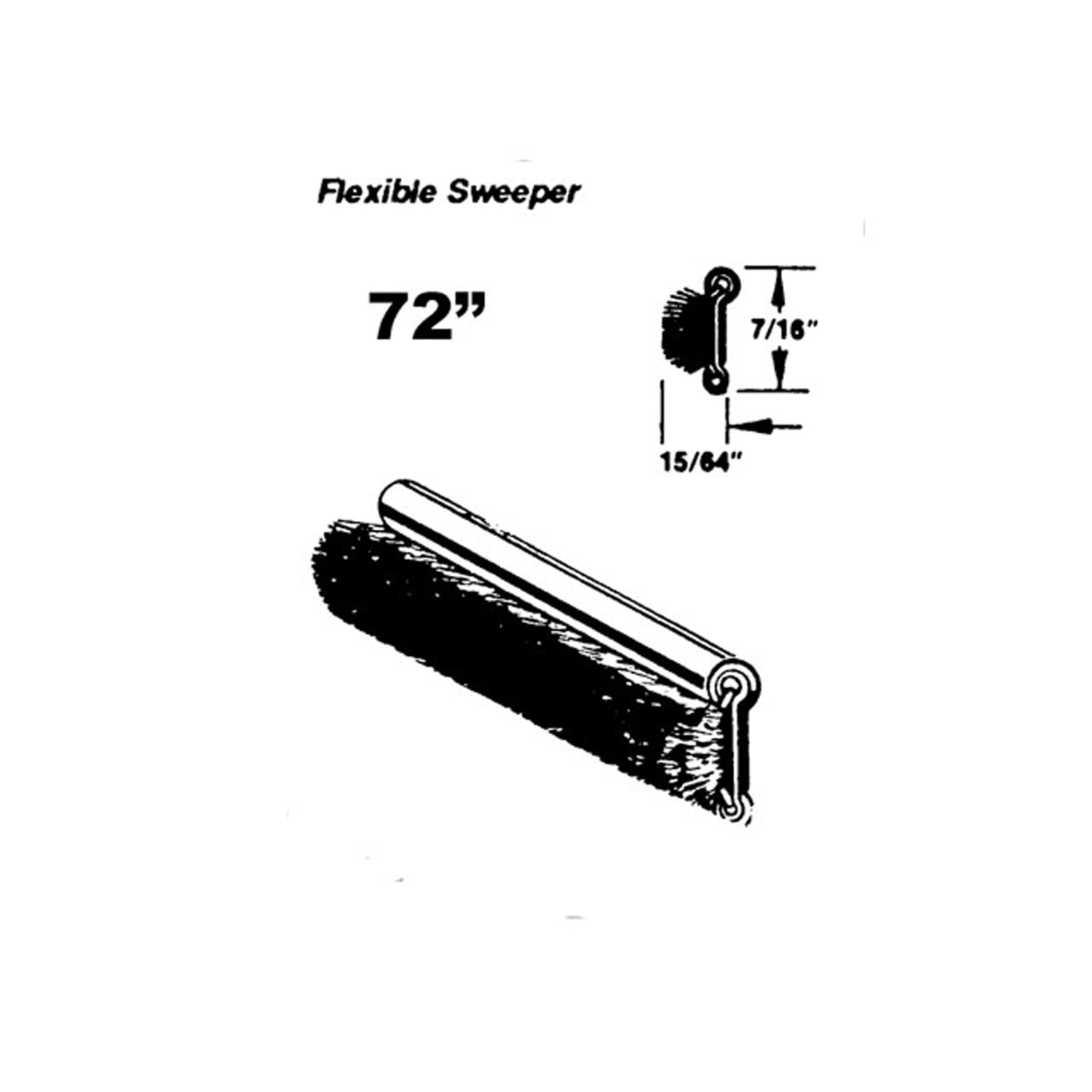 1955 Oldsmobile Starfire Flexible sweeper. Made with stainless steel bead-WC 8-72Flexible sweeper. Made with stainless steel bead. Used on inner and outer beltlines. Also forms easily for use with sliding quarter windows. 72 in. long. Each. NOTE: $20 special shipping charge applies for domestic orders. Call or email for overseas shipping costs. Part can be sectioned into two equal lengths to reduce overseas shipping costs.
Why Choose Metro?
For over 100 years, Metro Moulded Parts has been the pinnacle of quality in classic car restoration parts. Our commitment to precision and authenticity in every component ensures a perfect fit and an OEM-level appearance.
- Expert Craftsmanship & Quality: Each part is a testament to our dedication to reliability and perfection, crafted from original designs and thoroughly tested.
- Advanced Technology: We use cutting-edge techniques to create flawless, long-lasting parts that surpass others in performance.
- SuperSoft Sponge – The Ultimate Door Seal: Not only are our door seals 30% softer than competitors', but they're also guaranteed to never leak. They effectively reduce wind and road noise, enhancing your classic car's comfort and driving experience.
- Proudly American: Our parts are a product of American craftsmanship, made in the USA with a spirit of excellence and heritage.
- Unrivaled Warranty: We back our products with a 30-year industry-leading warranty, a testament to our confidence in their quality.
Join us in preserving the legacy of classic cars with parts that are crafted for perfection, not just made.