
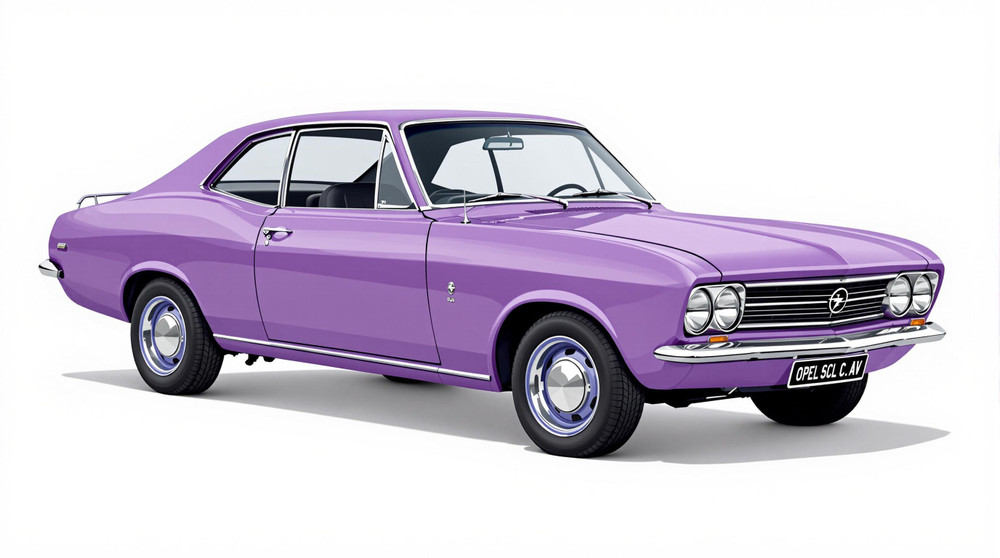
Image of 1969 Opel Opel, Note: These illustrations use artistic license and may differ from actual historical models.
Performance Metrics
Fundamental Metrics
Emotional Appeal
MMP Rating
| Engine Specifications | |
|---|---|
| Engine Options: | 1.1L I4, 1.9L I4 |
| Displacement Range: | 1078cc - 1897cc |
| Horsepower Range: | 67 - 102 hp |
| Torque: | 70 - 115 lb-ft |
| Compression Ratio: | 8.2:1 (1.1L), 9.0:1 (1.9L) |
| Ignition System: | Distributor with points |
| Cooling System: | Water-cooled |
| Performance Specifications | |
| 0-60 Time: | 13 - 16 seconds |
| 1/4 Mile Time: | 18 - 20 seconds |
| Top Speed: | 103 - 115 mph |
| Transmission and Drive | |
| Drive Type: | RWD (Rear Wheel Drive) |
| Transmission Type: | 4-speed manual |
| Fuel and Efficiency | |
| Fuel System Type: | Carburetor |
| MPG: | 20 - 25 mpg |
| Dimensions and Brakes | |
| Brakes: | Front disc brakes, rear drum brakes |
| Wheelbase: | 95.7 inches |
| Weight: | 2,072 lbs |
Note: Specifications for classic cars are given to the best of our ability, considering the limited and variant data available.
1969 Opel GT: The European Sports Car with a Twist
The 1969 Opel GT looked ready to sprint straight off a European design studio’s drawing board, and in one important respect it really was: its dramatic, low-slung shape began as a concept car before Opel put it into production. Compact, nimble, and unmistakably stylish, the GT became one of Opel’s best-known cars in North America, where it earned the nickname “Baby Corvette.”
Opel is the manufacturer, not a single model, and its 1969 lineup also included cars such as the Kadett, Rekord, and Commodore. This guide focuses on the 1969 Opel GT, the model most commonly meant by a classic-car listing that identifies the vehicle simply as a “1969 Opel.” Exact specifications and equipment can vary by market, so details below distinguish the GT’s engine and trim variations where relevant.
From Opel Concept to Production Sports Car
Opel, founded in Germany in the 19th century, had become a major European automaker by the 1960s and was part of General Motors. The GT grew out of the 1965 Experimental GT concept, which Opel presented at the Frankfurt Motor Show. Strong public interest helped persuade the company to develop a production version, launched in 1968.
The 1969 model was therefore part of the GT’s early production years, when its fresh styling made it stand out in Opel showrooms and on export markets. The car was engineered by Opel, while body production involved the French firm Brissonneau & Lotz before final assembly in Germany. A memorable detail was its headlamp arrangement: instead of simply retracting into the body, the lamps rotated by hand-operated mechanism, giving the GT a distinctive face when they were raised.
Opel GT Design and Interior
The GT’s proportions do much of the talking. Its long hood, short rear deck, rounded fenders, and low roofline give it the stance of a much larger sports car. The nose is smooth and purposeful, while the rear tapers into a compact tail. Chrome bumpers and bright trim add period polish without overwhelming the body’s clean lines.
Inside, the GT is a snug two-seat coupe with a driver-focused layout. The dashboard places the main instruments close at hand, and the low seating position makes the cockpit feel more sporting than the car’s compact dimensions might suggest. Materials are typical of a mass-produced European car of the period: practical vinyl and hard-wearing trim rather than the hand-finished leather and wood of an expensive grand tourer. On surviving cars, condition varies considerably, so original upholstery, instruments, and trim can be especially valuable to restorers.
Opel offered the GT in a range of period colors that varied by year and market. Bright reds, yellows, blues, and metallic shades suit the car’s showpiece shape, while white and silver emphasize its crisp body contours. The exact original paint options for an individual car should be checked against its market and factory records rather than assumed from a current repaint.
Body Style, Engines, and Equipment
The 1969 Opel GT was offered as a two-seat fastback coupe. Unlike some sports cars of the era, it did not come as a roadster or convertible. That single body style is part of its appeal: the smooth roofline and compact rear section are central to the GT’s recognizable silhouette.
Engine availability depended on market. The smaller 1.1-liter four-cylinder was offered in some European versions, while the 1.9-liter four-cylinder became the best-known choice, particularly in export markets such as the United States. The 1.9-liter engine was advertised at about 102 horsepower in US gross-horsepower terms; figures measured under other standards can differ. Transmission choices also varied, with manual gearboxes the enthusiast favorite and an automatic available in some markets.
For its time, the GT’s headline technology was more about packaging and design than electronic sophistication. Its pop-up-style rotating headlamps were unusual, and its low, aerodynamic body was developed with attention to airflow. The front-engine, rear-wheel-drive layout was familiar and serviceable, while independent front suspension and a live rear axle gave the car a conventional sports-car foundation.
Why the 1969 Opel GT Mattered
The GT helped show that a European manufacturer could turn a striking concept into a relatively attainable production sports car. It brought show-car drama to a compact platform, without requiring the size or cost of a full-scale luxury coupe. Its design also gave Opel a strong identity in the US market, where many buyers were encountering the brand through a car that looked far more exotic than its practical mechanicals suggested.
The “Baby Corvette” comparison is understandable, especially given General Motors’ ownership of both Opel and Chevrolet, but the GT was not a small Corvette mechanically. It was a distinct German sports coupe, with its own engineering and a more compact, European character. Its lasting influence is visible in the way it helped establish the GT name as a symbol of Opel’s sporting ambitions, and in the continuing appeal of concept-inspired production cars.
1969 Opel GT Performance and Handling
With the 1.9-liter engine, a healthy GT can reach approximately 0 to 60 mph in around 10 seconds, with period tests and modern results varying according to transmission, condition, tires, and measurement method. Top speed is commonly reported in the neighborhood of 110 to 115 mph for the 1.9-liter model. The smaller 1.1-liter version is appreciably slower. These are period-car performance figures, not modern sports-car numbers, but the GT’s low weight helps it feel lively at everyday speeds.
On a winding road, the car’s compact dimensions and responsive steering make it engaging and easy to place. Its front-engine, rear-drive balance encourages a traditional, hands-on driving style. The suspension is firm enough to feel composed through bends, though its age and condition matter enormously: worn bushings, tired shocks, or old tires can turn a nimble GT into a nervous one. Sharp bumps can feel abrupt, and the short wheelbase does not provide the relaxed ride of a larger touring car.
From behind the wheel, expect the sound of a straightforward four-cylinder engine rather than a high-revving exotic motor. The reward is the direct mechanical feel: a clear view over the long hood, a close relationship with the controls, and the sense that the car is small enough to enjoy without driving at extreme speeds. A well-maintained example feels playful and connected; one with neglected suspension or steering can feel loose and dated.
Living with a Classic Opel GT
Today, most 1969 Opel GTs are weekend drivers, hobby cars, or show vehicles rather than dependable daily transportation. A properly sorted example can handle local trips and occasional longer drives, but owners should remember that even a sound classic is nearly six decades old. Age-related deterioration, past repairs, and the quality of any restoration matter as much as the original design.
The GT’s relatively conventional four-cylinder layout makes many mechanical jobs approachable for an experienced home mechanic. Routine work on the engine, brakes, and suspension is familiar to classic-car specialists, but parts availability is not as effortless as it is for a high-volume American classic. Some components are reproduced or available through specialist suppliers, while trim, body, and model-specific pieces may take more searching. Rust deserves particular attention, including the floors, sills, wheel areas, and structural sections. Inspecting the underside before purchase is essential.
Common ownership complaints include limited cabin space, modest performance by modern standards, and the occasional challenge of finding correct replacement parts. The rotating headlamp mechanism is charming, but it adds a specialized feature that should be checked for smooth, reliable operation. A thorough pre-purchase inspection by someone familiar with the model can prevent a bargain-looking car from becoming an expensive restoration project.
Opel GT Trivia and Common Misconceptions
The GT’s headlamps are one of its most entertaining party tricks: the driver operates a lever to rotate them into position. They do not simply rise electrically like the pop-up lamps on some later sports cars. The feature gives the car an expressive change of appearance and remains a favorite detail among owners.
Opel produced the GT from 1968 through 1973, with total production commonly cited at about 103,000 cars across the model’s run. That figure is for the overall production period, not just the 1969 model year. A large share went to export markets, especially the United States, which helps explain why the GT remains familiar to American classic-car enthusiasts.
The car is sometimes described as a direct Corvette relative because of its styling and GM connection. That is an exaggeration: it was a separate Opel model with its own platform and engineering. Its nickname is best understood as a comment on its looks, not its mechanical relationship to the Chevrolet sports car. The GT is not generally known for a major speed or endurance record; its lasting distinction is its striking design and unusually successful journey from concept to production.
1969 Opel GT Collector Values
As a broad 2026 estimate, a 1969 Opel GT project car might sell for roughly $5,000 to $12,000, depending on rust, completeness, and title status. A running driver or presentable older restoration may fall around $15,000 to $30,000, while a high-quality, well-documented restoration can reach approximately $30,000 to $50,000 or more. These are general ranges, not a formal appraisal. Exceptional condition, originality, location, and the exact engine and specification can move a sale outside them.
The GT is uncommon compared with mass-market American classics, but it is not extraordinarily rare as a model: more than 100,000 were built across its production run. The number of sound, original, or carefully restored examples is much smaller. Cars appear regularly enough in the classic market to give buyers options, though the best examples can be difficult to find and may be separated by long distances.
Values have generally benefited from growing interest in compact European classics and distinctive 1960s design. The strongest cars tend to hold value better than rough projects, but the market is smaller than for household-name muscle cars. As with any collectible, condition and documentation are more important than optimistic asking prices. A rust-free, correctly restored GT is usually a safer long-term prospect than a cheap car needing extensive structural work.
Why the 1969 Opel GT Still Turns Heads
The 1969 Opel GT combined concept-car looks, approachable four-cylinder engineering, and a genuinely distinctive driving character. Its manually rotating headlamps, compact coupe body, and European road manners set it apart from more conventional cars of its era. It was never the fastest sports car in the room, but it did not need to be: the GT made ordinary drives feel like an occasion.
For collectors, it remains a rewarding alternative to more familiar classics, provided they buy carefully and pay close attention to rust and parts availability. More than half a century after its debut, the Opel GT still delivers the thing that made it special in the first place: the feeling that a bold show-car idea somehow made it onto the road.
1969 Opel Opel Catalog of Parts
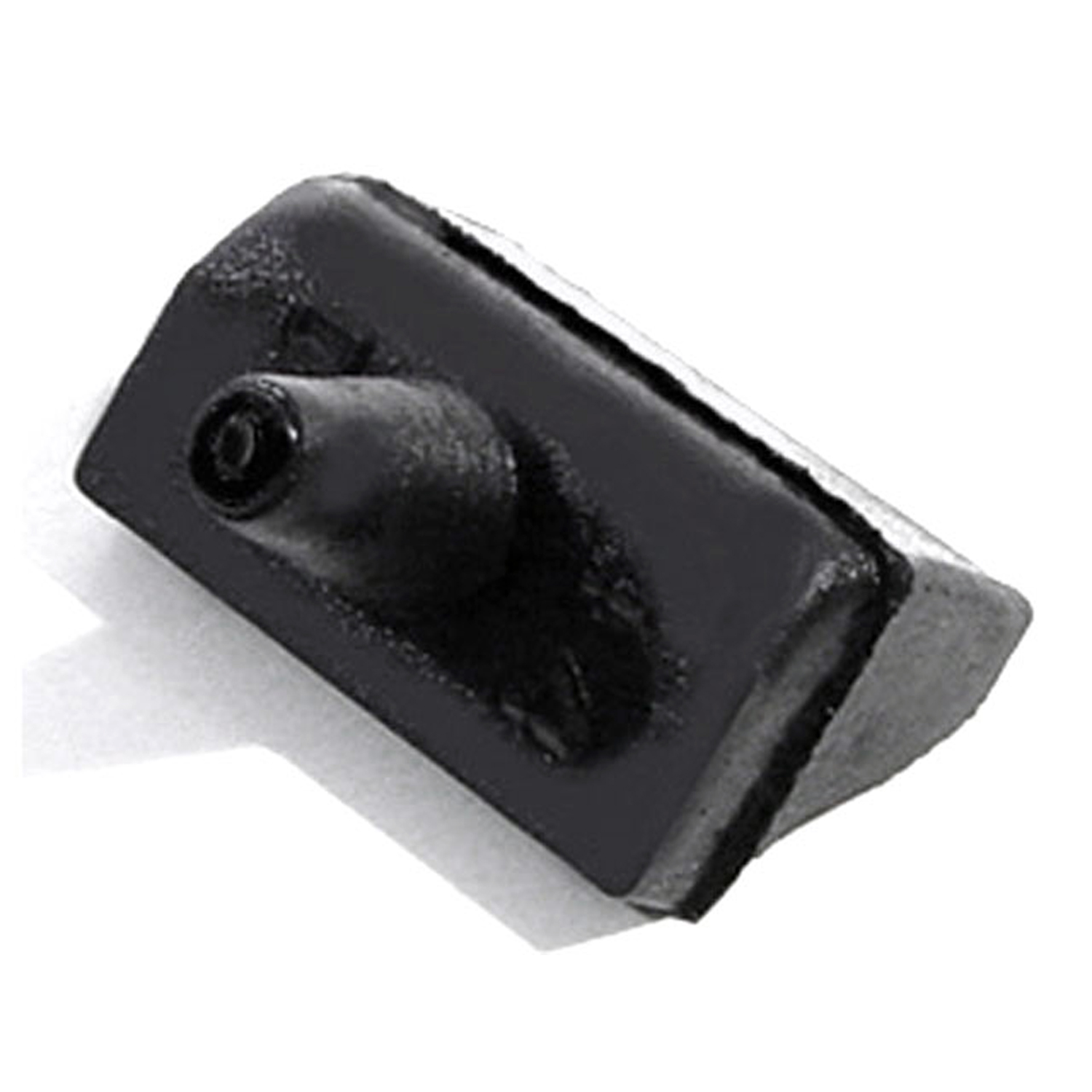 1969 Opel Opel Top Side Door Bumper. 1" high X 1/2" wide X 1" long. Each-DB 44Top Side Door Bumper. 1" high X 1/2" wide X 1" long. Each
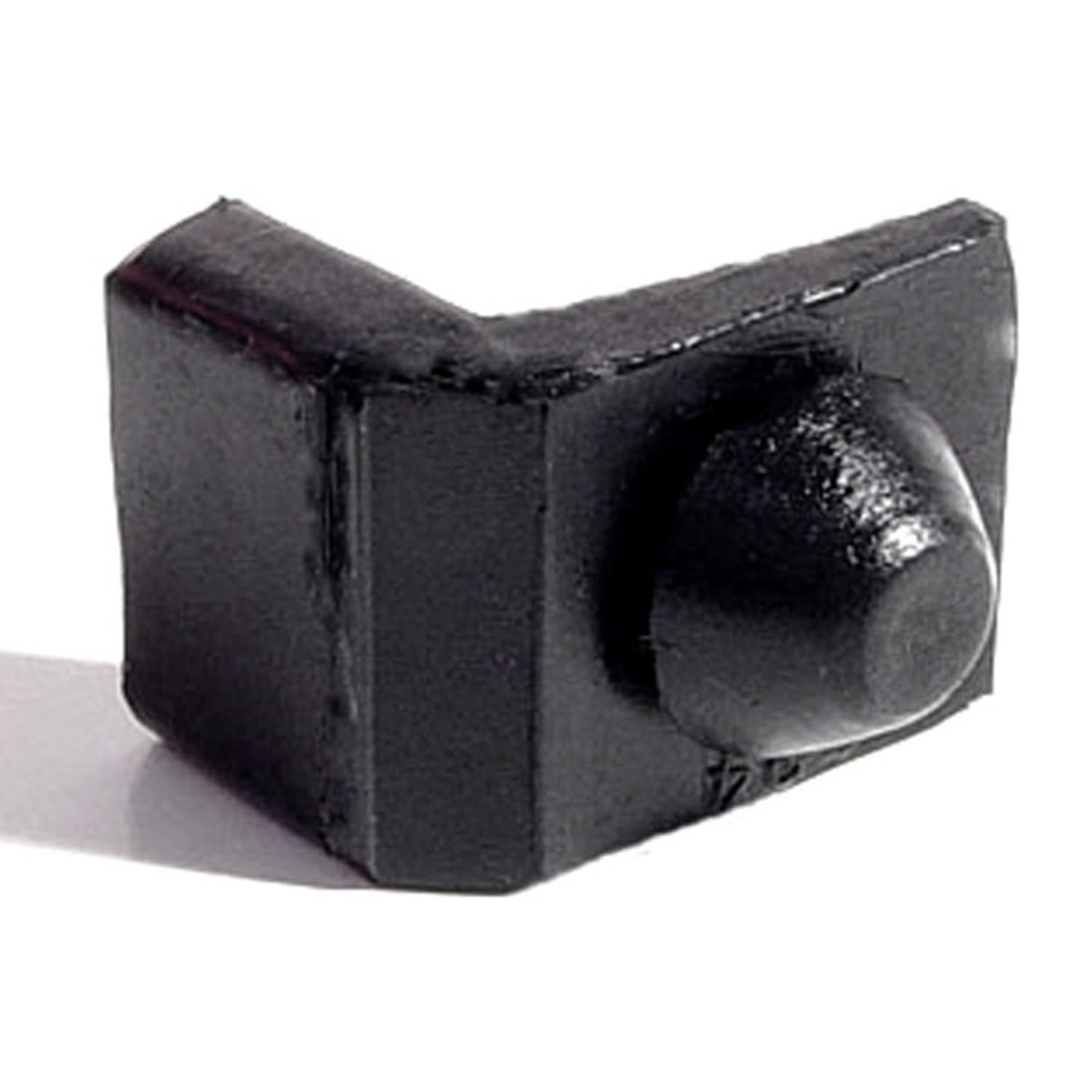 1969 Opel Opel Hood to Fender Bumper. Each-HF 54Hood to Fender Bumper. Each
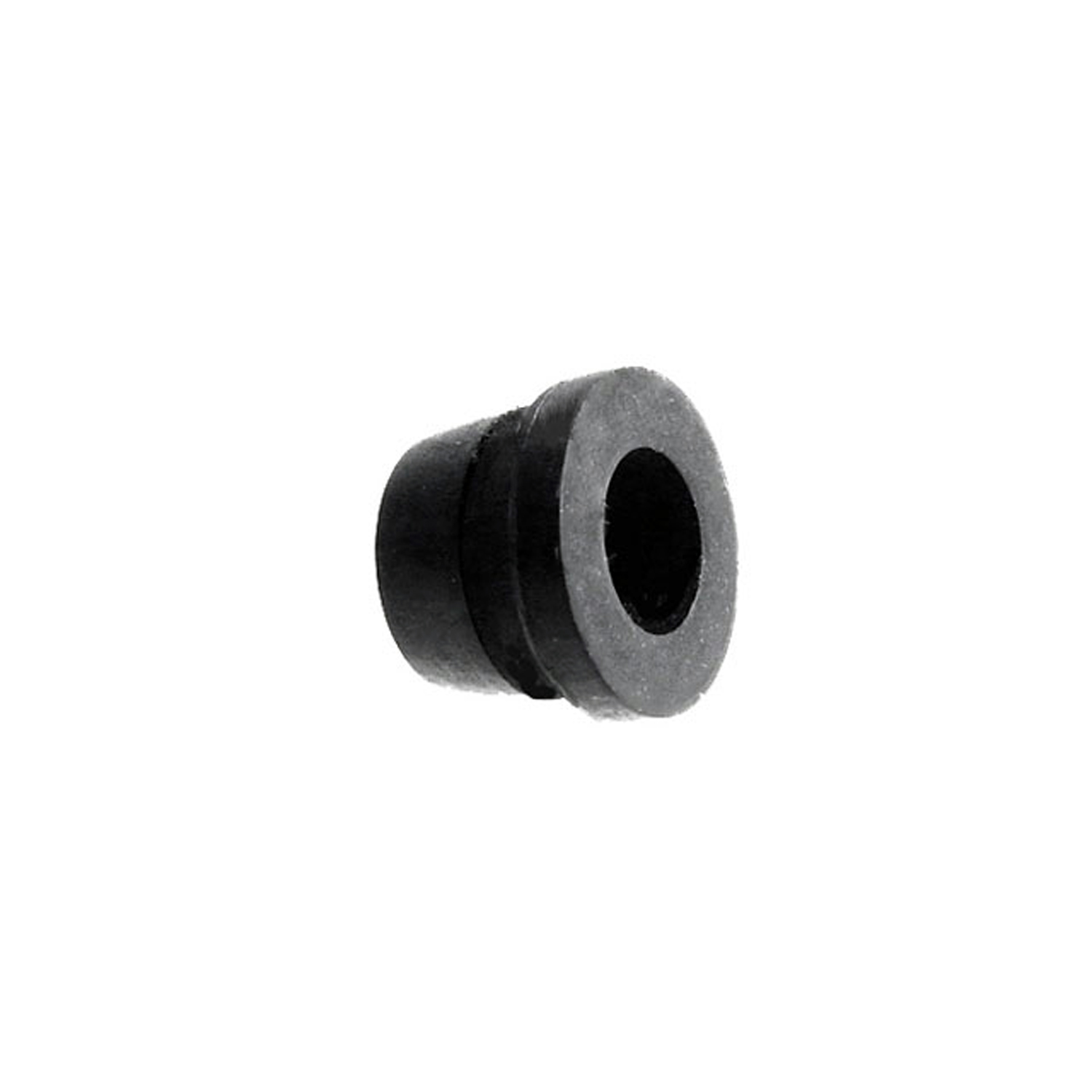 1969 Opel Opel Accelerator Rod Grommet. 5/16" I.D., 5/8" O.D., 7/16" High-SM 43-HAccelerator Rod Grommet. 5/16" I.D., 5/8" O.D., 7/16" High. Each
Why Choose Metro?
For over 100 years, Metro Moulded Parts has been the pinnacle of quality in classic car restoration parts. Our commitment to precision and authenticity in every component ensures a perfect fit and an OEM-level appearance.
- Expert Craftsmanship & Quality: Each part is a testament to our dedication to reliability and perfection, crafted from original designs and thoroughly tested.
- Advanced Technology: We use cutting-edge techniques to create flawless, long-lasting parts that surpass others in performance.
- SuperSoft Sponge – The Ultimate Door Seal: Not only are our door seals 30% softer than competitors', but they're also guaranteed to never leak. They effectively reduce wind and road noise, enhancing your classic car's comfort and driving experience.
- Proudly American: Our parts are a product of American craftsmanship, made in the USA with a spirit of excellence and heritage.
- Unrivaled Warranty: We back our products with a 30-year industry-leading warranty, a testament to our confidence in their quality.
Join us in preserving the legacy of classic cars with parts that are crafted for perfection, not just made.