

Image of 1921 Packard Single Six, Note: These illustrations use artistic license and may differ from actual historical models.
Performance Metrics
Fundamental Metrics
Emotional Appeal
MMP Rating
| Engine Specifications | |
|---|---|
| Engine: | Single Six |
| Displacement: | 241 cubic inches |
| Horsepower: | Estimated 52-54 HP |
| Torque: | Not available |
| Compression Ratio: | Not available |
| Ignition System: | Battery and coil |
| Cooling System: | Water-cooled |
| Performance Specifications | |
| 0-60 Time: | Not available |
| 1/4 Mile Time: | Not available |
| Top Speed: | 50-55 mph |
| Transmission and Drive | |
| Drive Type: | Rear-wheel drive |
| Transmission Type: | 3-speed manual |
| Fuel and Efficiency | |
| Fuel System Type: | Carburetor |
| MPG: | Not available |
| Dimensions and Brakes | |
| Brakes: | Mechanical drum brakes |
| Wheelbase: | 125 inches |
| Weight: | 3,400 lbs |
Note: Specifications for classic cars are given to the best of our ability, considering the limited and variant data available.
1921 Packard Single Six: A Smaller Packard with Big Ambitions
The 1921 Packard Single Six brought the celebrated American luxury marque within reach of buyers who wanted Packard refinement without the size and cost of its mighty twelve-cylinder cars. Built by the Packard Motor Car Company of Detroit, Michigan, it paired a smooth inline-six with formal styling, quality coachwork, and the sort of careful engineering that made the Packard name a byword for prestige.
Its arrival came during a difficult period for the American economy, just after the postwar boom gave way to the recession of 1920 and 1921. Packard’s answer was not a bargain car in the modern sense, but a more accessible model within its own high-end range. The name “Single Six” also made a useful distinction: Packard still offered the Twin Six, its remarkable V-12, so the six-cylinder car gave buyers a less costly route into the marque.
One intriguing detail is that the Single Six was not a short-lived experiment. Packard developed it through successive series and wheelbase options, refining the model over the next few years. It helped bridge the gap between the company’s celebrated Twin Six era and the Packard Eight that would soon become the marque’s signature powerplant.
Packard Styling, Inside and Out
The Single Six wore the dignified, upright proportions typical of a luxury car from the early 1920s. Its tall radiator, long hood, separate fenders, running boards, and large wire or wood-spoke wheels gave it a commanding presence without the excess ornamentation associated with some later classics. The Packard name on the radiator and body supplied much of the visual prestige. On open models, a folded canvas top and exposed passenger compartment added to the car’s formal, prewar character.
Inside, the experience depended on the body style, but Packard aimed for a substantial, well-finished cabin. Open cars could feature leather upholstery, while enclosed bodies commonly used cloth or broadcloth trim. Polished wood, carefully fitted door panels, and quality hardware helped distinguish the car from cheaper mass-market vehicles. Exact trim and equipment varied with the body, series, and buyer’s specifications, so surviving examples are not all identically appointed.
The Single Six was offered in a range of body styles over its production life, including touring cars, roadsters, coupes, and enclosed sedans. Touring models were especially representative of the era: they offered room for several passengers, a folding top, and the flexibility expected of a luxury automobile before closed bodies became the norm. Formal sedans and limousines suited owners who prioritized weather protection and chauffeur-driven comfort.
Packard buyers could choose from different paint and trim combinations, although availability varied by year and body. Dark, dignified shades such as black, blue, maroon, and green suited the car’s restrained image. Open cars might be finished in more distinctive colors, while enclosed cars often favored conservative tones. Individual coachwork and special-order finishes mean there was no single color combination that defines every 1921 Single Six.
Engineering for the Early 1920s
Power came from a 289-cubic-inch (about 4.7-liter) L-head inline-six. Period specifications commonly list output at roughly 52 horsepower, a respectable figure for a large luxury car of the time. The engine’s side-valve layout was conventional, but Packard’s reputation rested on careful construction, smooth operation, and dependable performance rather than headline-grabbing technology.
The car used a three-speed manual transmission to drive the rear wheels. Like many cars of its era, it combined a separate chassis, solid axles, and leaf springs. Its electrical system included a starter and lighting, features that made motoring more practical than the hand-cranked, lamp-lit experience of earlier automobiles. Braking and control systems were still very much of their period, requiring more anticipation and physical effort than a modern driver might expect.
Packard’s larger contribution was not one isolated invention on the Single Six. It was the way the company brought engineering discipline and high-quality manufacturing to a car positioned below its most expensive models. The result was a luxury automobile designed for regular use, not merely a showpiece.
Why the Single Six Mattered
The Single Six helped Packard respond to a changing luxury market. Buyers still valued prestige, but many wanted a car that was less costly to purchase and operate than a V-12. A six-cylinder model gave Packard a broader offering while keeping the marque’s focus on refinement and build quality.
It also illustrates an important transition in Packard history. The company had become famous for its Twin Six, but luxury buyers were increasingly drawn to powerful, smooth straight-eight engines. The Single Six occupied a practical middle ground during that shift. It was not as dramatic as the V-12, nor as influential in the long run as the Packard Eight, but it helped maintain the company’s presence across different price levels and customer needs.
Compared with ordinary cars of the day, the Single Six stood apart through its finish, scale, and reputation. Compared with the most expensive Packards, it was the more approachable choice. That balance is part of its appeal to collectors today: it offers genuine Packard craftsmanship without the cost or mechanical complexity of the flagship models.
Road Manners and Performance
Period performance figures are not as consistent as modern instrumented tests, and a 1921 car’s condition, gearing, body style, and passenger load make a substantial difference. A sound Single Six could likely reach approximately 55 to 65 mph, with lighter open cars at the more favorable end of that range. A modern-style 0-to-60 mph figure was not a standard factory measure. As a practical estimate, acceleration to 60 would be slow, likely taking well over 20 seconds, and some cars may struggle to reach that speed in ordinary conditions.
The six-cylinder engine is best understood as a smooth, steady powerplant rather than a sporting one. Acceleration builds gradually, and the driver uses the three-speed gearbox to keep the engine working comfortably. The engine’s sound is a measured mechanical rumble, accompanied by the wind, tire noise, and occasional chatter of a car built before modern sound insulation.
On rough roads, the substantial chassis and leaf-spring suspension provide a composed but firm ride by modern standards. The car’s weight helps it feel settled, though bumps can still travel through the body. On winding roads, its long wheelbase and period steering favor smooth, deliberate inputs over quick changes of direction. A driver needs to plan ahead, especially when braking, because stopping distances and steering effort are nothing like those of a contemporary vehicle.
Living with a 1921 Packard
Today, most Single Sixes are enjoyed as touring and show cars, used for local events, club gatherings, and occasional vintage drives. They are not typically chosen for daily commuting or high-speed touring. Their size, age, lack of modern safety equipment, and sensitivity to traffic make careful route planning essential.
Maintenance is manageable for an experienced vintage-car owner, but not quite a casual weekend task. Regular attention to lubrication, ignition, fuel delivery, cooling, brakes, and the electrical system is vital. Mechanical systems are comparatively straightforward, and many repairs can be handled by a skilled owner with the right tools and period knowledge. The challenge is often finding correct parts, understanding the car’s original specifications, and avoiding modern shortcuts that compromise reliability or authenticity.
Good preservation matters. A neglected car may need extensive work on its engine, wood framing, upholstery, or body structure, depending on its configuration. Before buying, inspect the chassis and body carefully, verify that major components are correct for the car, and seek advice from a Packard specialist. A well-maintained example can be rewarding, but a full restoration can quickly exceed the cost of a finished car.
Notable Details and Common Criticisms
The Single Six’s name is itself a bit of Packard trivia. “Single” distinguished its six-cylinder engine from the Twin Six’s V-12 configuration, rather than referring to a single-cylinder design. The car also represents a short but important chapter between Packard’s V-12 prominence and the company’s later straight-eight identity.
No widely recognized speed or endurance record defines the 1921 Single Six, and it is not chiefly remembered as a competition car. Its achievement was quieter: it offered buyers a substantial, carefully made Packard at a lower rung of the company’s range. Specific celebrity ownership claims are difficult to verify, so the car is better appreciated for its place in Packard’s product story than for a famous-owner association.
Common criticisms are predictable for a century-old automobile. The Single Six is slow by modern standards, demands frequent maintenance, and lacks modern conveniences and safety features. Its steering, brakes, and gearbox require patience and practice. For enthusiasts, those limitations are part of the experience, but they make the car unsuitable for drivers expecting modern traffic manners.
Collector Values and Availability
Exact production totals can be difficult to pin down across the Single Six’s different series and body styles. A reasonable working estimate is that roughly 10,000 to 12,000 Single Six cars were built across its production run from 1921 to 1923. That is a best estimate rather than a definitive count, and surviving examples are far fewer. Body style, originality, completeness, and documentation all affect how often a particular version appears on the market.
As a broad current-market guide, a project car may fall around $10,000 to $25,000, while a presentable driver or older restoration could bring roughly $25,000 to $50,000. A high-quality restoration or especially desirable body style may reach approximately $50,000 to $90,000 or more. These are general estimates, not guaranteed sale prices; exceptional cars and unusual coachwork can fall outside the range.
Values have generally been more selective than those of the most famous Packard flagships. Top-quality, well-documented cars remain attractive to marque enthusiasts, while incomplete projects can be expensive to restore relative to their eventual value. In recent years, the broader prewar-car market has favored excellent condition and usability over speculative buying, so a Single Six is best viewed as a passion purchase rather than a sure investment. Well-preserved examples are likely to hold interest, but appreciation depends heavily on the car’s quality and the collector market.
A Packard with Purpose
The 1921 Packard Single Six combined a substantial six-cylinder engine, formal early-1920s styling, and the careful craftsmanship expected of one of America’s premier luxury manufacturers. It was less extravagant than a Twin Six and less historically dominant than the later Packard Eight, but it played a meaningful role in broadening Packard’s appeal during a period of economic and technological change.
For today’s enthusiast, its reward is not speed or convenience. It is the chance to experience a beautifully engineered piece of motoring history at an unhurried pace. The Single Six may be the quieter Packard, but its place in the company’s story is anything but small.
1921 Packard Single Six Catalog of Parts
 1921 Packard Single Six Gas Filler Grommet. 2-1/2" I.D., 4-1/8" O.D. Each-GF 12Gas Filler Grommet. 2-1/2" I.D., 4-1/8" O.D. Each
 1921 Packard Single Six Hood Corners. 1-3/4" to 2" corner radius-HC 14Hood Corners. 1-3/4" to 2" corner radius. Pad is 3-3/8" long. Pair
 1921 Packard Single Six Swing-Out Lower Windshield Seal. Sold by the foot-LP 108Swing-Out Lower Windshield Seal. Sold by the foot
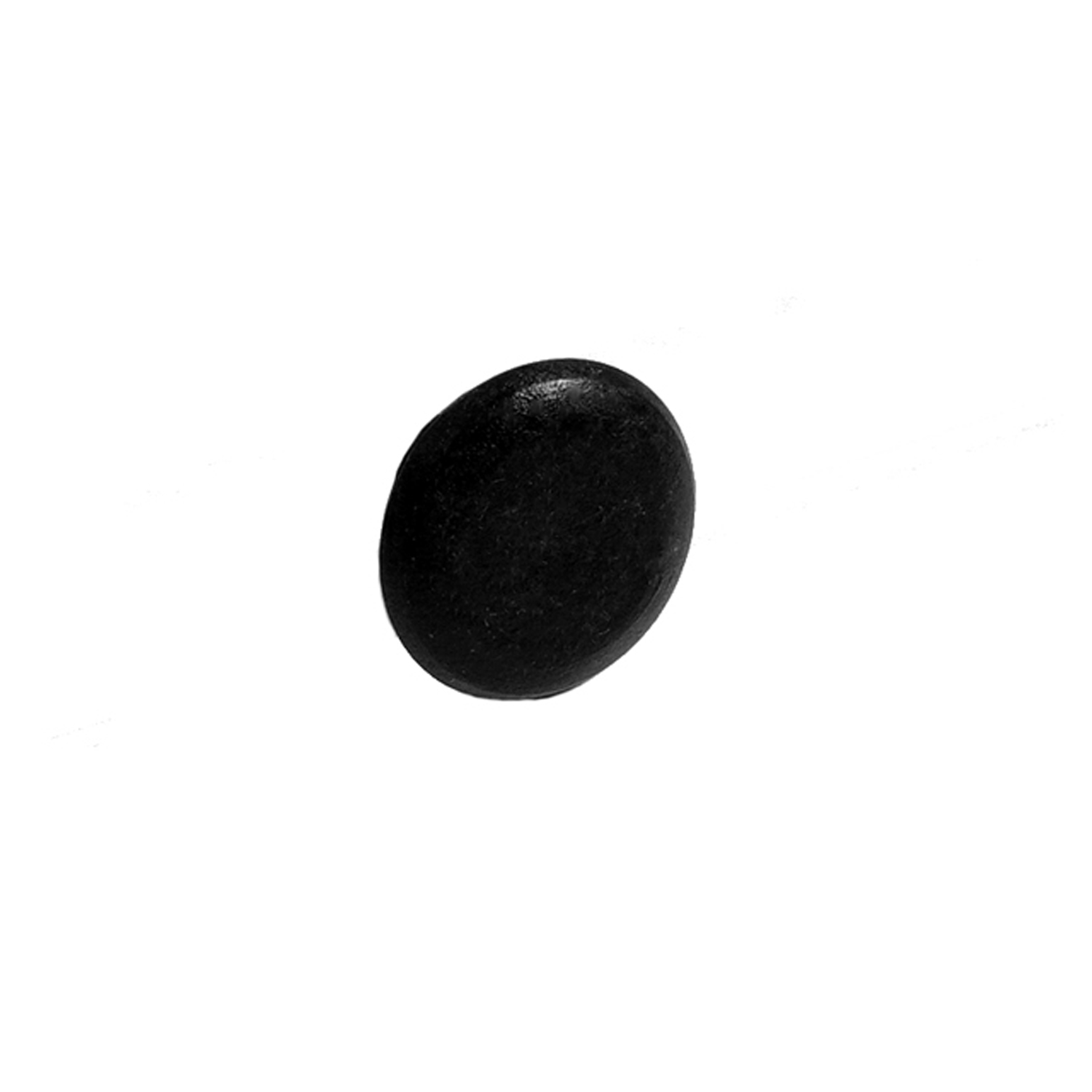 1921 Packard Single Six Trunk Bumper. 3/4" O.D., 5/8" I.D. Each-SB 74Trunk Bumper. 3/4" O.D., 5/8" I.D. Each
Why Choose Metro?
For over 100 years, Metro Moulded Parts has been the pinnacle of quality in classic car restoration parts. Our commitment to precision and authenticity in every component ensures a perfect fit and an OEM-level appearance.
- Expert Craftsmanship & Quality: Each part is a testament to our dedication to reliability and perfection, crafted from original designs and thoroughly tested.
- Advanced Technology: We use cutting-edge techniques to create flawless, long-lasting parts that surpass others in performance.
- SuperSoft Sponge – The Ultimate Door Seal: Not only are our door seals 30% softer than competitors', but they're also guaranteed to never leak. They effectively reduce wind and road noise, enhancing your classic car's comfort and driving experience.
- Proudly American: Our parts are a product of American craftsmanship, made in the USA with a spirit of excellence and heritage.
- Unrivaled Warranty: We back our products with a 30-year industry-leading warranty, a testament to our confidence in their quality.
Join us in preserving the legacy of classic cars with parts that are crafted for perfection, not just made.