

Image of 1924 Packard Single Eight, Note: These illustrations use artistic license and may differ from actual historical models.
Performance Metrics
Fundamental Metrics
Emotional Appeal
MMP Rating
| Engine Specifications | |
|---|---|
| Engine Options: | Single Eight |
| Displacement Range: | 357.8 cubic inches |
| Horsepower Range: | Estimated 85-90 HP |
| Torque: | Not available |
| Compression Ratio: | Not available |
| Ignition System: | Battery and coil |
| Cooling System: | Water-cooled |
| Performance Specifications | |
| 0-60 Time: | Not available |
| 1/4 Mile Time: | Not available |
| Top Speed: | 70 mph |
| Transmission and Drive | |
| Drive Type: | Rear-wheel drive |
| Transmission Type: | 3-speed manual |
| Fuel and Efficiency | |
| Fuel System Type: | Carburetor |
| MPG: | Not available |
| Dimensions and Brakes | |
| Brakes: | Mechanical drum brakes |
| Wheelbase: | 136 inches |
| Weight: | Estimated 3,400-3,600 lbs |
Note: Specifications for classic cars are given to the best of our ability, considering the limited and variant data available.
1924 Packard Single Eight: The Luxury Car That Found Its Rhythm
The 1924 Packard Single Eight brought a new kind of smoothness to the American luxury car: a long, beautifully finished automobile powered by Packard’s first production straight-eight engine. Built by the Packard Motor Car Company of Detroit, Michigan, it marked an important shift for a manufacturer already known for refinement and engineering. Its eight-cylinder engine was not just a bigger number on a sales brochure. It gave the car a notably even, quiet power delivery that became part of Packard’s identity.
The Single Eight arrived as buyers were embracing closed cars, electric conveniences, and increasingly capable engines. A particularly intriguing detail is that this first Packard eight was called the “Single Eight” to distinguish it from the company’s six-cylinder models, not because it was a basic or stripped-down car. It was a full-size luxury automobile, built for people who expected comfort, quality, and a composed arrival.
Packard Styling and Craftsmanship
The Single Eight wore the upright, formal proportions typical of a high-end car of the 1920s. A tall radiator shell, long hood, sweeping front fenders, and large spoked wheels gave it an imposing stance. Brass had largely given way to bright nickel or chrome-plated details, while lamps, running boards, and carefully shaped bodywork added to its substantial, hand-finished appearance. The result was elegant rather than flashy: a car that announced its quality through scale and detail.
Inside, the experience depended on the body style and coachwork, but Packard’s standard was unmistakably luxurious. Owners could expect broad seats, quality upholstery, polished wood trim on many closed bodies, and carefully finished metal fittings. Leather was common in open cars, while closed sedans and limousines could use fine cloth or other tailored upholstery. Rear-seat comfort was a priority in chauffeur-oriented bodies, with generous legroom and, in some versions, amenities such as folding seats or privacy features.
Factory colors and trim combinations varied by body and order. Dark colors such as black, deep blue, and maroon suited the car’s formal character, while two-tone combinations could emphasize the body lines. Exact paint choices were not identical across every body style or coachbuilder, so a restored car’s color should ideally be checked against its original build information rather than assumed from a modern paint chart.
Packard offered the Single Eight in a range of open and closed body styles. Touring cars and roadsters gave the car a more sporting appearance, while sedans, limousines, coupes, and town-car-style bodies emphasized privacy and passenger comfort. Long-wheelbase chassis could be fitted with especially formal custom coachwork. The most iconic choice is arguably the large closed sedan or limousine, a natural match for the Single Eight’s quiet power and stately proportions. Open touring models, however, are often the most visually dramatic today.
Engineering That Made Eight Cylinders Matter
At the heart of the 1924 Single Eight was a Packard-built L-head, or side-valve, inline-eight engine of approximately 358 cubic inches. Period specifications are commonly given at about 85 horsepower. Power went to the rear wheels through a conventional manual transmission, generally a three-speed unit. The engine’s long crankshaft and eight-cylinder layout helped it deliver power with less vibration than many four- and six-cylinder cars of the day.
The Single Eight did not invent the straight-eight engine, but it helped establish the configuration as a hallmark of American prestige motoring. Its smoothness made a practical difference: less engine roughness meant a quieter cabin and a more relaxed ride at touring speeds. Packard paired that refinement with substantial chassis engineering and four-wheel mechanical brakes, an important safety feature for a large, heavy car. These were mechanical brakes, not modern hydraulic systems, and they require careful adjustment to work evenly.
What set the Packard apart from many contemporaries was the way its engineering and finish worked together. It was not simply powerful for its era. It delivered power in a smooth, controlled manner, and it did so in a car whose interior, bodywork, and road manners were designed around the expectations of a well-to-do owner. The Single Eight helped reinforce Packard’s reputation for quiet, carefully engineered luxury, a reputation the marque would build on for decades.
Performance on 1920s Roads
Period performance figures are not as consistent as modern factory test data, and body weight, gearing, tire condition, and tune all make a difference. A sound 1924 Single Eight can be expected to reach roughly 70 to 80 mph under favorable conditions. A 0-to-60-mph time in the neighborhood of 25 to 35 seconds is a reasonable modern estimate, not a guaranteed factory figure. Its strengths were smooth cruising and steady pulling power, not quick acceleration by present-day standards.
On a paved road, the Single Eight feels substantial and composed. Its long wheelbase helps it glide over modest bumps, while the large tires and heavy chassis soften the ride compared with smaller cars of the period. On rough roads, though, its age becomes apparent. There is no modern suspension control, and sharp ruts can produce body movement and steering kickback. The tall profile and narrow tires also call for a measured approach on windy roads. It rewards anticipation and smooth inputs rather than fast cornering.
Behind the wheel, the engine’s character is a major part of the appeal. It produces a deep, even mechanical note rather than a sharp, high-revving sound. The driver shifts a manual gearbox, manages a large steering wheel, and relies on substantial physical controls. Steering and braking effort can be considerable by modern standards, especially at low speeds. A well-sorted example is nevertheless remarkably smooth for a century-old car, and its relaxed pace encourages the driver to enjoy the road rather than hurry through it.
Owning and Maintaining a Single Eight
Today, the 1924 Packard Single Eight is mainly a show car, touring car, or collector vehicle. Carefully prepared examples can participate in vintage-car tours and club events, but regular modern commuting is generally impractical. The car is large, slow to stop by contemporary standards, and vulnerable to traffic moving at highway speeds. Its natural environment is a scenic route, a concours field, or a well-organized vintage rally.
Maintenance is manageable for an experienced vintage-car owner, but it is not a casual weekend project for everyone. The engine needs regular attention to ignition, fuel delivery, lubrication, cooling, and valve adjustment. Mechanical brakes must be inspected and balanced, and old wiring, hoses, tires, and fuel-system components deserve close scrutiny. Parts support for Packards is generally better than for many obscure makes, thanks to active clubs and specialist suppliers, but certain body, trim, and coachwork pieces can be difficult or expensive to source.
Reliability depends heavily on restoration quality and ongoing care. A properly rebuilt engine and carefully maintained chassis can tour reliably at appropriate speeds. A neglected car may require extensive work before it is safe to drive. For an average owner, routine checks are approachable, but major engine, brake, or coachwork repairs are best handled by a mechanic familiar with prewar Packards.
Packard Single Eight Facts and Myths
The Single Eight is significant as Packard’s first production straight-eight model, but it was not a dedicated race car and is not known for a headline speed record. Its achievement was a different one: bringing smooth eight-cylinder performance into Packard’s luxury lineup and helping make that configuration a defining feature of prestige cars.
There is no single production total that can be confidently applied to every 1924 Single Eight body and chassis variation without consulting factory records. A useful broad estimate is several thousand cars, perhaps around 3,000 to 5,000 for the initial model-year run, though this should be treated as an informed estimate rather than a definitive factory count. Surviving cars are far less common than the estimate might suggest, particularly when looking for an intact example with original coachwork.
One frequent criticism is the car’s size and weight. Those qualities make it feel dignified and stable at a steady pace, but they also mean it is not nimble in tight spaces and takes effort to maneuver. Another is the upkeep: age, specialist parts, and elaborate bodywork can make ownership costly. Its mechanical brakes also demand more attention and longer stopping distances than modern systems.
1924 Packard Single Eight Values
Values vary considerably with body style, originality, restoration quality, and provenance. As a broad current-market guide, a project or incomplete car might fall around $20,000 to $45,000. A presentable driver or older restoration may bring roughly $45,000 to $90,000. A high-quality restoration, desirable open body, or especially elegant custom-bodied example could range from about $90,000 to $175,000 or more. Exceptional cars with rare coachwork and strong documentation can exceed that range, while cars needing major work can sell for less.
The Single Eight is scarce in the modern market, but prices do not rise automatically with age or rarity. Values have generally been supported by Packard’s name and the appeal of early eight-cylinder luxury, while the cost of restoration and a smaller pool of buyers can temper demand. Top examples remain attractive to collectors, but condition and documentation matter far more than a seller’s claim that a particular body style is rare. Prospective buyers should budget for mechanical inspection and confirm that major components and coachwork are correct for the car.
Why the Single Eight Still Matters
The 1924 Packard Single Eight combined a new level of engine smoothness with the craftsmanship and road presence expected of a premium American car. Its straight-eight powerplant, broad range of body styles, and attention to passenger comfort helped shape Packard’s reputation for refined engineering. It is not quick or effortless by modern standards, and keeping one in top condition takes commitment. But on a quiet road, with its engine humming evenly beneath that long hood, the Single Eight makes a compelling case for why Packard became one of America’s great luxury marques.
1924 Packard Single Eight Catalog of Parts
 1924 Packard Single Eight Gas Filler Grommet. 2-1/2" I.D., 4-1/8" O.D. Each-GF 12Gas Filler Grommet. 2-1/2" I.D., 4-1/8" O.D. Each
 1924 Packard Single Eight Hood Corners. 1-3/4" to 2" corner radius-HC 14Hood Corners. 1-3/4" to 2" corner radius. Pad is 3-3/8" long. Pair
 1924 Packard Single Eight Swing-Out Lower Windshield Seal. Sold by the foot-LP 108Swing-Out Lower Windshield Seal. Sold by the foot
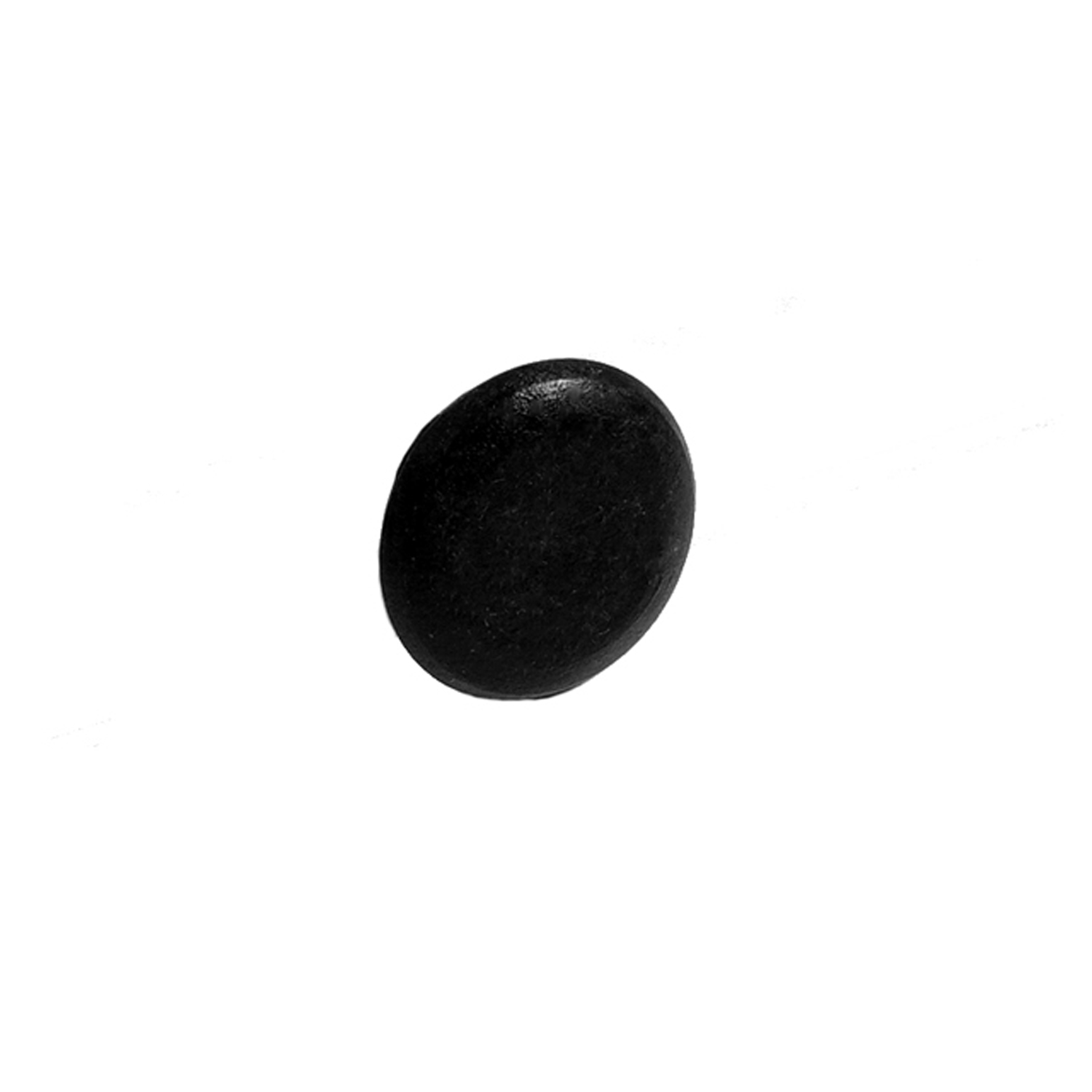 1924 Packard Single Eight Trunk Bumper. 3/4" O.D., 5/8" I.D. Each-SB 74Trunk Bumper. 3/4" O.D., 5/8" I.D. Each
Why Choose Metro?
For over 100 years, Metro Moulded Parts has been the pinnacle of quality in classic car restoration parts. Our commitment to precision and authenticity in every component ensures a perfect fit and an OEM-level appearance.
- Expert Craftsmanship & Quality: Each part is a testament to our dedication to reliability and perfection, crafted from original designs and thoroughly tested.
- Advanced Technology: We use cutting-edge techniques to create flawless, long-lasting parts that surpass others in performance.
- SuperSoft Sponge – The Ultimate Door Seal: Not only are our door seals 30% softer than competitors', but they're also guaranteed to never leak. They effectively reduce wind and road noise, enhancing your classic car's comfort and driving experience.
- Proudly American: Our parts are a product of American craftsmanship, made in the USA with a spirit of excellence and heritage.
- Unrivaled Warranty: We back our products with a 30-year industry-leading warranty, a testament to our confidence in their quality.
Join us in preserving the legacy of classic cars with parts that are crafted for perfection, not just made.