

Image of 1927 Packard Single Eight, Note: These illustrations use artistic license and may differ from actual historical models.
Performance Metrics
Fundamental Metrics
Emotional Appeal
MMP Rating
| Engine Specifications | |
|---|---|
| Engine: | Straight-8 |
| Displacement: | 385 cubic inches |
| Horsepower: | Estimated 109 HP |
| Torque: | Not available |
| Compression Ratio: | Not available |
| Ignition System: | Battery and coil |
| Cooling System: | Water-cooled |
| Performance Specifications | |
| 0-60 Time: | Not available |
| 1/4 Mile Time: | Not available |
| Top Speed: | 60 mph |
| Transmission and Drive | |
| Drive Type: | Rear-wheel drive |
| Transmission Type: | 3-speed manual |
| Fuel and Efficiency | |
| Fuel System Type: | Carburetor |
| MPG: | Not available |
| Dimensions and Brakes | |
| Brakes: | Mechanical drum brakes |
| Wheelbase: | 143 inches |
| Weight: | Estimated 4,500 lbs |
Note: Specifications for classic cars are given to the best of our ability, considering the limited and variant data available.
1927 Packard Single Eight: A Thoroughbred from Detroit
The 1927 Packard Single Eight was built for people who wanted more than transportation: it was a substantial, beautifully finished luxury car with the smoothness and authority of a straight-eight engine. Made by Packard Motor Car Company in Detroit, it carried forward a model line that had helped establish the eight-cylinder engine as a serious choice for American luxury buyers.
Packard began as the Ohio Automobile Company in 1899 and adopted the Packard name in 1902. By the late 1920s, its cars had earned a reputation for precision engineering and meticulous workmanship. The Single Eight’s name distinguished it from Packard’s earlier Twin Six, which used a V-12 engine. Its eight-cylinder formula offered impressive smoothness with a more straightforward mechanical layout.
One engaging detail is that the Single Eight was not just a trim level or a single body style. Buyers could choose from different chassis and coachwork combinations, so two 1927 examples might look and feel quite different. The long, formal sedan that many people picture is only one part of the story.
Long Lines and Hand-Finished Luxury
The Single Eight had the imposing proportions expected of a high-end car of its era. Its long hood announced the engine beneath it, while a tall radiator, upright windshield, sweeping fenders, and large wire or disc wheels gave the car a dignified, deliberate stance. Details such as bright metal trim, running boards, and a rear-mounted spare completed a look that was elegant rather than flashy.
Inside, the experience depended on the chosen body and upholstery, but Packard’s emphasis was on quality. Owners could expect carefully fitted trim, substantial seats, polished hardware, and upholstery in materials such as leather or fine cloth. Closed cars offered a quieter, more sheltered cabin; open touring bodies put passengers closer to the road and weather. The finish and craftsmanship helped distinguish a Packard from a merely large automobile.
Equipment varied with body style and specification. The Single Eight used a conventional manual transmission and mechanical controls, but its engineering and attention to detail were advanced for its time. Four-wheel mechanical brakes, found on Packards of this period, were an important safety feature compared with cars that relied on braking at fewer wheels. Lighting and electrical equipment also reflected the growing expectations of luxury-car buyers.
Factory and coachbuilder choices meant color combinations could vary. Dark blue, maroon, green, and black were popular period-appropriate choices, sometimes paired with contrasting trim. Exact palettes depended on the body and order, so a single definitive list does not describe every 1927 Packard. Body styles included open roadsters and touring cars as well as closed sedans, coupes, and limousine-style bodies. The formal sedan is among the most recognizable today, while open touring models have a particularly theatrical presence.
The Straight-Eight Difference
The Single Eight’s central innovation was its engine concept. Packard’s large inline eight delivered power in a smooth, continuous flow, avoiding much of the vibration associated with smaller or less refined engines. In an era when many cars still used four- or six-cylinder engines, a straight eight gave the Packard a distinctive combination of quietness, flexibility, and prestige.
That smooth power suited the car’s purpose. The Single Eight was not designed as a lightweight sports car; it was designed to carry passengers in comfort at sustained road speeds. Its engineering helped reinforce the idea that a luxury car should feel effortless, with enough reserve power for hills and highway travel. Packard’s reputation for careful manufacturing and dependable performance also influenced what buyers expected from premium American automobiles.
What set the Packard apart from many contemporaries was the complete package: a refined engine, substantial chassis, broad body choices, and a high standard of finish. The Single Eight did not invent the luxury automobile, but it helped define the American version of one. Its influence is visible in the enduring appeal of smooth, powerful multi-cylinder engines and in the period’s emphasis on matching fine coachwork with sophisticated mechanicals.
Road Manners and Performance
Published performance figures for cars of this age are not always consistent, and results vary with body weight, gearing, condition, and tuning. A 1927 Single Eight is commonly described as having a top speed in the neighborhood of 70 to 75 mph. A period-style estimate for 0 to 60 mph is roughly 25 to 30 seconds, though that should be treated as an approximation rather than a modern standardized test result. The car’s real strength was relaxed, steady travel, not quick acceleration.
On a smooth road, the long wheelbase and substantial chassis give the Packard a composed, dignified feel. Rough pavement brings the limits of vintage suspension design into view: large bumps can move the body, and the driver must allow time for the car’s mass to settle. On winding roads, careful steering and measured cornering are more appropriate than quick inputs. Its size and period tires reward anticipation.
Behind the wheel, the straight eight is best appreciated as a smooth, low-pitched mechanical presence. Rather than a sharp modern engine note, it produces a restrained hum that rises with engine speed. The driver works a manual gearbox and manages the car’s momentum with deliberate inputs. There is no power steering or modern brake assistance, so low-speed maneuvering and stopping require more effort than in a contemporary car. The payoff is a vivid connection to the machinery and the road.
Living with a 1927 Packard
Today, most Single Eights are used as show cars, touring cars, or prized additions to collections rather than everyday transportation. Carefully maintained examples can participate in vintage-car events and gentle road tours, but their age makes regular modern traffic a demanding environment. They are large, conspicuous cars, and their braking distances, lighting, and handling differ greatly from those of current vehicles.
Maintenance is manageable for an experienced vintage-car owner, but it is not a casual do-it-yourself project for everyone. Routine work includes attention to ignition, carburetion, lubrication, cooling, brakes, tires, and the condition of the electrical system. Parts and specialist knowledge are available through marque clubs and vintage-car suppliers, although some components and body repairs can be costly. The car’s mechanical systems are understandable to a competent mechanic, but its age and hand-built details call for patience and the right expertise.
Reliability depends heavily on restoration quality and upkeep. A well-sorted Packard can tour reliably at sensible speeds, while a neglected example may need extensive recommissioning before it is safe to drive. Owners should also remember that original components and finishes are part of the car’s value. Repairs that preserve those details are usually preferable to quick modern modifications.
Packard Facts Worth Knowing
The Single Eight name reflected Packard’s shift from its earlier Twin Six configuration to a straight-eight layout. It was a notable change in the company’s engineering direction, not simply a new badge. Packard’s name itself became shorthand for American luxury, and the marque supplied cars to wealthy owners and institutions, though a particular 1927 Single Eight is not automatically connected to any famous person or event.
There is no widely recognized speed or endurance record specific to the 1927 Single Eight. Its achievement was more practical: delivering smooth, capable touring performance in a well-appointed car. It was not a purpose-built racing machine, and its size and weight were better suited to comfortable distance travel than competition.
One common criticism is that the Single Eight can feel cumbersome by modern standards. It is large, requires more physical effort to steer and brake, and needs a driver who respects its age. Another consideration is that restoration costs can exceed expectations, especially when bodywork, upholstery, or scarce trim needs attention. Those drawbacks are part of the ownership reality, not a verdict on the car’s engineering.
Collector Values and Rarity
Exact production figures can be difficult to pin down across model designations and body styles. As a practical estimate, several thousand 1927 Single Eights were likely built, perhaps in the region of 6,000 to 8,000. That is a broad estimate rather than a confirmed count, and the number of surviving examples is much smaller. Body style, originality, documented history, and restoration quality all affect availability and value.
As a broad 2026 market guide, a project car may sell for around $20,000 to $40,000, while a sound, usable example could fall in the $40,000 to $100,000 range. A high-quality restoration, especially in a desirable or rare body style, may reach roughly $100,000 to $200,000 or more. These are estimated ranges, not appraisals: exceptional cars can exceed them, while incomplete or poorly restored cars can sell for less.
Values for prewar luxury cars tend to move unevenly. Excellent, well-documented examples remain attractive to collectors, but restoration expenses and changing tastes can limit gains for average cars. The strongest prospects are usually cars with authentic specifications, quality workmanship, and a desirable body style. Buyers should compare recent sales of similar examples and have the car inspected by someone familiar with Packards before making an offer.
Why the 1927 Single Eight Still Matters
The 1927 Packard Single Eight combined a smooth straight-eight engine, confident proportions, and carefully finished coachwork in a car built for comfortable travel. It was technologically ambitious for its era, yet its appeal was never only about specifications. The feeling of its engine, the scale of its cabin, and the presence of its long, formal body are all part of the experience.
For collectors, it is a substantial piece of Packard history and a reminder of when American luxury meant engineering refinement as much as visual grandeur. Drive one at its own pace and the reason for its reputation becomes clear: the Single Eight does not hurry to impress. It simply makes every mile feel important.
1927 Packard Single Eight Catalog of Parts
 1927 Packard Single Eight Gas Filler Grommet. 2-1/2" I.D., 4-1/8" O.D. Each-GF 12Gas Filler Grommet. 2-1/2" I.D., 4-1/8" O.D. Each
 1927 Packard Single Eight Hood Corners. 1-3/4" to 2" corner radius-HC 14Hood Corners. 1-3/4" to 2" corner radius. Pad is 3-3/8" long. Pair
 1927 Packard Single Eight Swing-Out Lower Windshield Seal. Sold by the foot-LP 108Swing-Out Lower Windshield Seal. Sold by the foot
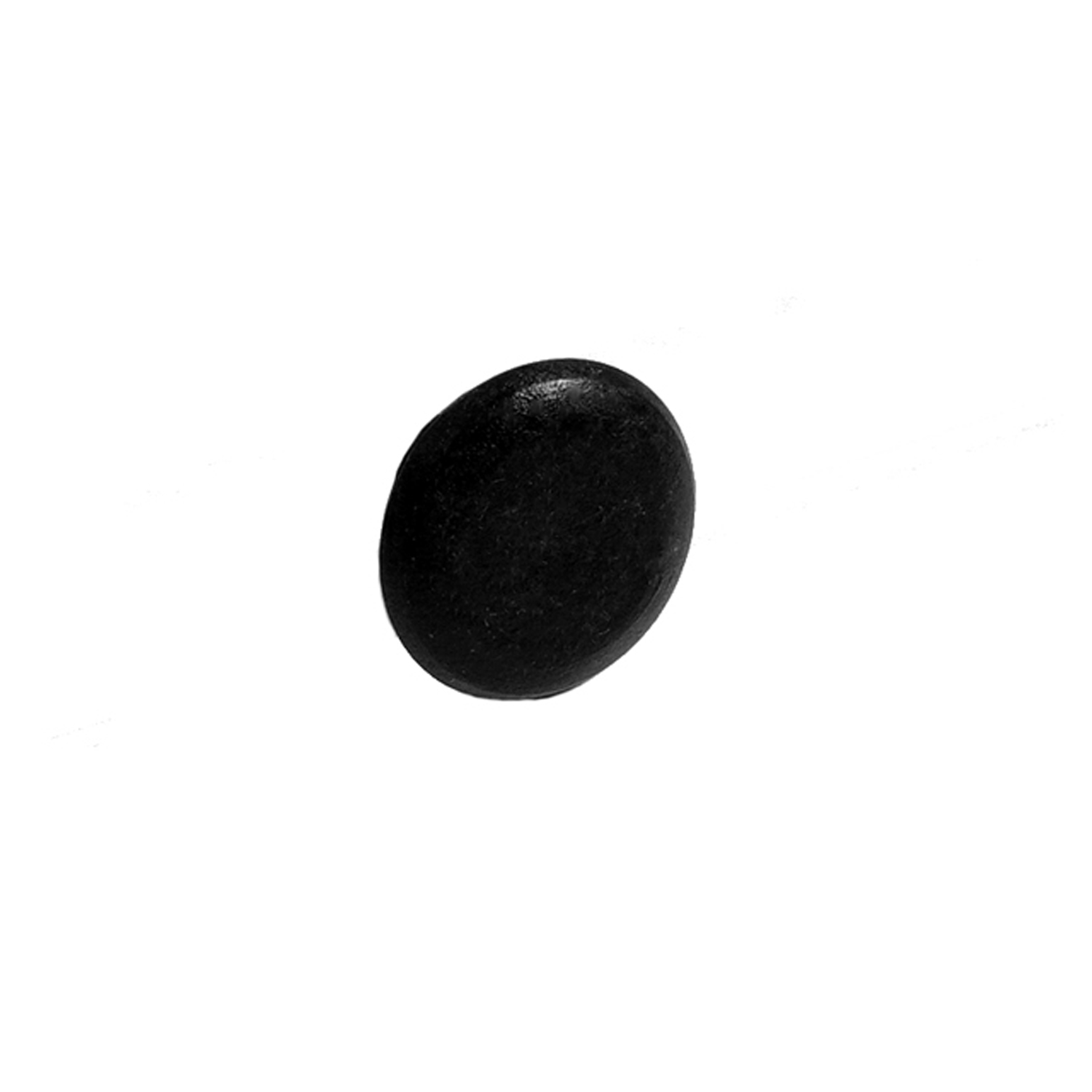 1927 Packard Single Eight Trunk Bumper. 3/4" O.D., 5/8" I.D. Each-SB 74Trunk Bumper. 3/4" O.D., 5/8" I.D. Each
Why Choose Metro?
For over 100 years, Metro Moulded Parts has been the pinnacle of quality in classic car restoration parts. Our commitment to precision and authenticity in every component ensures a perfect fit and an OEM-level appearance.
- Expert Craftsmanship & Quality: Each part is a testament to our dedication to reliability and perfection, crafted from original designs and thoroughly tested.
- Advanced Technology: We use cutting-edge techniques to create flawless, long-lasting parts that surpass others in performance.
- SuperSoft Sponge – The Ultimate Door Seal: Not only are our door seals 30% softer than competitors', but they're also guaranteed to never leak. They effectively reduce wind and road noise, enhancing your classic car's comfort and driving experience.
- Proudly American: Our parts are a product of American craftsmanship, made in the USA with a spirit of excellence and heritage.
- Unrivaled Warranty: We back our products with a 30-year industry-leading warranty, a testament to our confidence in their quality.
Join us in preserving the legacy of classic cars with parts that are crafted for perfection, not just made.