

Image of 1928 Packard Single Six, Note: These illustrations use artistic license and may differ from actual historical models.
Performance Metrics
Fundamental Metrics
Emotional Appeal
MMP Rating
| Engine Specifications | |
|---|---|
| Engine: | L-head inline 6 |
| Displacement: | 4.7L |
| Horsepower: | Estimated 80-90 HP |
| Torque: | Information not available |
| Compression Ratio: | Information not available |
| Ignition System: | Battery and coil |
| Cooling System: | Water-cooled |
| Performance Specifications | |
| 0-60 Time: | Information not available |
| 1/4 Mile Time: | Information not available |
| Top Speed: | 70 mph |
| Transmission and Drive | |
| Drive Type: | Rear-wheel drive |
| Transmission Type: | 3-speed manual |
| Fuel and Efficiency | |
| Fuel System Type: | Carburetor |
| MPG: | Information not available |
| Dimensions and Brakes | |
| Brakes: | Mechanical drum brakes |
| Wheelbase: | 130 inches |
| Weight: | 3,400 lbs |
Note: Specifications for classic cars are given to the best of our ability, considering the limited and variant data available.
1928 Packard Single Six: A Luxury Six With a Story
The 1928 Packard Single Six brought the marque’s careful engineering and formal style to buyers who wanted a Packard without stepping up to one of its larger, more expensive eight-cylinder cars. Built by the Packard Motor Car Company of Detroit, it belonged to the Sixth Series of Packard automobiles. The name “Single Six” is widely used by collectors, although Packard’s contemporary sales language increasingly referred to the car simply as the Packard Six.
Packard had earned a reputation for prestige with powerful, beautifully finished automobiles. The six-cylinder model gave the company a way to reach a broader luxury market while retaining the quality and dignity associated with its name. A notable part of its story is that the Single Six was not merely a temporary economy model. It remained in the Packard lineup through most of the 1920s, helping establish the six-cylinder Packard as a genuine alternative to the company’s more costly straight eights.
Packard Six Styling and Coachbuilt Bodies
The 1928 Packard’s design was upright and formal, with proportions that emphasized solidity over speed. Its tall radiator shell, prominent Packard grille, long hood, and carefully arranged hood louvers gave it the unmistakable profile of a late-1920s luxury car. Large headlamps sat beside the radiator, while sweeping fenders and running boards connected the front and rear of the body into one graceful line. Depending on the body and equipment, bright metal trim and wire wheels added extra polish.
Packard offered the Six in multiple body styles, including touring cars, roadsters, coupes, sedans, and larger closed-body options. Availability varied by model and production period, and some bodies came from outside coachbuilders. The five-passenger sedan was a particularly practical and popular choice, balancing enclosed comfort with Packard’s formal appearance. Open touring cars and roadsters had a more sporting character, while coupes offered a compact, stylish option for fewer passengers.
Paint choices depended on body style and ordering options. Dark shades such as black, deep blue, and maroon suited the car’s dignified look, while contrasting fenders or body accents could make an individual example more distinctive. Original colors are not always easy to confirm today, since many cars have been repainted during restoration.
Interior Craftsmanship and Period Features
Inside, the Packard favored traditional materials and a restrained, carefully finished appearance. Closed cars could be trimmed in quality cloth or broadcloth, while open models often used leather upholstery. Wood trim, polished metal fittings, a large steering wheel, and clear, prominently arranged instruments gave the cabin a purposeful yet upscale feel. Exact trim varied with body style and buyer specification.
By modern standards, the equipment was straightforward. The driver operated a conventional three-speed manual gearbox, with rear-wheel drive and a clutch that demanded more attention than a modern transmission. The car’s six-cylinder engine used an L-head, or side-valve, layout, a proven design of the period. Four-wheel mechanical brakes were an important part of its driving equipment, but they required more anticipation and physical effort than modern power-assisted brakes.
Historical Significance of the Single Six
The Single Six’s importance lies less in a single breakthrough than in the way it broadened Packard’s appeal. In an era when many luxury manufacturers concentrated on large, costly cars, Packard offered a six-cylinder model that kept the company’s emphasis on finish and engineering while asking less of the buyer’s budget. It helped make the Packard name attainable to more customers without turning the car into a mass-market product.
Packard’s reputation was built on consistency, workmanship, and customer confidence. The company’s famous slogan, “Ask the Man Who Owns One,” captured that strategy: owners and their experiences were part of the brand’s appeal. The Single Six carried that identity into a smaller, more accessible package. It did not introduce a technology that transformed the industry, but it demonstrated how a respected luxury maker could offer a less expensive model without abandoning its standards.
Engine, Speed, and Road Manners
The 1928 Packard Six used a 288.6-cubic-inch L-head inline-six, rated at about 60 horsepower. Exact specifications can vary by reference and configuration, but the engine’s priority was smooth, steady power rather than high-revving performance. A three-speed manual transmission sent power to the rear wheels.
Period performance figures are not as standardized as modern tests, and results depend heavily on body style, condition, gearing, and road surface. A sound example might reach roughly 65 to 70 mph under favorable conditions. A 0-to-60-mph time in the neighborhood of 25 to 30 seconds is a reasonable modern estimate, not a dependable factory test figure. Acceleration feels gradual, especially in a heavy sedan, and the car is happiest cruising at a measured pace.
On a smooth road, the Packard feels substantial and composed. Its long chassis helps it settle into a relaxed touring rhythm, while its high seating position gives the driver a clear view over the hood. On rough roads, the suspension absorbs imperfections in the manner of a large car of its age, but sharp bumps and uneven pavement are still felt through the chassis. On winding roads, its size, steering effort, narrow tires, and period brakes call for patience. The engine’s subdued mechanical beat, the deliberate gear changes, and the work required to steer and stop make the driving experience engaging rather than effortless.
Owning and Maintaining a 1928 Packard
Today, a 1928 Packard Six is most often used for touring events, vintage-car gatherings, museum displays, and shows. It can be driven on appropriate roads if it is mechanically sound, but it is not a sensible modern daily driver. Traffic speed, limited visibility by current standards, manual controls, and the absence of modern safety equipment all make careful route planning essential.
Many of the car’s mechanical principles are familiar to experienced vintage-car specialists, and routine work is manageable for an owner with the right tools, manuals, and patience. Parts support exists through Packard clubs and specialist suppliers, though some components can be costly or difficult to find. Restoration quality matters: a poorly maintained example may need extensive work on the engine, brakes, cooling system, wiring, wood structure, or coachwork. Regular attention to lubrication, cooling, ignition, and mechanical brakes is essential for dependable touring.
Packard Six Facts and Common Criticisms
The Single Six is sometimes mistaken for a smaller version of a Packard Eight, but its appeal is different. It offers the same period Packard formality in a six-cylinder package, with a less powerful engine and, in many configurations, a lower purchase price when new. It was not primarily a racing car, and it is not known for a major speed or endurance record. Its achievement was commercial and reputational: keeping Packard’s luxury identity available to a wider group of buyers.
There is no widely accepted celebrity ownership story or single historic event that defines the 1928 Six. Its significance is found in the broader role it played in Packard’s lineup and in the many examples that served as family, business, and touring cars. Common criticisms today are practical ones: the car is slow by modern traffic standards, its brakes and steering require effort, and its size can make tight roads and parking awkward. Those traits are part of the period experience, but they should be understood before buying one.
Collector Value and Availability
Production figures for the 1928 Packard Six are not consistently reported across collector references, and totals can differ depending on which model and body styles are included. A sensible broad estimate is several thousand cars for the model year, rather than a precise figure. Survivors are relatively scarce compared with common mass-produced cars, but they do appear through Packard specialists, auctions, club networks, and private sales. Condition and originality matter more than a simple production estimate.
As a broad 2026 market guide, a project car may fall around $10,000 to $25,000, while a usable driver or older restoration could range from roughly $25,000 to $55,000. A high-quality restoration, especially an attractive open body style with strong provenance, could bring $60,000 to $100,000 or more. These are estimates, not fixed price benchmarks. Body style, completeness, mechanical condition, restoration documentation, and regional demand can shift the price substantially.
Values have generally been selective rather than uniformly rising. Exceptional Packards remain desirable, but restoration costs can exceed the value of an ordinary example, and the market for large prewar cars is narrower than it once was. Well-preserved, correctly restored cars tend to hold interest better than unfinished projects, although no vintage car should be treated as a guaranteed investment.
Why the 1928 Packard Six Still Matters
The 1928 Packard Single Six combined a smooth six-cylinder engine, formal styling, carefully finished interiors, and the confident road presence that made Packard a leading American luxury marque. It was not the fastest car of its day, nor was it a technological revolution. Its achievement was more enduring: it brought Packard character to buyers who wanted luxury in a less imposing mechanical package.
Nearly a century later, the Six remains a rewarding way to experience the measured pace and craftsmanship of prewar motoring. It is a Packard in spirit as much as in name, and that is what keeps this elegant six-cylinder touring car worth remembering.
1928 Packard Single Six Catalog of Parts
 1928 Packard Single Six Gas Filler Grommet. 2-1/2" I.D., 4-1/8" O.D. Each-GF 12Gas Filler Grommet. 2-1/2" I.D., 4-1/8" O.D. Each
 1928 Packard Single Six Hood Corners. 1-3/4" to 2" corner radius-HC 14Hood Corners. 1-3/4" to 2" corner radius. Pad is 3-3/8" long. Pair
 1928 Packard Single Six Swing-Out Lower Windshield Seal. Sold by the foot-LP 108Swing-Out Lower Windshield Seal. Sold by the foot
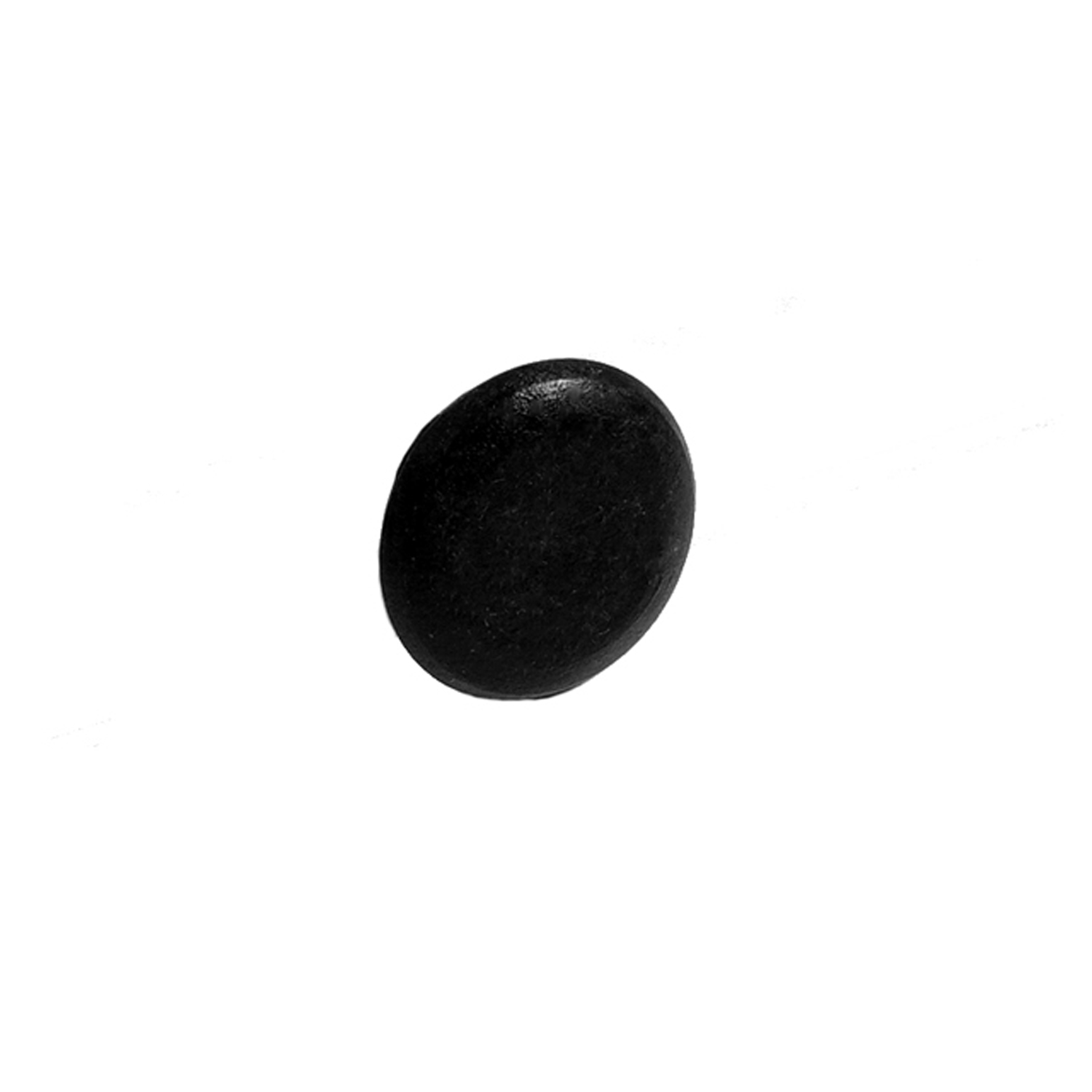 1928 Packard Single Six Trunk Bumper. 3/4" O.D., 5/8" I.D. Each-SB 74Trunk Bumper. 3/4" O.D., 5/8" I.D. Each
Why Choose Metro?
For over 100 years, Metro Moulded Parts has been the pinnacle of quality in classic car restoration parts. Our commitment to precision and authenticity in every component ensures a perfect fit and an OEM-level appearance.
- Expert Craftsmanship & Quality: Each part is a testament to our dedication to reliability and perfection, crafted from original designs and thoroughly tested.
- Advanced Technology: We use cutting-edge techniques to create flawless, long-lasting parts that surpass others in performance.
- SuperSoft Sponge – The Ultimate Door Seal: Not only are our door seals 30% softer than competitors', but they're also guaranteed to never leak. They effectively reduce wind and road noise, enhancing your classic car's comfort and driving experience.
- Proudly American: Our parts are a product of American craftsmanship, made in the USA with a spirit of excellence and heritage.
- Unrivaled Warranty: We back our products with a 30-year industry-leading warranty, a testament to our confidence in their quality.
Join us in preserving the legacy of classic cars with parts that are crafted for perfection, not just made.