

Image of 1928 Packard Standard Eight, Note: These illustrations use artistic license and may differ from actual historical models.
Performance Metrics
Fundamental Metrics
Emotional Appeal
MMP Rating
| Engine Specifications | |
|---|---|
| Engine: | Straight-8 |
| Displacement: | 5252 cc |
| Horsepower: | Estimated 90 HP |
| Torque: | Not available |
| Compression Ratio: | Not available |
| Ignition System: | Battery and coil |
| Cooling System: | Water-cooled |
| Performance Specifications | |
| 0-60 Time: | Not available |
| 1/4 Mile Time: | Not available |
| Top Speed: | 70 mph |
| Transmission and Drive | |
| Drive Type: | Rear-wheel drive |
| Transmission Type: | 3-speed manual |
| Fuel and Efficiency | |
| Fuel System Type: | Carburetor |
| MPG: | Not available |
| Dimensions and Brakes | |
| Brakes: | Mechanical drum brakes |
| Wheelbase: | 143 inches |
| Weight: | Estimated 4500 lbs |
Note: Specifications for classic cars are given to the best of our ability, considering the limited and variant data available.
1928 Packard Standard Eight: A Refined American Classic
The 1928 Packard Standard Eight turned an eight-cylinder engine into a statement of confidence, combining smooth power, polished craftsmanship, and the imposing presence expected of a prestigious American automobile. Built by the Packard Motor Car Company of Detroit, Michigan, it was the well-appointed entry point to Packard’s 1928 lineup, offering much of the marque’s engineering character without reaching the price or exclusivity of its top models.
The 1928 car is commonly identified as the Packard Standard Eight Series 443. It arrived during the prosperous years of the late 1920s, when American manufacturers competed to make cars more powerful, comfortable, and stylish. A memorable detail is that the 443’s long, straight-eight engine was designed for smooth, unhurried power rather than the high-revving character associated with smaller, sportier cars. In a Packard, quiet composure was part of the performance.
Elegant Packard Styling and Coachwork
The Standard Eight had the formal proportions that defined a high-quality automobile of its era. Its tall, upright radiator and Packard’s distinctive radiator emblem gave the front end an unmistakable identity. Long hood panels, flowing front fenders, running boards, and large wire or wood-spoke wheels emphasized its length and stature. Depending on the body, a rear-mounted spare tire and luggage rack added another layer of touring-car elegance.
Inside, the Packard favored durable luxury over flashy decoration. Upholstery could include leather or high-grade cloth, while polished wood trim, substantial door hardware, and carefully finished fittings made the cabin feel tailored. The broad instrument panel placed the gauges within the driver’s view, and the generous seating reflected a time when comfort often meant room for several passengers rather than bucket seats and a center console.
As with other cars of the period, trim and equipment varied by body style and order. Buyers could choose from a range of paint finishes, with dark blue, black, maroon, and deep green among the colors that suited the car’s formal lines particularly well. Two-tone treatments were also available on some configurations. Exact colors depended on the body and factory options, so original paint records and surviving finish samples are useful when evaluating a restoration.
The Series 443 was offered in multiple body styles, including sedans, coupes, roadsters, and open touring or phaeton configurations. Closed sedans were practical and popular choices for private owners, while open cars made the Packard’s long hood and sweeping fenders especially striking. Coachwork and seating arrangements could differ, so a car’s precise body designation matters when researching its history or assessing its value.
Engineering Ahead of the Ordinary
At the heart of the Standard Eight was a 320-cubic-inch, or approximately 5.2-liter, L-head inline-eight engine. It produced about 85 horsepower, an impressive figure for a large luxury car in 1928. The long engine layout helped deliver smoother running than a typical four-cylinder, and its substantial low-speed torque suited the Packard’s weight and relaxed touring role.
The car also had the expected period equipment of a premium automobile, including electric starting and lighting, a three-speed manual transmission, and four-wheel mechanical drum brakes. Its six-volt electrical system was typical of the era. The transmission was not synchronized in the modern sense, so smooth gear changes called for deliberate clutch work and, when appropriate, double-clutching.
Packard’s reputation rested not on one isolated invention but on the way it combined sound engineering, careful assembly, and a strong dealer network. The Standard Eight made the marque’s straight-eight smoothness and upscale finish more attainable than its most expensive models. It helped reinforce the idea that a refined eight-cylinder car could be a desirable everyday luxury vehicle, not merely a rare showpiece.
Performance, Ride, and Road Manners
Period performance figures vary with body style, gearing, condition, and test method. A well-tuned Standard Eight could plausibly reach roughly 70 to 75 mph, with lighter or favorably geared examples sometimes reported faster. A modern-style 0-to-60-mph figure was not a typical factory selling point, but a reasonable estimate is around 25 to 30 seconds. Those numbers describe a large car built for smooth progress, not quick launches.
On a level road, the straight-eight’s character is more about a steady, even pull than a sharp burst of acceleration. The engine produces a measured mechanical hum that becomes more pronounced under load, while the exhaust has the subdued note expected of a luxury touring car. A properly maintained engine should feel smooth for its age, though vibration, smoke, or uneven running can point to wear or neglected tuning.
The long wheelbase helps the Packard settle over ordinary road imperfections, although its period suspension cannot disguise every pothole or washboard surface. On winding roads, the car feels substantial rather than nimble. Steering is unassisted, and the driver must plan ahead when turning, parking, or braking. The mechanical brakes require more effort and anticipation than modern hydraulic systems, particularly in traffic or on a steep descent.
That driving experience is part of the appeal. The driver is actively involved, using a large steering wheel, a manual gearbox, and careful braking to guide a heavy machine. It rewards smooth inputs and a relaxed pace. On a scenic country road, the Standard Eight feels less like an old car trying to imitate a modern one and more like a well-engineered expression of its own time.
Living With a 1928 Packard
Today, most Standard Eights are used for touring, club events, museum displays, and concours shows rather than daily transportation. They can cover meaningful distances when correctly restored and maintained, but their size, fuel consumption, mechanical brakes, and lack of modern safety equipment make regular use a different proposition from driving a contemporary car.
Routine maintenance is straightforward for an experienced vintage-car mechanic, but not necessarily simple for an average modern owner. The engine and chassis use familiar mechanical principles, and many repairs can be completed with conventional tools. The challenges are finding correct parts, understanding period adjustment procedures, and locating specialists for engine machining, upholstery, paint, or coachwork. Owners should also keep up with lubrication, cooling-system care, ignition tuning, and brake adjustment.
Reliability depends heavily on condition. A sound, carefully restored Packard can be dependable on planned tours, while a neglected example may need extensive work before it is safe to drive. Buyers should pay particular attention to engine compression, oil pressure, cooling performance, transmission operation, brake condition, frame integrity, and the quality of any past restoration.
Packard Trivia and Common Criticisms
Packard’s famous advertising line, “Ask the man who owns one,” dates to the early years of the company and helped build its reputation for quality. It was not exclusive to the 1928 Standard Eight, but it captures the ownership pride the marque cultivated. The Standard Eight also represents a moment just before the Great Depression reshaped the American luxury-car market, making it a snapshot of late-1920s prosperity.
There is no single widely recognized speed or endurance record that defines the 1928 Standard Eight. Its significance is better measured in Packard’s reputation and in the number of buyers it brought into the company’s eight-cylinder range. A rough estimate for Series 443 production is approximately 12,000 to 13,000 cars, though exact totals and body-style breakdowns can be difficult to confirm from surviving records.
Common criticisms are mostly practical. The car is large, thirsty by modern standards, and slow to stop compared with a contemporary vehicle. Its unsynchronized transmission asks for skill, and its mechanical brakes need careful adjustment. Restoration can also become expensive, especially when a car has missing trim, incorrect body components, structural corrosion, or poorly executed prior work.
Collector Values and Availability
Series 443 Packards appear on the collector market, but condition and body style make a major difference. As a broad current-market estimate, a project car might sell for about $15,000 to $30,000, while a sound driver-quality example could fall around $30,000 to $60,000. Well-restored cars may bring roughly $60,000 to $100,000 or more. Exceptional open cars, rare configurations, and cars with strong provenance can exceed that range, while a non-original or incomplete example may be worth considerably less.
These figures are estimates, not a formal appraisal. Auction results, restoration quality, documentation, originality, and regional demand all affect the final price. A sedan and a desirable open-body car should not be assumed to have the same value, even if both carry the Standard Eight name.
The 443 is uncommon enough to be a special sight, but it is not so rare that collectors never encounter one. A reasonable production estimate of roughly 12,000 to 13,000 cars suggests a meaningful original run; the number that survives in usable or restored condition is much smaller. Values for good examples have generally been supported by Packard’s enduring reputation, though the market for prewar cars can be selective. Carefully restored, documented cars tend to hold interest better than projects with uncertain histories.
Why the 1928 Standard Eight Still Matters
The 1928 Packard Standard Eight brought together a smooth 320-cubic-inch straight-eight, formal styling, quality coachwork, and the confident road presence that made Packard one of America’s leading luxury marques. It was not a sports car, and it did not offer modern convenience or safety. Its appeal lies in the way it delivered quiet power and careful craftsmanship at a time when those qualities defined a truly fine automobile.
For collectors, the Series 443 is both a usable link to Packard’s golden years and an impressive example of late-1920s American design. Start its engine, let the straight-eight settle into its steady rhythm, and the car’s purpose becomes clear: the 1928 Packard Standard Eight was built to make the journey feel as distinguished as the destination.
1928 Packard Standard Eight Catalog of Parts
 1928 Packard Standard Eight Gas Filler Grommet. 2-1/2" I.D., 4-1/8" O.D. Each-GF 12Gas Filler Grommet. 2-1/2" I.D., 4-1/8" O.D. Each
 1928 Packard Standard Eight Hood Corners. 1-3/4" to 2" corner radius-HC 14Hood Corners. 1-3/4" to 2" corner radius. Pad is 3-3/8" long. Pair
 1928 Packard Standard Eight Swing-Out Lower Windshield Seal. Sold by the foot-LP 108Swing-Out Lower Windshield Seal. Sold by the foot
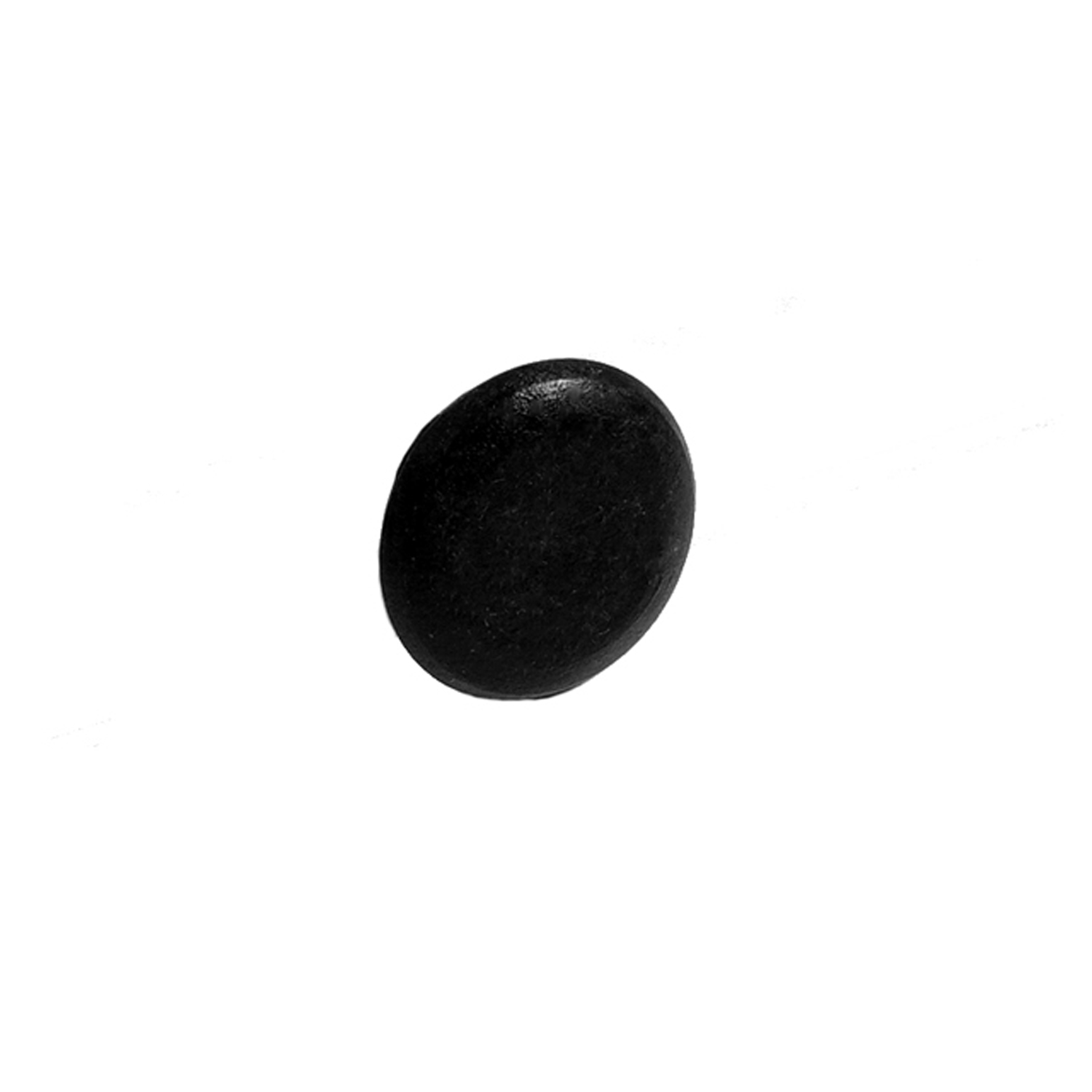 1928 Packard Standard Eight Trunk Bumper. 3/4" O.D., 5/8" I.D. Each-SB 74Trunk Bumper. 3/4" O.D., 5/8" I.D. Each
Why Choose Metro?
For over 100 years, Metro Moulded Parts has been the pinnacle of quality in classic car restoration parts. Our commitment to precision and authenticity in every component ensures a perfect fit and an OEM-level appearance.
- Expert Craftsmanship & Quality: Each part is a testament to our dedication to reliability and perfection, crafted from original designs and thoroughly tested.
- Advanced Technology: We use cutting-edge techniques to create flawless, long-lasting parts that surpass others in performance.
- SuperSoft Sponge – The Ultimate Door Seal: Not only are our door seals 30% softer than competitors', but they're also guaranteed to never leak. They effectively reduce wind and road noise, enhancing your classic car's comfort and driving experience.
- Proudly American: Our parts are a product of American craftsmanship, made in the USA with a spirit of excellence and heritage.
- Unrivaled Warranty: We back our products with a 30-year industry-leading warranty, a testament to our confidence in their quality.
Join us in preserving the legacy of classic cars with parts that are crafted for perfection, not just made.