

Image of 1929 Packard Speedster, Note: These illustrations use artistic license and may differ from actual historical models.
Performance Metrics
Fundamental Metrics
Emotional Appeal
MMP Rating
| Engine Specifications | |
|---|---|
| Engine: | Straight-8 |
| Displacement: | 384.8 cubic inches |
| Horsepower: | Estimated 90-110 HP |
| Torque: | Not available |
| Compression Ratio: | Not available |
| Ignition System: | Battery and coil |
| Cooling System: | Water-cooled |
| Performance Specifications | |
| 0-60 Time: | Not available |
| 1/4 Mile Time: | Not available |
| Top Speed: | 70-80 mph |
| Transmission and Drive | |
| Drive Type: | Rear-wheel drive |
| Transmission Type: | 3-speed manual |
| Fuel and Efficiency | |
| Fuel System Type: | Carburetor |
| MPG: | Not available |
| Dimensions and Brakes | |
| Brakes: | 4-wheel mechanical drum brakes |
| Wheelbase: | 134.5 inches |
| Weight: | Estimated 4,500 lbs |
Note: Specifications for classic cars are given to the best of our ability, considering the limited and variant data available.
1929 Packard Speedster: A Custom-Bodied Classic
A 1929 Packard Speedster is best understood as a striking custom interpretation of a Packard chassis, not as a regular-production Packard model with a factory-set specification. That distinction matters: Packard’s celebrated factory Speedster, the Model 734, arrived for 1930. A car described today as a “1929 Packard Speedster” may therefore be a period coachbuilt special, a later custom-bodied car, or a modern restoration styled in the speedster tradition. Its exact story depends on its chassis, body, and provenance.
Packard Motor Car Company, based in Detroit, had earned a reputation for refined engineering and high-quality construction. In the late 1920s, its large luxury cars appealed to buyers who wanted prestige as well as dependable performance. The 1929 Packard Eight provided a substantial, well-engineered foundation for custom coachwork, making it a natural candidate for an individual sporting body.
The timing is intriguing. The late 1920s brought new enthusiasm for speed, personal style, and long-distance motoring. Packard would soon channel that spirit into its 734 Speedster, a low-production performance model. A car called a 1929 Packard Speedster can thus represent an early expression of the same idea: taking Packard’s luxury-car craftsmanship and giving it a more sporting appearance.
Low Lines and Hand-Finished Detail
Because there was no standard 1929 factory Speedster body, its appearance can vary considerably. A classic speedster profile typically has a long hood, a low-cut door line, a compact passenger compartment, and a short rear deck. Separate fenders, exposed running boards, wire wheels, and a folding windshield may complete the purposeful look. On a Packard chassis, those athletic proportions contrast beautifully with the car’s substantial presence.
Interior appointments depend on the body builder and the individual commission. Period Packards were known for carefully finished cabins, with quality leather upholstery, polished wood or metal trim, and well-made controls. A sporting custom might use simpler, more exposed fittings than a formal limousine, but it would still be built around a substantial, carefully crafted automobile. Restored examples may have replacement materials, so details should be checked against the car’s documentation and restoration records.
Packard offered a range of factory colors and trim combinations, while custom coachbuilders could tailor paint and upholstery to a client’s tastes. Deep maroon, dark green, black, and two-tone schemes all suit the period. There is no single “correct” 1929 Speedster color: the original build sheet, paint traces, or coachbuilder records are the best guides to an individual car’s factory finish.
Packard’s 1929 range included multiple body styles, from closed sedans and coupes to open touring cars and roadsters. A speedster-style body is the most visually dramatic option, but it should not be confused with a documented factory body unless reliable records establish that status. The later Model 734 Speedster, introduced in 1930, is the better-known factory-built Packard performance car.
Packard Engineering in a Changing Era
Packard’s importance was not limited to styling. The company built its reputation on robust engines, refined mechanicals, and meticulous fit and finish. Its large straight-eight engines offered smooth power delivery, while its chassis and braking systems reflected the engineering priorities of a premium automobile built for substantial road use.
What set a Packard apart from many contemporaries was the combination of prestige and practical engineering. The cars were expensive, but they were also designed to be driven rather than merely displayed. Custom speedster bodies added another layer of exclusivity, transforming a recognizable luxury chassis into a more individual machine.
The lasting influence is clearest in the Packard 734 Speedster that followed. It brought factory-backed performance credentials to the idea of a sporting Packard. A 1929 custom speedster is not the same model, but it belongs to the broader movement toward combining luxury-car refinement with a more adventurous, driver-focused character.
Road Manners and Performance
Exact performance figures cannot be assigned to every 1929 Packard Speedster because the term may describe different chassis and bodies. A common basis for such a conversion is a 1929 Packard Eight. Depending on the specific series and engine, period Packard Eights were large-displacement, smooth-running straight eights. Published specifications vary by model, so the car’s engine number and chassis identification should be checked before quoting a precise horsepower figure.
For a typical 1929 Packard Eight, a reasonable broad estimate is a top speed in the neighborhood of 75 to 85 mph when the car is in sound mechanical condition. A 0-to-60-mph time would likely be measured in the high teens or longer, depending on gearing, body weight, engine condition, and road surface. These are estimates, not verified specifications for every car carrying the Speedster name. A custom-bodied car may be lighter than a closed Packard, but its gearing and mechanical setup matter just as much.
On the road, the long wheelbase and substantial chassis should help the car feel settled on open highways. It will not respond like a modern sports car. Steering is likely to be relatively heavy at low speeds, and the driver needs to plan ahead for the car’s size, braking distance, and period tires. On rough roads, the suspension can absorb ordinary imperfections, though large bumps will still make their presence known. On winding roads, smooth inputs and a measured pace suit the car better than abrupt cornering.
The straight-eight’s appeal is as much about character as speed. Expect a deep, even mechanical note that builds smoothly with engine revs, along with the tactile experience of a period manual gearbox and controls. Driving one is an active process: the driver listens to the engine, anticipates shifts, and allows the chassis to settle through turns. That direct connection is part of the attraction.
Living with a Packard Speedster
Today, a 1929 Packard Speedster is most likely to be used for concours events, vintage-car tours, club gatherings, and occasional pleasure drives. Its rarity, age, and potential custom bodywork make everyday commuting an unlikely role. A well-sorted example can still cover road miles, but owners generally preserve it by choosing suitable routes and avoiding heavy traffic where possible.
Maintenance is manageable for an experienced classic-car mechanic, but it is not the same as servicing a modern car. The owner must keep up with lubrication, ignition and fuel-system adjustments, cooling-system condition, tires, and brake inspection. Parts for common Packard mechanical components may be obtainable through specialist suppliers and marque clubs, while unique body panels, trim, and coachbuilt fittings can be difficult and expensive to reproduce.
Reliability depends heavily on restoration quality and regular use. A car that has been carefully rebuilt and driven periodically is often a better touring prospect than one that has spent years sitting in a collection. For an average owner without mechanical experience, a trusted Packard specialist is a sensible partner, especially before a long trip.
Rare-Car Facts and Caveats
The most useful fact to know is also the easiest to get wrong: “1929 Packard Speedster” is not, by itself, proof of a factory model designation. Packard’s Model 734 Speedster belongs to the 1930 model year. Any 1929 car advertised under the Speedster name deserves a close review of its chassis records, body history, engine, and period photographs.
There is no reliable production total for 1929 Packard Speedsters as a category, because the label can include one-off customs and later conversions. The number of authentic, period-built examples could be very small, but a precise count would require defining exactly which cars qualify. For the same reason, there is no sound basis for claiming a universal speed record or celebrity ownership history for the 1929 designation.
Common criticisms are familiar to owners of large prewar cars: slow steering response, long stopping distances compared with modern traffic, demanding maintenance, and limited parts availability for bespoke coachwork. The car’s size and age also make it less convenient than its elegant appearance might suggest. Those drawbacks are balanced by its craftsmanship, presence, and distinctive driving experience.
Collector Value and Availability
Values depend more on identity and documentation than on the Speedster label alone. As a broad estimate, a well-restored 1929 Packard Eight with desirable custom speedster coachwork might fall around $150,000 to $400,000. An exceptional example with documented period coachwork, strong provenance, and show-quality restoration could exceed that range. A later conversion, an incomplete car, or a restoration needing major work could be worth substantially less.
There is no dependable production figure for the custom category, and cars are rarely available in ordinary used-car listings. Buyers should verify the chassis and engine numbers, research the body builder, and seek expert inspection. The market for significant prewar cars can fluctuate: top-quality, well-documented examples tend to attract the strongest interest, while cars with uncertain histories or costly restoration needs are more sensitive to economic conditions.
Over the long term, exceptional Packards have retained strong collector appeal, but that does not guarantee that every example will appreciate. Restoration costs can exceed a car’s market value, and a custom body’s originality can be difficult to establish. Provenance, condition, and authenticity are the factors most likely to support future value.
A Packard with a Sporting Side
A 1929 Packard Speedster is compelling precisely because it sits at the intersection of luxury, craftsmanship, and individuality. It may not be a standardized factory model, but a documented example can reveal how owners and coachbuilders reimagined Packard’s imposing Eight for a more sporting age. With its long hood, straight-eight character, and unmistakable prewar presence, it remains a vivid reminder that the most memorable classics are sometimes the cars with a story all their own.
1929 Packard Speedster Catalog of Parts
 1929 Packard SPEEDSTER Gas Filler Grommet. 2-1/2" I.D., 4-1/8" O.D. Each-GF 12Gas Filler Grommet. 2-1/2" I.D., 4-1/8" O.D. Each
 1929 Packard SPEEDSTER Hood Corners. 1-3/4" to 2" corner radius-HC 14Hood Corners. 1-3/4" to 2" corner radius. Pad is 3-3/8" long. Pair
 1929 Packard SPEEDSTER Luggage Rack Pads. 3-1/8" wide X 5-1/2" long. Pair-MP 901Luggage Rack Pads. 3-1/8" wide X 5-1/2" long. Pair
 1929 Packard SPEEDSTER Headlight Pads. 5" wide X 5-3/8" long-MP 902Headlight Pads. 5" wide X 5-3/8" long. Pair NOTE: '32 pads may differ slightly. See MP 902-A. Send tracing of metal base if in doubt.
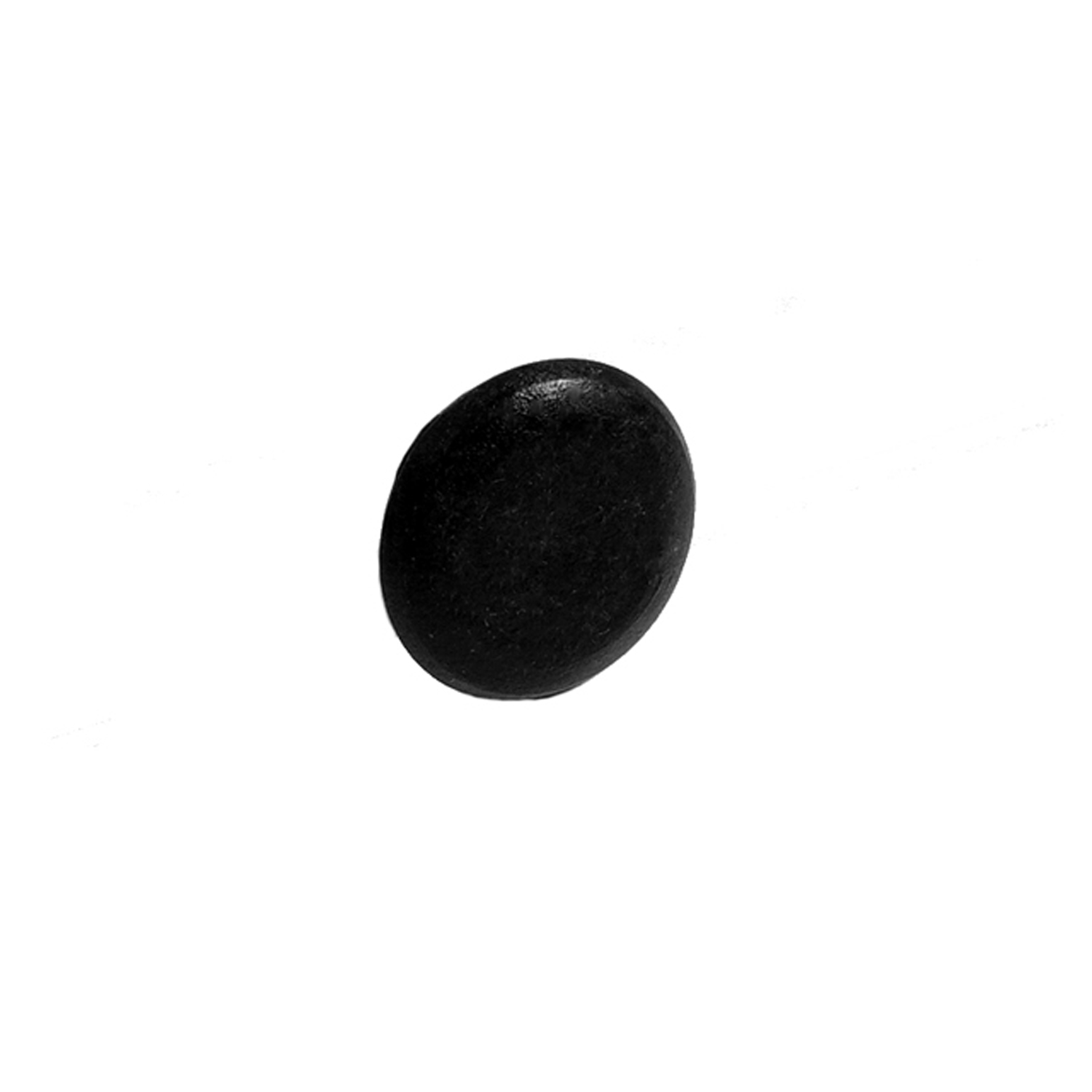 1929 Packard SPEEDSTER Trunk Bumper. 3/4" O.D., 5/8" I.D. Each-SB 74Trunk Bumper. 3/4" O.D., 5/8" I.D. Each
Why Choose Metro?
For over 100 years, Metro Moulded Parts has been the pinnacle of quality in classic car restoration parts. Our commitment to precision and authenticity in every component ensures a perfect fit and an OEM-level appearance.
- Expert Craftsmanship & Quality: Each part is a testament to our dedication to reliability and perfection, crafted from original designs and thoroughly tested.
- Advanced Technology: We use cutting-edge techniques to create flawless, long-lasting parts that surpass others in performance.
- SuperSoft Sponge – The Ultimate Door Seal: Not only are our door seals 30% softer than competitors', but they're also guaranteed to never leak. They effectively reduce wind and road noise, enhancing your classic car's comfort and driving experience.
- Proudly American: Our parts are a product of American craftsmanship, made in the USA with a spirit of excellence and heritage.
- Unrivaled Warranty: We back our products with a 30-year industry-leading warranty, a testament to our confidence in their quality.
Join us in preserving the legacy of classic cars with parts that are crafted for perfection, not just made.