

Image of 1929 Packard Standard Eight, Note: These illustrations use artistic license and may differ from actual historical models.
Performance Metrics
Fundamental Metrics
Emotional Appeal
MMP Rating
| Engine Specifications | |
|---|---|
| Engine: | Straight-8 |
| Displacement: | 319 cu in (5.2 L) |
| Horsepower: | Estimated 90 HP |
| Torque: | Not available |
| Compression Ratio: | Not available |
| Ignition System: | Battery and coil |
| Cooling System: | Water |
| Performance Specifications | |
| 0-60 Time: | Not available |
| 1/4 Mile Time: | Not available |
| Top Speed: | 70 mph |
| Transmission and Drive | |
| Drive Type: | Rear-wheel drive |
| Transmission Type: | 3-speed manual |
| Fuel and Efficiency | |
| Fuel System Type: | Carburetor |
| MPG: | Not available |
| Dimensions and Brakes | |
| Brakes: | Mechanical drum brakes |
| Wheelbase: | 130.5 in (3,315 mm) |
| Weight: | 4,500 lbs |
Note: Specifications for classic cars are given to the best of our ability, considering the limited and variant data available.
1929 Packard Standard Eight: A Luxury Car Before the Crash
The 1929 Packard Standard Eight paired the smooth pull of an inline-eight engine with the careful craftsmanship that made Packard one of America’s premier luxury marques. Built by the Packard Motor Car Company in Detroit, it sat below the more expensive DeLuxe and Custom Eights, but “standard” did not mean ordinary: this was a substantial, finely finished automobile designed for comfortable, confident travel.
Packard had been building its reputation since the early 1900s, and by the late 1920s its cars were shorthand for quality and prestige. The Standard Eight arrived during the final boom years before the Wall Street Crash of 1929. Its timing gives the car a particular historical character: it represents the confidence and optimism of the Jazz Age, just as the market for costly automobiles was about to change dramatically.
A detail worth remembering is that the Standard Eight was not Packard’s first straight-eight. The company had introduced an eight-cylinder production car in 1924, giving it years to refine the layout by the time the 1929 models appeared. Packard’s familiar slogan, “Ask the man who owns one,” captured the company’s faith in long-term ownership and word-of-mouth reputation.
Long Hood, Upright Grille, Packard Presence
The Standard Eight’s proportions announced its purpose before the engine was even started. A long hood flowed toward Packard’s upright radiator grille, topped by the marque’s distinctive ornament. Sweeping front fenders, large headlights, running boards, and a high, formal cabin gave the car a dignified profile. It was imposing without relying on excessive decoration, with bright metal trim used to accent the body rather than overwhelm it.
Inside, buyers could expect the quality associated with a high-grade American car of the period. Closed bodies were typically trimmed in fine cloth, while open models commonly featured leather upholstery. Polished wood, carefully finished metal fittings, a large steering wheel, and clear instruments contributed to a cabin that felt more like a well-appointed room than a bare mechanical workspace. Exact materials and details varied by body style and original order.
Color combinations depended on the body and the buyer’s specification. Deep blues, greens, maroons, and black were suitable choices for the car’s formal character, while two-tone schemes could bring out the long fenders and beltline. Upholstery and exterior combinations also varied, so surviving cars do not all share one definitive “correct” color. For a restoration, the original body tag, paint traces, and period Packard documentation are better guides than modern assumptions.
The Standard Eight was offered in several body configurations across its model range, including closed sedans and coupes as well as open touring-style cars. The exact selection differed between the shorter-wheelbase 626 and longer-wheelbase 633 lines. Sedans were practical and popular choices for owners who wanted year-round comfort; open phaetons and roadsters have a particularly vivid period appeal today. Packard’s coachwork could vary in trim and detail, so it is wise to identify a car by its specific series and body designation rather than by the broad “Standard Eight” name alone.
Packard Engineering in the Late 1920s
At the heart of the 1929 Standard Eight was a 319-cubic-inch, L-head inline-eight, generally rated at about 90 horsepower. Its long, straight cylinder layout was valued for smoothness, and the engine delivered power in a steady, unhurried way. A three-speed manual transmission, rear-wheel drive, and substantial chassis were typical of the period. Four-wheel mechanical brakes and conventional suspension remind modern drivers that this was a carefully engineered 1920s car, not a contemporary vehicle in disguise.
The Standard Eight’s achievement was not one isolated invention. It brought a refined eight-cylinder powertrain, generous dimensions, and respectable build quality to a place below Packard’s most expensive models. That combination made the Packard experience accessible to more buyers without abandoning the marque’s focus on comfort and finish. Its lasting influence is found less in a single feature than in the luxury-car formula it represented: smooth power, a well-developed chassis, and an emphasis on quiet, composed travel.
Options and equipment could differ from car to car. Period conveniences such as a heater, a clock, or a radio might be fitted depending on the specification and market. Packard also used centralized chassis lubrication systems on some models and equipment configurations, but surviving cars should be checked individually rather than assumed to have identical fittings.
Road Performance and Driving Feel
Period road tests and modern specifications do not always agree, and performance varies with body style, gearing, mechanical condition, and load. As a practical estimate, a well-sorted Standard Eight may reach roughly 70 to 80 mph, with 0 to 60 mph taking around 25 to 30 seconds. Those figures are best treated as broad estimates, not guaranteed results for every surviving car. The Packard was built to make distance feel easy, not to deliver sports-car acceleration.
On the road, the straight-eight’s main impression is smoothness. At low speeds it produces a measured mechanical murmur, growing into a deeper, steady note as the car gathers pace. The manual transmission requires deliberate operation, and the driver must plan braking and gear changes well ahead by modern standards. There is no power steering or modern brake assistance to hide the car’s weight.
The long wheelbase and substantial chassis help the car settle over ordinary road imperfections, though it will still react to sharp bumps and uneven surfaces with the movements expected of a heavy vintage automobile. On winding roads, its size and body roll encourage a relaxed pace. In crosswinds, a tall body and large steering wheel call for attentive hands. The most satisfying drive is a smooth, open-road cruise, where the engine can work calmly and the car’s generous proportions make sense.
Owning and Maintaining a Standard Eight
Today, the 1929 Standard Eight is mainly a collector car, touring machine, or show vehicle rather than a daily driver. A sound example can be rewarding on local events and vintage-car tours, but it needs regular use and careful upkeep. The cooling system, ignition, fuel delivery, brakes, tires, and lubrication all deserve close attention, especially before a long trip.
The mechanical layout is comparatively straightforward for a specialist familiar with prewar Packards, but that does not make every repair easy for the average owner. Parts availability is generally better for common service items than for specific trim, body, and interior components. Correct restoration work may require specialist suppliers, patient searching, and period references. The car’s mechanical brakes also need regular adjustment and a full inspection; a vintage Packard should never be assumed to stop like a modern car.
Reliability depends heavily on condition and maintenance history. A properly restored and regularly serviced example can tour reliably, while a neglected car may need substantial work before it is safe to drive. Before buying, check for rust or poorly repaired bodywork, engine wear, cooling problems, brake condition, and evidence that the car’s identification and body details match its claimed series.
Packard Trivia and Common Misconceptions
The name “Standard Eight” can create confusion because Packard also sold more luxurious eight-cylinder models. It describes a position within Packard’s range, not a plain or inexpensive car by everyday standards. The 626 and 633 designations are useful clues when identifying a 1929 car, but body style and equipment should be confirmed from the individual vehicle’s documentation.
There is no widely recognized speed or endurance record that defines the 1929 Standard Eight. Its appeal is rooted instead in Packard’s reputation for refinement and the car’s role as a representative product of the late-1920s luxury market. Individual cars may have fascinating ownership histories, but celebrity connections should be supported by documentation rather than repeated as fact based on an old sales claim.
Common criticisms are familiar to anyone who drives a prewar car: the Standard Eight is large, thirsty by modern standards, slow to accelerate, and dependent on mechanical brakes and a manual gearbox. It can also be expensive to restore correctly. Those limitations are part of the period experience, but they matter when comparing the car with later classics or considering regular road use.
Collector Values and Market Outlook
Production figures for individual Packard body styles and series can be difficult to compare across sources. A reasonable working estimate is that tens of thousands of Standard Eights were built across the 626 and 633 lines, with a broad estimate of roughly 20,000 to 30,000 cars. This should be treated as an informed approximation, not a definitive factory total. Far fewer survive in roadworthy or well-restored condition, and rarity varies considerably by body style.
As a broad U.S. market guide, a project car may fall around $15,000 to $30,000, while a sound driver-quality sedan might bring approximately $30,000 to $55,000. A high-quality restoration, especially an attractive open car or less common body style, could range from about $60,000 to $120,000 or more. These are estimates, not appraisals: originality, restoration quality, provenance, body style, and current auction demand can move the price substantially.
Values for prewar luxury cars tend to be selective rather than uniformly rising. Exceptional, documented examples remain appealing, but restoration costs can exceed the market value of an average car. Buyers should compare recent sales of the same body style and condition, and sellers should distinguish a genuine, well-documented restoration from a fresh cosmetic presentation. The market is generally strongest for complete cars with excellent craftsmanship and clear history.
Why the 1929 Packard Standard Eight Still Matters
The 1929 Packard Standard Eight brought together smooth eight-cylinder power, formal styling, generous proportions, and the careful workmanship that made Packard a leading American luxury marque. It was built at the edge of a major economic turning point, yet its character remains tied to the confidence and craftsmanship of the pre-Depression years.
It is not a fast or effortless car by modern standards, and its upkeep rewards patience. But for collectors who value presence, mechanical character, and the history of American luxury motoring, the Standard Eight offers more than a handsome silhouette. It is a rolling reminder of an era when Packard believed that refinement should be felt in every mile.
1929 Packard Standard Eight Catalog of Parts
 1929 Packard Standard Eight Gas Filler Grommet. 2-1/2" I.D., 4-1/8" O.D. Each-GF 12Gas Filler Grommet. 2-1/2" I.D., 4-1/8" O.D. Each
 1929 Packard Standard Eight Hood Corners. 1-3/4" to 2" corner radius-HC 14Hood Corners. 1-3/4" to 2" corner radius. Pad is 3-3/8" long. Pair
 1929 Packard Standard Eight Luggage Rack Pads. 3-1/8" wide X 5-1/2" long. Pair-MP 901Luggage Rack Pads. 3-1/8" wide X 5-1/2" long. Pair
 1929 Packard Standard Eight Headlight Pads. 5" wide X 5-3/8" long-MP 902Headlight Pads. 5" wide X 5-3/8" long. Pair NOTE: '32 pads may differ slightly. See MP 902-A. Send tracing of metal base if in doubt.
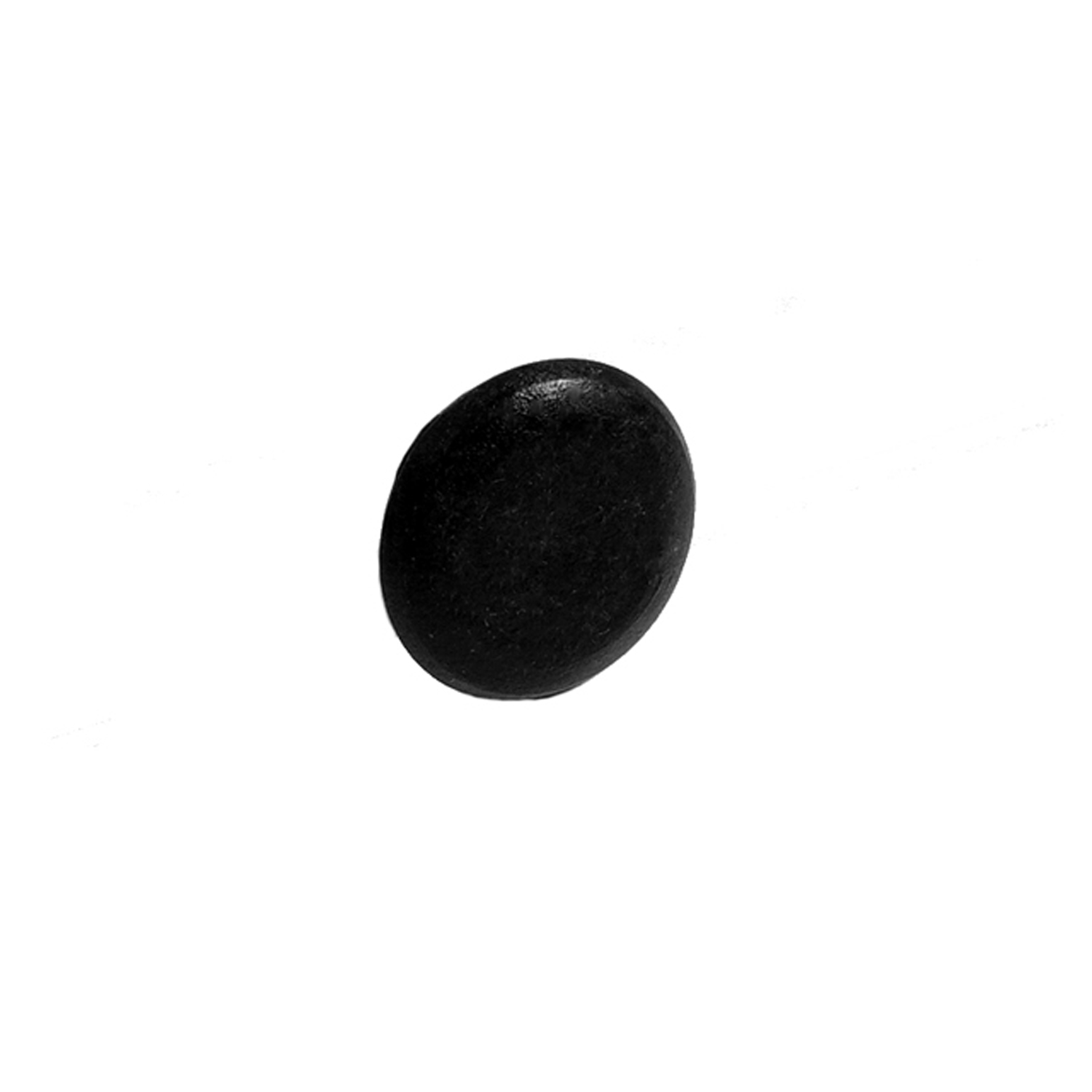 1929 Packard Standard Eight Trunk Bumper. 3/4" O.D., 5/8" I.D. Each-SB 74Trunk Bumper. 3/4" O.D., 5/8" I.D. Each
Why Choose Metro?
For over 100 years, Metro Moulded Parts has been the pinnacle of quality in classic car restoration parts. Our commitment to precision and authenticity in every component ensures a perfect fit and an OEM-level appearance.
- Expert Craftsmanship & Quality: Each part is a testament to our dedication to reliability and perfection, crafted from original designs and thoroughly tested.
- Advanced Technology: We use cutting-edge techniques to create flawless, long-lasting parts that surpass others in performance.
- SuperSoft Sponge – The Ultimate Door Seal: Not only are our door seals 30% softer than competitors', but they're also guaranteed to never leak. They effectively reduce wind and road noise, enhancing your classic car's comfort and driving experience.
- Proudly American: Our parts are a product of American craftsmanship, made in the USA with a spirit of excellence and heritage.
- Unrivaled Warranty: We back our products with a 30-year industry-leading warranty, a testament to our confidence in their quality.
Join us in preserving the legacy of classic cars with parts that are crafted for perfection, not just made.